A professional photography trip leader, affiliated with Backcountry Journeys, recently undertook an intensive expedition to Katmai National Park in Alaska, specifically targeting the iconic brown bears of Brooks Falls. The demanding nature of leading back-to-back workshops in such a dynamic wildlife environment necessitated meticulous planning, particularly concerning photographic equipment. To achieve a diverse range of desired imagery, from intimate portraits to wide-angle environmental shots and high-speed action sequences of bears fishing, the decision was made to integrate a specialized, high-performance lens into the existing gear arsenal: the Canon RF 100-300mm f/2.8 L IS USM, secured through a rental agreement with Lensrentals. This strategic equipment choice underscored the critical role of versatile, top-tier optics in capturing professional-grade wildlife photographs under challenging field conditions.
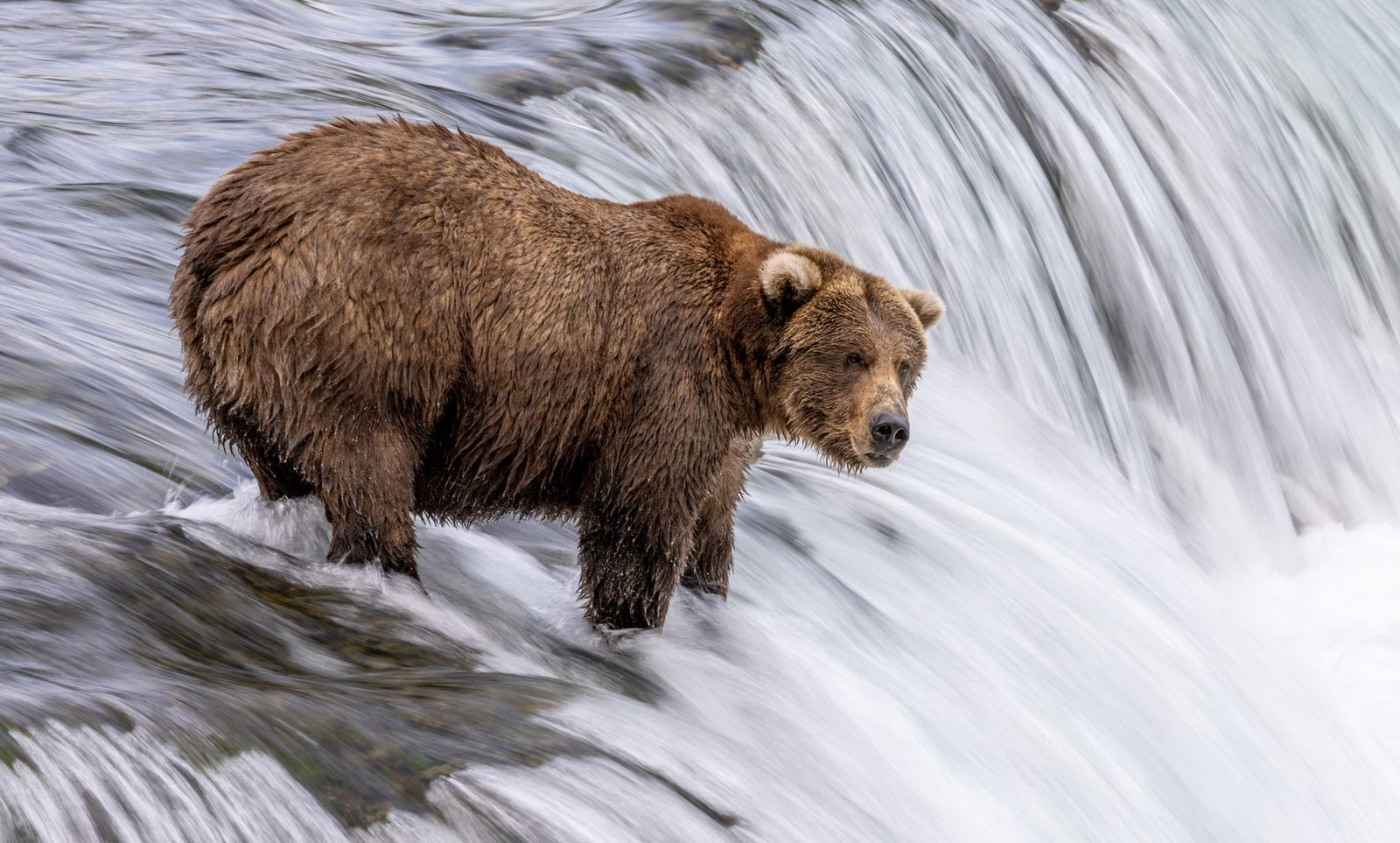
The Allure of Katmai and Brooks Falls for Wildlife Photography
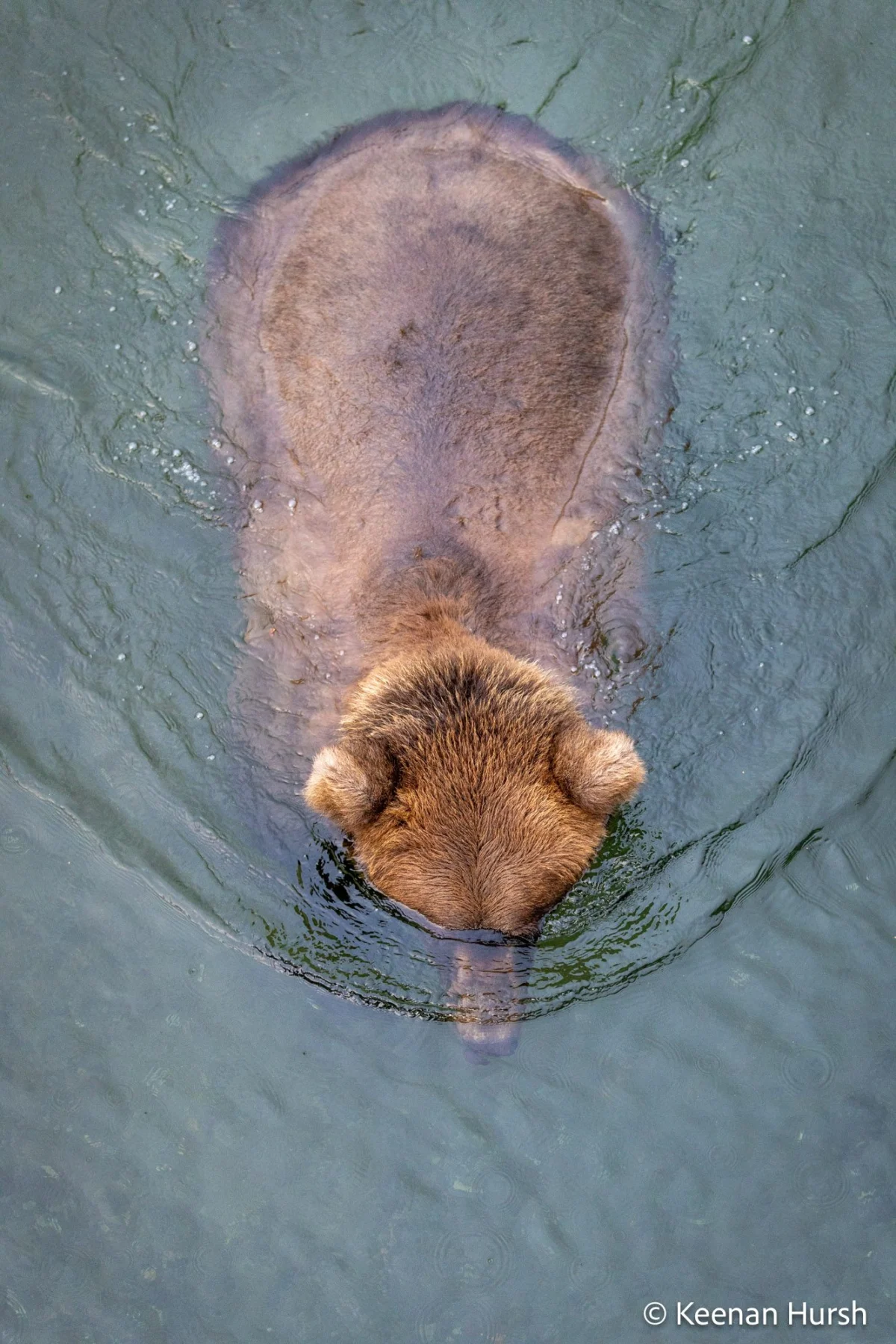
Katmai National Park and Preserve, located on the Alaska Peninsula, is world-renowned for its dense population of brown bears (Ursus arctos horribilis), particularly around Brooks Falls. Each summer, from late June through September, sockeye salmon migrate upstream to spawn, creating an unparalleled spectacle as bears gather at the falls to fish. This natural phenomenon offers photographers a unique opportunity to observe and document bears in their natural habitat, often at relatively close distances from designated viewing platforms. The dynamic interplay between the powerful bears and the leaping salmon provides an array of photographic opportunities, from serene moments of observation to explosive action shots.
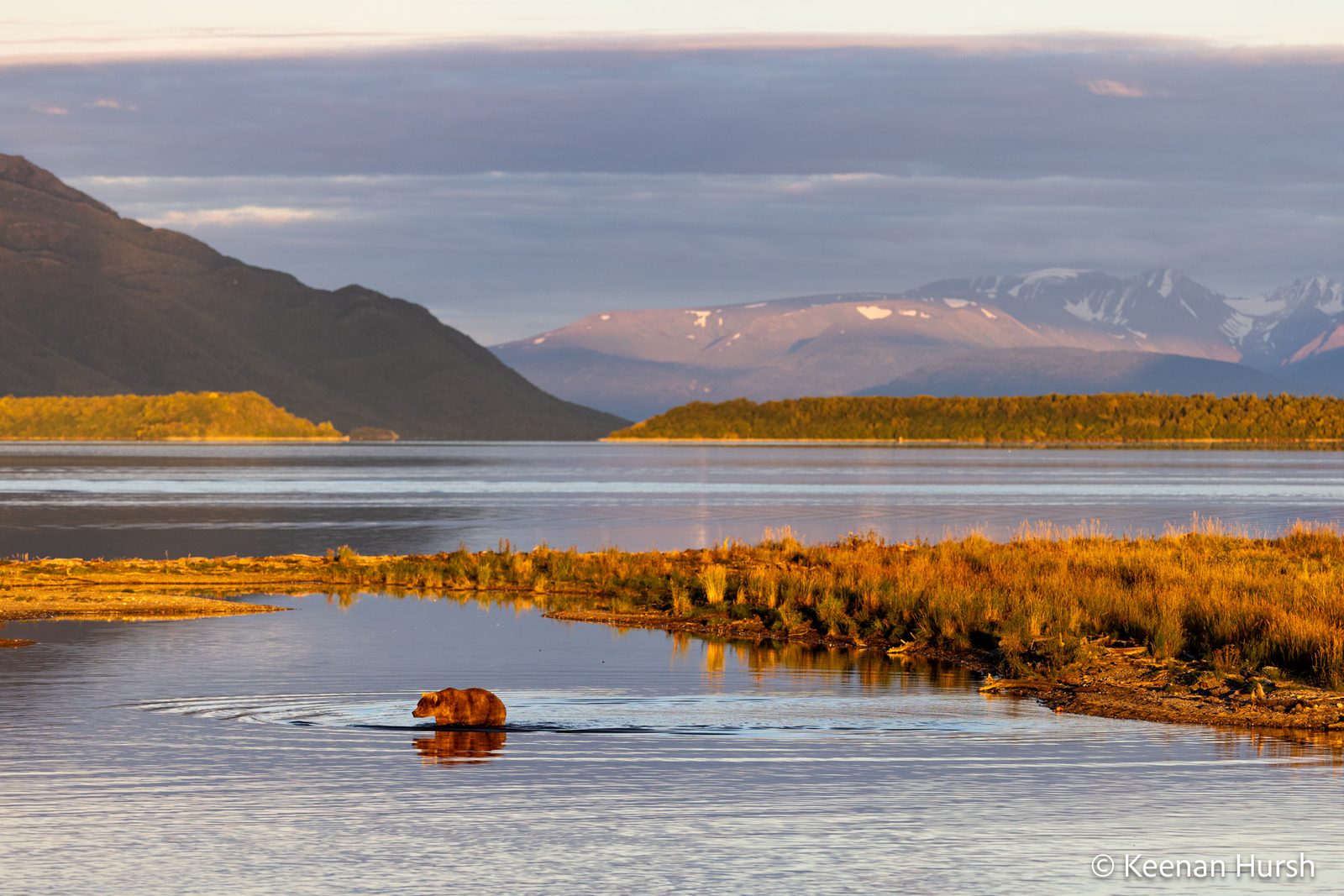
For a professional photography workshop leader, understanding the nuances of this environment is paramount. The fluctuating light conditions, the unpredictable movements of wildlife, and the varying distances to subjects demand equipment that offers both flexibility and uncompromising optical quality. The specific photographic objectives for the Katmai workshops included capturing tightly framed portraits that emphasize the bears’ expressions, wider environmental shots to convey the grandeur of the Alaskan wilderness, and precise action shots that freeze the raw power of a bear snatching a salmon mid-air. Achieving these diverse visual goals often requires a combination of focal lengths and apertures, making lens selection a critical component of expedition readiness.
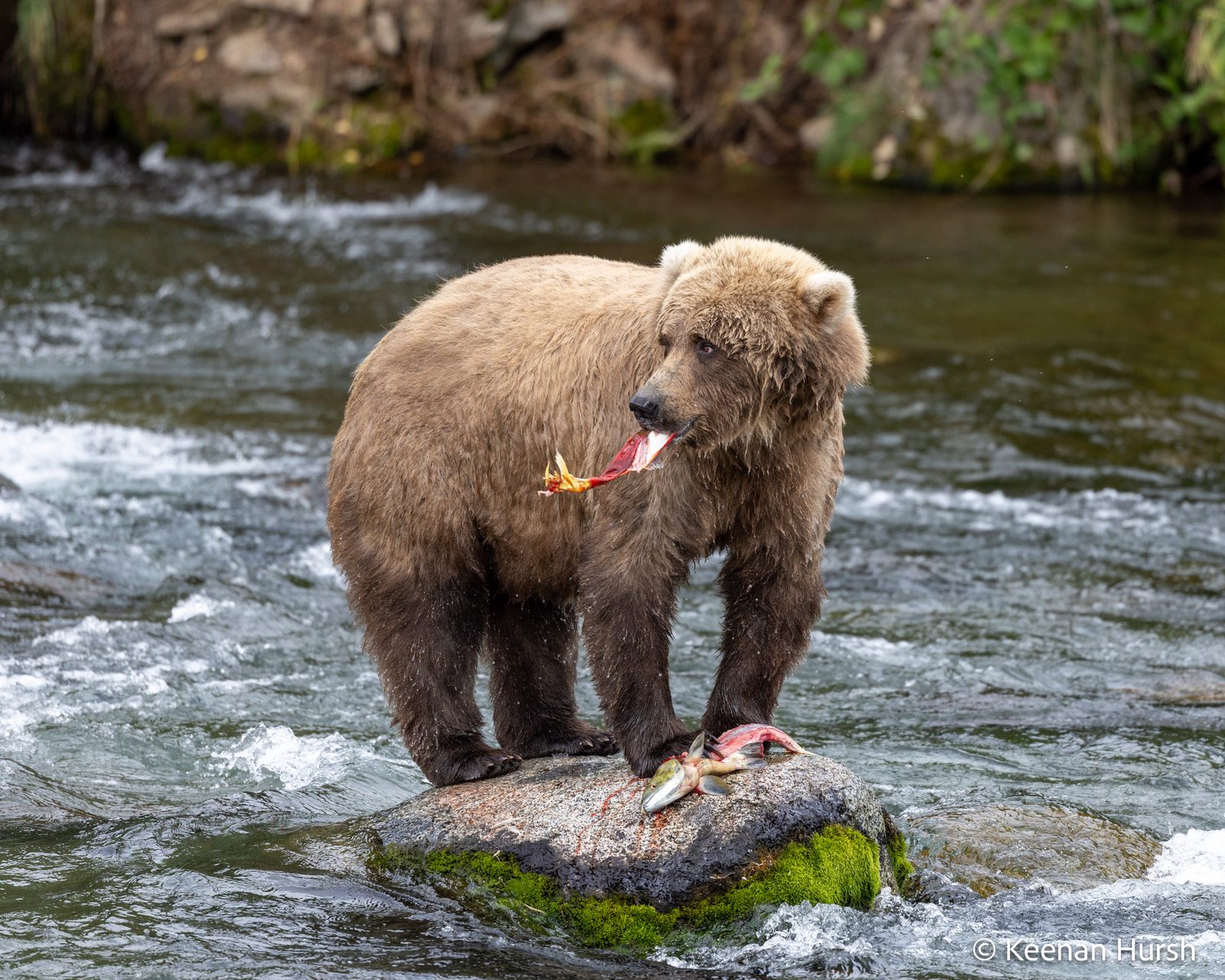
Strategic Gear Selection: The Canon RF 100-300mm f/2.8 L IS USM
The photographer, a long-time Canon user, typically relies on a Canon EF 600mm f/4 L IS III USM prime lens for wildlife photography due to its exceptional reach and image quality. However, the unique conditions at Brooks Falls, where bears can frequently approach within 50-75 yards of viewing areas, called for a wider, more adaptable telephoto solution. The Canon RF 100-300mm f/2.8 L IS USM, a relatively recent addition to Canon’s professional RF lens lineup, emerged as an ideal candidate.
Announced in April 2023, the RF 100-300mm f/2.8 represents a significant engineering achievement for Canon. It combines a versatile zoom range with a constant, wide f/2.8 aperture, a feature historically rare in telephoto zoom lenses of this caliber. Its predecessor, the EF 300mm f/2.8 L IS III USM prime, was highly regarded, but lacked the flexibility of a zoom. This new RF lens effectively bridges the gap between fast telephoto primes and longer super-telephoto zooms, offering a compelling blend of speed, reach, and adaptability.
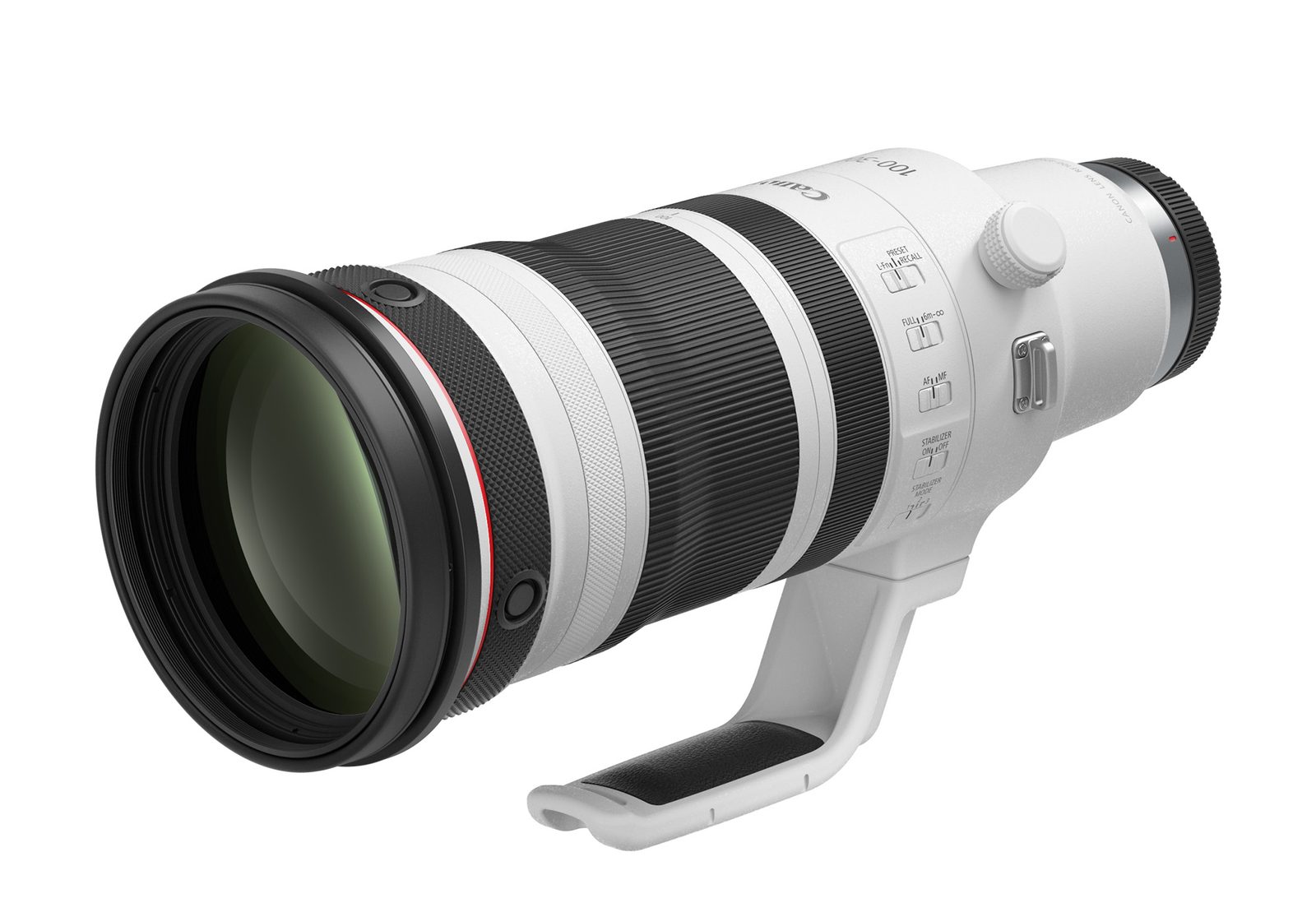
Key technical specifications of the Canon RF 100-300mm f/2.8 L IS USM include:
- Focal Length: 100-300mm
- Maximum Aperture: Constant f/2.8
- Image Stabilization: Up to 5.5 stops (or 6 stops with In-Body Image Stabilization on compatible EOS R cameras)
- Optical Design: Incorporates UD (Ultra-low Dispersion) and Fluorite elements for superior image quality and reduced aberrations.
- Autofocus System: Dual Nano USM motors for fast, silent, and precise autofocus.
- Weight: Approximately 2,590 grams (5.7 lbs), significantly lighter than many super-telephoto primes.
- Construction: Weather-sealed L-series build quality, designed for robust professional use in challenging environments.
The decision to rent this specific lens from Lensrentals stemmed from a desire to leverage its unique capabilities without the substantial upfront investment of purchase. Lensrentals, a prominent equipment rental service, provides professional photographers access to a vast inventory of specialized gear, enabling them to match equipment precisely to project requirements. This approach is particularly beneficial for niche assignments or for testing new technology before committing to ownership. The photographer’s positive past experiences with Lensrentals further solidified this choice for the critical Katmai expedition.
Field Performance at Brooks Falls: Versatility and Optical Excellence
During the eight-day expedition across two consecutive workshops at Katmai National Park, the Canon RF 100-300mm f/2.8 L IS USM proved to be an indispensable tool. Its performance validated the strategic decision to include it in the gear lineup, delivering consistently high-quality results across the diverse photographic scenarios encountered.
Unmatched Versatility: The 100-300mm focal range, coupled with the constant f/2.8 aperture, offered unprecedented flexibility. When bears were at a greater distance, the photographer could utilize the 600mm prime. However, as subjects approached the viewing platforms, a rapid switch to the 100-300mm allowed for seamless composition adjustments without sacrificing image quality or speed. This proved critical for capturing bears fishing directly at Brooks Falls, where their proximity could vary significantly within moments. The ability to zoom from a tighter headshot at 300mm to a broader environmental shot at 100mm, all while maintaining a fast aperture, was a distinct advantage over fixed prime lenses.
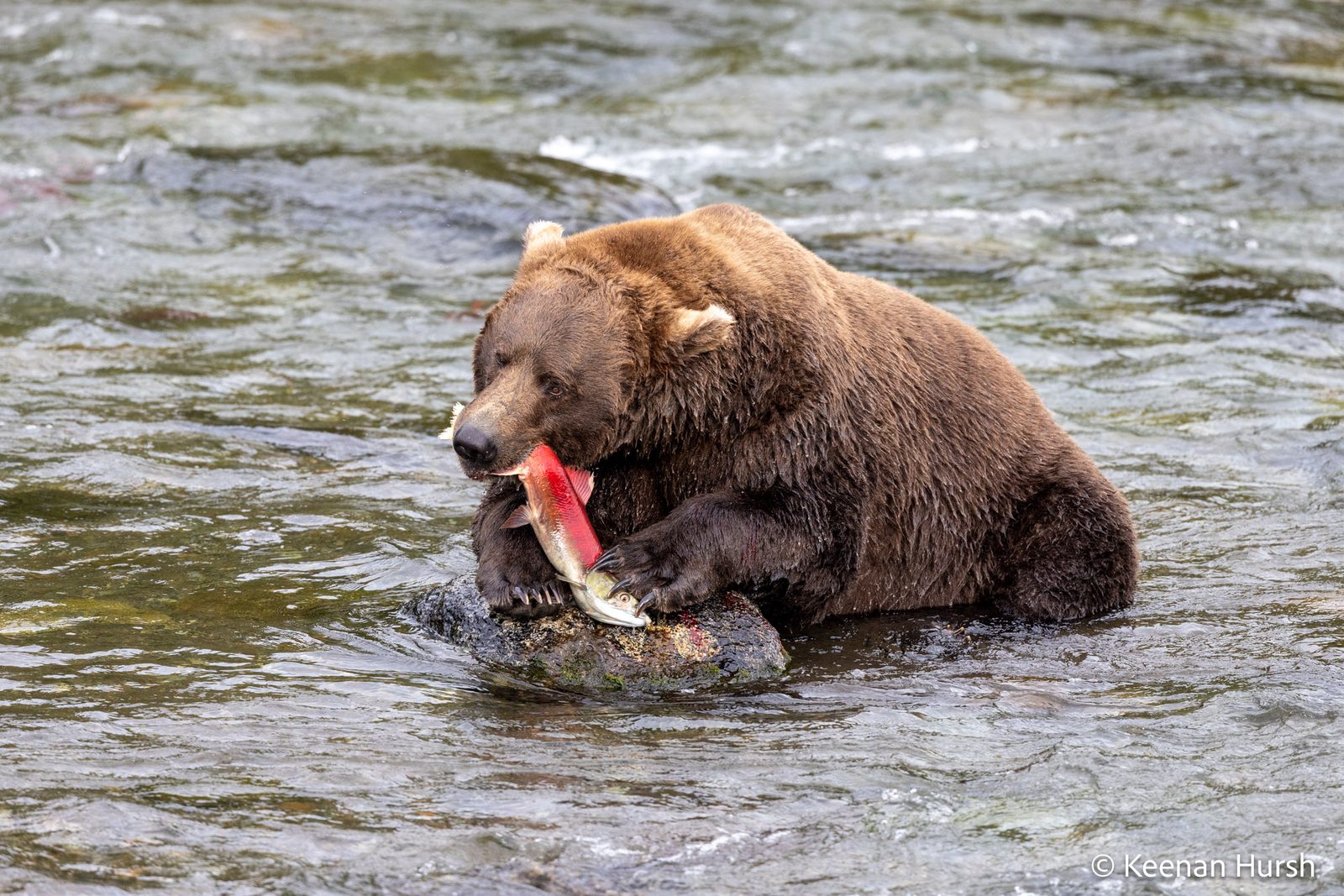
Exceptional Image Quality: The lens consistently produced razor-sharp images across its entire zoom range and aperture settings. The optical design, featuring specialized elements, effectively minimized chromatic aberration, flare, and distortion, even in high-contrast situations. This optical precision was essential for rendering fine details in the bears’ fur and the textures of the Alaskan landscape.
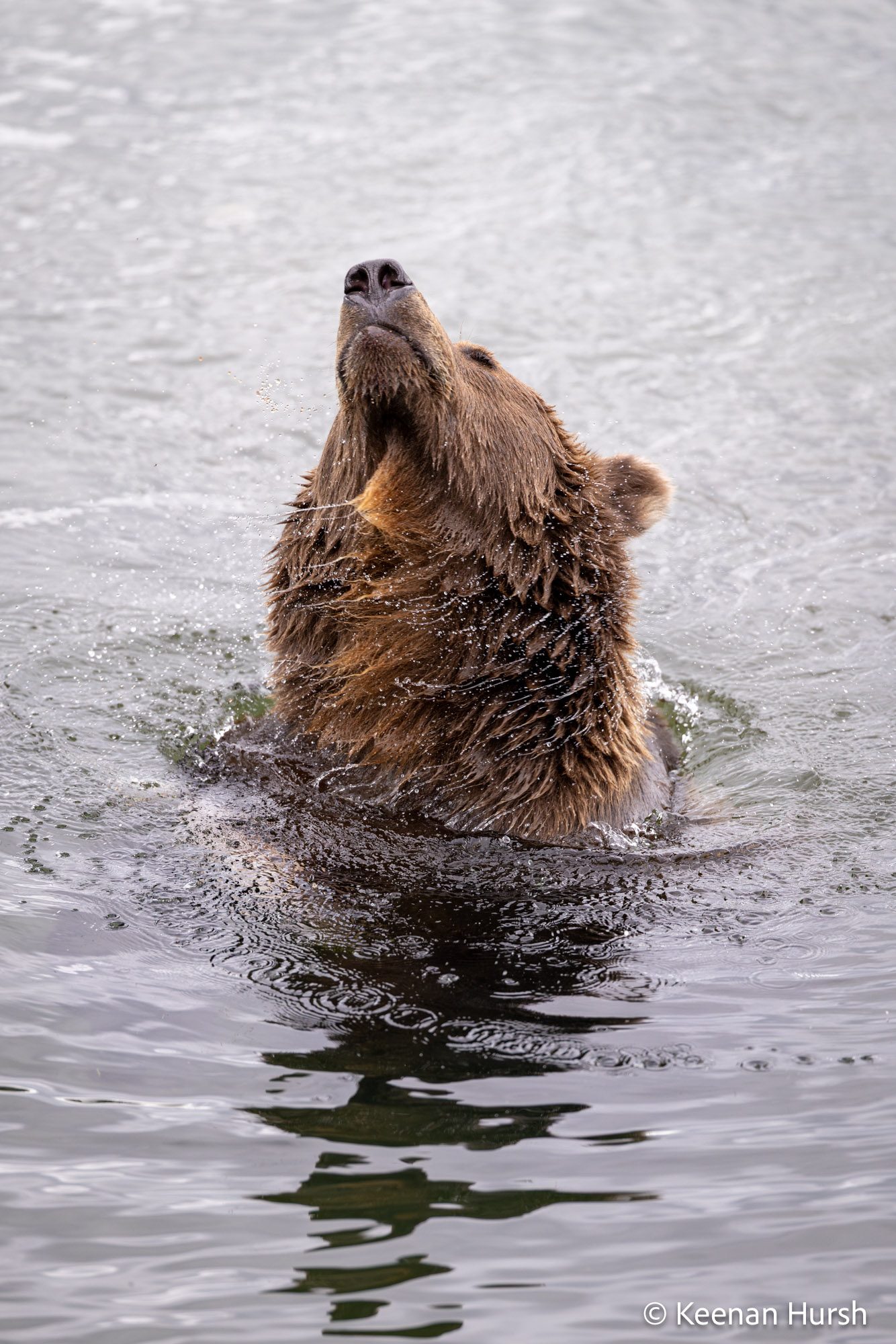
Superior Subject Isolation and Low-Light Performance: The constant f/2.8 maximum aperture was a game-changer for achieving excellent subject isolation. It allowed for beautifully creamy, out-of-focus backgrounds (bokeh), making the bears stand out prominently from their surroundings. This was particularly effective for the desired "portrait shots" of the bears. Furthermore, the f/2.8 aperture, combined with the lens’s highly effective image stabilization system, enabled shooting in lower light conditions—such as early mornings or late evenings—without excessively increasing ISO sensitivity. This preserved image quality by minimizing digital noise, a crucial factor when capturing wildlife in natural light. The 5.5-stop image stabilization (or 6 stops with compatible bodies) allowed for sharper handheld shots, reducing reliance on tripods in dynamic situations.
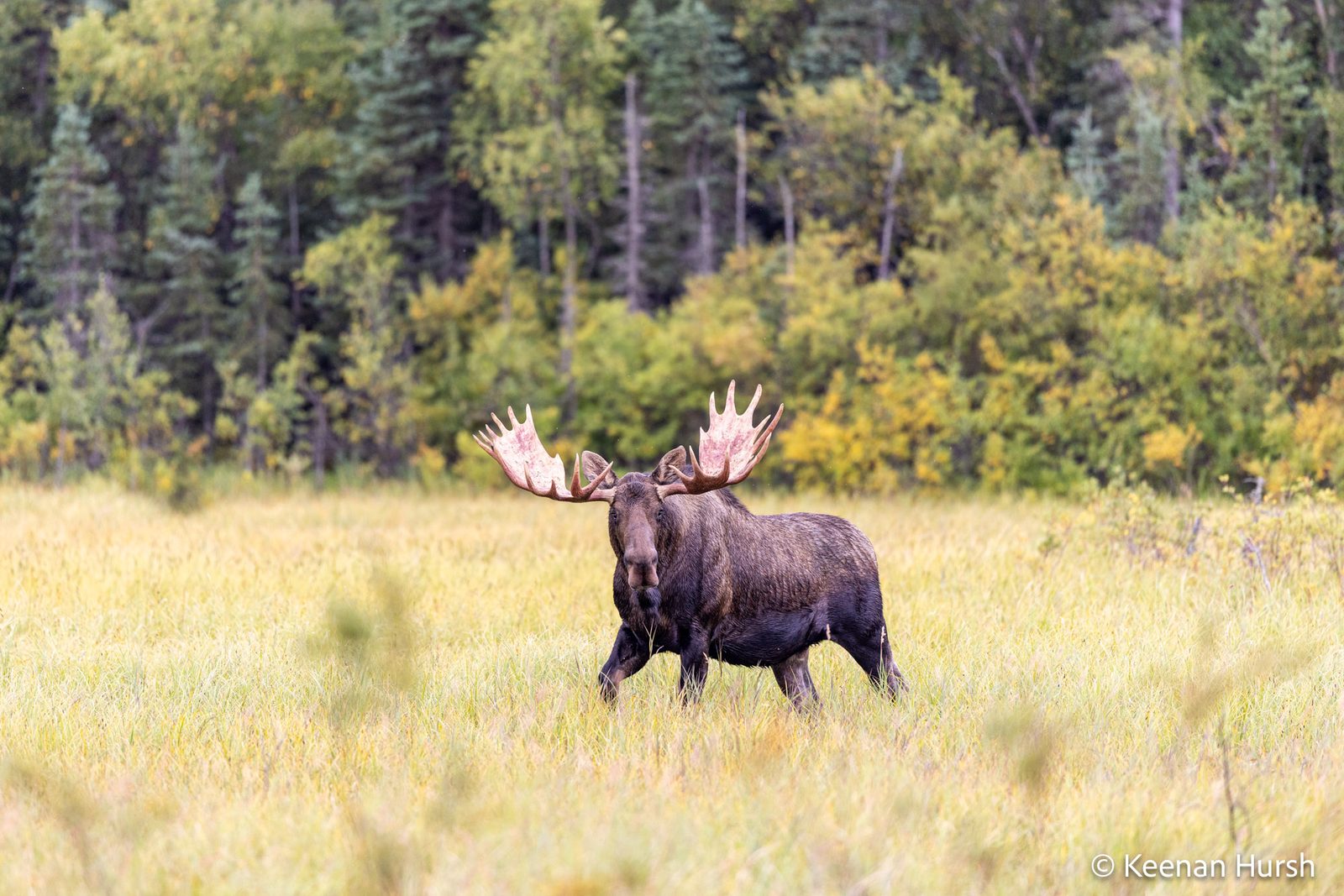
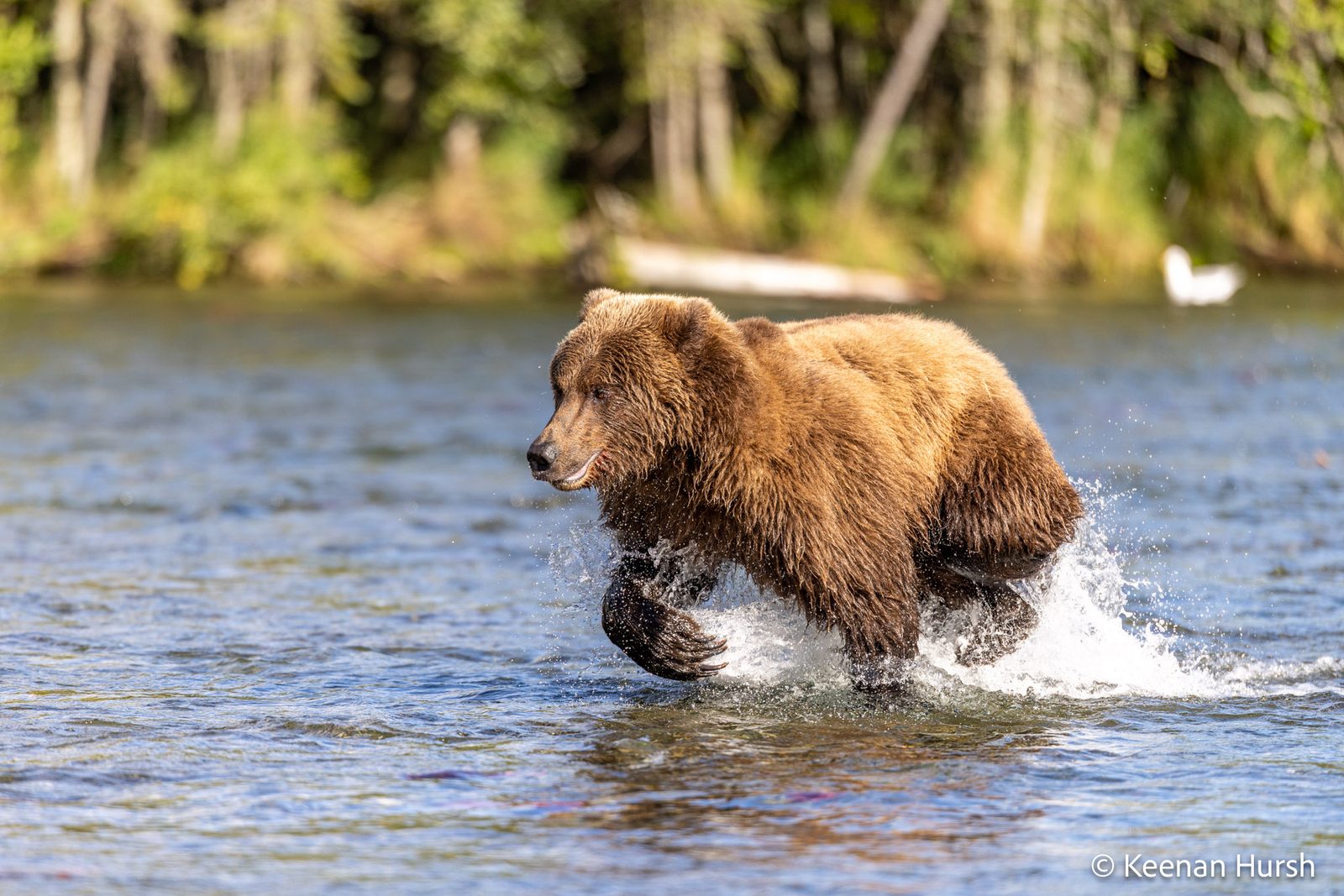
Responsive Autofocus: The Dual Nano USM autofocus motors delivered fast, silent, and highly accurate focusing performance. This was vital for tracking rapidly moving subjects like bears lunging for salmon or charging through the river. The lens maintained focus with impressive tenacity, ensuring a high hit rate for critical action shots.
While overwhelmingly positive, some minor considerations were noted. As with any high-performance telephoto zoom, its size and weight, though manageable for its class, still require careful handling and robust support systems, especially during prolonged shooting sessions. Additionally, the premium optical and mechanical design translates to a significant cost, making rental an attractive option for many professionals and serious enthusiasts.
The Growing Importance of Equipment Rental in Professional Photography
The successful integration of the Canon RF 100-300mm f/2.8 L IS USM into this Katmai expedition highlights the increasing relevance of equipment rental services like Lensrentals in the professional photography landscape. For specialized assignments, renting offers several compelling advantages:
- Access to Specialized Gear: Photographers can utilize cutting-edge or highly specialized lenses and bodies that might be too expensive to purchase for occasional use. This ensures they always have the optimal tool for the job.
- Cost-Effectiveness: Renting eliminates the substantial upfront capital expenditure of buying high-end professional equipment, allowing photographers to allocate resources more efficiently.
- Try Before You Buy: It provides an invaluable opportunity to thoroughly test new equipment in real-world scenarios before committing to a purchase, ensuring it meets specific workflow and performance expectations.
- Logistical Flexibility: Rental services simplify logistics for travel, as photographers can often have gear delivered directly to their location or pick it up conveniently, avoiding the hassle of transporting all their own heavy equipment internationally.
- Reduced Depreciation Risk: Ownership of camera gear comes with the burden of depreciation. Renting sidesteps this issue, as the rental company bears the cost of equipment wear and tear and technological obsolescence.
For a professional trip leader, access to such a service is particularly valuable. It allows them to experiment with new lenses that could enhance their workshop offerings or to provide specific examples of gear capabilities to participants.
Broader Implications for Wildlife Photography and the Imaging Industry
The development and adoption of lenses like the Canon RF 100-300mm f/2.8 L IS USM signify an important trend in the imaging industry. Canon’s clear strategic direction to produce fast telephoto and super-telephoto zoom lenses with the optical quality previously reserved for primes represents a significant evolution. This shift empowers wildlife photographers with greater creative freedom and efficiency in the field.
- Enhanced Creative Possibilities: The combination of zoom flexibility and a wide, constant aperture allows photographers to adapt quickly to changing wildlife behavior and lighting conditions, capturing a broader range of expressions and interactions.
- Streamlined Workflows: Reducing the need to constantly switch between multiple prime lenses can save valuable time in fast-paced wildlife environments, increasing the chances of capturing fleeting moments.
- Competitive Landscape: Canon’s investment in such advanced RF optics reinforces its commitment to professional users and intensifies competition among camera manufacturers to deliver innovative solutions. This ultimately benefits photographers through wider choices and technological advancements.
- Impact on Workshops: For photography workshops, having instructors demonstrate the capabilities of such versatile lenses can significantly enrich the learning experience for participants, showcasing how strategic gear selection translates into superior results.
The successful application of the Canon RF 100-300mm f/2.8 L IS USM at Katmai National Park underscores its potential as a cornerstone lens for professional wildlife photographers. Its ability to deliver razor-sharp images, exceptional subject isolation, and reliable performance across a versatile focal range in demanding conditions positions it as a highly valuable asset in the modern photographer’s toolkit. The experience further validates the utility of equipment rental services, providing a flexible and cost-effective pathway to accessing such advanced photographic technology. As the industry continues to innovate, the strategic selection and deployment of specialized optics will remain critical for capturing the world’s most breathtaking moments with unparalleled precision and artistry.