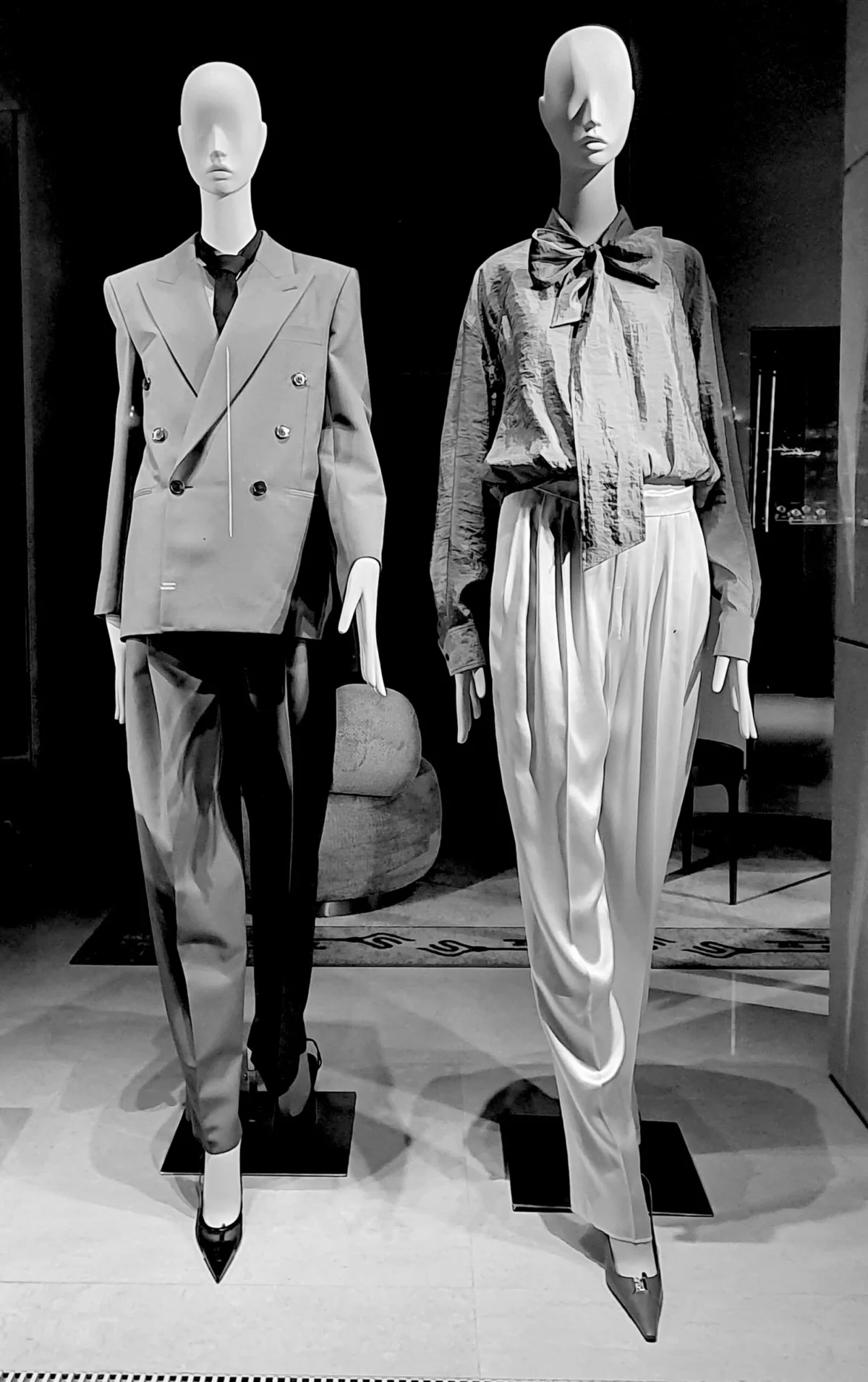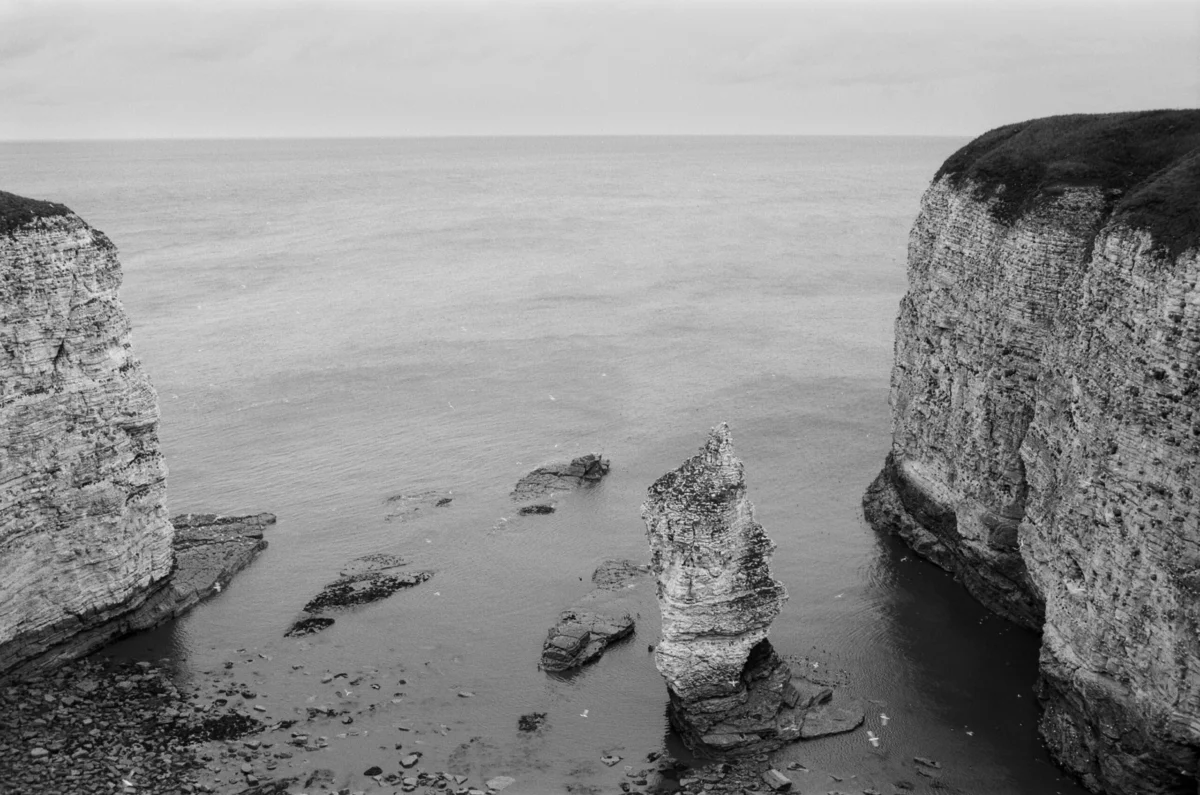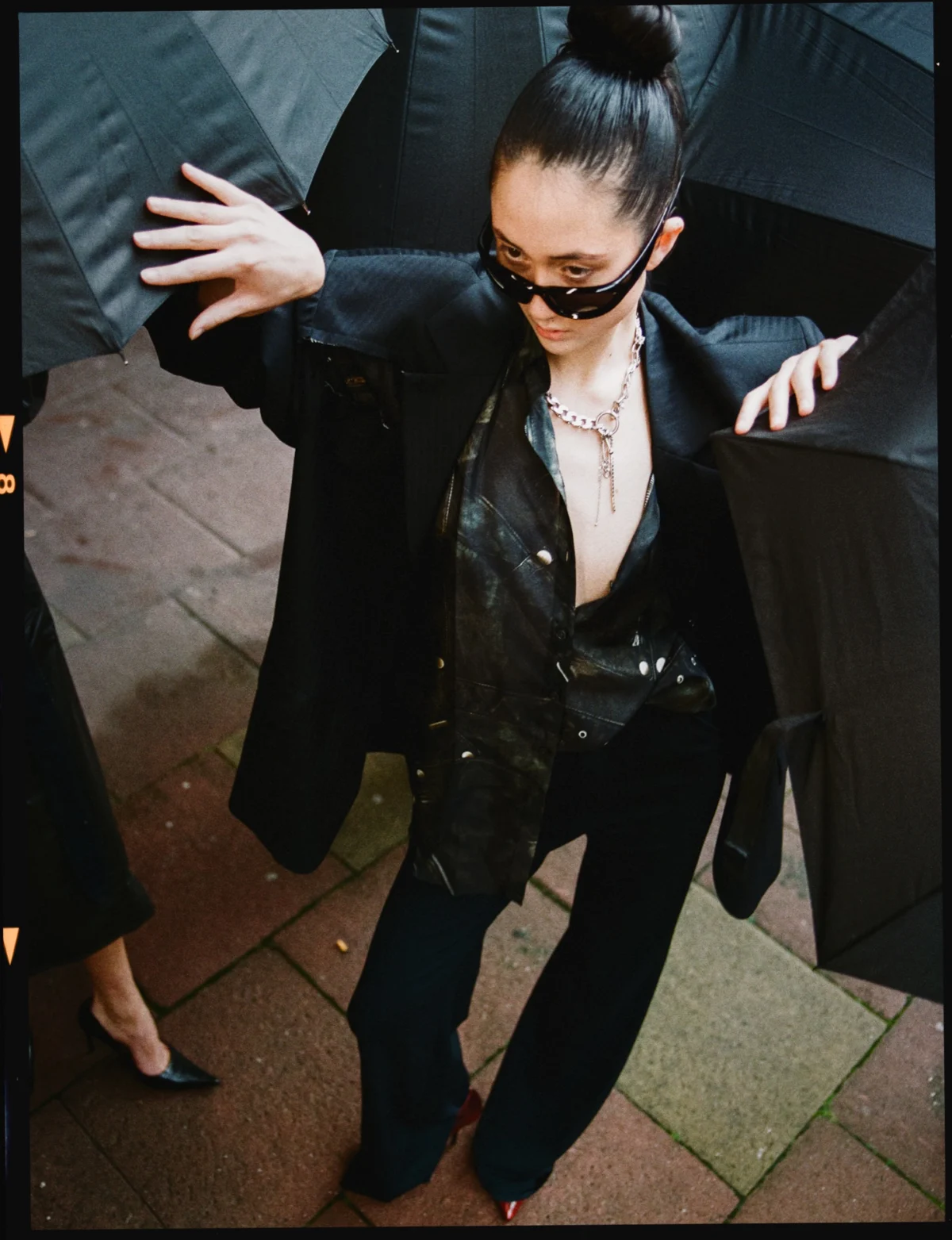
The intersection of traditional film aesthetics and modern digital workflows has reached a new milestone with the release of MINILAB.PHOTO, a specialized browser-based post-processing tool developed by Offenbach-based fashion and beauty photographer Chris Klutsch. Designed to address the persistent technical and aesthetic divide between analogue negatives and digital sensors, the platform represents a departure from traditional algorithmic film simulations. By reconstructing the entire physical processing chain—from emulsion characteristics to final scanner output—the tool offers a high-fidelity solution for professional photographers who require the efficiency of digital delivery without sacrificing the organic qualities of silver-based photography.
The Professional Dilemma: Speed vs. Substance
For over two decades, the photography industry has grappled with a fundamental conflict. While the aesthetic qualities of film—characterized by its unique color response, organic grain structure, and light-handling properties—remain highly coveted in fashion and beauty editorials, the logistical demands of the commercial market have necessitated a near-total shift to digital. In high-stakes environments such as Offenbach am Main’s fashion hubs, the overhead costs of studio time and the pressure of rapid turnarounds make a three-day lab delay for film processing increasingly untenable.
Klutsch, who maintains a dual practice of commercial digital work and personal analogue projects, identified a recurring failure in existing digital tools. Most "film look" software operates as a single-layer filter, applying a color curve or a noise pattern over a digital image. This approach, Klutsch argues, fails to account for the multi-stage physical journey an analogue image undergoes. MINILAB.PHOTO was conceived as a response to this gap, aiming to simulate the "whole run" of the minilab process rather than a superficial aesthetic.
Technical Reconstruction of the Analogue Chain
The core philosophy of the new platform rests on the premise that an analogue photograph is the cumulative result of a physical chain of events. Each stage leaves a distinct mark on the final image, and skipping any single stage results in a "digital" feel that the human eye perceives as artificial. The software reconstructs these stages in their chronological order:
- Emulsion and Stock: The initial stage determines the base color and tonality.
- Halation and Bloom: This simulates the way light spreads within the film layers, particularly around high-contrast edges and bright highlights.
- Grain Structure: Unlike traditional software that uses mathematically generated noise, the grain in this tool is derived from high-resolution scans of actual silver halide and dye clouds.
- Paper Response: The simulation accounts for how light is rolled off in the highlights when an image is transferred to photographic paper.
- The Scanner: The final digital translation of the physical negative, which adds its own layer of interpretation.
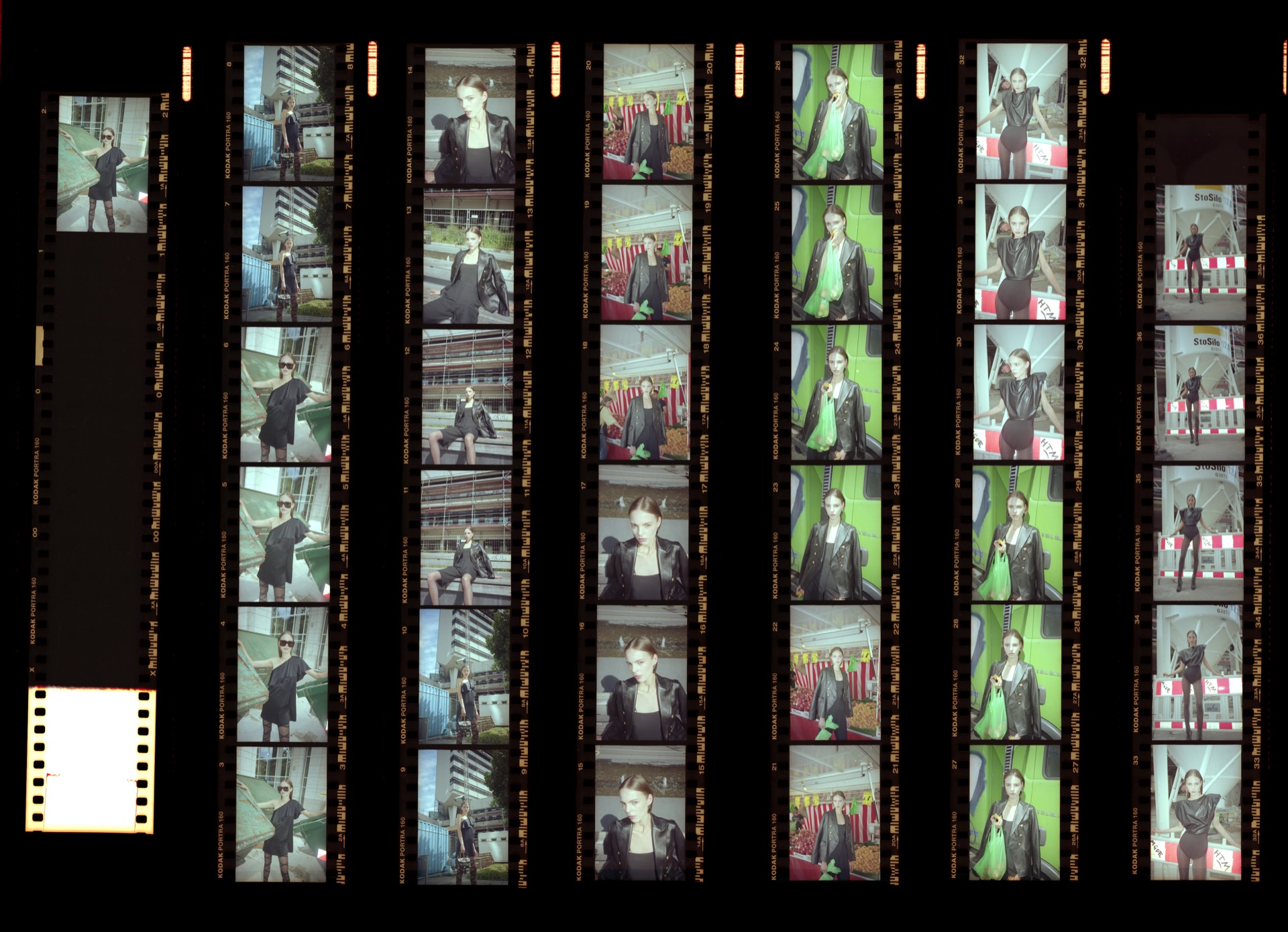
- The Contact Sheet: The final organizational stage used for frame selection.
The developer emphasizes that the order of these stages is critical. For instance, halation applied over grain produces a different visual result than grain applied over halation. By allowing users to toggle each stage individually, the tool provides a transparent look at how each physical component contributes to the final image.
A Two-Year Data Acquisition Project
The technical foundation of the tool is built upon a massive dataset of physical film scans. Over a period of two years, Klutsch engaged in an intensive scanning project, digitizing his own negatives using a professional-grade scanner. This data-driven approach ensures that the grain and texture within the tool are "photographed" rather than "calculated."
The dataset includes samples from several prominent film stocks, primarily from the Kodak Professional line. Technical specifications indicate that the tool utilizes:
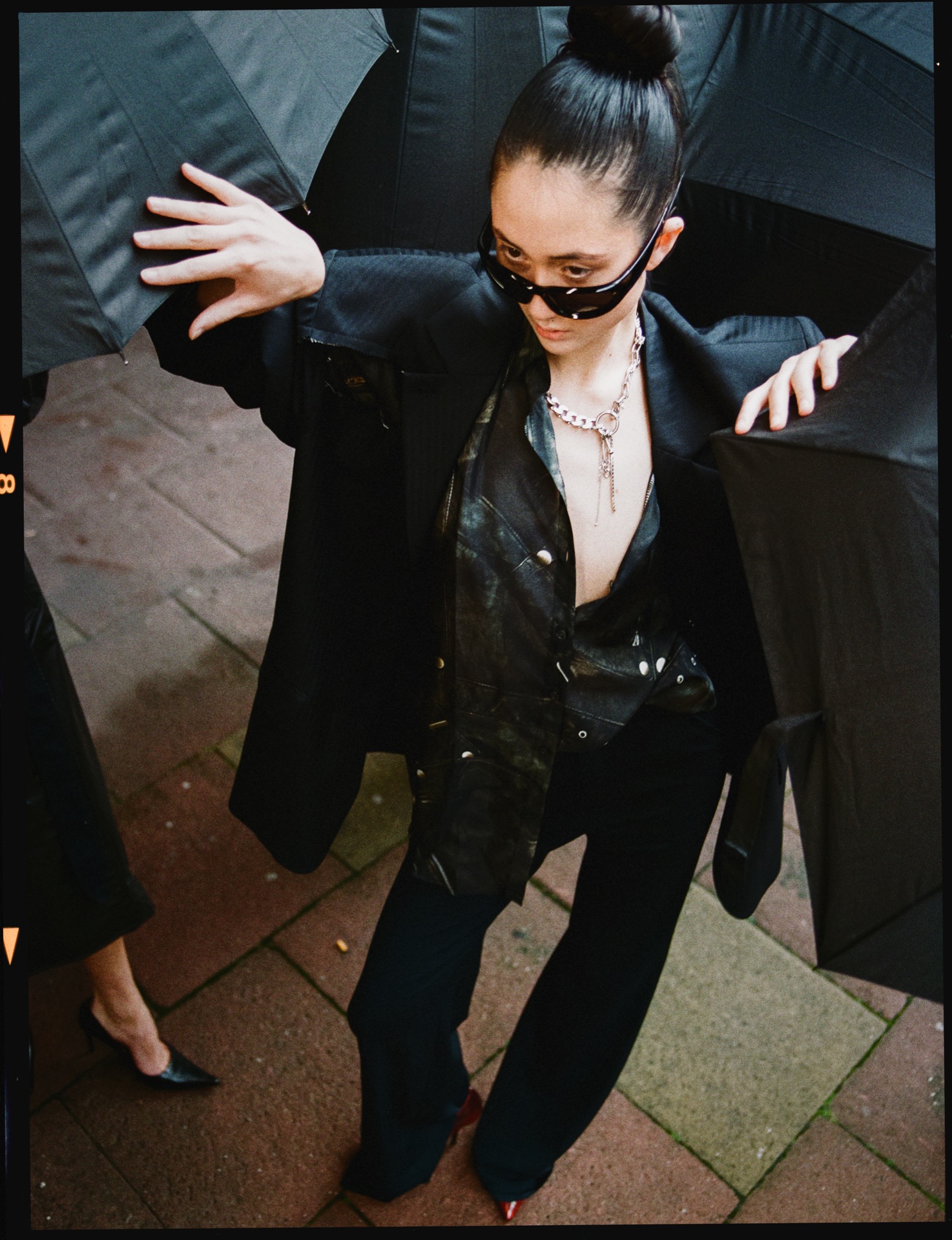
- Kodak Portra 160 and 400: Sampled across both 35mm and medium format (120) to capture the varying densities of grain.
- Kodak Gold: Included for its distinct consumer-grade color palette and affordability-driven aesthetic.
- Black and White Stocks: Processed as a separate category to maintain the unique silver structure inherent in monochromatic emulsions.
By sampling 1024-pixel crops at 100 percent magnification from real lab scans, the developer has avoided the "drawing" of grain. This ensures that the texture behaves like real silver and dye clouds, changing realistically based on the simulated format and film speed.
Browser-Based Architecture and Data Security
In a move that addresses modern concerns regarding data privacy and professional NDAs (Non-Disclosure Agreements), MINILAB.PHOTO operates entirely within the user’s web browser. This architecture ensures that high-resolution client files never leave the photographer’s local machine. There is no upload process, and no account creation is required to access the tool’s features.
For professional fashion and beauty photographers, this "local-first" approach is a significant advantage. Commercial contracts often strictly prohibit the uploading of raw or unreleased imagery to third-party servers. By utilizing the local processing power of the user’s computer, the platform maintains the security of the digital assets while providing a high-performance editing environment.
Market Context and the Analogue Resurgence
The launch of MINILAB.PHOTO comes at a time when the analogue photography market is experiencing a significant revival. Despite the dominance of digital, companies like Kodak Alaris have reported multiple years of double-digit growth in film sales, and the used market for analogue cameras such as the Contax G-series or Hasselblad systems has seen prices skyrocket.

However, the "analogue gap" remains a hurdle for working professionals. The cost of a single roll of 120-format Portra 400, combined with professional development and high-resolution scanning, can exceed $50 per 10 to 15 frames. For a commercial shoot requiring hundreds of frames, the budget and time required for film are often prohibitive. Klutsch’s tool enters the market not as a replacement for film, but as a bridge for those who love the material but are tethered to digital delivery requirements.
Industry Impact and Professional Reception
While the software is currently in its 1.0 version, it has already been integrated into the workflows of several working professional photographers. Early feedback highlights the utility of the "recipe" system, which allows photographers to save a specific chain of effects and apply it consistently across an entire shoot. This ensures that frame sixty has the exact same visual characteristics as frame one, a necessity for maintaining a cohesive look in editorial spreads.
Industry analysts suggest that the shift toward "reconstructive" film simulation—rather than "filtered" simulation—represents a maturing of the digital photography market. As sensors become increasingly clinical and high-resolution, the demand for organic imperfection has grown. Tools that provide a technically honest reconstruction of the analogue process are likely to find a permanent place in the professional kit.
Pricing and Accessibility
The developer has opted for a freemium model to maximize accessibility. The full suite of tools, including every stage of the analogue chain, is available for free at full quality within the browser. The "paywall" is strategically placed at the point of export, allowing photographers to fully test and refine their images before committing to a purchase.

The tool is marketed under the AiLaik™ product line, managed by the Vermilion™ brand established by Klutsch. By keeping the entry price low and the tool browser-accessible, the developers aim to foster a community of users who value the substance of the analogue chain over the convenience of a one-click filter.
Future Outlook
As MINILAB.PHOTO evolves, the developer has expressed a commitment to refining the profiles based on professional feedback. Unlike many software developers who claim to have "measured" film stock colors, Klutsch remains transparent about the limitations of digital profiles, noting that what software calls a "film profile" is essentially a set of curves built against a reference rather than an absolute measurement of light on silver.
The long-term goal of the project is to provide an honest, high-fidelity alternative for photographers who find themselves caught between two worlds. While the developer maintains that shooting real film remains the "better answer" for those who can afford the time and cost, his tool offers a sophisticated middle ground for the modern commercial landscape.
In conclusion, the launch of MINILAB.PHOTO marks a significant step in the evolution of digital post-processing. By prioritizing the physical reality of the film lab over the convenience of mathematical algorithms, Chris Klutsch has provided the industry with a tool that respects the heritage of photography while embracing the necessity of the digital future.