The close of the previous year brought a period of introspective analysis for many industries, reflecting on successes, challenges, and the broader economic landscape. For the photography and videography sectors, as detailed by comprehensive rental and purchase data from industry leaders like LensRentals.com, the past year underscored significant shifts in gear preferences and market dynamics. As the calendar turns to a new year, the focus invariably shifts from reflection to foresight, charting the course for innovation and development in the year ahead. This forward-looking perspective is crucial for professionals and enthusiasts alike, offering a glimpse into the technological advancements and market trends poised to shape creative workflows and output. Based on current trajectories, technological breakthroughs, and discernible industry demands, five key areas are anticipated to witness substantial growth and refinement in 2026, promising enhanced capabilities and improved user experiences across the photo and video spectrum.
The Evolving Landscape of Third-Party Lens Support
The transition from traditional DSLR systems to mirrorless camera platforms marked a pivotal moment in photographic history, fundamentally altering lens mount designs and, consequently, the ecosystem of compatible optics. For over a decade, the DSLR era offered a rich tapestry of third-party lens options, with manufacturers like Sigma, Tamron, and Tokina providing a diverse array of high-quality, often more affordable alternatives to first-party lenses from Canon, Nikon, and Sony. These manufacturers were instrumental in democratizing access to specialized focal lengths and apertures, fostering a competitive market that benefited consumers through innovation and varied price points.
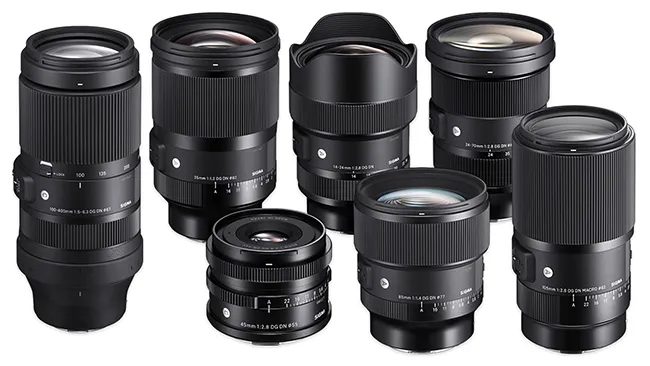
However, the advent of mirrorless systems, characterized by proprietary mounts such as Sony’s E-mount, Canon’s RF-mount, and Nikon’s Z-mount, introduced a period of adjustment. Initially, many third-party lens makers faced significant hurdles in developing compatible lenses, primarily due to the complex technical specifications of the new mounts and, in some cases, restrictive licensing agreements. Sony’s E-mount, being the earliest and arguably the most open to third-party development, saw a rapid proliferation of lenses from independent manufacturers, which contributed significantly to its market adoption and overall appeal. In contrast, Canon’s RF and Nikon’s Z mounts have historically seen a more cautious approach, with fewer third-party options initially available. This landscape is now changing. Recent commitments from major third-party players, notably Sigma and Tamron, to broaden their support for the RF and Z systems signal a crucial turning point. This expansion is expected to intensify in 2026, bringing a much-needed injection of competition, diversity, and affordability to these burgeoning mirrorless ecosystems. The implications are profound: increased choice for photographers, competitive pricing, and accelerated innovation as both first-party and third-party manufacturers vie for market share. This shift not only empowers users with more creative tools but also solidifies the long-term viability and attractiveness of the mirrorless platform as a whole.
The Rise of Accessible High-Speed Prime Lenses
For decades, the allure of exceptionally fast prime lenses—those with wide apertures like f/1.2 or f/1.4—has been undeniable. These lenses are prized for their ability to render exquisite background blur (bokeh), excel in challenging low-light conditions, and provide a distinctive aesthetic that separates professional imagery. Historically, such optical performance came with a premium price tag, often placing them beyond the reach of many photographers. Iconic lenses from manufacturers like Leica have long set the standard for speed and quality, but at a cost reflecting their artisanal craftsmanship and advanced optical designs. Even within mainstream brands, f/1.2 lenses typically commanded prices well into the four figures.
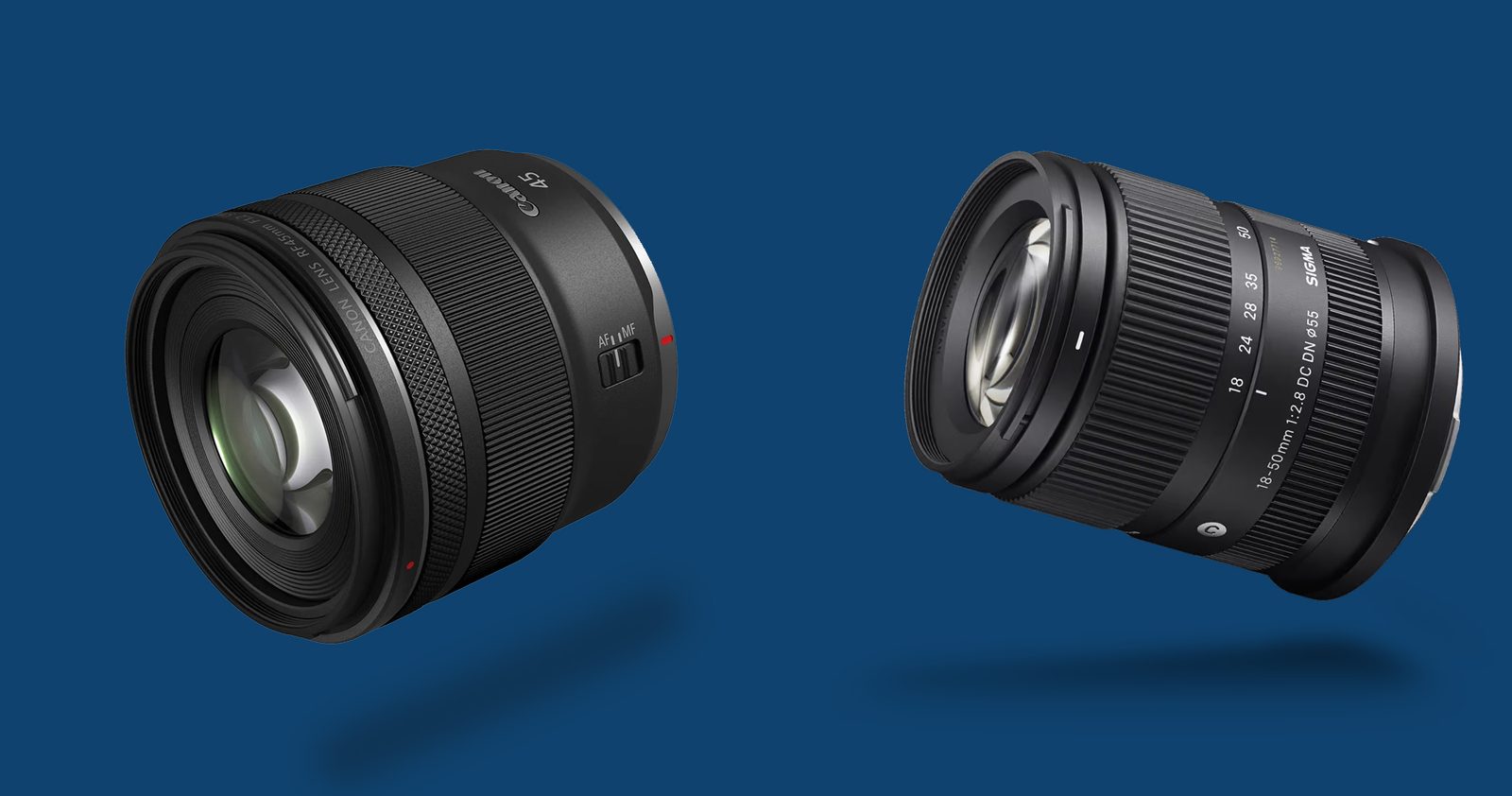
A significant disruption occurred approximately six months prior, with Canon’s release of an f/1.2 lens priced remarkably under $500. While the specific model referenced (Canon 45mm f/1.2 USM) might be an illustrative example rather than an exact product name, the underlying sentiment points to a genuine market shift. This event potentially signifies a new era where advanced optical engineering, coupled with streamlined manufacturing processes and potentially cost-effective focusing mechanisms like Stepping Motors (STM) rather than more complex Ultrasonic Motors (USM), can bring previously exclusive performance to a broader audience. The ability to produce lenses of this caliber at a more affordable price point suggests that advancements in lens element design, material science, and automated assembly are yielding tangible benefits for consumers. In 2026, the industry anticipates a more frequent introduction of such "fast affordable primes" across all major camera brands and third-party manufacturers. This trend democratizes artistic expression, making the coveted shallow depth of field and superior low-light capabilities accessible to a wider range of photographers, from dedicated enthusiasts to working professionals on tighter budgets. The potential impact on genres like portraiture, wedding photography, and street photography, where subject isolation and ambient light performance are paramount, is considerable.
Shifting AI Focus: From Generative to Workflow Enhancement
The past few years have witnessed an unprecedented surge in the visibility and application of Artificial Intelligence across various domains, with the photography and videography industries being no exception. The initial public fascination largely centered on "generative AI"—systems capable of creating novel content, such as AI-generated art, synthetic corporate headshots, and hyper-realistic video sequences from simple text prompts. While these generative capabilities showcased AI’s immense potential, they also sparked considerable debate regarding originality, intellectual property, and the very definition of creative authorship.
However, the discourse is evolving, and 2026 is projected to see a significant reorientation of AI development within creative fields. The emphasis is expected to shift away from purely generative functions towards "workflow AI"—intelligent tools designed to augment and streamline the existing processes of working professionals. This form of AI aims to reduce repetitive, time-consuming tasks, thereby allowing creatives to dedicate more energy to the artistic and strategic aspects of their work. Current examples, such as advanced masking tools in Adobe Lightroom or content-aware fill functions in Photoshop, already hint at this direction, offering smart assistance for complex editing tasks.
The anticipated innovations in 2026 include more sophisticated and integrated AI solutions for professional workflows. This could manifest as affordable studio management software leveraging AI to automate invoice reminders, manage client communications, and intelligently qualify potential leads. In post-production, AI tools are expected to become more adept at tasks like one-click removal of distracting elements (e.g., trash bins, telephone poles) from images, intelligent culling of vast photo sets, and automated metadata tagging. Furthermore, AI could assist in organizing creative inspiration, collating mood boards, and generating concise, client-ready proposals that synthesize artistic vision with practical execution. The underlying principle is to leverage AI as a powerful assistant, not a replacement for human creativity. By offloading the mundane and technically complex aspects of production and business management, workflow AI is poised to empower photographers and videographers to immerse themselves more deeply in their craft, fostering greater efficiency and creative output.
The Imperative for Robust Camera App Support
With the advent of mirrorless camera systems, there came a strong promise of seamless integration with smartphone applications. The vision was compelling: users could review, edit, and instantly publish their high-quality camera images directly from their mobile devices, bypassing the need for a computer. This promised a revolution in content sharing, aligning professional cameras with the immediacy of smartphone photography. However, the reality for many camera users has often fallen short of this ideal. A recurring frustration has been the inconsistency and unreliability of camera manufacturers’ companion apps. Issues such as frequent freezes, unexpected crashes, sluggish image transfers, and unresponsive interfaces have plagued user experiences across various brands, including prominent players like Canon, Nikon, and even Fujifilm, whose app is often cited as comparatively better but still imperfect.
This persistent gap between promise and performance has created a significant hurdle for professionals and enthusiasts who increasingly rely on their smartphones for quick edits and social media sharing. In an age where instant gratification and mobile-first content consumption are norms, clunky app experiences undermine the very convenience that camera-to-phone connectivity is meant to provide. For 2026, there is a strong industry-wide expectation, fueled by user demand, for substantial improvements in camera app support. This entails not just bug fixes but fundamental redesigns that prioritize stability, speed, intuitive user interfaces, and extended functionality. Enhanced features could include more robust remote control capabilities, faster and more reliable image and video transfer protocols (potentially leveraging newer Wi-Fi standards or Bluetooth 5.x more effectively), and perhaps even basic in-app editing tools that leverage the processing power of modern smartphones.
The implications of improved app support are far-reaching. For professionals, it means quicker client previews, faster content delivery for social media campaigns, and a more streamlined on-location workflow. For enthusiasts, it enhances the overall enjoyment and utility of their camera, bridging the convenience gap with smartphone photography. As the competition for visual content intensifies, camera manufacturers who successfully deliver on the promise of seamless and reliable mobile integration will gain a significant competitive edge, further cementing the value proposition of dedicated imaging devices in an increasingly mobile-centric world.
The Transformative Potential of Electronic Global Shutters
One of the most significant technological advancements poised to redefine both still and motion capture is the broader adoption of electronic global shutters. Sony made a landmark introduction with its a9 III, which became the first full-frame camera to incorporate this technology. Unlike traditional rolling shutters, which scan an image sensor line by line, a global shutter exposes and reads all pixels simultaneously. This fundamental difference eliminates several pervasive issues that have long challenged photographers and videographers.
For videography, the advantages of a global shutter are immediately apparent. It completely eradicates the "jello effect" or "rolling shutter distortion," a common artifact seen during fast camera movements or when capturing rapidly moving subjects. This distortion, which makes vertical lines appear slanted or wobbly, has been a persistent limitation for action videography and professional motion picture production. With a global shutter, cinematic movements become perfectly clean, enhancing the professional quality of video output.

On the photography front, the benefits are equally transformative. Most cameras utilizing mechanical or electronic rolling shutters are constrained by a maximum flash sync speed, typically around 1/200th or 1/250th of a second. This limitation dictates how quickly a shutter can open and close while still synchronizing with a flash burst, affecting ambient light control and motion stopping with off-camera flash. While techniques like High-Speed Sync (HSS) and leaf shutters offer workarounds, they often come with their own trade-offs in terms of flash power output, lens availability, and cost. An electronic global shutter, however, theoretically removes this limitation entirely. It allows photographers to use flash at any shutter speed, even extremely fast ones (e.g., 1/8000th of a second or faster), without any sync speed restrictions. This capability would revolutionize outdoor portraiture, sports photography, and studio work, offering unprecedented control over ambient light and the ability to freeze ultra-fast motion with flash. Furthermore, a global shutter eliminates banding artifacts that can occur under certain artificial lighting conditions (e.g., fluorescent lights), ensuring consistent exposure across the entire frame.
While the Sony a9 III set a precedent, the industry expects other manufacturers to follow suit in 2026, as the technical challenges and associated costs of implementing global shutter technology become more manageable. The widespread adoption of electronic global shutters could fundamentally alter workflow paradigms, providing creative professionals with tools that offer unparalleled precision and flexibility in capturing both still images and video.
These anticipated developments for 2026 reflect a dynamic period of innovation in the photography and videography industries. From the expansion of lens ecosystems and the democratization of high-performance optics to the intelligent integration of AI and the transformative potential of global shutters, the coming year promises to equip creators with more powerful, efficient, and creatively liberating tools. The convergence of hardware advancements and refined software solutions underscores an ongoing commitment to enhancing the craft and pushing the boundaries of visual storytelling.