In the dynamic realms of photography and videography, the manipulation of light transcends mere technicality, serving as the cornerstone of artistic expression and effective communication. Visual creators universally acknowledge that the mastery of illumination is less contingent on the sophistication of equipment and more on a profound understanding of three fundamental principles: Intensity, Quality, and Direction. These pillars form a logical hierarchy, guiding practitioners from simply capturing an image to meticulously crafting a visual narrative that resonates with depth and emotion. This understanding is not exclusive to studio environments utilizing advanced strobes or high-powered LEDs; it is equally vital when harnessing the ever-shifting nuances of natural light, transforming transient moments into deliberate compositions.
Intensity of Light: The Volume Control of Illumination
The principle of light intensity can be likened to the "volume knob" of a light source, dictating the sheer quantity of photons reaching the subject and, consequently, influencing the camera’s exposure settings. Quantified typically in units such as lux or foot-candles, intensity directly correlates with the brightness of an image. In controlled studio settings, this is often managed through physical dials or digital controls on artificial light sources, allowing for precise adjustments to power output. For natural light scenarios, photographers and videographers employ tools such as Neutral Density (ND) filters, which reduce the amount of light entering the lens without altering color, or adjust the camera’s ISO sensitivity, effectively increasing or decreasing the sensor’s responsiveness to available light.
Historically, the control of light intensity has undergone significant evolution. Early photographic processes, characterized by their low light sensitivity, necessitated extremely long exposure times, often measured in minutes, even under bright sunlight. The advent of flash powder in the late 19th century marked a pivotal shift, providing a brief burst of intense light that dramatically shortened exposure durations. Subsequent innovations, including tungsten lamps, powerful arc lights for cinema, and eventually modern electronic strobes and versatile LED panels, have offered increasingly sophisticated and controllable means of managing light intensity. Today, digital camera technology, with its expansive ISO ranges and advanced metering systems, further empowers creators to work across a vast spectrum of light levels, pushing the boundaries of what is photographically possible. While perhaps the most straightforward of the three principles to grasp, intensity forms the foundational layer upon which the more complex aspects of light quality and direction are built. The inverse square law, a critical concept in lighting, dictates that the intensity of light decreases by the square of the distance from the source. Understanding this physical property is paramount for consistent exposure and for achieving specific lighting ratios between multiple light sources, a fundamental technique in advanced lighting setups.
Quality of Light: Shaping the Character and Mood
Beyond mere brightness, the quality of light delves into the intrinsic character of illumination, a nuanced domain encompassing aspects such as its hardness or softness, its color temperature, and its spectral properties. This principle profoundly influences the mood, texture, and overall aesthetic of an image or video frame. The primary determinant of light quality is the apparent size of the light source relative to the subject.
- Hard Light: Originates from a comparatively small light source, resulting in sharply defined shadows, high contrast, and pronounced texture. Examples include direct sunlight, a bare flash bulb, or a focused spotlight. Hard light is often employed to convey drama, power, or to emphasize intricate details and textures, frequently seen in fashion photography or noir-style cinematography.
- Soft Light: Produced by a large, diffused light source, characterized by gradual shadow transitions, lower contrast, and a more flattering illumination. Overcast skies, large softboxes, bounced light from a wall, or translucent umbrellas are classic examples. Soft light is widely favored for portraiture due product photography, where it minimizes skin imperfections and creates a gentle, even glow.
The color temperature of light, measured in Kelvin (K), is another critical component of light quality. It describes the warmth or coolness of the light. Warm light, typically ranging from 2000K (candlelight) to 3200K (tungsten), evokes feelings of comfort, intimacy, or nostalgia. Cool light, around 5500K (daylight) to 8000K (overcast sky), often suggests clarity, professionalism, or a more stark reality. Modern RGB LED lights offer unprecedented control over color, allowing creators to dial in virtually any hue, opening new avenues for creative expression and mood setting.
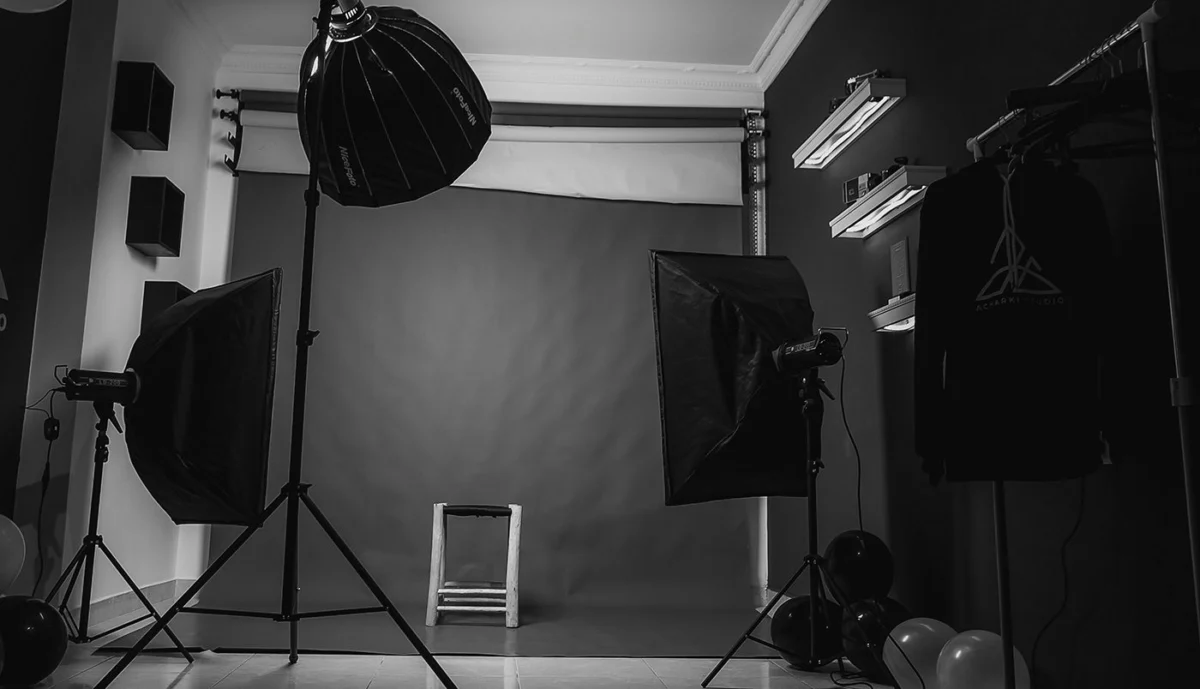
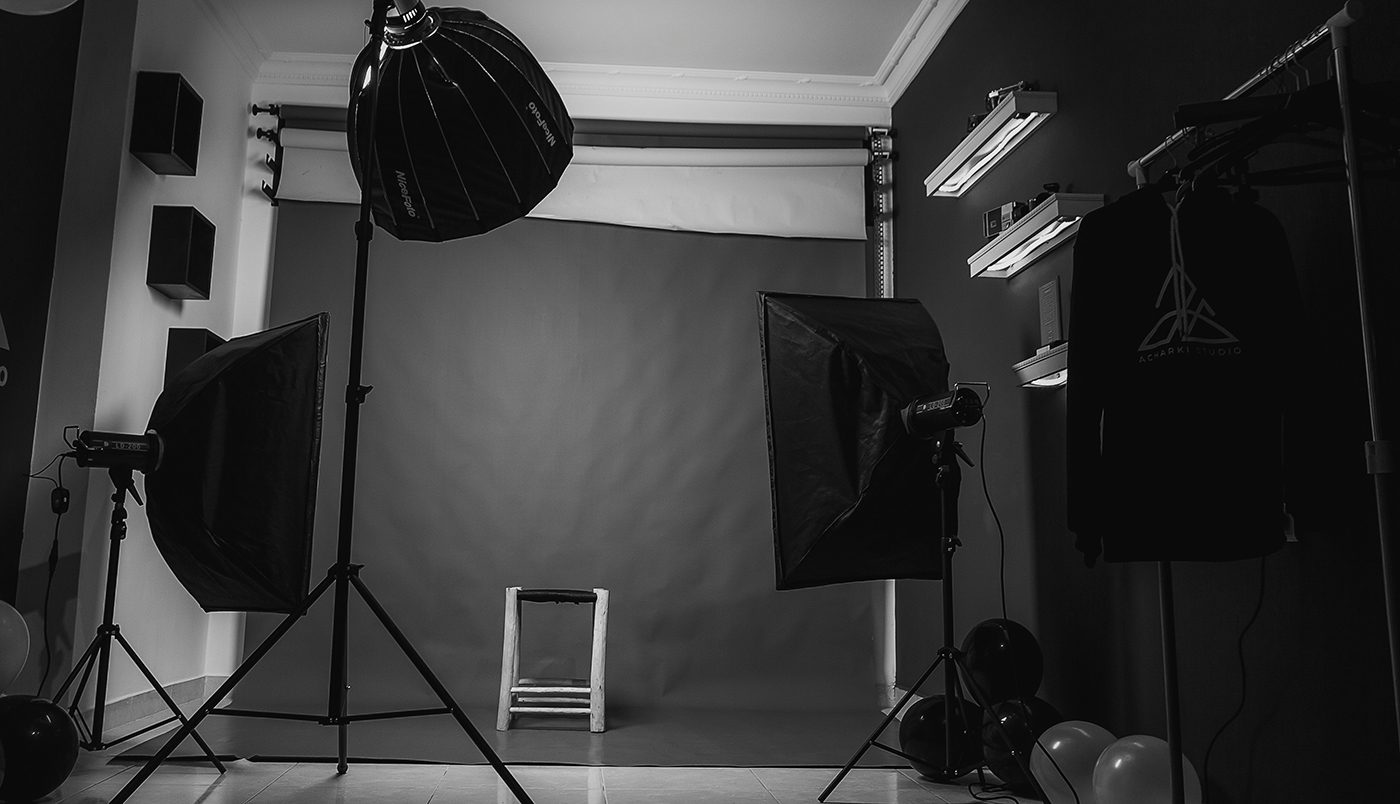
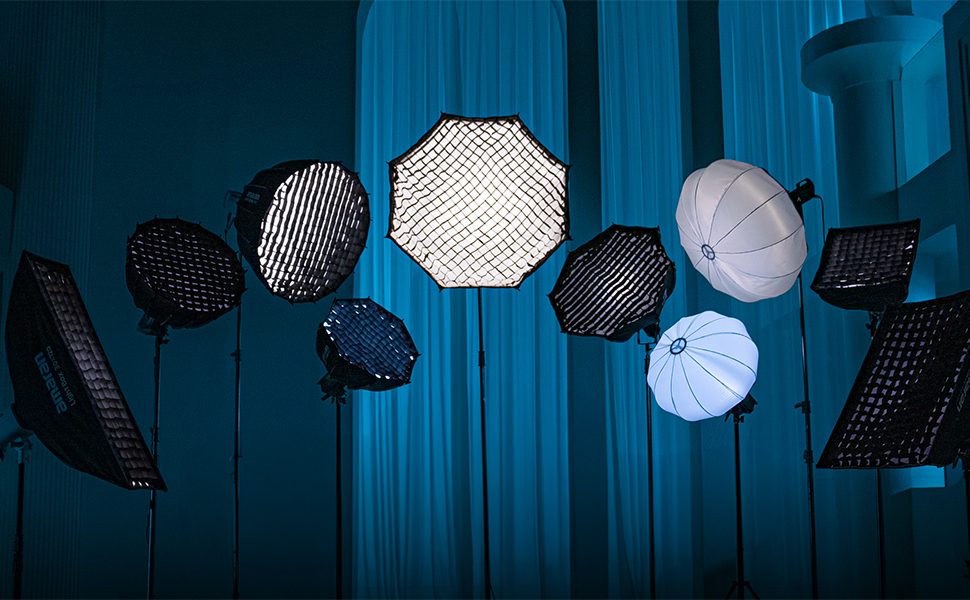
Light modifiers play an indispensable role in shaping light quality. These accessories, including umbrellas (silver for specularity, white for softer diffusion, translucent for shoot-through), softboxes of various shapes and sizes, beauty dishes, grids, and reflectors, physically alter the light’s characteristics. A highly reflective silver umbrella, for instance, will produce a more specular, contrasty light than a soft white diffusion panel. The specific throw pattern of a light source, whether from a recessed light head or a more exposed bulb, further contributes to its unique quality, a detail frequently highlighted in professional lighting reviews and workshops. The ongoing innovation in modifier design and the occasional discontinuation of beloved models often spark considerable discussion among professionals, underscoring the profound impact these tools have on a practitioner’s signature style. For instance, the renowned Parabolic 45 modifier, praised by many for its unique blend of crispness and diffusion, exemplifies how specific tools become integral to a creator’s workflow. The careful selection and deployment of modifiers allow visual artists to sculpt light, transitioning from broad strokes to intricate details, thereby imbuing their subjects with specific visual attributes and emotional resonance.
Direction of Light: Sculpting Form and Emotion

The third and arguably most powerful principle is the direction of light, which refers to the precise positioning of the light source relative to the subject and the camera. This principle is the primary driver for creating a sense of depth, volume, and three-dimensionality within a two-dimensional frame, moving beyond flat representation to sculpted realism. While offering immense creative potential, it also comes with established conventions and "rules" derived from centuries of artistic tradition and human perception.
Generally, lighting from above is considered the most natural and universally accepted direction, as it mimics the sun’s position and creates shadows that align with our everyday experience. Deviating from this naturalistic approach, such as lighting predominantly from below, can produce uncanny or unsettling effects, a technique often employed intentionally in horror genres or to evoke a sense of menace.
Various standardized lighting patterns, frequently referenced in terms of degrees from the subject, provide a common language for describing and replicating specific directional lighting setups:
- Frontal Lighting: Positioned directly in front of the subject, close to the camera axis. This light minimizes shadows, reducing texture and creating a flatter appearance. While sometimes used for even illumination, it can lack depth.
- Broad Lighting: The light source is positioned on the side of the face closest to the camera, illuminating a larger portion of the face. This can make a face appear wider.
- Short Lighting: The light source is positioned on the side of the face furthest from the camera, leaving the majority of the face in shadow. This creates a more dramatic and slimming effect, often favored for portraits.
- Rembrandt Lighting: Characterized by a small triangle of light on the shadowed cheek, created by placing the main light at about 45 degrees to the subject and slightly above eye level. It evokes a classic, dramatic mood, famously utilized by the Dutch master painter.
- Split Lighting: Divides the face precisely into two halves, one lit and one in shadow, often achieved by positioning the light directly to the side of the subject (90 degrees). This creates intense drama and mystery.
- Loop Lighting: A subtle variation where the shadow from the nose creates a small "loop" on the cheek, typically achieved by placing the light slightly off-center and slightly above eye level.
- Backlighting: The light source is positioned behind the subject, creating a "rim" or "halo" effect that separates the subject from the background. This can add depth, drama, and an ethereal quality.
- Top Lighting: Light directly from above, creating shadows under the eyes, nose, and chin. Can be used for dramatic effect or to emphasize structure.
- Under Lighting: Light from directly below the subject, creating upward-pointing shadows that are unnatural and often used to evoke fear or grotesqueness.
These directional choices are not merely aesthetic; they carry significant psychological weight. A subject lit from the side can appear more defined and sculptural, while one bathed in soft, frontal light might seem more approachable. The careful placement of a main (key) light, a fill light to soften shadows, a hair light for separation, and a background light to add depth, all contribute to the final visual impact. Experts in cinematography and photography consistently emphasize the interplay of these lights, often discussing lighting ratios to control contrast and mood. Understanding these conventions and knowing when to adhere to them or intentionally break them, is a hallmark of skilled visual artistry.
The Synergistic Impact and Broader Implications
The true mastery of lighting lies not in understanding Intensity, Quality, and Direction as isolated concepts, but in their synergistic application. A change in one principle invariably affects the others. Increasing the intensity of a hard light, for instance, will not only brighten the scene but also accentuate the starkness of its shadows. Softening a light source while maintaining its directional angle will transform harsh shadows into gentle gradients, fundamentally altering the emotional landscape of the image.
The profound implications of these three principles extend across various facets of visual media:
- Artistic Expression: For fine art photographers and independent filmmakers, the deliberate manipulation of light transforms their medium from mere documentation into a powerful tool for storytelling, mood creation, and emotional resonance. It allows them to sculpt reality, highlight narratives, and guide the viewer’s eye.
- Commercial Efficacy: In advertising, product photography, and corporate videography, precise control over light ensures products are presented optimally, branding messages are conveyed effectively, and subjects appear professional and appealing. The ability to create consistent, high-quality visuals is directly linked to commercial success.
- Technical Foundation: For aspiring professionals, a deep understanding of these principles is the bedrock upon which all advanced lighting techniques are built. It fosters problem-solving skills, enabling adaptation to diverse shooting conditions, from complex studio setups to challenging outdoor environments where natural light is constantly evolving.
- Audience Perception: The average viewer, often unconsciously, reacts to the lighting of an image or film. Well-executed lighting can evoke feelings of comfort, tension, joy, or mystery, enhancing engagement and comprehension of the visual narrative. Poor lighting, conversely, can detract from the message, create confusion, or even elicit negative reactions.
- Technological Advancement: Despite rapid advancements in lighting technology, from sophisticated LED panels with wireless control to computational photography techniques that simulate lighting effects, these innovations ultimately serve to provide greater control over the fundamental principles of intensity, quality, and direction. The core tenets remain timeless.
In conclusion, the journey from merely capturing light to actively crafting it is a continuous process of learning and experimentation. The three principles of Intensity, Quality, and Direction form an indispensable framework, empowering visual artists to transcend technical limitations and unlock unparalleled creative potential. As practitioners delve deeper into these foundational elements, they gain the ability to not just illuminate a scene, but to imbue it with purpose, emotion, and an enduring visual impact, shaping how stories are told and perceived across all forms of visual media. Future explorations will undoubtedly delve into the practical application of these principles, examining how skilled professionals deduce and replicate complex lighting scenarios from renowned works of television, film, and photography, further cementing their indispensable role in the visual arts.