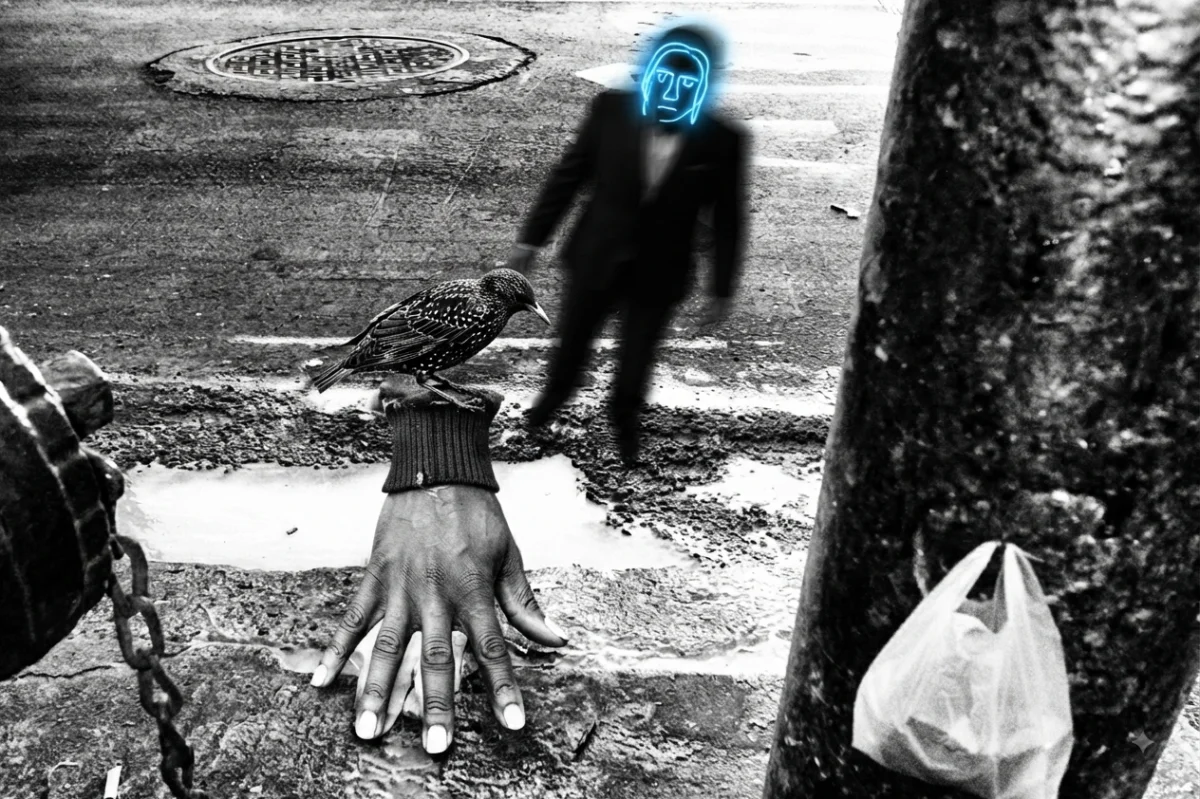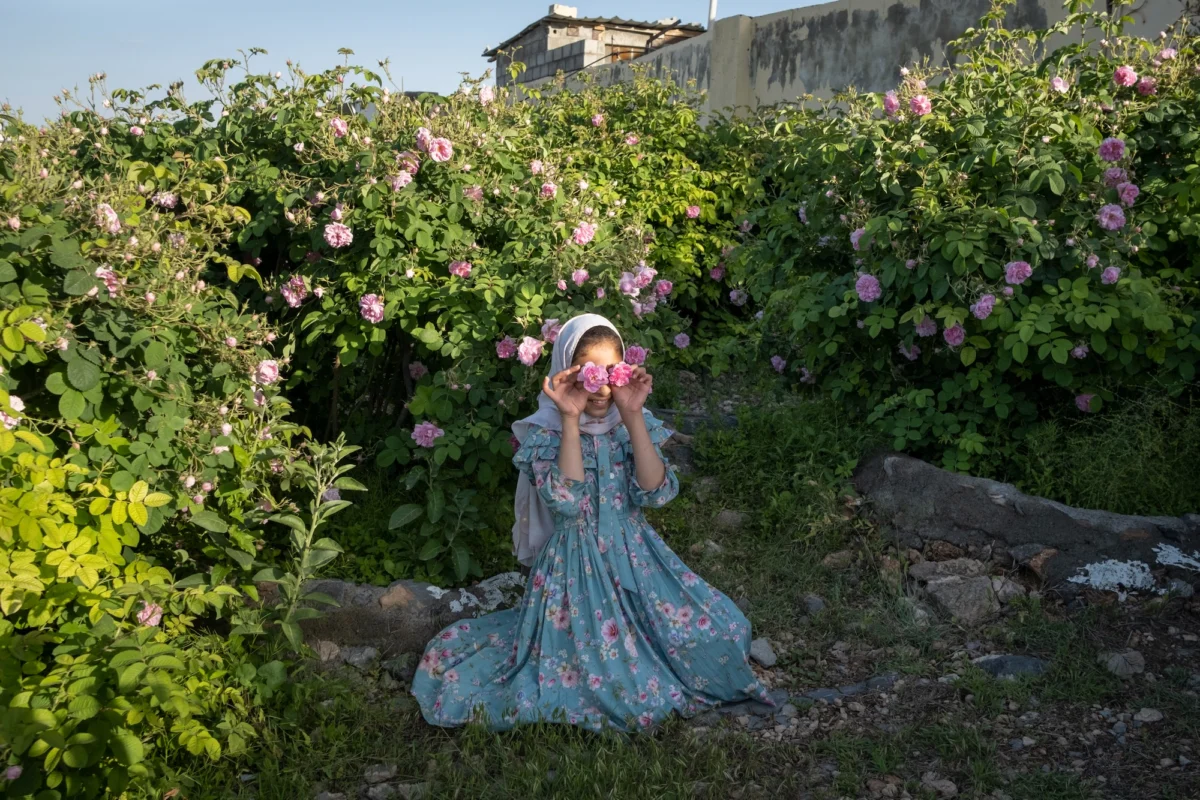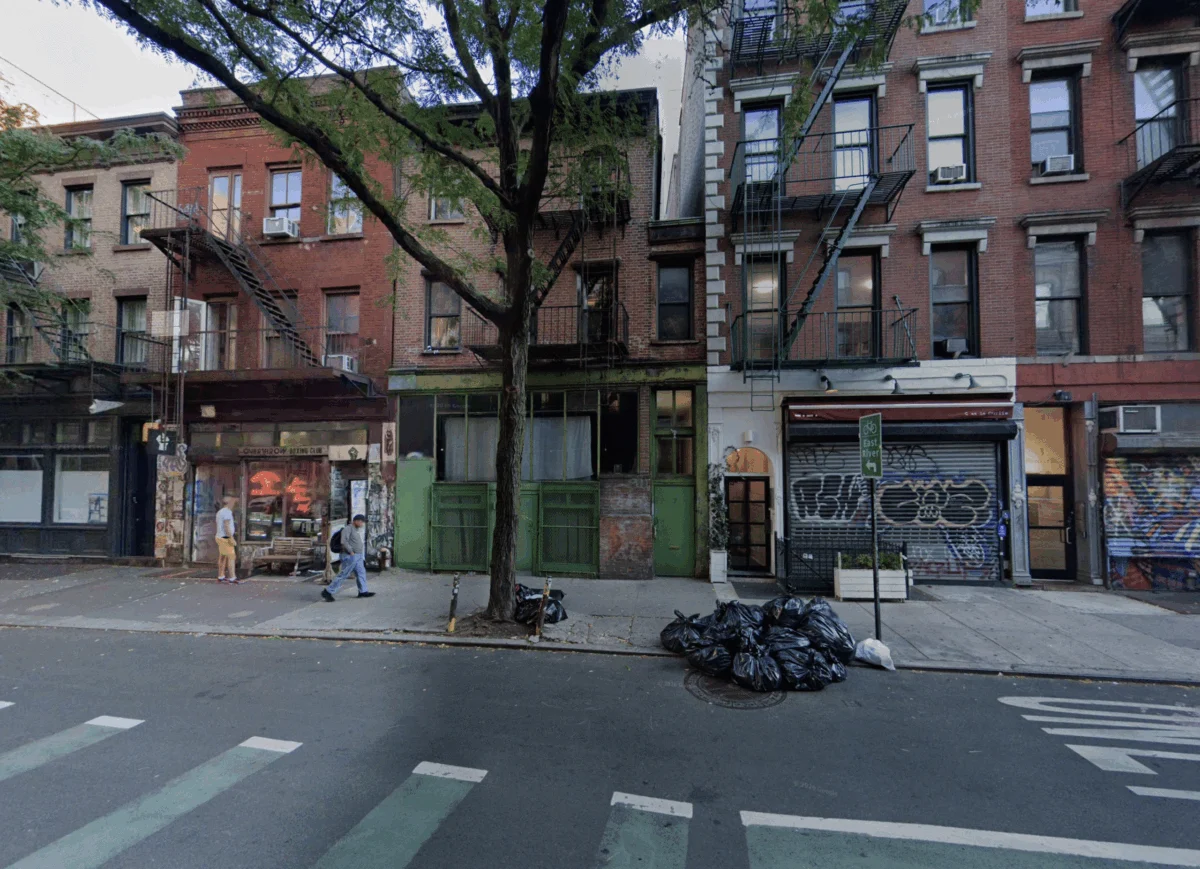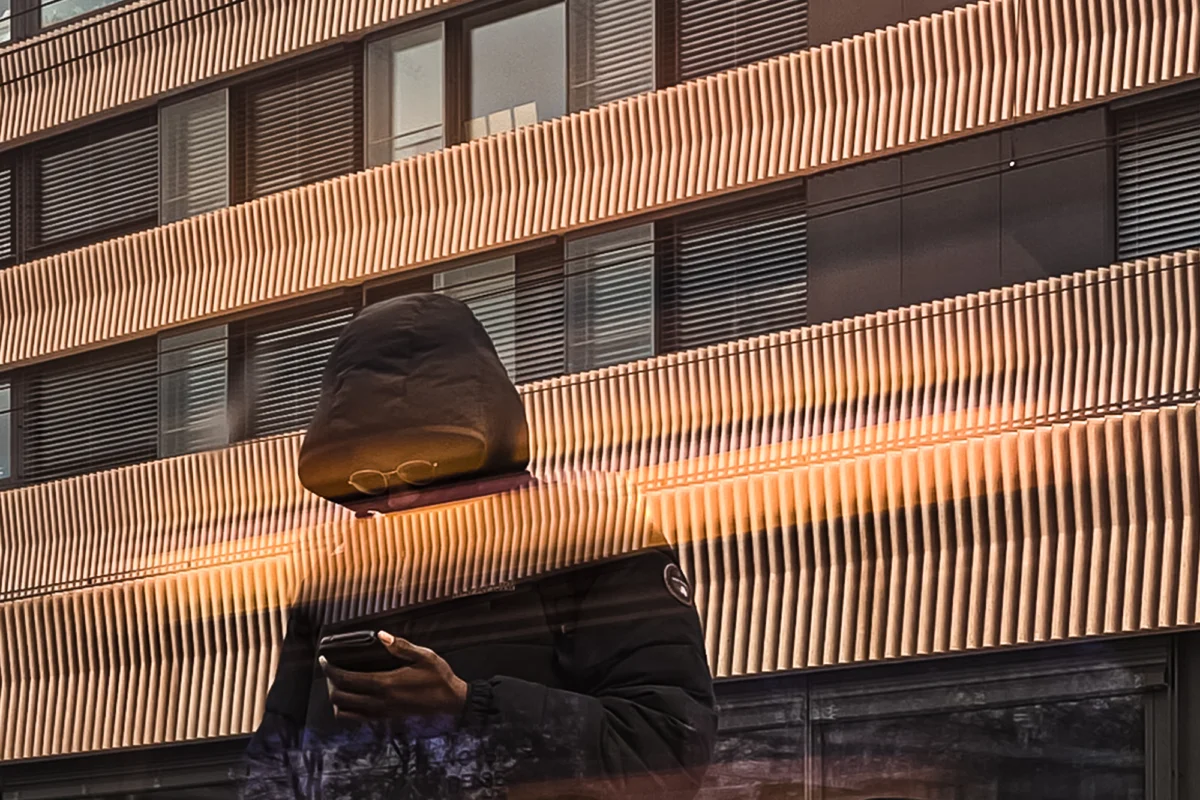
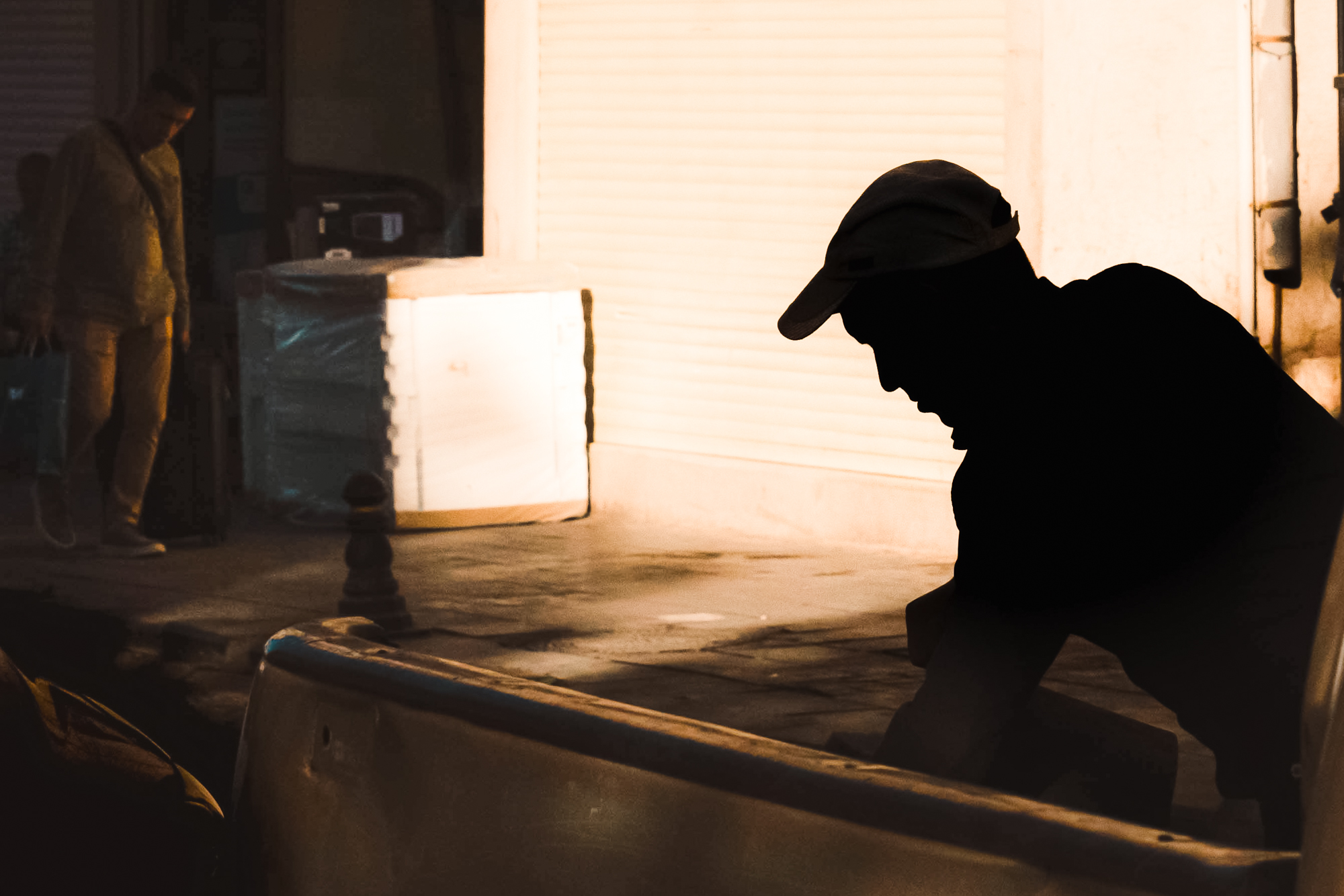
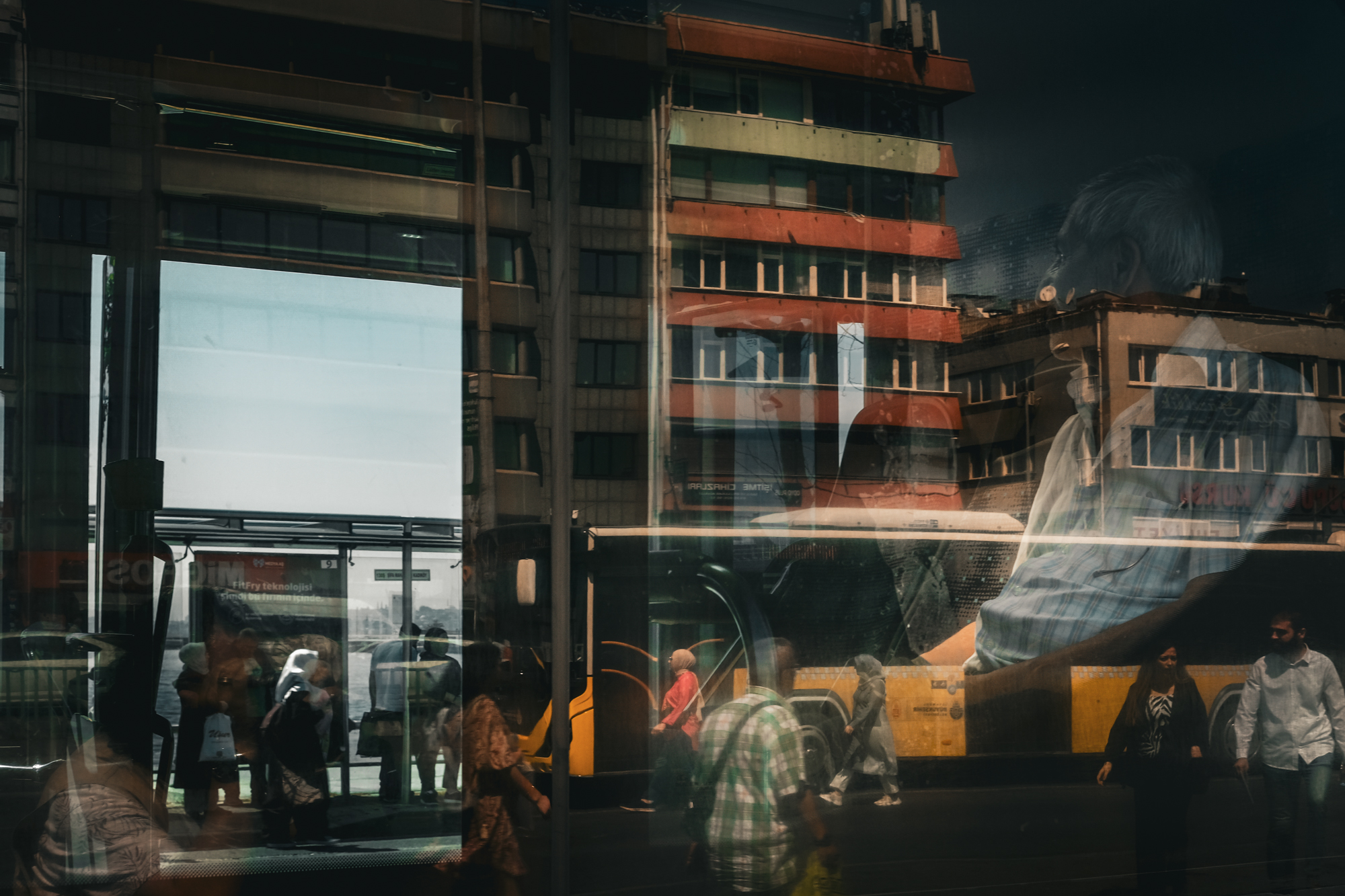
Istanbul-based street photographer Gül Kanık has carved a distinctive niche in the genre, eschewing conventional documentary approaches for a more introspective and artistically driven process. Her work, characterized by carefully composed silhouettes, innovative use of reflections, double exposures, and the integration of surrounding elements as framing devices, reflects a deliberate and evolving artistic vision. This sophisticated approach, which she describes as a natural progression, distinguishes her from many street photographers who prioritize immediacy over meticulous composition.
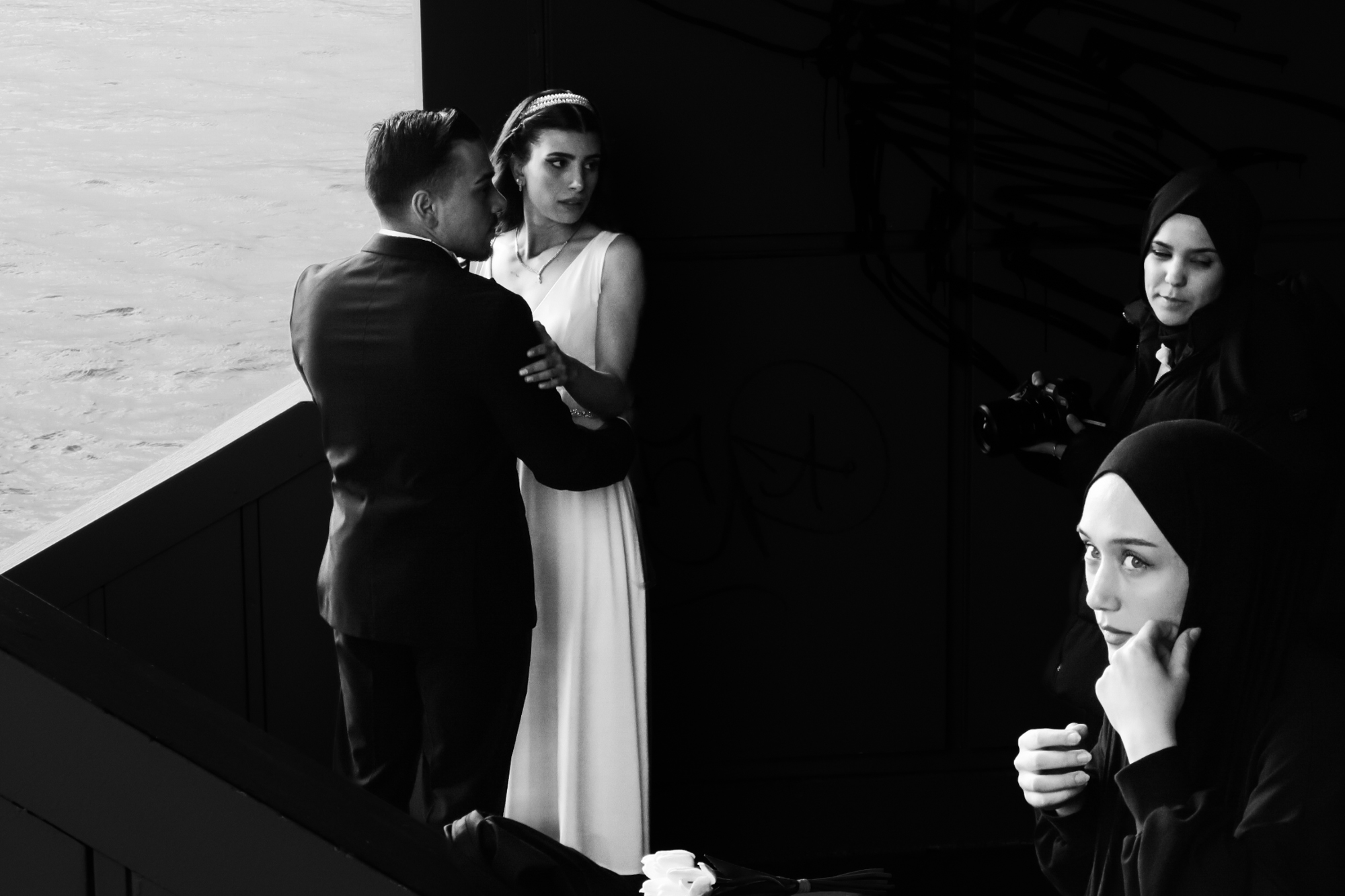
Kanık’s journey into photography began not as a planned pursuit, but as a therapeutic response to personal loss. "At the beginning, I was just taking photos without thinking too much about technique," she shares, explaining that the camera became a way to cope with the absence of her mother. "Over time, I became more aware of light and composition. So these approaches developed naturally as I practiced more." This period of exploration led to a profound realization that would shape her artistic philosophy: "We don’t just see the world as it is – we see it as we are." This sentiment underscores her belief that photography is not merely an act of recording reality, but a deeply personal interpretation of it.
The Genesis of a Visual Language
Kanık’s early engagement with photography was a means of filling an emotional void. The act of capturing images provided a tangible connection, a way to hold onto something amidst grief. This initial, almost instinctual, engagement gradually transformed as she honed her observational skills. Her growing awareness of light, form, and composition allowed her to move beyond simple documentation towards intentional artistic expression. The development of her signature techniques—such as the strategic use of silhouettes, reflections, and framing—was not an imposed stylistic choice but an organic outgrowth of her increasing technical proficiency and deepening artistic intent. This natural evolution is a testament to her dedication to the craft and her innate ability to perceive the world through a unique visual lens.
Connection as the Catalyst for Creation
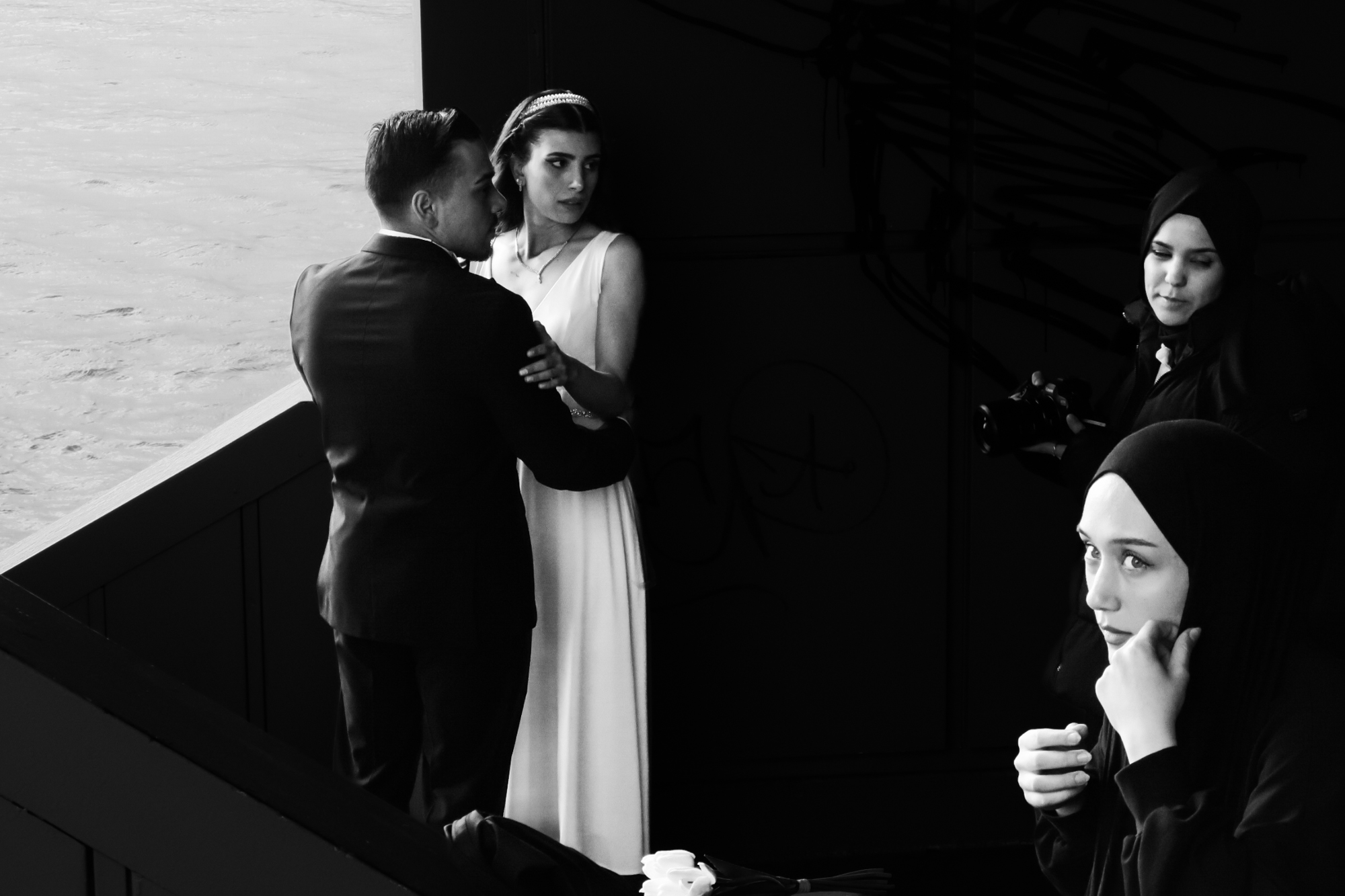
For Kanık, street photography is not dictated by a rigid schedule or a predefined mission. Instead, it is an emergent process triggered by a profound connection with her environment. "Usually, I find myself taking photos when the light is interesting or when there is a contrast – like calm vs chaos, light vs shadow, or people lost in their own world. These moments pull me in," she explains. This innate sensitivity to atmospheric conditions and thematic dichotomies forms the bedrock of her photographic practice. She doesn’t actively "chase" scenes but rather cultivates an environment of anticipation and presence, waiting for moments to align organically.
Her approach emphasizes patience and immersion. "What helps me the most is patience and being present. I don’t try to control the scene; I try to align to it," Kanık states. This philosophy allows her to be receptive to the subtle nuances of urban life, capturing the ephemeral dance of light and shadow, the juxtaposition of human activity and stillness, and the individual narratives unfolding within the collective urban tapestry. Her ability to anticipate moments, such as a figure entering a frame or light striking a subject in a particular way, stems from this deep engagement with her surroundings.
The Emotional Resonance of the Ordinary
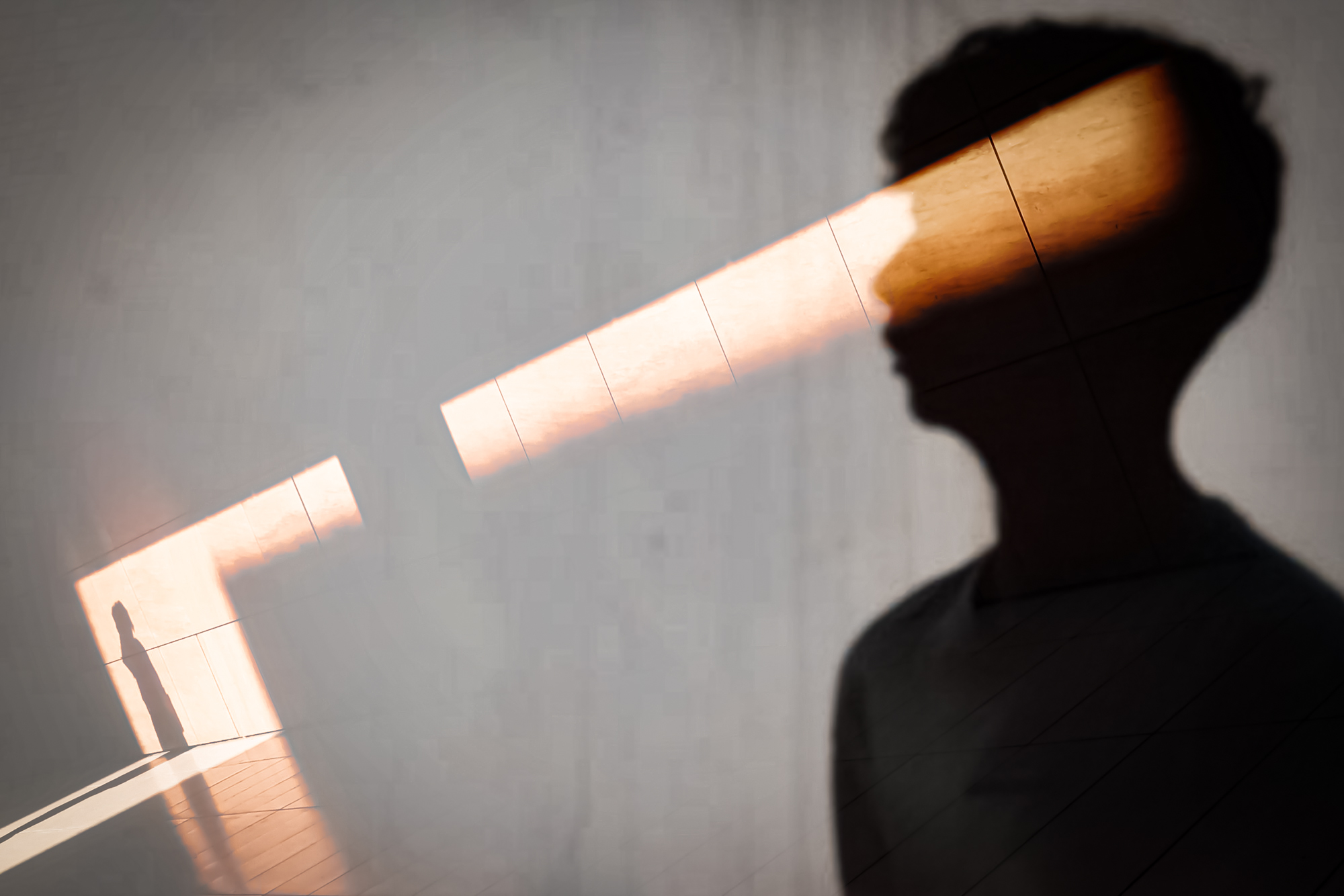
While many associate street photography with raw, unvarnished reality, Kanık actively seeks to infuse her work with emotion. "Emotional isn’t the first word most photographers would associate with street photography. For Kanık, however, it’s one of the visual qualities she strives to imbue in her work." She achieves this through deliberate compositional choices that simplify scenes and direct the viewer’s attention, creating a powerful emotional impact. Shadows evoke mystery, silhouettes lend a universal quality, and framing acts as a guide for the viewer’s eye.
"For example, shadows can create mystery, silhouettes can make a scene more universal, and framing helps guide the viewer’s eye. I try to use them in a natural way, not forced," she elaborates. Her aim is to reveal the extraordinary within the ordinary, highlighting the subtle contrasts that define the urban experience. "I believe that even the most ordinary scenes carry something different – a detail, a feeling, or a moment that breaks the pattern. I’m drawn to subtle contrasts like light and shadow, stillness and chaos, presence and absence." This focus on minimalist aesthetics, as opposed to a documentary-heavy approach, allows the emotional core of the image to resonate more deeply. Kanık champions the principle of "less is more," believing that extraneous elements can dilute the impact of the central subject, thereby creating images that are both simple and profoundly meaningful.
Influences and the Pursuit of Authenticity
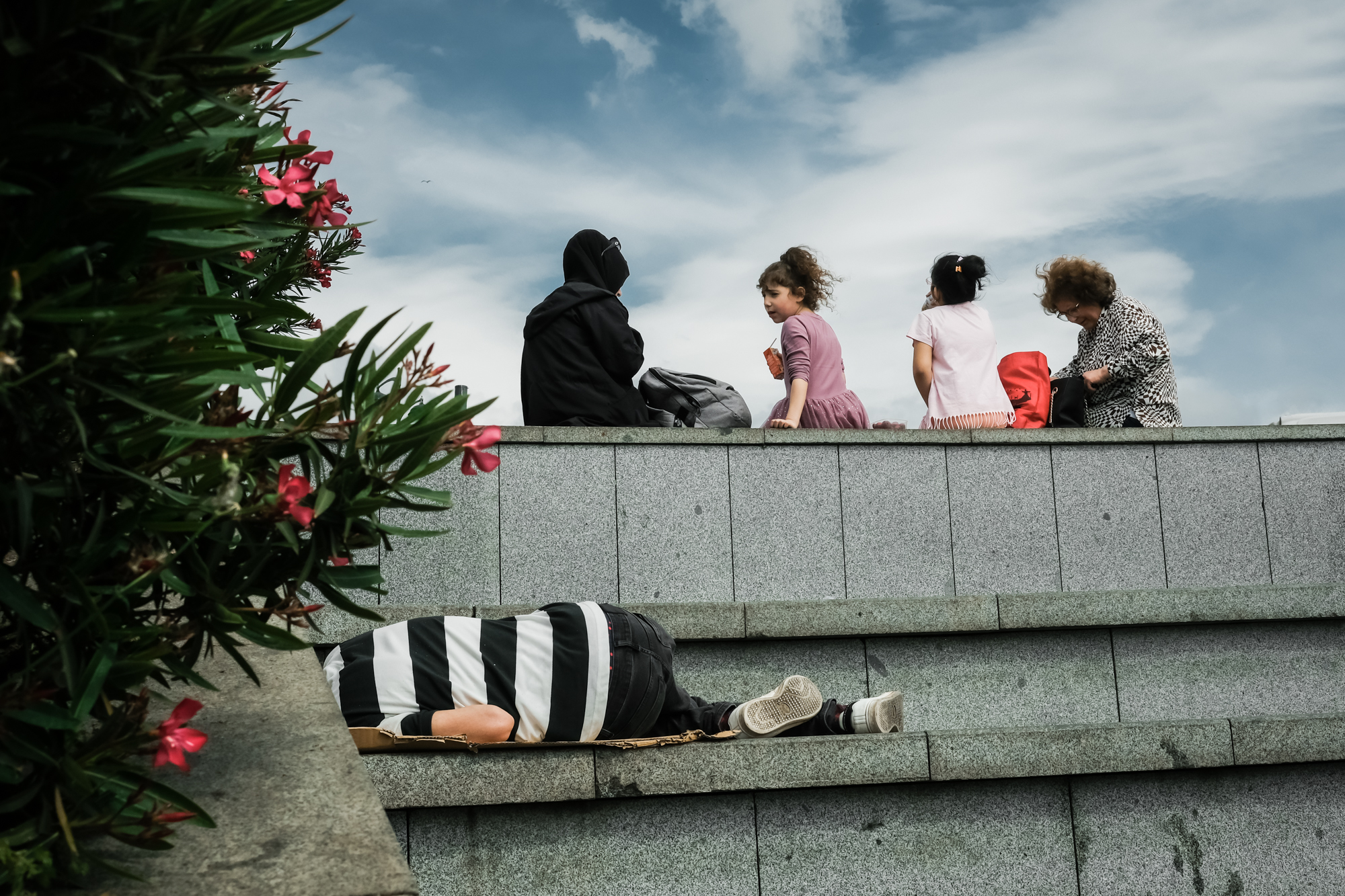
Kanık’s artistic development has been significantly shaped by the works of renowned street photographers. She draws inspiration from Alex Webb’s complex, multi-layered compositions, recognizing his ability to weave multiple narratives within a single frame. The emotional depth and poetic atmosphere of Saul Leiter’s work, particularly his use of color, reflections, and minimalist compositions, have made her more attuned to subtle details and the power of simplicity. Vivian Maier’s legacy, with its emphasis on honest, unfiltered moments and a strong sense of authenticity, resonates deeply with Kanık’s own pursuit of genuine human experience.
"What she finds to be the common denominator of these photographers is their ability to find and capture something unique in the ordinary," the article notes. This shared characteristic fuels Kanık’s ongoing exploration, her persistent search for stories and feelings that can be conveyed through her street captures. "I’m always searching for the ‘non-standard within the standard’ trying to reveal something unexpected in everyday life," she states. This drive to uncover the hidden uniqueness in familiar scenes is a recurring theme in her work.
Navigating the Challenges of Street Photography
The pursuit of authenticity in street photography presents inherent challenges. Kanık acknowledges the delicate balance between observer and observed, noting that "Sometimes, people notice the camera and the moment changes." The ephemeral nature of street photography means that even the slightest disruption can alter the intended capture. Furthermore, not every outing yields a compelling image. "Also, not everyday is inspiring – some days nothing works. To deal with this, I stay patient and accept that not every walk will result in a great photo," she admits. This acceptance of the unpredictable rhythm of street photography is crucial for maintaining artistic momentum and avoiding creative burnout.
The Nepal Sunset: A Turning Point
A pivotal moment in Kanık’s artistic journey, illustrating her intentional approach, occurred during a trip to Nepal. While not strictly a street photograph, the experience profoundly influenced her understanding of composition and intent. Working on sunset photography in Nagarkot with her mentor, Cenk Gençdi, she found herself with a breathtaking vista of Mount Everest but felt something was missing. "It felt too empty," she recalls. Recalling Gençdi’s teachings on framing, she actively sought an element within the scene to transform the landscape.
"Then, I noticed a simple lamp hanging in the balcony structure. Including that small element completely changed the photograph. It gave the frame depth, balance, and a stronger story. Suddenly, it was no longer just a landscape – it became something more personal and intentional," Kanık explains. This realization marked a significant shift, solidifying her understanding that she was not merely capturing what was in front of her, but actively shaping the narrative. "It was the moment I understood that I’m not just capturing what is in front of me – I’m always searching for the ‘non-standard within the standard.’ Even in the most perfect view, I’m drawn to the small detail that changes everything."
A Deeper Narrative: The City as a Canvas for the Inner World
Kanık’s internal and intentional approach to street photography allows her to imbue each frame with her emotions, perspective, and inner world. "The city is just the surface – what I’m really capturing is something much more personal," she reflects. Her work transcends the mere documentation of urban life, delving into the emotional and psychological landscapes that lie beneath the surface. She seeks not to present the extraordinary but to reveal the hidden uniqueness within the familiar, demonstrating that even the most commonplace scenes can hold deeply personal and unexpected narratives.
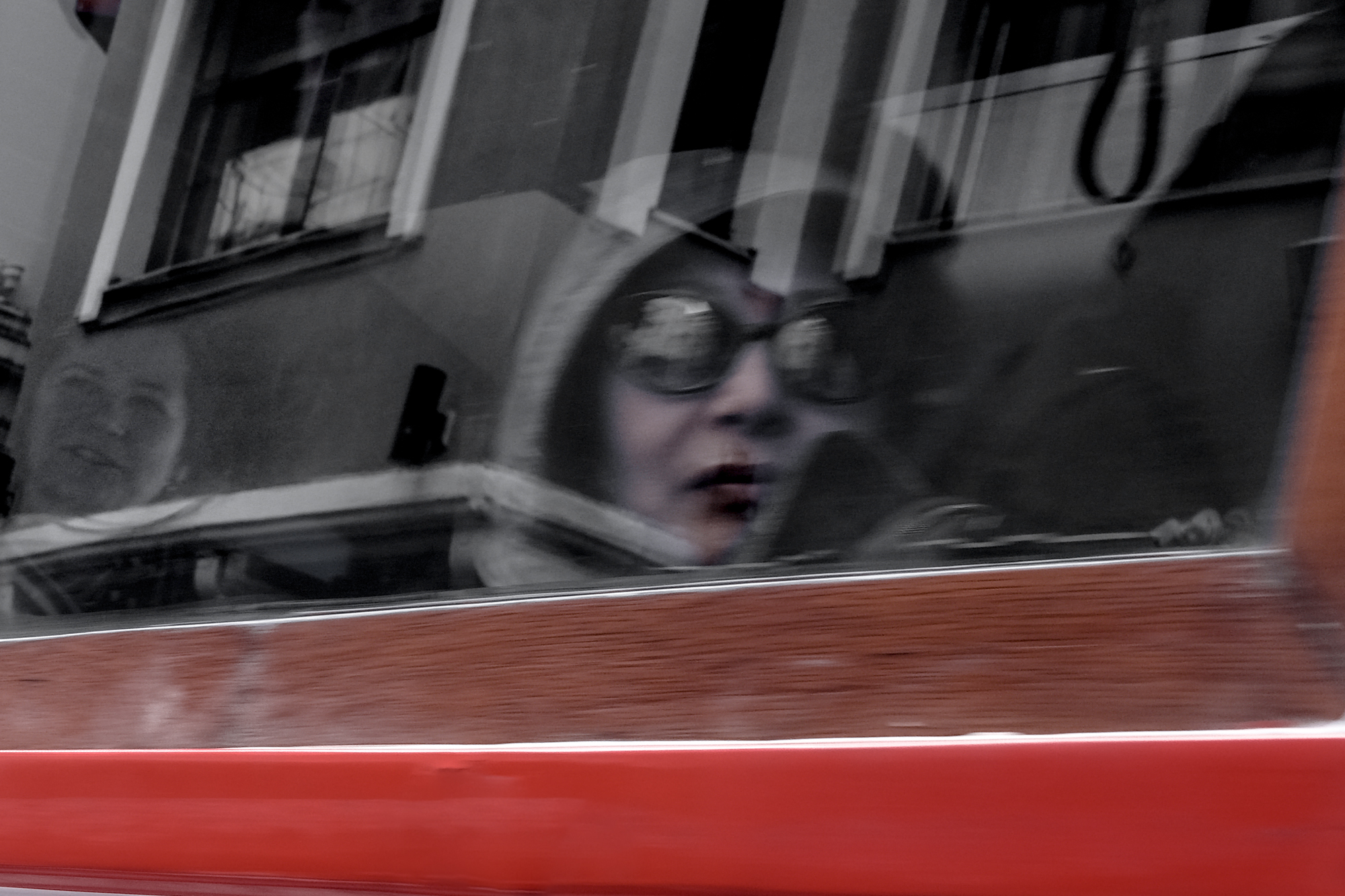
Her dedication to this introspective process suggests a broader trend in contemporary street photography, where artists are increasingly exploring the intersection of external observation and internal experience. By prioritizing emotional resonance and deliberate composition, Kanık invites viewers to engage with the urban environment on a more profound level, recognizing the inherent artistry and personal significance embedded within everyday moments. Her work serves as a compelling testament to the power of intentionality in photography, transforming transient urban scenes into enduring explorations of the human condition.
Follow Gül Kanık on Instagram at http://instagram.com/kaniklaringul to explore more of her evocative street photography.