The art of street photography, often perceived as a spontaneous capture of fleeting moments, reveals a profound depth when explored through the lens of artists like Rupert Vandervell. His work, characterized by a masterful command of light and a minimalist aesthetic, illuminates the intricate dialogue between humanity and the urban landscape. Vandervell, a UK-based photographer and video producer, elevates the everyday street scene into a canvas for dramatic visual storytelling, where the interplay of light and shadow sculpts form and evokes emotion.
The Genesis of a Vision: From Graphic Design to Street Artistry
Vandervell’s journey into photography began in the 1990s, a period when he was working as a graphic designer. This earlier profession instilled in him a foundational understanding of composition, form, and visual hierarchy, skills that would later prove invaluable in his photographic pursuits. During his free time, he found himself drawn to the sprawling streets of London, a city that would become a constant source of inspiration. It was during these exploratory walks that his artistic sensibilities began to crystallize.
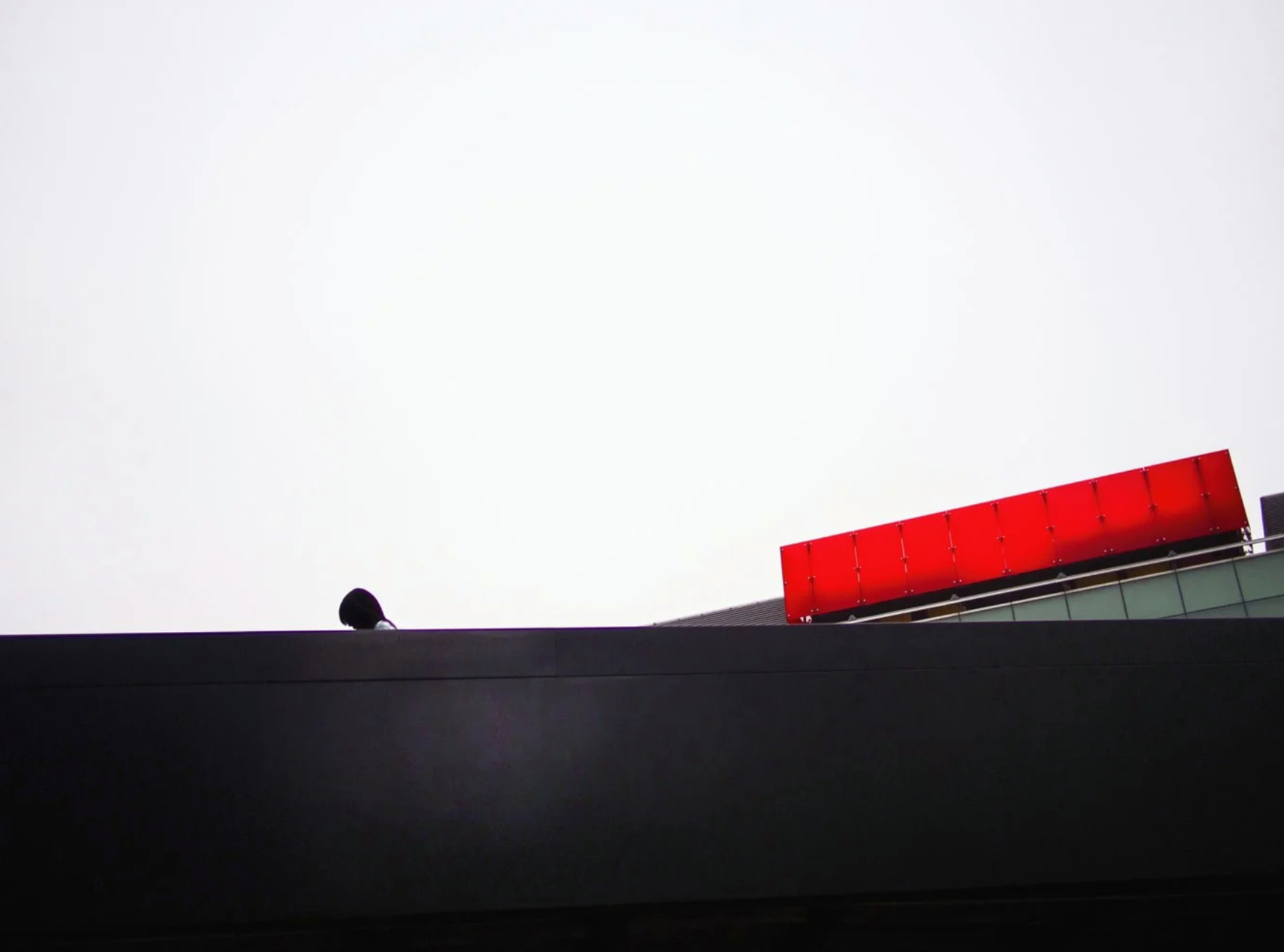
"I was attracted to the black and white look from the start and was interested in how light and shade could be used to shape and form compositions," Vandervell recalls, highlighting an early and enduring fascination with chiaroscuro. This initial inclination towards monochromatic imagery was not merely an aesthetic choice; it was a deliberate exploration of how light could define and sculpt the visual narrative. The stark contrast inherent in black and white photography, amplified by skillful manipulation of light, allowed him to distill complex urban environments into potent visual statements. This foundational understanding of light, he emphasizes, is one of the most crucial skills he acquired early in his photographic development.
The Unseen Sculptor: Light as the Primary Medium
For Vandervell, light is not merely a functional necessity for photography; it is the primary creative tool, the unseen sculptor that shapes his compositions. He views the street as a dynamic stage where light transforms ordinary scenes into extraordinary visual experiences. His Instagram feed and website serve as a testament to his ability to discern and harness these ephemeral qualities of light, turning urban environments into a rich tapestry for his artistic expression.
"It starts with seeing the light," Vandervell asserts, underscoring the pivotal role of observation in his creative process. He meticulously studies how light interacts with the built environment at different times of the day, recognizing that each temporal shift brings a unique mood and quality to the urban landscape.
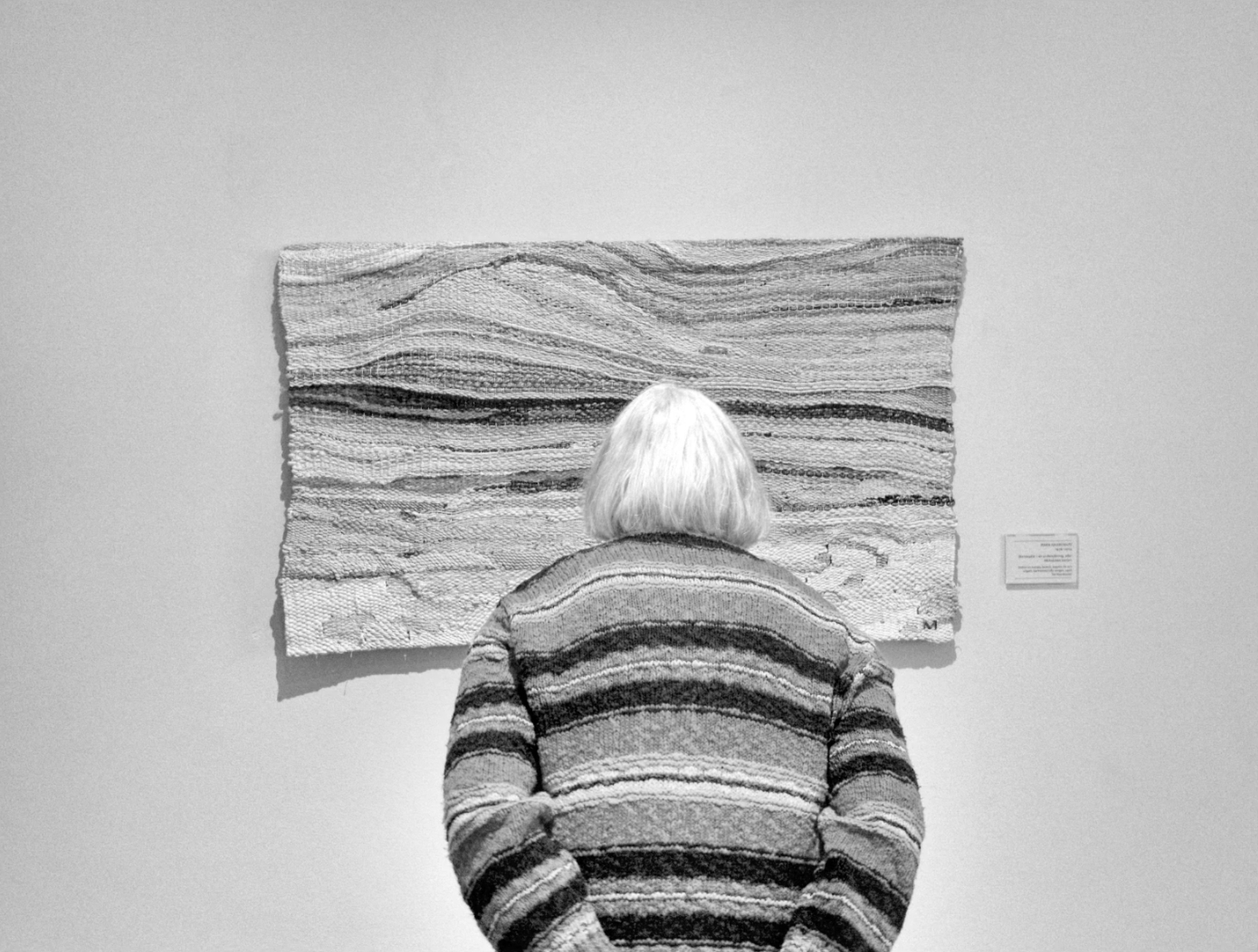
"With different times of day come different moods. I like how cool and clear the light can be in the morning, creating sharp lines of shadow and jewel-like highlights. It penetrates the space between the towering buildings and generates a dazzling display of intricate patterns on every surface," he explains. This keen perception allows him to anticipate and capture moments where light and shadow create striking geometric patterns, architectural textures, and dramatic contrasts.
Conversely, he notes the distinct character of light in the late afternoon: "In the late afternoon, the light becomes warm and subtle and the shadows grow longer with feathered edges." This understanding enables him to adapt his approach and capture the specific emotional resonance of each lighting condition.
The anticipation of ideal lighting conditions is a critical, and often challenging, aspect of his work. Vandervell is unequivocal about his preference for conditions that facilitate his signature high-contrast aesthetic. "I don’t go out on grey days!" he declares, a statement that encapsulates his commitment to working with light that yields powerful visual impact. This reliance on specific lighting conditions also implies a strategic approach to his photographic expeditions, suggesting a deep understanding of urban geography and the predictable patterns of sunlight.
A Symphony of Contrast: The Allure of High Contrast and Minimalism
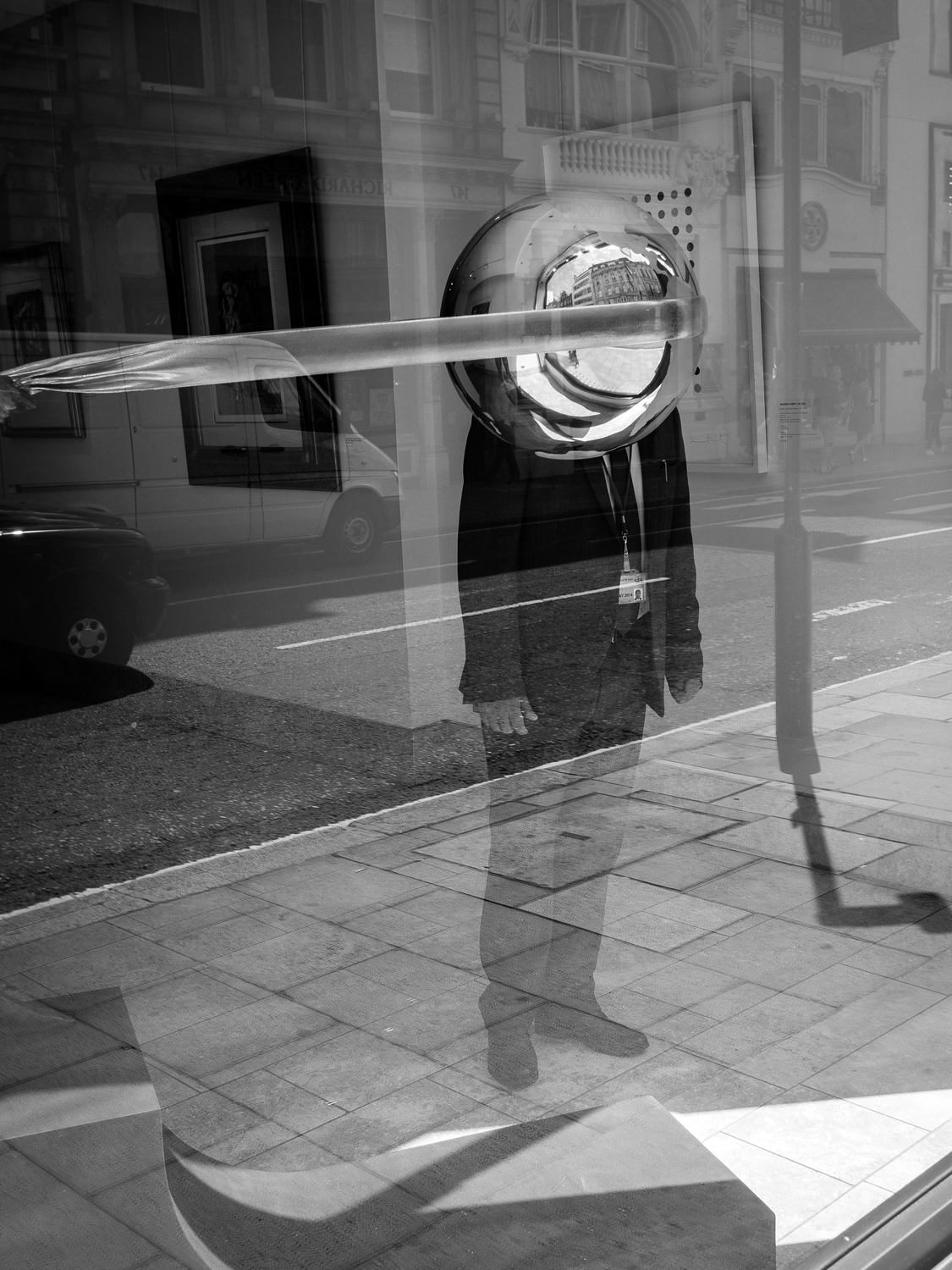
Vandervell’s distinctive style is profoundly shaped by his affinity for high contrast. This aesthetic, achieved through the stark juxtaposition of deep blacks and pure whites, imbues his images with a graphic intensity and a sense of timelessness. While cities are often perceived as bustling with color, shapes, lines, and textures, Vandervell’s approach strips away the superfluous, revealing a clean, minimalist aesthetic that is heightened by the deliberate simplicity of black and white.
This preference for high contrast is not arbitrary; it is a conscious choice that draws inspiration from the pioneers of mid-20th-century street photography. "My favorite photographers include Ray Metzker, Lucien Hervé, and Ernst Haas – photographers who rose to prominence during the 1950s and 1960s for their experimental and artful photography," he shares. These artists, known for their innovative use of form, shadow, and abstraction, provided a rich wellspring of inspiration as Vandervell honed his own visual language. "Looking at how they photographed their cities and how they used everything around them to compose and shape their images is endlessly inspiring," he adds.
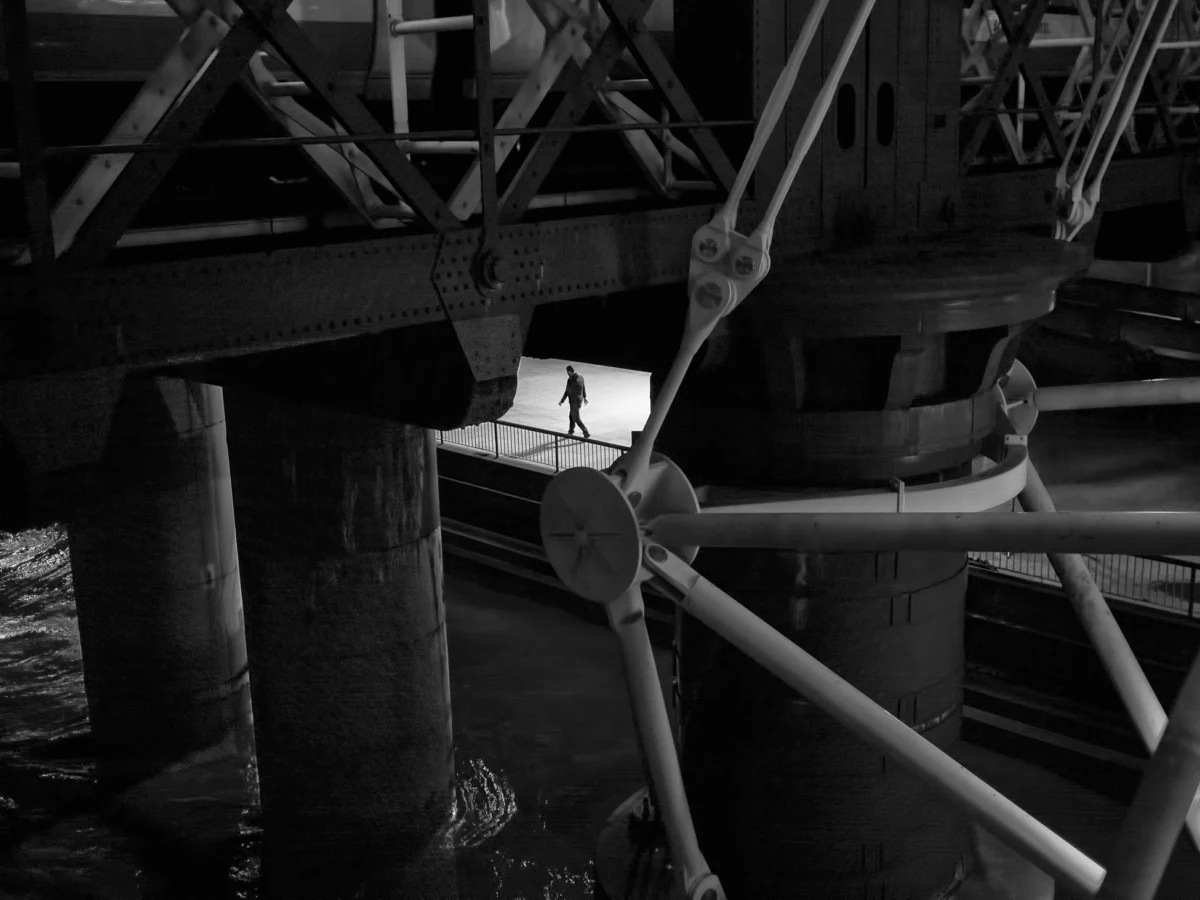
To achieve his signature look, Vandervell employs techniques such as the strategic use of silhouettes, negative space, and dramatic shadows. These elements serve not only to create visual tension but also to imbue his photographs with a sense of mystery and, at times, isolation. The power of his high-contrast approach also lies in its ability to elegantly conceal distracting elements, focusing the viewer’s attention on the essential forms and the narrative at play.
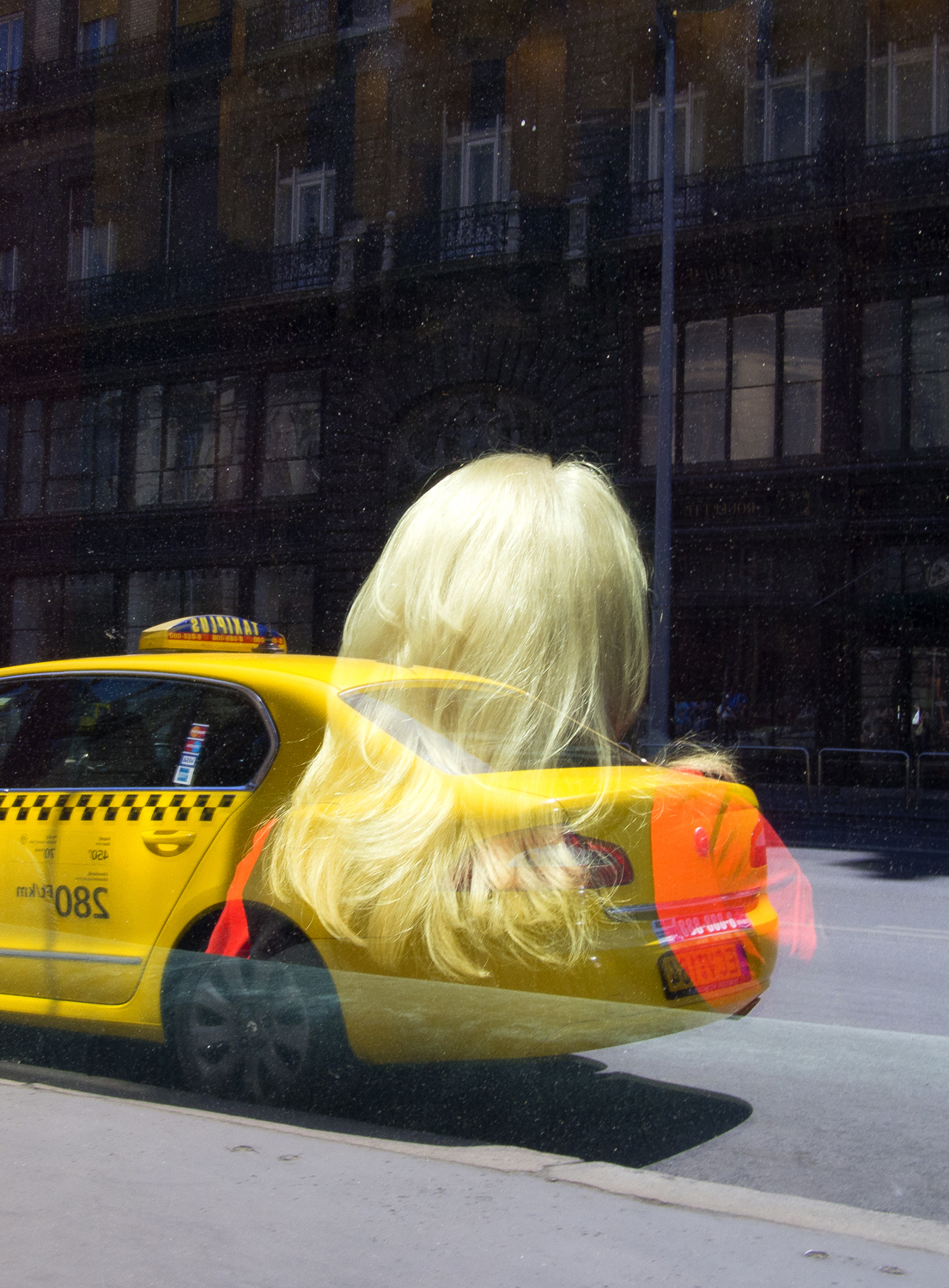
"Human silhouettes and negative space are very important in the style of pictures I take. They are graphic elements that play significant roles," Vandervell explains. He further elaborates on the dynamic nature of these elements: "If including a human silhouette, I try to make sure that they appear in a characterful way. Not just standing still but as animated as possible, I’ll try to capture them in full motion. Negative space also plays a big part in my compositions; using a ‘less is more approach’ often works well." This deliberate inclusion of human figures, often rendered as graphic forms against architectural backdrops, introduces a crucial human element into his otherwise abstract compositions.
The Human Element: Man’s Interaction with the Built World
A recurring and pivotal theme in Vandervell’s street photography is the juxtaposition of the human form against the imposing geometry of the built environment. His images frequently feature a lone human subject, a solitary figure set against the intricate textures, stark shapes, and bold patterns that emerge from his high-contrast approach. This deliberate pairing serves as a potent commentary on humanity’s relationship with the urban landscape, exploring themes of scale, perspective, and individual presence within a vast, constructed world.
"Once I have discovered a potential scene, I will play around with it and frame and compose, moving around the area to explore it in full. If I find a good scene, I will then look to see how I can fit the human factor in to bring scale and perspective to the picture," Vandervell states. This process highlights his thoughtful approach to composition, where the environment is observed and understood before the opportune moment for human integration arises.
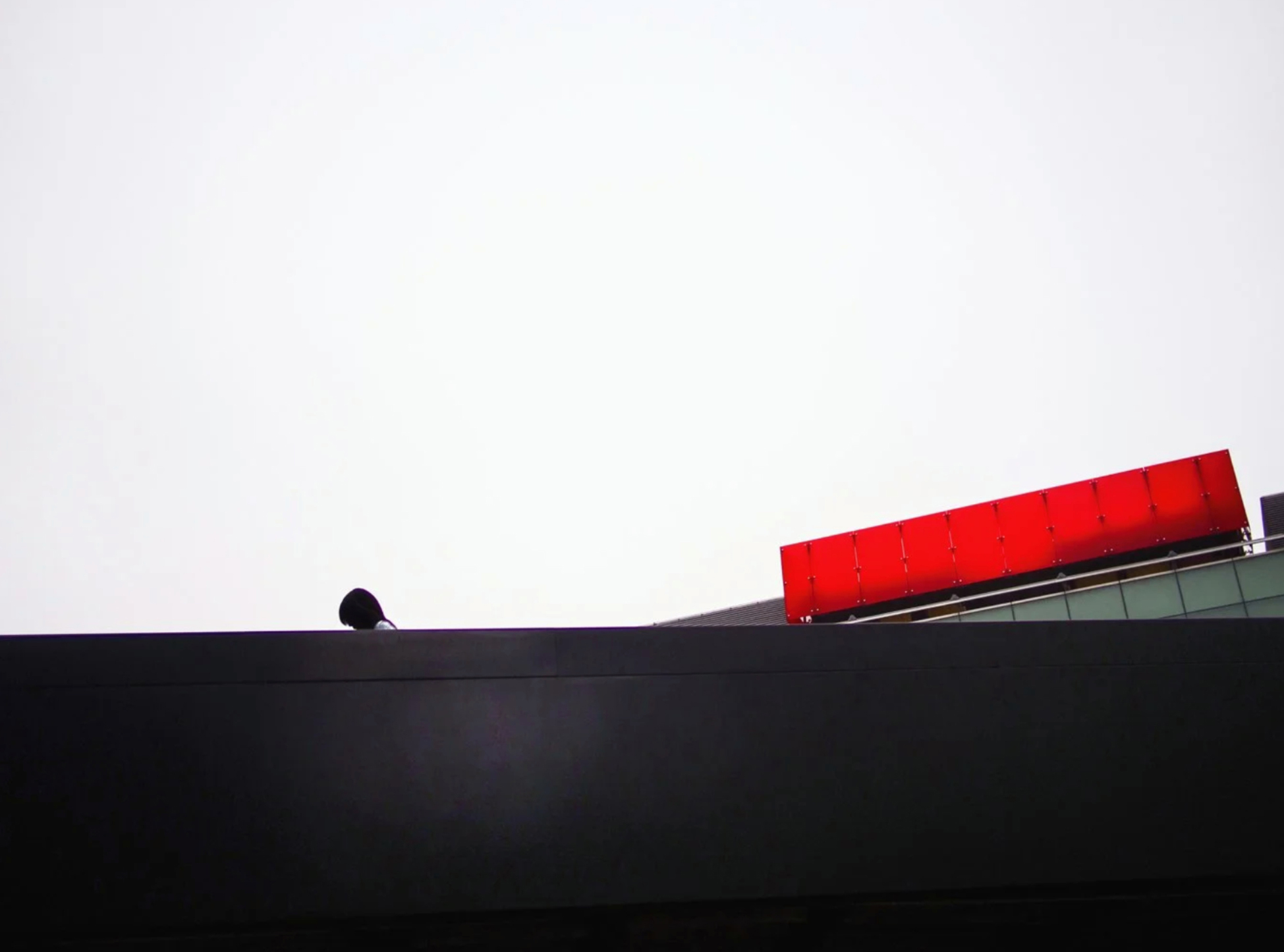
During his photographic explorations, he notices how light carves out geometric forms and patterns within the urban fabric, sometimes creating an almost abstract arrangement of objects, street furniture, signs, and road markings. The inclusion of a human element then becomes the decisive factor, bringing a sense of narrative and grounding the abstract to a relatable human scale. The balance and structure of his images are critically dependent on the precise placement of these human figures within the frame.
"A photograph can be a success or failure depending on the location of certain elements, and in my pictures, the positioning of any human subject can be critical. I use all elements in a graphic way," he emphasizes. This indicates that his compositions are not accidental but are carefully constructed, with each element playing a specific role in the overall visual impact. The careful orchestration of these graphic elements determines the success or failure of the image.
Vandervell offers a compelling example of this delicate balance in a photograph taken in London in 2012. While he doesn’t claim a single favorite image, he believes this particular shot encapsulates his style perfectly. "Light, shade, geometry and human factor," he describes. "Taken in 2012, I was on one of my city walks in London on a fine spring morning exploring my favourite places when I noticed the geometric shapes being created by the sun coming through the metal railings."
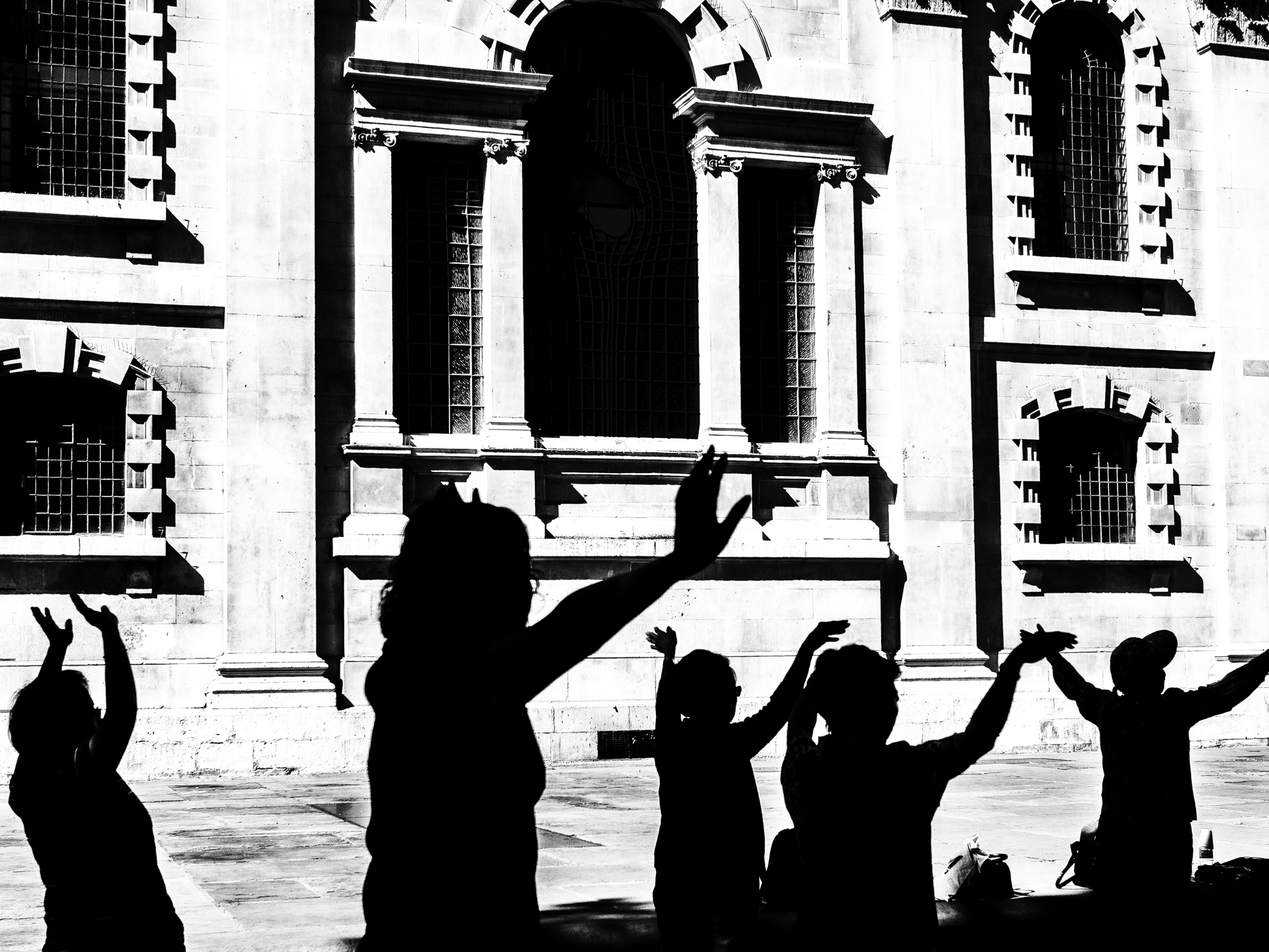
The opportunity for this capture was fleeting. "I had to be quick because the man seen below looked like he was having a smoking break from his office and he was moving around somewhat." The urgency of the moment, combined with his practiced eye, allowed him to quickly assess the scene and execute the shot. "I worked out the composition and framing, deciding where I wanted the man to feature, I exposed for the light area of the ground he was standing on, stopped right down to f/16 and got the shot."
The significance of this capture is further amplified by the fact that the location has since undergone redevelopment. "Looking back, this was a most satisfying capture because the area has since been re-developed and the highwalk I was shooting from no longer exists," he reflects. This sentiment highlights the ephemeral nature of street photography and the photographer’s role in preserving moments in time that are otherwise lost to urban change. The image, therefore, becomes a historical document as much as an artistic statement.
A Legacy of Style: Mentorship and Personal Expression
In addition to his prolific photographic output, Vandervell actively shares his knowledge and insights through his YouTube channel. Here, he disseminates the lessons learned from his own development and from studying the work of other photographers, aiming to guide aspiring photographers in cultivating their own unique styles. He observes that many of his viewers are particularly interested in improving their composition and achieving a striking or dramatic effect in their street photography.
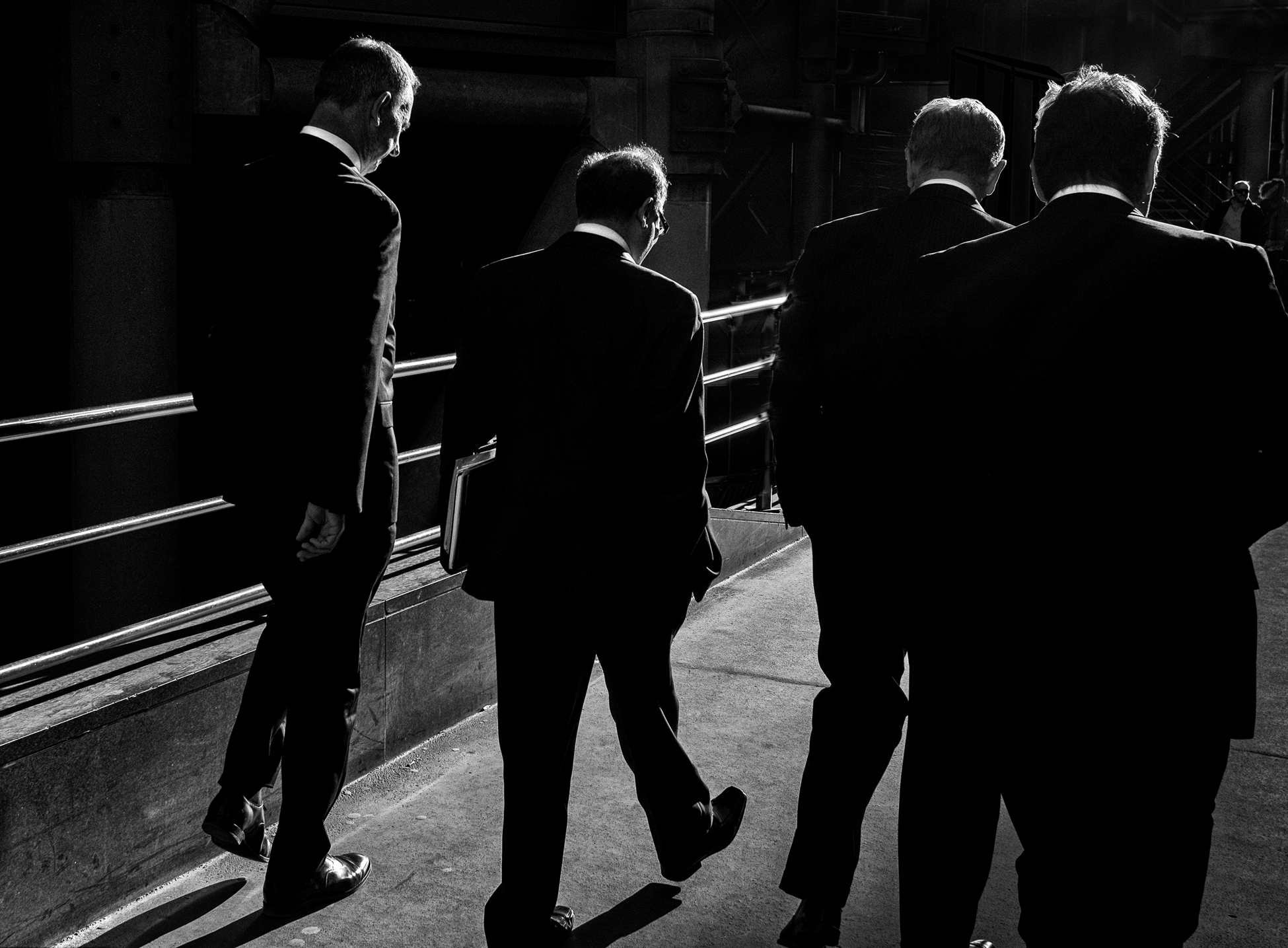
Vandervell’s pedagogical approach emphasizes the paramount importance of developing a personal style that transcends mere technical proficiency. "By doing this, you will make pictures that you feel belong to you and have more personal meaning," he advises. His own artistic journey, deeply rooted in minimalism and geometric aesthetics, naturally informs his teaching.
"I have always been interested in minimalism and the geometric look and so, of course, I wanted my pictures to highlight that," he states. He acknowledges the vastness of photographic history and the notion that "there is nothing new under the sun." However, he firmly believes that infusing one’s personality into the creative process is what makes the endeavor truly rewarding and leads to the creation of distinctive work. "There is nothing new under the sun, but by letting your personality influence your picture taking, you will find the whole process much more rewarding."
This philosophy underscores the idea that while techniques and subjects may be shared, the unique perspective and artistic voice of the individual photographer are what ultimately define their contribution to the art form. Vandervell’s work, therefore, stands not only as a masterful exploration of light and form but also as an enduring testament to the power of personal vision in the dynamic world of street photography.
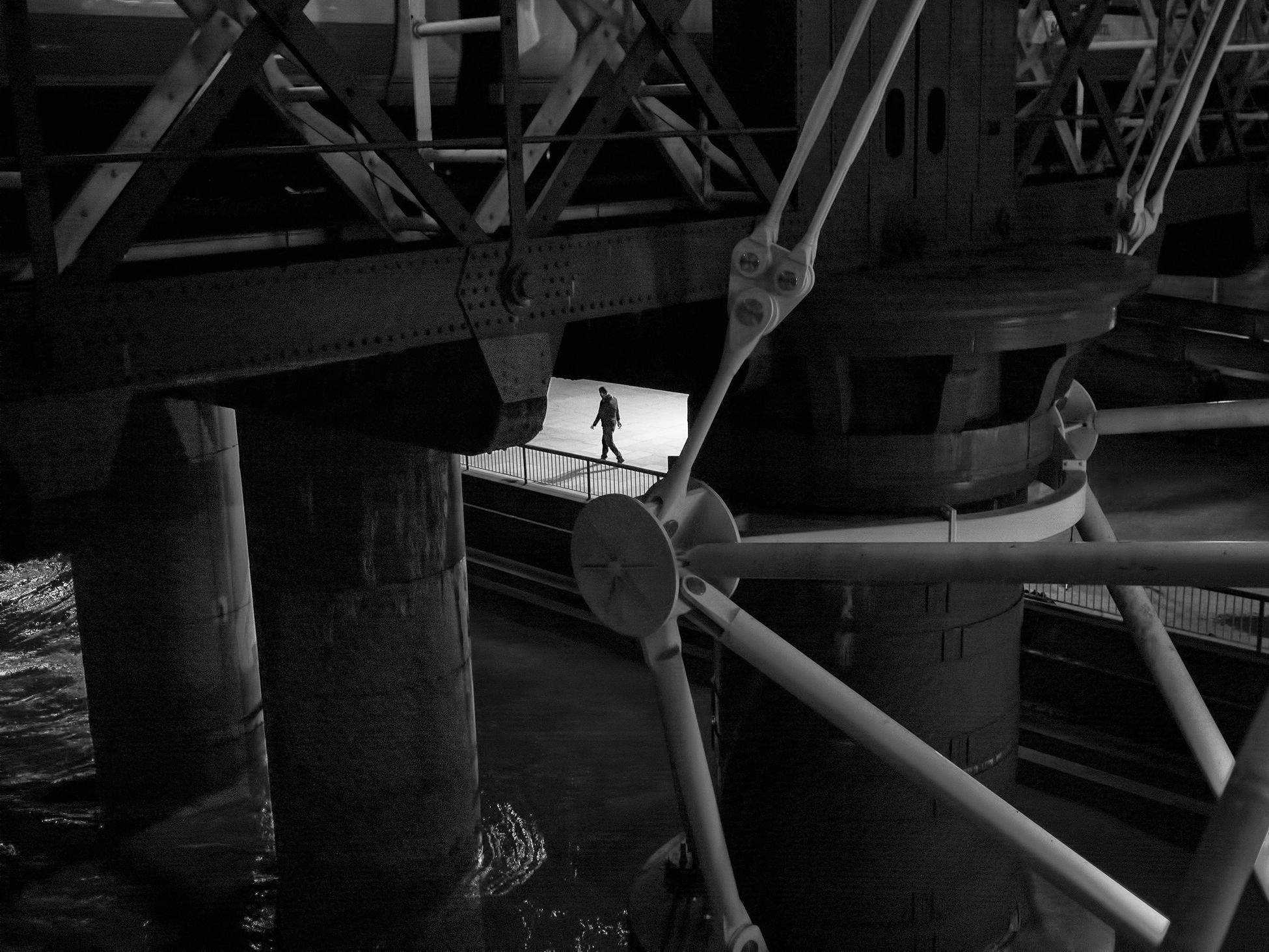
For those seeking to delve deeper into Rupert Vandervell’s compelling body of work and learn from his expertise, his website, Instagram, and YouTube channel offer extensive resources. These platforms provide a comprehensive look at his street photography, alongside practical techniques and insights into his distinctive approach to visual storytelling. His dedication to sharing his craft ensures that his influence will continue to inspire a new generation of photographers to find their own voice within the urban landscape.