The dynamic landscape of modern event videography frequently presents professionals with unforeseen challenges, demanding rapid adaptation and technical ingenuity. A recent convention shoot on April 27, 2026, served as a compelling illustration of this reality, where a videographer, Tony Kim, was tasked with integrating two distinct and technically demanding production styles—high-speed "Glambot"-esque footage and impromptu "person-on-the-street" interviews—midway through an existing assignment. This pivot underscores the critical importance of versatile equipment, deep technical understanding, and agile problem-solving in high-stakes commercial production environments.
The Unforeseen Production Shift: From Standard Coverage to High-End Flair
Midway through what was initially planned as a routine convention coverage assignment, the client introduced a significant amendment to the day’s brief: a request for "Glambot" style shots, immediately followed by rapid-fire attendee interviews. This sudden shift presented a dual challenge. Firstly, "Glambot" footage, synonymous with high-profile awards ceremonies like the Oscars and Emmys, typically involves specialized, high-speed robotic camera systems capable of intricate, precise movements. Such setups are costly, require extensive pre-programming, and are rarely available for spontaneous deployment on a standard convention budget. Secondly, transitioning from such a technically elaborate setup to a journalistic, run-and-gun interview style, complete with audio capture and rapid subject engagement, required not only different gear configurations but also a fundamental shift in approach and execution.
The convention itself, though not explicitly detailed in its sector, can be inferred as a significant industry gathering, given the client’s desire for high-production-value content. Major conventions often serve as crucial platforms for networking, product launches, and brand visibility, making high-quality visual content indispensable for post-event marketing and engagement. The client’s request for "Glambot" style footage suggests an ambition to elevate the perceived prestige and dynamism of their convention coverage, aiming for content that resonates with the polished aesthetic of prime-time entertainment. This decision, while last-minute, reflects a growing trend in corporate and event videography to incorporate cinematic elements to capture audience attention more effectively.
Replicating the "Glambot" Aesthetic: Technical Ingenuity Under Pressure
The core of the "Glambot" challenge lay in its technical specifications: ultra-slow-motion footage captured with a camera moving along a precisely repeatable, often complex, trajectory. This results in incredibly smooth, detailed shots that highlight subjects with dramatic flair. The prohibitive cost and logistical impracticality of renting an actual Glambot for a spontaneous request necessitated an immediate, practical alternative. Tony Kim’s solution hinged on leveraging a camera gimbal and an abundance of controlled lighting—a testament to resourcefulness over reliance on proprietary, expensive machinery.
High-speed videography, the foundation of the Glambot look, introduces several technical hurdles, primarily concerning lighting and focus. To achieve the desired slow-motion effect, a high frame rate is essential. In this instance, a Sony FX3 camera was employed, shooting at 120 frames per second (fps) in 4K resolution. The fundamental principle for natural-looking slow motion, especially when conforming to a 24 fps timeline, dictates that the shutter speed must be at least double the frame rate. For 120 fps, this meant a shutter speed of 1/240th of a second. Adhering to this "180-degree rule" (or close approximation) ensures that each frame captures sufficient motion blur to avoid a choppy, strobing effect while preventing excessive blur that can obscure detail.
Focus presented a more intricate challenge. A genuine Glambot system integrates precise, pre-programmed focus pulling into its robotic arm’s motion path, ensuring subjects remain tack-sharp throughout even complex movements. Without a dedicated focus puller on set or the luxury of pre-programmed robotics, Kim opted for a wider depth of field. Shooting at approximately f/8 provided enough latitude to keep the subject in focus as the camera moved dynamically, pushing in towards them—a hallmark of the Glambot style. This decision, however, carries a significant trade-off: a smaller aperture reduces the amount of light entering the lens, necessitating a substantial increase in illumination.
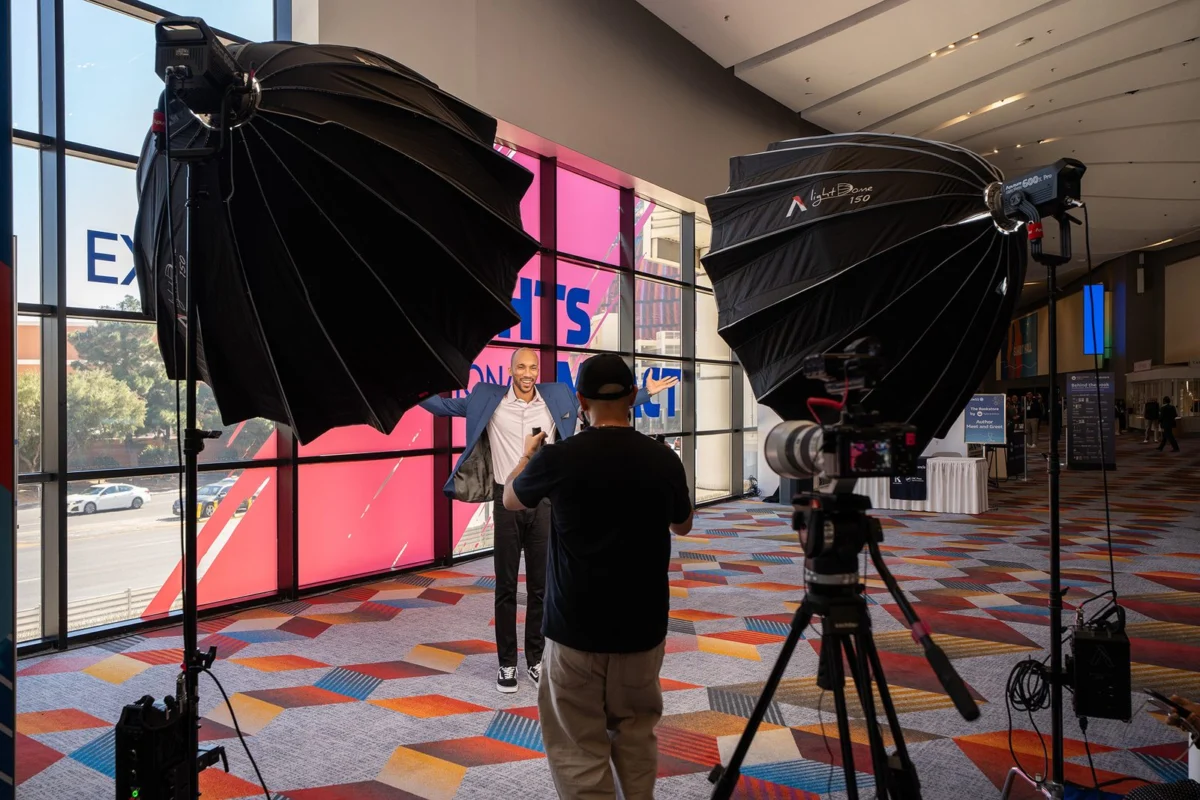
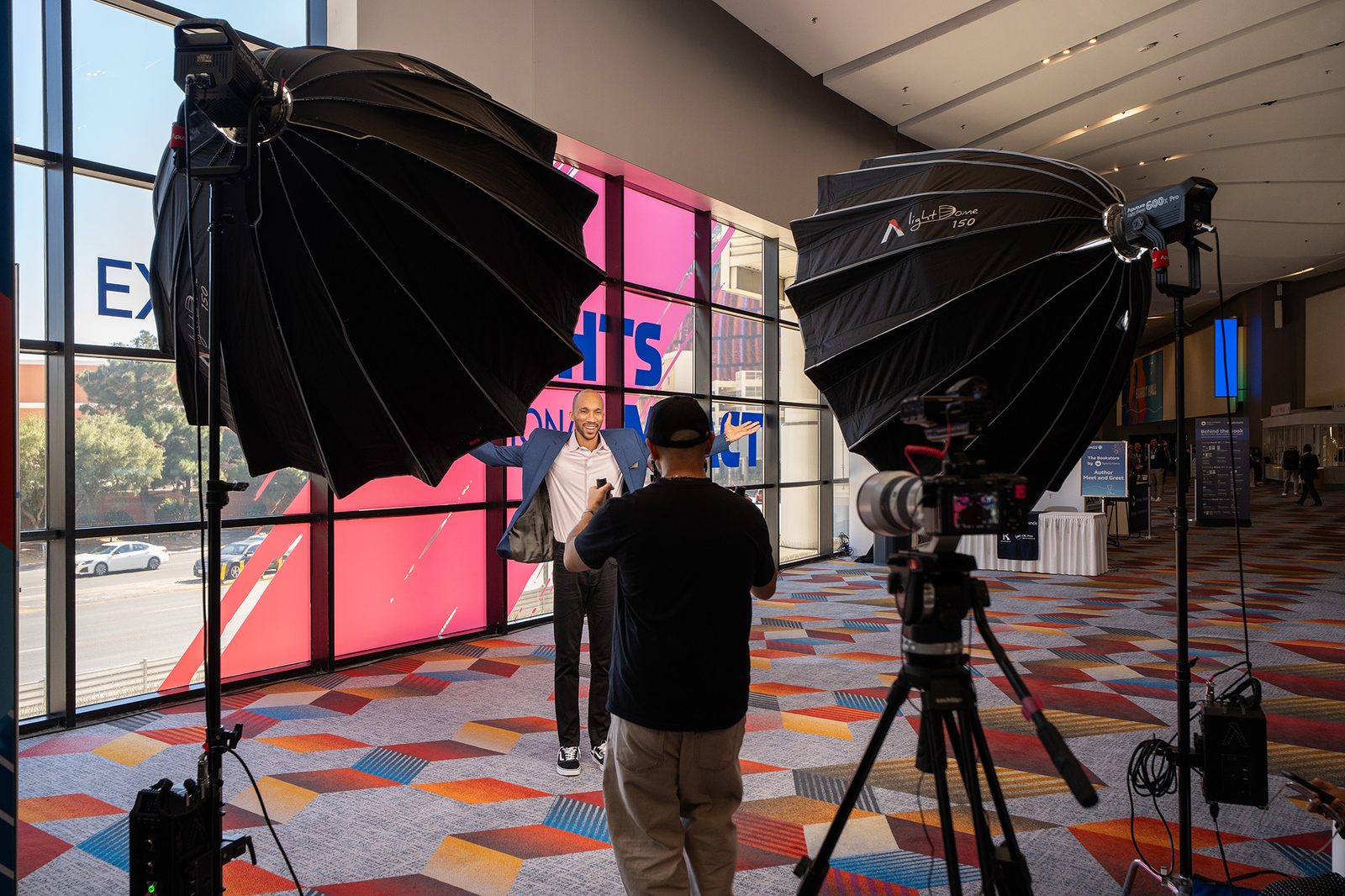
To compensate for the f/8 aperture and the fast shutter speed, two Aputure LS 600x Pro Bi-Color LED lights, each paired with a 60-inch Light Dome 150 softbox, were deployed. These high-output LED fixtures, known for their powerful illumination and color versatility, provided the necessary "firepower" to adequately light the scene, ensuring proper exposure even under demanding high-speed conditions. The large softboxes diffused the intense light, creating a flattering, cinematic quality that mimicked the controlled lighting environments of professional studios.
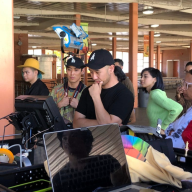
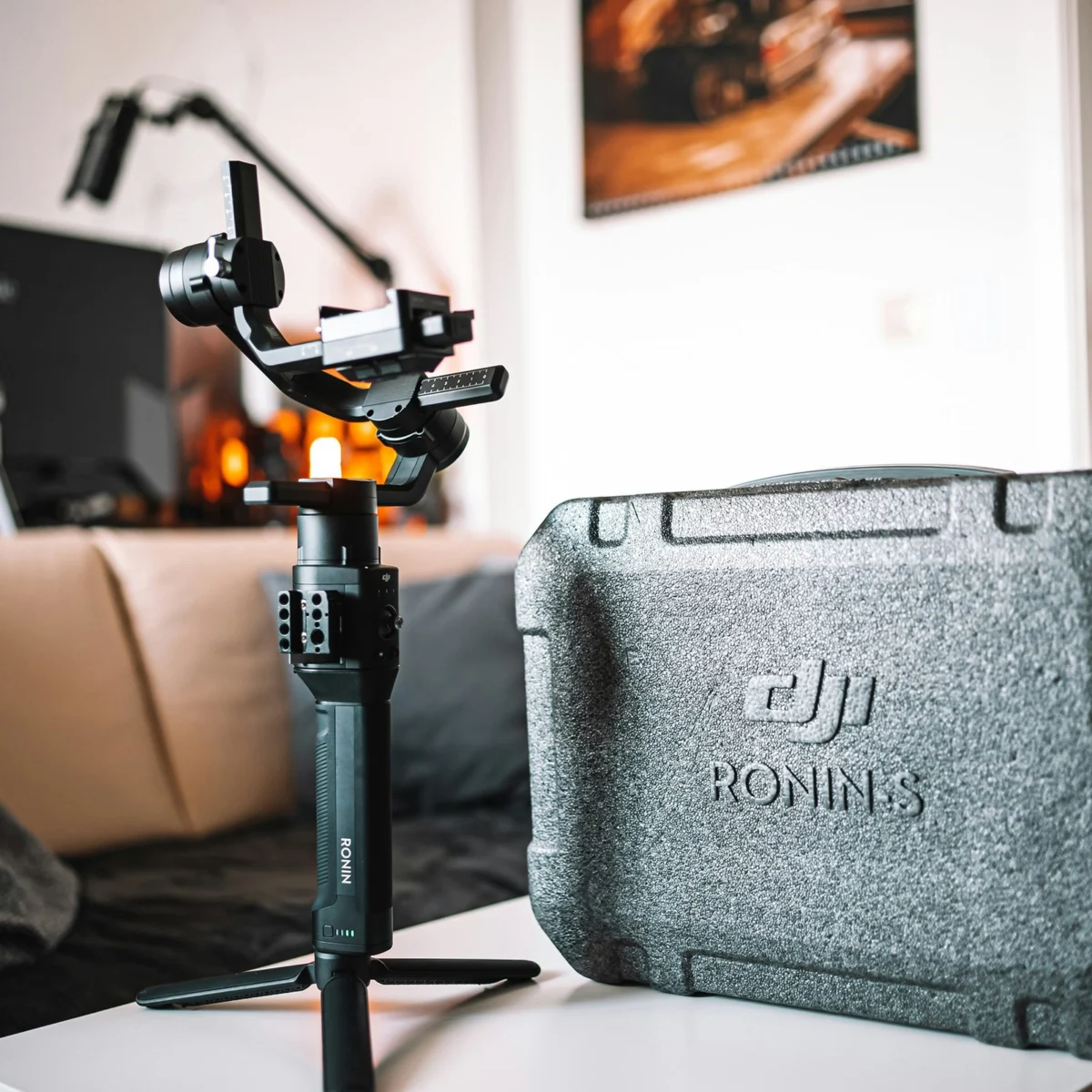
For camera movement, a DJI Ronin RS4 Pro gimbal was used to stabilize the Sony FX3. The crucial enhancement for this particular shot was the addition of Tilta dual handles. While a single-handed gimbal operation can suffice for many shots, the specific requirement of smoothly pushing the camera in towards a subject at speed, while maintaining a precise trajectory, demands superior control. The dual handles mitigated the inherent shakiness that can arise from a single-point contact, allowing for a more controlled, deliberate, and professional-looking camera movement, closely approximating the robotic precision of a true Glambot. This setup, after a few practice runs, yielded results that, while not identical to a multi-million-dollar robotic arm, conveyed a high-energy, visually striking aesthetic that proved highly effective on screen. This pragmatic approach highlights the creative problem-solving essential in modern videography, where the desired aesthetic can often be achieved through clever application of readily available tools, rather than exclusive, expensive technology.
Transitioning to "Person-on-the-Street" Interviews: Speed, Simplicity, and Psychology
Immediately following the demanding "Glambot" segment, the production pivoted to "person-on-the-street" interviews with convention attendees. This required a rapid transformation of the setup, shifting from a meticulously lit, high-speed cinematic environment to a more agile, journalistic approach. Time was a critical factor, with only five minutes allocated per attendee.
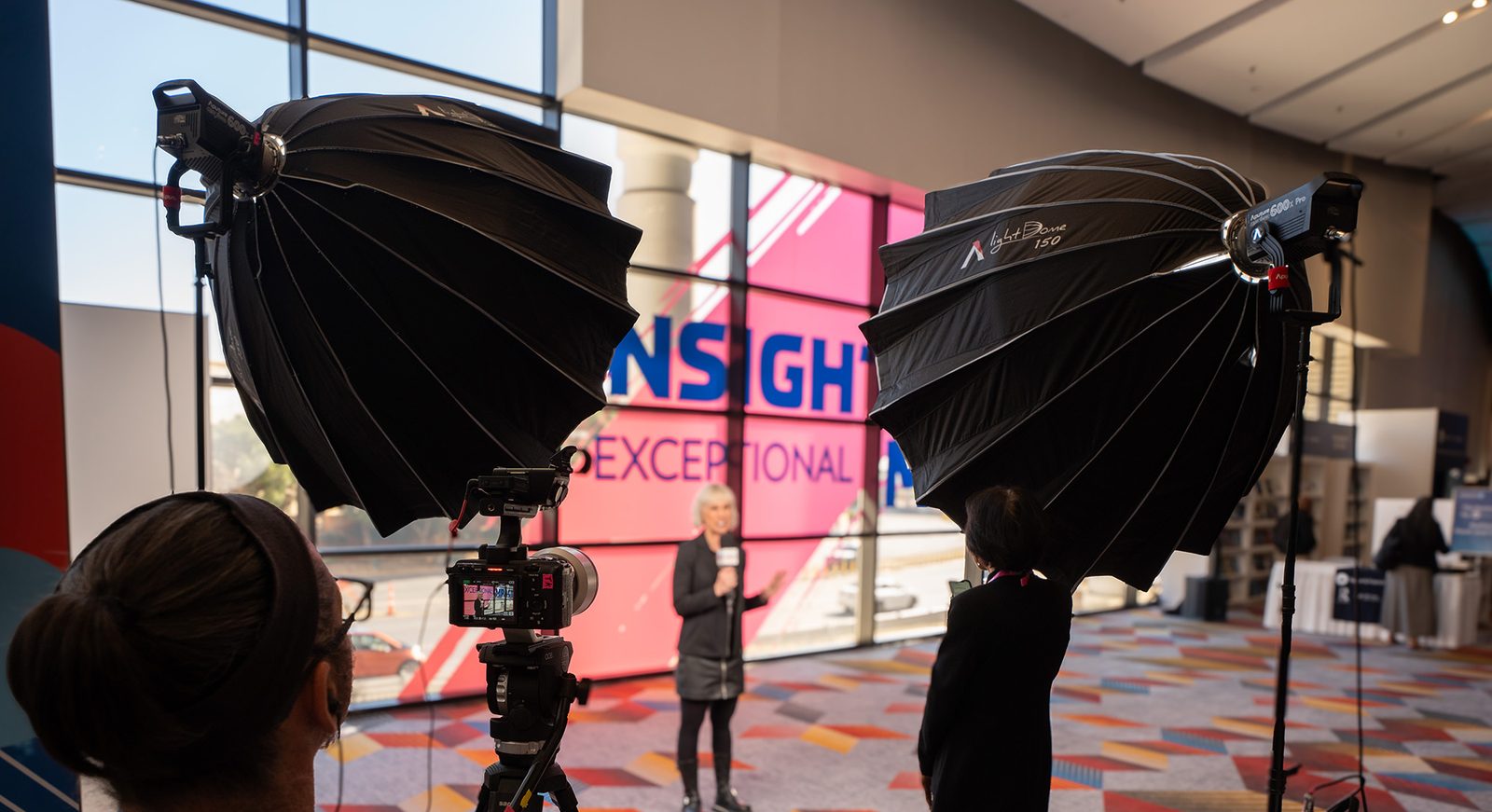
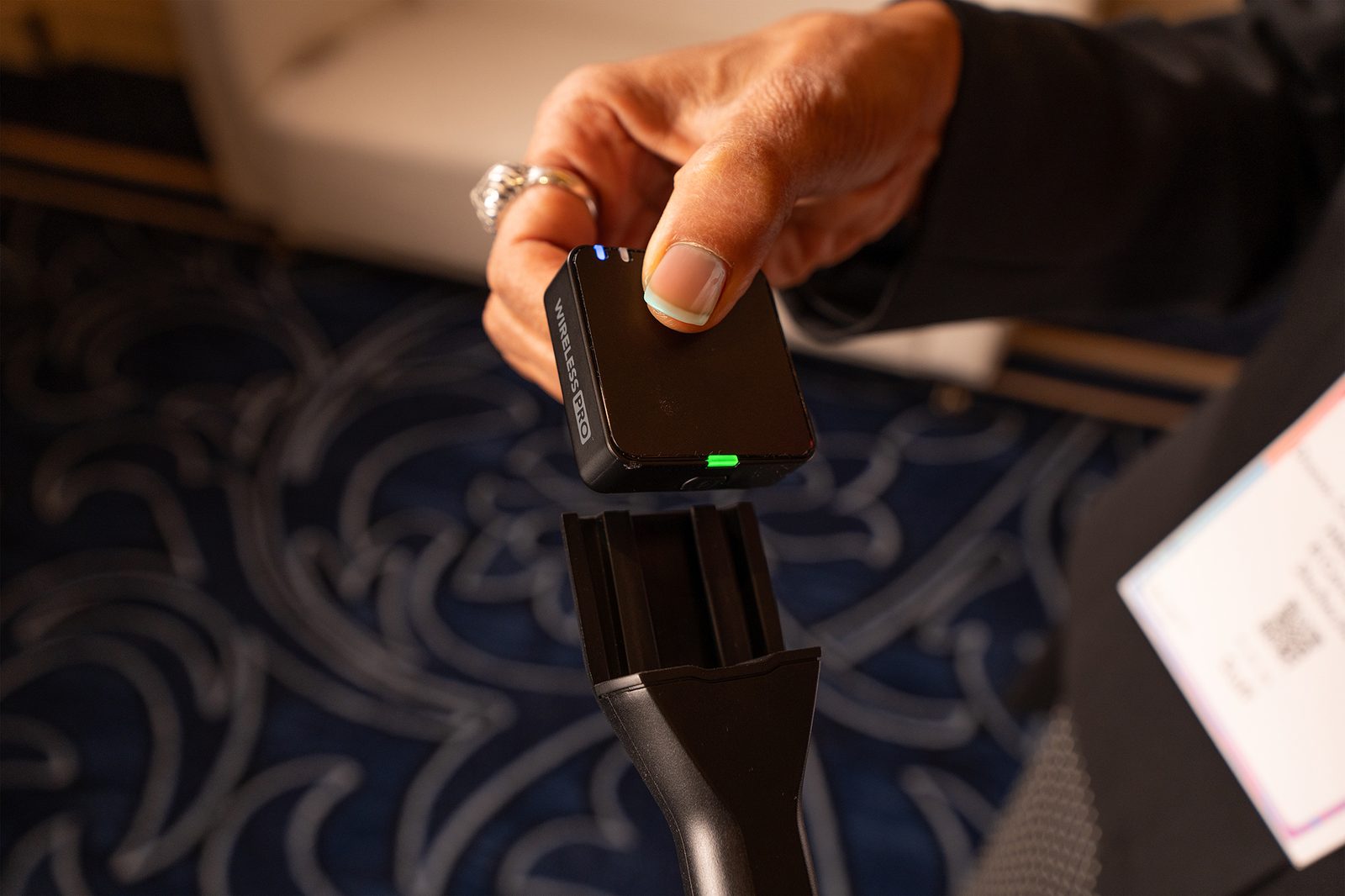
For the interviews, a second Sony FX3 camera was mounted on a tripod, providing a stable, straightforward interview frame. Audio capture was handled by a Rode Wireless Pro 2-person lav mic system, a reliable choice for its ease of use and high-quality sound. The key to rapid deployment and a streamlined workflow, however, was the Rode Interview GO Handheld Mic Adapter. This ingenious accessory allows a Rode Wireless Pro transmitter to be quickly snapped into a handheld microphone form factor. This eliminated the time-consuming process of clipping lavalier microphones onto each interviewee, managing cables, or dealing with potential wardrobe issues. Instead, a robust, professional-looking handheld microphone could be swiftly presented to the subject, ensuring clean audio capture with minimal fuss, a crucial advantage in a fast-paced environment where efficiency directly impacts the number of interviews secured.
The choice of lens for the interviews—a Sony 70-200mm f/4—was particularly insightful, driven less by purely aesthetic considerations and more by the psychological comfort of the interview subjects. A long focal length lens, such as a 70-200mm, allows the camera operator to maintain a significant physical distance from the interviewee while still capturing a tight, framed shot. Many convention attendees, unaccustomed to being on camera, can become visibly tense or self-conscious when a camera and lens are positioned close to their face. By creating a physical buffer, the longer lens helped to "take the edge off," allowing subjects to feel less scrutinized and more at ease. This increased comfort directly correlated with more natural, engaging conversations, ultimately yielding richer and more authentic interview content. This strategic lens choice underscores the blend of technical skill and interpersonal understanding required for effective journalistic videography.
The Broader Implications: Adaptability as a Core Competency
The successful execution of this dual-faceted, last-minute production request highlights several critical aspects of modern videography and content creation. Firstly, it champions adaptability as a paramount professional trait. The ability to pivot quickly from one complex technical setup to another, and to creatively solve problems when ideal equipment is unavailable, is increasingly non-negotiable in an industry characterized by tight deadlines and evolving client demands.
Secondly, the case demonstrates the power of maximizing available tools. While an actual Glambot was beyond the project’s scope, the videographer effectively mimicked its aesthetic through a combination of a high-performance camera, a stable gimbal, and strategic lighting. This approach, often termed "guerilla filmmaking" or "smart production," emphasizes ingenious application of technology over sheer expenditure.
Thirdly, the logistical support provided by equipment rental services, such as Lensrentals.com, proved invaluable. The capacity to order specialized gear and have it delivered directly to the shoot location, or a hotel, significantly reduces logistical overhead and enables rapid response to unforeseen client requests. This flexibility in equipment access is a cornerstone of agile production workflows, allowing videographers to "punch above their weight" without the burden of owning every piece of niche equipment.
Finally, the incident underscores the human element in technical production. From understanding the psychological impact of lens choice on interview subjects to the nuanced control required for gimbal operation, the success of the shoot ultimately rested on the operator’s experience and intuitive decision-making. In an era where content needs are diverse and immediate, the videographer’s role extends beyond mere technical proficiency to include strategic thinking, client communication, and an understanding of audience engagement.
The April 27, 2026, convention shoot serves as a powerful testament to the evolving demands on videography professionals. It showcases that success in high-pressure, dynamic environments is not solely contingent on having the most advanced or expensive gear, but rather on a robust blend of technical acumen, creative problem-solving, and unwavering adaptability. The seamless shift from high-fashion cinematic flair to efficient, insightful journalistic interviews, all executed on the fly, exemplifies the agility required to thrive in the contemporary content creation landscape, where preparedness for curveballs is the ultimate differentiator.