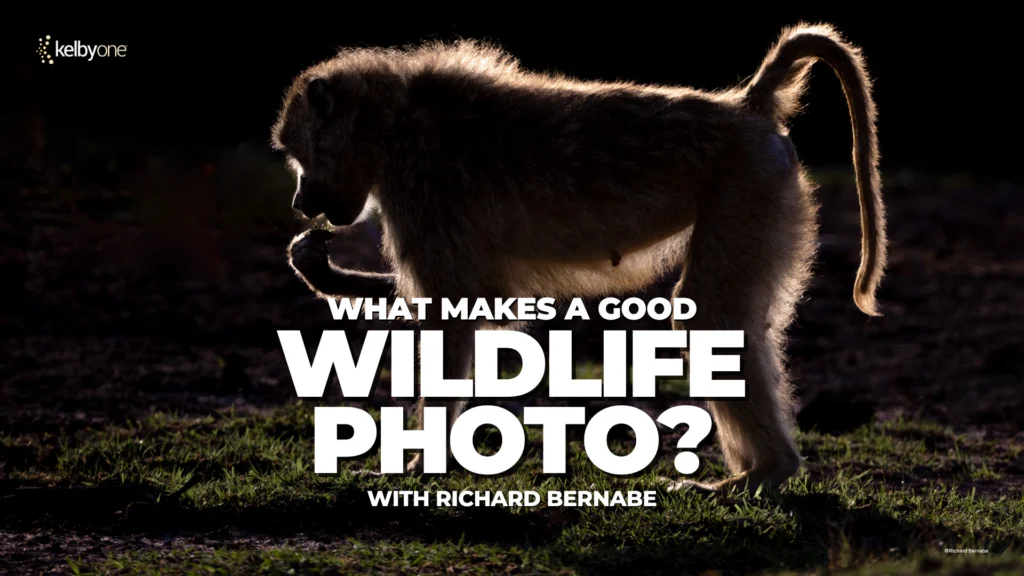
A groundbreaking new course, "What Makes A Good Wildlife Photo?" featuring legendary wildlife photographer Richard Bernabe alongside photography education titan Scott Kelby, has launched, promising to elevate the craft of capturing breathtaking animal imagery beyond mere technical settings. This comprehensive program, available through the KelbyOne platform, delves into the artistic and conceptual decisions that transform a mere snapshot into a powerful, emotive photograph, offering an unparalleled opportunity for aspiring and seasoned photographers alike to refine their visual storytelling capabilities.
The Genesis of a Definitive Course
The collaboration between Richard Bernabe, renowned for his evocative wildlife and landscape photography, and Scott Kelby, a best-selling author, educator, and co-founder of KelbyOne, represents a significant milestone in online photography education. KelbyOne, established as a premier online learning platform, has consistently provided high-quality instruction from industry leaders across various photographic disciplines. The conception of this specific course stems from a recognized need within the photographic community for instruction that transcends the technical minutiae of camera gear and settings, focusing instead on the subjective yet critical elements of composition, light, gesture, and narrative that imbue an image with profound impact.
The course structure is built around an insightful deep dive into Bernabe’s extensive portfolio, offering a rare glimpse into the creative process of a master. Participants will journey through a curated selection of his iconic images, from the elusive jaguars of the Pantanal to the majestic polar bears of Svalbard and the formidable lions of the Masai Mara. Each photograph serves as a case study, allowing Bernabe to articulate the specific decisions and thought processes that culminated in the final captivating shot. This approach moves beyond theoretical concepts, grounding the lessons in real-world scenarios and the often-unpredictable environment of wildlife photography.
Richard Bernabe: A Visionary in Wildlife Photography
Richard Bernabe’s career trajectory is marked by a deep commitment to both the art and ethics of nature photography. His work is characterized by a profound respect for wildlife and their habitats, often conveying a sense of intimacy and connection that resonates deeply with viewers. Bernabe’s philosophy emphasizes understanding animal behavior, mastering natural light, and employing compositional techniques that enhance the emotional weight of an image. His global assignments have taken him to some of the planet’s most biodiverse and challenging environments, consistently yielding images that are not only aesthetically stunning but also rich in narrative.
His involvement in this KelbyOne course is particularly significant as it offers a distillation of decades of experience. Bernabe has long advocated for photographers to look beyond the immediate "trophy shot" and instead seek opportunities to tell a broader story about the animal, its environment, and its place in the ecosystem. This course provides a structured framework for achieving that objective, making his insights accessible to a global audience.
Scott Kelby: The Architect of Accessible Photography Education
Scott Kelby, co-founder and CEO of KelbyOne, brings his unparalleled expertise in instructional design and communication to the project. Known for his ability to demystify complex photographic concepts, Kelby’s role in hosting and facilitating the course ensures that Bernabe’s profound insights are presented in an engaging, digestible, and actionable manner. Kelby’s influence on photography education spans decades, with numerous best-selling books and a reputation for making advanced techniques approachable for photographers of all skill levels. His involvement underscores KelbyOne’s commitment to delivering top-tier, practical education.
The synergy between Bernabe’s artistic vision and Kelby’s educational prowess is expected to create a learning experience that is both inspiring and highly effective. Kelby’s probing questions and structured approach help to extract the most valuable lessons from Bernabe’s vast experience, ensuring that every nuance of his creative process is explored.
Unpacking the Core Principles of Impactful Imagery
The course curriculum is meticulously designed to address several critical aspects of wildlife photography often overlooked in purely technical tutorials. Key themes include:
- Perspective and Angle: The instructors explore how shooting from a low angle can dramatically alter a photograph, often placing the viewer "eye-to-eye" with the subject, thereby fostering a sense of intimacy and connection. This technique is particularly effective in emphasizing the presence and majesty of wildlife.
- Gesture and Light: Bernabe illustrates how the subtle nuances of an animal’s gesture, combined with the strategic use of natural light, can imbue a frame with dynamic energy and emotional depth. Understanding how to anticipate and capture these fleeting moments is crucial for creating truly compelling images.
- Composition and Cropping: Beyond basic rules of thirds, the course delves into advanced compositional strategies, including how the right crop can meticulously guide the viewer’s eye and pull them deeper into the narrative of the photograph. It emphasizes that cropping is not merely a post-processing step but a critical decision in shaping the final visual impact.
- Environmental Storytelling: A significant portion of the course challenges the conventional wisdom that "getting closer" is always the best approach. Instead, Bernabe demonstrates why, in many instances, including more of the environment can tell a much stronger, more comprehensive story about the animal’s habitat, behavior, and ecological context. This holistic approach helps to create images that are both beautiful and informative.
These principles collectively aim to shift the photographer’s focus from merely documenting an animal’s presence to crafting a visual narrative that evokes emotion, conveys information, and fosters a deeper appreciation for the natural world.
The Ethical Dimension and Conservation Impact
Wildlife photography, while artistically rewarding, carries significant ethical responsibilities. The course implicitly and explicitly touches upon these considerations by emphasizing patience, understanding animal behavior, and minimizing disturbance. Bernabe’s approach naturally aligns with principles of responsible wildlife observation, which are paramount in an era where human interaction with wild spaces is increasingly scrutinized.
Moreover, high-quality wildlife photography plays a crucial role in conservation efforts. Visually compelling images can raise awareness about endangered species, habitat loss, and the urgent need for environmental protection. By teaching photographers how to create more impactful images, this course indirectly contributes to strengthening the visual voice of conservation. Images that resonate emotionally are more likely to inspire action and support for environmental causes, making the lessons learned in this course not just about personal artistic development but also about contributing to a larger societal good. The ability to tell a strong visual story about the fragility and beauty of ecosystems is an invaluable tool for conservation advocates globally.
Geographic Contexts: A Journey Through Biodiversity Hotspots
The course’s exploration of Bernabe’s portfolio offers a virtual expedition to some of the world’s most iconic wildlife destinations, each presenting unique photographic challenges and opportunities:
- The Pantanal, Brazil: Known as the world’s largest tropical wetland area, the Pantanal is a biodiversity hotspot, particularly famous for its population of jaguars. Photographing these elusive big cats requires immense patience, specialized tracking skills, and an understanding of their natural behaviors in a dense, watery environment. Bernabe’s insights into capturing these apex predators will be invaluable for those interested in challenging wildlife subjects.
- Svalbard, Norway: This Arctic archipelago is synonymous with polar bears, magnificent creatures adapted to extreme cold. Photographing them in their natural habitat often involves navigating icy landscapes, contending with harsh weather, and respecting strict environmental regulations. The lessons here likely focus on composition in vast, stark landscapes and capturing the sheer power and resilience of these iconic animals.
- Masai Mara, Kenya: Part of the greater Serengeti ecosystem, the Masai Mara is globally renowned for its incredible density of wildlife, including the "Big Five." It’s a prime location for capturing lions, elephants, leopards, rhinos, and buffalo, often against dramatic African backdrops. The dynamic interplay of light, landscape, and animal behavior in the Mara provides a rich canvas for developing storytelling skills.
These diverse geographical settings underscore the universality of the photographic principles taught, demonstrating their applicability across vastly different ecosystems and with a wide array of species.
The Evolving Landscape of Photography Education
The launch of "What Makes A Good Wildlife Photo?" reflects the continuing evolution of photography education, particularly the growing prominence of online platforms like KelbyOne. In an increasingly digital world, access to world-class instruction is no longer limited by geographical boundaries. Online courses offer flexibility, affordability, and the ability to learn at one’s own pace, making advanced photographic concepts accessible to a broader demographic. This trend has democratized high-level learning, allowing enthusiasts and professionals worldwide to learn directly from masters in their field.
Furthermore, the emphasis on conceptual and artistic development, rather than just technical specifications, signifies a maturing of online photography education. While gear reviews and settings tutorials remain popular, there is a clear demand for content that helps photographers develop their artistic vision and critical thinking – skills that truly differentiate a good photographer from a great one.
Accessibility and Future Implications
To encourage broader participation, KelbyOne has made the first lesson of the course available for free, allowing prospective students to experience the quality of instruction and the depth of content before committing to the full program. This strategy is typical of KelbyOne’s commitment to accessible education and provides an excellent opportunity for anyone curious about elevating their wildlife photography.
The implications of such a course are far-reaching. For individual photographers, it offers a pathway to unlock new levels of creativity and technical proficiency, potentially leading to professional opportunities or simply a more profound personal enjoyment of the craft. For the broader photography community, it sets a new standard for instructional content, emphasizing the art of storytelling and the ethical responsibilities inherent in photographing the natural world. Ultimately, by empowering more photographers to create compelling images, this course contributes to a richer visual dialogue about our planet’s precious wildlife and the urgent need for its preservation. It reinforces the idea that an incredible photograph is not just about witnessing an incredible animal, but about making the conscious, artistic decisions that allow that encounter to resonate profoundly with others.