As the calendar year 2025 draws to a close, Lensrentals, a prominent authority in professional photography and videography equipment, has once again unveiled its comprehensive annual data, offering an invaluable look into the purchasing habits of creators. Following a recent report detailing the most popular rental gear, market share shifts, and burgeoning trends within the industry, this supplementary analysis focuses specifically on customer purchases, providing a distinct perspective on long-term investment patterns. While the company’s core business remains rentals, its unique "Keeper program" and direct sales of complementary products illuminate significant shifts and enduring preferences in the photographic and videographic landscape. This year’s data solidifies Canon’s dominant position, notes a notable decline for Sony, and highlights the surprising ascent of DJI, underscoring a dynamic market influenced by technological evolution, value propositions, and the evolving needs of content creators.
The Annual Data Release: A Glimpse into Industry Trends
Lensrentals’ annual reports have become a cornerstone for industry analysis, serving as a robust barometer for the health and direction of the photography and videography equipment market. Unlike traditional sales figures, which often reflect retail channel performance, Lensrentals’ data provides insights derived from actual usage and, in the case of purchases, from users who have often had hands-on experience with the gear through renting. This proximity to the end-user offers a nuanced understanding of what professionals and serious enthusiasts are truly investing in. The data, compiled from transactions throughout 2025, builds upon previous years’ findings, allowing for a longitudinal assessment of brand performance and product longevity. These reports are crucial for manufacturers to gauge market reception, for retailers to adjust inventory, and for creators to make informed decisions about their next gear investments.
Purchase vs. Rental: A Critical Distinction
It is imperative to differentiate between rental trends and purchase trends. Rental data typically reflects immediate project needs, testing new equipment, or accessing specialized gear for short-term assignments without the commitment of ownership. Purchases, on the other hand, signify a longer-term investment, often driven by perceived value, reliability, integration into an existing workflow, or the fundamental necessity of certain accessories. Lensrentals, despite its name, facilitates purchases primarily through its innovative "Keeper program." This initiative allows customers who rent equipment and fall in love with it to buy that specific item, often with a significant portion, or even the entirety, of their rental cost applied towards the purchase. This model provides a unique channel for users to "try before they buy" high-value items, offering a real-world endorsement of a product’s performance and suitability. Additionally, the company sells a variety of new and used complementary products, ranging from memory cards to filters, which are staples for any creator.
The distinction is critical because it reveals different aspects of market demand. A highly rented item might be specialized or prohibitively expensive for most to own, while a frequently purchased item often represents a core piece of kit or an essential accessory that users prefer to have on hand. For 2025, this data reveals a clear bifurcation: while high-value core items like lenses and cameras do get purchased, a significant portion of the quantitative purchase volume consists of essential, often lower-cost, complementary products.
Leading the Pack: Canon’s Enduring Dominance
For yet another year, Canon has solidified its position as the top brand for customer purchases in 2025, commanding a 23.55% market share by revenue. This consistent leadership is a testament to Canon’s deep-rooted presence in the professional imaging world and its strategic adaptation to evolving market conditions. While Canon experienced a slight dip in market share from 28.43% in 2023 to 22.99% in 2024, the 2025 figures show a rebound, albeit modest, indicating a stabilization and renewed buyer confidence in their offerings. This trend aligns with Canon’s historical performance in both rental and purchase metrics, underscoring its reputation for reliability, robust build quality, and a comprehensive ecosystem of lenses and accessories.
Several factors contribute to Canon’s enduring appeal in the purchase market. Firstly, Canon has a long-standing legacy in both DSLR and cinema cameras, establishing a vast user base accustomed to its ergonomics and color science. Many professionals have significant investments in Canon’s EF-mount lens system, and even with the transition to mirrorless RF-mount bodies, the continued utility and exceptional value of EF lenses remain a powerful draw. This is perfectly exemplified by the Canon EF 24-70mm f/2.8L II, which emerged as the most-purchased high-value item from Lensrentals’ inventory in 2025. This workhorse standard zoom lens, renowned for its optical quality, robust construction, and versatility, continues to be a staple for photographers and videographers alike. Its popularity as a purchase item, even as Canon focuses heavily on its RF mirrorless lineup, highlights a strategic sweet spot: high-quality EF glass, often available at more accessible price points compared to newer RF equivalents, continues to offer immense value, especially for those using EF-mount bodies or adapting them to mirrorless systems. Industry observers suggest that Canon’s deliberate strategy of maintaining robust support for its EF ecosystem, alongside the rapid expansion of RF, has allowed it to retain a broad spectrum of customers who appreciate both cutting-edge technology and proven, cost-effective solutions.
Sony’s Shifting Fortunes: A Notable Decline in Purchase Share
In contrast to Canon’s stability, Sony experienced a significant shift in its purchase market share, falling from 21.60% in 2024 to 16.60% in 2025 – a substantial 5% decline. This marks a notable change for a brand that had previously seen rapid ascent and strong market penetration, particularly in the mirrorless segment. Sony had overtaken Canon in 2023 with a 28.83% share, showcasing its aggressive innovation in full-frame mirrorless technology. However, the subsequent years have seen its purchase share diminish.
The reasons behind this decline are multifaceted and likely reflect a maturing mirrorless market, intensified competition, and potentially different purchasing behaviors. One hypothesis suggests that early adopters of Sony’s mirrorless systems (Alpha series cameras like the a7, a9, and FX cinema line) have largely completed their initial investments. With longer product cycles for professional-grade cameras and lenses, the impetus for frequent upgrades may have lessened. Furthermore, competitors like Canon and Nikon have significantly caught up in the mirrorless space, offering compelling alternatives that might be drawing new buyers or retaining existing brand loyalists. The competitive landscape has become incredibly fierce, with brands vying for market share through innovation, pricing strategies, and ecosystem development. While Sony remains a powerhouse in the mirrorless domain, its purchasing data suggests that the explosive growth period may be normalizing, with customers potentially extending the lifecycle of their existing Sony gear rather than purchasing new iterations from Lensrentals’ inventory. Analysts also point to a potential saturation in certain segments, where users might find their current Sony gear more than adequate for their needs, reducing the urgency for immediate upgrades or additional purchases through channels like Lensrentals.
DJI’s Soaring Success: Beyond Traditional Camera Brands
Perhaps the most intriguing development in the 2025 purchase data is the meteoric rise of DJI, which secured the third-highest purchase market share at 9.95%, surpassing traditional camera giants like Nikon and Fujifilm. This figure is particularly striking given that DJI’s primary offerings are not traditional cameras and lenses but rather drones, gimbals, and action cameras. Its consistent growth from 7.22% in 2023 and 10.04% in 2024 (a slight dip in 2025 but still very strong) underscores a fundamental shift in the tools of modern content creation.
DJI’s success as a purchase item reflects the indispensable role its products play in contemporary workflows. Drones, such as the Mavic and Inspire series, have become standard equipment for aerial cinematography, real estate, inspections, and journalistic coverage. Gimbals like the Ronin series are essential for achieving smooth, stabilized footage, transforming handheld video into cinematic productions. These tools are often seen as long-term investments rather than short-term rentals, especially for professionals and enthusiasts who frequently integrate aerial and stabilized shots into their projects. The nature of these products – often requiring specific operational skills and extensive setup – lends itself more to ownership than episodic rental. DJI’s robust ecosystem, user-friendly interfaces, and continuous innovation in stabilization and flight technology have made it the undisputed leader in its categories, driving strong purchase intent among creators who view these tools as integral to their craft. This trend highlights the ongoing convergence of various imaging technologies and the expanding definition of what constitutes essential "camera gear" for modern visual storytelling.
The Landscape of Niche and Growing Brands
Beyond the top three, the 2025 purchase data reveals a vibrant landscape of brands making incremental gains or holding steady in their respective niches:
- Nikon’s Steady Ascent: Nikon’s purchase market share has shown a consistent, albeit gradual, increase, rising from 3.93% in 2023 to 4.90% in 2025. This slow but steady growth indicates a positive reception for its Z-mount mirrorless system and its expanding lens lineup. After a period of transition, Nikon appears to be re-establishing its footing, attracting both loyalists and new users with competitive offerings.
- Blackmagic Design: The Indie Filmmaker’s Choice: Blackmagic Design continues its upward trajectory, increasing its share from 2.41% in 2023 to 3.43% in 2025. This growth underscores the strong demand for its accessible yet powerful cinema cameras, which are highly favored by independent filmmakers, YouTubers, and production houses seeking high-quality video capabilities without the prohibitive costs of traditional cinema cameras.
- Leica’s Premium Niche: Leica maintains a stable presence, with its share rising from 1.63% to 3.25% over the three years. This signifies the enduring appeal of its premium, meticulously crafted cameras and lenses to a dedicated segment of enthusiasts and professionals who value optical excellence and timeless design above all else.
- Fujifilm’s Cult Following: Fujifilm also demonstrated healthy growth, moving from 1.29% to 3.24%. Fuji’s success is largely attributed to its compelling APS-C and medium format mirrorless systems, which offer unique aesthetics, excellent image quality, and a tactile user experience that resonates deeply with a passionate community of photographers.
- Supporting Ecosystem Players: Brands like Aputure (lighting, 3.01%), SmallHD (monitors, 2.83%), Panasonic (cameras/lenses, 2.76%), Sigma (lenses, 2.42%), and Teradek (wireless video, 2.83%) represent the critical ecosystem that supports primary camera systems. Their presence and growth reflect the increasing sophistication and specialized needs of video production. Aputure’s growth, for instance, highlights the burgeoning importance of professional-grade LED lighting, while SmallHD’s share underscores the necessity of reliable external monitoring solutions on set. Sigma’s consistent presence shows its continued appeal as a third-party lens manufacturer offering high-quality alternatives.
The Unsung Heroes: Complementary Products Drive Quantity Purchases
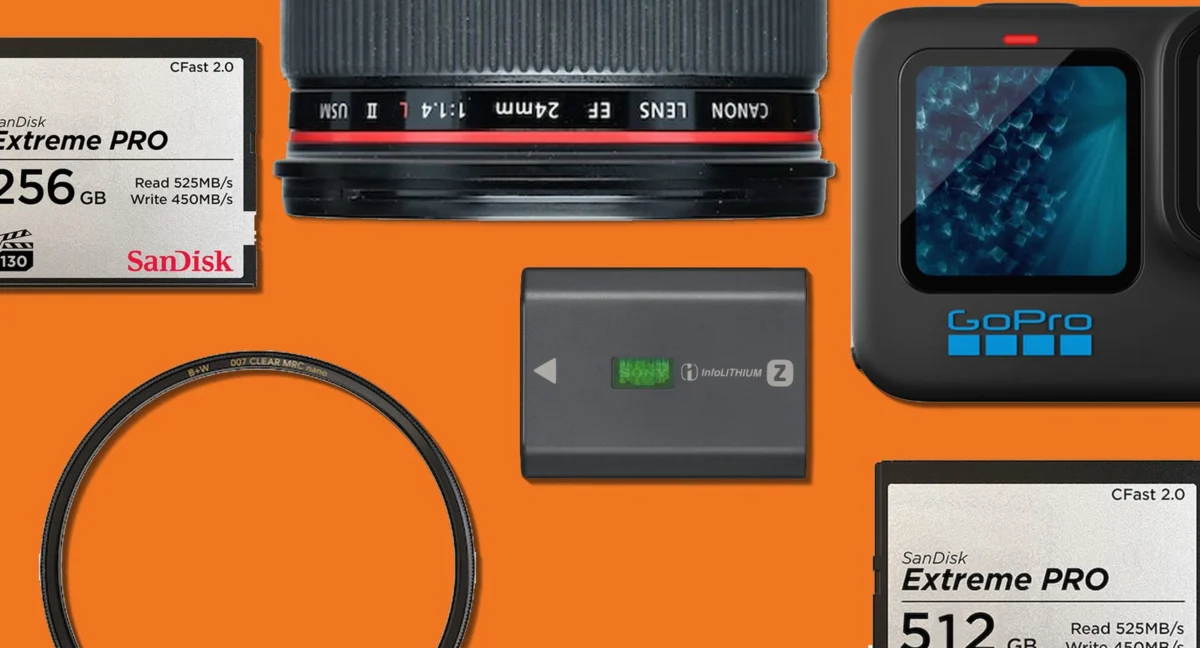
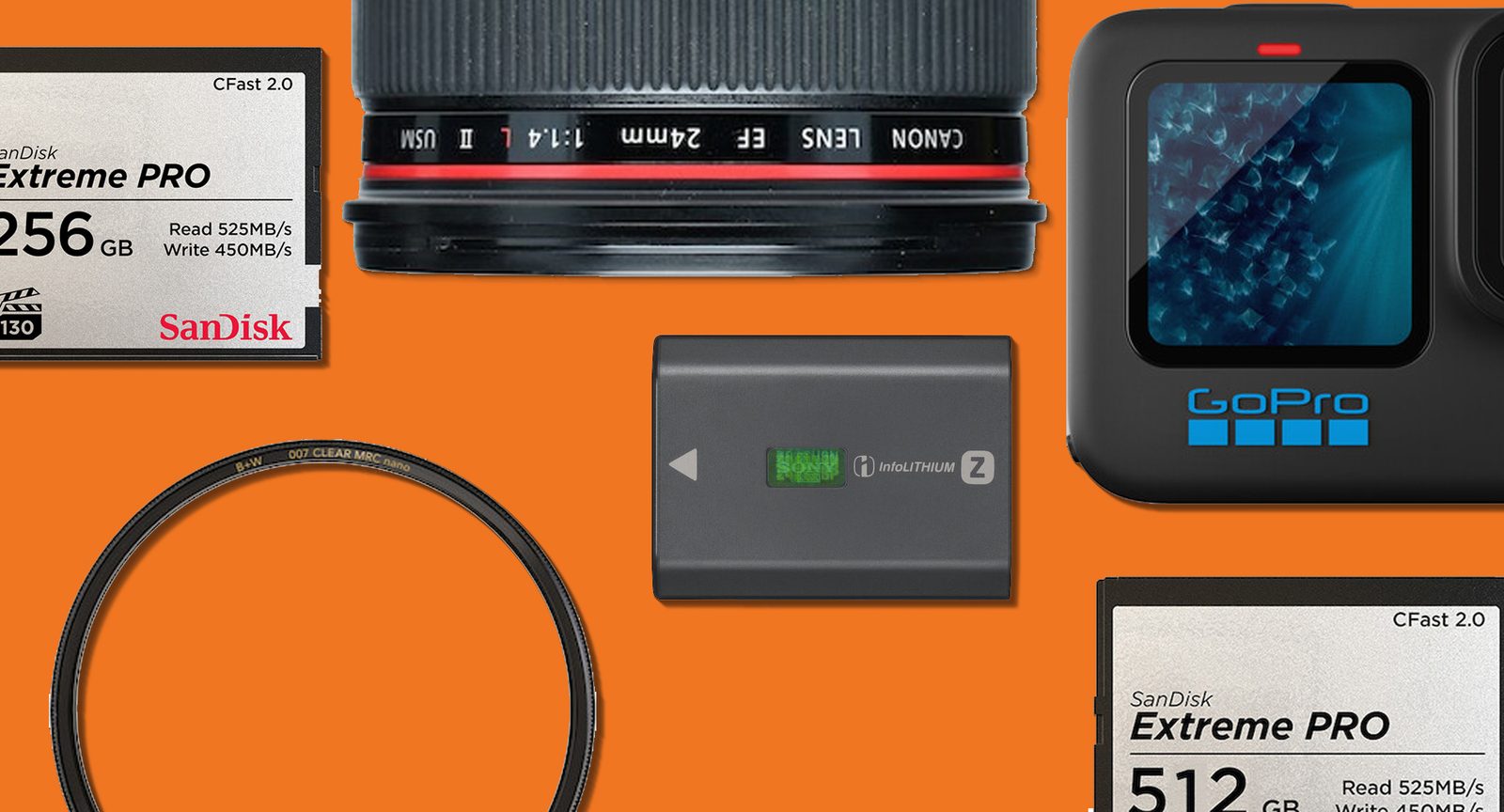
While high-value items like lenses and cameras capture headlines, the sheer volume of purchases at Lensrentals is dominated by essential, often lower-cost, complementary products. CFast cards, camera batteries, and UV filters collectively account for the majority of the most common customer purchases by quantity. This finding is unsurprising but crucial for understanding the practical realities of content creation.
- CFast Cards: As video resolutions and bitrates continue to climb, high-speed, reliable memory cards are non-negotiable. CFast cards, while being supplanted by newer standards like CFexpress in some high-end cameras, remain critical for many professional cinema cameras and high-end DSLRs. Their purchase frequency indicates that creators prefer to own these vital storage components rather than rent them, ensuring data integrity and immediate availability.
- Camera Batteries: Batteries are quintessential consumables. Every shoot requires multiple, fully charged power sources. While rental kits often include batteries, professionals frequently purchase extras for extended shoots, backups, or to ensure they have fresh, reliable power on hand at all times.
- UV Filters: These protective filters are often the first line of defense for expensive lenses against dust, scratches, and impacts. Their low cost relative to lens replacement makes them an easy and wise purchase for any lens owner.
These "unsung heroes" are critical components of any production kit, and their high purchase volume underscores the practical, day-to-day needs of photographers and videographers, reflecting a preference for owning these essential, easily depleted, or damage-prone items.
Innovation on the Horizon: New Products Purchased in 2025
The data on the most common purchases for gear newly introduced into Lensrentals’ inventory in 2025 provides a glimpse into emerging technologies gaining rapid traction. Topping this list is the Teradek 6G V Antenna, a critical component for advanced wireless video transmission systems. This is particularly insightful as the Teradek Wireless Antenna for Bolt 500/1000 also ranks highly among overall purchases.
This strong performance by Teradek’s wireless components signals an accelerating trend towards fast, reliable wireless transfer on film and video sets. In modern production environments, real-time monitoring, remote control, and efficient data transfer are paramount. Wireless video systems eliminate cumbersome cables, speed up setup and breakdown, and allow directors, cinematographers, and clients to monitor footage from various locations on set. The consistent investment in these advanced antenna systems indicates that wireless connectivity is not just a convenience but a fundamental priority for professionals seeking to streamline workflows and enhance collaborative capabilities. This trend is expected to continue as production demands for mobility and instant feedback grow.
Implications for Manufacturers and Consumers
The 2025 purchase data from Lensrentals carries significant implications for both equipment manufacturers and the end-users. For manufacturers, these trends offer crucial feedback on product market fit, pricing strategies, and areas for future innovation. Canon’s sustained lead, for instance, might encourage it to continue balancing its RF-mount advancements with value propositions in its legacy EF ecosystem. Sony’s decline could prompt a re-evaluation of its product refresh cycles, pricing, or marketing to re-stimulate purchase intent. DJI’s ascent serves as a stark reminder that the definition of "camera gear" is expanding, pushing traditional manufacturers to consider integrating or competing with broader content creation tools.
For consumers, the data provides valuable intelligence for making informed investment decisions. The enduring popularity of workhorse lenses like the Canon EF 24-70mm f/2.8L II highlights the wisdom of investing in proven, high-quality optics that retain value and utility across camera generations. The strong purchase volume of complementary products reinforces the necessity of budgeting for these essential items. Furthermore, the rise of brands like DJI and Teradek signals the increasing importance of specialized tools for aerial cinematography, stabilization, and wireless workflows, suggesting that creators looking to remain competitive should consider integrating these technologies into their skill sets and equipment arsenals.
Conclusion: A Dynamic Market Reflecting Evolving Creative Needs
The 2025 purchase data from Lensrentals paints a picture of a dynamic and evolving market in photography and videography. Canon’s continued reign underscores the power of legacy, reliability, and strategic value offerings. Sony’s market share recalibration reflects the natural maturation of a highly competitive segment. DJI’s prominent position highlights the ongoing transformation of content creation tools, moving beyond traditional cameras to embrace integrated solutions for aerial and stabilized capture. The strong sales of essential accessories and advanced wireless components further emphasize the practical needs and technological priorities of today’s creators. This comprehensive look into what professionals are choosing to own provides a clearer vision of where the industry is headed, reflecting a landscape shaped by innovation, practicality, and the unwavering pursuit of creative excellence.