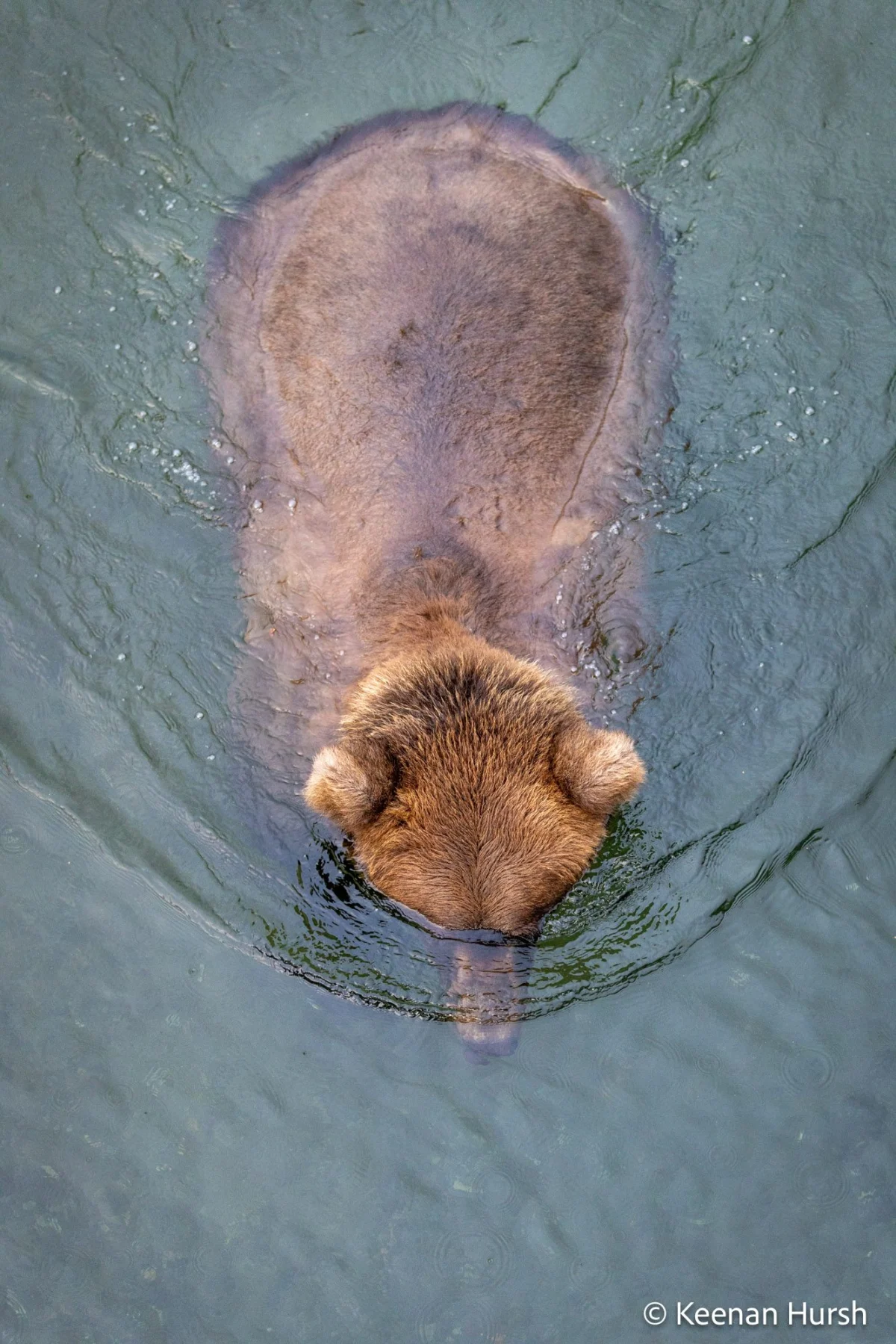
In the demanding world of professional wildlife photography, meticulous planning and the precise selection of equipment are paramount to achieving desired visual narratives. A recent expedition led by a professional photography trip leader for Backcountry Journeys to Katmai National Park, Alaska, exemplified this principle, highlighting the critical role of specialized optics, particularly the Canon RF 100-300mm f/2.8 L IS USM lens, sourced through Lensrentals. The expedition focused on documenting the famed brown bears of Brooks Falls, aiming to capture a diverse range of images from intimate portraits to dynamic action shots, a goal that necessitated expanding the photographer’s existing gear arsenal.
The Meticulous Preparation for High-Stakes Wildlife Photography
Professional photography expeditions, especially those venturing into remote and challenging environments like Katmai National Park, are built on a foundation of extensive preparation. For leaders like those at Backcountry Journeys, this involves not only logistical arrangements but also a deep dive into the photographic objectives. The goal is to translate mental images into tangible photographs, a process that begins long before departure. This preparatory phase includes visualizing potential shots, considering the unique behaviors of the subject, and evaluating the environmental conditions. Such foresight ensures that every piece of equipment, from cameras to lenses and accessories, is optimized for the specific demands of the adventure. The planning phase serves as a crucial bridge between artistic vision and technical execution, minimizing unforeseen challenges in the field.
Katmai National Park: An Unparalleled Wildlife Haven
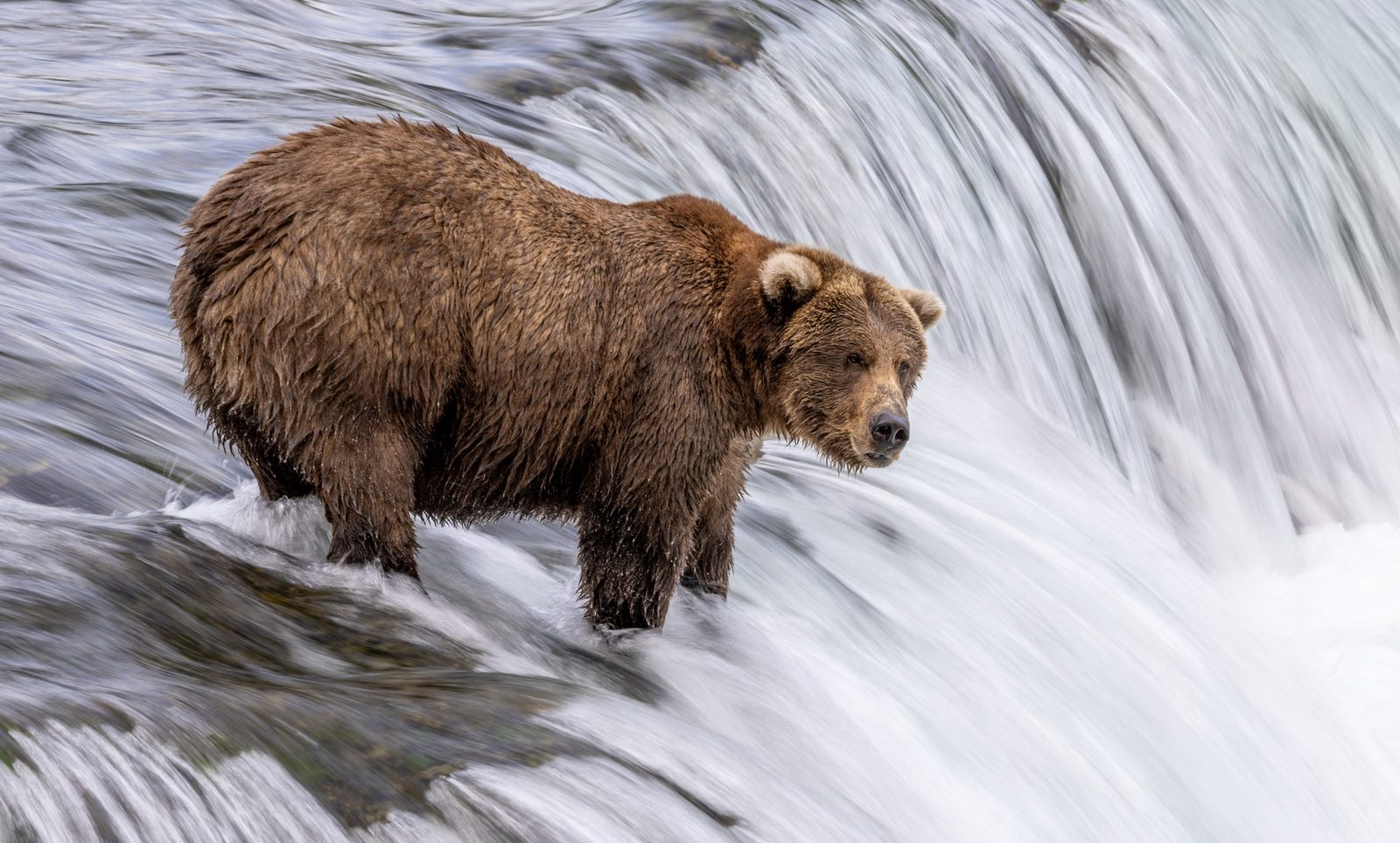
Katmai National Park, situated on the Alaska Peninsula, stands as one of the world’s premier destinations for observing and photographing brown bears in their natural habitat. Spanning over four million acres of pristine wilderness, the park is renowned for its abundant wildlife, dramatic volcanic landscapes, and, most famously, the annual salmon run in its rivers. Brooks Falls, a designated viewing area within the park, becomes a focal point for hundreds of brown bears each summer as sockeye salmon migrate upstream to spawn. The bears congregate at the falls to fish, providing unparalleled opportunities for photographers to capture their powerful hunting techniques and interactions.
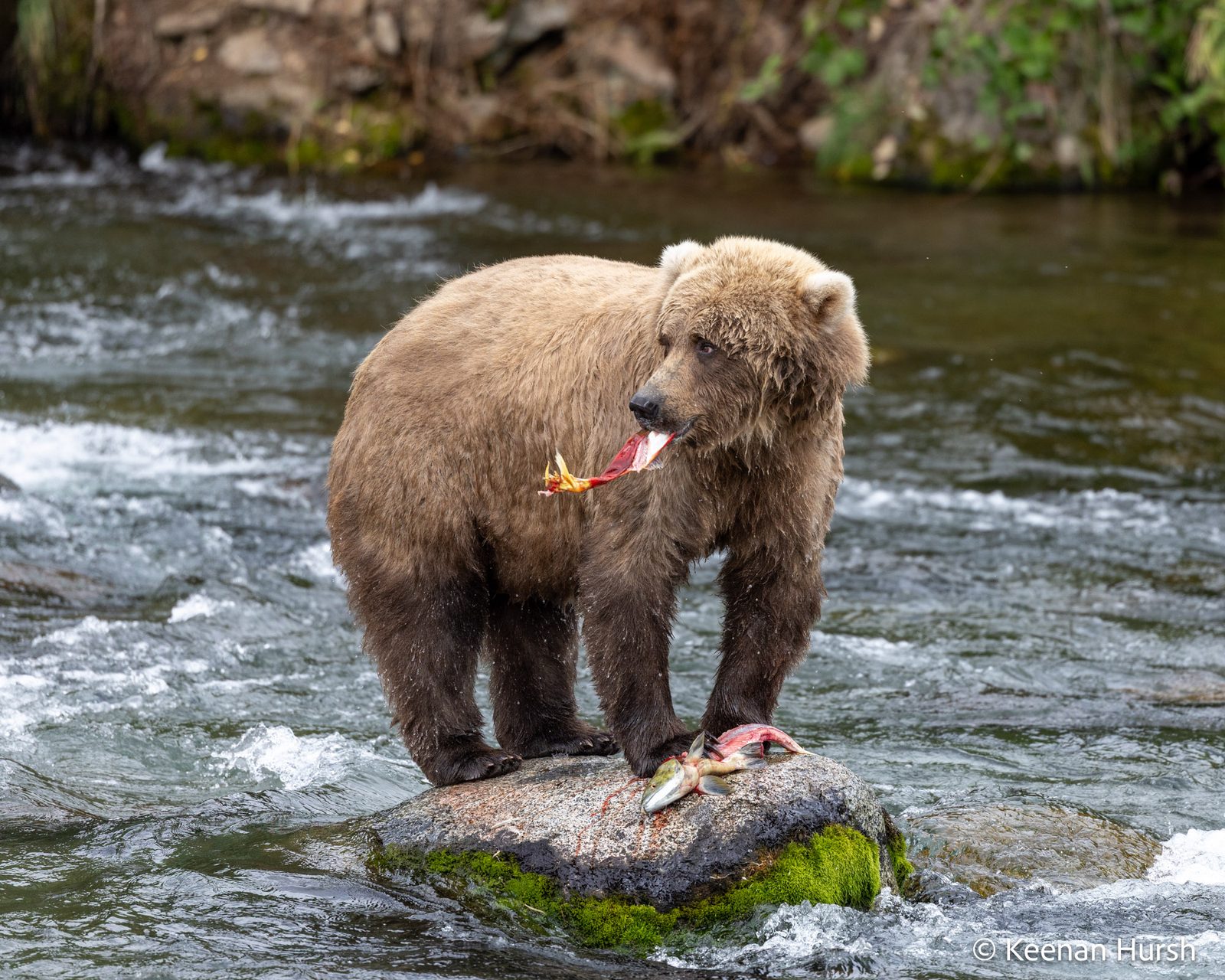
The unique accessibility at Brooks Falls, facilitated by elevated viewing platforms, allows photographers to observe bears at relatively close distances while maintaining safety protocols. This proximity, however, presents a specific photographic challenge: while super-telephoto lenses are indispensable for distant subjects, the closer encounters demand a wider focal range to accommodate the bears’ movements and to capture their presence within their stunning natural environment. The dynamic nature of the salmon run, with bears frequently charging through the water, leaping, and wrestling for fish, necessitates lenses capable of fast autofocus, excellent image stabilization, and a versatile zoom range to adapt to rapidly changing scenes.
The Strategic Imperative for Specialized Optics
For the Katmai expedition, the photographer had a clear vision:
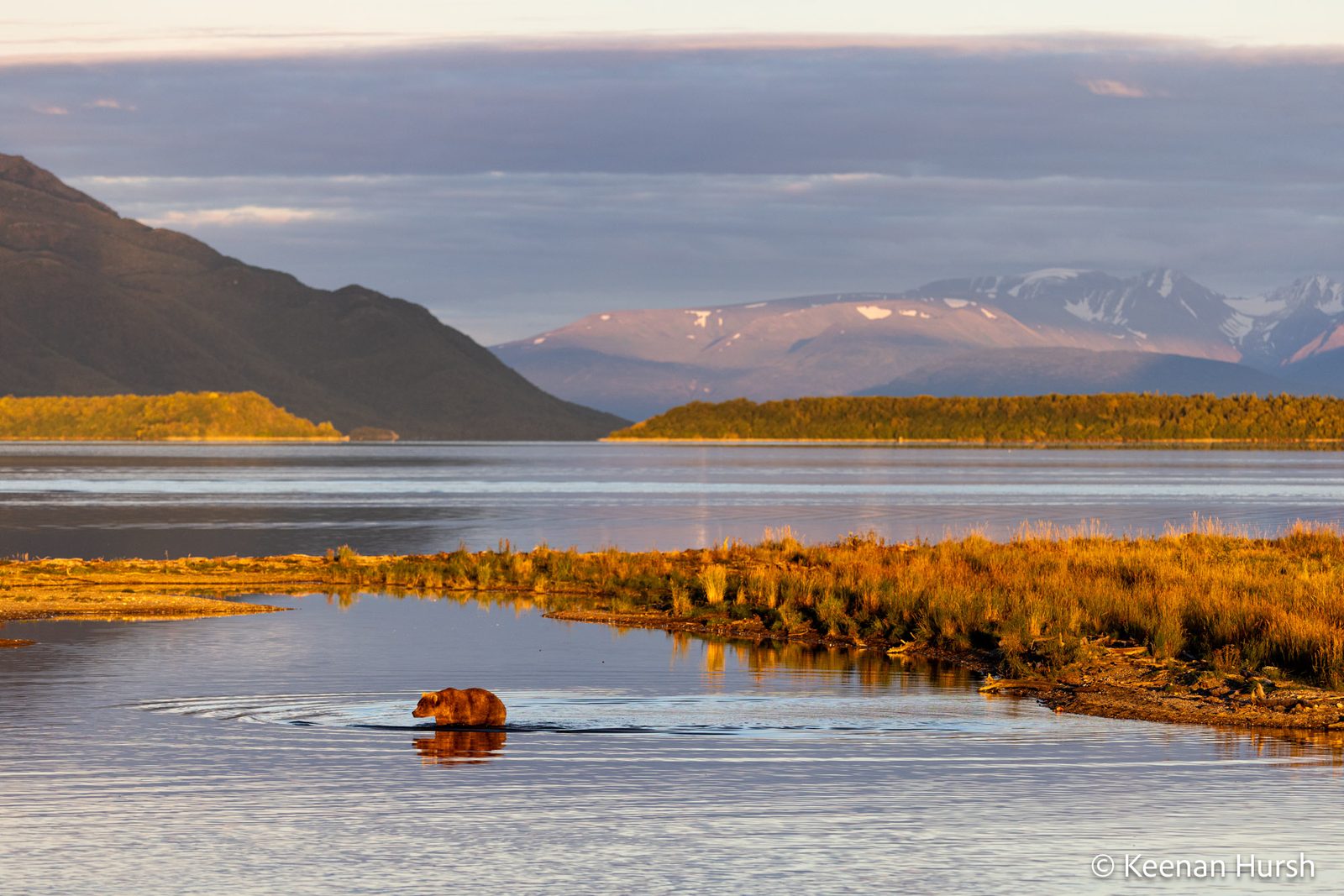
- Close-up Portraits: Characterized by sharp subject focus against a softly blurred, "creamy" background, requiring a wide aperture.
- Wider-angle Environmental Photos: To place the bears within the majestic Alaskan landscape, showing their interaction with Brooks Falls and the surrounding wilderness.
- Dynamic Action Shots: Capturing bears mid-charge or mid-leap, demanding rapid shutter speeds and precise autofocus.
While the photographer’s existing Canon EF 600mm f/4 lens is a cornerstone for wildlife photography, offering incredible reach and subject isolation for distant subjects, it proved too narrow for the intimate and varied encounters anticipated at Brooks Falls. The solution identified was a lens that offered a wider, yet still significant, telephoto reach combined with a fast, constant aperture. This led to the consideration of the Canon RF 100-300mm f/2.8 L IS USM. The decision to rent this specific lens was strategic, acknowledging its high acquisition cost and the specialized nature of its use for this particular trip, making rental a pragmatic and cost-effective choice.
The Canon RF 100-300mm f/2.8 L IS USM: A Game-Changer in Telephoto Zooms
Canon’s announcement of the RF 100-300mm f/2.8 L IS USM lens marked a significant moment in the evolution of professional telephoto optics. Introduced just over a year ago, this lens signaled Canon’s intent to push the boundaries of zoom lens performance, aiming to deliver prime lens optical quality within a versatile zoom framework. This strategy addresses the growing demand from professionals for equipment that offers both flexibility and uncompromising image fidelity, especially in fast-paced and unpredictable environments like wildlife photography.
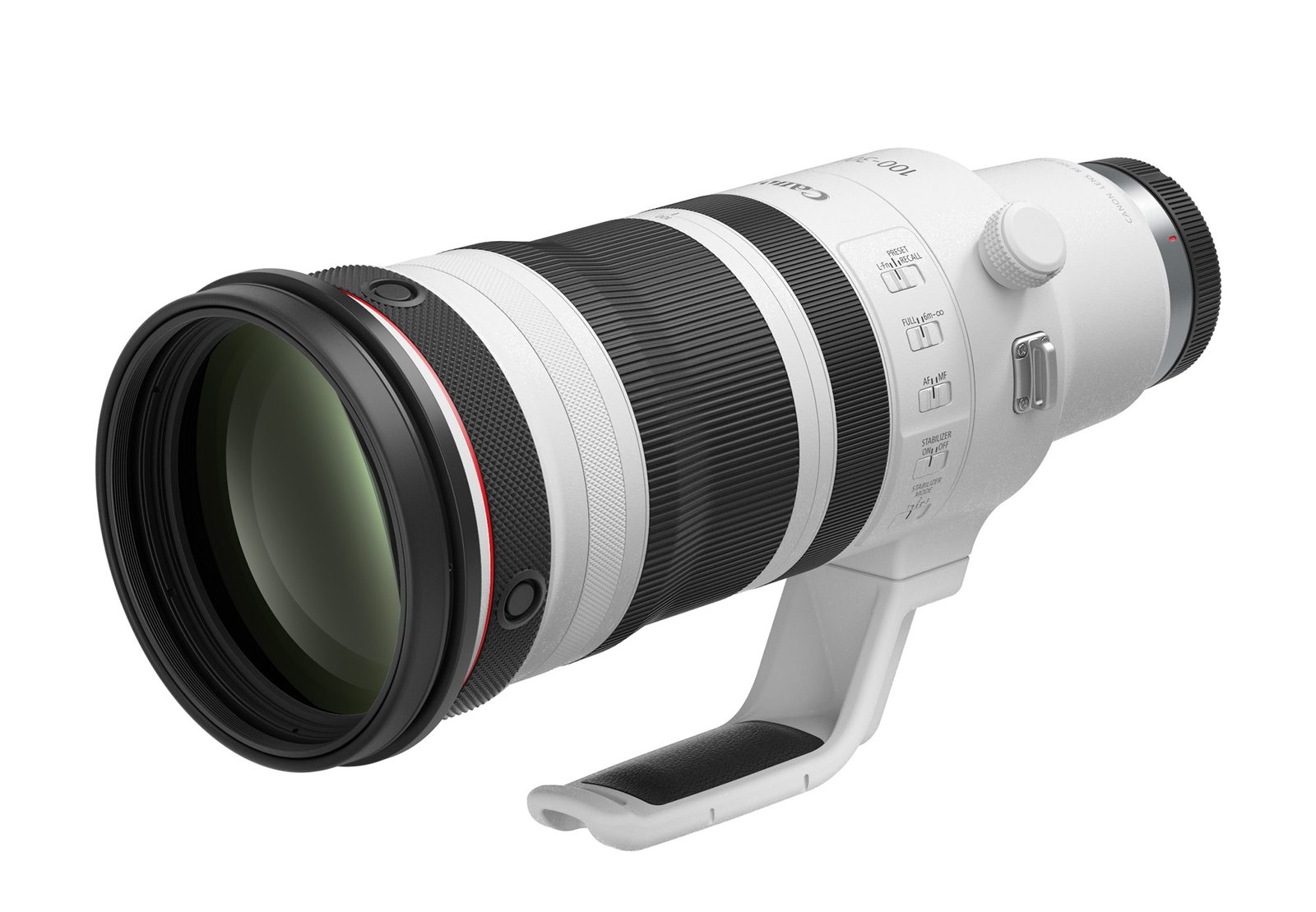
The lens boasts a constant maximum aperture of f/2.8 across its entire 100-300mm focal range, a feature that distinguishes it from many competitors. This constant aperture is crucial for maintaining consistent exposure and depth-of-field control when zooming, a common challenge with variable aperture zooms. Furthermore, its inclusion of Canon’s advanced Image Stabilization (IS) system and a high-performance Ultrasonic Motor (USM) for autofocus ensures superior performance in diverse shooting conditions.
In-Field Performance at Brooks Falls: A Comprehensive Review
During two consecutive workshops at Katmai, the Canon RF 100-300mm f/2.8 proved to be an indispensable tool. Its performance was meticulously evaluated over eight days of intensive shooting, focusing on its utility for brown bear photography.
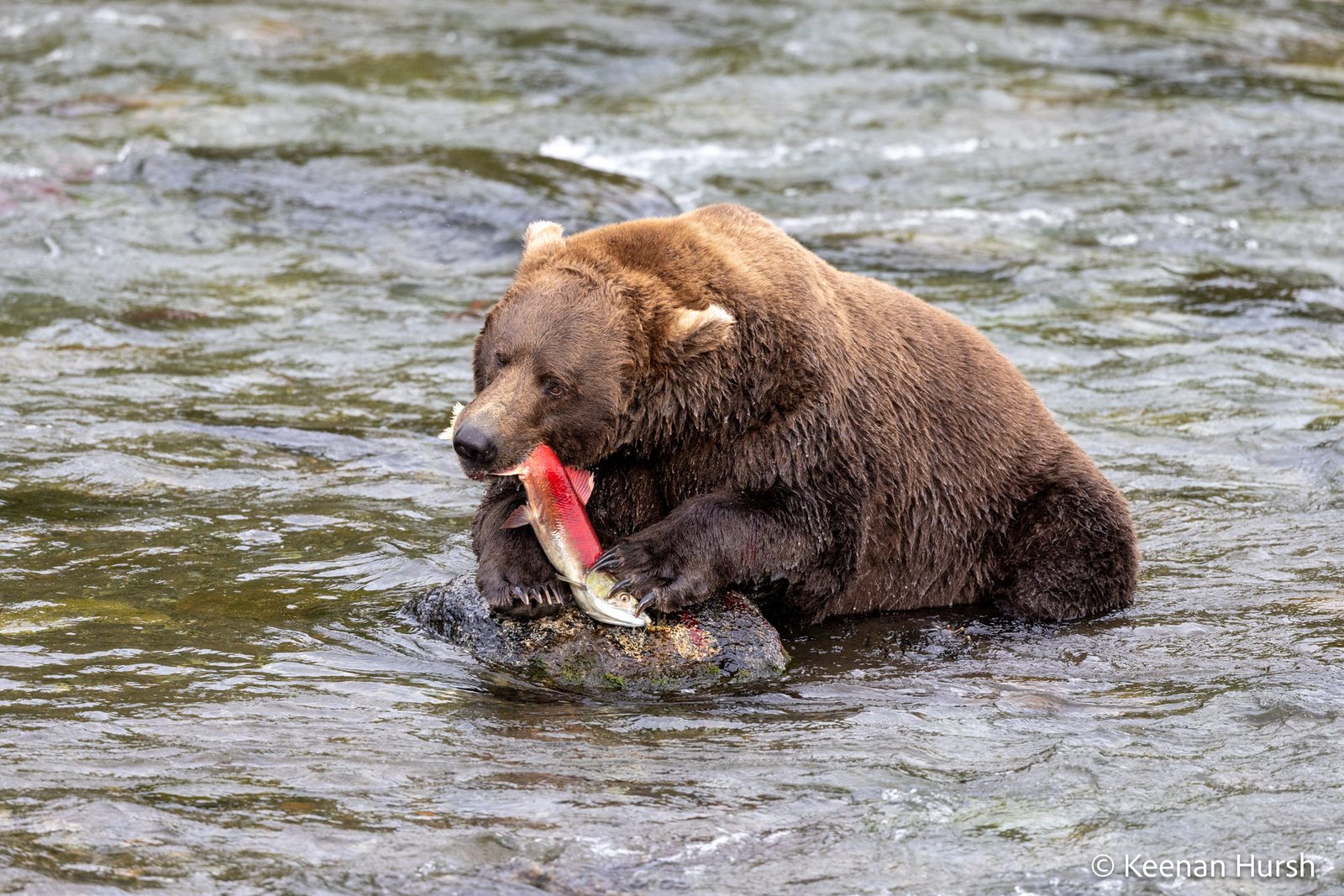
Overview of Field Application:
The lens quickly became the go-to choice for encounters within 50-75 yards. Its versatility allowed the photographer to seamlessly switch between capturing wider environmental shots of bears navigating the falls and tighter portraits as they moved closer. The ability to zoom from 100mm to 300mm meant fewer lens changes, crucial in situations where moments unfold rapidly. This flexibility complemented the longer reach of the 600mm prime, creating a highly effective two-lens system for varied distances.
Key Positives Identified:
- Exceptional Optical Performance: The lens delivered on its promise of "razor-sharp optics." Images exhibited outstanding clarity and detail from edge to edge, even at f/2.8. Chromatic aberration was minimal, and contrast remained excellent across the zoom range, ensuring high-quality files suitable for large prints and demanding editorial use.
- Unmatched Versatility: The 100-300mm focal range, combined with a constant f/2.8 aperture, offered unparalleled flexibility. It effectively covered the gap between medium telephoto and super-telephoto, reducing the need to carry multiple prime lenses. This allowed for rapid compositional changes, essential when bears moved unpredictably or when transitioning from a full-body environmental shot to a tighter headshot.
- Constant f/2.8 Aperture: This feature was pivotal for achieving the desired aesthetic. It provided excellent subject isolation, rendering backgrounds into a smooth, creamy bokeh that beautifully separated the bears from their surroundings. Furthermore, the wide aperture significantly enhanced low-light performance, allowing for faster shutter speeds in challenging conditions (e.g., overcast days, dawn/dusk) without excessive ISO increases, thus preserving image quality.
- Robust Build Quality and Weather Sealing: Operating in the unpredictable Alaskan weather, the lens’s L-series construction and comprehensive weather sealing proved invaluable. It withstood splashes from the river and general dampness without issue, demonstrating the durability required for professional field use. This robust design instills confidence in demanding environments.
- Highly Effective Image Stabilization: The integrated Image Stabilization (IS) system was instrumental in achieving sharp images, especially when hand-holding the lens or shooting at slower shutter speeds to capture motion blur artistically. This allowed for greater flexibility in shooting positions and reduced reliance on tripods in dynamic situations.
- Fast and Accurate Autofocus: The USM autofocus system was consistently fast, quiet, and highly accurate. This was crucial for tracking rapidly moving bears as they chased salmon, ensuring a high hit rate of sharp images in challenging action sequences.
Identified Negatives and Considerations:
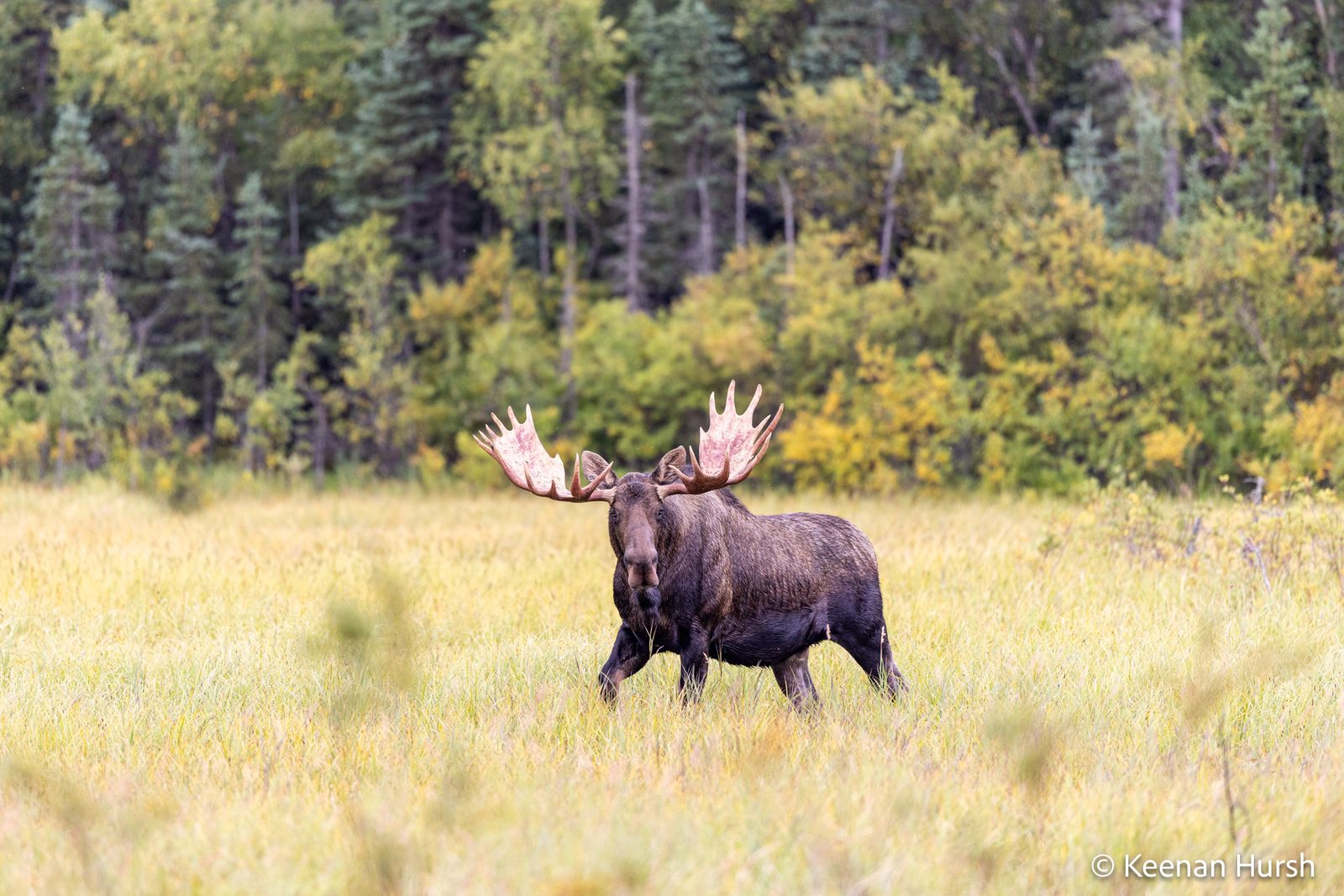
While overwhelmingly positive, the Canon RF 100-300mm f/2.8 L IS USM does present a few considerations:
- Weight and Size: Despite its optical prowess, the lens is substantial. Weighing approximately 2.6 kg (5.7 lbs) and measuring nearly 33 cm (13 inches) in length, it is not a lightweight option. Prolonged handheld shooting can lead to fatigue, and its bulk requires careful consideration for packing and travel logistics, especially when combined with other heavy telephoto lenses like the 600mm f/4. This can be a physical challenge during extended periods in the field.
- Purchase Cost: While the rental model mitigates this for temporary use, the outright purchase price of this lens is exceptionally high, positioning it as a significant investment primarily for professional photographers or institutions. This financial barrier makes rental services like Lensrentals indispensable for many who require its capabilities for specific projects but cannot justify the full retail cost.
- Limited Super-Telephoto Reach: At its maximum of 300mm, the lens still falls short of true super-telephoto primes (e.g., 500mm, 600mm, 800mm) for subjects that are very distant. While perfect for close to medium range wildlife, photographers still need to consider supplementary longer lenses for situations where subjects are far off and cannot be approached. This isn’t a flaw in the lens’s design but a natural limitation of its specified focal range.
These observations are grounded in practical field experience and aim to provide a balanced perspective for prospective users. The few identified negatives are largely inherent to the lens’s high-performance design and capabilities rather than design flaws.
The Indispensable Role of Lensrentals in Professional Expeditions
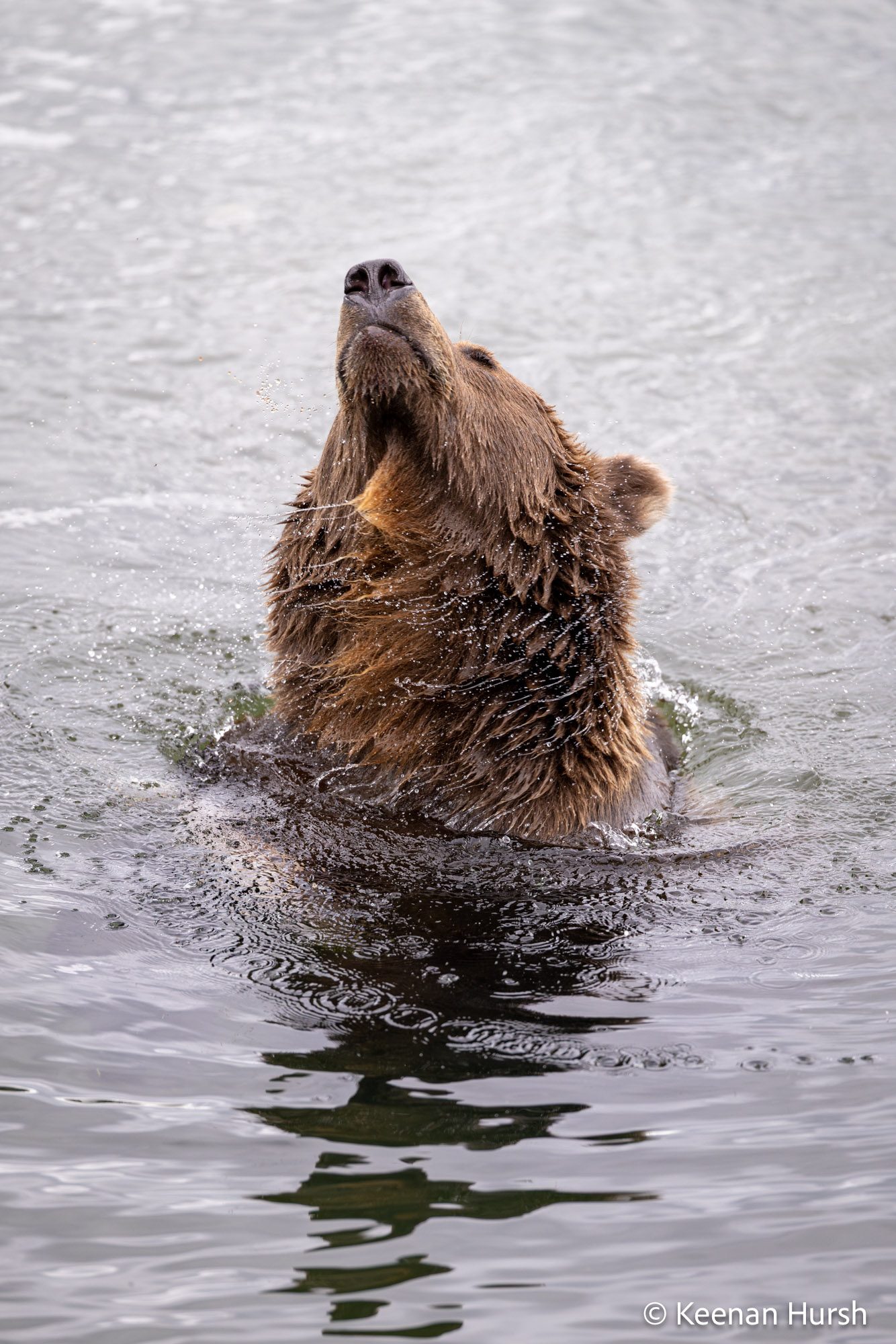
The success of the Katmai expedition was significantly augmented by the services provided by Lensrentals. Access to specialized, high-cost equipment, like the Canon RF 100-300mm f/2.8, through a reliable rental service offers invaluable flexibility to professional photographers and enthusiasts alike. It allows photographers to:
- Access Niche Equipment: Obtain specific lenses or bodies tailored for unique photographic challenges without the prohibitive upfront investment.
- Test Before Buying: Evaluate equipment performance in real-world scenarios before committing to a purchase.
- Optimize for Specific Projects: Equip themselves with the perfect tools for a particular assignment, avoiding the burden of owning infrequently used specialized gear.
- Ensure Redundancy: Provide backup equipment for critical shoots.
Lensrentals’ established reputation for reliable service, well-maintained equipment, and efficient logistics ensures that professionals can depend on receiving the right gear, on time, for their high-stakes expeditions. This logistical support is as critical as the gear itself, allowing photographers to focus on their creative work rather than equipment procurement anxieties.
Implications for Wildlife Photography and the Gear Ecosystem
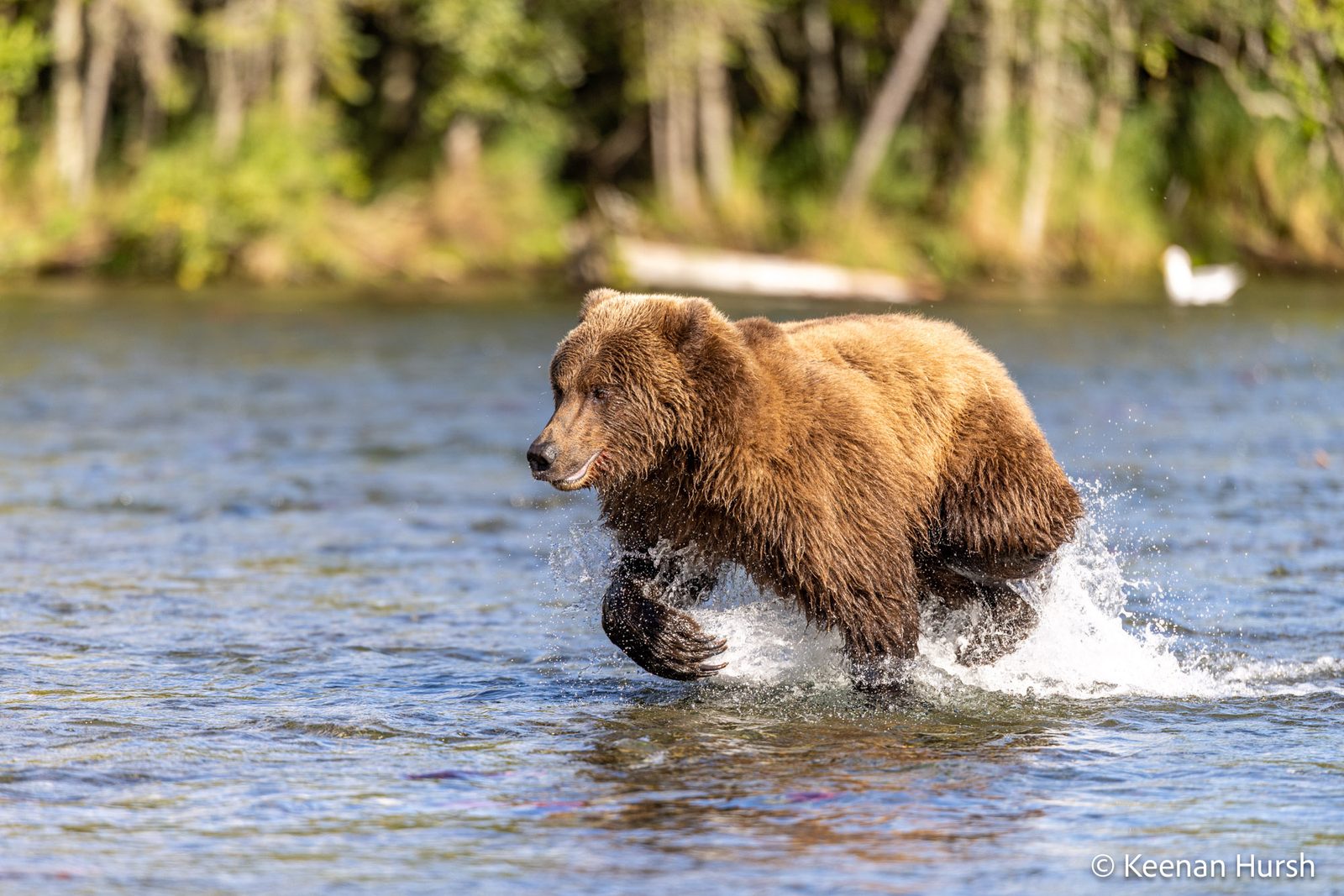
The deployment and successful integration of lenses like the Canon RF 100-300mm f/2.8 in demanding environments like Katmai underscore several broader implications for the photography industry:
- Evolving Lens Technology: The trend towards high-performance, fast telephoto zooms with prime-like quality signifies a continuous advancement in optical engineering, offering photographers unprecedented versatility without significant compromise on image quality.
- Strategic Gear Acquisition: The increasing specialization and cost of professional-grade equipment highlight the growing importance of a strategic approach to gear acquisition, where rental services play a pivotal role in enabling access and maximizing efficiency.
- Impact on Visual Storytelling: Having the right tools allows photographers to capture a more diverse and compelling range of images. In wildlife photography, this translates to more impactful storytelling, fostering greater awareness and appreciation for wildlife and conservation efforts. The ability to capture both intimate portraits and expansive environmental shots enhances the narrative depth of photographic projects.
Final Thoughts on a Successful Expedition
The Katmai National Park expedition was a resounding success, largely due to meticulous planning and the strategic decision to incorporate the Canon RF 100-300mm f/2.8 lens into the gear lineup. The lens performed exceptionally, proving to be an absolute beast in the field, delivering razor-sharp images and fulfilling every specific photographic requirement for documenting the brown bears of Brooks Falls. The images captured, ranging from serene portraits to explosive action, stand as a testament to the lens’s capabilities.
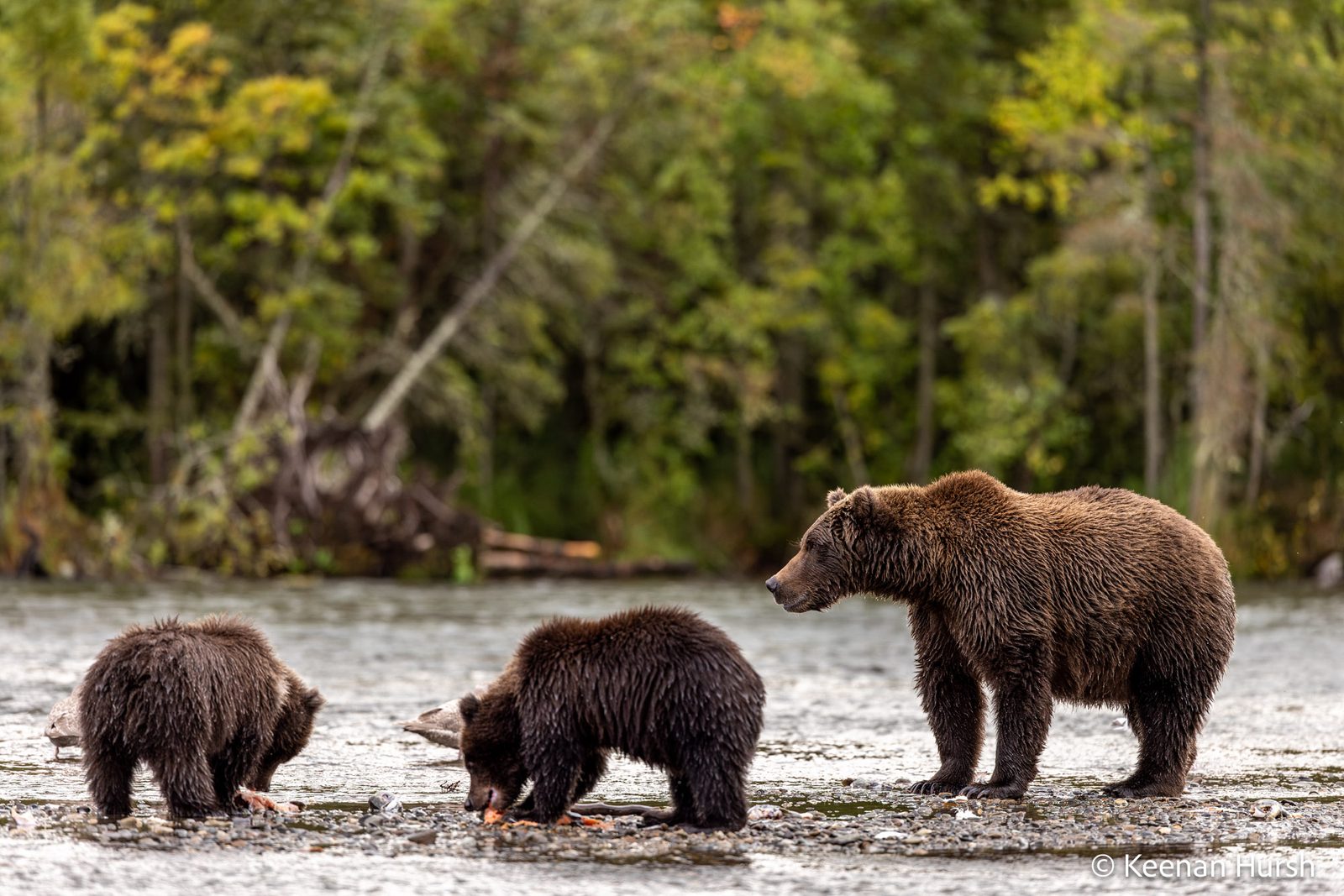
This experience reinforces the profound value of professional gear rental services like Lensrentals, which empower photographers to pursue ambitious projects with the confidence that they have the best tools for the job. For any photographer contemplating their next adventure, especially one requiring specialized optics, considering a rental is not merely an option but often a strategic imperative to ensure preparedness and maximize creative potential. Happy shooting, and may your next photographic journey be as rewarding and well-equipped as this one.