Wildlife photography, a demanding yet immensely rewarding discipline, continues to be transformed by rapid advancements in camera technology. The intricate dance of planning, effort, skill, knowledge, and a crucial element of luck culminates in the capture of a dream shot, yet the underlying capabilities of one’s equipment remain paramount. Over the past two decades, camera technology has witnessed an astonishing evolution, providing professional nature and wildlife photographers with tools that were once unimaginable. The disparity between contemporary setups and those from even a few years ago is truly staggering, particularly within the specialized realm of wildlife photography.
These technological leaps are not confined to a single photographic genre but are profoundly evident in wildlife imaging. Significant enhancements in autofocusing systems, including advanced subject tracking and eye detection, vastly improved low-light performance, increased continuous shooting speeds, the innovative introduction of pre-capture functionality, high-resolution electronic viewfinders, and revolutionary stacked sensors have collectively enabled photographers to capture images that were realistically unattainable just a short while ago. This continuous progression underscores the dynamic nature of photographic gear, with new iterations consistently pushing the boundaries of what’s possible in the field.
Recently, professional nature photographer, guide, and writer Keenan Hursh embarked on an extensive wildlife photography workshop in India, an expedition that served as an ideal real-world testbed for the latest innovations. As a trip leader for Backcountry Journeys, Hursh frequently navigates some of the planet’s most iconic natural landscapes, guiding small groups of photographers. His recent "Tiger Safari" workshop, exploring Bandhavgarh and Kanha National Parks in Madhya Pradesh—regions renowned globally for their Bengal tiger populations—presented a unique opportunity to conduct a direct, side-by-side comparison of two significant Canon mirrorless camera bodies: the Canon EOS R5 Mark II and its acclaimed predecessor, the original Canon EOS R5. This intensive field comparison aimed to evaluate how these "iconic and beloved cameras stack up against one another" under the challenging and unpredictable conditions of wildlife photography.
The India Expedition: A Testbed for Innovation
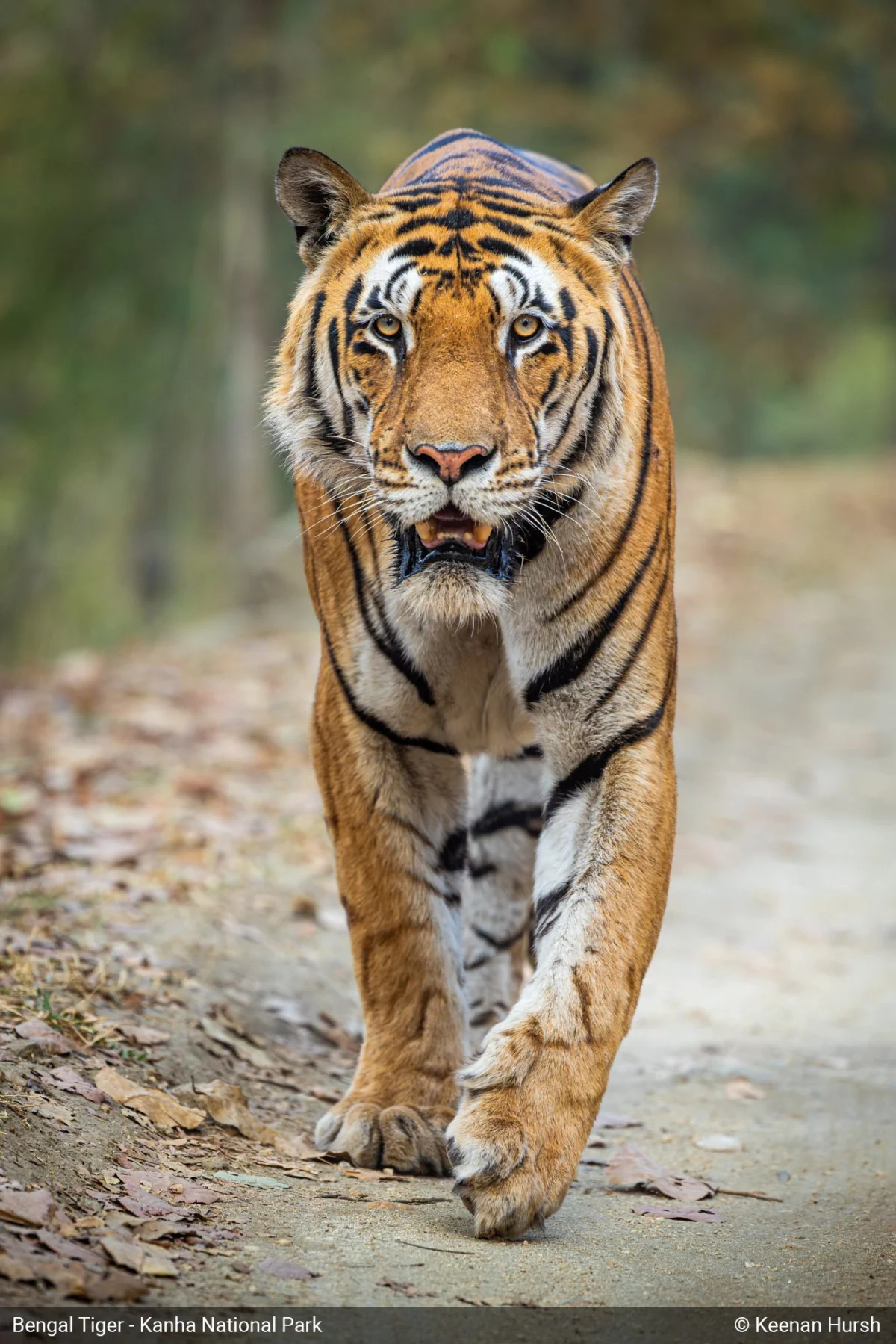
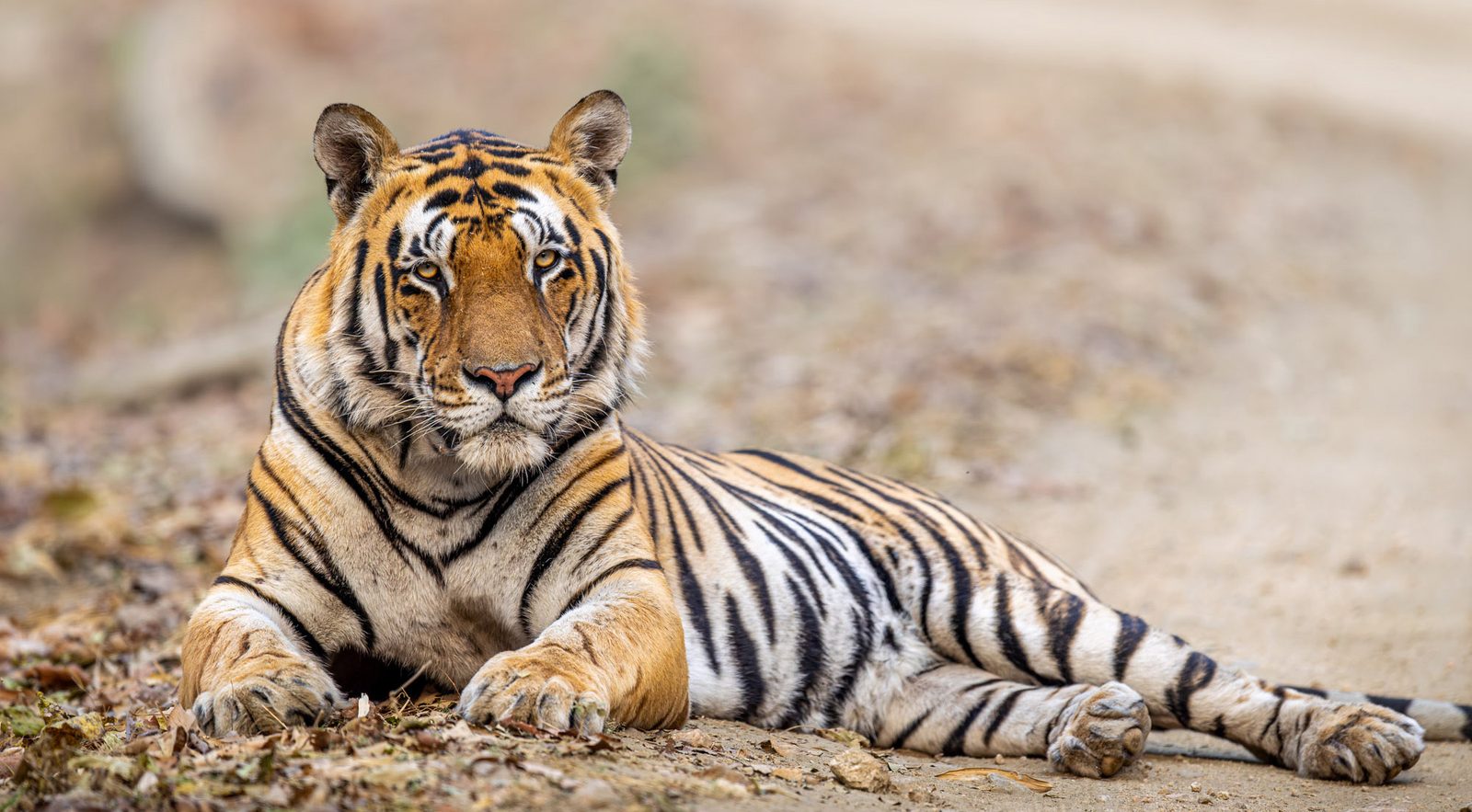
For many wildlife enthusiasts, a journey to photograph tigers in their natural habitat represents the pinnacle of photographic ambition. Keenan Hursh’s recent workshop fulfilled this aspiration, commencing in Delhi where participants converged before embarking on a rigorous 10-day itinerary. The expedition involved daily safari drives through two of India’s premier tiger reserves, Bandhavgarh and Kanha National Parks, situated in the central Indian state of Madhya Pradesh. These parks, while sharing a common abundance of tigers, each possess distinct ecosystems and offer varied photographic opportunities. Bandhavgarh, known for its high tiger density and rugged terrain, contrasts with Kanha’s sprawling meadows and dense sal forests.
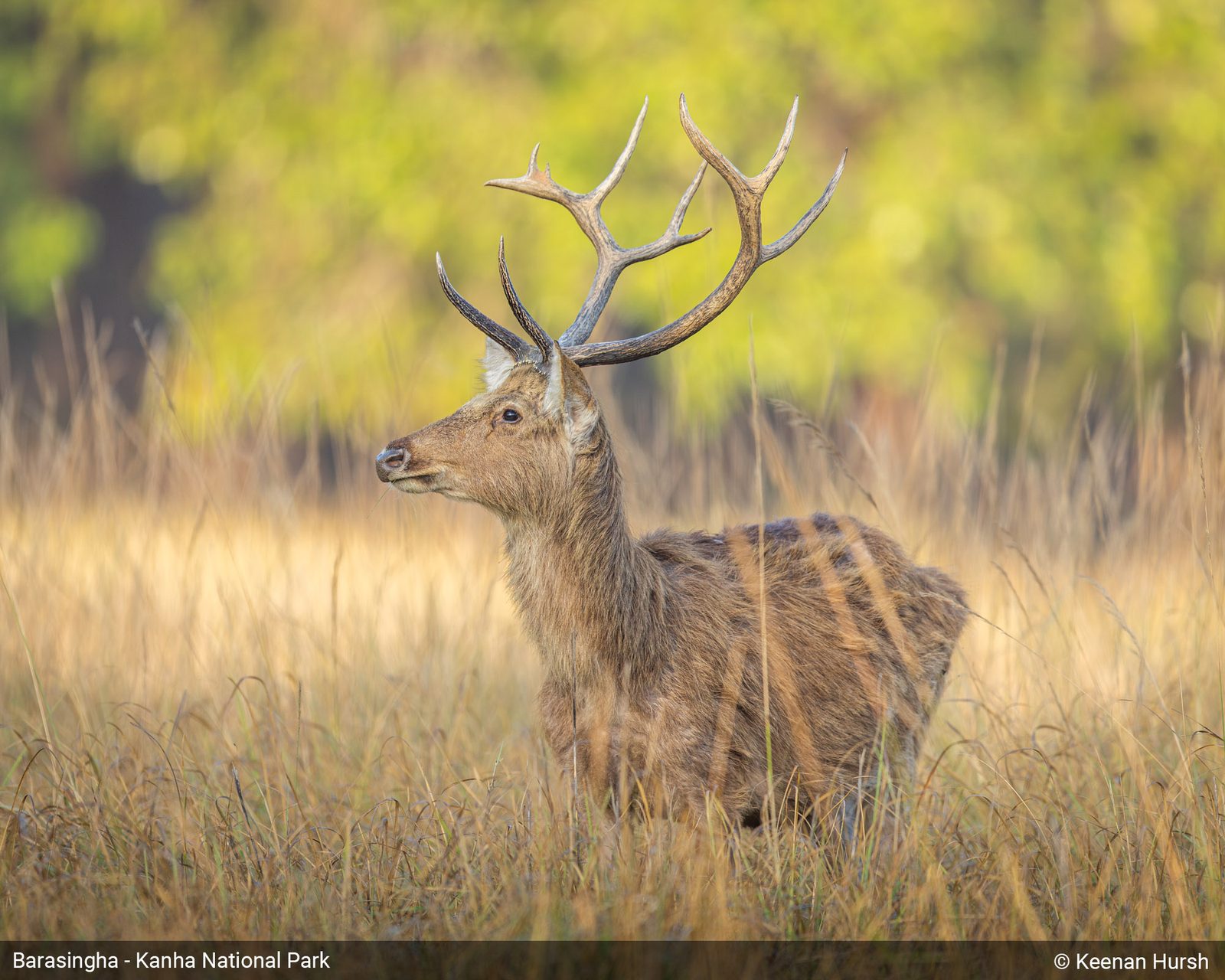
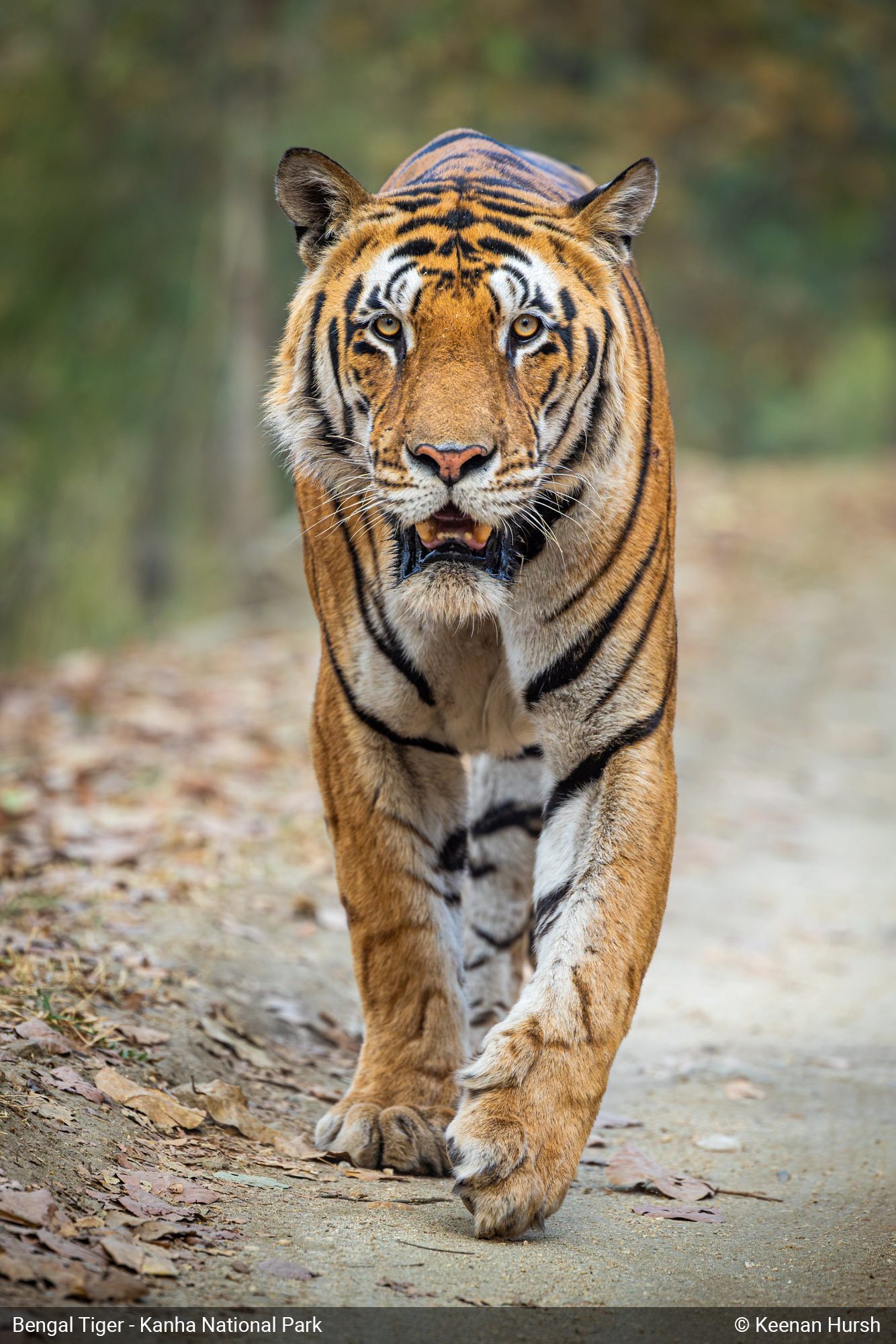
Throughout the workshop, participants were fortunate to encounter a remarkable total of 15 individual tigers, exceeding initial expectations and providing numerous intimate photographic moments in both parks. Beyond the elusive big cats, the diverse Indian wilderness yielded a plethora of other mammalian and avian subjects, contributing to an exceptionally productive and enjoyable experience. Hursh reported encountering over 25 new species within the first day alone, highlighting the rich biodiversity of these regions. Such expeditions are not merely about capturing images but also about immersing oneself in true wilderness, observing animals in their natural state, and fostering a deeper appreciation for conservation. The demanding nature of these environments, characterized by varying light conditions, rapid animal movements, and sometimes challenging vantage points, made it an ideal scenario to rigorously test advanced camera equipment.
Strategic Gear Selection: The Tools of the Trade
Effective wildlife photography necessitates meticulous preparation and the selection of appropriate gear tailored to potential scenarios. For his India trip, Hursh ensured he was equipped with a comprehensive arsenal, balancing capability with the practical constraints of international travel and domestic flight weight restrictions. This included selecting camera bodies offering the required performance, lenses providing optimal focal lengths for diverse compositions, and essential accessories to maximize success.
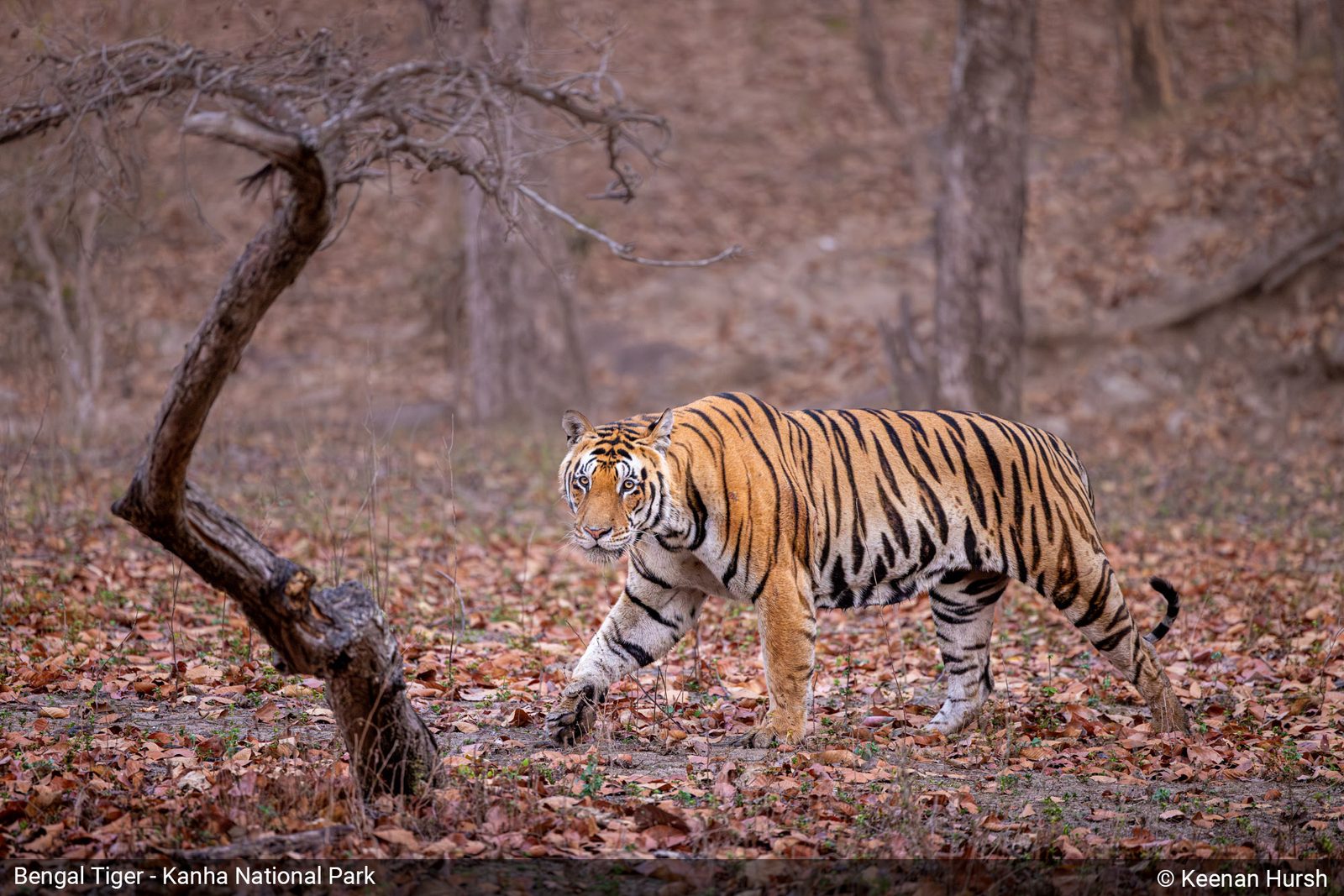
Hursh’s primary photography gear for the trip included his two personal Canon EOS R5 bodies, augmented by a Canon EOS R5 Mark II rented from Lensrentals.com. This rental decision stemmed from a prolonged interest in the R5 Mark II, following its release. Having extensively utilized the original R5 bodies for several years, Hursh lauded them as a "phenomenal camera" and an "exponential upgrade" from his previous DSLR setup. Initially, Hursh had opted against upgrading to the Mark II, perceiving the performance increases as minimal relative to the cost, especially considering the requirement for new battery types. However, positive feedback from peers reignited his curiosity, prompting the decision to undertake a direct field comparison. This hands-on evaluation in the crucible of a tiger safari offered invaluable insights into the practical differences between the two generations of Canon’s high-performance mirrorless cameras.
Deep Dive: The Canon EOS R5 – A Benchmark Performer
The original Canon EOS R5, launched approximately six years ago, quickly established itself as a flagship mirrorless camera, setting new benchmarks for professional use. Hursh’s long-term experience with two R5 bodies across diverse environments—from fast-paced wildlife encounters to extended astrophotography exposures, and in extreme temperatures ranging from over 100°F to below -30°F, across deserts and wet coastlines—attests to its robust performance and reliability. For wildlife photography, a discipline that heavily taxes camera and lens capabilities, the R5 has consistently delivered high-quality results.
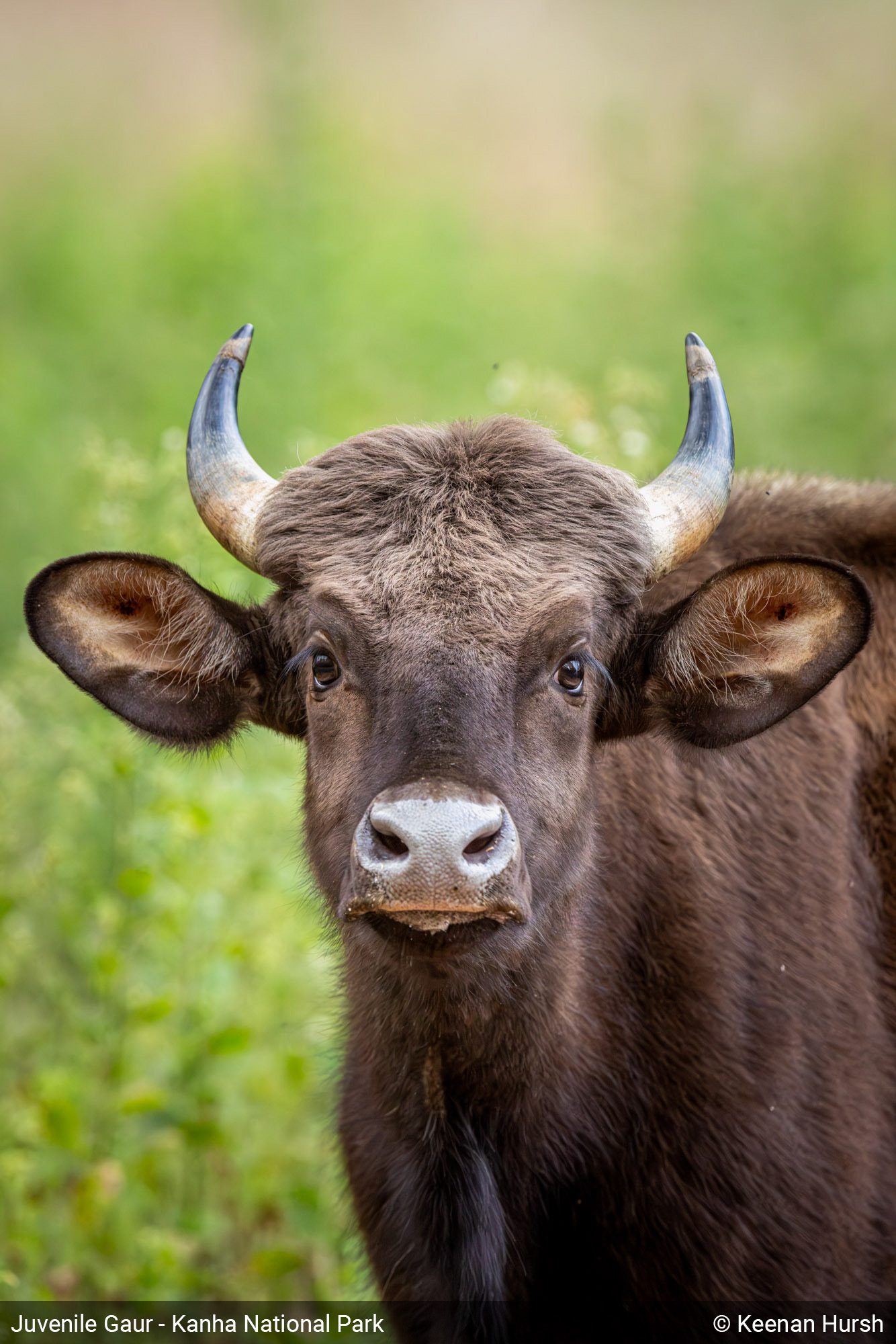
Key attributes that make the Canon R5 a formidable tool for wildlife photography include its sophisticated AI-assisted autofocus (AF) capabilities, offering capable and accurate subject and eye detection. It boasts a respectable maximum burst rate of 20 frames per second (fps) when utilizing the electronic shutter, coupled with a high-resolution 45-megapixel (MP) full-frame sensor. The camera’s low-light performance is solid, handling higher ISO values effectively, and it incorporates excellent in-body image stabilization (IBIS). These features collectively have enabled Hursh to capture a vast array of high-quality images over the years. Even with the introduction of its successor, the R5 continues to hold its own, demonstrating remarkable longevity in a rapidly evolving market.
Despite its many strengths, Hursh’s extensive field use revealed a few minor areas for potential improvement. One functional annoyance noted was the cumbersome default method of switching between photo and video modes, which, in critical wildlife moments, could lead to missed opportunities. While customizable, the out-of-the-box experience was less than ideal. Another observation related to shooting with the electronic shutter: the absence of auditory feedback made it challenging to ascertain if images were being captured, compounded by intermittent blackouts in the electronic viewfinder (EVF), disrupting continuous visual tracking of subjects. While not deal-breakers, these aspects impacted the fluidity of the shooting experience. Furthermore, while the R5’s AF system is highly capable, it occasionally exhibited a "jumpy" behavior or failed to consistently identify subjects or eyes, leaving room for enhancement in reliability and smoothness. These, Hursh emphasizes, are minor complaints but significant enough to be noted after prolonged professional application, moving beyond common, often mitigated issues like overheating.
Introducing the Next Generation: Canon EOS R5 Mark II – Elevating the Standard
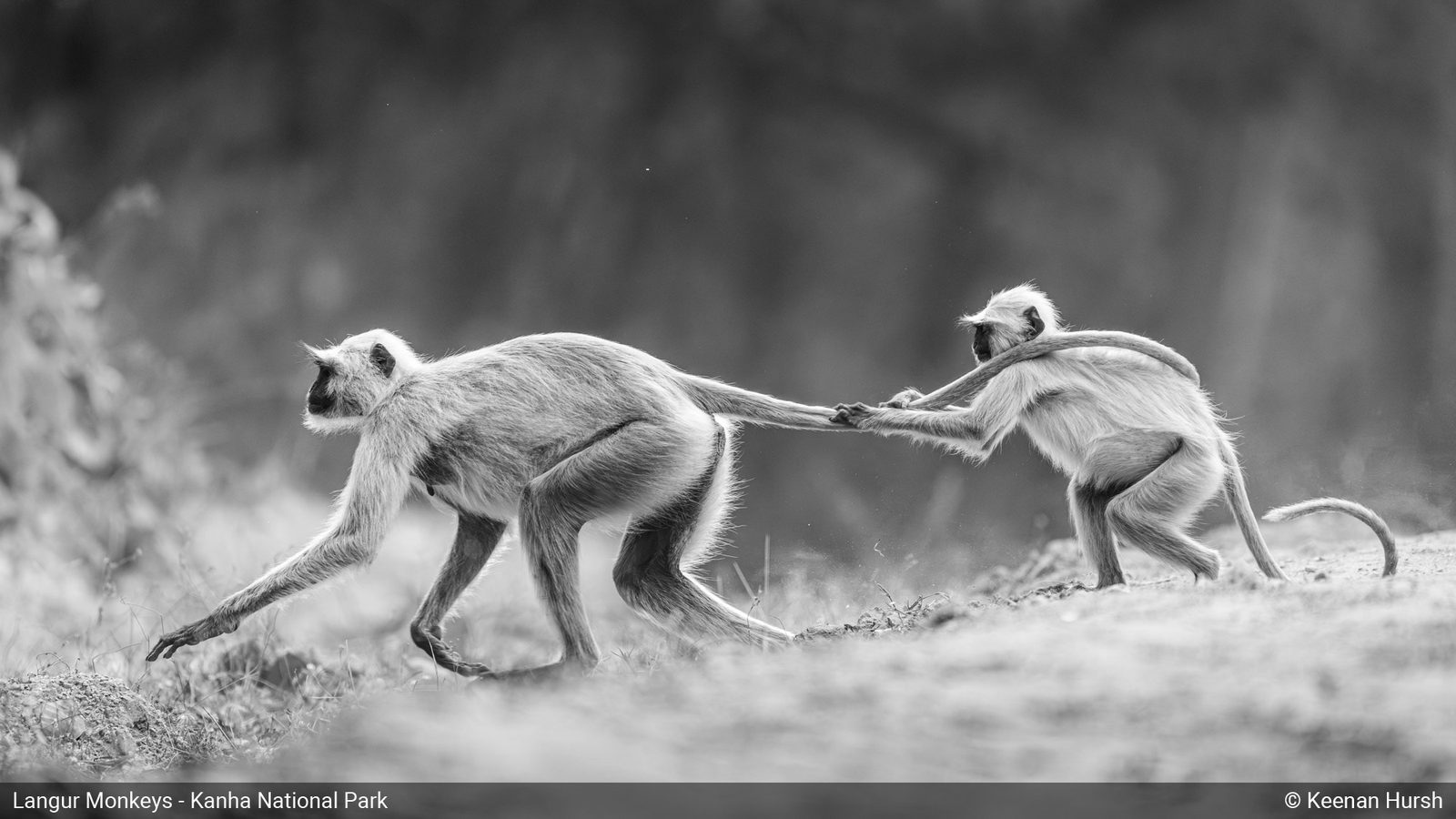
The Canon EOS R5 Mark II represents the natural evolution of its predecessor, and Hursh’s week-long field test in India positioned it as "great plus," arguably exceptional, particularly for wildlife photography. While the original R5 was a strong foundation, the Mark II delivered a superior overall experience, with improvements that, while not always "stark as night and day," were immediately noticeable and significantly enhanced the shooting process.
The R5 Mark II retains the core strengths of the original, including the same resolution, excellent IBIS, identical EVF and LCD resolution and quality, and a robust magnesium alloy body with quality weather sealing. The most impactful enhancements, however, are found in its performance and user interface.
Foremost among these improvements is the significantly upgraded autofocus system. The R5 Mark II’s AF capabilities were deemed "second-to-none" and "absolutely stellar" for wildlife photography. It demonstrated faster acquisition, enhanced accuracy, superior reliability, and smoother tracking compared to the R5. The camera proved far more adept at identifying and maintaining focus on subjects, even allowing seamless switching between multiple identified targets, with a noticeable reduction in erratic "jumping." For photographers where AF performance is a critical differentiator, the Mark II unequivocally takes the lead.
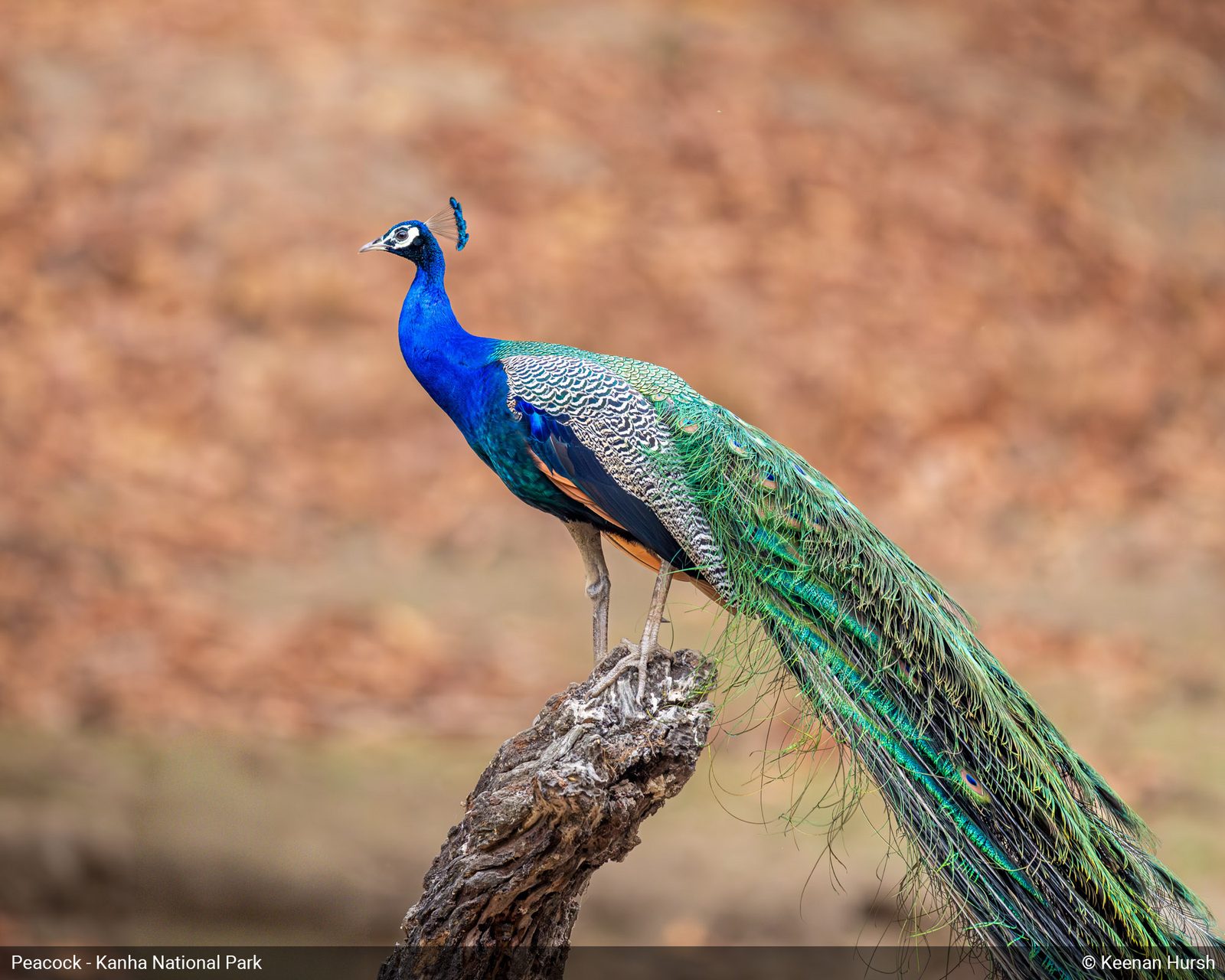
Another lauded feature is the introduction of pre-capture functionality. Initially underestimated, this proved to be a "game-changer" for specific scenarios, enabling the capture of moments previously deemed impossible. Hursh cited instances of successfully photographing small birds taking flight from perches, an achievement that would have been unfeasible with the R5. Pre-capture dramatically increases the probability of securing critical action shots involving fast-moving or unpredictable wildlife.
The redesigned user interface, specifically a dedicated photo/video switch, was also highly appreciated. Even for photographers primarily focused on stills, this thoughtful design improvement streamlines workflow and prevents missed shots that could occur with the R5’s more convoluted switching mechanism.
Perhaps the most significant technological upgrade in the R5 Mark II is its new stacked sensor. While maintaining the same 45MP resolution, this sensor unlocks several key advantages. It elevates the electronic shutter’s burst rate from 20 fps to a remarkable 30 fps, a substantial increase that can significantly impact the capture of high-speed action. Crucially, when using the electronic shutter, images are no longer compressed to 12-bit RAW files but retain their full 14-bit data, offering greater post-processing flexibility. Furthermore, the stacked sensor eliminates the blackouts in the EVF during continuous shooting, providing a "blackout-free, more natural and enjoyable experience" by allowing photographers to continuously track subjects without interruption. A minor yet appreciated ergonomic improvement is the option to enable an audible shutter noise for the electronic shutter, addressing a previous complaint about the R5’s silent operation.
Head-to-Head: Key Performance Differentiators
The direct comparison between the Canon EOS R5 and R5 Mark II highlights several critical differentiators, particularly for wildlife and action photography.
- Autofocus System: The R5 Mark II’s AF system, powered by a new generation of processing, offers a clear advantage in speed, accuracy, and tracking reliability. Its ability to more consistently acquire and hold focus on challenging subjects, and to smoothly transition between targets, represents a significant leap forward.
- Burst Speed & File Integrity: The R5 Mark II’s 30 fps electronic shutter (compared to R5’s 20 fps) provides a higher chance of capturing peak action. More importantly, the ability to maintain 14-bit RAW files at this speed, thanks to the stacked sensor, ensures superior image quality and dynamic range, which was a limitation on the R5’s electronic shutter.
- User Experience (EVF & Pre-Capture): The blackout-free EVF on the R5 Mark II significantly improves the experience of tracking fast-moving subjects, offering an uninterrupted view. The addition of pre-capture fundamentally changes the approach to anticipating fleeting moments, making previously impossible shots achievable.
- Video/Photo Switching: The dedicated switch on the Mark II is a practical ergonomic enhancement, improving efficiency for photographers who regularly alternate between stills and video.
- Battery Compatibility: A notable drawback of the R5 Mark II is its reliance on a new battery type (LP-E6NH or newer to unlock full features), rendering older R5 batteries less effective or incompatible for optimal performance. This represents an additional investment for existing R5 users.
- Low-Light Performance: Interestingly, Hursh observed a marginally perceptible increase in noise at higher ISO values with the R5 Mark II compared to the R5, attributing this slight compromise to the stacked sensor architecture. However, he deemed this a "very small and marginal issue," easily outweighed by the sensor’s other benefits.
Strategic Gear Selection: Implications for Professionals and Enthusiasts
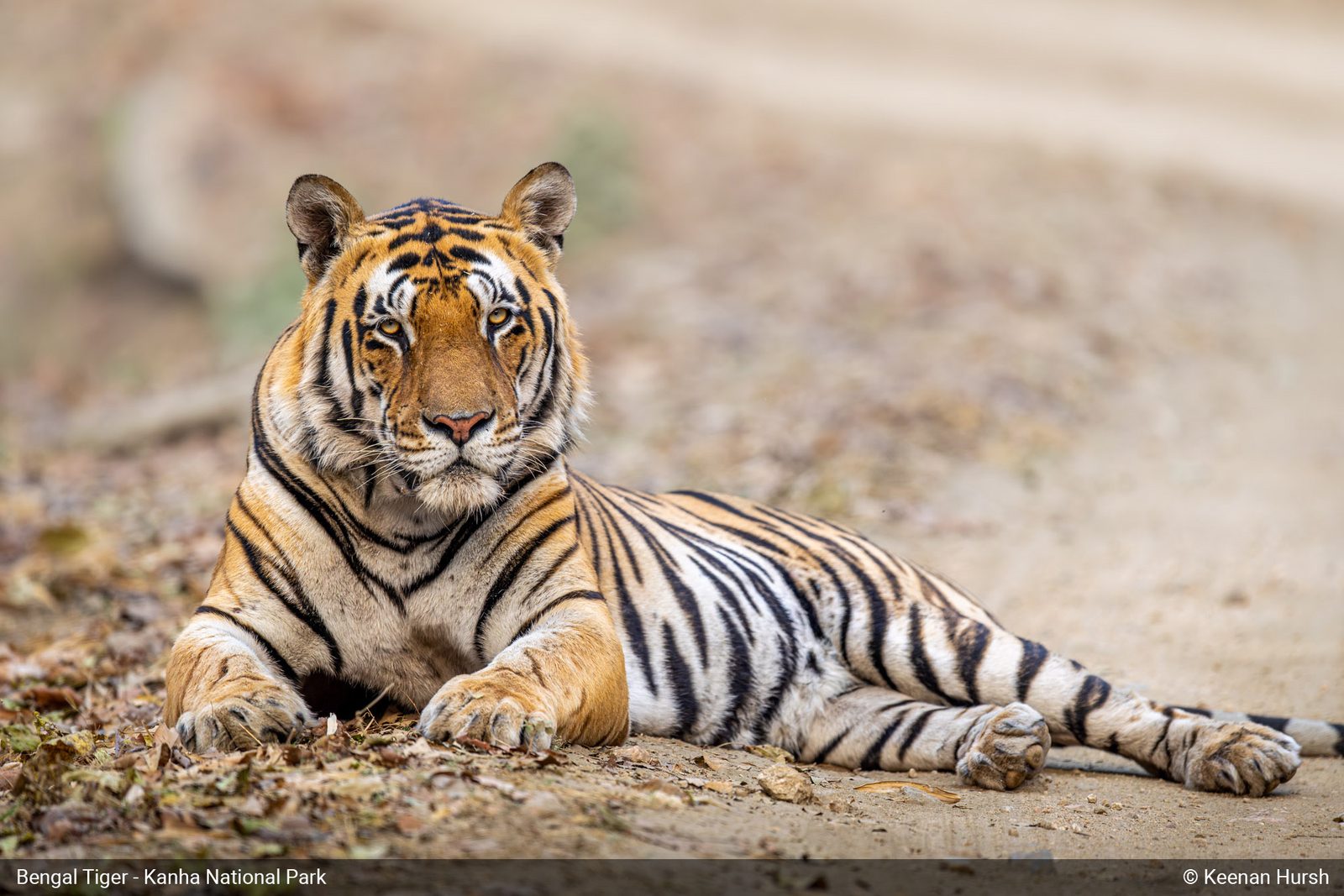
The ultimate decision between the Canon EOS R5 and R5 Mark II hinges on individual needs, photographic style, and budget. Hursh’s consensus is clear: the R5 Mark II is demonstrably a superior camera. For professional photographers, particularly those specializing in wildlife or sports, where marginal improvements in AF, burst rate, and responsive handling can significantly impact success rates, the Mark II’s advantages justify the additional investment. Currently priced approximately $1,000 higher than its predecessor, the Mark II targets users demanding peak performance in dynamic environments.
For photographers whose primary focus lies in genres such as landscape, portraiture, or architectural photography, where extreme burst rates and cutting-edge AF tracking are less critical, the original R5 remains an exceptionally capable and cost-effective option. Its enduring performance and robust feature set still make it a strong contender, especially for those operating within tighter budgetary constraints.
For Hursh, a professional wildlife photographer, the decision leans decisively towards the R5 Mark II. The cumulative improvements, particularly in AF capabilities, the benefits of the stacked sensor (faster burst, 14-bit RAW, blackout-free EVF, reduced rolling shutter), and the practical refinements like pre-capture and the dedicated mode switch, collectively present a compelling case for upgrade. These enhancements, even if incremental individually, coalesce to provide a smoother, more accurate, and ultimately more enjoyable and productive shooting experience in the demanding field of wildlife photography.
Broader Impact on Wildlife Photography
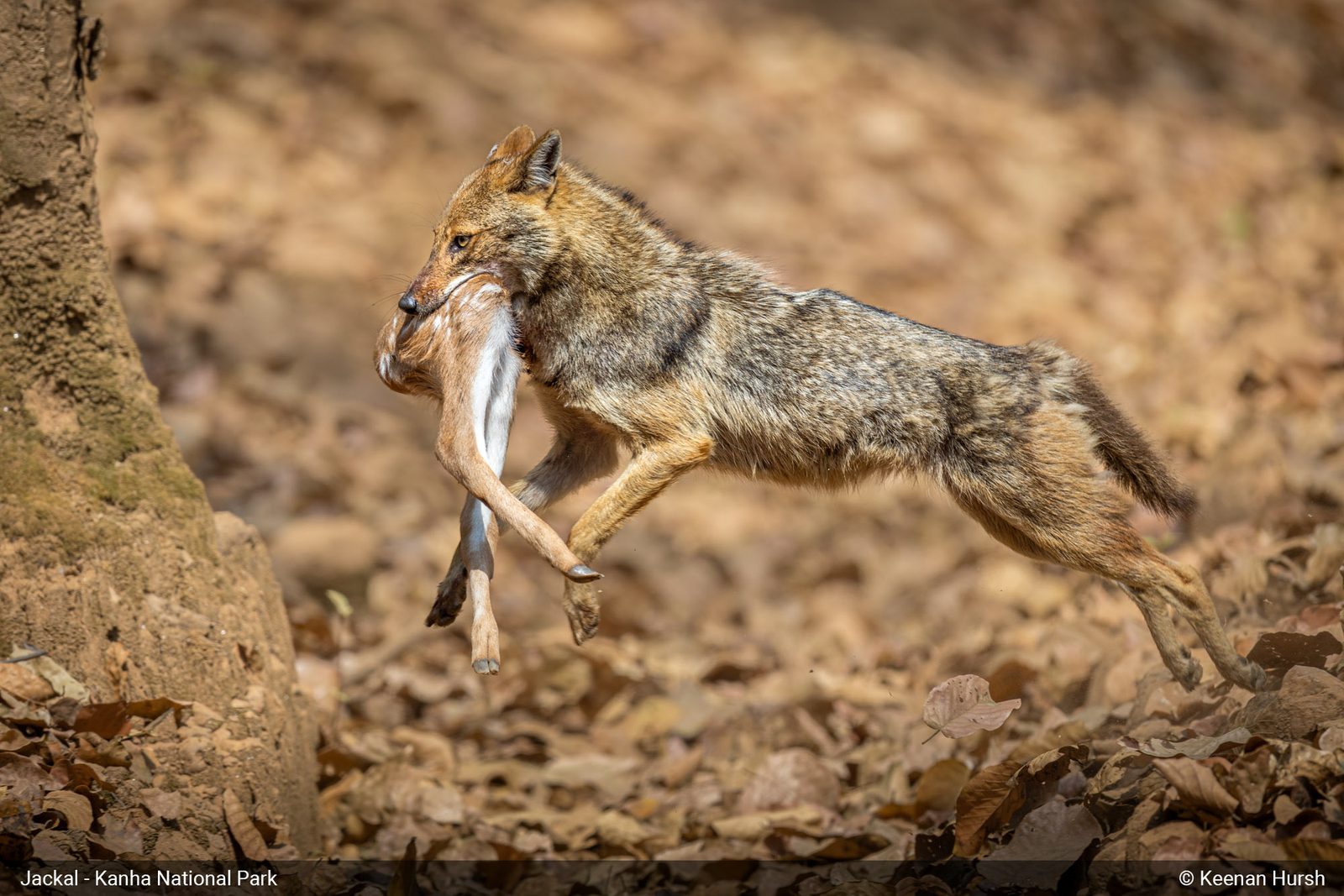
The continuous evolution of camera technology, exemplified by the Canon R5 series, has profound implications beyond individual photographers. Enhanced capabilities mean higher success rates in capturing elusive wildlife behavior, allowing for more compelling storytelling and educational content. Features like pre-capture can document moments crucial for scientific research or conservation awareness that were previously difficult to obtain. The increased resolution and improved low-light performance enable photographers to work in more challenging conditions, expanding the scope of what can be documented and shared. This not only elevates the professional standards within the industry but also contributes to broader public engagement with nature and conservation efforts. The accessibility of such powerful tools, even through rental services, empowers a wider range of photographers to pursue their passion and contribute to the visual narrative of the natural world.
Conclusion and Outlook
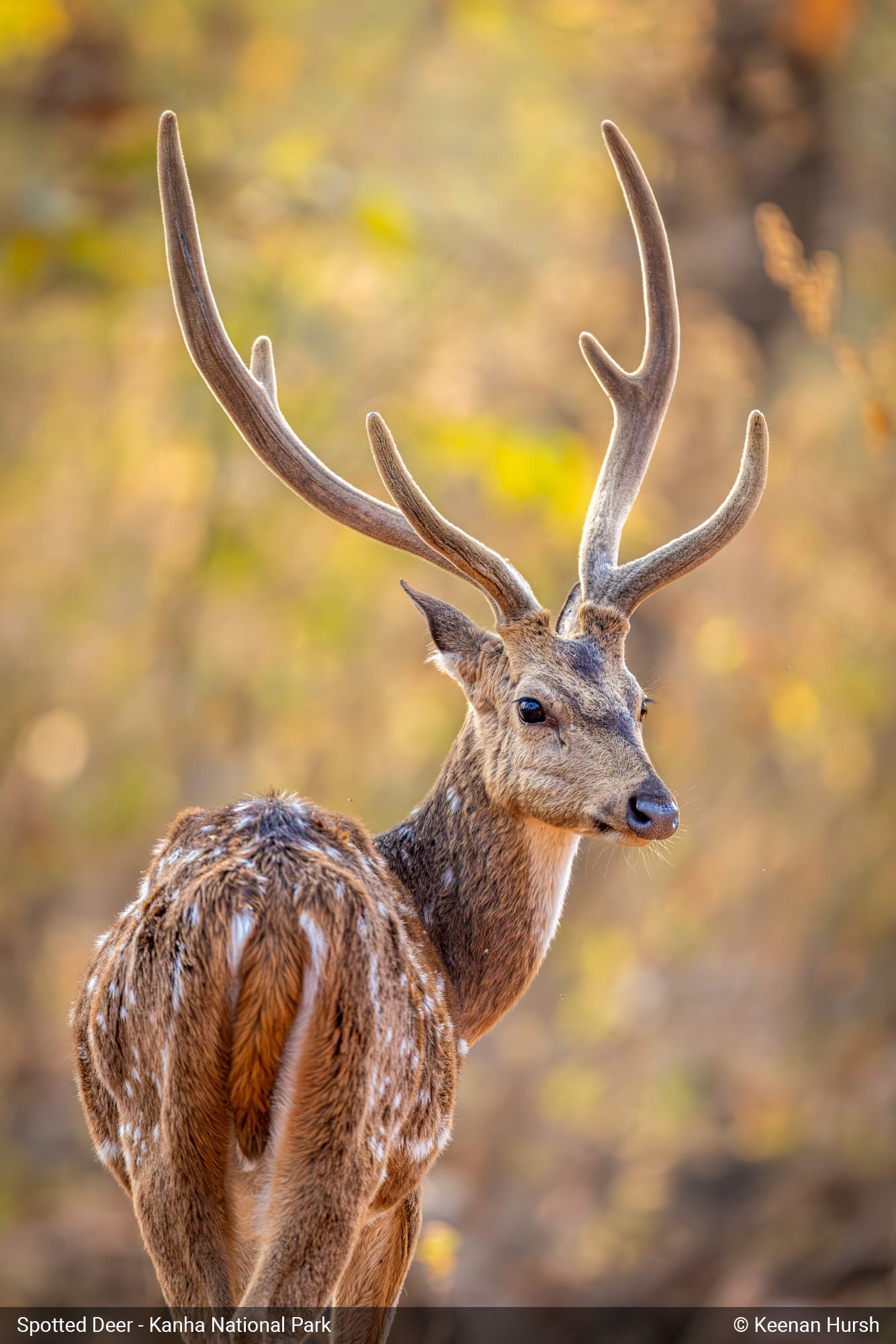
Keenan Hursh’s wildlife photography expedition to Bandhavgarh and Kanha National Parks in India was not only a personal and professional triumph, yielding special memories and images, but also a valuable empirical study into the capabilities of modern camera technology. The head-to-head comparison of the Canon EOS R5 and R5 Mark II demonstrated that while both are exceptional cameras, the Mark II offers a suite of enhancements that make it a compelling upgrade for dedicated wildlife and action photographers.
The decision between these two Canon bodies ultimately rests on a photographer’s specific needs and priorities. However, the Mark II’s advancements in autofocus, burst performance, and user experience represent a significant step forward, underscoring the relentless pace of innovation in the camera industry. For those still deliberating, Hursh’s recommendation to rent gear for real-world testing stands as a practical and insightful approach to making an informed decision. The journey of wildlife photography, supported by increasingly sophisticated tools, continues to inspire and enable the capture of the natural world’s most extraordinary moments.