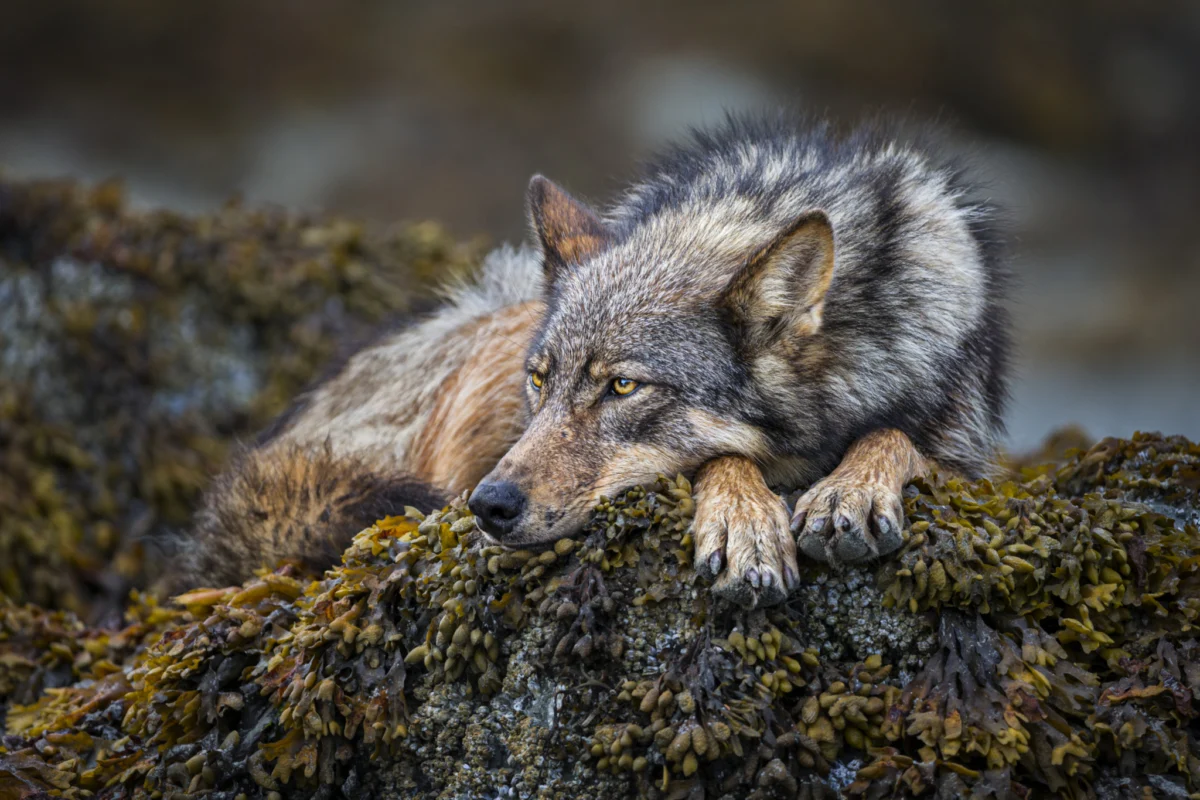
Thirty years ago, a daring expedition into the remote Canadian wilderness, specifically the aptly named Barren Grounds, just 300 miles north of the Arctic Circle, marked the beginning of a profound personal journey. For three months, the author traversed over 600 miles on foot and canoed an additional 2,000 miles through an unforgiving Arctic landscape. The primary objective was a personal test of endurance and self-reliance, coupled with a specific pursuit: to photograph tundra wolves. After weeks of arduous searching, a breakthrough occurred. A sighting of what was initially mistaken for a "flat, greyish rock" nestled amongst lupines revealed itself to be a lone wolf. This encounter, born from hours of patient observation and stealthy approach, initiated a long-standing engagement with these often-misunderstood creatures. Subsequent encounters have included extended periods of proximity to relaxed wolf packs, underscoring the critical role of patience and earned trust in interactions with these inherently shy and cautious animals. The rarity of wolf attacks on humans, with only a handful documented across North America in the past century, stands in stark contrast to the persistent, often archetypal portrayal of the "big bad wolf" in fiction, film, and folklore, a narrative deeply ingrained in human consciousness and a source of enduring fascination, or perhaps fear.
The Enduring Myth of the Malevolent Wolf
While contemporary understanding largely dismisses the literal interpretations of fairy tales like Little Red Riding Hood, the underlying fear associated with wolves continues to influence public perception. This ingrained apprehension, nurtured by generations of storytelling and mythology, often resurfaces when ecological balances appear to shift. The decline of prey populations, such as deer, frequently leads to wolves being swiftly identified as the primary culprits. This immediate scapegoating, however, overlooks a critical historical context: wolves have been an integral part of the North American ecosystem for an estimated 30,000 to 50,000 years, predating human arrival by tens of millennia. Their presence and ecological role are deeply woven into the fabric of the continent’s natural history.
Ecological Displacement: The True Agents of Habitat Destruction
The narrative of wolves as ecological disruptors pales in comparison to the profound and widespread devastation wrought by human industrial activities. The relentless expansion of infrastructure, including roads, extensive deforestation for timber and agriculture, and the extraction of natural resources through mining and drilling, have inflicted far more significant and lasting harm on wildlife populations and their habitats than wolves ever could. Despite this overwhelming evidence, a prevailing belief persists that controlling and eliminating wolf populations is a viable solution for restoring natural equilibrium.
Government-Sanctioned Culls and Industrial Pressures
This misguided approach is demonstrably evident in ongoing government-sanctioned wolf culls, often presented as necessary wildlife "management" strategies. In British Columbia, Canada, for instance, the provincial government has initiated a taxpayer-funded program targeting the extermination of approximately 4,000 wolves. This initiative operates concurrently with the continued push by corporate entities for resource extraction, including oil dredging and copper mining, activities that further degrade and fragment critical wildlife habitats. These policies, driven by a desire to control rather than understand ecological dynamics, perpetuate a cycle of environmental degradation.
A Shift in Perspective: Towards Accountability and Coexistence
The persistence of such practices highlights a fundamental disconnect in our approach to conservation. The author’s personal encounters with wolves, characterized by respect and patient observation, aim to foster a deeper understanding and appreciation for their intrinsic value and ecological significance. Villainizing apex predators that have played a vital role in maintaining ecosystem balance for millennia only serves to deepen a cycle of destruction. Each species, regardless of its perceived threat or misunderstanding, contributes to the intricate beauty and resilience of the natural world.
The Broader Implications of Misplaced Blame
The true challenge to planetary health lies not with the presence of apex predators, but with the systemic threats posed by unchecked industrial expansion, habitat destruction, and climate change. Shifting our focus from demonizing wildlife to addressing these broader, more pervasive issues is the crucial first step towards acknowledging the damage inflicted upon our planet and initiating the process of healing our fractured relationship with nature.
Data and Scientific Context
- Ancient Presence: Fossil evidence suggests that wolf-like canids have inhabited North America for at least 50,000 years. This long evolutionary history underscores their deep integration into the continent’s ecosystems.
- Ecological Role: As apex predators, wolves play a critical role in regulating prey populations, preventing overgrazing, and influencing vegetation dynamics. This "trophic cascade" effect can have far-reaching benefits for biodiversity and ecosystem health. For example, studies in Yellowstone National Park have shown that the reintroduction of wolves led to a resurgence in willow and aspen populations, which in turn benefited beaver colonies and songbirds.
- Population Dynamics: While wolf populations have faced significant declines due to historical persecution and habitat loss, some populations have shown resilience. However, ongoing threats from human activities, including habitat fragmentation and direct killing, continue to pose challenges to their long-term survival.
- Human Impact: Global data consistently shows that habitat destruction, pollution, and climate change are the leading drivers of biodiversity loss. The International Union for Conservation of Nature (IUCN) Red List of Threatened Species highlights these factors as primary threats to a vast majority of endangered species.
- Economic Drivers of Habitat Loss: Industries such as agriculture, logging, mining, and oil and gas extraction are major contributors to deforestation and land degradation. The expansion of these sectors often comes at the direct expense of natural habitats, displacing and endangering wildlife.
Historical Chronology of Wolf Persecution and Conservation Efforts
- Pre-European Settlement: Indigenous peoples in North America held diverse relationships with wolves, often characterized by respect, spiritual significance, and sometimes conflict, but generally with a deep understanding of their ecological role.
- 19th and 20th Centuries: With European settlement, wolf populations faced widespread persecution. Bounty programs were implemented across the continent, leading to drastic population reductions. Wolves were often viewed as a threat to livestock and a nuisance, leading to their eradication from many regions.
- Mid-20th Century: Growing awareness of ecological principles and the impact of species loss began to emerge. Conservation movements gained momentum, leading to a gradual shift in attitudes towards predators.
- Late 20th Century to Present: Reintroduction programs, such as the successful reintroduction of gray wolves to Yellowstone National Park in the mid-1990s, have demonstrated the feasibility and ecological benefits of restoring wolf populations. However, ongoing debates surrounding wildlife management, land use, and the conflict between human interests and predator conservation continue. Government-sanctioned culls, like the one in British Columbia, represent a continuation of older, more adversarial management philosophies.
Expert and Official Reactions (Inferred and General Trends)
While specific statements from all parties involved in the British Columbia wolf cull are not detailed in the provided text, general trends in responses to such management actions can be inferred:
- Government Agencies: Typically justify culls based on data suggesting negative impacts on prey populations (e.g., caribou herds) or livestock, often framing these actions as necessary for ecological balance or agricultural viability. They may highlight the scientific basis for their decisions, emphasizing population modeling and conservation goals.
- Conservation Organizations: Often express strong opposition to culls, arguing that they are ineffective, inhumane, and fail to address the root causes of ecological problems. They advocate for non-lethal management strategies, habitat protection, and a broader understanding of ecosystem dynamics. Many will point to the success of reintroduction programs and the vital ecological role of apex predators.
- Industry Representatives: May remain largely silent on the issue unless directly impacted, or may align with government justifications if wolf populations are perceived to affect resource availability or access to land.
- Indigenous Communities: Hold a wide range of views, often informed by traditional ecological knowledge and spiritual connections to the land. Some may support or oppose culls based on specific cultural perspectives and their understanding of the local ecosystem. Their input is increasingly recognized as crucial in modern conservation dialogues.
- Scientific Community: While consensus exists on the ecological importance of wolves, the scientific community may present a spectrum of views on specific management interventions. Some scientists may support targeted culls under specific, well-defined circumstances if supported by robust data and ecological modeling, while others will advocate for a complete cessation of lethal control measures.
Analysis of Implications: A Paradigm Shift in Conservation
The continued reliance on wolf culls, particularly in regions like British Columbia, signals a persistent adherence to outdated wildlife management paradigms. This approach prioritizes short-term, localized solutions over long-term, systemic ecological health. The implications are far-reaching:
- Ecosystem Disruption: The removal of apex predators can lead to cascading negative effects throughout an ecosystem, including overpopulation of prey species, altered vegetation patterns, and potential declines in biodiversity.
- Hindered Conservation Goals: By focusing on scapegoating wolves, efforts to address the true drivers of biodiversity loss – habitat destruction, climate change, and pollution – are diverted and diluted.
- Economic Inefficiency: Taxpayer-funded culls represent a significant financial investment that could be redirected towards more sustainable and effective conservation strategies, such as habitat restoration and the development of non-lethal conflict mitigation techniques.
- Erosion of Public Trust: Inconsistent and often contentious wildlife management policies can erode public trust in government agencies and undermine broader conservation efforts.
- Missed Opportunities for Coexistence: By fostering fear and animosity towards wolves, society misses opportunities to learn from and coexist with these integral components of our natural heritage, limiting our ability to develop innovative and collaborative conservation models.
The enduring myth of the "big bad wolf" continues to cast a long shadow, influencing policy and public perception in ways that often contradict scientific understanding and ecological reality. A genuine path towards restoring and protecting North America’s natural landscapes requires a fundamental shift in perspective, moving beyond fear and folklore to embrace accountability, embrace scientific understanding, and foster a relationship of respect and coexistence with all species, including the wolf.