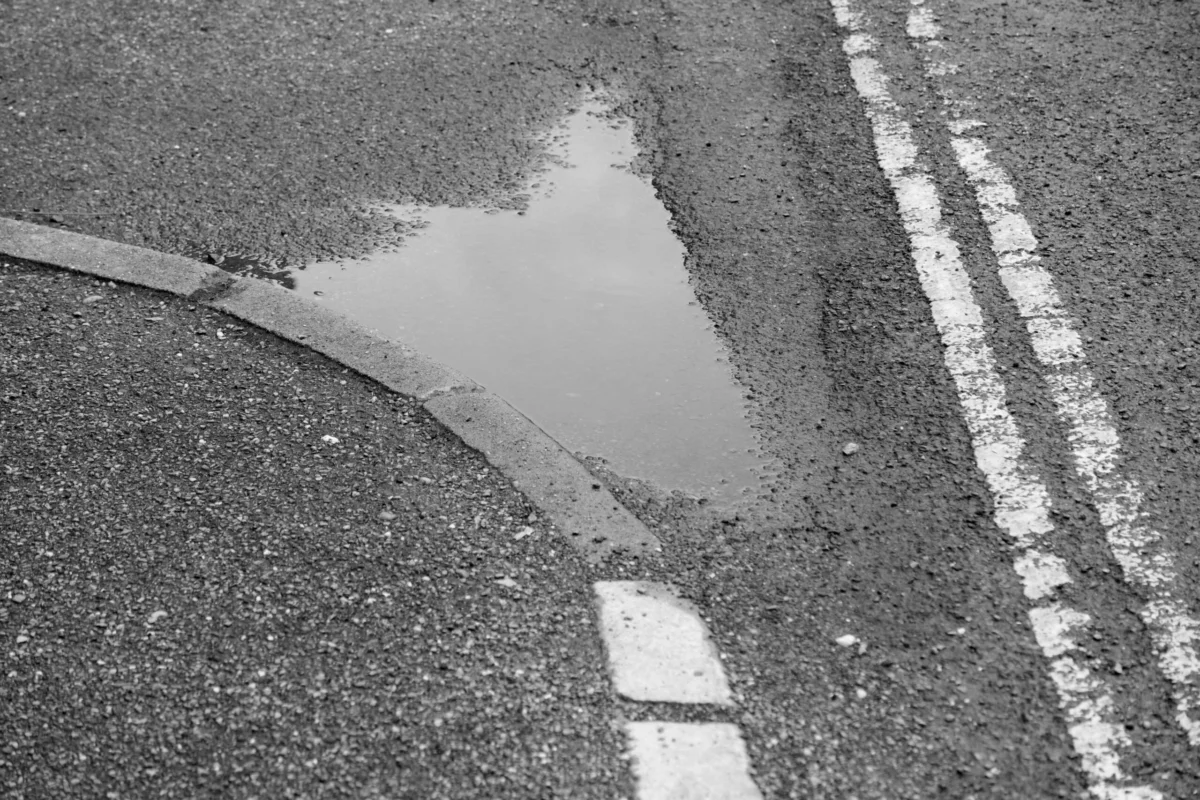
The summer of 2026 has officially entered the meteorological record as one of the most severe periods of heat and aridity ever documented in Southern England. Characterized by a relentless high-pressure system that remained stationary for months, the region faced unprecedented challenges regarding water security, agricultural stability, and urban temperature management. However, a significant atmospheric shift occurred during the overnight hours of August 18, 2026, bringing a profound downpour that served as a pivotal moment for both the environment and local observers. This transition from extreme desiccation to sudden saturation was meticulously documented through a series of photographic studies, capturing the fleeting moments of "the rain’s blessing" before the high temperatures of the following morning prompted rapid evaporation.
The Meteorological Context of the 2026 Heatwave
To understand the significance of the August 18 rainfall, one must examine the climatic extremes that preceded it. Southern England’s 2026 summer was defined by a "heat dome" effect, which saw temperatures consistently exceeding 35 degrees Celsius, with several peaks surpassing the 40-degree mark in urban centers like London and Bristol. According to preliminary data from the Met Office, rainfall totals for June and July were less than 10% of the long-term seasonal average.
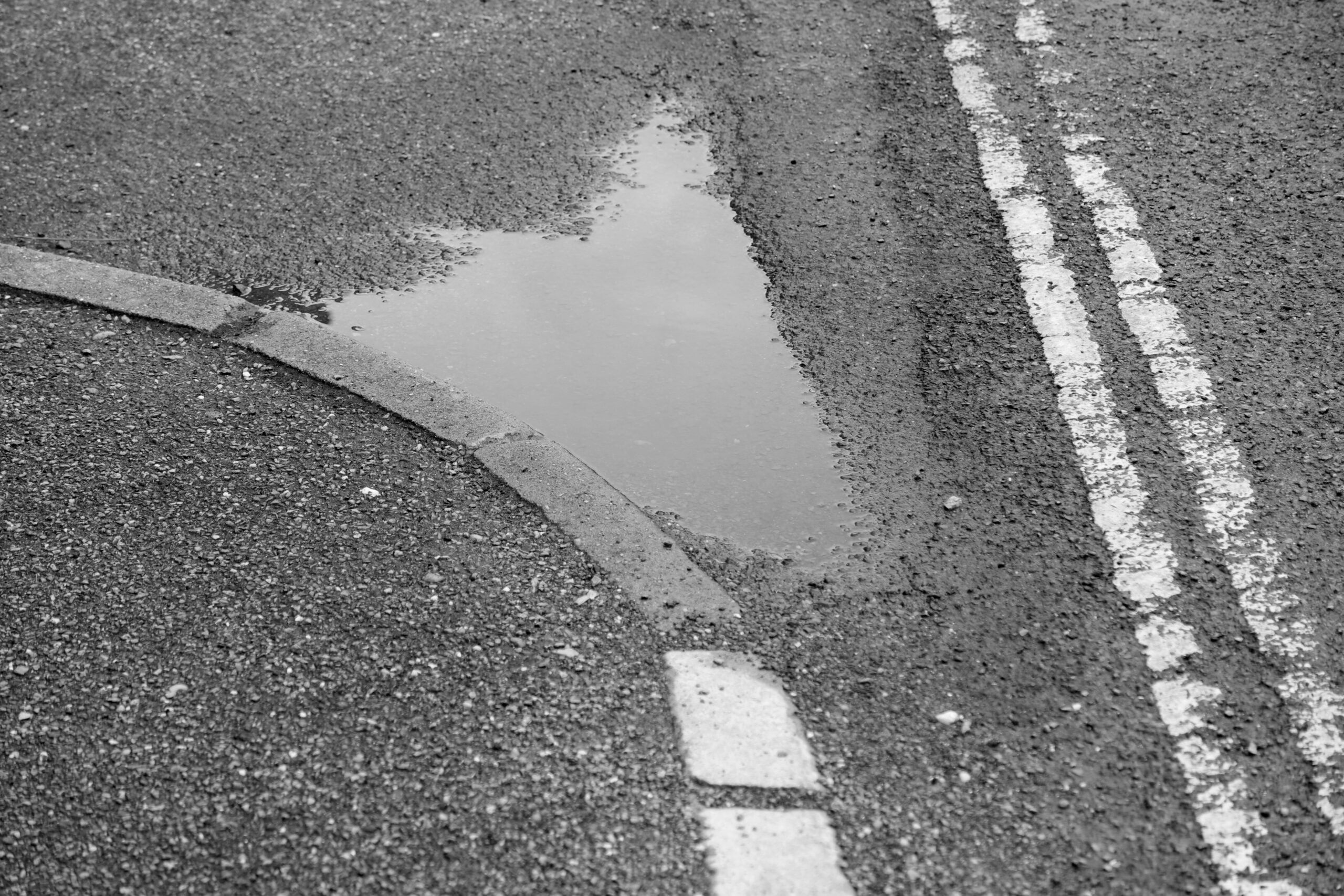
The environmental impact was visible across the landscape. Grasslands transitioned from vibrant green to a brittle, "golden" desiccated state, a phenomenon often referred to as "landscape curing." This lack of moisture led to widespread soil contraction, threatening the structural integrity of historical buildings and infrastructure. The sudden arrival of heavy rain on August 18 did not merely provide relief; it created a temporary, miraculous ecosystem of puddles and damp surfaces that stood in stark contrast to the months of drought.
Chronology of the August 18 Precipitation Event
The weather event began late in the evening on August 18, 2026, as a cold front moved in from the Atlantic, breaking the stagnation of the previous weeks.
- 22:00 – 02:00: Initial light showers began, primarily soaking the top layer of parched soil.
- 03:00 – 06:00: The intensity increased to a heavy downpour, leading to significant runoff as the hardened, hydrophobic soil struggled to absorb the volume of water.
- 07:00 – 08:30: The rain subsided, leaving behind deep puddles on non-porous surfaces such as concrete and tarmacadam. This period offered a rare window for documentation.
- 09:00 – 10:30: As the sun rose and temperatures climbed, rapid evaporation began. Within approximately ninety minutes, the visible vestiges of the rainfall—the reflections and damp patches—had largely vanished into the atmosphere.
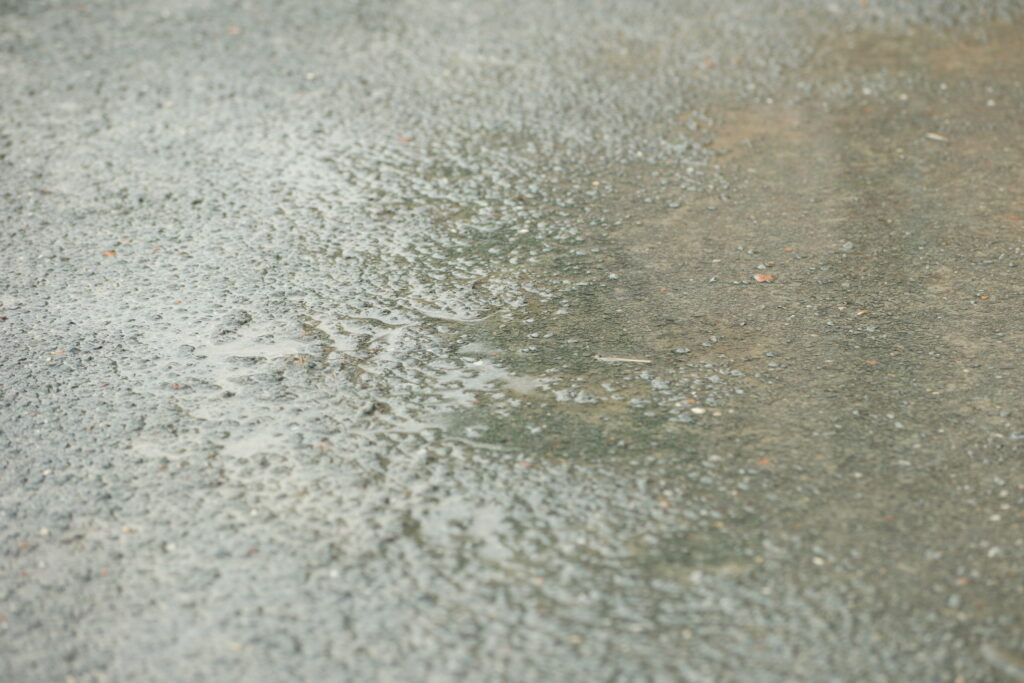
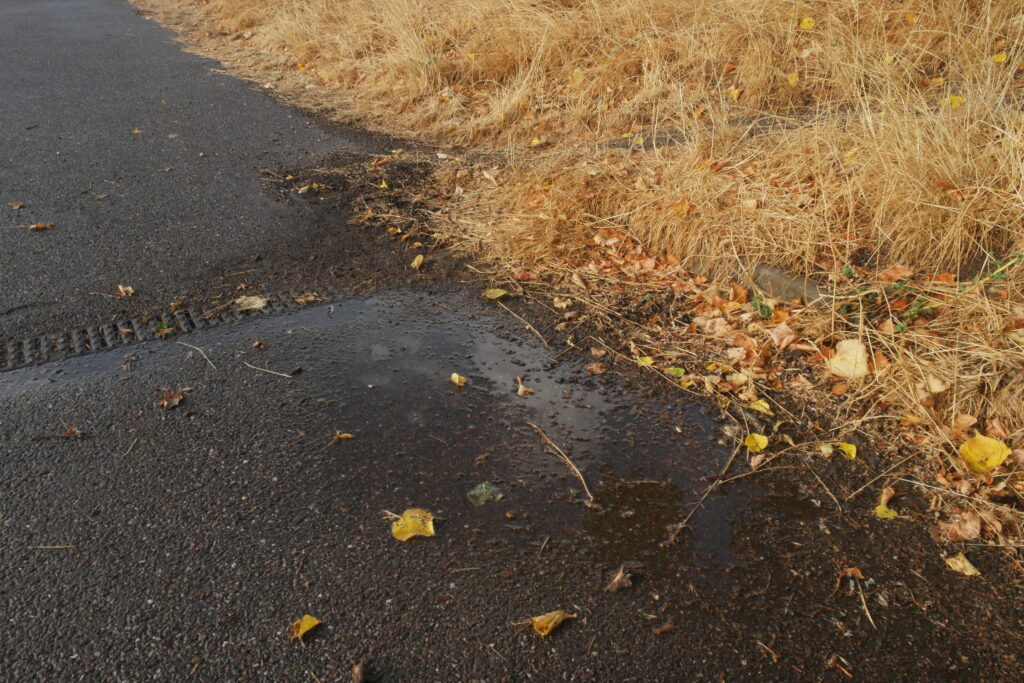
Photographic evidence collected during this window focuses on this rapid transition, documenting the "vestiges of the downpour" as a celebration of precipitation. The imagery highlights the juxtaposition of the "dessicated grass" against "wet concrete," providing a visual shorthand for the struggle between the drought and the sudden influx of water.
Technological Application: The Samsung NX500 Legacy
The documentation of this event was performed using a piece of legacy technology that remains highly regarded in 2026: the Samsung NX500. This choice of equipment provides an interesting case study in the longevity of high-quality digital imaging systems. Samsung, which established a formidable reputation for its NX series in the mid-2010s, effectively withdrew from the dedicated camera market shortly after the release of the NX1 and NX500 in late 2014 and early 2015.
Despite being over a decade old, the NX500 remains a "well-specified" tool for contemporary photography. The camera features a 28.2-megapixel APS-C BSI-CMOS sensor, which was considered leading-edge at its inception and continues to produce "superb images" by 2026 standards. The NX500’s compact, viewfinderless design makes it particularly suited for the low-angle, "shallow angle" shots required to capture reflections in shallow puddles.
For this specific project, two primary lenses were utilized:
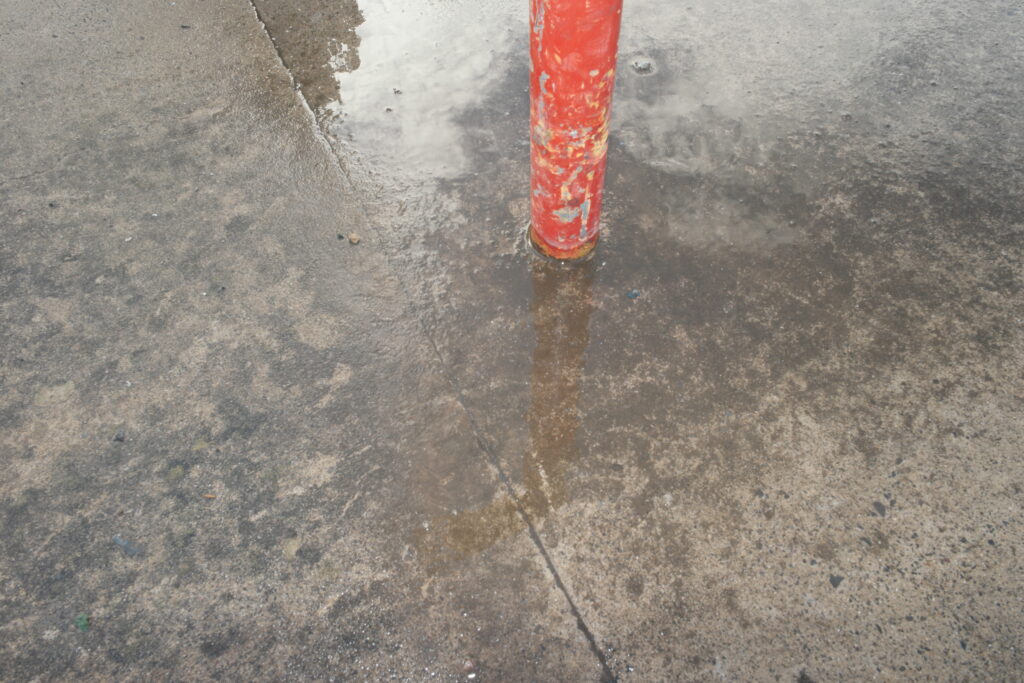
- The 60mm Macro Lens: Used primarily as a short telephoto lens. By standing at a distance from the focal point and framing at a shallow angle, the photographer was able to capture "unusual perspectives" and intricate reflections within the still surfaces of the water.
- The 16mm Wide Angle Lens: Used to capture broader environmental shots, such as the "skate park" and the "flood wall," where the scale of the drying surfaces could be fully appreciated.
The technical success of these images reinforces the argument that high-quality mirrorless compact system cameras (CSCs) from the 2010s possess a functional shelf-life far exceeding the typical consumer electronics cycle.
Photographic Analysis and Urban Perspective
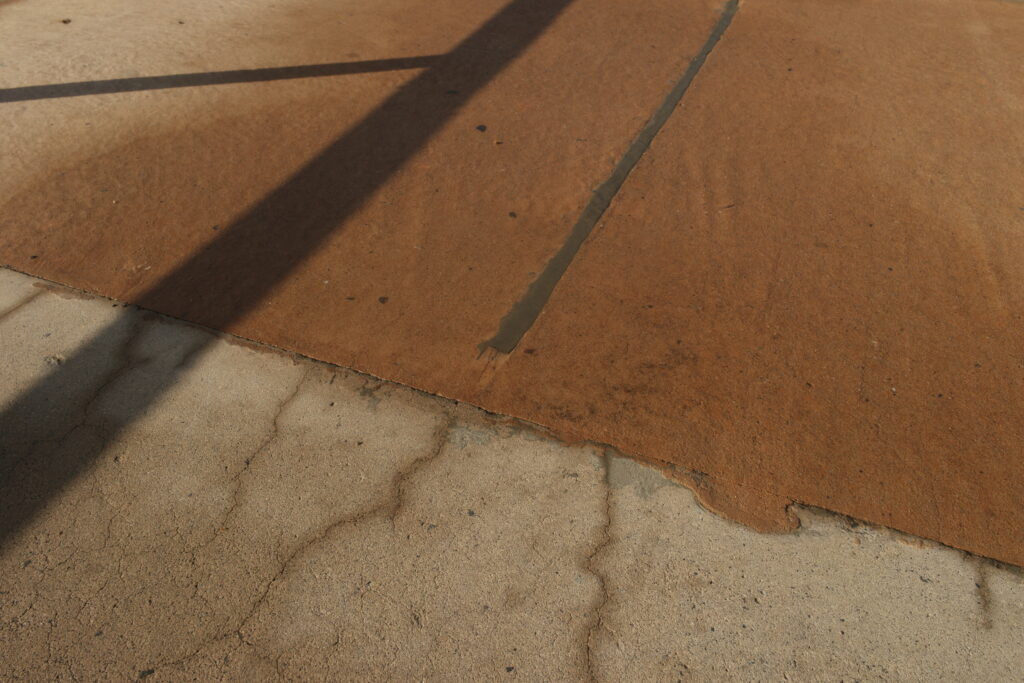
The resulting photographic series follows a narrative arc from "full puddles to nearly dry pavements." The compositions are not merely aesthetic; they are evidentiary. One notable image, titled "The Footpath," demonstrates the saturation of urban transit routes, while "The Skate Park" shows the interaction of water with smooth, industrial surfaces.
A recurring theme in the work is the contrast between the "golden" grass and the dark, wet tarmac. This color palette serves as a visual record of the 2026 climate: the gold representing the dormant, heat-stressed flora, and the dark grey representing the temporary respite of the rain. The photographer noted that images made "looking straight down into a puddle" were generally less successful than those taken at an angle, as the latter allowed for the inclusion of the surrounding environment within the reflection, creating a more complex layering of the urban landscape.
Comparative Environmental Studies: Heat vs. Humidity
The August 18 study is intended to be viewed alongside a companion piece titled "A Study in Deep Shade," which was recorded during a "ferociously hot morning" in the same vicinity earlier in the season. When compared, the two sets of images provide a comprehensive look at the "resilience of nature in an urban environment."
In "A Study in Deep Shade," the focus was on the struggle to find relief from the sun, whereas "After the Rain" focuses on the celebration of dampness. This duality highlights a critical aspect of 2026 urban ecology: the ability of the environment to survive extreme heat and its immediate, almost "miraculous" response to moisture. The rapid disappearance of the rain—vanishing "in the space of an hour or so"—underscores the intensity of the underlying heatwave, which remained the dominant climatic force despite the brief reprieve.
Official Responses and Broader Implications
While the photographic record provides a personal and artistic perspective, official bodies have echoed the significance of these weather shifts. The Environment Agency for Southern England issued several statements during the August 18 event, noting that while the rainfall was "highly welcome," it was insufficient to replenish depleted aquifers or end the official drought status.
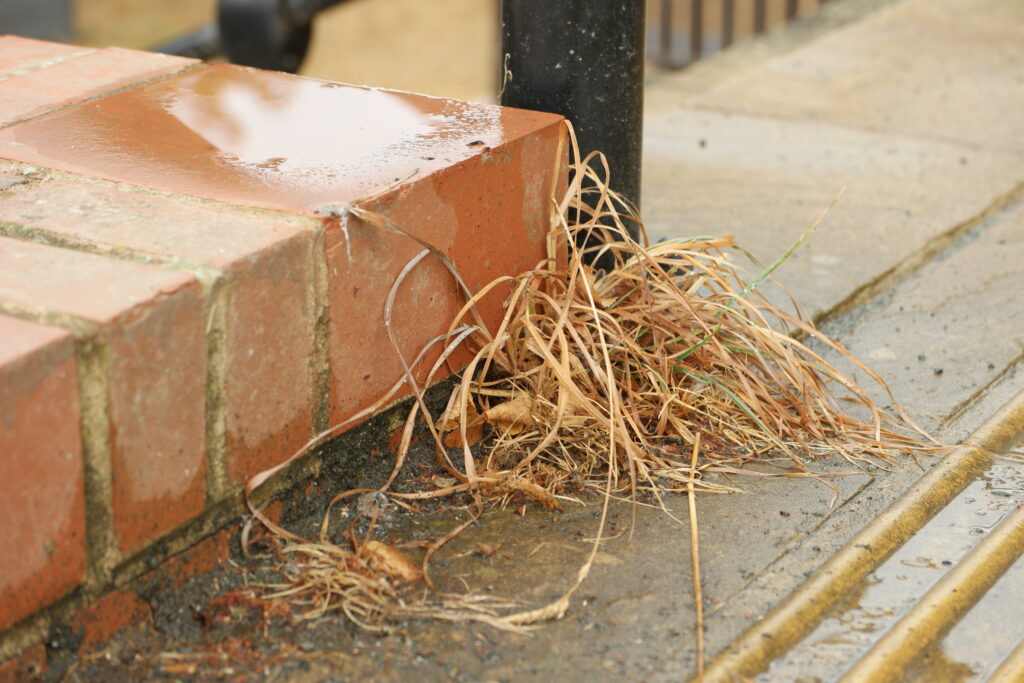
Experts in urban planning have pointed to the images of "drying surfaces" as a reminder of the "urban heat island" effect. In environments dominated by concrete and tarmac, water is quickly shed or evaporated rather than being absorbed into the ground to cool the local atmosphere. The "coloured marks in red, blue and yellow paint" visible on the drying pavements in the photographic series serve as a reminder of the human presence and the artificiality of the surfaces that nature must navigate.
The 2026 drought has prompted a re-evaluation of how Southern England manages its water resources. The "gratitude for a few hours of rain" expressed by residents and documented by observers is a sentiment that may become increasingly common as climate patterns continue to shift toward extremes.
Conclusion: The Intersection of Art and Climate Record
The photographic study of the August 18 downpour serves as both a technical validation of the Samsung NX system and a poignant environmental record. By documenting the "last vestiges of the rain" as they "evaporate into the atmosphere," the work captures a moment of transition that is emblematic of the current era.
As Southern England continues to adapt to the realities of a changing climate, these visual records provide essential context. They celebrate the "resilience of nature" while acknowledging the fragility of the "blessing" provided by a single night of rain. The intersection of legacy digital technology and contemporary environmental observation offers a unique perspective on how we perceive and record the world in 2026—a world where a simple puddle can be seen as a miracle and a decade-old camera can still capture the complexity of a changing planet.