The ongoing discourse surrounding the definition of street photography, a recurring debate among photographic communities, often centers on establishing rigid boundaries for what constitutes the genre. However, a closer examination suggests that the focus on defining street photography is misdirected, potentially stifling creativity rather than fostering it. The core issue, as articulated by many practitioners and observers, lies not in the adherence to a prescriptive set of rules, but in the pursuit of creating genuinely compelling and impactful photographic work. This persistent quest for definition, while perhaps stemming from a desire for clarity in an increasingly saturated visual landscape, may be leading to a homogenization of photographic output, particularly within the street photography domain.
The proliferation of digital photography and the subsequent explosion in image creation have undeniably complicated the categorization of visual art. With billions of photographs produced daily, the need to delineate genres like street, landscape, or portraiture becomes more pronounced. Yet, this very act of defining can be a double-edged sword. When photographers become preoccupied with adhering to a predefined "recipe" for street photography, the risk of producing derivative and uninspired images escalates. This phenomenon is readily observable, with many online platforms showcasing a recurring visual lexicon that, while perhaps technically proficient, lacks originality and distinctiveness.
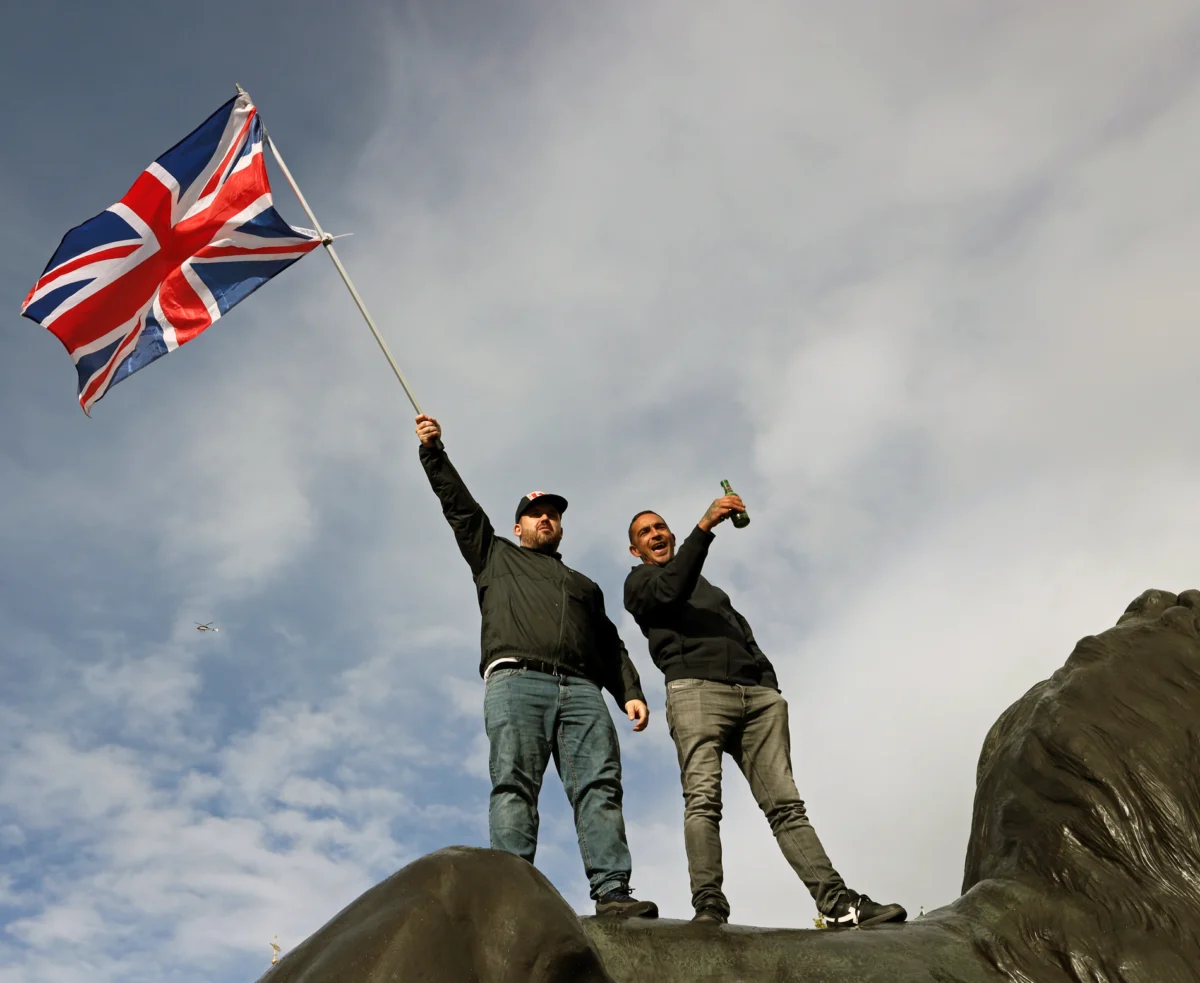
This tendency towards predictable imagery presents a significant hurdle for street photography seeking to attract a broader commercial audience, especially contemporary approaches to the genre. The visual landscape is often dominated by familiar tropes: the solitary figure under an umbrella navigating a rain-slicked street, the archetypal elderly gentleman in a fedora silhouetted against dramatic light and shadow, or the ubiquitous juxtaposition of a young individual against a vibrant graffiti backdrop. Scrolling through popular social media feeds dedicated to street photography can feel akin to observing a performance of well-rehearsed cosplay, where identical umbrellas, predictable silhouettes, and a specific aesthetic, often associated with certain camera brands like Leica, are endlessly replicated. The very "decisive moment" that Henri Cartier-Bresson famously championed, a cornerstone of traditional street photography, has become a formula, recreated thousands of times over, ironically rendering a genre that thrives on spontaneity into something painfully predictable.
This situation bears a striking resemblance to the unintended consequences of curated literary lists, such as the Oprah Book Club, which, in its early days, inadvertently established a formula for authors. This led to a wave of novels that, while commercially successful, often adhered to a predictable narrative structure and thematic content, resulting in a generation of "cookie-cutter Oprah novels." Similarly, rigid definitions of street photography can compel photographers to create images that satisfy an external checklist rather than pursuing their own authentic vision. This approach appears to be actively stifling creative exploration. The sentiment among many experienced photographers is that judging contemporary street photography competitions has become a dispiriting experience, with a significant portion of submissions feeling remarkably similar, as if produced by a single, albeit prolific, individual.
The Evolving Nature of Street Photography
The fundamental question then arises: what truly defines a street photograph? Does it necessitate the presence of a human subject, or an urban environment? While these questions are valid and have been the subject of extensive analysis in numerous articles and discussions, they might be more productively viewed as prompts for contemplation rather than definitive problems requiring absolute solutions. Each attempt to impose a strict answer invariably encounters exceptions, challenging the universality of the proposed rule.
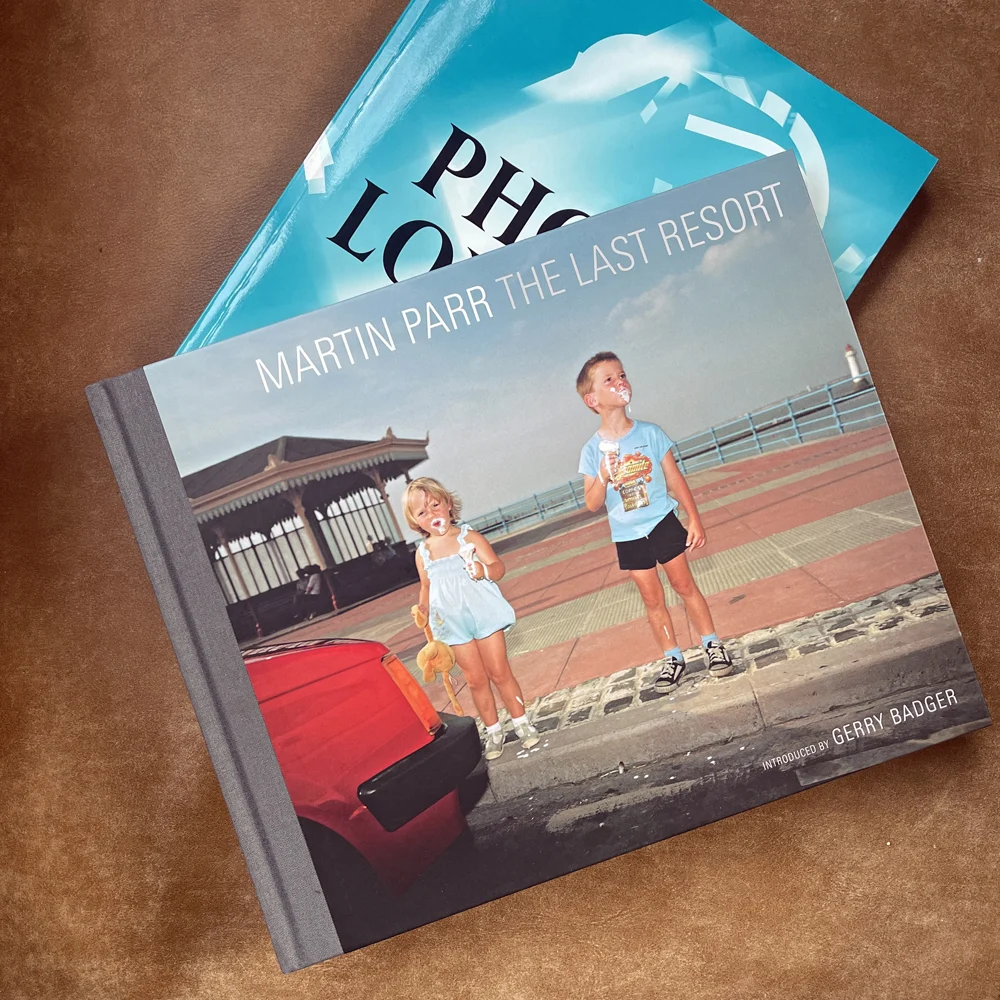
Consider, for instance, the criterion that a street photograph must feature an urban landscape. This definition would inadvertently exclude photographers working in rural or remote settings, a scenario that many find incongruous with the spirit of the genre. Martin Parr’s iconic photographs of British seaside resorts, which often capture moments of everyday life and human interaction in distinct locales, are widely accepted as street photography. Similarly, William Eggleston’s seminal photograph of a tricycle, devoid of any human presence and set against a seemingly ordinary backdrop, is nonetheless a celebrated work within street photography discourse. These examples underscore the inherent complexity and fluidity of the genre when attempts are made to confine it within rigid boundaries.
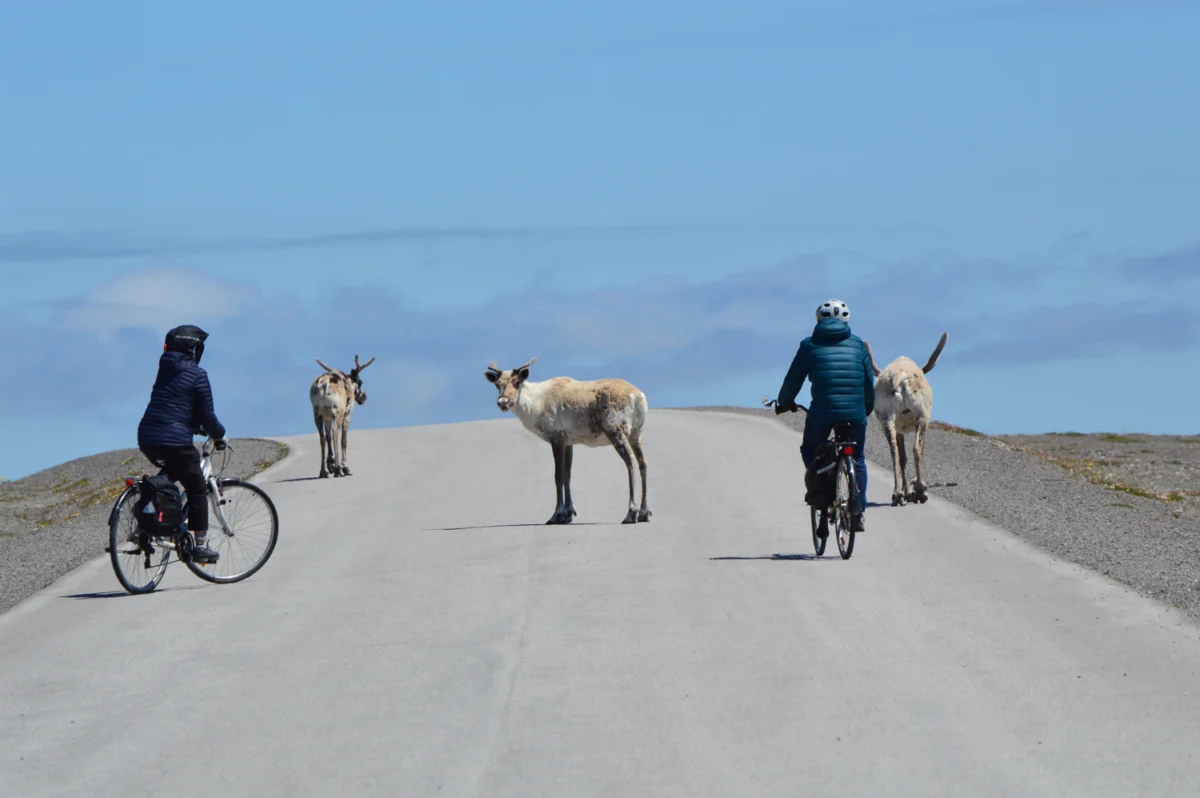
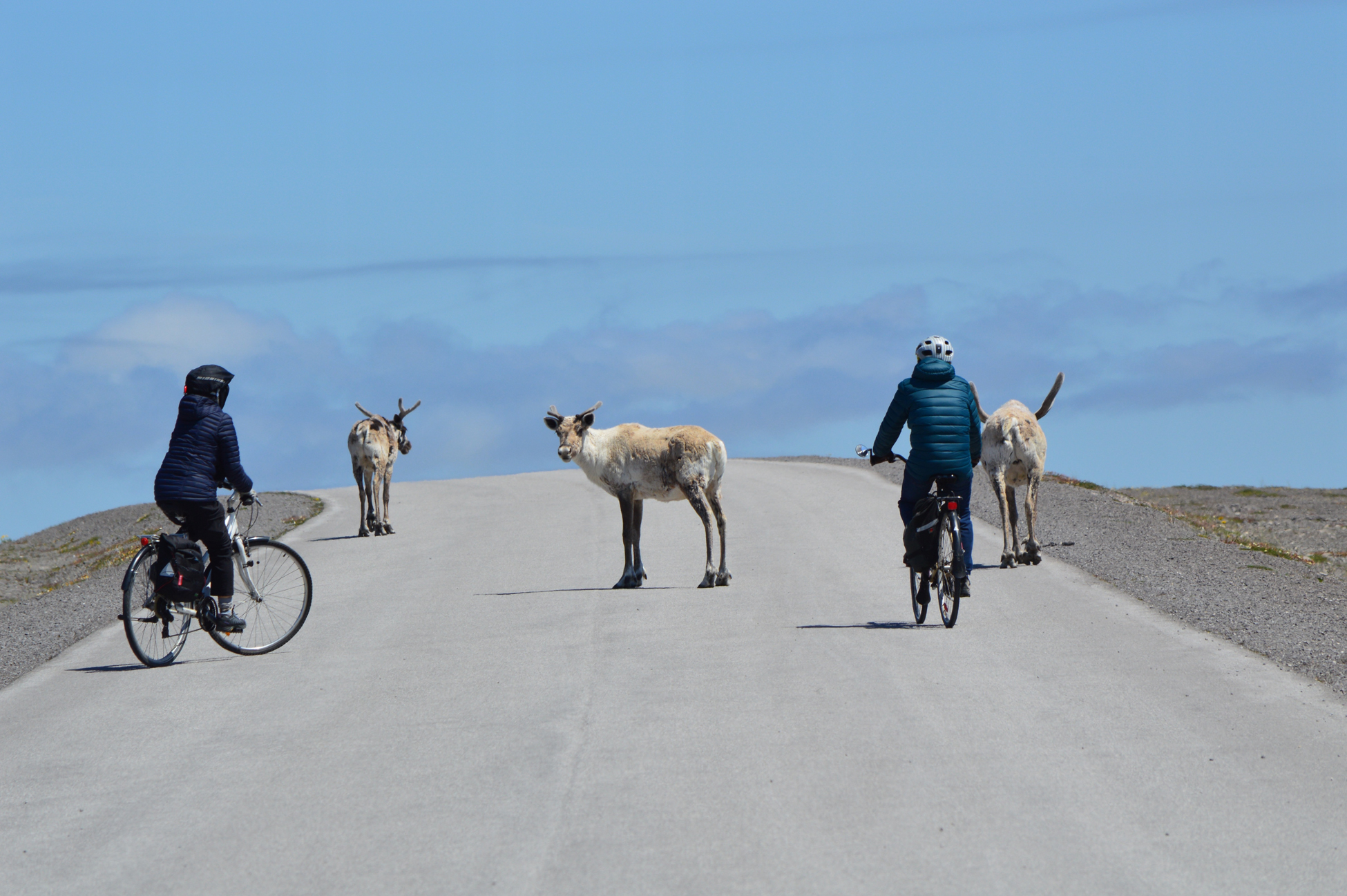
The photograph of a young woman standing on a rugged coastline, captured by Canadian painter and photographer Susan N. Sweet (the author’s aunt), exemplifies this ambiguity. Taken in Newfoundland during the summer, its classification as "street photography" is open to interpretation. Yet, it was this image that sparked a profound reflection on the very essence of the genre and its potential limitations.
Rethinking Genre and Artistic Expression
This leads to a more fundamental inquiry: does street photography even need to exist as a distinct genre? The author, like many artists, advocates for allowing photographs to communicate on their own terms, without the imposition of labels or categories. The ideal is for images to be open to individual interpretation, speaking directly to the viewer. In this paradigm, great photographs are seen as the creators of genres, rather than genres dictating the creation of great photographs.
While acknowledging that genres will continue to play a role in categorizing artistic endeavors across various disciplines—music, cinema, and painting included—the proposal is for a more expansive and inclusive perspective when evaluating what might fall under the umbrella of street photography. The emphasis should shift away from catering to social media algorithms and the labels they promote, and instead, concentrate on the content and intent behind the lens. Photographers should be granted the freedom to create before they feel compelled to categorize.
The criteria for a compelling photograph, regardless of genre, often involve its ability to captivate, challenge, or alter one’s perception of the world. When an image achieves this, its inherent quality often transcends the need for strict classification. The moment a definition transforms into a rigid checklist, the vital spark of creativity begins to diminish.
The Cost of Excessive Definition
The more time a community dedicates to debating definitions, the less time is allocated to producing memorable and impactful work. History, in art and in broader culture, tends to celebrate those who challenge conventions and redefine boundaries, not those who meticulously adhere to existing rules. The legacy of artistic movements is built upon groundbreaking creations that subsequently inform and shape the very categories we use to understand them. Therefore, the focus on refining the definition of street photography, while understandable in a world awash with images, may ultimately be counterproductive to the genre’s own evolution and vitality. The true measure of street photography, as with any art form, should rest on the power and resonance of the photographs themselves, not on an ever-expanding and often contentious rulebook.
The digital age, with its unprecedented accessibility and volume of image creation, presents both opportunities and challenges for artistic expression. While the democratization of photography has empowered countless individuals to capture and share their perspectives, it has also led to a deluge of visual content, making it increasingly difficult for individual works to stand out. This environment naturally fosters a desire for clarity and order, leading to the proliferation of genre definitions and critical frameworks. However, in the pursuit of this order, there is a tangible risk of inadvertently stifling the very innovation and individuality that defines compelling art.
The debate around street photography’s definition is not merely an academic exercise; it has tangible implications for how photographers approach their craft and how their work is perceived and valued. When photographers feel constrained by prescriptive definitions, their creative process can become an act of compliance rather than exploration. This can lead to a loss of personal voice and a reluctance to experiment with unconventional approaches. The pressure to conform to perceived genre norms can be particularly acute in the context of online platforms and competitions, where visibility and recognition are often tied to adherence to popular trends.
Furthermore, the commercial viability of street photography can be directly impacted by these definitional debates. If the genre becomes too narrowly defined, it may alienate potential clients or patrons who are seeking authentic and original visual narratives. A broader and more inclusive understanding of street photography, one that prioritizes artistic merit and emotional impact over strict adherence to a checklist of characteristics, could open up new avenues for its appreciation and integration into various commercial and cultural spheres.
The historical context of photography reveals a similar pattern of evolving definitions. Genres that are now well-established, such as landscape photography, were once subject to similar debates about their legitimacy and artistic value. Early landscape photographers faced skepticism and criticism for their focus on what was then considered mundane subject matter. It was through the persistent efforts of artists who pushed the boundaries of the medium, who saw beauty and meaning in the world around them, that landscape photography eventually gained recognition as a distinct and respected genre.
The work of photographers like Ansel Adams, whose majestic portrayals of the American West helped define the genre, or the more intimate and personal landscapes of photographers like Sally Mann, demonstrates the diverse range of expression that can exist within a single genre. These artists did not achieve their impact by strictly adhering to a predetermined set of rules, but by developing a unique vision and finding innovative ways to translate that vision into compelling images.
In the realm of street photography, the legacy of pioneers such as Eugène Atget, whose meticulous documentation of Paris laid foundational groundwork, or the humanistic observations of Vivian Maier, whose prolific work was only discovered posthumously, highlights the enduring power of individual perspective. These artists, whether consciously or unconsciously, expanded the possibilities of what street photography could be. Their contributions were not dictated by pre-existing genre definitions, but rather, they contributed to shaping them through their groundbreaking work.
The current discourse, therefore, represents a critical juncture for street photography. The ease with which images can be shared and consumed globally means that these discussions have a far-reaching impact. The potential for a dominant, restrictive definition to become entrenched is a genuine concern. However, the very fluidity that the digital age has brought to image-making also offers an opportunity for a more inclusive and dynamic understanding of street photography to emerge.
The call for "better photographs" rather than "more rules" is a powerful one. It advocates for a return to the fundamental principles of artistic creation: observation, insight, and the ability to connect with an audience on an emotional or intellectual level. When a photograph possesses these qualities, its classification becomes a secondary consideration. The impact of the image, its ability to provoke thought or evoke feeling, is what truly matters.
The author’s suggestion to treat questions of genre definition as rhetorical, as prompts for thought rather than definitive answers, is a pragmatic approach. It encourages a more open-ended and exploratory mindset, allowing for a wider range of photographic practices to be embraced under the broad banner of street photography. This approach not only liberates photographers to pursue their individual visions but also enriches the genre by incorporating diverse perspectives and approaches.
Ultimately, the future of street photography, like that of any evolving art form, will be shaped by the photographers who dare to break the mold, who prioritize authenticity over conformity, and who strive to create work that resonates with depth and originality. The pursuit of creating impactful, memorable images should supersede the obsession with adhering to rigid, and often arbitrary, definitional boundaries. The photographic community’s energy would be better spent fostering environments that encourage experimentation and celebrate unique artistic voices, rather than perpetuating debates that risk homogenizing the very essence of street photography. The enduring power of art lies in its ability to transcend categorization and speak directly to the human experience, a goal that requires freedom and inspiration, not a set of restrictive rules.