The realms of street photography and photojournalism, while often appearing to overlap, represent distinct and fundamentally different approaches to capturing the human experience through a lens. Both genres rely on candid observation, an acute awareness of decisive moments, and a keen eye for composition, yet their core intentions, ethical frameworks, and ultimate objectives diverge significantly. Understanding these distinctions is crucial for appreciating the unique contributions each makes to visual culture and public discourse.
The Essence of Photojournalism: Factual Reporting and Contextual Truth
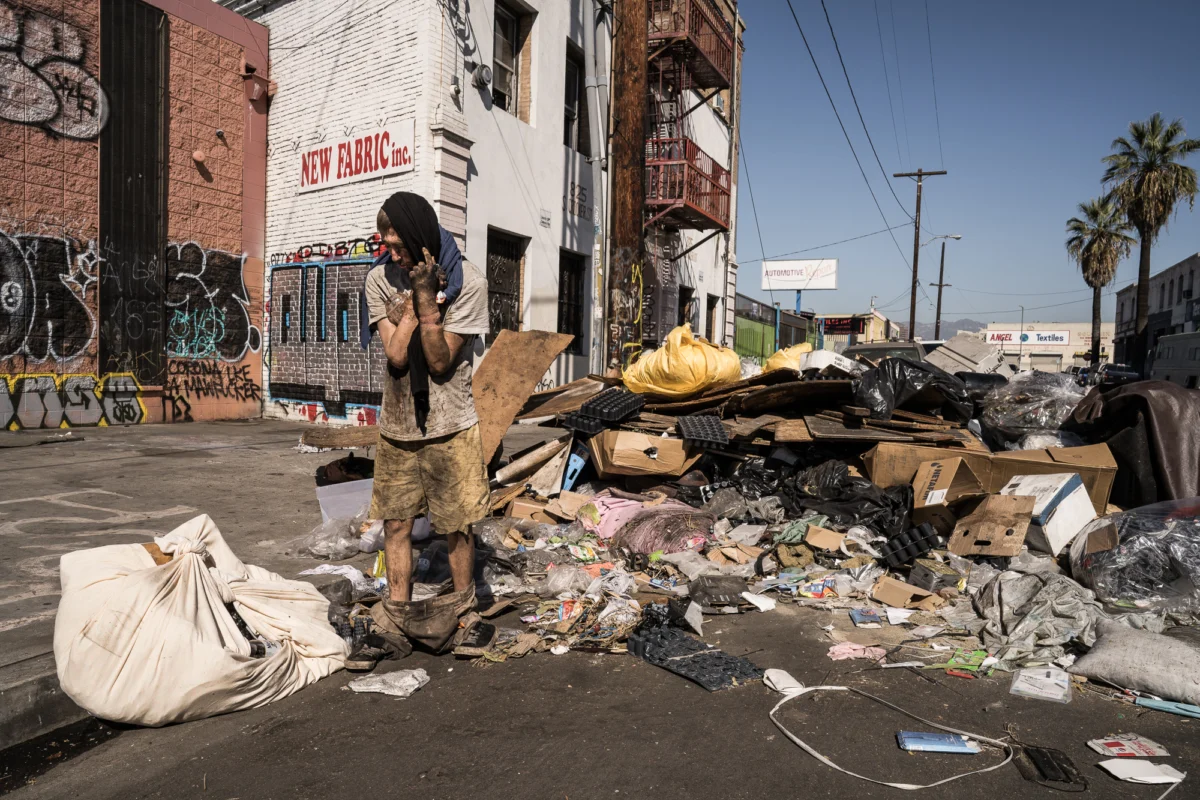
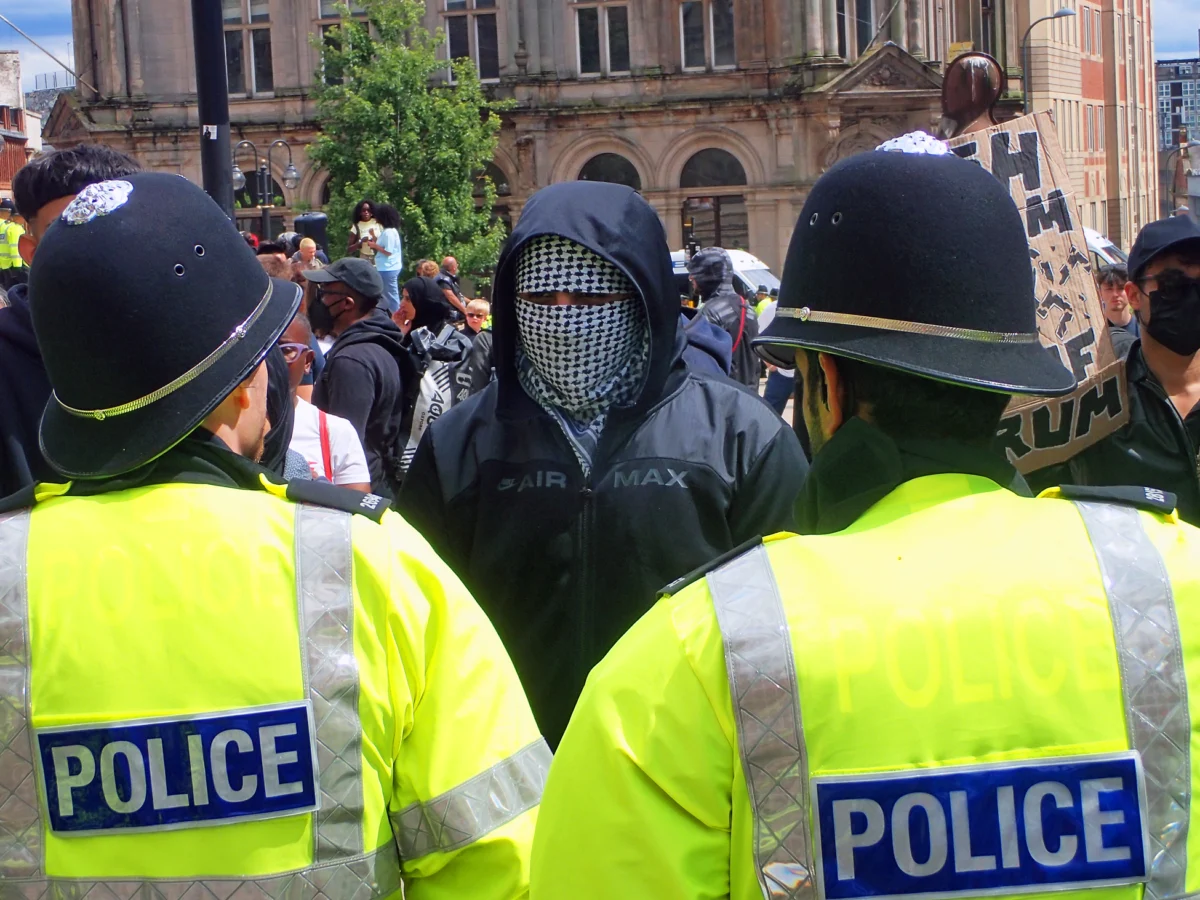
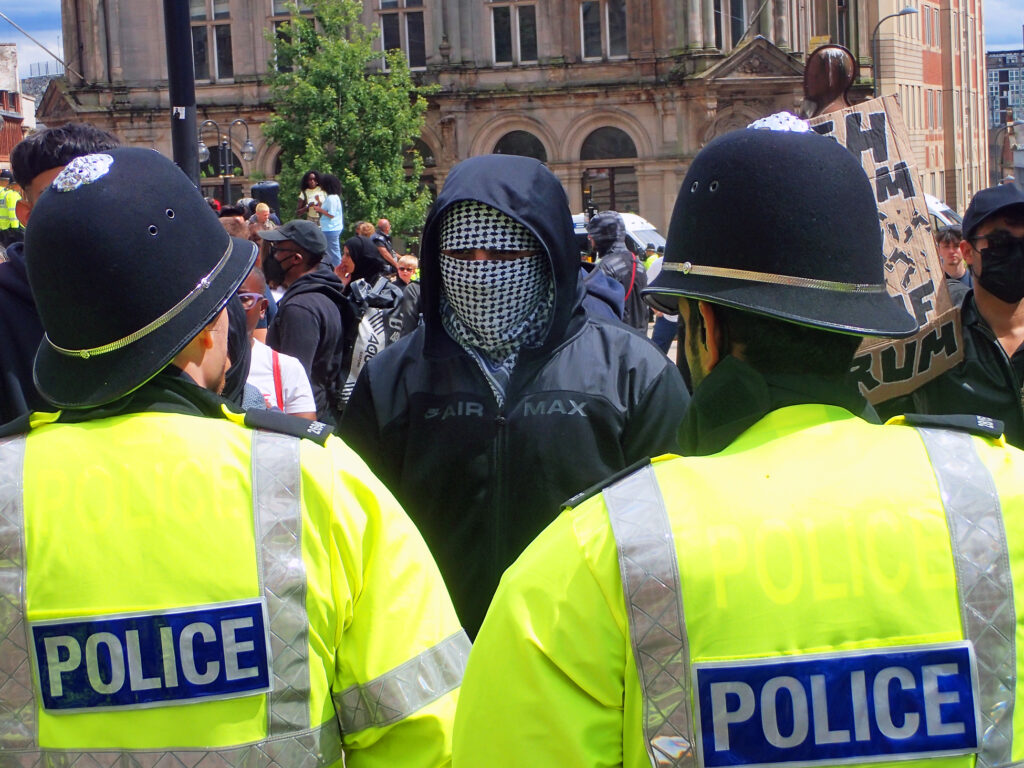
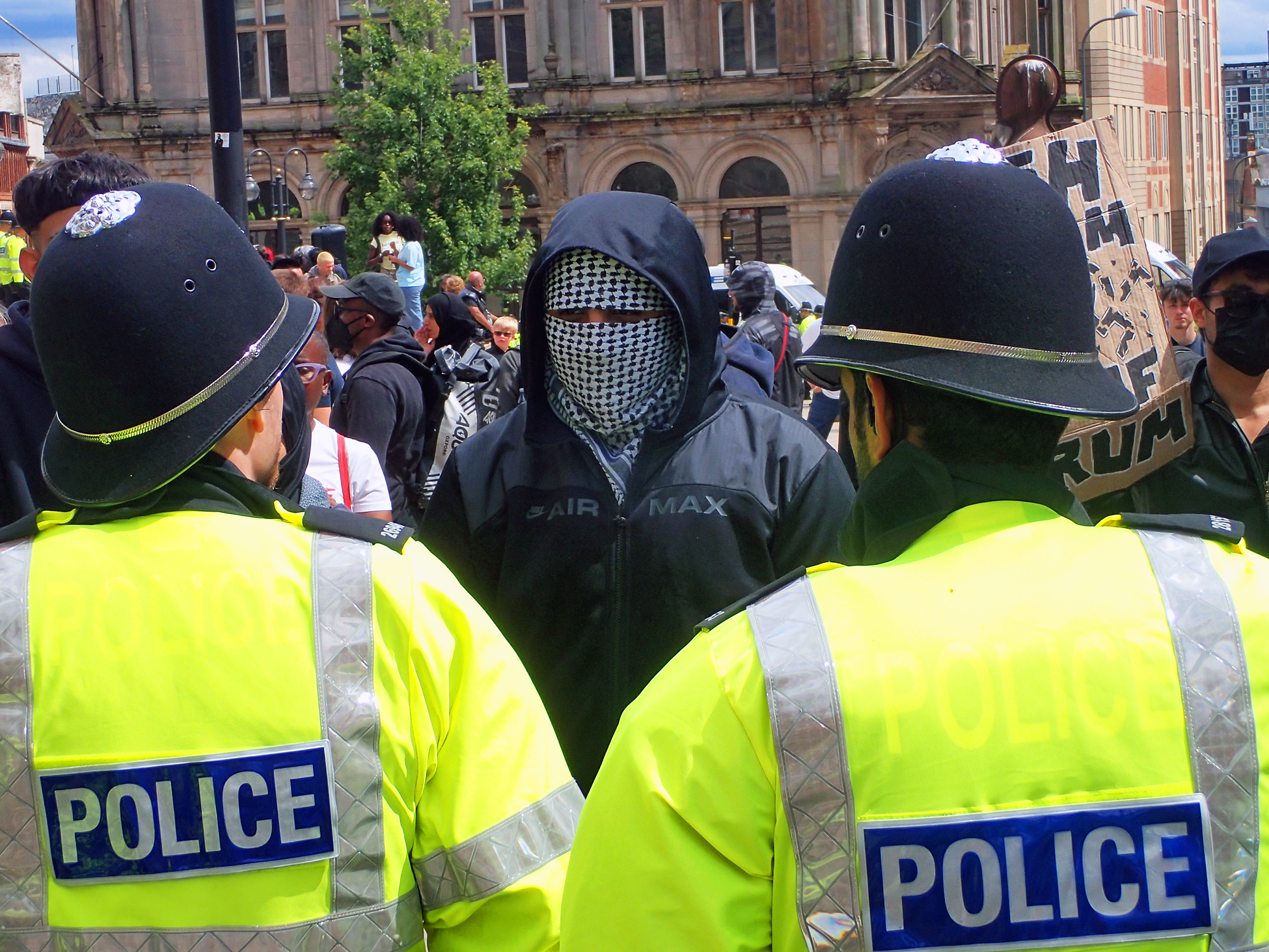
Photojournalism, at its heart, is an act of reporting. Its primary duty is to convey factual information about news events and societal happenings with accuracy and clarity. The aim is to inform an audience, providing a visual record that complements or even leads journalistic narratives. This genre operates under stringent ethical guidelines, emphasizing objectivity and minimizing manipulation to ensure the integrity of the information presented. Photojournalists are often employed by media organizations, tasked with documenting stories for publication and consumption by a broad public. Their work is frequently characterized by a need for contextualization, where images are not only compelling but also provide essential background for understanding the event they depict.
The production of photojournalistic work often involves a proactive approach, where photographers are assigned to cover specific events, follow developing stories, or document ongoing issues. While candid moments are inherent to many news situations, the overall process is geared towards gathering evidence and creating a comprehensive account. The ethical obligations for photojournalists are profound, encompassing responsibilities to their subjects, their audience, and the truth itself. This includes navigating complex issues of consent, privacy, and the potential for harm, especially when documenting sensitive or traumatic events. The pursuit of objectivity, though often an ideal rather than an absolute achievable state, guides their practice, aiming to present events as faithfully as possible, free from overt personal bias.
The Art of Street Photography: Capturing the Unscripted and the Evocative
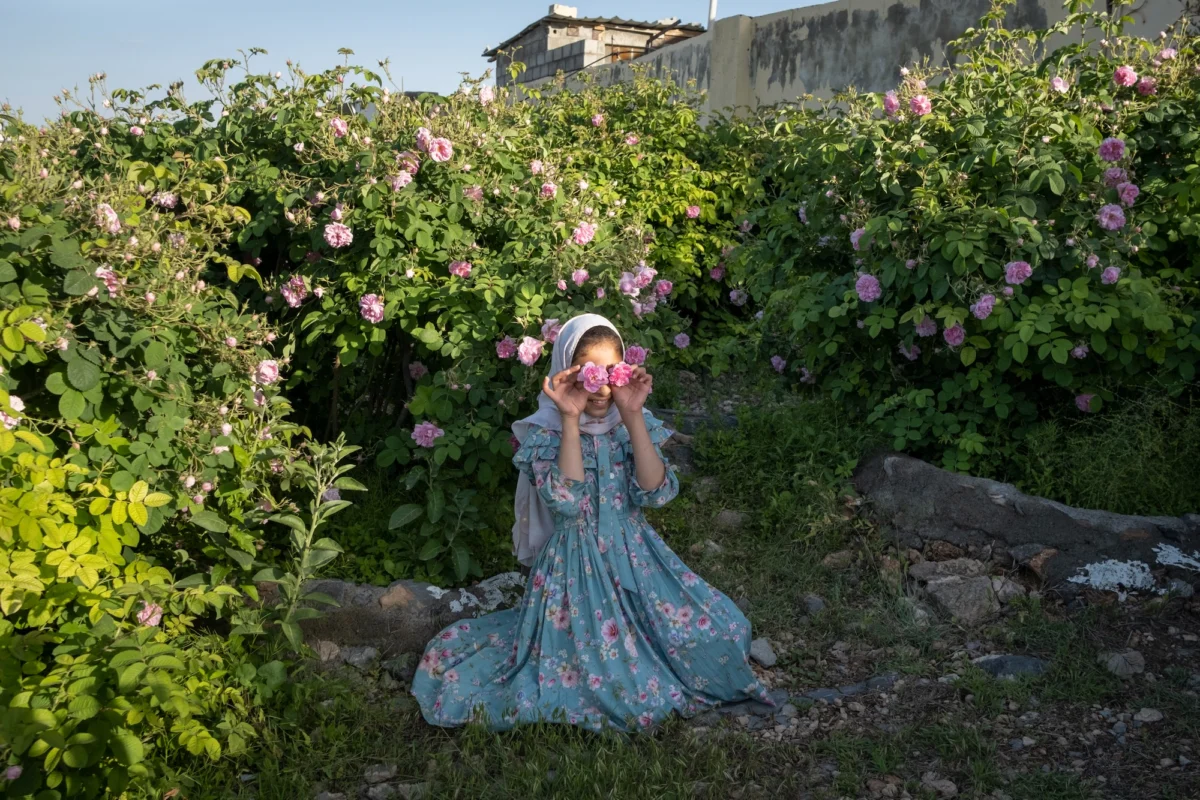
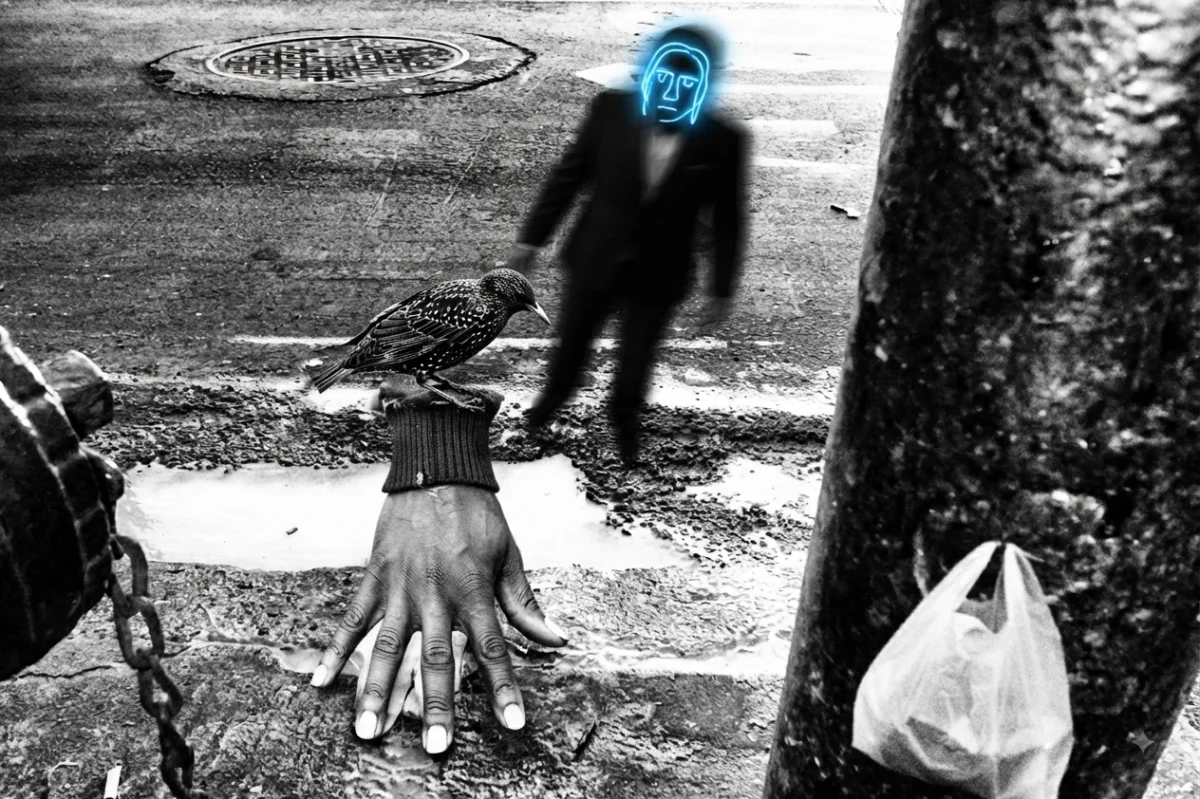
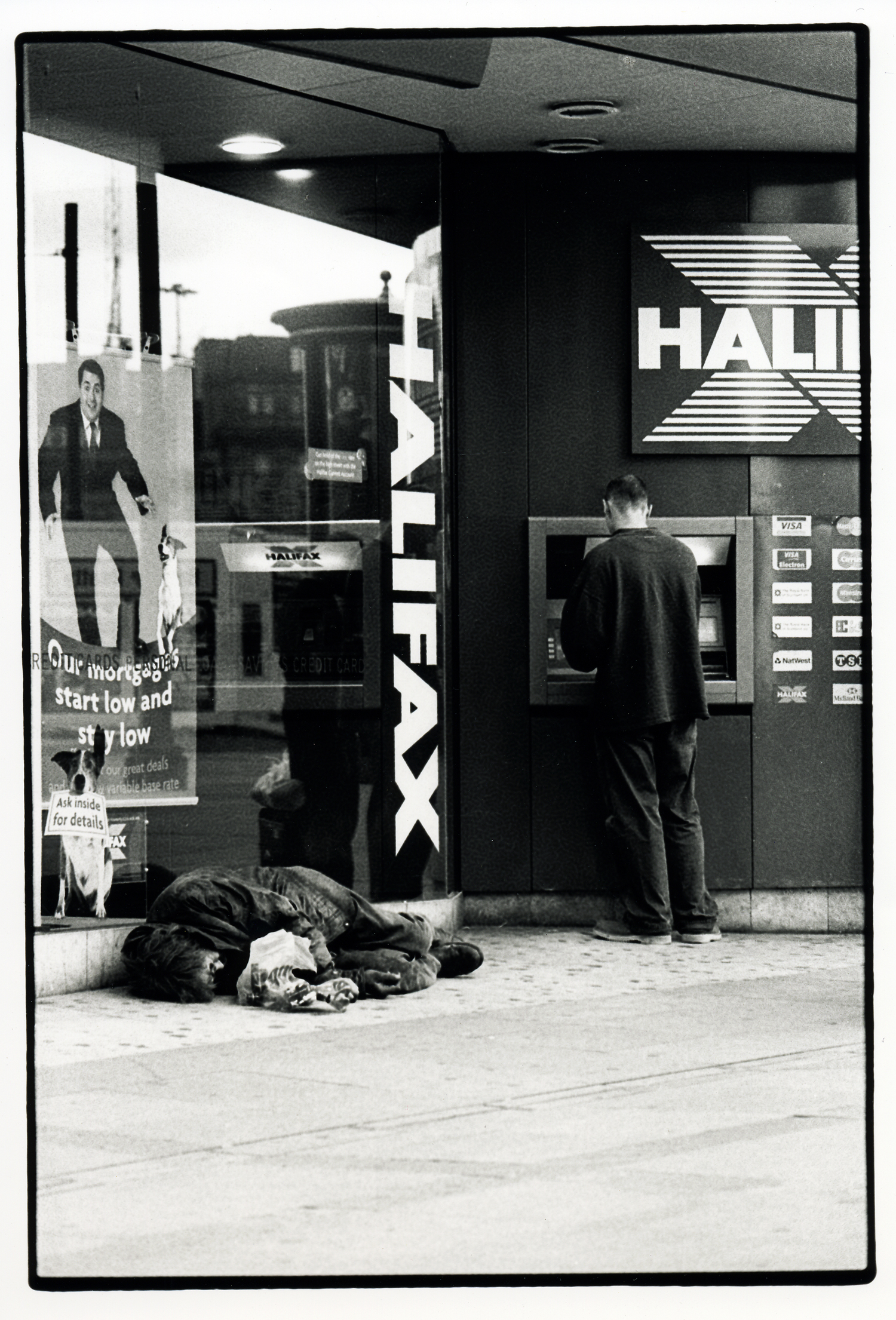
Street photography, in contrast, is primarily an artistic endeavor. It focuses on capturing candid, often serendipitous images of everyday life, particularly within urban environments. The allure of street photography lies in its ability to reveal the poetry, humor, juxtapositions, and underlying narratives of ordinary moments. While it can certainly document events, its intention is not necessarily to provide factual reporting in the journalistic sense. Instead, street photographers often seek to evoke mood, provoke thought, and offer a unique personal vision of the world. Ambiguity and open interpretation are frequently embraced, inviting the viewer to engage with the image on a more personal and emotional level.
The practice of street photography is inherently reactive, relying on the photographer’s constant presence, keen observation, and the ability to anticipate and seize fleeting, unplanned moments. The "decisive moment," a term famously coined by Henri Cartier-Bresson, is a cornerstone of this genre, referring to the instant when all elements of a scene—composition, light, gesture, and emotion—coalesce into a powerful and meaningful image. The success of a street photograph often hinges on a confluence of serendipity, impeccable timing, and the photographer’s innate sense of aesthetics. The emphasis is on personal vision, originality, and the emotional resonance of the captured scene, making its evaluation inherently more subjective than that of photojournalism.
Intent: The Fundamental Divergence
The most significant differentiator between street photography and photojournalism lies in their fundamental intent. Photojournalists are driven by the imperative to inform and to serve as witnesses, preserving evidence of events for historical and public record. Their work is often a critical component of news dissemination, contributing to public understanding and accountability.
Street photographers, on the other hand, prioritize personal expression, aesthetic exploration, and social commentary. Their work is a manifestation of their individual perspective, seeking to capture the ephemeral beauty, absurdity, or poignancy of daily existence. While their images may offer insights into society or human behavior, this is typically a byproduct of their artistic pursuit rather than the primary objective. The inclusion of elements such as humor, juxtaposition, and ambiguity is not merely stylistic but often integral to the way street photographers communicate their unique observations and interpretations.
Legal and Ethical Landscapes: Navigating Different Boundaries
The legal and ethical considerations for each genre, while both requiring careful thought, operate within different frameworks. Photojournalists must adhere to strict editorial guidelines set by their employers, which often include policies on accuracy, sourcing, and the ethical treatment of subjects. For sensitive stories, there are often established protocols regarding consent, the use of identifiable individuals, and the potential impact of publication. The overarching goal is to uphold journalistic integrity and avoid causing undue harm.
Street photographers, by contrast, operate in a more self-regulated space. While they are not exempt from laws concerning privacy and public behavior, their ethical navigation often involves a delicate balancing act between artistic freedom and respect for the individuals they photograph. The absence of institutional oversight means that ethical decision-making rests largely on the individual photographer’s conscience and understanding of social norms. This self-regulation, while allowing for greater creative latitude, also places a significant responsibility on the street photographer to be mindful of their impact.
Practical Intersections and Divergences
Despite their distinct goals, the practices of street photography and photojournalism can and do intersect. A powerful street photograph might capture a moment of significant social or political importance, thereby acquiring newsworthy status and potentially being used in a journalistic context. Conversely, photojournalistic images, particularly those focusing on human interest stories or everyday life in a particular community, may exhibit the aesthetic qualities and spontaneous charm often associated with street photography.
However, recognizing the differing intentions clarifies the approach, responsibility, and audience expectations for each. When a street photographer captures a scene, their primary concern is often the visual impact and the implied narrative within that single frame. They must simultaneously achieve narrative cohesion, strong visual design (composition, contrast, mood), and implied storytelling. Photojournalists, however, have the advantage of building narratives across sequences of images and through accompanying captions, allowing for a more explicit and comprehensive presentation of facts and context.
The Elusive Nature of "Greatness"
The criteria for judging "greatness" also differ significantly. Great street photography is often reliant on serendipity and timing, capturing fleeting, unplanned moments with perfect composition, light, and expression. This demands constant presence, quick reflexes, and a degree of luck. Its success is heavily judged on personal vision, originality, and emotional resonance, leading to a more subjective standard of excellence. What one viewer finds profound, another might overlook.
Photojournalism, while also valuing strong imagery, is judged more by its factual accuracy, relevance, and clarity of message. The criteria are more concrete and editorial, focusing on whether the images effectively inform the audience and contribute to the overall journalistic mission. While aesthetic quality is certainly desirable, it often serves the primary purpose of conveying information effectively.
The Role of Serendipity and Staging
The role of chance and preparation further distinguishes the two. Street photography thrives on serendipity. The photographer is often an observer, waiting for the opportune moment to unfold organically. This requires a deep understanding of the environment, an intuitive sense of anticipation, and the patience to wait for the unplanned to materialize. As Johnny Mobasher, founder of streetphotography.com, notes, "Great Street Photography is Reliant on serendipity and timing to require capturing fleeting, unplanned moments with perfect composition, light, and expression, which demands constant presence, quick reflexes, and luck."
Photojournalism, while not devoid of spontaneous moments, often involves a more structured approach. Coverage is frequently staged around known events, press conferences, protests, or predictable beats. While photographers aim to capture authentic moments within these events, there is an inherent element of planning and expectation that differs from the pure spontaneity of street photography.
Ethical Considerations: A Spectrum of Responsibility
The ethical considerations are a critical point of divergence. As highlighted, both disciplines require ethical awareness. However, photojournalism carries stricter, institutionally enforced obligations to truth and harm avoidance. The potential for images to influence public perception and impact individuals’ lives necessitates a rigorous adherence to established ethical codes. This includes careful consideration of how subjects are portrayed, the potential for misinterpretation, and the responsibility to report events accurately and responsibly.
Street photography, on the other hand, is largely self-regulated. This means street photographers must develop their own ethical compass, navigating the complexities of capturing public life without infringing on individuals’ rights or dignity. The challenge lies in balancing artistic freedom with respect for privacy, ensuring that candid moments are not exploited or presented in a way that causes unwarranted distress. This self-directed balancing act requires a nuanced understanding of social dynamics and a commitment to respectful observation.
Conclusion: Complementary, Yet Distinct
In conclusion, while street photography and photojournalism share common ground in their reliance on candid observation and an eye for compelling visuals, their underlying intentions, ethical frameworks, and ultimate goals are markedly different. Photojournalism serves as the visual arm of factual reporting, aiming to inform and provide context with a commitment to objectivity. Street photography, conversely, is an artistic exploration of everyday life, driven by personal vision, aesthetic expression, and the capture of evocative, often ambiguous, moments. Understanding these distinctions is not merely an academic exercise; it is fundamental to appreciating the unique power and purpose of each genre in shaping our understanding of the world and ourselves. Both contribute invaluable perspectives, but they do so through fundamentally different lenses and with distinct responsibilities.