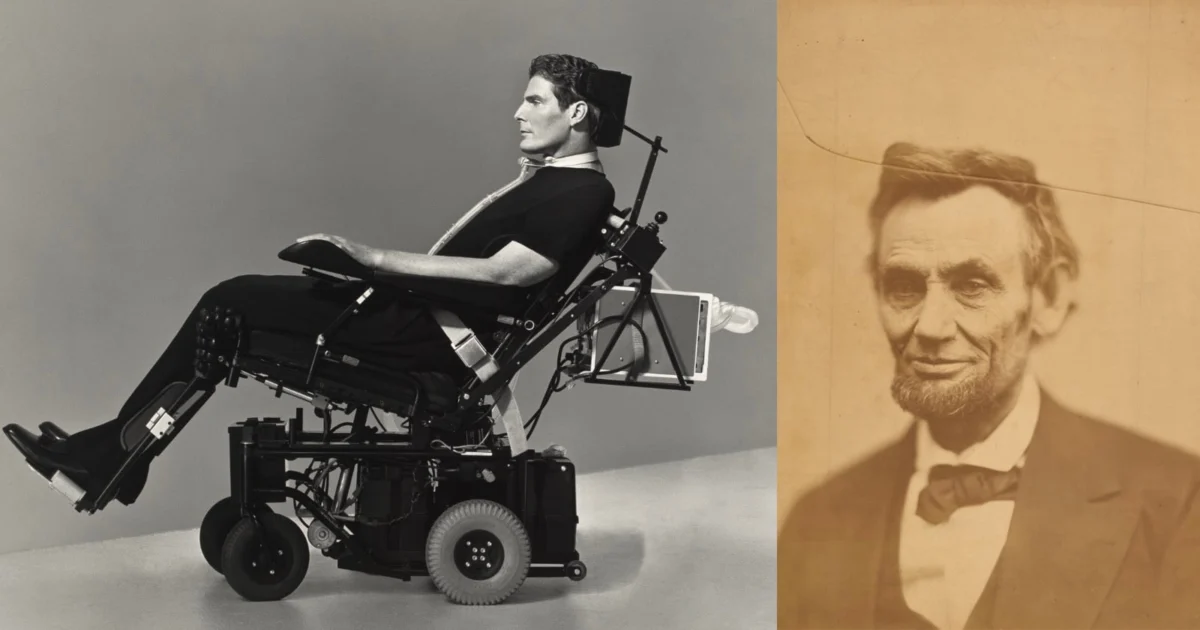
The Smithsonian’s National Portrait Gallery is poised to commemorate a significant milestone: the 50th anniversary of the establishment of its photography collection, which has burgeoned to comprise nearly half of the museum’s extensive holdings. This landmark occasion will be marked by the grand opening of Photographic Memory: Fifty Years of Collecting, an exhibition scheduled to unveil on November 14, 2026. This comprehensive display promises to be a visual odyssey, assembling over 120 pivotal photographic portraits from the Gallery’s revered collection. Spanning the entire spectrum of photographic history, from the nascent Daguerreian era to the contemporary digital age, the exhibition will meticulously chart the evolution of photography as both an art form and an indispensable tool in documenting the rich tapestry of U.S. history and culture.
The Genesis of a Vision: Fifty Years of Collecting at the NPG
The decision by the National Portrait Gallery to embark on collecting photographs in 1976 was not merely an administrative choice but a profound strategic expansion of its mandate, coinciding with the momentous U.S. bicentennial celebration. Prior to this, the museum’s focus largely centered on painted and sculpted portraits, adhering to a more traditional interpretation of historical representation. However, the bicentennial year prompted a broader reflection on American identity and the diverse individuals who shaped the nation. It became increasingly clear that many pivotal figures in U.S. history, particularly those from marginalized communities or earlier eras, had never sat for formal painted or sculpted likenesses. Photography offered an unparalleled democratic medium, capable of capturing a wider array of visages and stories, thereby significantly enriching the national narrative.
This shift acknowledged photography’s unique capacity to document and preserve the likenesses of individuals who might otherwise have been lost to historical obscurity in a visual sense. The collection began as a deliberate effort to fill these gaps, recognizing that photographs provided authentic, often spontaneous, insights into personalities and moments that traditional art forms could not. Over the past five decades, this pioneering initiative has transformed the National Portrait Gallery’s landscape. From a nascent collection in 1976, photography has grown exponentially to become an indispensable cornerstone, now constituting nearly fifty percent of the museum’s entire collection. This rapid expansion underscores the medium’s critical importance in chronicling American lives and legacies, affirming the foresight of the initial decision-makers to embrace this powerful form of visual history.
"Photographic Memory": A Journey Through American Visage and Innovation
Curated by Ann Shumard, the National Portrait Gallery’s esteemed senior curator of photographs, Photographic Memory: Fifty Years of Collecting is meticulously organized to offer a chronological exploration of photographic history. The exhibition will not only showcase iconic portraits but will also delve into the technical and artistic advancements that have defined the medium from 1843 to the present day. Shumard’s vision is to illuminate the interplay between artistic expression and technological innovation, presenting a holistic view of how photography has developed and, in turn, how it has influenced our perception of American identity.
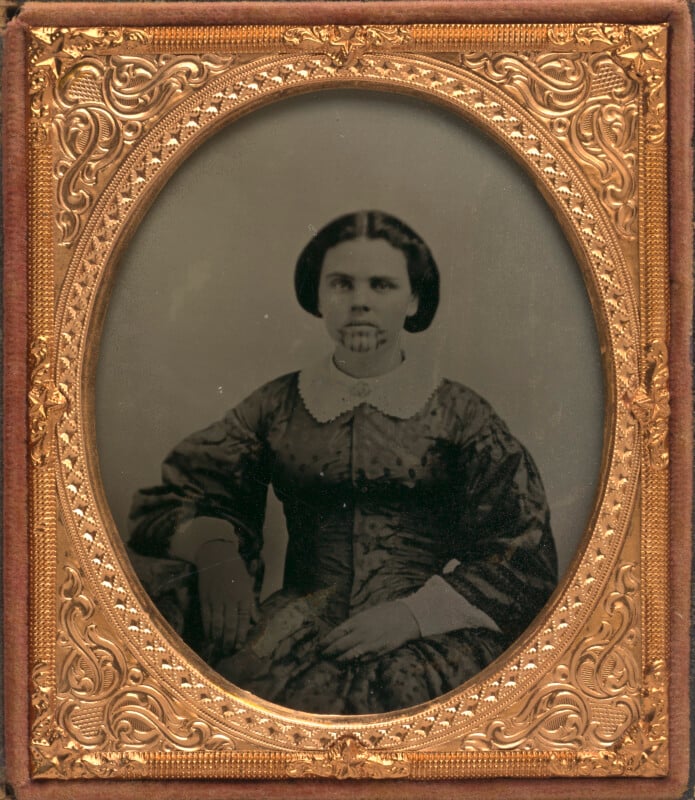
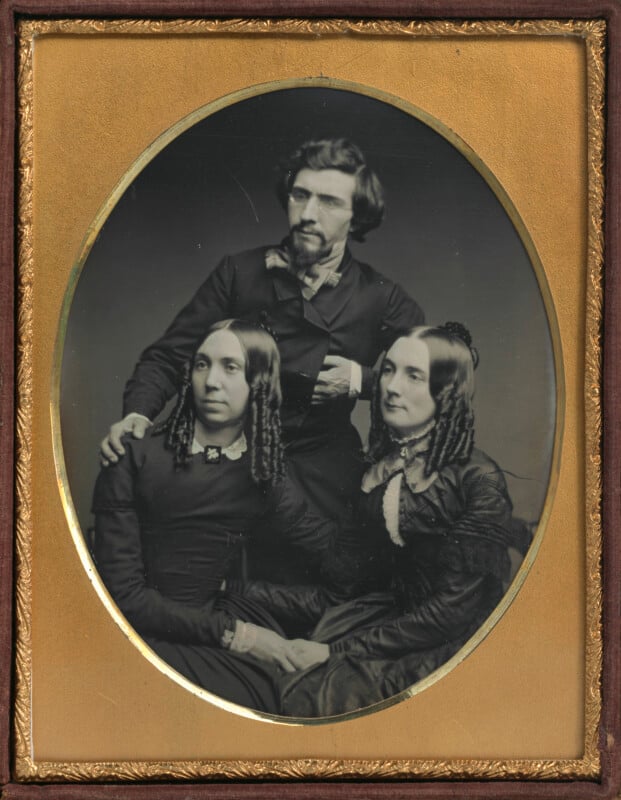
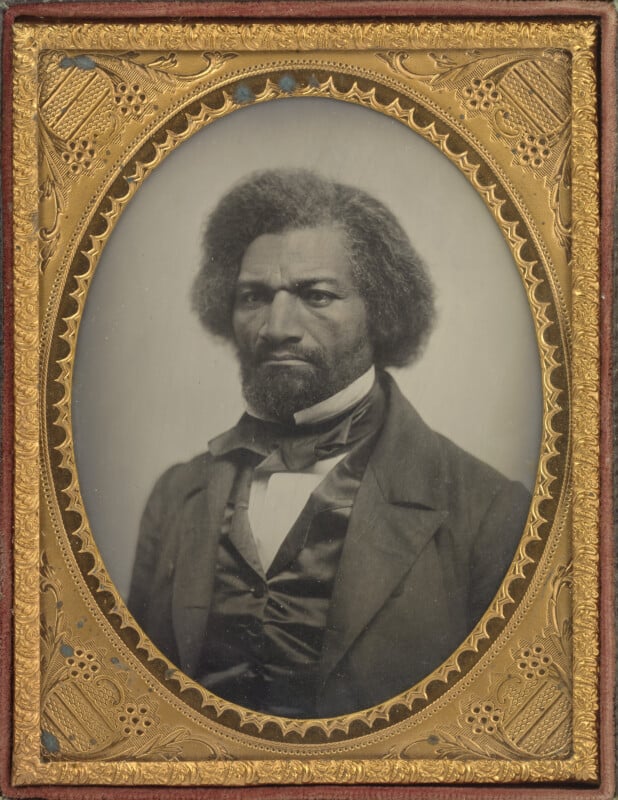
Visitors will be guided through a journey beginning with the earliest forms of photographic portraiture, such as daguerreotypes, ambrotypes, and albumen prints, tracing their evolution through the advent of gelatin silver prints, chromogenic prints, and finally, the contemporary digital output. An introductory timeline will serve as an essential guide, outlining major photographic processes, key technological innovations, and their historical context, providing a framework for understanding the rich visual narrative presented. This educational component ensures that the exhibition appeals not only to photography enthusiasts but also to those interested in the broader historical and scientific progression that underpinned the art form. The careful selection of over 120 works represents a curatorial endeavor to highlight not just famous faces, but also the influential photographers and the diverse techniques that have shaped portraiture in America.
Pioneers and Presidents: Early American Photography Unveiled
A particular highlight of Photographic Memory will be the groundbreaking joint display of two extraordinarily rare and historically significant daguerreotypes. For the first time ever, an 1846 quarter-plate daguerreotype of Dolley Madison by John Plumbe Jr. will be exhibited alongside an 1843 half-plate daguerreotype of President John Quincy Adams. The acquisition of the Dolley Madison portrait in July 2024 represents a momentous addition to the Gallery’s collection, making its debut in this exhibition. This pairing is historically unprecedented, marking the first instance that the earliest known photographic portraits of a U.S. president and first lady will be shown together.
The significance of these pieces extends beyond their subjects. Daguerreotypes, introduced to the world in 1839, were the first commercially successful photographic process, renowned for their intricate detail and unique, mirror-like surface. John Plumbe Jr. was a prominent American daguerreotypist who opened one of the country’s first daguerreotype galleries in 1840, making him a pivotal figure in early American photography. The portrait of Dolley Madison, taken just two years before her death, offers a rare glimpse into the later life of a beloved and influential first lady who helped define the role. Similarly, the John Quincy Adams daguerreotype captures a former president deeply connected to the nation’s founding, providing a strikingly immediate connection to early American leadership. The fragility and uniqueness of daguerreotypes underscore the rarity and historical weight of these objects, offering a tangible link to the dawn of photographic portraiture and the figures who shaped the nascent American republic.
Capturing the American Narrative: Iconic Figures and Groundbreaking Artists
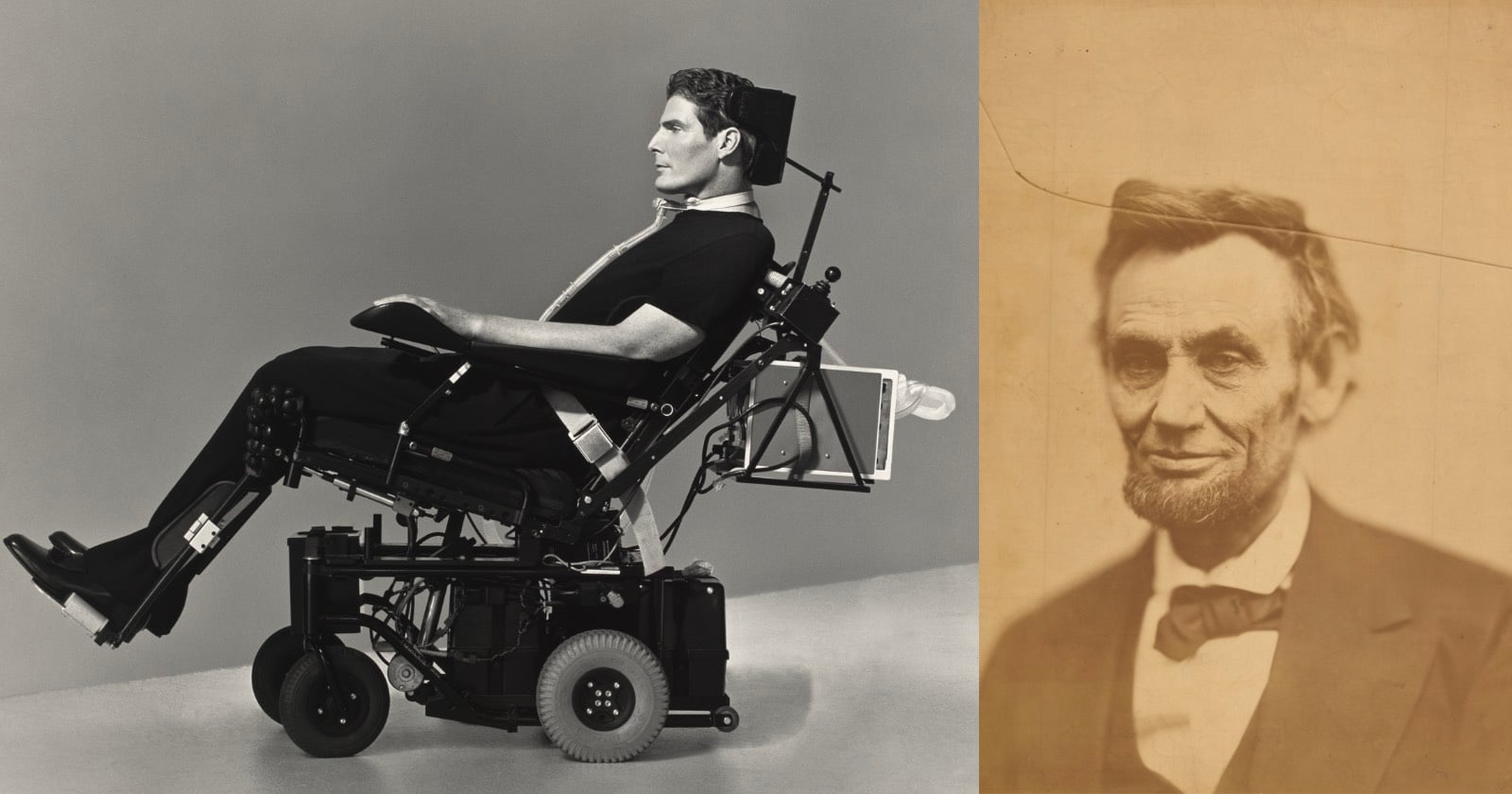
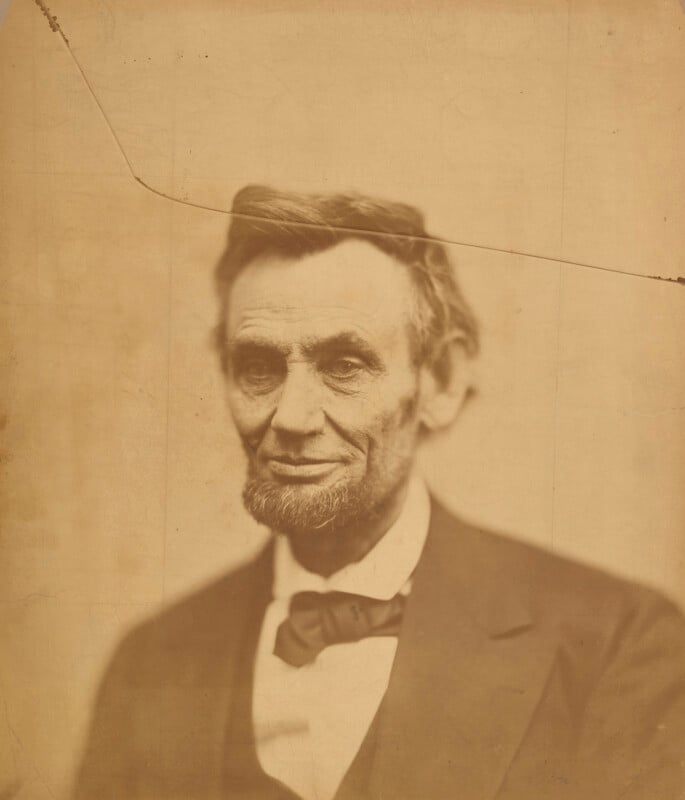
Beyond the pioneering daguerreotypes, the exhibition will feature an array of other historical works that illuminate critical moments and figures in American history. Among these is Alexander Gardner’s original “cracked-plate” portrait of Abraham Lincoln from 1865. This particular image is steeped in history; taken just weeks before Lincoln’s assassination, it is one of the last photographic sittings of the president. The visible crack on the photographic plate itself, far from being a flaw, has become an iconic feature, lending a poignant and almost prophetic quality to the image. Gardner, a Scottish-born photographer who documented the American Civil War, was renowned for his powerful and unvarnished portraits, and this particular work stands as a testament to his skill and the somber period it represents.
Further enriching the narrative are works by international and American masters. British camera artist Julia Margaret Cameron’s distinctively soft-focus photograph of Henry Wadsworth Longfellow showcases her revolutionary approach to portraiture, which emphasized emotional depth over sharp fidelity, distinguishing her as one of the most important figures in 19th-century photography. The inclusion of rare cabinet-card photographs also highlights important figures and photographic trends. Sallie E. Garrity’s portrait of civil rights activist and journalist Ida B. Wells-Barnett provides a powerful image of a fearless advocate against racial injustice, captured in a popular format of the late 19th century. Similarly, George K. Warren’s portrait of Ko K’un-hua, a Chinese diplomat and scholar, offers a rare glimpse into diplomatic and cultural exchange during a period of significant immigration and international relations. These cabinet cards, mass-produced and widely exchanged, played a crucial role in shaping public perception and documenting diverse American experiences, making them invaluable historical artifacts. The exhibition’s breadth in showcasing these varied processes—from the unique daguerreotype to the reproducible cabinet card—underscores the technical and cultural journey of photography itself.
Modern Masters and the Digital Age: Expanding the Canon
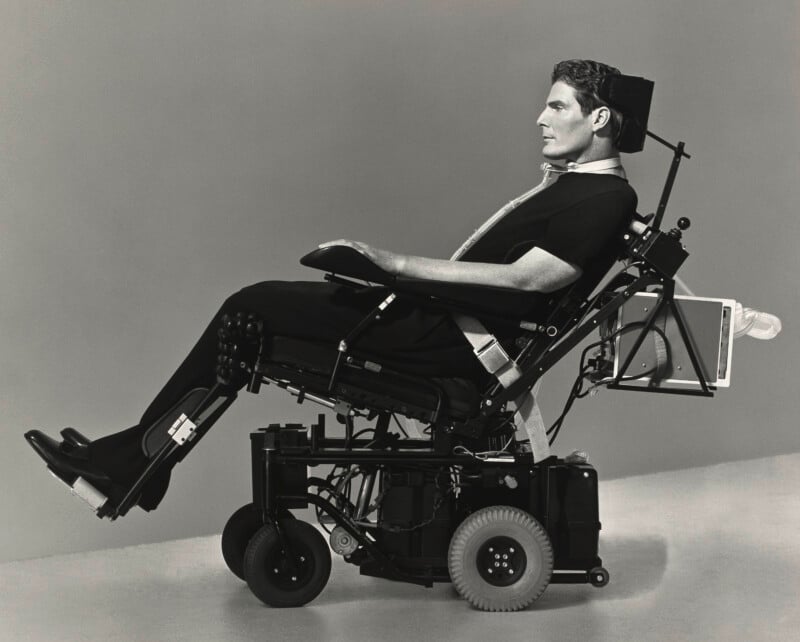
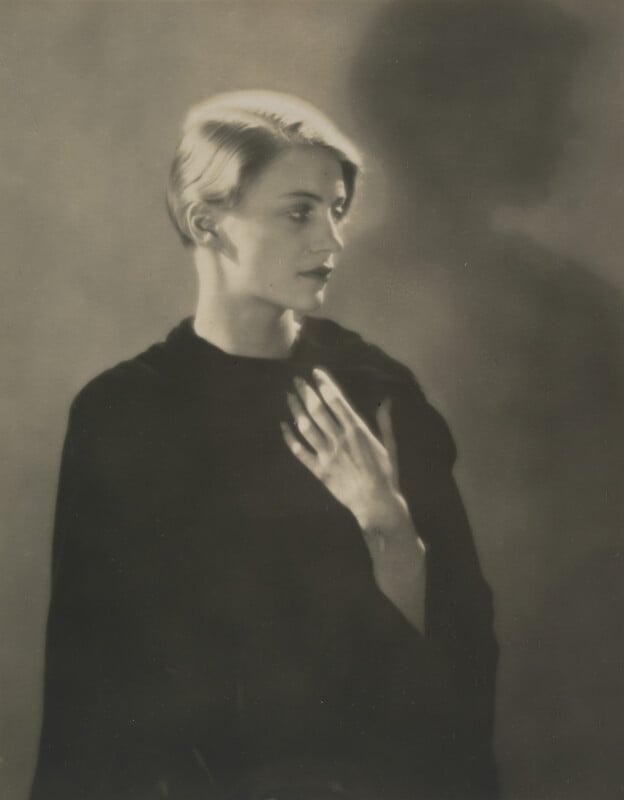
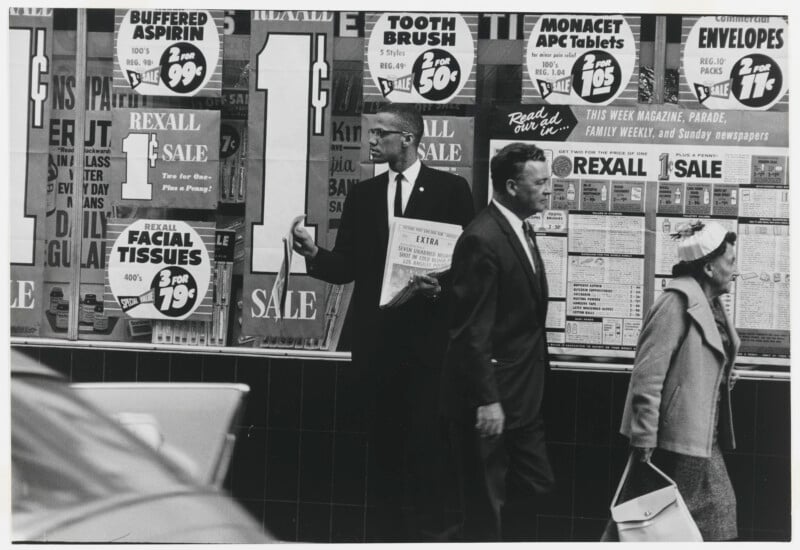
The exhibition extends its chronological reach into the 20th and 21st centuries, presenting a pantheon of influential photographers whose work has shaped contemporary portraiture and documented profound shifts in American society. Visitors will encounter works by titans such as Alfred Stieglitz, a key figure in establishing photography as a fine art; Edward Steichen, who seamlessly transitioned between art and commercial photography; and Dorothea Lange, whose poignant Depression-era photographs became indelible symbols of hardship and resilience. Ansel Adams’s majestic landscapes, though not strictly portraits in the traditional sense, often imbued the natural world with a powerful sense of presence and character, reflecting an American spirit.
The inclusion of Gordon Parks, a groundbreaking photojournalist and filmmaker, showcases his profound ability to capture the dignity and struggles of African Americans. Irving Penn and Richard Avedon, masters of fashion and celebrity portraiture, redefined elegance and psychological depth in studio settings. Diane Arbus challenged conventional notions of beauty and normalcy, presenting compelling portraits of individuals on the fringes of society. Finally, Annie Leibovitz, renowned for her iconic celebrity portraits, exemplifies the power of narrative and theatricality in contemporary photography, seamlessly bridging the gap between art, culture, and popular media. The evolution from early photographic processes to sophisticated digital imaging is evident in these later works, reflecting photography’s constant adaptation to new technologies and artistic sensibilities while maintaining its core function of capturing human essence. These photographers, through their diverse styles and subjects, collectively illustrate how the medium has mirrored and influenced American culture, providing a visual chronicle of its evolving identity.
The Power of the Photographic Medium: Documenting Identity and Change
The enduring legacy of the National Portrait Gallery’s photography collection lies in its profound ability to document identity and societal change across the American experience. Photography, unlike any other medium, possesses an inherent capacity for immediacy and authenticity, allowing viewers to connect with historical figures on a deeply personal level. The collection demonstrates how photographic portraiture has served as a mirror, reflecting the nation’s aspirations, struggles, and triumphs. From the stoic gazes of 19th-century pioneers to the vibrant expressions of contemporary artists and activists, each photograph tells a story, contributing to a more nuanced and inclusive understanding of who Americans are and how they have evolved.
Moreover, the collection actively highlights how photography has democratized historical representation. Before photography, portraiture was largely a privilege of the wealthy and powerful. The advent of affordable photographic processes made it possible for a much wider array of individuals to have their likenesses preserved, thus expanding the historical record beyond traditional elites. This democratic aspect is crucial to the National Portrait Gallery’s mission, enabling it to represent voices and experiences that might otherwise have been marginalized or overlooked. The exhibition’s scope, encompassing everyone from presidents and first ladies to artists, activists, and ordinary citizens, underscores this commitment to a comprehensive national portrait. The collection serves as a vital resource for scholars, students, and the general public, offering unparalleled visual access to the faces behind the historical narratives and providing compelling insights into the fabric of American society through the lenses of its most influential photographers.
A Curatorial Deep Dive: Crafting the Exhibition Narrative
Ann Shumard’s curatorial approach for Photographic Memory is rooted in both historical rigor and an appreciation for the artistic nuances of the medium. The exhibition’s chronological flow is designed to not only present a timeline of subjects but also to illustrate the technical and aesthetic journey of photography itself. Each section will thoughtfully contextualize the featured portraits within their respective historical periods, discussing the prevailing photographic processes, the social and cultural significance of the subjects, and the unique artistic contributions of the photographers.
The accompanying introductory timeline, detailing major photographic processes and technological innovations from the daguerreotype to digital prints, will serve as an invaluable educational resource. It will allow visitors to understand the material and technical underpinnings of the images, from the challenges of early studio photography requiring long exposure times to the instantaneous capture capabilities of modern digital cameras. This integration of technical history with art history enriches the viewer’s appreciation for the complexities of photographic creation. The selection of over 120 works from a collection that now numbers in the hundreds of thousands required meticulous discernment, prioritizing images that are both aesthetically significant and historically resonant. Shumard’s expertise ensures that the exhibition is not merely a display of famous faces but a coherent narrative about photography’s integral role in shaping and preserving American identity. This meticulous curatorial vision underscores the National Portrait Gallery’s commitment to presenting scholarship alongside compelling visual experiences.
Implications and Legacy: The Future of Portraiture at the Smithsonian
The celebration of the photography collection’s 50th anniversary through Photographic Memory carries significant implications for the National Portrait Gallery and the broader field of historical documentation. It reaffirms the institution’s pioneering decision to embrace photography as a legitimate and essential art form for historical representation, a decision that has profoundly shaped its collection and public offerings. The exhibition itself is expected to draw substantial national and international attention, not only for the caliber of its works but also for its comprehensive narrative of American history through the photographic lens.
Looking forward, the success and depth of the photography collection will undoubtedly influence future acquisition strategies, encouraging the continued pursuit of diverse and historically significant photographic portraits. It reinforces the idea that the "portrait" in the National Portrait Gallery is a dynamic and evolving concept, continually adapting to new artistic media and technologies. The exhibition also serves as a powerful educational tool, inspiring new generations of photographers, historians, and art enthusiasts to explore the power of the image. By showcasing the vast array of individuals who have shaped the nation—from the well-known to the previously underrepresented—the collection fosters a more inclusive and nuanced understanding of American identity. Photographic Memory: Fifty Years of Collecting will be on view on the second floor of the Smithsonian’s National Portrait Gallery from November 14, 2026, through November 7, 2027, inviting visitors to reflect on the indelible mark photography has left on American history and its enduring role in preserving our collective memory.