Mastery of light is not merely a technical necessity for photographers; it is an artistic gateway, unlocking a universe of creative possibilities. This principle holds true even for street photography, a genre often perceived as direct and unembellished. However, when imbued with a discerning eye for light, street photography can transcend documentary recording to become profound artistic expression. UK photographer and video producer Rupert Vandervell exemplifies this, demonstrating how a deep understanding and skillful manipulation of light can transform urban landscapes into captivating canvases. For Vandervell, light is not just an element to capture but a fundamental tool that shapes his distinctive aesthetic, a skill he identified as paramount from the nascent stages of his photographic journey.
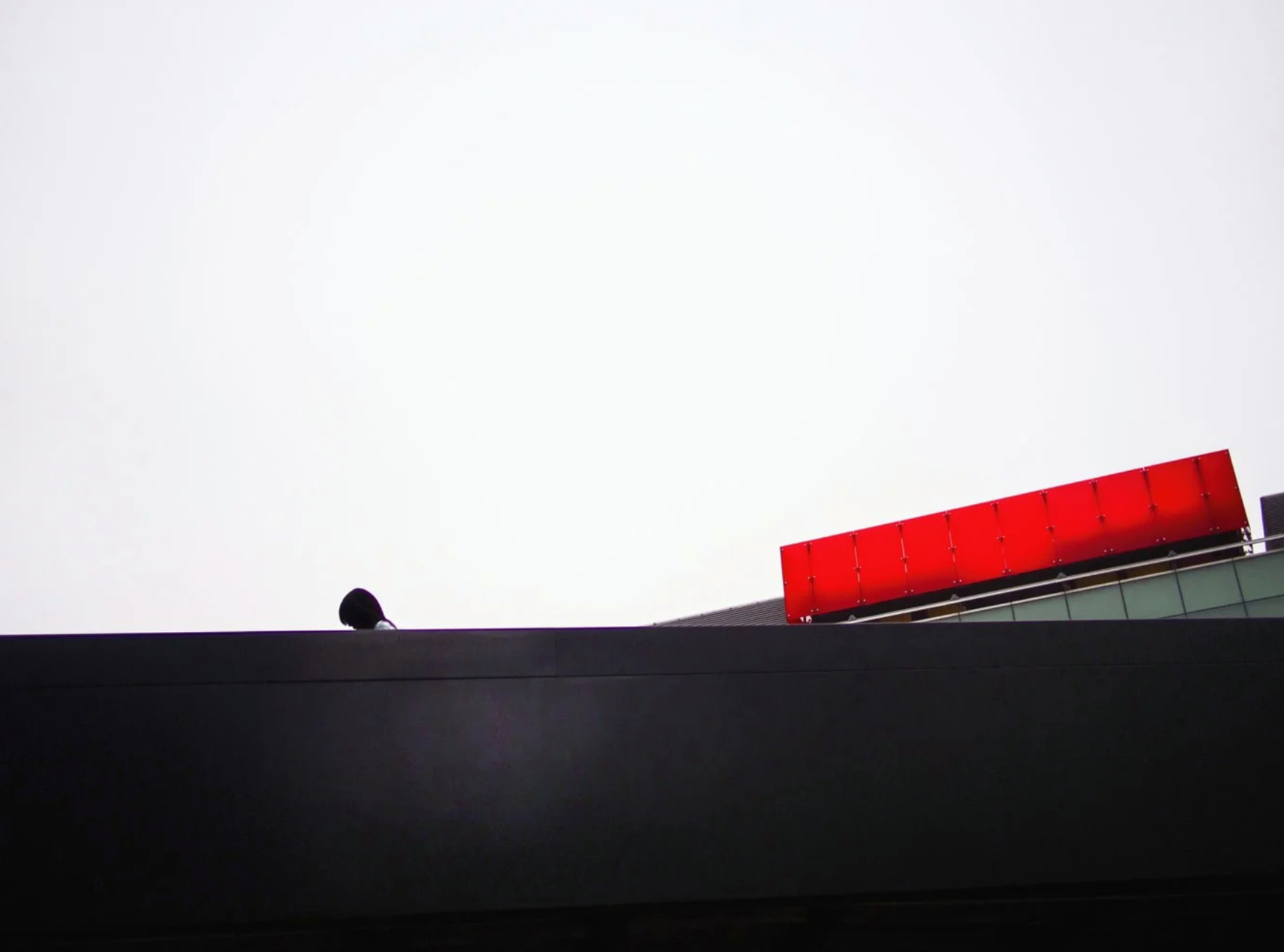
Vandervell’s artistic trajectory began in the 1990s, rooted in graphic design. This foundational experience, coupled with an early fascination with photography, led him to explore London’s streets during his leisure hours. "I was attracted to the black and white look from the start and was interested in how light and shade could be used to shape and form compositions," he recalls, articulating a vision that would define his mature style. This early inclination towards chiaroscuro, the dramatic interplay of light and shadow, has become the bedrock of his street photography, allowing him to reveal the inherent drama within seemingly ordinary urban scenes. While cities are typically characterized by a vibrant cacophony of colors, shapes, lines, and textures, Vandervell’s approach distills these elements into a clean, minimalist aesthetic, amplified by the stark simplicity of monochrome.
The Genesis of a Vision: Embracing Light as a Creative Force
Vandervell’s early recognition of light’s pivotal role in photography was not a superficial observation but a foundational understanding that propelled his artistic development. He recognized that light was indispensable not only for achieving proper exposure but also for dictating the very mood and narrative of an image. The way light interacts with the urban fabric, casting shadows, highlighting textures, and defining forms, proved to be an invaluable guide in shaping his visual language and storytelling capabilities.
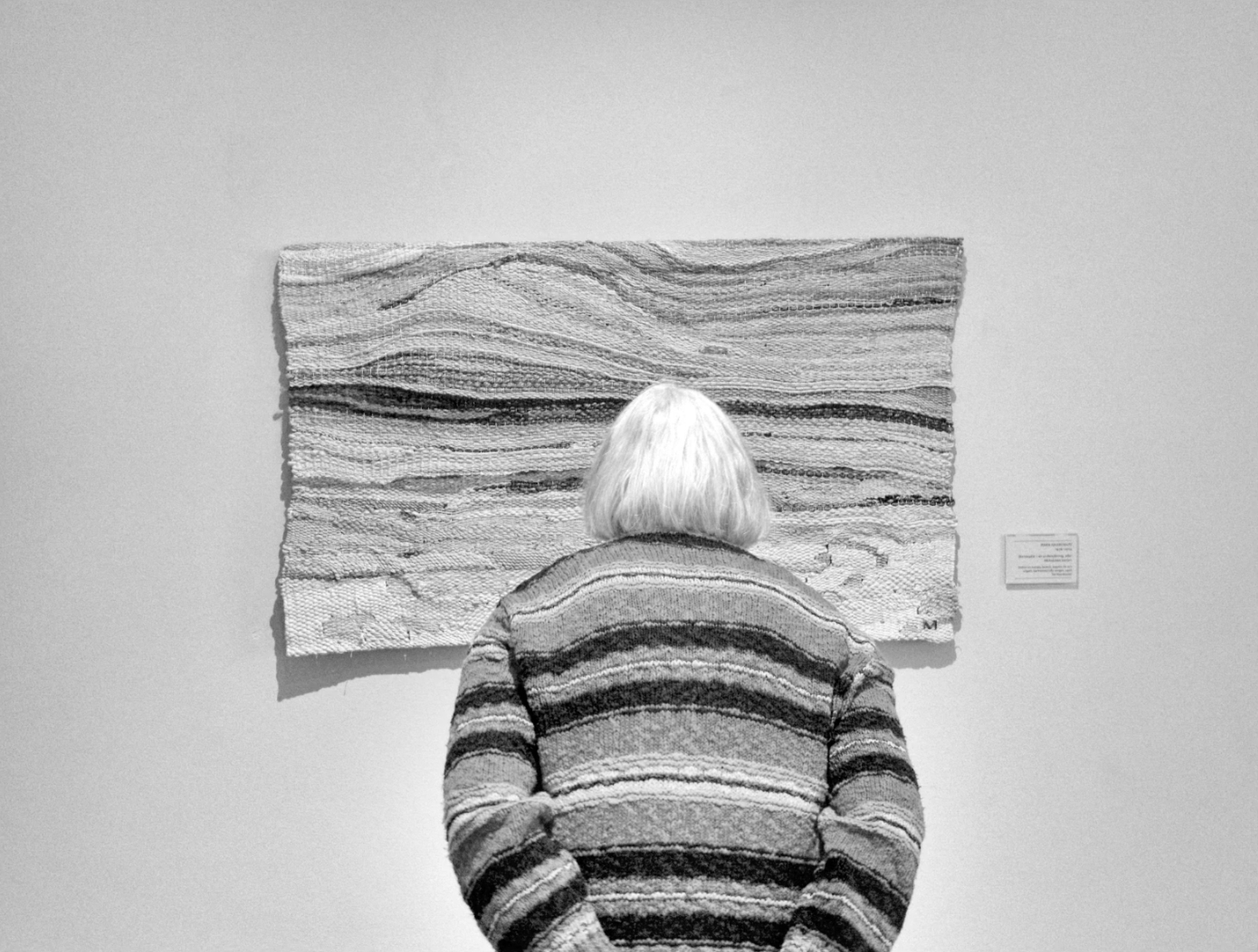
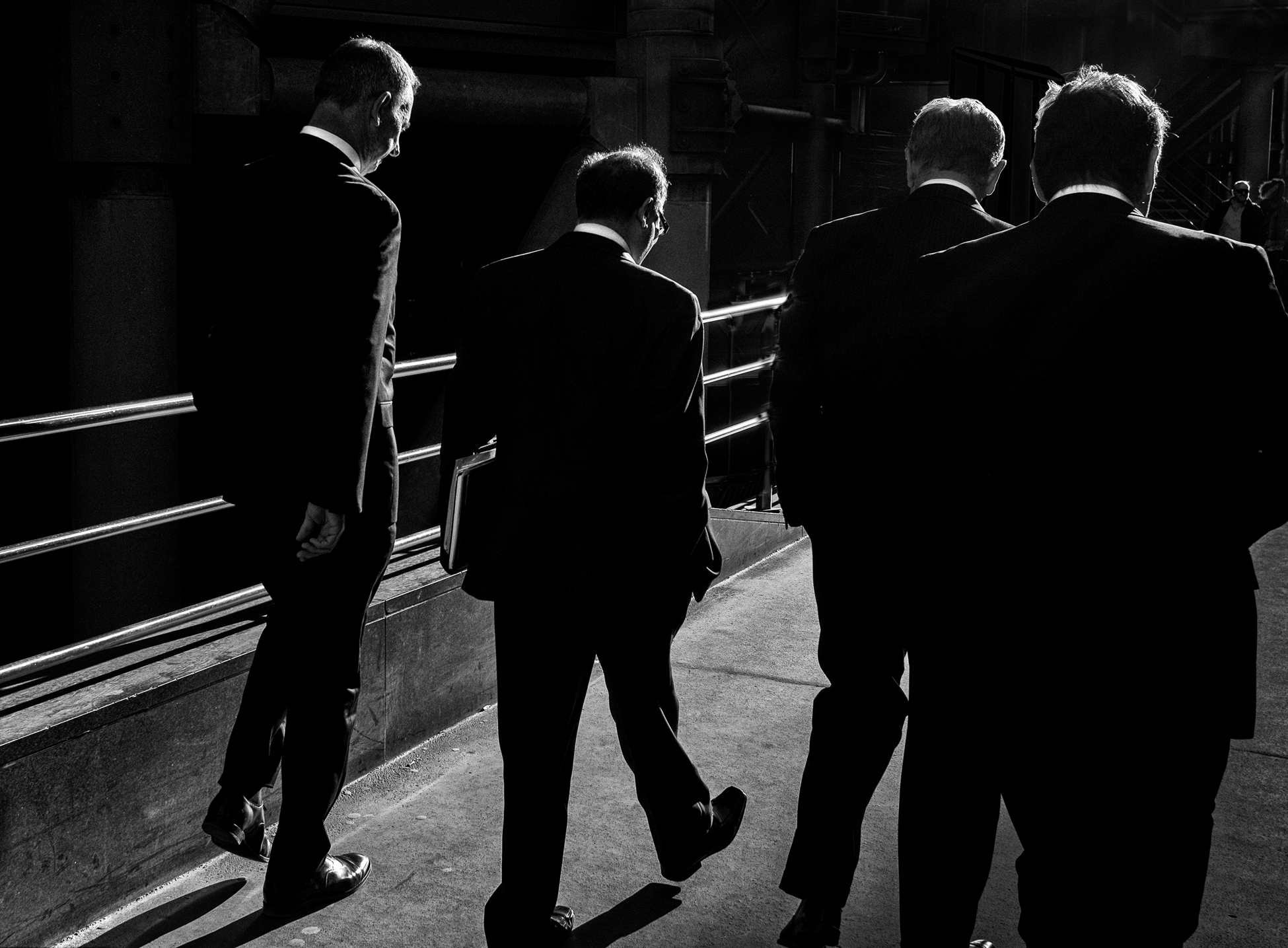
"With different times of day come different moods," Vandervell explains. "I like how cool and clear the light can be in the morning, creating sharp lines of shadow and jewel-like highlights. It penetrates the space between the towering buildings and generates a dazzling display of intricate patterns on every surface. In the late afternoon, the light becomes warm and subtle and the shadows grow longer with feathered edges." This sensitivity to the ephemeral qualities of light—its temperature, direction, and intensity at different hours—forms the crux of his creative process. His expeditions into the city are often initiated by an observation of how light illuminates the environment, prompting him to seek out "interesting relationships between the light and shade," with a consistent aim for "good contrast with pure whites and deep blacks."
The pursuit of optimal lighting conditions is, therefore, not a mere preference but a strategic necessity for Vandervell. He candidly admits, "I don’t go out on grey days!" This declaration underscores the critical role that high contrast plays in his photographic output. Without the defined interplay of bright highlights and deep shadows, his ability to effectively convey the dramatic potential of urban scenes is significantly hampered. This deliberate exclusion of overcast days highlights his commitment to a specific visual language, one that thrives on the inherent drama that well-defined light and shadow can create.
Cultivating a Signature Aesthetic: The Allure of High Contrast
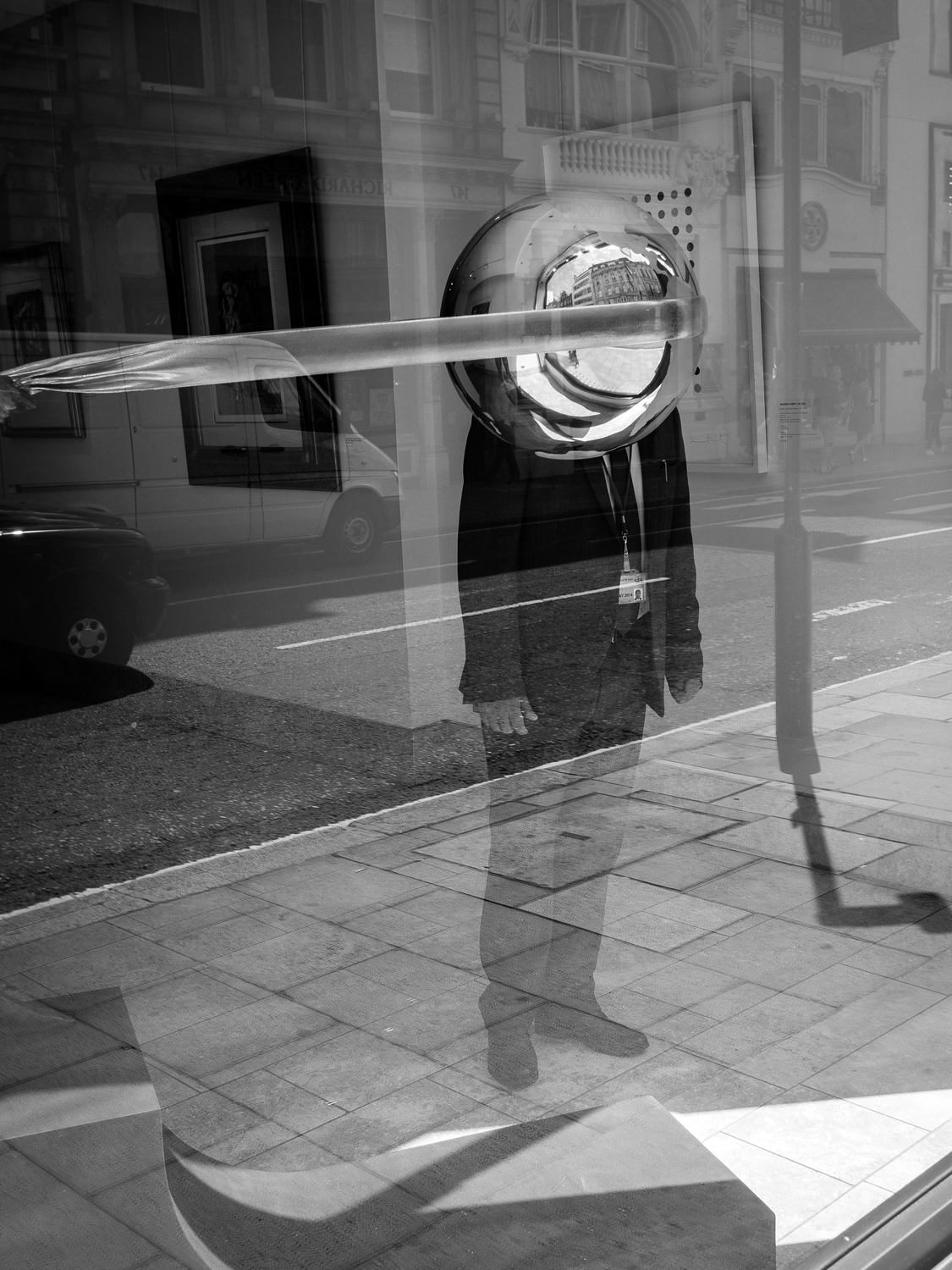
The strategic use of contrast in street photography offers a multitude of creative avenues. For Vandervell, the choice to work primarily in black and white, coupled with his profound appreciation for light, naturally led him to embrace a high-contrast aesthetic. This stylistic inclination was not an accidental discovery but a conscious artistic decision made early in his career, solidifying into a defining characteristic of his work.
The timeless quality of Vandervell’s imagery often evokes comparisons to the golden age of street photography from the mid-20th century. This resonance is rooted in his admiration for pioneering photographers such as Ray Metzker, Lucien Hervé, and Ernst Haas. These artists, who rose to prominence in the 1950s and 1960s, were celebrated for their experimental approaches and artful compositions. "Looking at how they photographed their cities and how they used everything around them to compose and shape their images is endlessly inspiring," Vandervell shares, acknowledging their profound influence on his own developing style.
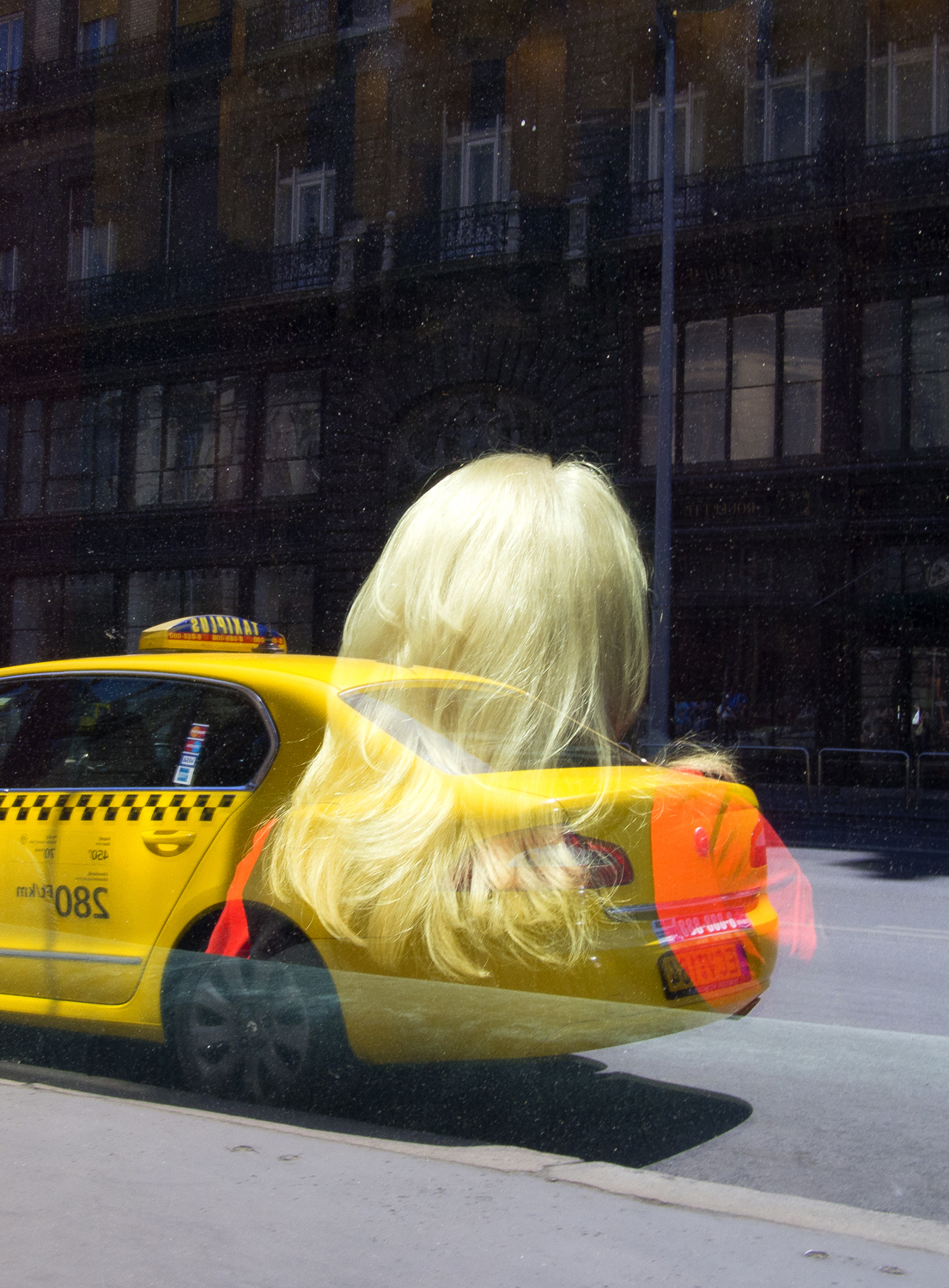
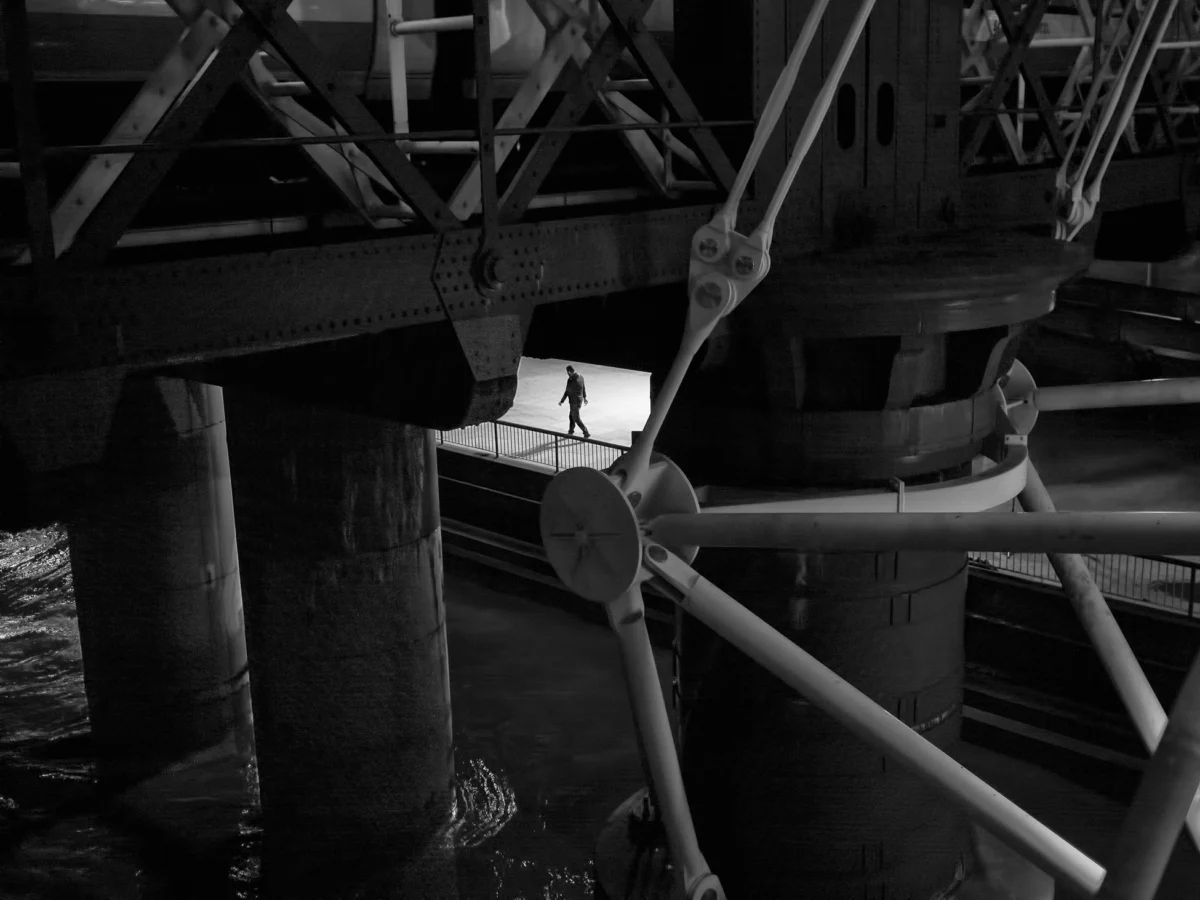
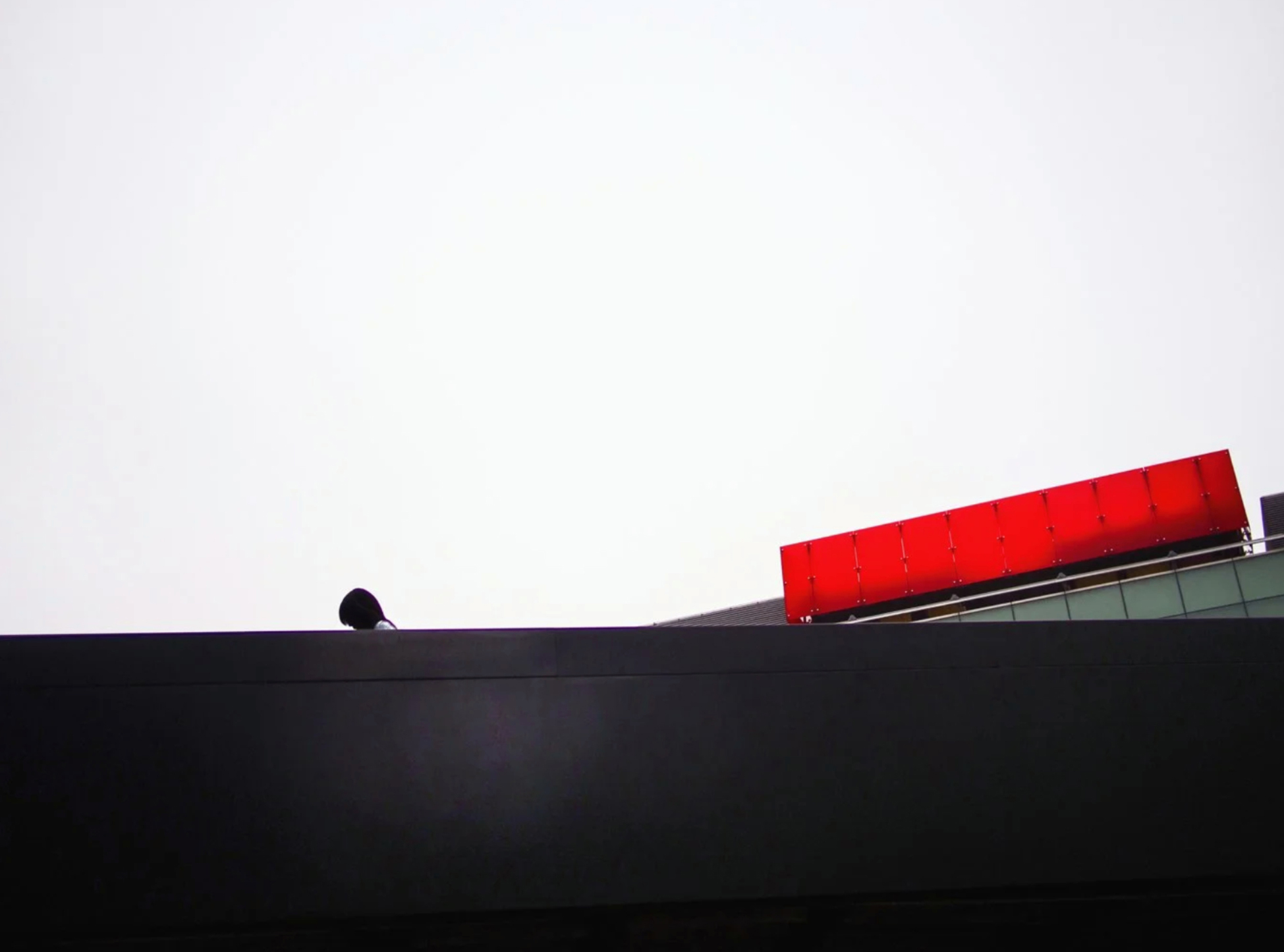
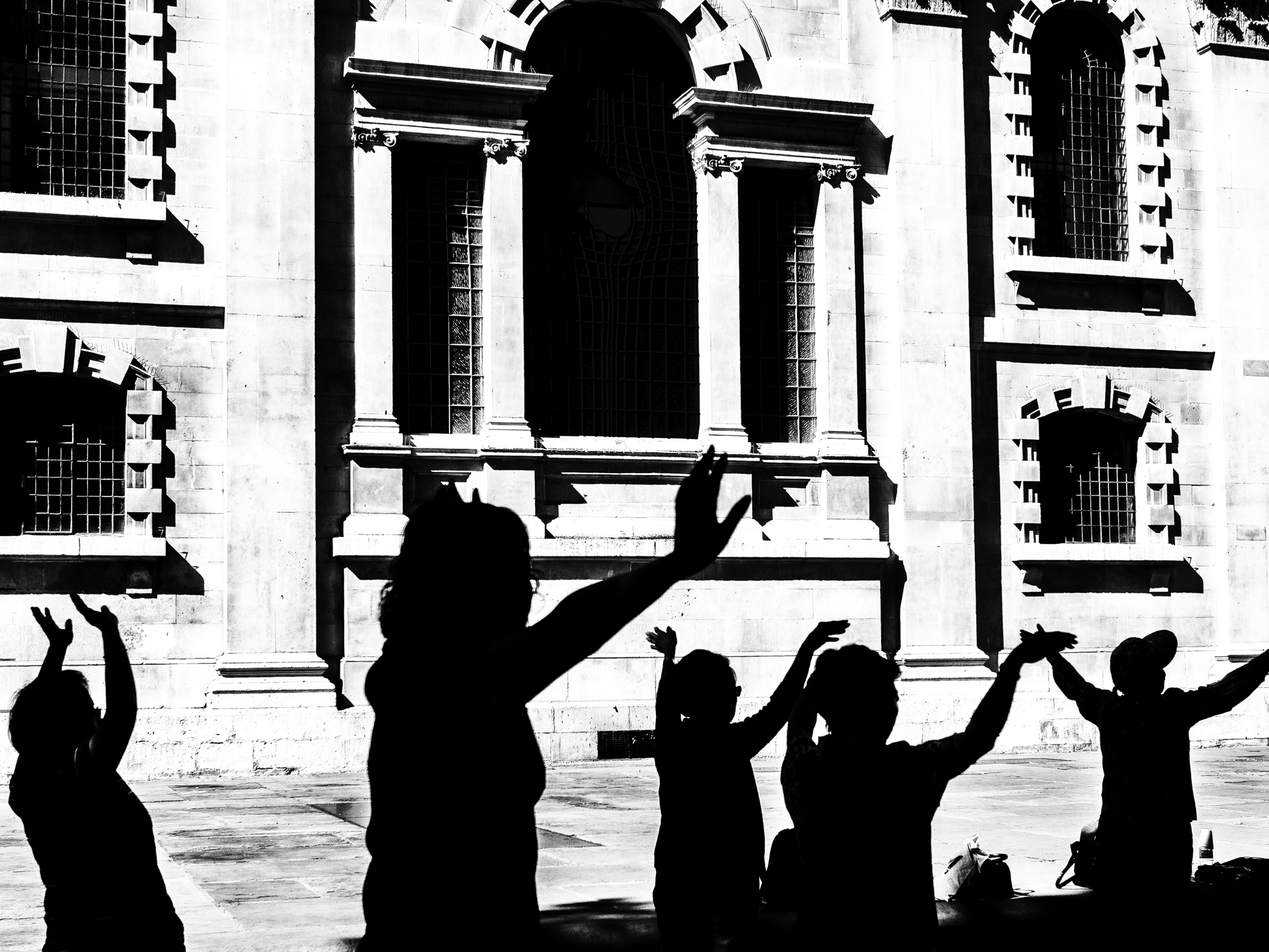
Echoing the techniques of Metzker and Hervé, Vandervell masterfully employs silhouettes, negative space, and dramatic shadows to achieve his signature high-contrast look. These elements serve not only to create visual dynamism but also to imbue his photographs with an atmosphere of mystery or, conversely, a sense of profound isolation, depending on the narrative of the scene. A significant functional benefit of this aesthetic is its capacity to elegantly conceal extraneous details or visual clutter that might otherwise detract from the core subject matter, thereby simplifying the composition and focusing the viewer’s attention.
"Human silhouettes and negative space are very important in the style of pictures I take," Vandervell elaborates. "They are graphic elements that play significant roles. If including a human silhouette, I try to make sure that they appear in a characterful way. Not just standing still but as animated as possible; I’ll try to capture them in full motion. Negative space also plays a big part in my compositions; using a ‘less is more approach’ often works well." This deliberate integration of human figures, often rendered as stark silhouettes against a backdrop of geometric forms and sharp contrasts, adds a layer of narrative depth, suggesting the individual’s place within the imposing urban landscape.
The Urban Canvas: Man’s Interaction with the Built Environment
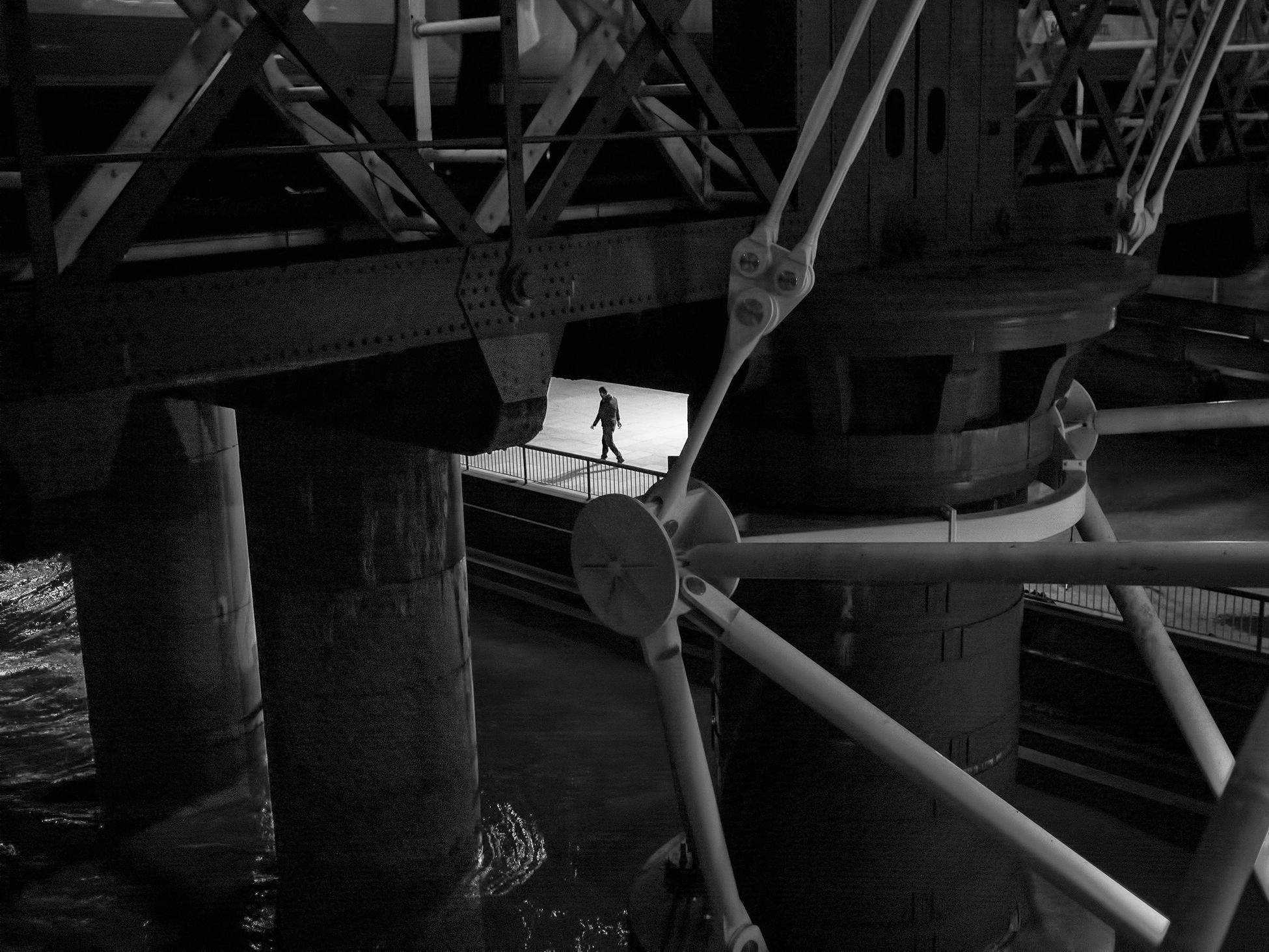
A recurring motif in Vandervell’s photographic oeuvre is the solitary human figure, strategically positioned within the textural richness, geometric patterns, and stark contrasts created by his high-contrast approach. This deliberate juxtaposition of the built environment with the human form is, for Vandervell, a powerful representation of humanity’s ongoing dialogue with the constructed world.
"Once I have discovered a potential scene, I will play around with it and frame and compose, moving around the area to explore it in full," he explains. "If I find a good scene, I will then look to see how I can fit the human factor in to bring scale and perspective to the picture." This process involves a keen observation of how light sculpts the urban environment into abstract geometric compositions or how disparate elements like street furniture, signage, and road markings coalesce into visually compelling arrangements. The integration of a human subject to complete these compositions often requires a keen sense of timing, a "decisive moment" where the placement of the individual is critical to the overall balance and structural integrity of the image.
Vandervell articulates the delicate nature of this compositional strategy: "A photograph can be a success or failure depending on the location of certain elements, and in my pictures, the positioning of any human subject can be critical. I use all elements in a graphic way, and the order and placement of them will make or break the image." This emphasizes his view of photography as a precise architectural arrangement of visual components, where even the slightest shift in placement can alter the entire meaning and impact of the photograph.
He cites a particularly resonant example, a photograph that encapsulates his stylistic philosophy, even if he refrains from naming a single favorite image. "Light, shade, geometry and human factor," he describes, referring to a capture from 2012 taken during a spring morning walk in London. "I was on one of my city walks in London on a fine spring morning exploring my favourite places when I noticed the geometric shapes being created by the sun coming through the metal railings." The scene was dynamic; a man, likely on a smoking break from his office, was moving. "I had to be quick because the man seen below looked like was having a smoking break from his office and he was moving around somewhat." Vandervell meticulously worked out the composition, framing the shot to ensure the man’s placement was ideal. "I worked out the composition and framing, deciding where I wanted the man to feature, I exposed for the light area of ground he was standing on, stopped right down to f/16 and got the shot." The photograph’s significance is amplified by the fact that the location has since been redeveloped, and the elevated walkway from which he shot no longer exists, rendering the image a poignant document of a transient urban moment.
The Legacy of Vision: Mentorship and Personal Style
Today, Rupert Vandervell extends his passion for street photography by sharing his knowledge and insights through his YouTube channel. His mentorship focuses on the foundational principles he has internalized from studying other photographers and cultivating his own unique style. He observes that his audience often seeks to improve their composition and achieve more striking or dramatic street photography. Consequently, his teaching emphasizes the paramount importance of developing a personal style that is authentic and self-expressive.
"By doing this, you will make pictures that you feel belong to you and have more personal meaning," he advises. "I have always been interested in minimalism and the geometric look, and so, of course, I wanted my pictures to highlight that. There is nothing new under the sun, but by letting your personality influence your picture-taking, you will find the whole process much more rewarding." This philosophy underscores his belief that while artistic techniques can be learned and adapted, the most compelling photography stems from an individual’s unique perspective and emotional connection to their subject. His encouragement for aspiring photographers to infuse their work with their own personality is a testament to the enduring power of individuality in the creative arts, suggesting that true innovation lies not in reinvention but in authentic self-expression.
Vandervell’s extensive body of work, accessible through his website, Instagram, and YouTube channel, serves as a compelling testament to the transformative power of light, composition, and a singular artistic vision in the realm of street photography. His ongoing contribution to the photographic community, both through his art and his educational endeavors, solidifies his position as a significant voice in contemporary urban visual culture.