Raja Ampat, an Indonesian archipelago nestled off the northwest tip of West Papua’s Bird’s Head Peninsula, has long solidified its reputation as the ultimate destination for underwater photography. This remote Eden presents an almost unbelievable spectacle of emerald, jungle-covered islands rising from crystalline waters, complemented by an intricate tapestry of rich coral reefs teeming with marine wildlife that could scarcely be embraced in an entire lifetime.
Geographical and Ecological Significance
Known reverently as ‘The Last Paradise’, Raja Ampat is not merely a collection of islands but a vast marine sanctuary. It comprises over 1,500 islands, cays, and shoals, surrounding four main, larger islands: Waigeo, Batanta, Salawati, and Misool. This archipelago’s prime location within the Coral Triangle – often dubbed the Amazon of the Seas – is the cornerstone of its unparalleled biodiversity. The Coral Triangle, a marine region encompassing parts of Indonesia, Malaysia, Papua New Guinea, the Philippines, Solomon Islands, and Timor-Leste, is recognized as the global epicenter of marine biodiversity. Raja Ampat, specifically, is estimated to harbor over 75% of the world’s coral species, branding it an undisputed mecca for scuba diving and underwater photography.

The region’s prolific tropical environment boasts an impressive repertoire, including over 1,000 species of fish, an astounding 540 different strains of coral, and 700 types of mollusks. Beyond these foundational species, divers frequently encounter charismatic megafauna such as schooling manta rays, the elusive dugongs, and even saltwater crocodiles in specific habitats. This extraordinary concentration of marine life, combined with pristine reef systems, guarantees a sensory overload for any visitor, particularly those equipped to capture its splendor through a lens.
Journey to the "Last Paradise": Planning Your Expedition

Reaching a destination as pristine and remote as Raja Ampat is, by its very nature, a journey of commitment. For adventurers traveling from major hubs like Australia, the itinerary typically involves multiple flights, often with lengthy layovers, followed by a slow and potentially steamy two-hour ferry ride, and finally a pothole-peppered car journey to reach Waisai, the capital of Raja Ampat’s administrative region, Raja Ampat Regency. Waisai serves as the primary gateway to the archipelago.
From Waisai, travelers have several options to explore the dive sites. Day trips to neighboring islands offer flexibility, while booking a liveaboard cruise is often the preferred choice for dedicated photographers and divers. Liveaboards allow for comprehensive coverage of this vast and expansive region, maximizing dive opportunities across diverse sites. A notable recommendation for liveaboard itineraries is to include Misool, one of the four main islands. Misool is particularly celebrated for its thriving ecosystem, representing one of the few places globally where marine biodiversity is actively improving, thanks to robust local conservation efforts and the establishment of a large Marine Protected Area (MPA).

For those seeking a more immersive, land-based experience after their days at sea, settling into a homestay on one of the smaller islands offers a unique cultural interaction and the chance to decompress. These homestays often provide direct access to pristine house reefs, allowing for spontaneous dives and extended photography sessions in tranquil, shallow waters.
The Underwater Photographer’s Canvas: Expectations and Opportunities

Raja Ampat truly offers something for every underwater photographer, catering to both wide-angle enthusiasts and macro aficionados. The sheer majesty of its reef systems, characterized by vibrant colors and unimaginable sizes, creates a natural masterpiece that draws photographers back repeatedly.
For wide-angle photography, the expansive coral cosmos sets a perfect stage. Photographers can capture dramatic reefscapes, impressive schools of fish (such as batfish and barracuda), elegant manta rays gliding through the blue, camouflaged wobbegong sharks, and serene sea turtles. A 16-35mm wide-angle lens is generally recommended for these sweeping shots, allowing for the capture of vast underwater panoramas. Additionally, the unique topography and clear shallow waters around many islands present ample opportunities for Close Focus Wide Angle (CFWA) shots, where a foreground subject is sharply rendered against a broader backdrop.

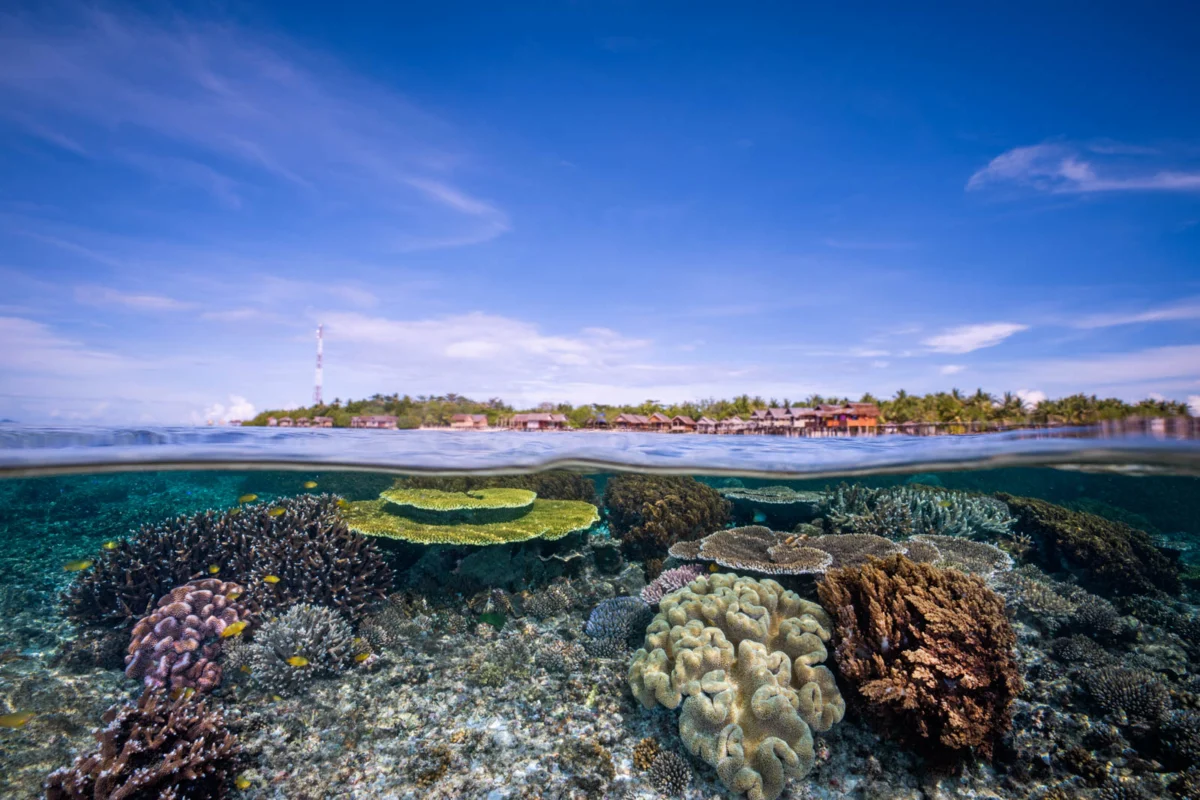
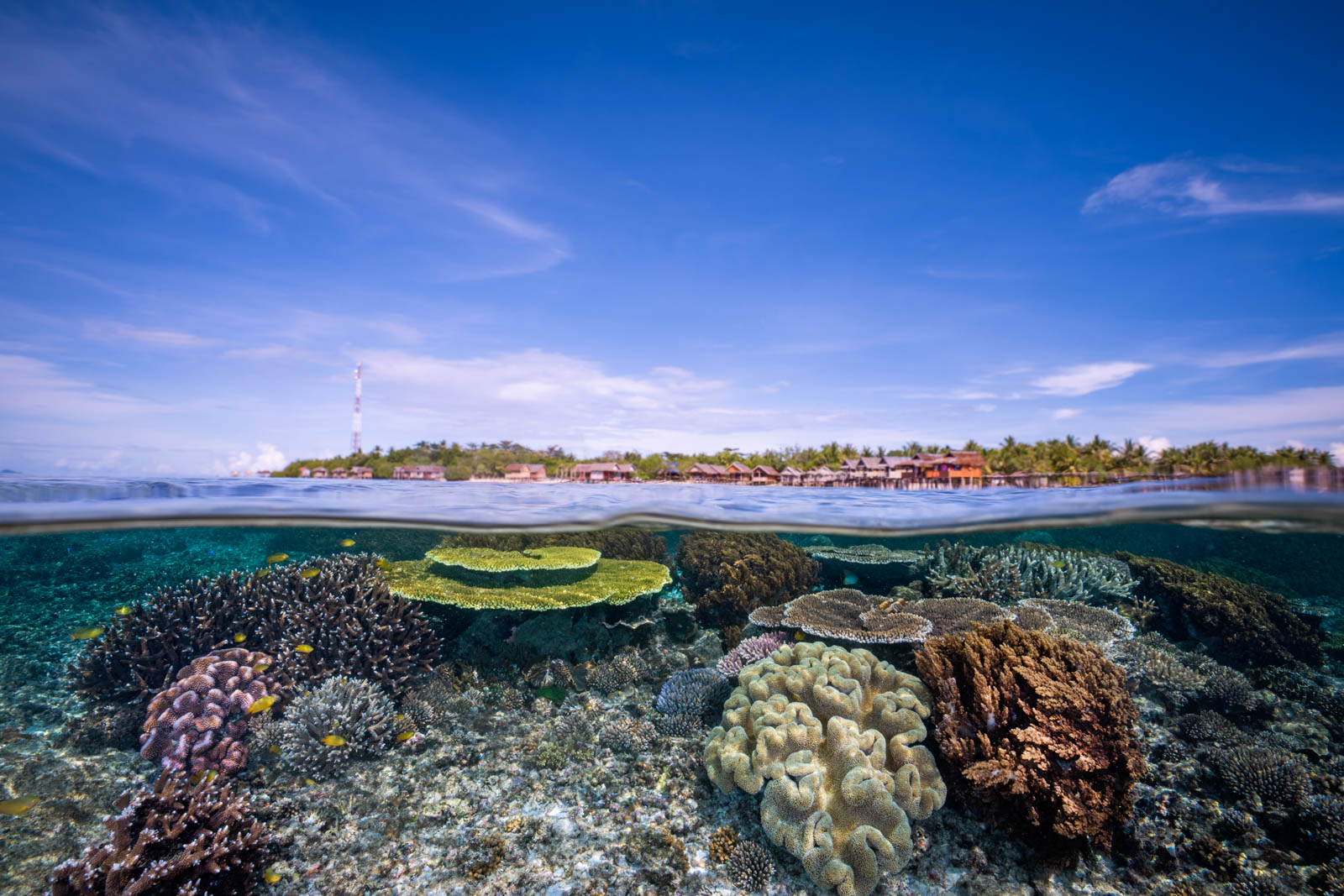
Beyond the depths, Raja Ampat is ideal for stunning over-under or split shots, which capture both the vibrant underwater world and the picturesque island landscapes above the surface. Many house reefs offer easily accessible conditions for these shots, especially during the breathtaking sunrises and sunsets that paint the skies over the archipelago. Meticulous selection of a homestay with a pristine house reef can provide 24-hour access to a choreographed coral backdrop, maximizing chances for the perfect split shot.
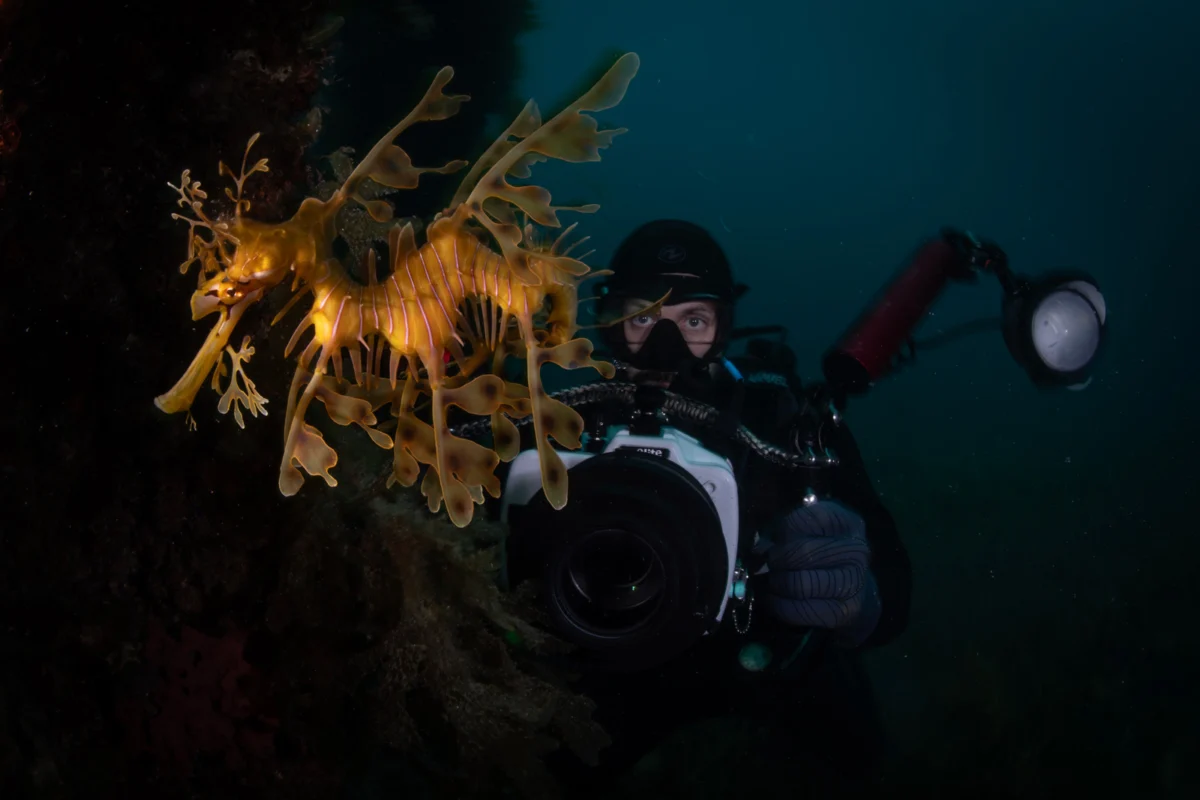
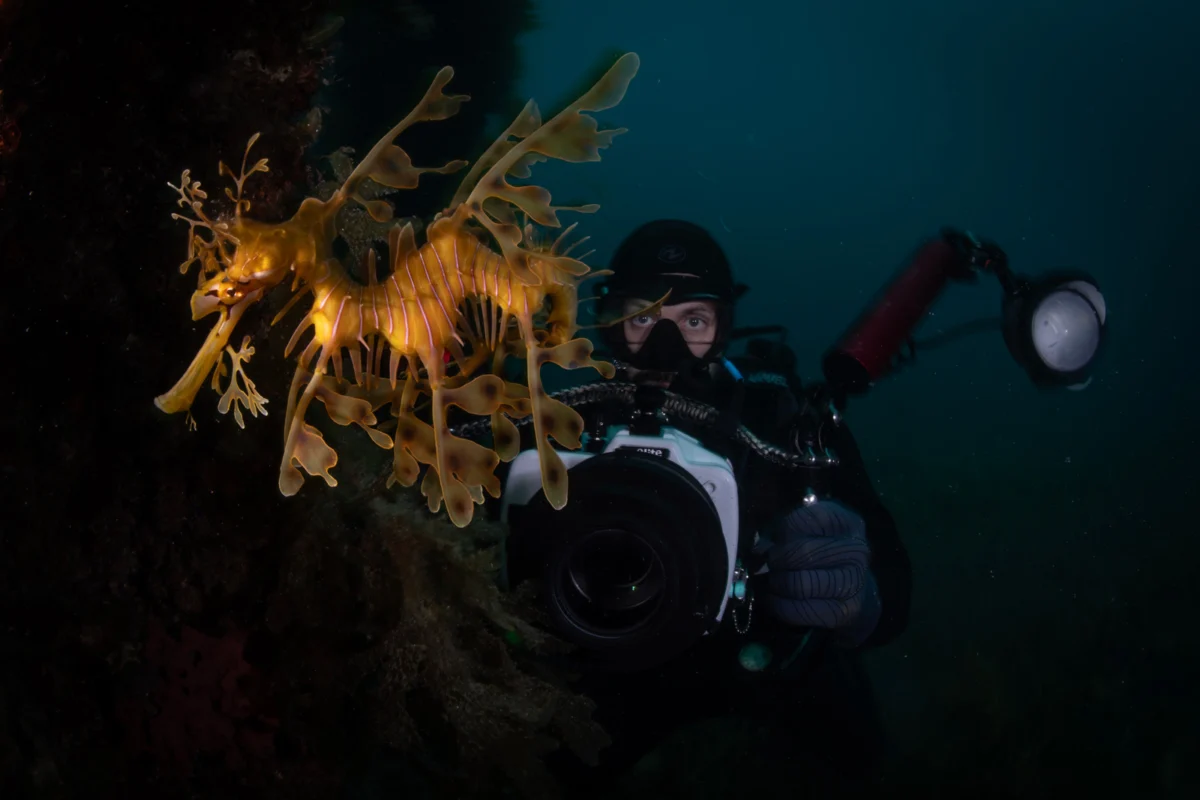
However, a significant draw to Raja Ampat, particularly for specialized photographers, is its incredible abundance of macro critters. Hiding in the cracks and crevices of these breathtaking reef systems is a world of tiny, often bizarre, and endlessly fascinating subjects. While a versatile mid-range macro lens, such as a 60mm, is useful, packing something with more magnification, like a 90mm or 120mm, is essential for truly capturing the minute details of these subjects. An external diopter is also highly recommended for isolating the teeniest inhabitants. Photographers can anticipate multiple encounters with pygmy pipehorses, flamboyant mantis shrimps, expertly camouflaged leaf scorpionfish and frogfish, various species of cephalopods (including octopuses and cuttlefish), ghost pipefish, eels, blennies, and a dazzling array of soft coral denizens. Before each dive, it is highly advisable to consult with the dive guide about expected sightings to optimize camera setup for the specific photographic opportunities.

Navigating the Challenges: Currents and Visibility
The very attributes that contribute to Raja Ampat’s rich diversity also present unique challenges for underwater photographers. The nutrient-rich waters, a product of intricate systems of strong currents flowing through straits like the Dampier Straits, can sometimes lead to less-than-desirable visibility. While these currents are vital for nourishing the vast marine ecosystems, they can complicate wide-angle photography, necessitating precise strobe positioning to minimize backscatter and enhance clarity.

Furthermore, these powerful currents pose a significant physical challenge, especially when handling heavy and cumbersome underwater photography equipment. Divers must be prepared for dives where the primary objective might be to simply hold on for dear life, seeking shelter behind any available boulder or reef structure. If a dive guide indicates "strong" currents before a dive, it might be prudent to consider leaving the camera behind, as maintaining stability and composition in such conditions can be nearly impossible, often requiring both hands for safety. It is paramount to ensure that cameras are securely attached at all times, and a reliable insurance policy for expensive gear is a wise investment.
Iconic Dive Sites for Photographers

Raja Ampat boasts a multitude of world-class dive sites, each offering unique photographic opportunities. Here are some top choices:
-
Melissa’s Garden: A true coral enthusiast’s dream, this wide-angle site immerses divers in sprawling mountains of coral plates that extend as far as the eye can see. The elegant topography provides a perfect backdrop for wide-angle shots of schooling batfish, barracuda, snappers, lionfish, and angelfish, among countless others. The sheer scale and health of the coral here are breathtaking.

-
Batu Rufus: This hidden gem near the Fam Islands is a crystal-clear emerald lagoon enclosed by towering limestone formations. The dive typically begins on the outer slopes, descending to about 25 meters, offering opportunities for manta ray and shark sightings. However, the true photographic magic unfolds in the shallow, pristine waters of the lagoon. The entrance itself is a large swim-through, adorned with towering coral fans and majestic rock structures. Inside, the lagoon opens into a natural pool with startling visibility, allowing photographers to spend hours capturing flourishing reef systems with natural light, making it an ideal location for stunning split shots that incorporate the dramatic limestone surroundings.
-
Cape Kri: Perhaps the most well-known dive site in the region, Cape Kri once held the world record for the highest number of species spotted on a single dive, making it a hotspot for marine life. Due to its popularity and immense biodiversity, divers often have the chance to explore it multiple times. It offers fantastic wide-angle opportunities with schooling barracuda, turtles, mantas, and various pelagic species along its sloping reefs that drop to 40 meters. Simultaneously, Cape Kri is an exceptional macro dive, saturated with exotic tiny critters. The abundance of Muricella gorgonian fans makes it a prime location to search for the elusive pygmy seahorse, a master of camouflage. This pygmy kingdom also hosts octopus, flatworms, nudibranchs, various shrimps, and an array of other fascinating subjects.

-
Manta Ridge: Located between Mansuar and Airborei Islands, Manta Ridge is a renowned hotspot for schooling manta rays. While encounters can sometimes be a hit-or-miss experience, when the ocean gods are favorable, divers may find themselves surrounded by mantas gliding gracefully from every direction. The currents here can be exceptionally strong, requiring divers to be highly aware and respectful of potentially dangerous down currents. Safety and excellent buoyancy control are paramount, especially for photographers managing heavy equipment.
-
Citrus Ridge: Near the Gam Islands, Citrus Ridge is another serious fan favorite, celebrated for one of the most colorful reef systems in the region. Its vibrant palette makes it an irresistible site for wide-angle experimentation. However, Citrus Ridge is equally a biodiversity hotspot for macro life. Photographers can immerse themselves in underwater detective work, peering into every rock and crevice for unique bottom dwellers. The colorful reef system provides a stunning backdrop for macro shots. The site offers a comprehensive array of marine life, from wobbegongs and sharks to turtles, schooling pelagics, and an indescribable wealth of macro subjects.

Conservation and Sustainability: Preserving Raja Ampat’s Legacy
The designation of Raja Ampat as a global biodiversity hotspot comes with the weighty responsibility of conservation. The Indonesian government, local communities, and numerous non-governmental organizations have invested significantly in establishing and enforcing Marine Protected Areas (MPAs) across the archipelago. These efforts aim to combat threats such as illegal fishing, destructive fishing practices, and plastic pollution, which remain pressing concerns. The success stories, particularly in areas like Misool, demonstrate the tangible benefits of stringent protection and community involvement in preserving marine ecosystems. Sustainable tourism practices are actively promoted, encouraging visitors to minimize their environmental footprint, respect marine life, and support local economies responsibly. The long-term health of Raja Ampat’s reefs is inextricably linked to ongoing vigilance and collaboration in conservation.

Conclusion: A Photographer’s Enduring Fascination
The photographic possibilities in Raja Ampat are truly endless, offering an unparalleled diversity of marine life for eager and devoted ocean lovers. Visitors become completely immersed in the true definition of island life, enjoying perfectly manicured reefs, an abundance of ocean creatures, and infinite archipelago structures during surface intervals. The most challenging aspect of a trip to Raja Ampat often lies in the decision between focusing on macro or wide-angle photography, as opportunities for both are equally compelling and abundant. Commitment to one setup for a dive is often necessary, accepting that opportunities for the other may be missed. However, regardless of the chosen photographic path, it is crucial to respect the strong ocean currents, fragile underwater ecosystems, and to embrace the awe-inspiring beauty of this last remaining paradise with a sense of wonder and responsibility. Raja Ampat stands as a testament to the ocean’s enduring majesty, a living laboratory and a vibrant canvas for the world’s most captivating underwater imagery.