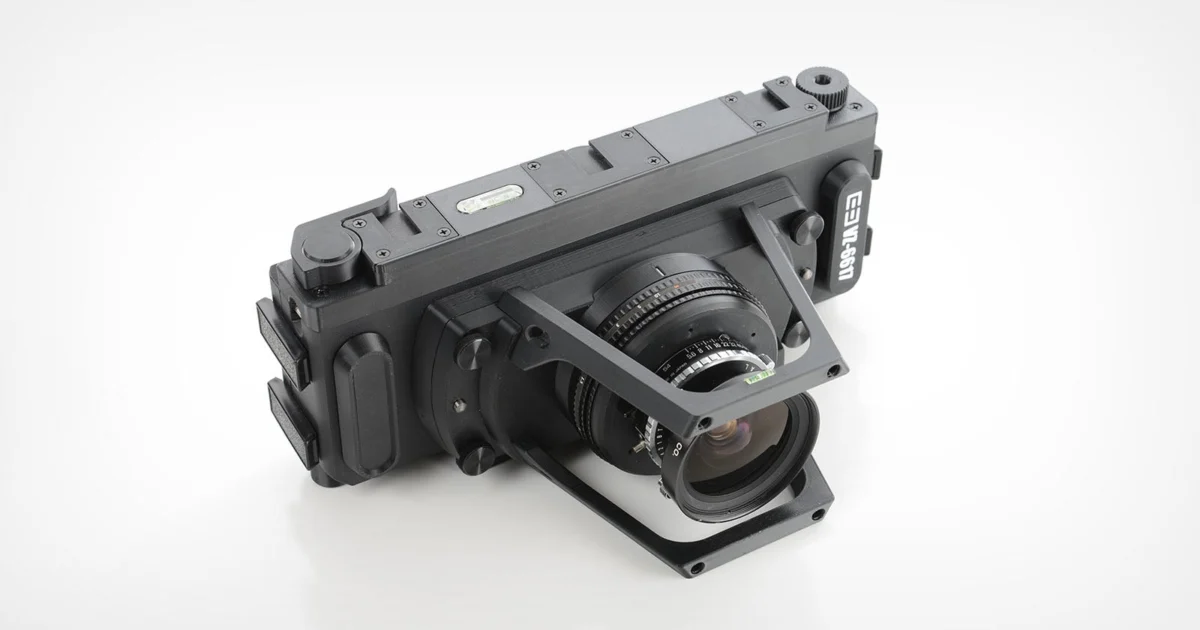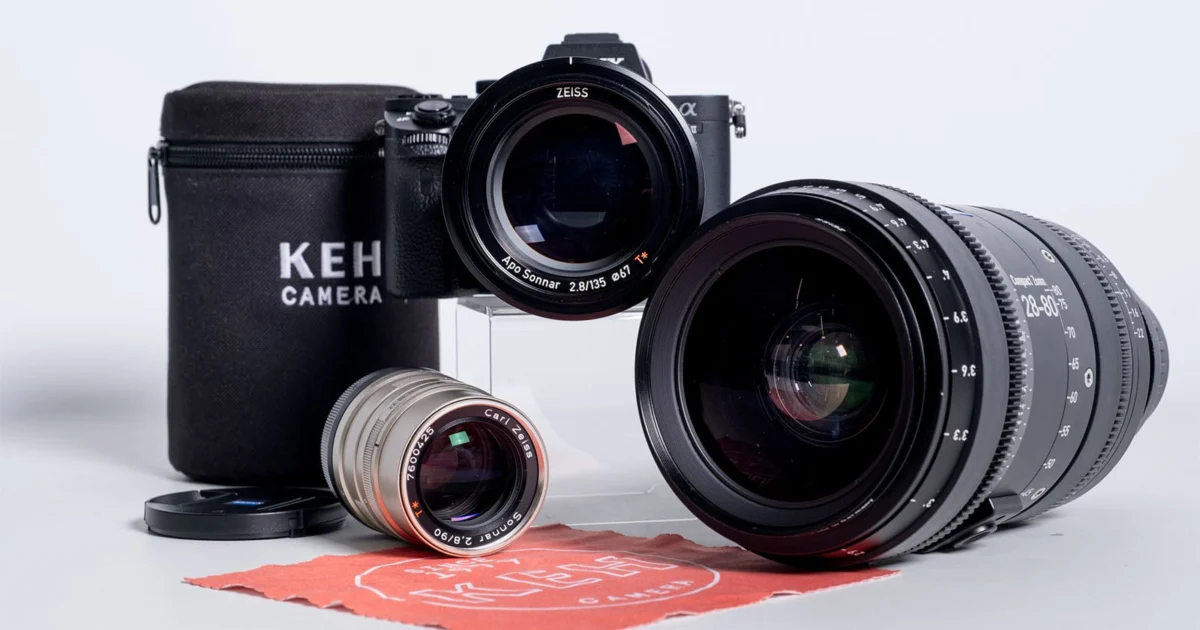
The journey of a photographer, whether an emerging enthusiast or a seasoned professional, often involves a considered evolution of their equipment. In an era of rapid technological advancement in camera systems, the decision to build or upgrade a photography kit extends beyond merely selecting the latest models. Increasingly, photographers are turning to the robust secondary market for high-quality, pre-owned gear, recognizing its potential to offer significant financial advantages and greater flexibility in curating a system tailored to their specific creative and technical demands. This approach allows for investment in superior lenses or a more diverse array of equipment, fostering a smarter, more sustainable pathway to photographic excellence across genres ranging from wildlife and travel to portraiture, sports, and fine art.
The Paradigm Shift: Mirrorless Dominance and the Circular Economy
Over the past decade, the photography industry has witnessed a transformative shift from traditional DSLR cameras to advanced mirrorless systems. This transition has been driven by numerous innovations, including more compact designs, superior autofocus capabilities, advanced image stabilization, and sophisticated electronic viewfinders. As manufacturers continue to release new mirrorless bodies and lenses at an accelerated pace, a vibrant ecosystem for used equipment has simultaneously flourished. This secondary market plays a crucial role in what is increasingly recognized as a circular economy within photography, allowing gear to find new life and purpose rather than becoming obsolete.
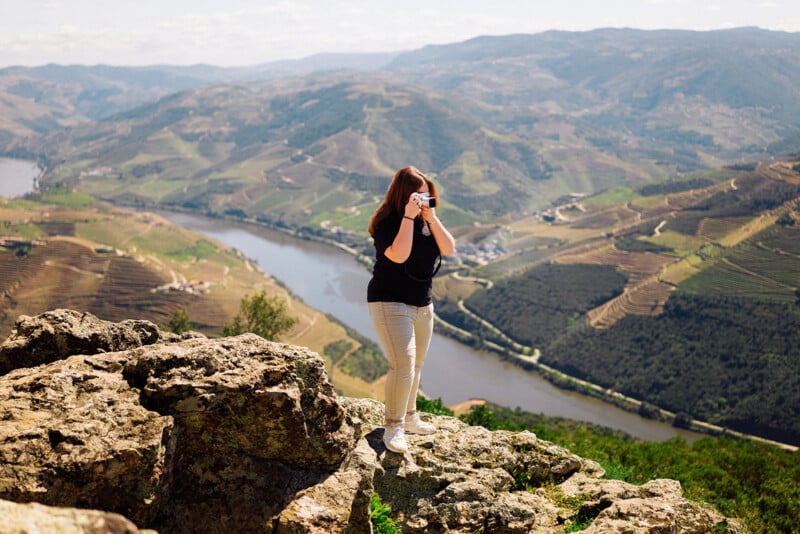
The rapid innovation cycle means that cameras and lenses introduced even a few years ago often retain highly advanced features that meet or exceed the needs of many photographers, yet become available at significantly reduced prices on the used market. For instance, a mirrorless body from within the last six years typically boasts modern capabilities such as advanced subject-detection autofocus, in-body image stabilization (IBIS), and high-resolution sensors, making them highly relevant for contemporary photographic practices. This trend is supported by market data indicating a steady growth in the demand for pre-owned camera equipment, as photographers prioritize value and intelligent investment over acquiring brand-new, often premium-priced, releases. Platforms specializing in used gear, such as MPB, have become instrumental in facilitating this market, offering authenticated and graded equipment, thereby building confidence among buyers.
Strategic Acquisition: Maximizing Value in Photography Investment
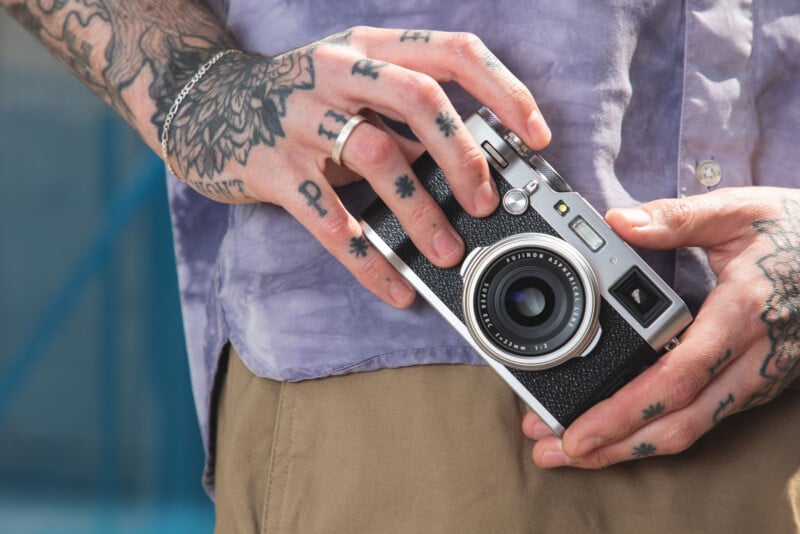
Choosing a camera body is merely the initial step in constructing a comprehensive photography kit; the lenses, however, fundamentally define a photographer’s creative scope and visual style. The lens mount, a critical long-term decision, dictates the ecosystem a photographer invests in, influencing future upgrade paths and lens compatibility. The used market offers an invaluable opportunity to navigate this complex decision-making process by providing access to a wider array of lenses and bodies that might otherwise be cost-prohibitive when purchased new. This strategic approach enables photographers to acquire versatile and high-performance equipment, experiment with different focal lengths and apertures, and ultimately build a kit that aligns with both their current photographic interests and their future artistic aspirations.
Industry analysts often highlight the economic prudence of investing in pre-owned equipment. The depreciation of new camera gear can be substantial within the first year of release. By opting for used, photographers can circumvent this initial depreciation, securing high-quality equipment that often performs indistinguishably from its new counterpart for a fraction of the cost. This financial flexibility allows for greater investment in lenses, which typically retain their value better than camera bodies and can remain staples in a photographer’s bag for many years. Reputable platforms ensure that each piece of gear undergoes rigorous evaluation, providing detailed condition ratings that empower buyers to make informed decisions.
Curated Kits for Diverse Photographic Disciplines
The following sections delve into specific camera and lens combinations, meticulously selected from the recent mirrorless market, demonstrating how strategic used gear acquisition can empower photographers across various genres.
For Aspiring Photographers: Building an Accessible Foundation
For individuals embarking on their photographic journey, the initial choice of an interchangeable-lens system can be daunting. The objective is to select a camera that offers an intuitive learning curve while providing ample room for skill development and evolving interests. Entry-level APS-C mirrorless cameras, in particular, present an attractive balance of performance and affordability, leaving a larger portion of the budget available for essential lenses. These lenses are often long-term investments, capable of outliving multiple camera bodies.
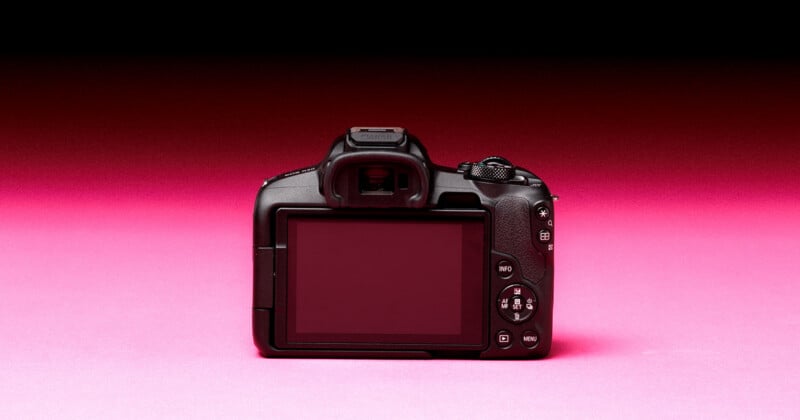
- Canon EOS R50 + RF-S 18-45mm + RF-S 55-210mm: The Canon EOS R50, launched in 2023, is an ideal entry point into Canon’s modern RF mirrorless system. Featuring a 24.2-megapixel APS-C sensor and Canon’s renowned Dual Pixel CMOS autofocus, it offers subject detection capabilities suitable for beginners transitioning from smartphones. The RF-S 18-45mm serves as a versatile everyday lens, covering wide-angle to standard perspectives for travel, family, and general photography. Complementing this, the RF-S 55-210mm extends the focal range significantly, enabling exploration of wildlife, sports, and distant subjects. This two-lens kit provides comprehensive coverage for a budding photographer without immediate financial strain.
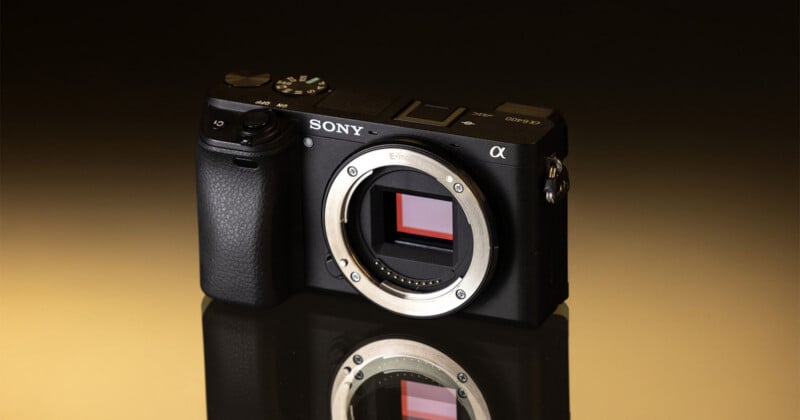
- Sony a6400 + E 18-135mm + E 70-350mm G OSS: The Sony a6400, while not the newest, remains a highly capable APS-C option, offering a 24.2-megapixel sensor, rapid autofocus, and a compact form factor. Its integration into Sony’s extensive E-mount ecosystem ensures future upgrade paths. The Sony E 18-135mm f/3.5-5.6 OSS is an excellent all-in-one lens for diverse photography, minimizing lens changes during travel or family events. The addition of the E 70-350mm f/4.5-6.3 G OSS provides substantial telephoto reach, crucial for experimenting with wildlife and action photography.
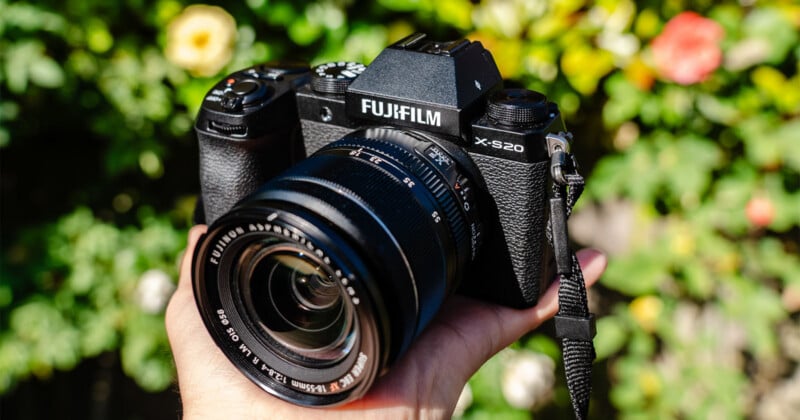
- Fujifilm X-S20 + XF 16-50mm + XF 70-300mm: The Fujifilm X-S20, introduced in 2023, offers a slightly more advanced APS-C platform with a 26.1-megapixel sensor, in-body image stabilization, and improved subject-detection autofocus. Its hybrid still/video capabilities make it a versatile choice for multimedia creators. The XF 16-50mm f/2.8-4.8 R LM WR provides a wide to short-telephoto range, perfect for landscapes, street, and portraits, while the XF 70-300mm f/4-5.6 R LM OIS WR offers extended reach for wildlife and distant subjects.
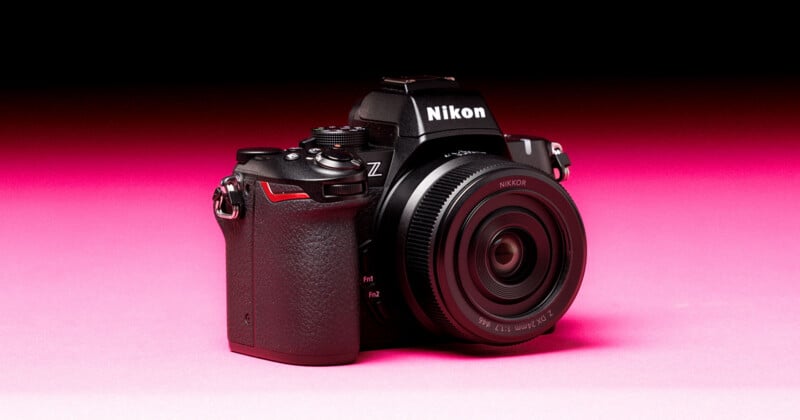
- Nikon Z50 II + NIKKOR Z DX 12-28mm + NIKKOR Z DX 24mm f/1.7: The Nikon Z50 II, a recent APS-C mirrorless offering, provides a solid entry into Nikon’s Z-mount system. This kit emphasizes compositional learning with two distinct lenses. The NIKKOR Z DX 12-28mm is ideal for expansive scenes like landscapes and architecture, while the NIKKOR Z DX 24mm f/1.7 prime lens encourages creative depth of field and excels in low-light conditions, fostering a deeper understanding of exposure and artistic control.
Specialized Applications: Nature and Wildlife Photography
Wildlife photography demands camera systems capable of extreme telephoto reach, rapid and precise autofocus, high burst rates, and sufficient resolution for cropping. The interplay between body and lens is paramount, as even the most advanced camera cannot compensate for insufficient lens reach or slow focusing.
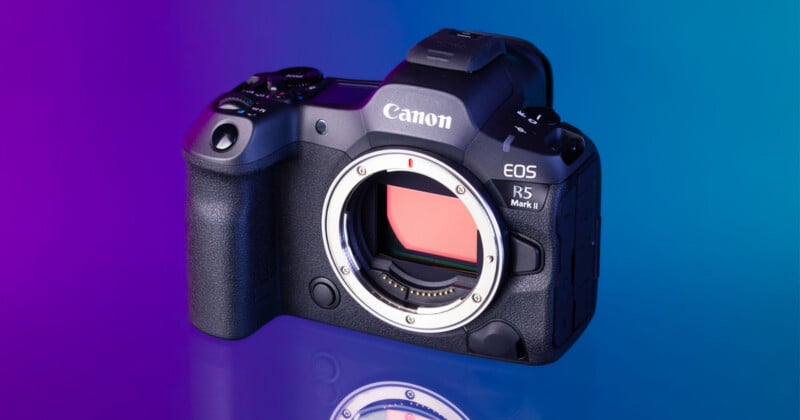
- Canon EOS R5 Mark II + RF 100-500mm + RF 200-800mm: The Canon EOS R5 Mark II, unveiled in 2024, is a powerhouse for wildlife, balancing high resolution (45-megapixels), advanced autofocus, and impressive speed. The RF 100-500mm f/4.5-7.1L IS USM offers versatility for subjects at varying distances, while the RF 200-800mm f/6.3-9 IS USM pushes the boundaries of telephoto reach, making it invaluable for bird photography and elusive distant animals.
- Sony a1 II + FE 100-400mm GM + FE 300mm f/2.8 GM OSS: The Sony a1 II is engineered for photographers requiring both exceptional resolution and unparalleled speed. Its high-megapixel sensor allows for significant cropping, essential when wildlife does not fill the frame, while its speed ensures no moment is missed. The FE 100-400mm f/4.5-5.6 GM OSS provides a flexible telephoto range, complemented by the professional-grade FE 300mm f/2.8 GM OSS, chosen for its wide aperture and superior low-light performance.
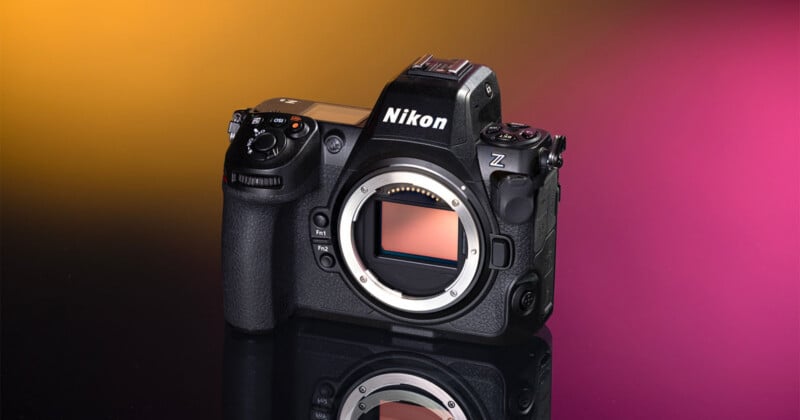
- Nikon Z8 + NIKKOR Z 180-600mm + NIKKOR Z 100-400mm: The Nikon Z8 delivers a 45.7-megapixel full-frame sensor and advanced autofocus in a more compact form factor than its flagship sibling, the Z9. Its high resolution is particularly advantageous for wildlife subjects that may require extensive cropping. The NIKKOR Z 180-600mm f/5.6-6.3 VR serves as the primary long-reach lens, while the NIKKOR Z 100-400mm f/4.5-5.6 VR S offers a versatile range for larger animals or closer encounters.
Agile Storytelling: Travel Photography
Travel photographers often face the challenge of capturing a wide array of subjects—from sweeping landscapes and intricate architecture to street scenes and intimate portraits—all within a single day. A robust travel kit prioritizes versatility, portability, and adaptability, minimizing the need for an extensive, heavy gear bag.
- Sony a7C II + FE 20-70mm f/4 G + FE 70-200mm f/4 G OSS II: The Sony a7C II couples a 33-megapixel full-frame sensor with a remarkably compact body, making it an excellent choice for travel. Its capable autofocus system ensures sharp images across varied conditions. The FE 20-70mm f/4 G offers a genuinely wide perspective for landscapes and interiors, extending to a useful portrait focal length. The FE 70-200mm f/4 G OSS II expands this range, allowing for distant detail capture, wildlife, and compressed landscape compositions.
- Fujifilm X-T5 + XF 16-50mm + XF 70-300mm: The Fujifilm X-T5 combines a 40.2-megapixel APS-C sensor with a classic, physically controlled body. The high-resolution sensor provides significant cropping flexibility, while the X-mount system offers a wide selection of lenses. The XF 16-50mm f/2.8-4.8 R LM WR covers everyday scenes and wide travel shots, with the XF 70-300mm f/4-5.6 R LM OIS WR adding the telephoto reach necessary for distant subjects or wildlife encountered en route.
- Nikon Zf + NIKKOR Z 24-120mm f/4 S + NIKKOR Z 40mm f/2: The Nikon Zf appeals to photographers who appreciate a blend of modern full-frame performance and classic, tactile controls. For travel, this unique combination offers a more deliberate shooting experience. The NIKKOR Z 24-120mm f/4 S serves as a highly versatile primary lens, handling most travel scenarios. The NIKKOR Z 40mm f/2 prime adds a compact, fast option for street photography, low-light situations, and environmental portraits.
Crafting Vision: Portrait Photography
For portrait photographers, lens selection often outweighs pure resolution, with emphasis placed on control over depth of field, background separation (bokeh), and natural rendering of subjects.
- Canon EOS R6 Mark II + RF 85mm f/2 Macro IS STM + RF 24-105mm f/2.8L IS USM Z: The EOS R6 Mark II, with its 24.2-megapixel full-frame sensor and sophisticated subject-detection autofocus, is a robust choice for portraiture, particularly for event or on-location work. The RF 85mm f/2 Macro IS STM provides the classic portrait focal length with macro capabilities, while the RF 24-105mm f/2.8L IS USM Z offers exceptional versatility for environmental portraits and group shots.
- Sony a7 IV + FE 85mm f/1.4 GM II + FE 35mm f/1.4 GM: Sony’s a7 IV features a 33-megapixel full-frame sensor and an advanced autofocus system, making it suitable for portrait, editorial, and commercial applications. The FE 85mm f/1.4 GM II is a dedicated portrait lens, renowned for its wide aperture and beautiful bokeh. The FE 35mm f/1.4 GM offers a wider perspective, ideal for environmental storytelling and capturing subjects within their surroundings.
- Nikon Z6 III + NIKKOR Z 85mm f/1.2 S + NIKKOR Z 35mm f/1.4: The Nikon Z6 III, introduced in 2024, offers a 24.5-megapixel full-frame sensor with a partially stacked design, providing excellent autofocus and readout performance for dynamic portrait scenarios, including video. The NIKKOR Z 85mm f/1.2 S is a premier choice for traditional portraits, delivering ultra-shallow depth of field. The NIKKOR Z 35mm f/1.4 provides a wider, more contextual perspective for environmental and documentary-style portraiture.
Precision and Detail: Fine Art Photography
Fine art photographers often prioritize resolution, dynamic range, and meticulous lens rendering, especially for large prints and detailed imagery. The ability to crop significantly without compromising quality is a key advantage.
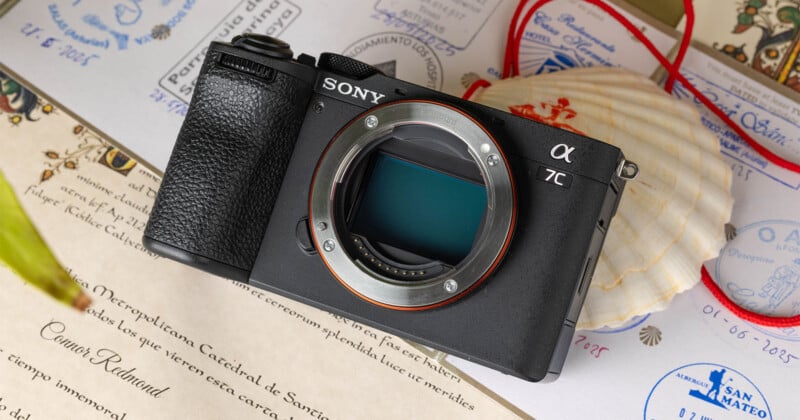
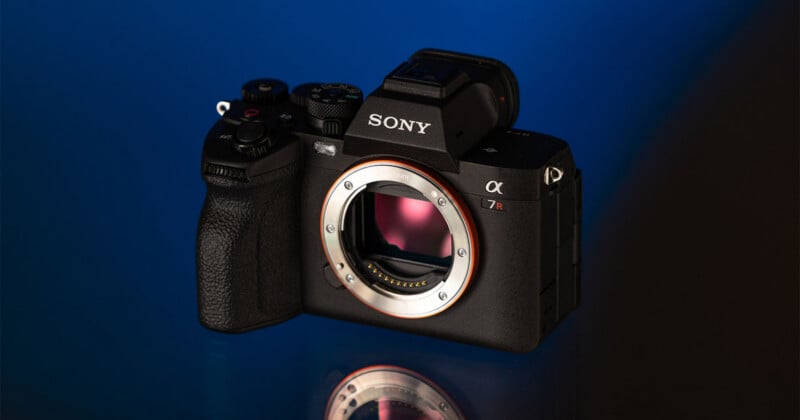
- Sony a7R V + FE 50mm f/1.2 GM + FE 20-70mm f/4 G: The Sony a7R V’s 61-megapixel full-frame sensor offers unparalleled resolution for fine art, landscape, and commercial work. The FE 50mm f/1.2 GM delivers a natural perspective with an extremely wide aperture for selective focus and artistic rendering. The FE 20-70mm f/4 G provides a broad field of view for landscapes, architecture, and environmental compositions, offering a versatile complement to the prime.
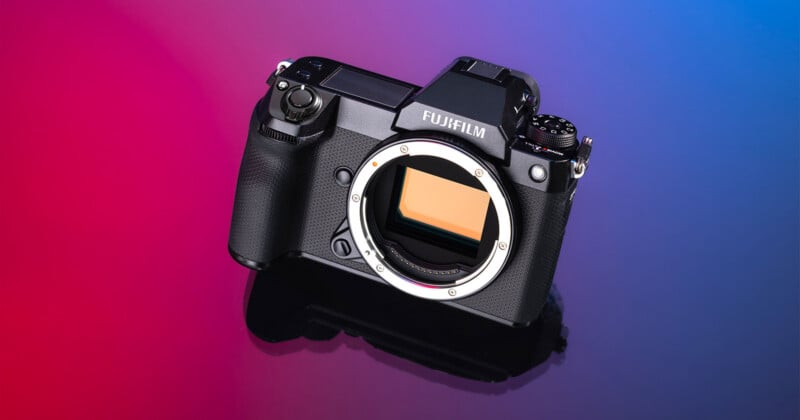
- Fujifilm GFX100S II + GF 55mm f/1.7 R WR + GF 32-64mm f/4 R LM WR II: The GFX100S II pushes into medium format territory with its 102-megapixel sensor, providing extraordinary detail and dynamic range. This system, introduced in 2024, offers an accessible entry point into the GFX ecosystem. The GF 55mm f/1.7 R WR delivers a natural perspective with a wide aperture for selective focus, while the GF 32-64mm f/4 R LM WR II is a versatile zoom for landscapes, architecture, and larger fine art scenes.
- Panasonic Lumix S1R II + Lumix S 24-60mm f/2.8 + Lumix S 100mm f/2.8 Macro: The Lumix S1R II provides a high-resolution full-frame platform with L-Mount compatibility, offering access to lenses from Panasonic, Leica, and Sigma. The Lumix S 24-60mm f/2.8 is a versatile option for landscapes and environmental work, while the Lumix S 100mm f/2.8 Macro provides a unique perspective for detail-oriented fine art photography, bridging large scenes with intricate subjects.
Capturing Motion: Sports and Action Photography
Sports photography is arguably the most demanding genre, requiring camera bodies with blazing-fast autofocus, high-speed continuous shooting, and exceptional readout performance, paired with telephoto lenses that offer both reach and fast apertures.
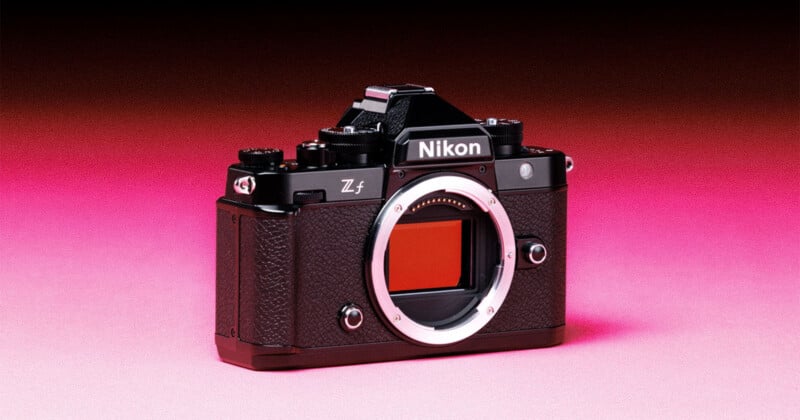
- Sony a9 III + FE 70-200mm f/2.8 GM OSS II + FE 300mm f/2.8 GM OSS: The Sony a9 III is built for speed, featuring a global shutter that eliminates rolling shutter effects, making it ideal for rapidly moving subjects. The FE 70-200mm f/2.8 GM OSS II is a professional workhorse for action close to the photographer, while the FE 300mm f/2.8 GM OSS provides greater reach and a wide aperture for subject separation and low-light performance.
- Canon EOS R1 + RF 70-200mm f/2.8L IS USM Z + RF 100-500mm: The Canon EOS R1, Canon’s flagship EOS R mirrorless camera (2024), is designed for professional action photography. The RF 70-200mm f/2.8L IS USM Z covers the versatile short-to-medium telephoto range for many sports. The RF 100-500mm f/4.5-7.1L IS USM provides significantly more reach for field sports or situations where proximity to the action is limited.
- Nikon Z9 + NIKKOR Z 70-200mm f/2.8 VR S II + NIKKOR Z 180-600mm: The Nikon Z9 combines flagship autofocus and high-speed performance with a 45.7-megapixel stacked sensor, allowing for extensive cropping when necessary. The NIKKOR Z 70-200mm f/2.8 VR S II is the professional choice for closer action, while the NIKKOR Z 180-600mm f/5.6-6.3 VR offers substantial reach for distant field sports.
Versatility in Demand: Commercial and Editorial Photography
Commercial and editorial photographers require highly adaptable kits to meet diverse assignment needs, often shifting between portraits, environmental shoots, product photography, and dynamic events. A high-performance body paired with versatile zoom lenses forms an ideal foundation.
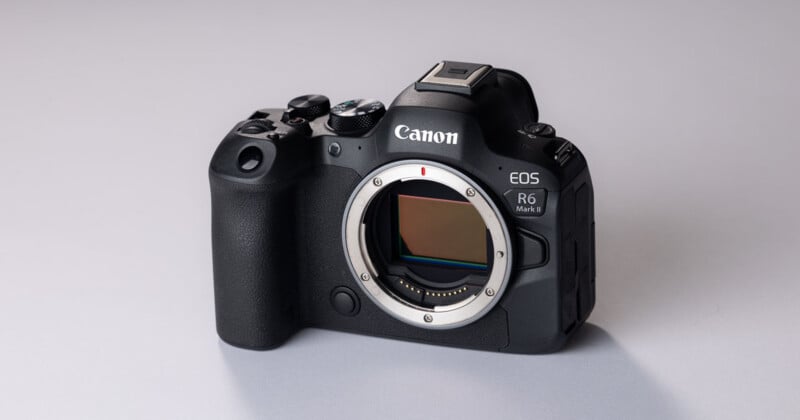
- Canon EOS R5 Mark II + RF 24-105mm f/2.8L IS USM Z + RF 100-500mm: The EOS R5 Mark II offers a potent combination of resolution (45-megapixels), advanced autofocus, and speed, suitable for a broad spectrum of professional assignments. The RF 24-105mm f/2.8L IS USM Z is a central piece, covering environmental portraits, products, events, and general editorial work. The RF 100-500mm f/4.5-7.1L IS USM adds telephoto capabilities for compressed portraits, distant details, and outdoor assignments.
- Nikon Z8 + NIKKOR Z 24-120mm f/4 S + NIKKOR Z 70-200mm f/2.8 VR S II: The Nikon Z8 provides a 45.7-megapixel sensor in a more portable body than the Z9, making it an excellent choice for professionals prioritizing image quality without the flagship bulk. The NIKKOR Z 24-120mm f/4 S is an exceptionally versatile editorial lens, capable of covering a wide range of scenarios. The NIKKOR Z 70-200mm f/2.8 VR S II adds the classic professional telephoto range for portraits, events, and tighter compositions.
- Panasonic Lumix S5II + Lumix S Pro 24-70mm f/2.8 + Lumix S Pro 70-200mm f/2.8: The Lumix S5II is a 24-megapixel full-frame mirrorless camera that offers a strong hybrid stills and video system. Its L-Mount provides access to a wide range of lenses. The Lumix S Pro 24-70mm f/2.8 is the general-purpose workhorse, covering portraits, products, and events, while the Lumix S Pro 70-200mm f/2.8 adds crucial reach and compression for professional portraits and detailed shots.
Intimate Worlds: Macro Photography
Macro photography requires specialized lenses and often benefits from specific camera features like image stabilization and focus stacking capabilities. Magnification, working distance, and focusing performance are critical for capturing the intricate details of small subjects.
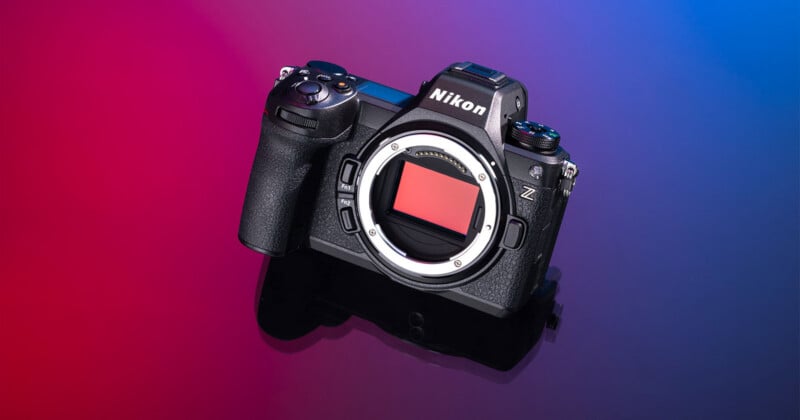
- OM SYSTEM OM-1 Mark II + M.Zuiko 90mm f/3.5 Macro IS PRO + M.Zuiko 12-45mm f/4 PRO: The OM SYSTEM OM-1 Mark II, with its Micro Four Thirds sensor and computational photography features, is particularly well-suited for nature and macro work. The M.Zuiko 90mm f/3.5 Macro IS PRO offers high magnification and a long working distance, crucial for easily disturbed subjects. The 12-45mm f/4 PRO provides a versatile general-purpose option for wider environmental shots.
- Nikon Z8 + NIKKOR Z MC 105mm f/2.8 VR S + NIKKOR Z 24-120mm f/4 S: The Nikon Z8’s 45.7-megapixel sensor provides ample resolution for capturing fine macro details and allowing for creative cropping. The NIKKOR Z MC 105mm f/2.8 VR S is a dedicated macro lens offering true 1:1 magnification and a comfortable working distance. The NIKKOR Z 24-120mm f/4 S serves as an excellent everyday lens for landscapes and broader nature scenes, making this a versatile system beyond just macro.
- Panasonic Lumix S5II + Lumix S 100mm f/2.8 Macro + Lumix S 24-60mm f/2.8: The Lumix S5II offers a full-frame platform for macro photographers who also engage in broader nature or commercial work. The Lumix S 100mm f/2.8 Macro is the dedicated close-up lens, while the Lumix S 24-60mm f/2.8 provides a flexible option for wider compositions, suitable for photographers capturing flowers, products, and textures alongside larger scenes.
Empowering the Photographer: The Enduring Value of Smart Gear Choices
Ultimately, the optimal camera system is deeply personal and varies significantly across individual photographic pursuits. A wildlife photographer’s priorities differ markedly from those of a portrait artist, just as a travel photographer may value portability and adaptability above maximum resolution. This understanding underscores the fact that upgrading a kit does not always necessitate acquiring the absolute newest model. Often, the most impactful change comes from adding a lens that unlocks a previously inaccessible genre or a slightly newer body that enhances an existing lens collection with faster autofocus, improved resolution, or advanced features.
For photographers embarking on their journey, the used market offers an unparalleled opportunity to assemble a more capable kit without allocating an entire budget to a single camera body. This approach democratizes access to advanced photographic technology, fostering creativity and skill development. Furthermore, for those with unused equipment, platforms like MPB provide a streamlined process for selling or trading gear, converting dormant assets into capital for future investments. This circular model not only benefits individual photographers economically but also contributes to a more sustainable consumption pattern within the industry.
The act of changing gear transcends mere acquisition; it represents an opportunity to explore new subjects, embrace novel creative methodologies, and pursue photographic opportunities that were previously out of reach. Whether a photographer is starting from scratch or incrementally upgrading their setup, the overarching objective remains constant: to identify the camera and lenses that effectively propel their photographic journey forward.
Shop used camera gear at MPB to compare bodies and lenses across a range of camera systems, conditions, and price points. MPB individually evaluates used equipment before it is listed, giving photographers more information when deciding whether a particular piece of gear is the right fit. And when a camera or lens no longer fits the way you photograph, sell or trade your gear through MPB to put its value toward whatever comes next. That can make changing systems less of a leap and more of a progression from one kit to another. Changing gear is ultimately about more than owning newer equipment. The right body and lenses can open up different subjects, new creative approaches, and opportunities that weren’t possible with the kit you had before. Whether you’re starting fresh or upgrading one piece at a time, the goal is the same: find the camera and lenses that help you move your photography forward.
Affiliate Disclosure: PetaPixel articles may include affiliate links; we may earn a commission if you buy through one.