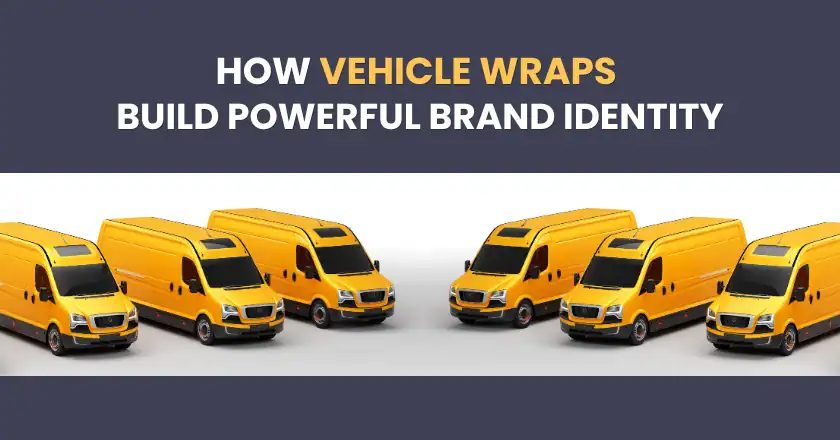
In an era where consumer attention is the ultimate currency, the physical presence of a business on the open road has evolved from a logistical necessity into a high-stakes marketing strategy. For any enterprise operating a fleet of vehicles—whether a local plumbing service with three vans or a national logistics firm with thousands of trucks—every mile driven represents a critical touchpoint for brand building. A vehicle in transit is no longer merely a tool for transportation; it is a mobile billboard, a silent ambassador, and a moving testament to a company’s professionalism. Today, businesses are increasingly leveraging high-quality vehicle wraps to unify their fleet, strengthen brand recognition, and project a polished image that commands immediate consumer trust.
The Evolution of Mobile Advertising and Brand Authority
The transition from plain, unmarked service vehicles to fully wrapped, high-impact mobile advertisements reflects a broader shift in the Out-of-Home (OOH) advertising landscape. Traditionally, small to medium-sized enterprises (SMEs) relied on static billboards or local print media to garner attention. However, as digital ad costs soar and consumer "ad-blindness" toward online banners increases, the tangible nature of vehicle graphics has seen a resurgence.
Industry data from the Outdoor Advertising Association of America (OAAA) suggests that a single vehicle wrap can generate between 30,000 and 70,000 impressions daily, depending on the route and population density. Unlike digital advertisements that disappear once a budget is exhausted, a vehicle wrap provides a one-time investment with a multi-year lifespan, often resulting in a cost-per-thousand-impressions (CPM) as low as $0.77. This economic efficiency is driving a surge in the demand for professional-grade design resources that can translate a brand’s digital identity into a physical format without losing fidelity.
Technical Precision: The Role of SignSilo in Fleet Branding
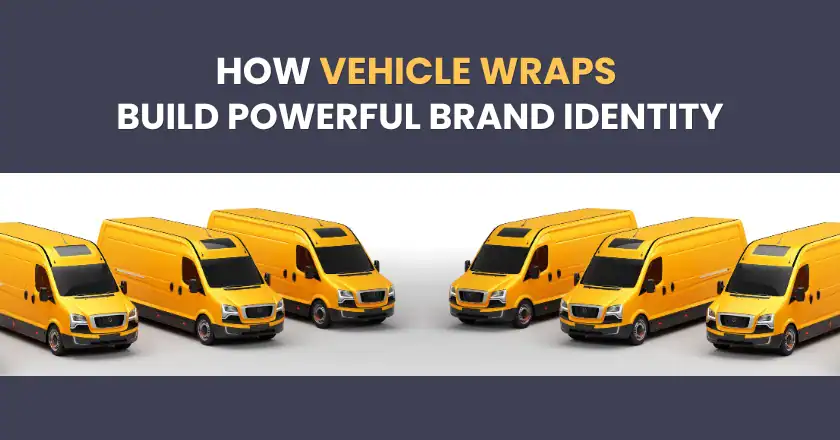
The primary challenge in fleet branding is consistency across diverse vehicle makes and models. A logo that looks perfectly proportioned on a compact transit van may appear distorted or misplaced on a heavy-duty box truck. This is where specialized visual resource hubs like SignSilo have become indispensable to the modern sign-making and wrap industry.
SignSilo provides the technical infrastructure required to move from a conceptual design to a production-ready reality. By offering a library of over 80,000 precise vehicle templates, the platform ensures that designers are working with 1:1 scale blueprints. These templates account for the specific contours, door handles, fuel caps, and windows of virtually every vehicle on the road, from vintage models to the latest 2025 releases.
Beyond templates, the platform’s integration of high-resolution vector graphics and professional typography allows wrap shops to maintain "brand-book" standards. Vector graphics are particularly vital in this context; unlike raster images, they can be scaled infinitely without losing sharpness, ensuring that a company’s logo remains crisp whether it is on a small sedan or a massive semi-trailer. By providing these resources at a budget-friendly price point, SignSilo has effectively democratized professional-grade branding, allowing smaller wrap shops to compete with large-scale marketing agencies in terms of output quality.
The Economic Landscape and ROI Analysis
The decision to invest in a unified fleet image is increasingly backed by robust ROI data. Marketing analysts note that vehicle wraps offer a unique form of "passive" lead generation. While a service technician is parked at a job site, the vehicle continues to advertise to the surrounding neighborhood—a demographic often characterized by similar housing types and service needs.

Current market analysis indicates the following performance metrics for vehicle branding:
- Retention Rates: Studies show that 95% of people who see a vehicle wrap remember the graphics, compared to much lower retention for short-form video ads.
- Brand Perception: 75% of consumers report that they form an opinion about a company based on the appearance of its service vehicles.
- Longevity: High-quality cast vinyl wraps typically last between five to seven years, protecting the original paintwork and potentially increasing the vehicle’s resale value.
By utilizing subscription-based models like those offered by SignSilo, wrap shops can reduce their internal design costs. Access to "ready-to-wrap" designs and free testers allows for a lower barrier to entry, enabling businesses to refresh their fleet look more frequently or scale their branding efforts as their fleet grows.
A Chronology of Fleet Transformation
The process of turning a fleet into a trust-building asset follows a specific strategic timeline:
- Brand Discovery and Asset Audit: The business identifies its core visual markers—logos, primary colors, and contact information.
- Template Selection: Designers utilize platforms like SignSilo to pull exact measurements for the fleet’s specific makes and models.
- The Design Phase: Using vector graphics and high-resolution photography, the brand identity is mapped onto the 3D surfaces of the vehicle, ensuring that key information is not cut off by doors or windows.
- Pre-Press and Material Selection: The design is printed onto specialized vinyl. The choice between "cast" vinyl (for complex curves) and "calendered" vinyl (for flat surfaces) is made based on the vehicle type.
- Installation: Professional installers apply the vinyl, a process that requires climate-controlled environments and precision tools to avoid bubbles or misalignment.
- Deployment and Monitoring: The branded fleet enters the market, serving as a continuous marketing channel.
The Psychology of Consumer Trust on the Road
The psychological impact of a branded vehicle cannot be overstated. In the home services sector—encompassing HVAC, plumbing, electrical, and cleaning services—a branded vehicle serves as a security credential. When a technician arrives at a residential property in a clean, professionally wrapped van, it signals that the business is a legitimate entity with an established reputation.
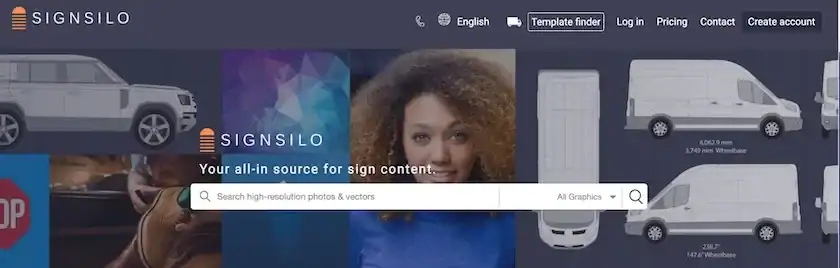
"Unmarked vans can trigger a subconscious ‘stranger danger’ response in residential neighborhoods," notes one industry analyst specializing in consumer behavior. "Conversely, a branded vehicle provides a sense of accountability. If the vehicle is recognizable, the company is seen as having nothing to hide."
By combining strong logo placement with clear messaging and sharp visuals, vehicle wraps communicate quality and dependability before a single conversation begins. This "pre-trust" simplifies the sales process for the technician and reinforces the company’s market authority every time the vehicle is seen in traffic.
Future Trends: Sustainability and Digital Integration
As the industry moves forward, two major trends are emerging: eco-friendly materials and digital-physical integration. There is a growing demand for PVC-free wraps and sustainable printing inks as companies seek to align their fleets with environmental, social, and governance (ESG) goals.
Furthermore, the integration of QR codes into vehicle wraps is bridging the gap between physical and digital marketing. A high-resolution wrap designed with SignSilo assets might include a strategically placed QR code that, when scanned by a pedestrian or a passenger in a stationary car, leads directly to a booking page or a promotional offer. This creates a measurable conversion path from a physical impression to a digital lead.

Broader Impact and Strategic Implications
The shift toward professional fleet branding is more than a design trend; it is a fundamental change in how businesses manage their physical assets. A well-executed wrap turns a depreciating asset (the vehicle) into a high-performing marketing tool.
For the sign-making industry, the availability of comprehensive resource hubs like SignSilo has streamlined the production workflow. By providing everything from fonts to 3D templates in one location, these platforms allow shops to focus on the craftsmanship of installation and the strategy of design rather than the tedious task of manual measurement and asset creation.
In conclusion, the goal of modern fleet management has expanded. It is no longer enough to simply move from point A to point B. The objective is to build a brand that moves—one that captures attention, communicates values, and, most importantly, builds the trust necessary to sustain long-term business growth. As fleets continue to grow in complexity, the reliance on high-quality templates and professional design assets will remain the cornerstone of successful mobile brand identity.