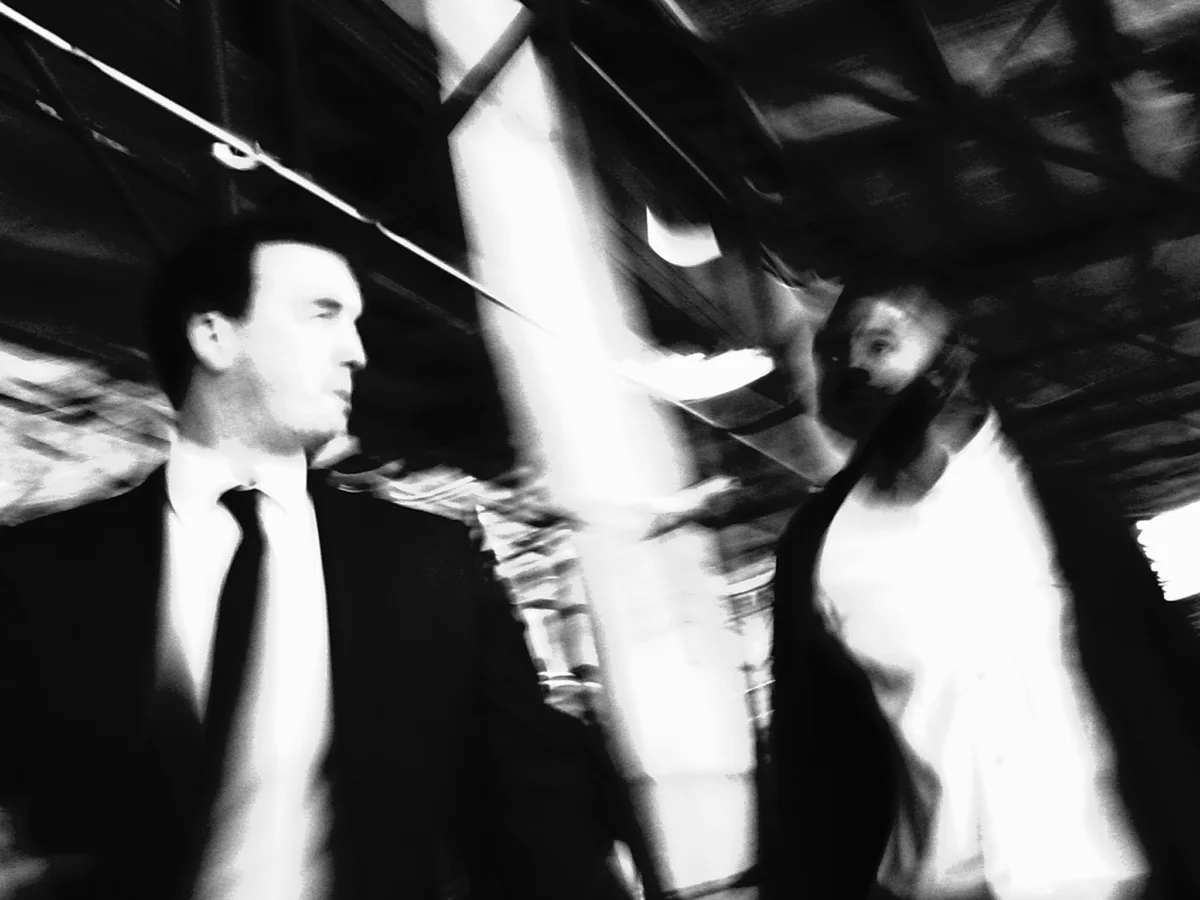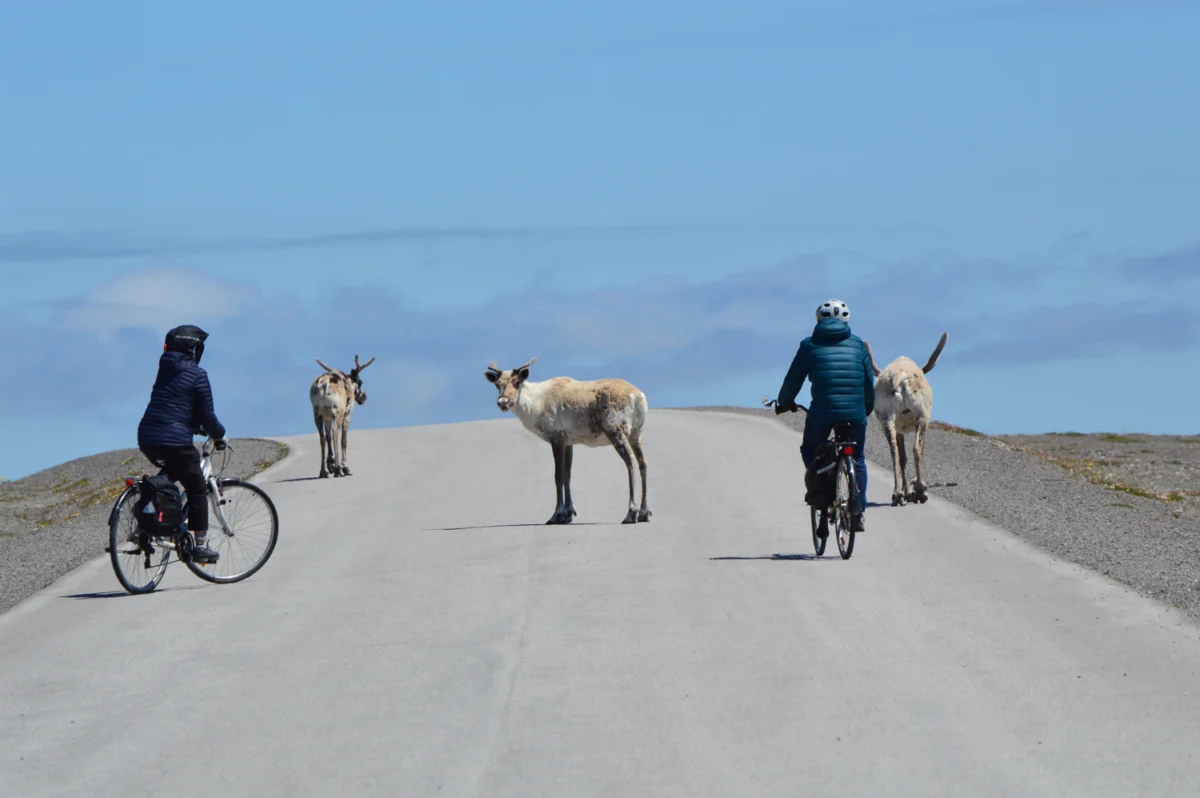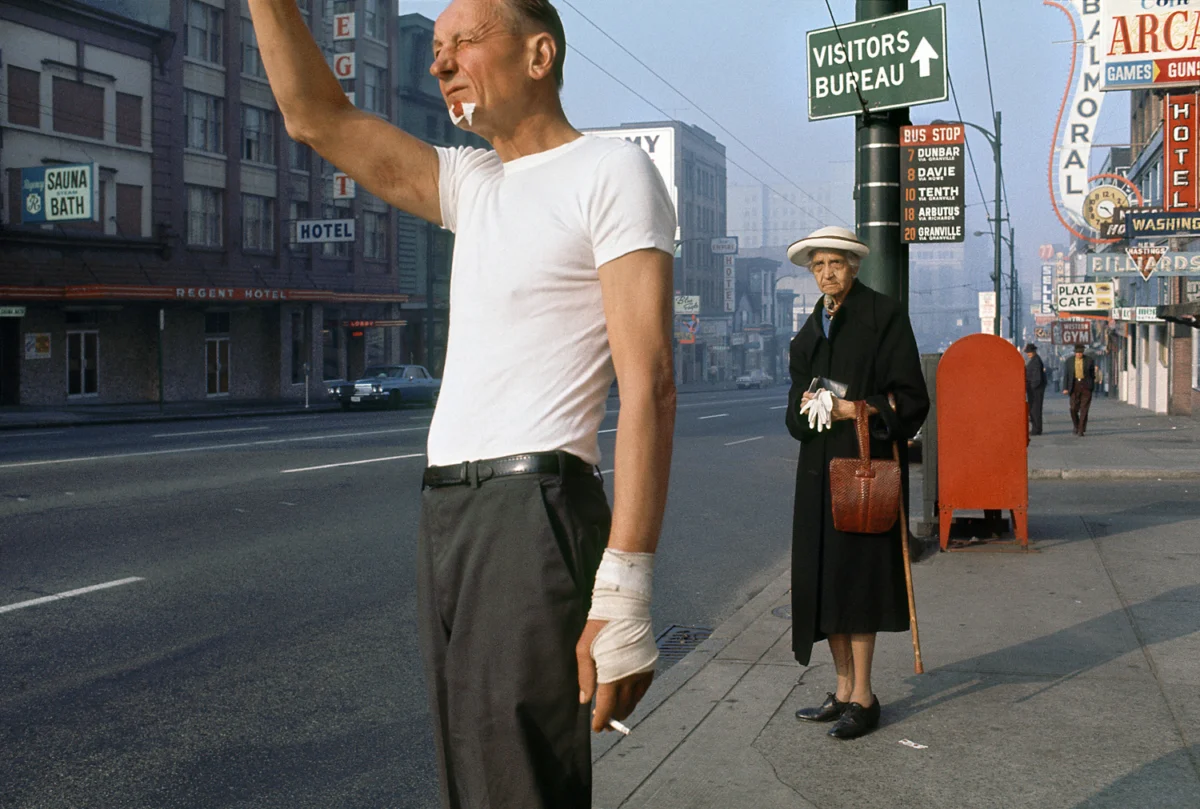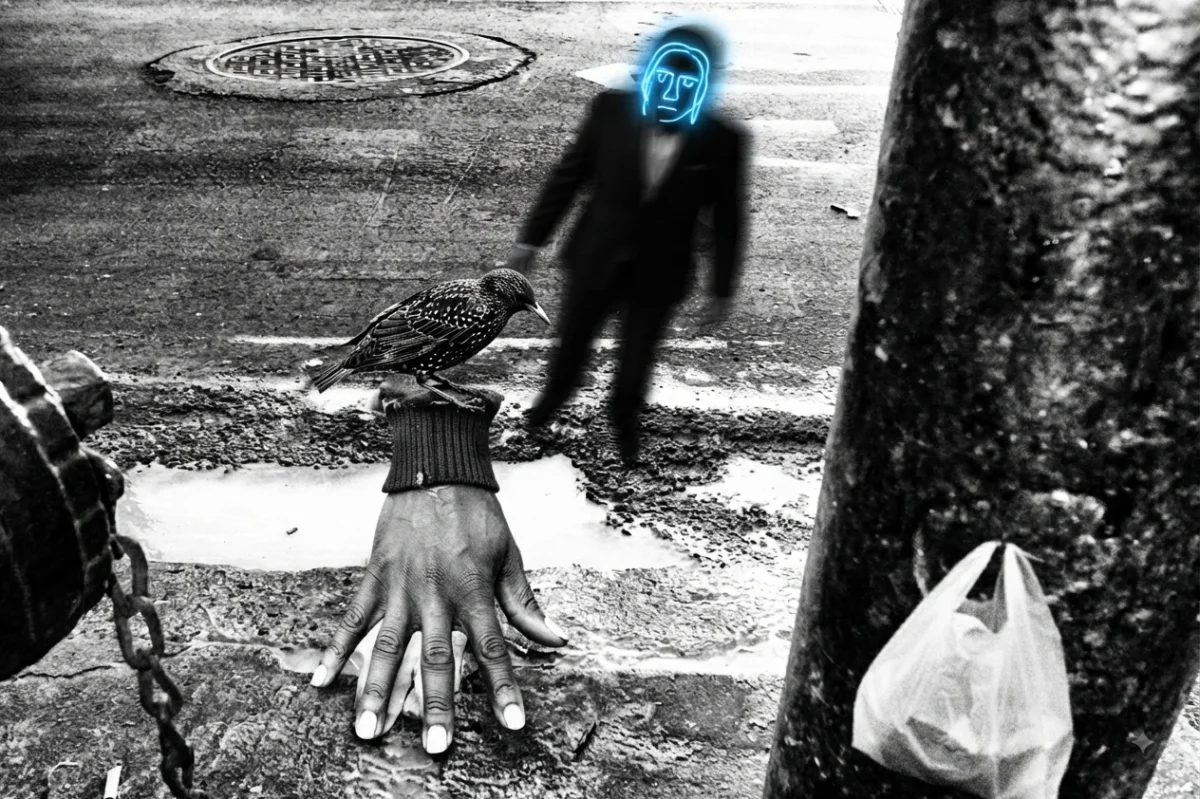
The integration of artificial intelligence (AI) into various facets of professional and creative workflows has become an undeniable reality, and the realm of photography is no exception. Increasingly, photographers, including those dedicated to the spontaneous and candid art of street photography, are encountering AI at various stages of their creative process. From the seemingly passive assistance of image selection and metadata tagging to more transformative applications like personalized editing profiles and generative retouching, the traditional boundaries between human authorship and machine-generated output are becoming increasingly blurred. This technological advancement has ignited a significant debate within the photography community, prompting critical questions about the permissibility and implications of AI’s role in street photography.
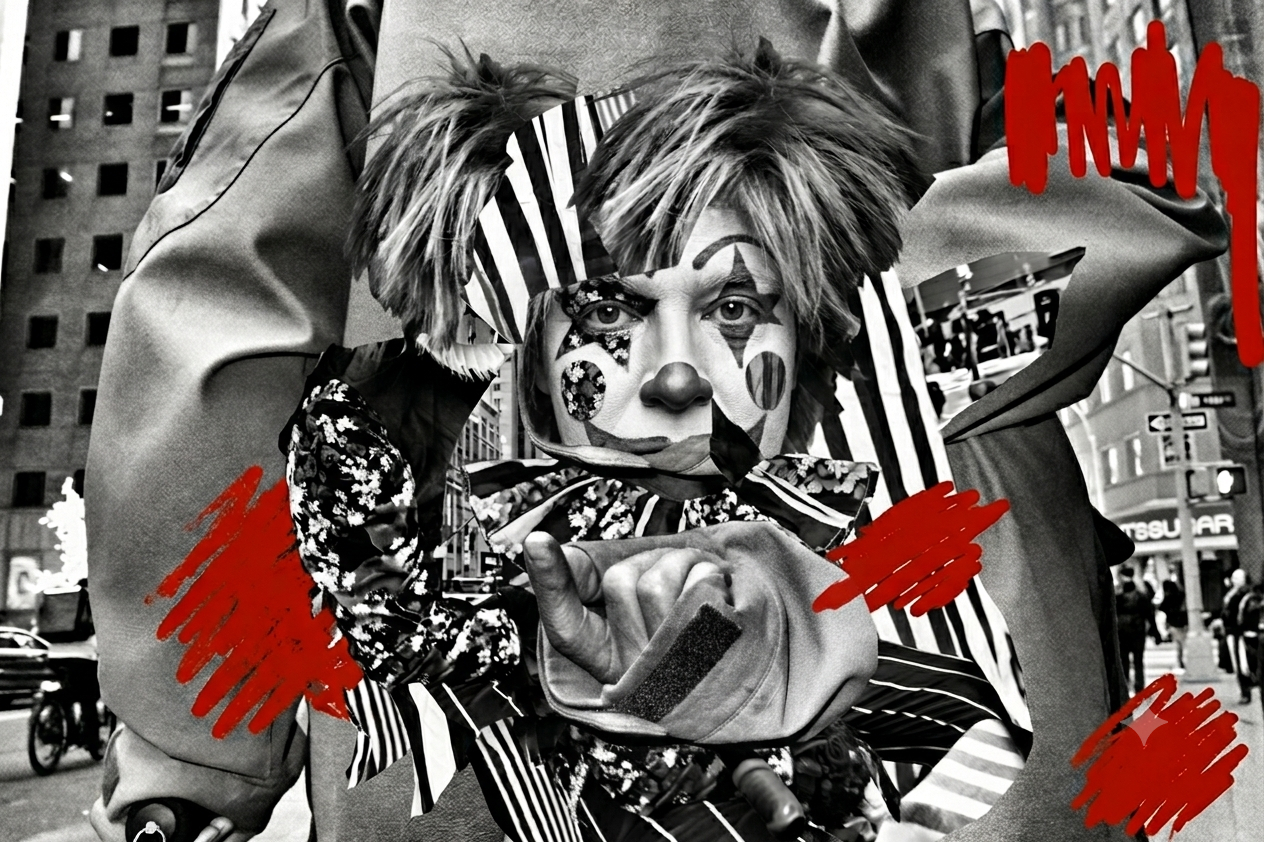
The Unique Dilemma of Street Photography and AI
Street photography, by its very nature, is intrinsically linked to the documentary tradition. This genre relies on an authentic and unadulterated connection to a specific moment in time, captured directly through the lens of a photographer observing the world as it unfolds. The introduction of AI into this process raises fundamental questions about the integrity of this connection. When AI plays a significant role in the creation or manipulation of an image, it prompts inquiry into whether the resulting work still qualifies as photography in its traditional sense, or if it necessitates a new classification, perhaps termed "promptography." The core of the dilemma lies in determining whether to allow for an overlap between these mediums or to enforce distinct boundaries, a discussion that is both timely and essential for the future of photographic art.
Historical Parallels and Technological Evolution
To gain perspective on the current discourse surrounding AI in photography, it is beneficial to examine analogous situations in other creative fields, particularly writing. Many literary publications have begun to reject submissions that show any evidence of AI assistance, a stance that warrants closer examination. Is such a prohibition overly stringent? When considering the tools available to writers, one might question the logic of banning AI while permitting dictionaries, grammar-checking software like Grammarly, or even the internet itself, which serves as a vast repository for information and inspiration. The history of technology in writing reveals a pattern of initial skepticism followed by eventual integration. The advent of the typewriter and later the personal computer were met with similar reservations, with debates arising about whether these innovations diminished the "hand-crafted" nature of writing. In many respects, the current applications of AI in photography can be viewed as an advanced iteration of editing tools, akin to Grammarly but significantly more sophisticated. If standard digital editing tools are widely accepted, the question arises: what is the fundamental difference when these tools are powered by artificial intelligence?
Preserving the Human Element in Art
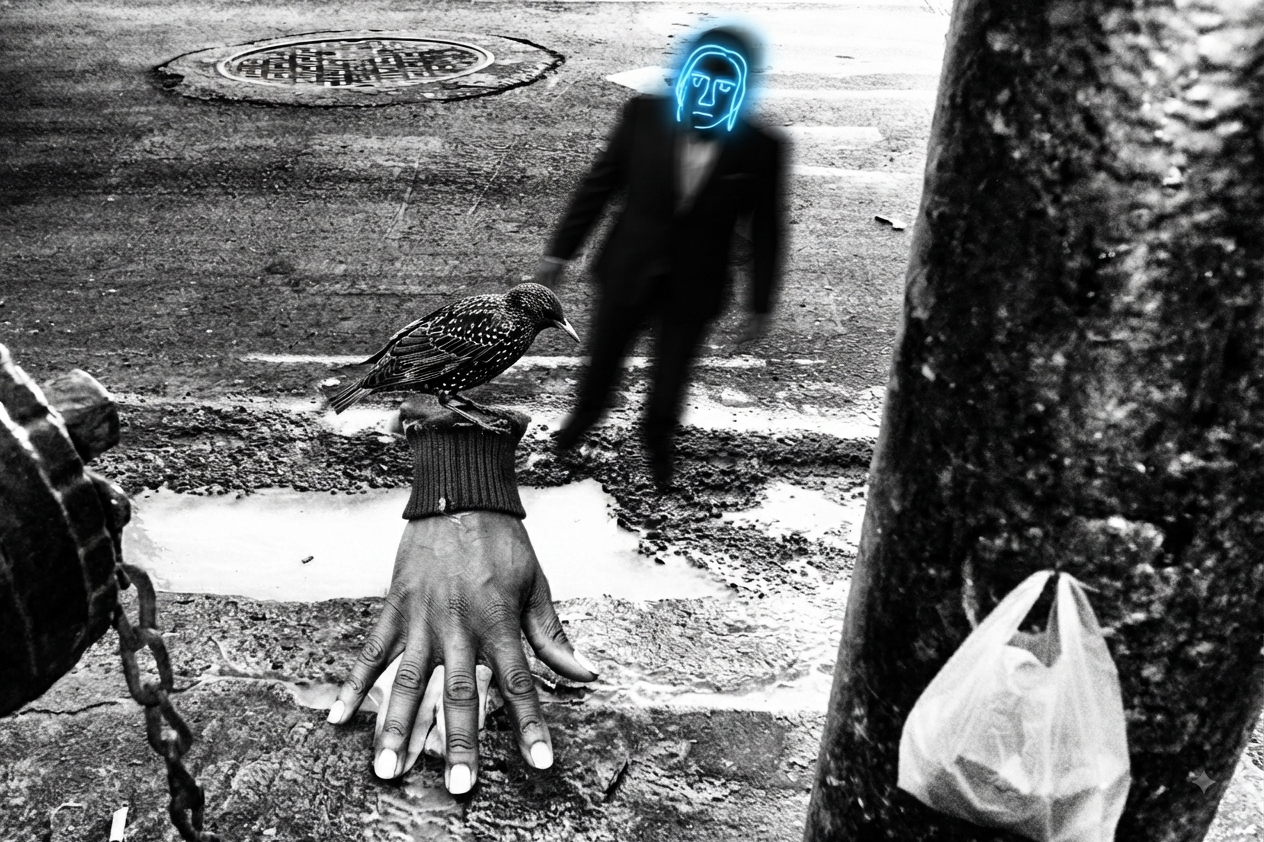
Across the broader spectrum of art, there is a discernible and arguably valuable desire to preserve the distinctly human element in creative output. This sentiment is not inherently a negative one; art, whether it manifests as an essay or a photograph, should ideally reflect the vision and experience of a human being. This does not preclude the existence or acceptance of machine-made products, but it does suggest a need for appropriate categorization. The challenge then becomes defining the precise threshold at which human input transitions into machine generation. It is important to acknowledge that even in what might be considered the "purest" forms of documentary photography, artists inevitably interact with forms of artificial intelligence. Modern cameras, for instance, utilize sophisticated algorithms to power autofocus systems, a clear example of machine intelligence at play. Similarly, automated metadata tagging, while a significant convenience, is also a function of machine intelligence assigning information to an image. This pervasive interaction with AI, even in seemingly traditional workflows, complicates the notion of a completely unassisted photographic creation.
Establishing Guardrails: Beyond a "Ban or No Ban" Framework
The prevailing debate often frames the issue as a binary choice: "to ban or not to ban." However, this approach is ultimately unproductive. Instead, the photography community needs to focus on establishing clear and comprehensive guardrails. These guidelines should aim to delineate the extent of human effort versus machine generation in the creation of an image. For street photography that significantly leans towards being machine-made, a more appropriate solution might involve its classification within a distinct category or requiring clear and unambiguous labeling. This approach acknowledges the evolving technological landscape without necessitating a complete prohibition, while still upholding principles of transparency and artistic integrity.
The Imperative of Disclosure: Transparency in Photographic Workflows
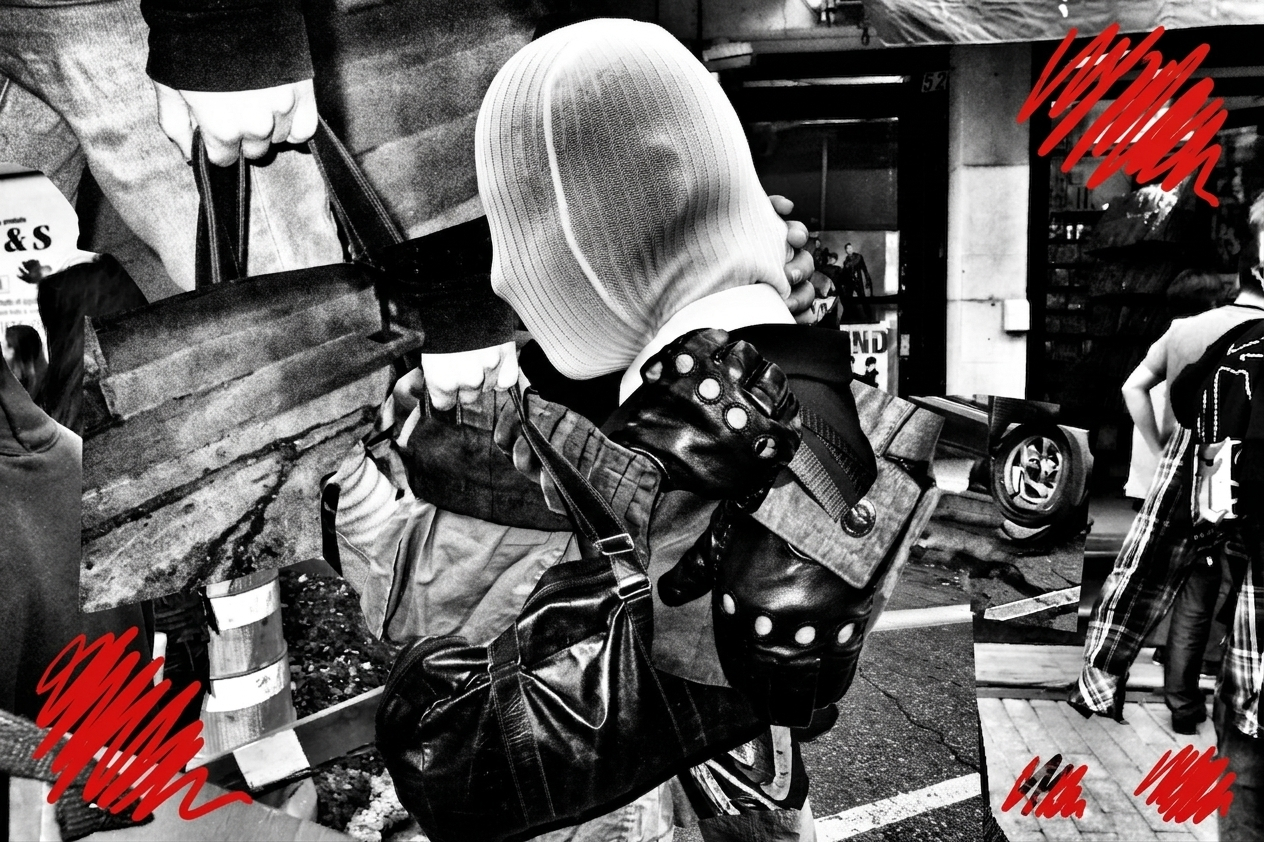
This leads to a broader and perhaps more contentious question: the necessity of disclosure. Should photographers be required to provide detailed accounts of their entire workflow and creative process? Such a demand for transparency would undoubtedly be met with resistance by many. In the analog era, the review of a photographer’s contact sheets offered a glimpse into their technical methods and decision-making. It revealed the painstaking process of selecting a single compelling frame from hundreds of exposures, a stark contrast to the efficiency of some contemporary digital workflows. Photographers, understandably, were often reluctant to share these comprehensive records, preferring to present the curated final output.
In the digital age, while analog contact sheets are obsolete, the principle remains the same. Most photographers are hesitant to share the vast number of "failed" frames or variations that reside on their hard drives. If the community is to demand transparency regarding AI integration, a compelling argument can be made for extending this demand to other aspects of image creation. Should the selection of a "decisive moment" from a burst sequence of a hundred frames be treated with the same lack of scrutiny as a single, deliberate shot? The context surrounding an image’s creation can significantly alter its interpretation and evaluation. For instance, a photographer who exclusively shoots single frames, as is their deliberate artistic choice, operates under different constraints and decision-making processes than one who employs continuous burst mode to capture a dynamic street scene. Acknowledging and understanding the full context behind an image is crucial for a comprehensive and fair assessment of the photographer’s craft.
The Inevitable Future: Embracing AI and Demanding Full Transparency
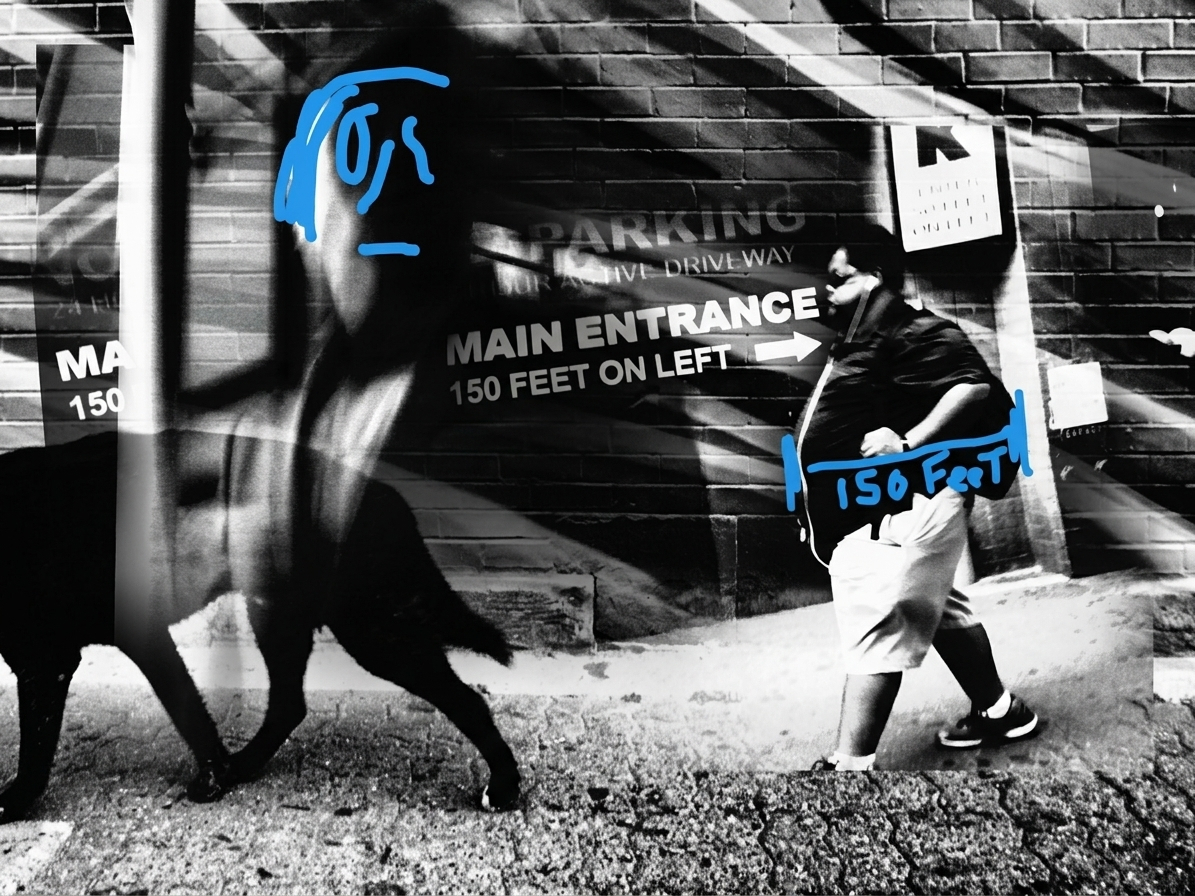
The notion of attempting to ban AI in street photography is, in essence, a futile endeavor. Artificial intelligence is an entrenched technological force that will continue to evolve and integrate into photographic practices with increasing prevalence. Computational processes are destined to become even more integral to image creation and manipulation. Therefore, the critical decision facing the street photography community is not whether to resist AI, but rather whether to advocate for and implement a high degree of transparency regarding the methods by which images are produced.
If the community opts for radical transparency, this principle should not be narrowly applied to AI integration alone. A truly comprehensive approach would necessitate full disclosure of the entire workflow that culminates in the final photograph. This includes, but is not limited to, decisions regarding camera settings, lens choices, editing software utilized, and any AI-driven enhancements or generative processes. Such a holistic approach to transparency ensures that all creators are held to a similar standard of disclosure, fostering a more equitable and informed discourse around the art of photography in the digital age. As the adage goes, "what’s good for the goose is good for the gander." The future of street photography, like many other creative fields, will likely be shaped by this ongoing dialogue between human artistry and artificial intelligence, demanding a nuanced and forward-thinking approach to its definition and appreciation.