The 2026 FIFA World Cup, hosted across 16 cities in Canada, Mexico, and the United States, recently concluded its expanded 48-team tournament, delivering a spectacle of athletic prowess and dramatic finishes. Beyond the breathtaking goals and heart-stopping penalty shootouts, the event distinguished itself as a landmark moment for sports broadcasting, showcasing an unprecedented integration of cutting-edge technology designed to immerse fans deeper into the beautiful game. This World Cup served as a powerful testament to how technological innovation is not merely enhancing the viewing experience but fundamentally reshaping how we perceive, analyze, and engage with global sporting events. From dynamic aerial camera systems to referee-mounted perspectives and data-rich ball tracking, the tournament pushed the boundaries of live production, transforming what was once a standard television broadcast into a multi-dimensional, cinematic, and information-rich narrative.
Enhanced Visual Storytelling: A New Perspective on the Pitch
The primary objective for broadcasters at the 2026 World Cup was to bring viewers closer to the action than ever before, offering perspectives previously reserved for players on the pitch. This ambition drove the significant advancements in camera technology and deployment strategies.
Spidercam: Elevating the Aerial View
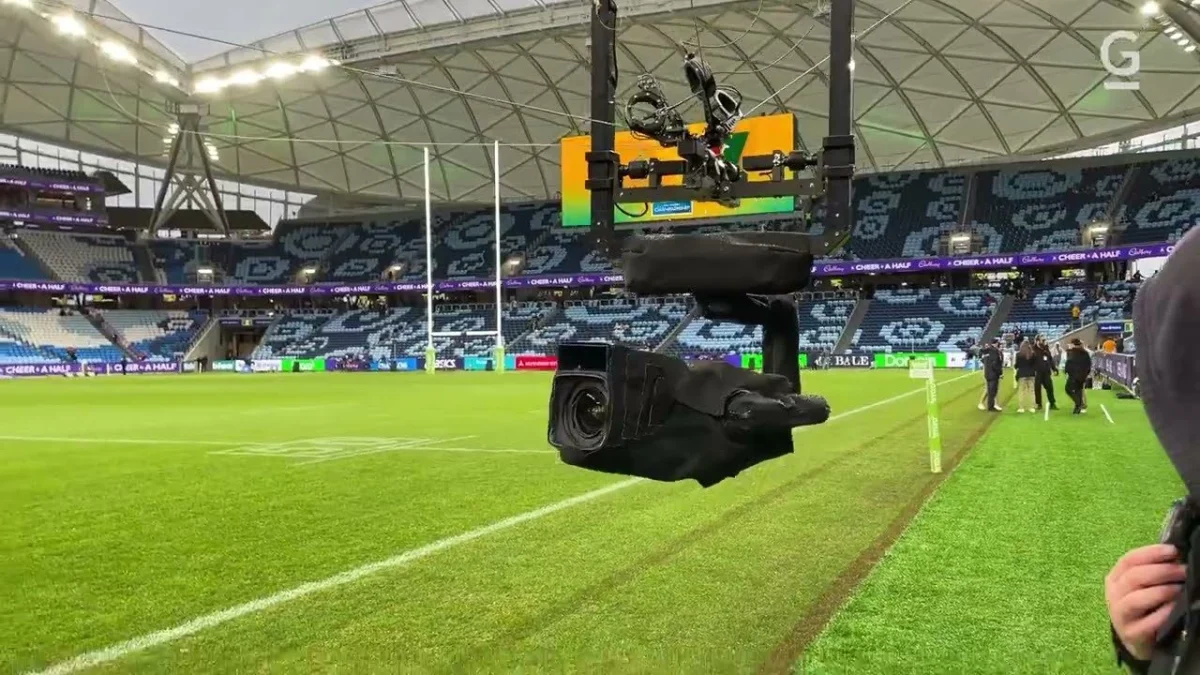
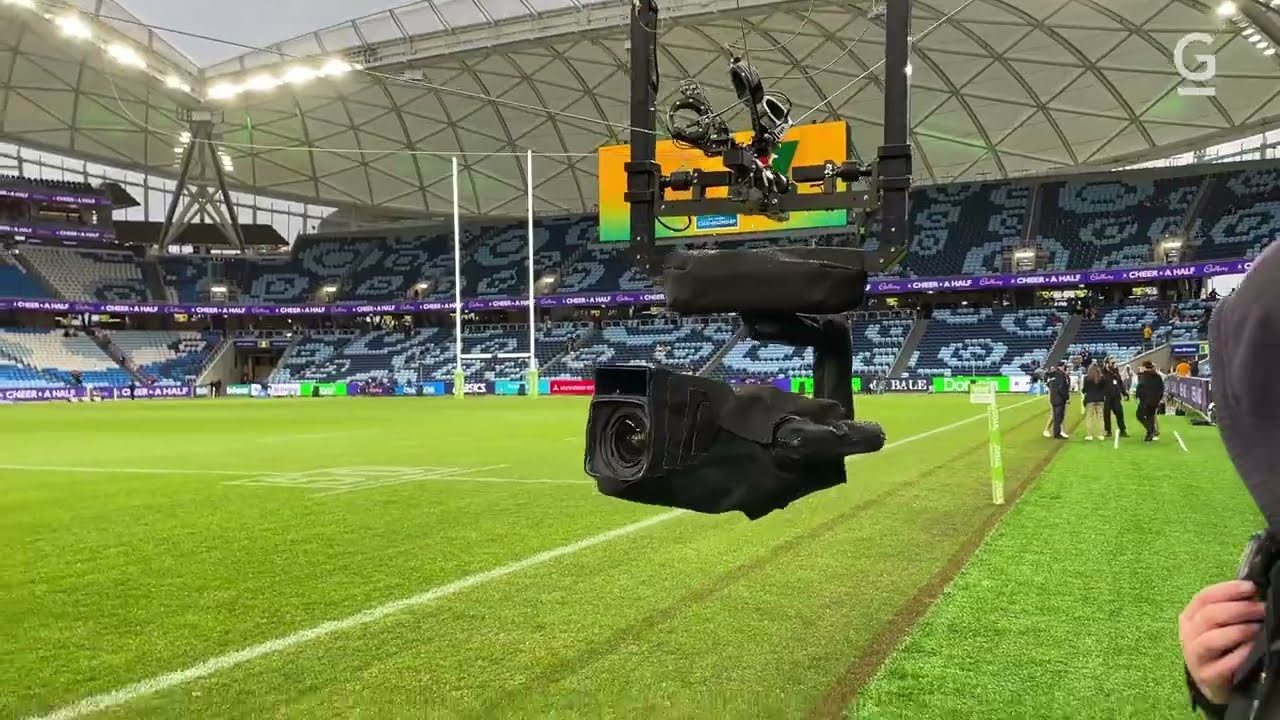
The ubiquitous "floating camera" zipping across the pitch, known as the Spidercam, has become a familiar sight in major sporting events since its debut at the 2001 Cricket Test match between Australia and New Zealand. However, the 2026 World Cup saw its deployment reach new levels of sophistication and integration. Historically, concerns regarding player safety and potential distraction limited Spidercam usage primarily to pre-match warm-ups, halftime shows, and post-goal celebrations. For this tournament, Host Broadcast Services (HBS), FIFA’s long-standing production partner, pushed the operational envelope, actively integrating these high-tech, stabilized camera rigs into live play.
The innovation lay in advanced software zoning and real-time trajectory prediction, which ensured the multi-axis rig maintained a strict, safe altitude above the ball’s path, allowing for sweeping, tactical angles of unfolding attacks without interfering with gameplay. This meant viewers could follow a counter-attack from a bird’s-eye view, gaining a clearer understanding of player positioning and strategic movements. Furthermore, in a broadcast first for the World Cup, these cameras were dynamically deployed during penalty shootouts. Positioned strategically behind or slightly above the kicker, they captured the immense psychological tension, the goalkeeper’s precise movements, and the ball’s trajectory with unprecedented intimacy, providing a visceral insight into one of football’s most dramatic moments.
To achieve this heightened level of immersion and flexibility, HBS introduced multiple cablecam systems per venue, a strategy successfully tested at the 2025 FIFA Club World Cup Final. Alongside the traditional 4-point Spidercam system, which moves in three-dimensional space, select marquee stadiums featured a secondary, high-speed point-to-point cable camera running parallel to the touchline. This dual-system approach allowed for simultaneous, multi-angle aerial tracking of fast-break counters and defensive maneuvers, offering a more comprehensive tactical overview. These next-generation rigs were outfitted with ultra-lightweight 4K HDR broadcast cameras, paired with real-time augmented reality graphics tracking. This technology enabled live statistics, player speeds, and tactical grids to be overlaid seamlessly onto the aerial feed with virtually no latency, blending the analytical clarity of a video game with the high-stakes drama of a cinematic production.
RefCam: A Referee’s Unfiltered Perspective
Perhaps the most talked-about and revolutionary innovation of the 2026 World Cup was the RefCam. Developed jointly by FIFA’s football technology team and its refereeing department, with advanced AI stabilization provided by technology partners like Lenovo, this small, high-definition camera was mounted directly onto each referee’s headset. The RefCam delivered footage unlike anything fans had experienced, plunging viewers directly into the heart of the action from the literal point of view of the official.
This body camera showcased players closing space at full speed, the chaotic scramble within a crowded penalty box, and the intense, split-second nature of officiating decisions. While the technology underwent rigorous testing at the 2025 Club World Cup and was trialed in leagues such as the Premier League – where Australian referee Jarred Gillett famously became one of the first to wear one in 2024 – its full deployment across all 104 matches of the 2026 World Cup marked its official global debut. The RefCam not only offered unparalleled insights into the physical demands and pressures faced by referees but also fostered a greater understanding and empathy for their challenging role, allowing fans to witness the game through the eyes of the decision-makers. The live feed, often used in replays, provided a crucial new angle for contentious moments, enhancing transparency and aiding post-match analysis.

The Cinematic Lens: Elevating Broadcast Aesthetics
Continuing a trend initiated at the 2022 World Cup in Qatar, FIFA further integrated high-end cinema cameras into its live broadcasts for 2026. These were not traditional broadcast cameras but the very same gear used by film crews for Hollywood movies, high-budget commercials, and music videos. The rationale behind this shift was purely aesthetic: cinema cameras deliver a super-shallow depth of field that conventional broadcast cameras simply cannot match. This capability allowed for exquisite, cinematic shots where a player’s face or a crucial moment in the foreground remained razor-sharp, while the background gently blurred, creating a dramatic visual separation.
These rigs became a permanent fixture at every match of the 2026 tournament, strategically positioned to capture the raw emotion and intimate details that elevate a sporting event into a compelling narrative. From the intensity of pre-game tunnel walks and the passion of emotional fan reactions to the contemplative close-ups of a stressing coach on the sideline, these cameras transformed the viewing experience. The use of cinematic lenses and larger sensors introduced a visual language typically associated with high-budget blockbusters, infusing the tournament with an unparalleled level of drama and emotional resonance. The ability to rent professional-grade cinema equipment, such as the RED Komodo-X 6K cameras paired with versatile lenses like the Canon RF 24-105mm f/2.8L, enabled production teams to achieve this high-fidelity look, demonstrating a convergence of sports broadcasting and cinematic artistry.
Precision and Fair Play: Data-Driven Officiating
Beyond visual enhancements, the 2026 World Cup heavily leaned on data-driven technologies to ensure greater accuracy, fairness, and real-time insights into gameplay.
Semi-Automated Offside Technology (SAOT) and The Connected Ball
Building upon its successful introduction at the 2022 World Cup, the Semi-Automated Offside Technology (SAOT) was refined and played an even more pivotal role in 2026. This system leverages 12 specialized tracking cameras mounted beneath the stadium roof, which continuously monitor 29 data points on each player’s body, tracking their movements 50 times per second. This data is fed into an AI system that, combined with information from the connected ball, can instantly determine the exact moment a pass is made and the precise position of attacking players relative to the second-to-last defender.
The "connected ball" was an integral part of this system. Equipped with an Inertial Measurement Unit (IMU) sensor positioned within its core, the ball transmitted data at 500 times per second, providing highly accurate information on its exact kick point. This precise data, coupled with the limb-tracking technology, allowed computer systems to rebuild plays in a 3D space, offering near-immediate playback and sophisticated 3D visualizations for officials and broadcasters. Decisions that once took minutes for Video Assistant Referees (VAR) to confirm could now be made within seconds, minimizing disruptions to the flow of the game and significantly reducing human error. The system not only detected offside infringements with unprecedented accuracy but also provided more interactive play deduction and replay options, giving fans and commentators better insight into the mechanics of controversial plays. This technological leap significantly enhanced the integrity of the game, although debates persist about its impact on the "purity" and spontaneous nature of football.
The Broadcast Backbone: Infrastructure and Integration
Bringing these sophisticated technologies to life across 16 venues and delivering a seamless global broadcast required a monumental effort in infrastructure, data management, and integration.
From Field to Screen: The Ecosystem of Live Production
The technological ecosystem extended far beyond the cameras on the field. Each stadium was a hub of interconnected systems, from fiber optic networks capable of transmitting terabytes of data per second to advanced control rooms housing an army of technicians, directors, and data analysts. Real-time data from SAOT, the connected ball, and player tracking systems were constantly flowing, being processed, and integrated into broadcast graphics to provide instant statistics and analytical overlays. Cloud-based processing played a crucial role in handling the immense data load and facilitating rapid content delivery to various platforms worldwide. Cybersecurity measures were also paramount to protect against potential disruptions to such a high-profile, globally televised event.
The production workflow involved intricate coordination. Feeds from Spidercams, RefCams, cine cameras, and traditional broadcast cameras were ingested, synchronized, and managed through robust systems. For instance, the use of BlackMagic Design HyperDeck Studio 4K Pro systems was critical for ingesting high-resolution footage, providing reliable recording and playback capabilities across the complex production environment. These systems, often connected by extensive Belden 12G-SDI BNC cables stretching up to 150 feet, ensured high-bandwidth, low-latency signal transmission, maintaining the pristine quality of the 4K HDR content from the field to the broadcast center. Powering this vast array of equipment were countless portable power solutions, such as Micro-V Mount batteries, essential for ensuring continuous operation in dynamic live environments. The collaboration between technology providers, FIFA, and local organizing committees was instrumental in orchestrating this intricate dance of hardware, software, and human expertise.
Broader Implications and Future Outlook
The technological advancements showcased at the 2026 World Cup carry profound implications for the future of sports broadcasting, fan engagement, and the very nature of athletic competition.
Transforming Fan Experience and Engagement
The primary beneficiary of these innovations is the fan. RefCams offer an unprecedented personal connection, allowing viewers to vicariously experience the pressure of officiating. Spidercam’s dynamic angles provide tactical insights previously available only to coaches. Cinematic cameras elevate the emotional narrative, turning every match into a storytelling masterpiece. These technologies collectively foster a more immersive, analytical, and emotionally resonant viewing experience. Furthermore, the real-time data from SAOT and connected balls enriches commentary and enables new forms of interactive content for streaming platforms and companion apps, allowing fans to delve deeper into statistics and replays on demand. This shift caters to a new generation of viewers accustomed to rich, interactive digital experiences.
The Evolving Role of Technology in Sport
The 2026 World Cup solidified technology’s indispensable role in modern sport. It’s no longer just about capturing the game but augmenting it, providing insights, ensuring fairness, and enhancing the overall spectacle. These advancements will undoubtedly influence other major sporting events, from the Olympics to other international league competitions, as broadcasters seek to replicate and build upon FIFA’s success. The ongoing development of AI, virtual reality (VR), and augmented reality (AR) promises even more transformative experiences, potentially allowing fans to view matches from any player’s perspective or to explore stadiums in virtual environments.
Ethical Considerations and the Human Element
While the benefits are clear, the increasing reliance on technology also sparks important discussions. Concerns about the "purity" of the sport, the potential for over-reliance on automated decisions, and the ethical implications of collecting extensive player data are valid points of debate. Maintaining the human element – the passion, the unpredictability, and the human judgment that define football – while integrating technological assistance, remains a delicate balance. The challenge for future tournaments will be to continue innovating in ways that enhance the sport without fundamentally altering its essence or alienating traditionalists.
In conclusion, the 2026 FIFA World Cup was more than just a football tournament; it was a technological proving ground. The comprehensive deployment of Spidercam, RefCam, cinema cameras, and advanced offside detection systems collectively redefined the standards for live sports broadcasting. By offering unparalleled access, richer visuals, and greater accuracy, these innovations have not only deepened fan immersion but have also set a new benchmark for how global sporting events are produced and consumed, paving the way for an even more technologically integrated future for the beautiful game.