The landscape of modern conflict has been fundamentally altered by the rapid expansion of Ukraine’s First-Person View (FPV) drone industry, a sector that has transitioned from grassroots workshops to a massive, state-supported military-industrial pillar. Since the onset of the full-scale invasion in 2022, Ukraine has recognized that conventional military superiority is no longer solely determined by the number of tanks or artillery shells, but by the agility and precision of unmanned aerial vehicles (UAVs). With a strategic pivot toward technological self-reliance, the Ukrainian government has committed more than $2.6 billion to the procurement and development of drones, with a primary focus on locally manufactured FPV units. As the conflict progresses into 2025, the nation’s production targets have reached an unprecedented scale, aiming to deliver over 4.5 million units annually to the front lines. This industrial surge represents not only a survival mechanism but a revolutionary shift in how global defense forces view low-cost, high-impact technology.
The Strategic Evolution of Ukraine’s Drone Ecosystem
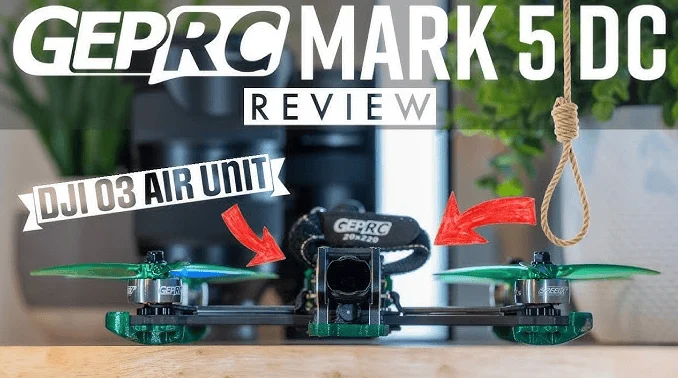
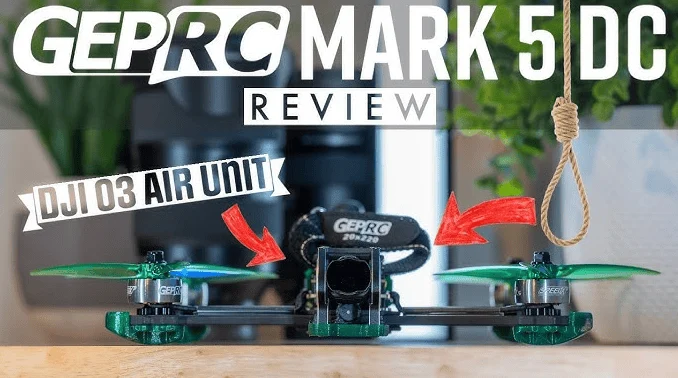
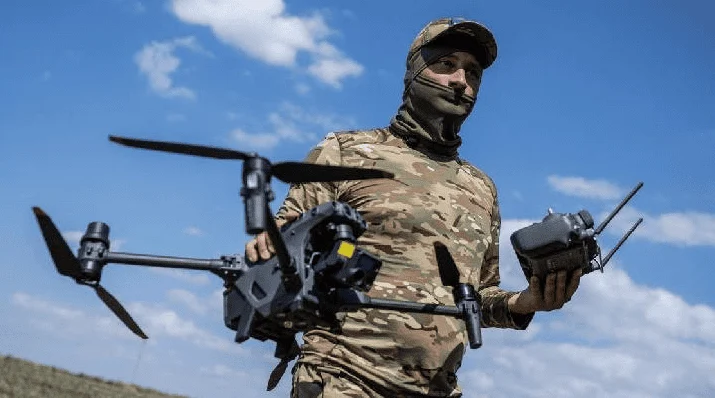
The journey of FPV drone production in Ukraine began as a desperate measure of necessity. In the early months of the conflict, volunteers and military units relied heavily on commercial off-the-shelf drones, primarily for reconnaissance. However, as electronic warfare (EW) capabilities evolved and the need for precision strike capabilities grew, the focus shifted toward FPV drones—small, highly maneuverable quadcopters equipped with explosives and piloted via virtual reality goggles.
This evolution can be categorized into three distinct phases. The first phase, spanning much of 2022, was characterized by "volunteer-led innovation," where small groups of engineers and hobbyists assembled drones in garages and basements. The second phase, occurring throughout 2023, saw the formalization of these efforts through the "Army of Drones" initiative, spearheaded by the Ministry of Digital Transformation. This program bridged the gap between the military’s needs and the private sector’s capabilities. The current third phase, which began in late 2024 and continues into 2025, is defined by "mass industrialization and AI integration." Today, Ukraine is no longer just assembling parts; it is designing specialized airframes, developing proprietary flight controllers, and integrating automated targeting systems to bypass enemy jamming.
Economic and Financial Commitment to Unmanned Systems
The scale of Ukraine’s investment in drone technology is a testament to its perceived value on the battlefield. The allocation of $2.6 billion for drone procurement represents a significant portion of the national defense budget, reflecting a move away from costly, high-maintenance traditional platforms toward expendable, high-efficiency systems. According to government data, the production of FPV drones in Ukraine saw a staggering increase in early 2025, with a reported 22% rise in successful drone-led engagements in February 2025 compared to the previous month.
This financial commitment serves multiple purposes. Beyond providing immediate tactical advantages, it has stimulated a domestic "tech-defense" economy. Hundreds of startups have emerged, creating thousands of jobs for engineers, software developers, and assembly technicians. By fostering a competitive market among local producers, the government has driven down the cost per unit while simultaneously increasing the technological sophistication of the hardware. This decentralized production model also offers a strategic advantage: unlike large, centralized munitions factories, hundreds of small-scale production sites are much harder for an adversary to target and eliminate.
Technological Superiority and Battlefield Effectiveness
FPV drones offer a unique set of advantages that have made them indispensable in the current conflict. Unlike traditional artillery, which may require multiple rounds to zero in on a target, an FPV drone provides a "man-in-the-loop" capability, allowing the pilot to adjust the flight path in real-time to hit moving targets or vulnerable points on armored vehicles, such as the engine compartment or the turret ring.
- Unmatched Precision: FPV drones allow for surgical strikes against high-value targets, including tanks, electronic warfare stations, and supply trucks. The ability to fly into trenches or through the open doors of bunkers has changed the psychological nature of the war for ground troops.
- Cost-Efficiency: An FPV drone costing between $400 and $600 can successfully disable or destroy a main battle tank worth millions of dollars. This asymmetric cost-benefit ratio is a primary driver of Ukraine’s strategic focus.
- Enhanced Reconnaissance: While primarily used as "kamikaze" munitions, FPV drones also provide high-speed, low-altitude reconnaissance that traditional UAVs cannot match, offering pilots a "bird’s-eye view" of the immediate tactical environment.
The Role of Private Industry and Government Incentives
The Ukrainian government has played a pivotal role in removing bureaucratic hurdles that previously stifled defense innovation. Through the "Brave1" defense-tech cluster, the state has provided a platform for developers to test prototypes, receive certifications, and secure government contracts in a fraction of the time usually required for military procurement.
Several key manufacturing players have emerged from this ecosystem. While many remain anonymous for security reasons, their collective output has allowed Ukraine to diversify its drone fleet. Some companies focus on long-range "mothership" drones that carry smaller FPV units closer to the target, while others specialize in thermal-equipped night-vision drones that allow for 24-hour operations. The government has also provided tax incentives and simplified import procedures for critical components like batteries, motors, and microchips, which are essential for maintaining the 4.5-million-unit annual production target.
Overcoming Critical Challenges in the Production Chain
Despite the rapid growth, the Ukrainian drone industry faces significant obstacles. The most pressing challenge is the supply chain for components. A large majority of the motors, flight controllers, and sensors used in FPV drones are sourced from international markets, particularly China. This dependency creates a vulnerability, as trade restrictions or supply chain disruptions can immediately impact production volumes. To mitigate this, Ukraine is increasingly investing in the domestic production of these critical components, aiming for a fully sovereign manufacturing cycle.
Another major challenge is the constant "cat-and-mouse" game with electronic warfare. As Russian forces deploy more sophisticated jamming equipment, Ukrainian engineers must constantly update their drones’ radio frequencies and communication protocols. This has led to the rapid development of "frequency-hopping" technology and the integration of Artificial Intelligence (AI). AI-enabled drones can recognize and lock onto targets autonomously during the final phase of flight, meaning that even if the connection between the pilot and the drone is severed by jamming, the drone can still complete its mission.
Furthermore, the physical security of production facilities remains a constant concern. With Russian long-range strikes targeting industrial infrastructure, Ukrainian drone manufacturers have adopted a highly "distributed" manufacturing model. Components are often produced in separate locations and assembled in small, inconspicuous workshops, making it nearly impossible for an enemy to cripple the entire industry with a single strike.
Global Implications and the Future of Military Doctrine
The success of Ukraine’s FPV drone program is being closely watched by military analysts and defense ministries worldwide. The conflict has proven that a modern military must be able to produce and deploy smart munitions at a massive scale and a low cost. This "democratization of airpower" means that even smaller nations or non-state actors could potentially challenge traditional military powers using similar technology.
As Ukraine looks toward the future, the goal is not just to maintain current production levels but to innovate further. Plans are already underway to develop standardized "plug-and-play" munitions for drones, improve the range through signal repeaters, and create "swarming" capabilities where dozens of drones can be coordinated to overwhelm enemy defenses simultaneously.
The long-term impact on the Ukrainian economy is also noteworthy. Post-conflict, Ukraine is poised to become a global leader in the export of combat-proven UAV technology. The expertise gained in these years of high-intensity conflict will likely position Ukrainian firms as primary contractors for international defense forces seeking to modernize their own drone fleets.
Conclusion: A New Era of Defense
The massive scale of FPV drone production in Ukraine has become a cornerstone of the nation’s defense strategy and a defining characteristic of 21st-century warfare. By combining government vision with private-sector ingenuity, Ukraine has built a resilient, innovative, and highly effective industrial base under the most challenging conditions imaginable.
While challenges in the supply chain and electronic warfare persist, the commitment to producing over 4.5 million drones by 2025 signals that the era of "drone-centric" warfare is here to stay. This technological leap has not only increased the effectiveness of Ukrainian strikes and minimized risks to personnel but has also fostered a new domestic economy centered on high-tech defense. As other nations begin to adapt their doctrines based on the lessons learned in Ukraine, the FPV drone will undoubtedly be remembered as the weapon that fundamentally changed the dynamics of the modern battlefield. Through continuous investment, AI integration, and a decentralized production model, Ukraine is ensuring that its defense capabilities remain at the cutting edge of global military innovation.