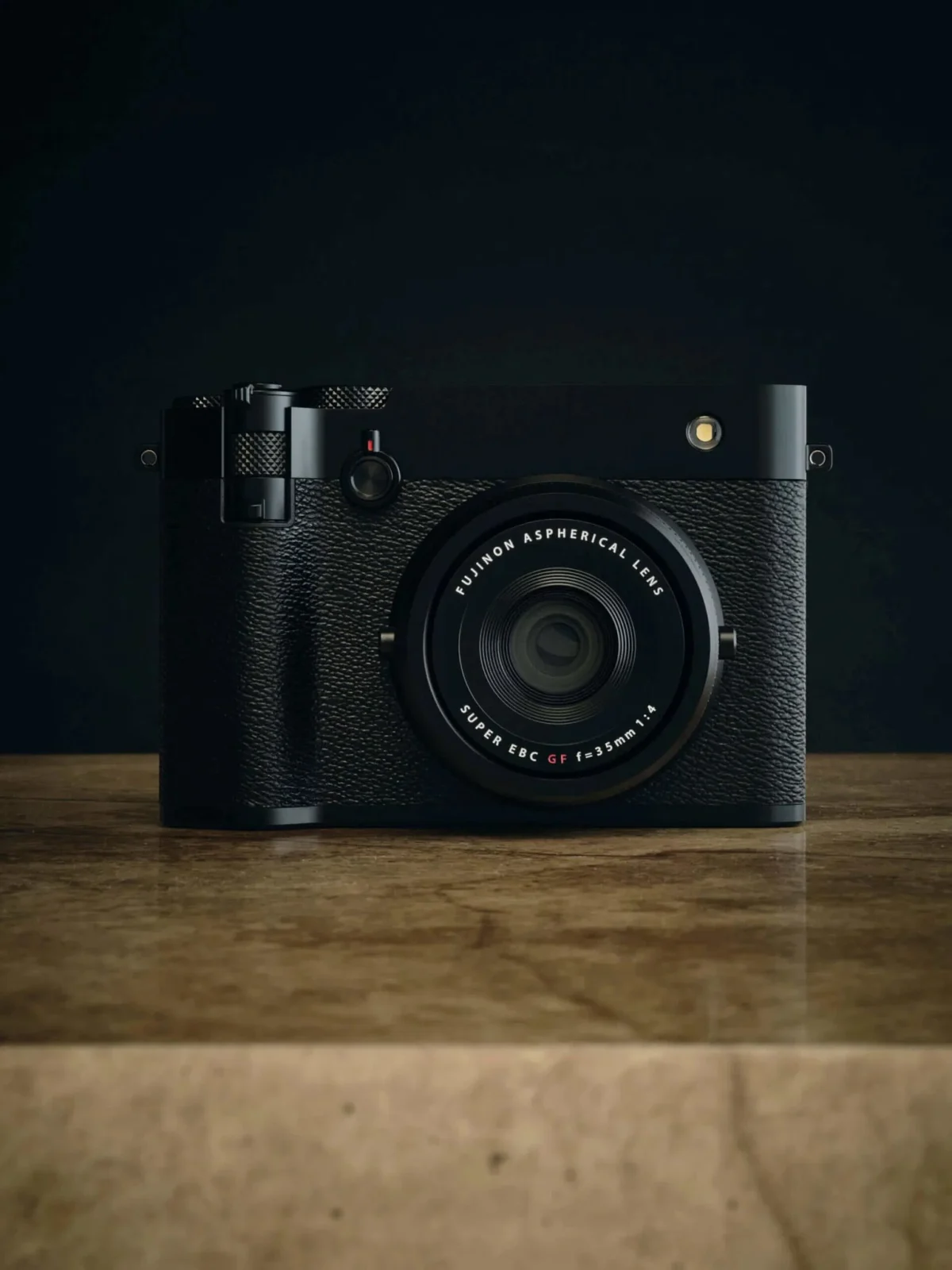
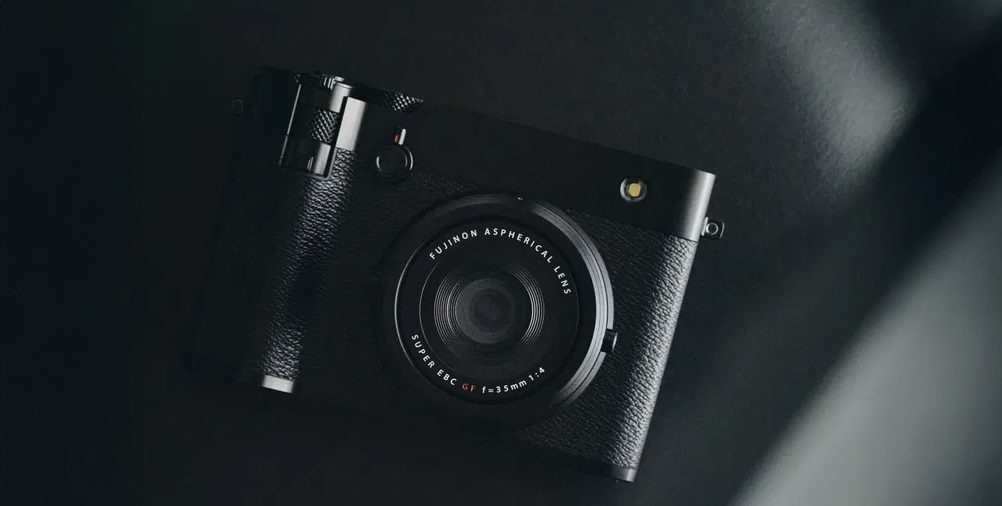
The Fujifilm GFX 100RF, a notable addition to the medium format mirrorless landscape, has made a significant impact with its unique blend of high resolution, compact design, and fixed-lens architecture. Positioned as a specialized tool for discerning photographers, this camera combines a 100-megapixel medium format sensor with an emphasis on portability, presenting a distinctive offering within an already niche market. Upon its arrival, the GFX 100RF immediately impresses with its unexpectedly svelte profile, defying typical medium format bulk and drawing comparisons to full-frame mirrorless cameras such as the Nikon Z7 when paired with a compact 35mm lens. Its aesthetic further reinforces this impression, evoking a modern digital interpretation of classic rangefinder cameras like the Plaubel Makina 67, signaling Fujifilm’s clear intent to deliver a high-performance imaging device in an exceptionally portable package.
The Evolution of Fujifilm’s GFX System and the Medium Format Landscape
Fujifilm’s journey into the digital medium format arena began with the introduction of the GFX 50S in 2017, marking a bold step for the company known for its APS-C X-series cameras. This was followed by the rangefinder-style GFX 50R, the flagship GFX 100, and later the more compact GFX 100S and GFX 100 II. Each iteration has contributed to solidifying Fujifilm’s position as a serious contender in the professional photography segment, offering photographers access to larger sensors that deliver superior dynamic range, resolution, and tonal gradation compared to full-frame systems.
The GFX 100RF represents a strategic diversification within this established ecosystem. In a market where high-resolution sensors are increasingly common in full-frame bodies, Fujifilm has chosen to carve out a specific niche: a fixed-lens, medium-format camera prioritizing ultimate portability without compromising on imaging power. This decision reflects a broader trend in photography where manufacturers are exploring specialized tools catering to particular photographic styles and workflows, moving beyond a one-size-fits-all approach. The GFX 100RF is not merely a smaller GFX camera; it is a re-imagination of what a high-resolution medium format camera can be, designed for photographers who value a streamlined, travel-friendly setup with uncompromising image quality. Its release follows a timeline of continuous innovation within the GFX line, each model addressing different user needs and preferences, from studio work to on-location shooting.
Design Philosophy and Ergonomic Profile
The core design principle behind the GFX 100RF is the deliberate reduction of size and weight, a strategy that inevitably involves trade-offs. Fujifilm’s engineers concentrated on maintaining the integrity of the Sony 33x44mm 100-megapixel sensor while stripping away features deemed non-essential for its target audience. This led to the exclusion of in-body image stabilization (IBIS) and the integration of a moderately fast fixed lens, components that would significantly increase the camera’s footprint and heft. The result is a camera that is remarkably compact for its class, closely mirroring the dimensions and weight of a full-frame mirrorless camera like the Nikon Z7 when equipped with a standard prime lens. This emphasis on portability transforms the GFX 100RF from a studio-bound beast into a viable option for travel, street, and documentary photography where discretion and ease of carrying are paramount.
Ergonomically, the GFX 100RF presents a mixed experience. Key controls are generally well-placed, reflecting Fujifilm’s commitment to a tactile, intuitive shooting experience. The aperture and shutter speed dials each feature an ‘A’ (auto) position, offering flexible exposure control. The ISO adjustment, ingeniously integrated as a collar around the shutter dial, is an elegant solution, though its lack of distinct detents can make confident adjustment by feel challenging. A standout feature is the exposure-compensation dial, generously sized and optimally positioned for quick thumb access.
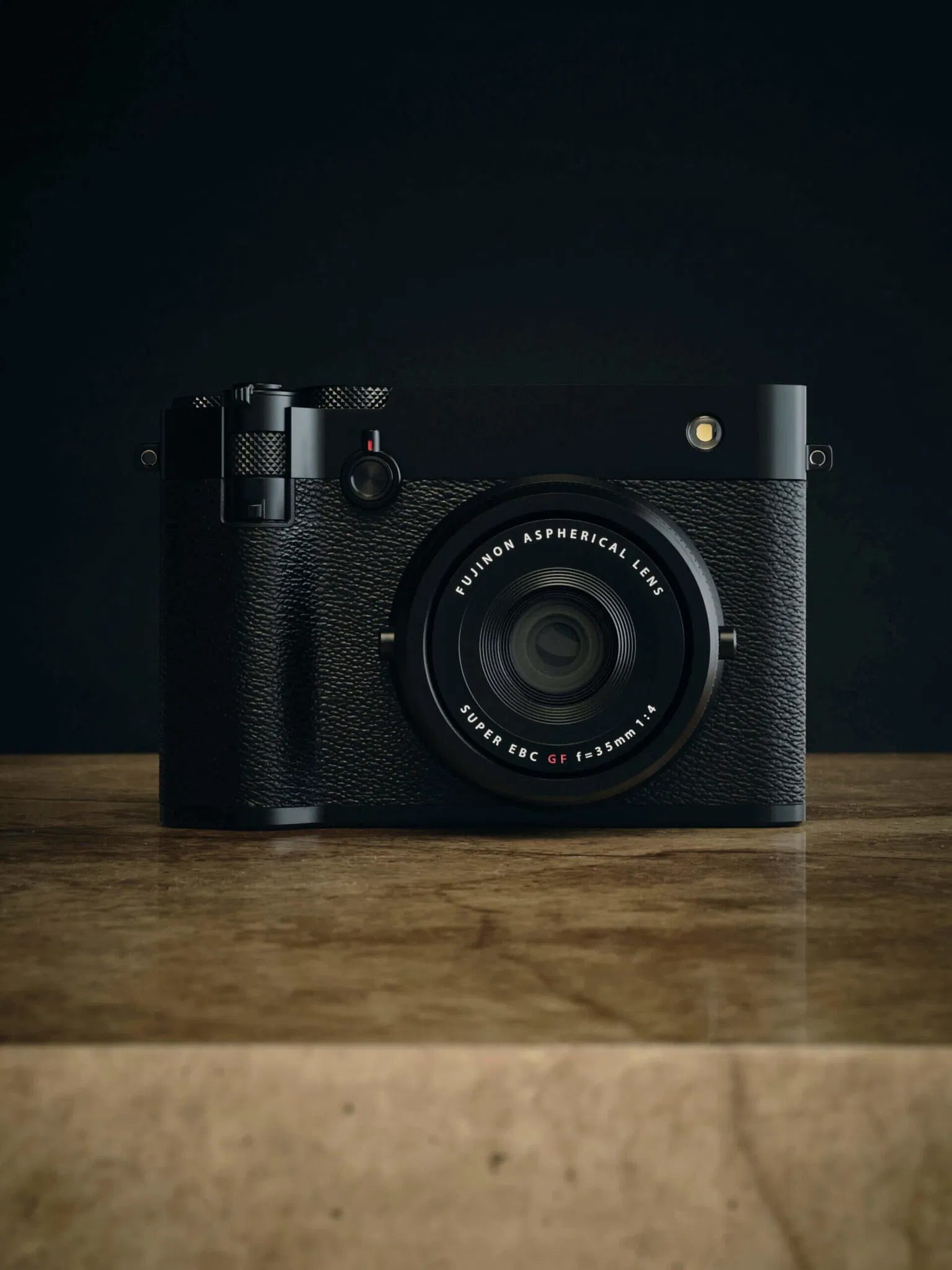
However, certain aspects fall short of premium expectations. The on/off switch, for instance, possesses a lightness of action that raises concerns about accidental activation within a camera bag. The knurled dials and joystick, while functional, are noted for their vague and somewhat mushy feedback, indicating an area where Fujifilm still lags behind competitors like Nikon in haptic precision. Further minor disappointments include a battery door latch that does not self-engage and a card slot door that feels less robust compared to industry benchmarks. The camera features two SD card slots, a choice that, while widely compatible, might be seen as a missed opportunity by professionals who increasingly prefer the speed and durability of CFExpress cards for handling large 100MP files.
Imaging Performance: The 100-Megapixel Heart
At the core of the GFX 100RF lies a 100-megapixel medium format sensor, appearing to be identical to the one found in the acclaimed GFX 100 II. This sensor delivers exceptional image quality characterized by vast detail, impressive dynamic range, and rich tonal transitions that are a hallmark of larger sensor formats. Photographers familiar with the GFX 100 II will find the imaging characteristics consistently excellent. A unique aspect of this sensor is Fujifilm’s implementation of an ISO 80 black-point subtraction, a technical detail that influences how the camera processes shadow areas at its base ISO, contributing to its distinctive image rendering.
The autofocus system, while entirely adequate by medium format standards, mirrors the performance of the GFX 100 II. This means it is reliable for a wide range of photographic situations, especially those involving static or slowly moving subjects. However, it does not achieve the blistering speed and advanced tracking capabilities seen in the latest generation of full-frame mirrorless cameras, which have significantly pushed the boundaries of autofocus technology. This distinction is important for prospective users, as it clearly defines the GFX 100RF’s intended use cases, favoring deliberate composition over high-speed action capture.
It is pertinent to note that the GFX 100RF’s capabilities are most fully realized when shooting in RAW format, allowing for maximum flexibility in post-processing. While Fujifilm is renowned for its excellent in-camera JPEG engine and film simulations, appealing to a segment of photographers who prefer straight-out-of-camera results, this review focuses predominantly on the camera’s raw image capture and technical performance, acknowledging a different photographic workflow favored by professionals seeking ultimate control over their final output.
The Integrated 35mm Lens: Optical Precision and Peculiarities
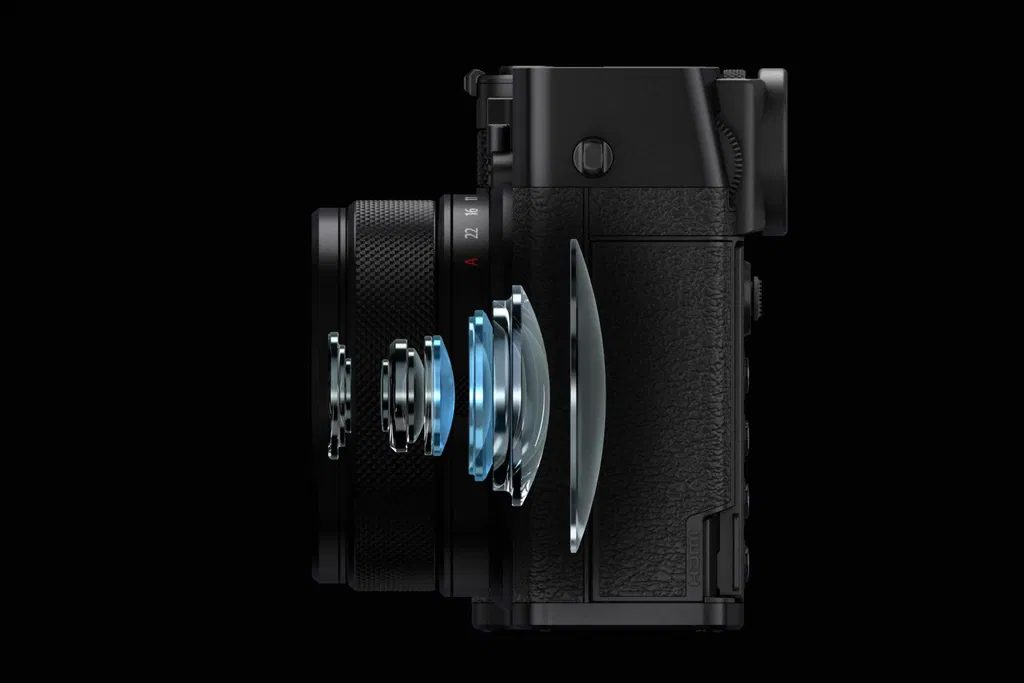
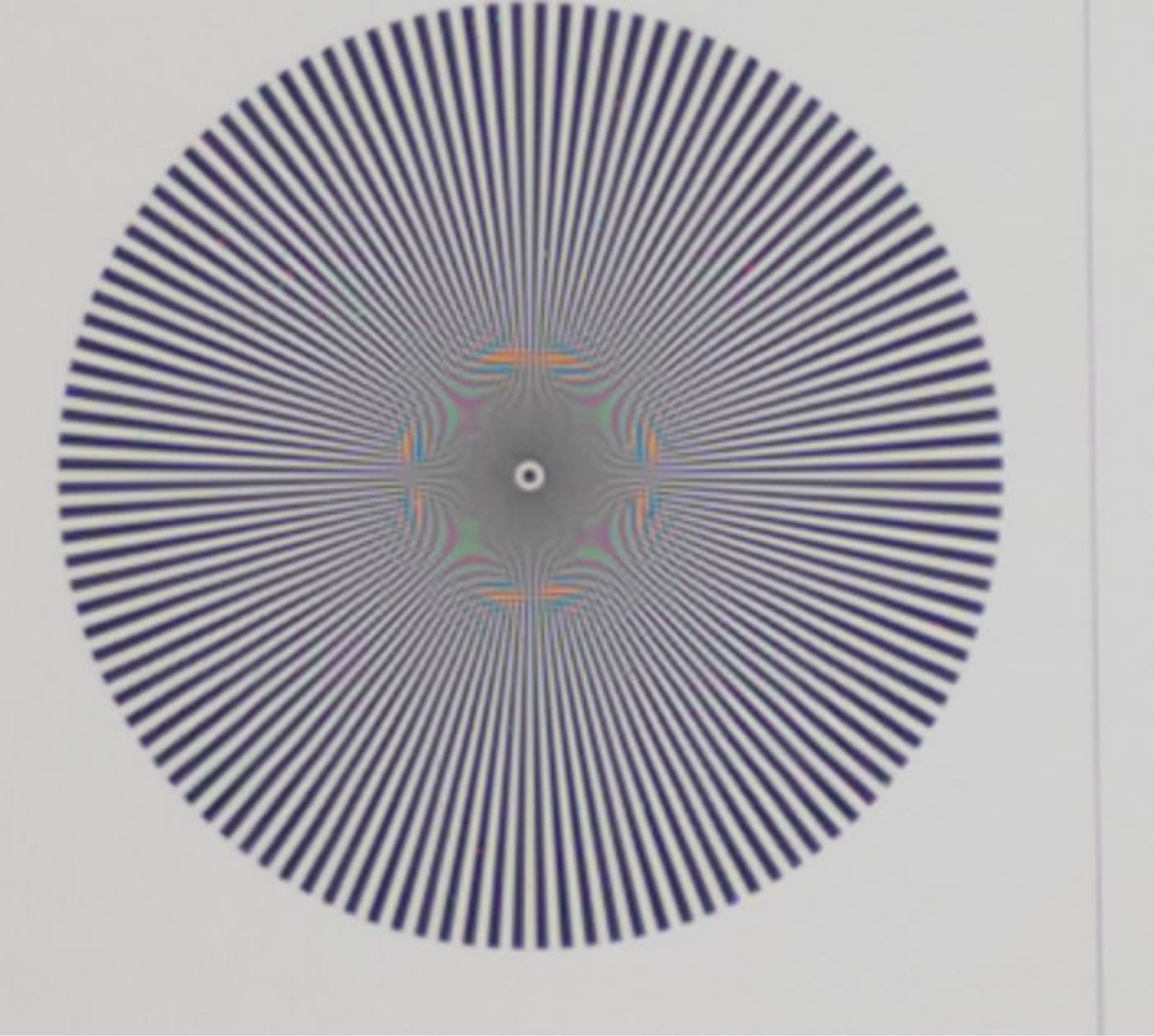
The fixed 35mm lens integrated into the GFX 100RF is a strong performer, especially considering its compact size, a critical factor in the camera’s overall design philosophy. Optically, it delivers excellent sharpness on-axis, maintaining impressive detail until the effects of diffraction become noticeable at smaller apertures. Falloff in sharpness toward the edges is modest, and field curvature is essentially absent, ensuring consistent focus across the frame.
Distortion is observable in uncorrected RAW files, a common characteristic in modern compact lens designs. However, digital lens corrections, applied either in-camera or during post-processing, effectively eliminate these distortions with minimal, if any, discernible loss in sharpness. Similarly, vignetting, or illumination falloff toward the corners, is moderate but readily corrected through software.

A distinctive feature of the GFX 100RF’s lens is its leaf shutter. This mechanism offers several advantages, including exceptionally quiet operation, which is beneficial for candid photography, and the ability to sync flash at very high shutter speeds. However, the leaf shutter introduces a peculiar characteristic at higher shutter speeds. At 1/500 second and above, it can manifest bokeh artifacts, causing out-of-focus highlights (bokeh balls) to appear non-circular. These artifacts become more pronounced at speeds like 1/4000 second, where the shutter’s physical movement begins to influence the aperture’s effective shape during exposure. While present, these artifacts are generally less objectionable than those produced by some other medium format leaf shutter lenses, such as the Hasselblad XCD 38V and 90V.
The fixed 35mm focal length on the 33x44mm medium format sensor provides a field of view roughly equivalent to a 28mm lens on a full-frame camera. This wide-angle perspective is well-suited for landscapes, architecture, and environmental portraits, appealing to photographers who appreciate a broader field of view with the expansive detail of medium format. Some photographers might express a preference for a slightly longer focal length, such as a 45mm or 50mm lens (offering a 35mm or 40mm full-frame equivalent field of view), which aligns more closely with a classic street photography or general-purpose perspective. This choice of focal length is a defining characteristic of the GFX 100RF and will largely determine its appeal to individual users.
Power, Connectivity, and Flash Synchronization
Battery life on the GFX 100RF exhibits a measurable improvement compared to the same battery used in its GFX 100 II or GFX 100S II siblings. This enhanced endurance is largely attributable to the absence of the power-intensive in-body image stabilization (IBIS) system and the lower power demands of the leaf shutter mechanism in the GFX 100RF’s fixed lens, as opposed to the focal plane shutters found in the other GFX models. This efficiency contributes significantly to the camera’s suitability as a travel companion, reducing the need for frequent battery changes.

Regarding flash synchronization, the GFX 100RF’s leaf shutter provides the advantage of syncing at very high shutter speeds, a capability often limited by focal plane shutters. While some users have reported potential difficulties with wireless triggers at extreme speeds, tests with a direct hot shoe connection generally show stable performance. A minor loss in light may occur at the maximum shutter speed of 1/4000 second, particularly when using flashes at full power where their flash duration might exceed the shutter speed. This is a common phenomenon where the flash output is effectively cut off by the shutter, requiring careful consideration of flash power and duration settings for optimal results at the fastest shutter speeds.
Strategic Positioning: A Niche Product in a Competitive Market
The Fujifilm GFX 100RF occupies a highly specific "niche within a niche." It targets photographers who demand the unparalleled image quality of a 100-megapixel medium format sensor in a remarkably compact, rangefinder-inspired form factor, with a fixed wide-angle lens. This unique combination sets it apart, but also places it in a competitive landscape with high-end full-frame fixed-lens cameras, despite the sensor size difference.
Direct comparisons often arise with cameras like the Leica Q3 and the Sony RX1R III, both of which are premium fixed-lens full-frame cameras. The GFX 100RF, while offering a significantly larger sensor and higher resolution, maintains a similar weight profile to the Leica Q3, though the Sony RX1R III remains considerably smaller and lighter. In terms of pricing, the GFX 100RF and Sony RX1R III are often in a comparable bracket, with the Leica Q3 typically positioned at a higher premium. This indicates that choosing a full-frame alternative does not necessarily equate to significant cost savings, but it can offer advantages in terms of weight and, crucially, features like IBIS. The Leica Q3, for example, includes IBIS, making it a potentially superior choice for handheld shooting in low-light conditions, a scenario where the GFX 100RF’s lack of stabilization could be a limiting factor.
Fujifilm has also emphasized the cropping capabilities of the GFX 100RF’s 100-megapixel sensor. It is true that a 100MP sensor provides more latitude for aggressive cropping compared to a 60MP sensor of similar pixel pitch, or even a full-frame 60MP camera like the Leica Q2, when maintaining the same angle of view. However, this advantage is not absolute. The GFX 100RF’s sensor may offer similar cropped image quality at certain angles of view as the Sony RX1R III, particularly in the range between a 28mm and 35mm full-frame equivalent perspective. This suggests that while the GFX 100RF offers superior native resolution, the practical benefits of cropping for different focal length equivalents might not always translate into a decisive advantage over high-resolution full-frame alternatives, especially if the desired final output resolution is lower than the sensor’s maximum. For example, if a photographer desires the "look" of a 35mm lens on full-frame, they would need to crop the GFX 100RF’s 28mm equivalent image, effectively reducing the output to roughly 60 megapixels, thereby diminishing the initial 100MP advantage.
User Interface and Workflow Considerations
Fujifilm’s user interface has cultivated a reputation for being somewhat idiosyncratic but largely appreciated by its loyal user base. The GFX 100RF adheres to this design philosophy, presenting a control scheme that may initially feel "eccentric" to those accustomed to other camera systems, but quickly becomes intuitive and fluid with use. The blend of physical dials and customizable digital menus provides a highly tactile and personalized shooting experience.
One particular feature that warrants discussion is the crop control. While serving as a useful compositional aid, its implementation has drawn criticism. Its large size and the absence of a locking mechanism make it prone to accidental adjustments. Furthermore, the integration of the crop tool with the camera’s metering system is unconventional: the exposure recommendation provided by the camera dynamically changes based on the chosen borders for the EVF crop display. This behavior, while perhaps designed for specific compositional workflows, introduces an element of variability that can be perplexing for users expecting consistent metering regardless of the framing crop.
Conclusion: Who is the GFX 100RF For?
The Fujifilm GFX 100RF stands as a highly specialized, purposeful tool within the medium format landscape. Its blend of a massive 100-megapixel sensor, exceptional portability, and a fixed wide-angle lens carves out a distinct identity. It is unequivocally designed for a discerning photographer who prioritizes ultimate image quality and detail from a medium format sensor, values a compact and discreet form factor for genres like travel, street, and fine-art photography, and is content with a 28mm full-frame equivalent field of view.
For those who regularly shoot in RAW and meticulously craft their images in post-production, the GFX 100RF offers an unparalleled canvas. Its impressive sensor performance, combined with a sharp, albeit digitally corrected, fixed lens, provides an outstanding foundation for highly detailed and impactful prints or digital presentations. The enhanced battery life, quiet leaf shutter, and robust build contribute to a reliable and enjoyable shooting experience in various conditions.
However, its lack of in-body image stabilization and the specific 35mm focal length (28mm FF equivalent) are critical considerations. Photographers frequently working in dim light handheld or preferring a more traditional 35mm or 50mm full-frame equivalent perspective might find themselves better served by alternatives, even if it means stepping down to a full-frame sensor. While the 100MP sensor offers cropping latitude, it’s essential for potential users to evaluate if the resulting cropped image still meets their resolution and perspective requirements, especially when competing against dedicated full-frame cameras with matching focal lengths.
In essence, the GFX 100RF is not a camera for everyone. It is a precise instrument for those whose creative vision aligns perfectly with its unique set of capabilities and compromises. It underscores Fujifilm’s commitment to pushing boundaries within the medium format segment, offering specialized tools that cater to the nuanced demands of professional and enthusiast photographers seeking a distinct approach to high-resolution imaging.