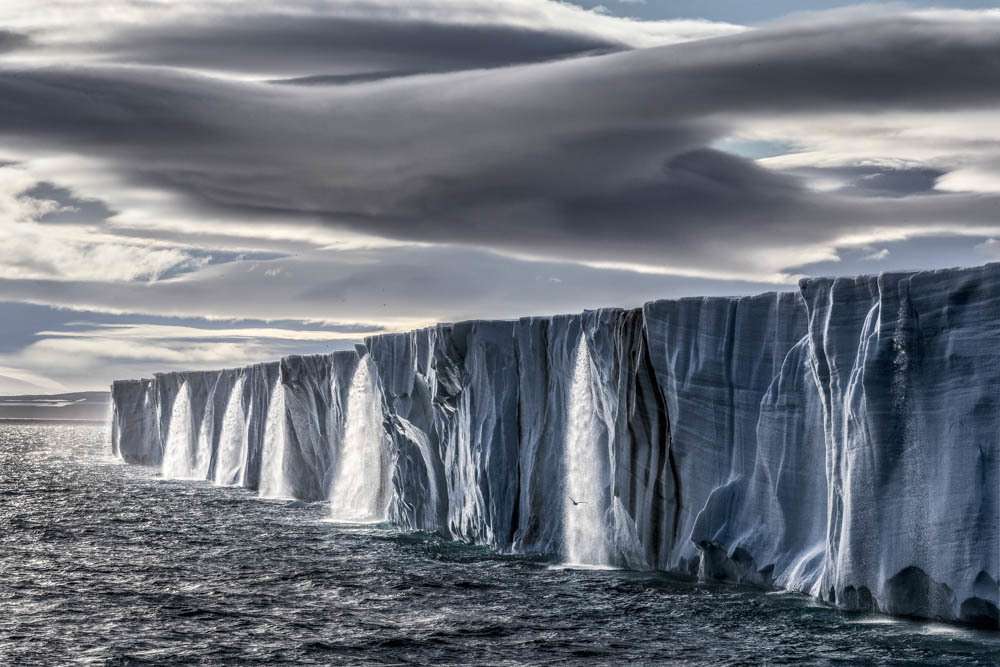
The ephemeral beauty of polar landscapes, sculpted by the relentless forces of nature, is a subject of profound fascination and increasing concern. Renowned National Geographic photographer Paul Nicklen, whose evocative imagery has graced publications and inspired conservation efforts worldwide, offers a poignant reflection on the dynamic and fragile nature of these icy realms. His experiences, rooted in a childhood spent on Baffin Island and extended through decades of expeditions to the Arctic and Antarctic, reveal a world of breathtaking artistry that is rapidly succumbing to the pressures of a changing climate. Nicklen’s work, exemplified by iconic photographs like "Ice Waterfall" and "The Last Stand," not only captures the majestic grandeur of ice formations but also serves as a powerful testament to the urgent need for polar preservation.
The Transience of Natural Sculptures
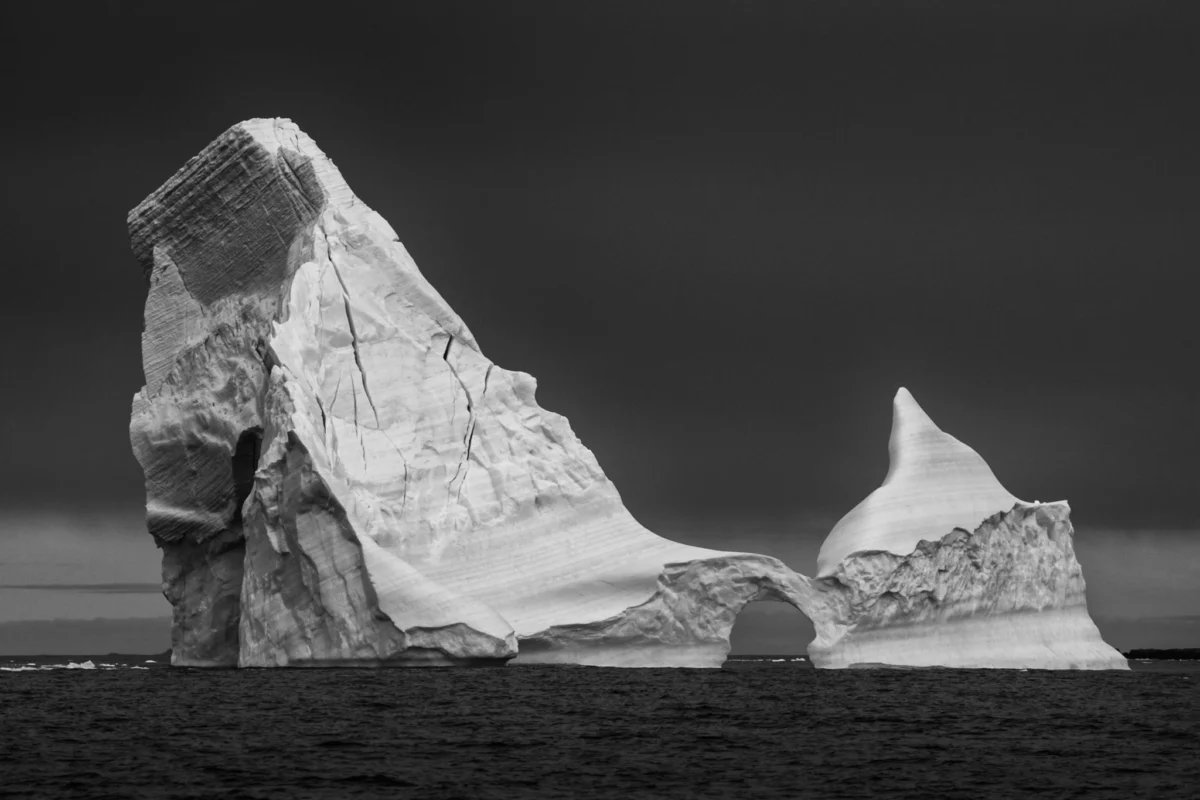
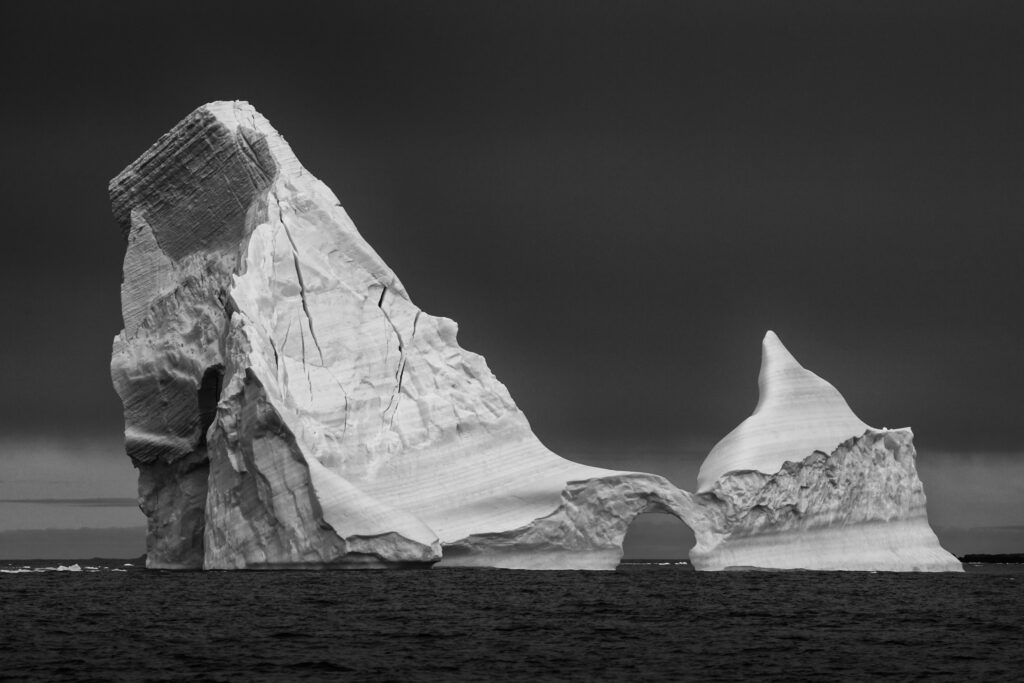
Nicklen’s narrative is punctuated by vivid recollections of nature’s fleeting masterpieces. He recounts an expedition to the Antarctic where he meticulously framed a delicate ice arch, a structure born from the interplay of sea, wind, and winter’s grip. The moment he felt he had captured the perfect composition, a resonant rumble signaled the arch’s imminent collapse. Within seconds, the ice structure, a testament to nature’s sculpting power, yielded to gravity and plunged into the ocean, its demise heralded by a thunderous crack and a surge of waves. This dramatic event underscores the impermanent nature of ice formations, each a unique sculpture destined to melt or break apart. The forces that create these wonders – tumultuous seas, prolonged winters, and fierce winds – are also the agents of their dissolution, a cycle that has accelerated dramatically in recent decades.
A Childhood Enchanted by Ice
Nicklen’s deep connection to the polar regions is not merely a professional pursuit but a lifelong passion ignited in his formative years. At the age of four, his family’s relocation to Baffin Island provided him with an immersive introduction to the world of ice. It was here, surrounded by Inuit communities, that he developed an intimate understanding of the frozen landscape and its inhabitants. Guided by elders, he learned essential survival skills: tracking animals across snow-covered terrains, navigating treacherous ice floes, and enduring extreme cold. These experiences, far from being arduous, fostered a profound sense of belonging and a deep respect for the resilience of life in the harshest environments. This upbringing laid the foundation for his career as a National Geographic photographer, shaping his artistic vision and his commitment to documenting and protecting the polar regions.
The Artistry of Light and Form
The photographic potential of ice, as Nicklen explains, is virtually limitless. The way light interacts with frozen water—bending, refracting, and scattering through crystalline structures—creates an ever-changing palette of intricate patterns and textures. Even a seemingly static iceberg can present a different visual narrative with each passing moment, influenced by shifting light conditions and the subtle movements of the sea. While an overcast sky can mute these visual wonders, presenting a challenge for photographers, Nicklen finds a peculiar freedom in these environmental constraints. They compel him to explore unconventional perspectives and to seek out the unique stories embedded within each frame, often resulting in more compelling imagery and a deeper narrative.
"Ice Waterfall" and "The Last Stand": Icons of a Changing Arctic
Two of Nicklen’s most acclaimed photographs, "Ice Waterfall" and "The Last Stand," encapsulate the duality of polar beauty and vulnerability. "Ice Waterfall," a striking image of a colossal ice fall against a dramatic sky, has resonated globally, finding a place in homes and inspiring conservation dialogues. Its composition, featuring dark clouds and the vast Nordaustlandet ice cap, tells a compelling story of a vanishing Arctic. This photograph has been instrumental in raising awareness, notably being used by figures like Al Gore and serving as a pivotal visual in National Geographic’s "Cool It" issue in 2015. Its impact extended to the cultural sphere, gracing the cover of Pearl Jam’s album "Gigaton," a testament to its power to convey an urgent environmental message.
Similarly, "The Last Stand," capturing a fragile ice arch on the Antarctic coast, serves as a poignant reminder of the delicate balance of polar ecosystems. Nicklen’s haste to document this ephemeral structure before its inevitable plunge into the sea highlights the fleeting nature of these natural wonders and the ever-present threat of their disappearance. The beauty of Antarctica, he notes, is as fragile as it is captivating, a sentiment echoed by the scientific data on glacial melt.
The Fragility of Polar Ecosystems
Nicklen’s observations extend beyond the visual spectacle to the intricate web of life that depends on these frozen environments. He has witnessed firsthand the remarkable adaptations of animals such as seals, polar bears, and seabirds, whose survival is intrinsically linked to the ebb and flow of ice. These creatures have evolved to thrive in conditions that would be inhospitable to most life forms, relying on the ice for breeding, hunting, and migration. However, this very reliance makes them acutely vulnerable to environmental changes. The diminishing ice cover in the Arctic and Antarctic seas, a direct consequence of rising global temperatures, poses an existential threat to these iconic species.
Supporting Data:
- Arctic Sea Ice Extent: According to the National Snow and Ice Data Center (NSIDC), Arctic sea ice extent has been declining at a rate of approximately 13% per decade relative to the 1981–2010 average. The lowest minimum extents on record have occurred in recent years, with 2012 and 2020 seeing the smallest summer sea ice extents.
- Antarctic Ice Sheet Mass Loss: While the Arctic is experiencing more rapid sea ice decline, the Antarctic ice sheet is also losing mass at an accelerating rate. Data from NASA’s GRACE satellites indicate that Antarctica has lost an average of 150 billion tons of ice per year since 1992, with the rate of loss increasing significantly in recent decades.
- Impact on Wildlife: Studies have shown a direct correlation between sea ice loss and the decline of polar bear populations. Reduced sea ice limits their access to seals, their primary food source, leading to decreased hunting success, lower cub survival rates, and increased instances of starvation. Similarly, penguin species, particularly those reliant on sea ice for foraging or breeding platforms, are facing significant challenges.
A Childhood Home Transformed
The transformation of the Arctic, Nicklen’s childhood sanctuary, is a deeply personal concern. He has witnessed firsthand the profound changes brought about by a warming world, observing the evolution of a landscape that once felt immutable. The increasing frequency of extreme weather events, the thawing of permafrost, and the altered migration patterns of wildlife are stark indicators of a planet in distress. His perspective, honed by years of intimate engagement with these environments, provides a critical human dimension to the scientific data.
Chronology of Change:
- Mid-20th Century Onward: Growing scientific evidence points to a consistent warming trend in polar regions, with the Arctic warming at a rate two to three times faster than the global average.
- Late 20th Century – Early 21st Century: Satellite monitoring begins to systematically document the decline in Arctic sea ice extent and thickness. Major ice shelf collapses in Antarctica, such as the Larsen B ice shelf in 2002, draw international attention.
- 2010s: A series of record-low Arctic sea ice minimums are observed. Climate models increasingly predict a seasonally ice-free Arctic within this century.
- Present Day: Continued acceleration of ice melt, increased frequency of extreme weather events in polar regions, and mounting evidence of impacts on polar ecosystems and indigenous communities.
A Call for Collective Action
Despite the escalating challenges, Nicklen maintains a steadfast belief in humanity’s capacity to alter its course. He emphasizes that the protection of polar wildlife and ecosystems is a shared responsibility, one that can be achieved through collective action and a renewed commitment to conservation. The support of individuals who, like him, cherish the natural world is crucial in this endeavor. His message is one of hope and empowerment, urging readers to recognize their role in safeguarding these vital regions for future generations.
Broader Impact and Implications:
The implications of polar ice melt extend far beyond the immediate loss of habitat for iconic species. The melting of polar ice sheets contributes significantly to global sea-level rise, threatening coastal communities worldwide. Changes in polar ice cover also influence global weather patterns and ocean currents, potentially leading to more extreme weather events in lower latitudes. The thawing of permafrost in the Arctic releases potent greenhouse gases, creating a feedback loop that further accelerates warming. The cultural and economic impacts on indigenous communities, whose traditional ways of life are deeply intertwined with the polar environment, are also profound and require urgent attention and support.
Conclusion: A Shared Future
Paul Nicklen’s work serves as a powerful reminder that the beauty of our planet is not only breathtaking but also incredibly fragile. The "Ice Waterfall" and "The Last Stand" are more than just photographs; they are visual narratives of a world in transition, a plea for recognition of the urgent environmental crisis unfolding in our polar regions. His personal journey, from a childhood fascination with ice to a global advocate for its preservation, underscores the deep connection between human experience and the health of our planet. The message is clear: the fate of these majestic icy landscapes and the life they sustain is inextricably linked to our own, and the time for decisive action is now. As Nicklen concludes, "We are in this together, and we will solve this together." This sentiment, coupled with his profound imagery, offers a beacon of hope for a more sustainable future.