For three decades, a persistent curiosity has simmered within the author, a desire to witness firsthand the elusive pumas that inhabit Vancouver Island, a region renowned for its high cougar population. Despite countless excursions, the profound stealth of these apex predators has rendered them almost invisible, offering only fleeting glimpses. This deep-seated longing for an encounter, for a moment to observe nature’s perfectly engineered hunters in their element, ultimately led to an expedition into the dramatic landscapes of Chilean Patagonia, a place where the legendary pumas roam freely.
The Quest Begins: From Travel Hurdles to Patagonian Serenity
The journey to Chilean Patagonia was not without its initial challenges. A lost passport and an unexpected detour to a Brazilian embassy in Santiago presented a rocky start, underscoring the complexities of international travel. However, these logistical hurdles were soon overshadowed by the breathtaking reality of the destination. The chosen accommodation was a converted estancia, a traditional Patagonian ranch, nestled on the periphery of the iconic Torres del Paine National Park. This working ranch, still equipped with functional farming and livestock apparatus, offered an authentic immersion into the region’s cultural fabric.
The burgeoning ecotourism industry in the area, fueled by the magnetic allure of the park’s pristine granite peaks, has brought significant changes. The estancia owners, like many in the region, have embraced a philosophy of coexistence, a stark contrast to historical perceptions of pumas as threats to livestock. This shift reflects a growing understanding of the ecological importance of apex predators and the potential for sustainable tourism. The staff, many of whom are locals, embody the enduring values of gaucho culture – honesty, diligence, and profound generosity – providing a warm and insightful introduction to the Patagonian way of life.
Encountering the Phantom of the Pampas: Petaka and Her Offspring
The pivotal moment of the expedition arrived with the guidance of Rodrigo, a local expert and a renowned puma tracker. Rodrigo’s intimate knowledge of the area and its feline inhabitants, cultivated over years of dedicated observation, proved invaluable. Venturing deep into the heart of puma territory, the landscape transformed dramatically. The cultivated fields gave way to rugged rock formations, the glacial waters of snow-fed lakes, and vast expanses of windswept grassland, the iconic pampas. As they journeyed deeper, the imposing granite spires of the Andes Mountains loomed larger, framing a vista of unparalleled natural grandeur.
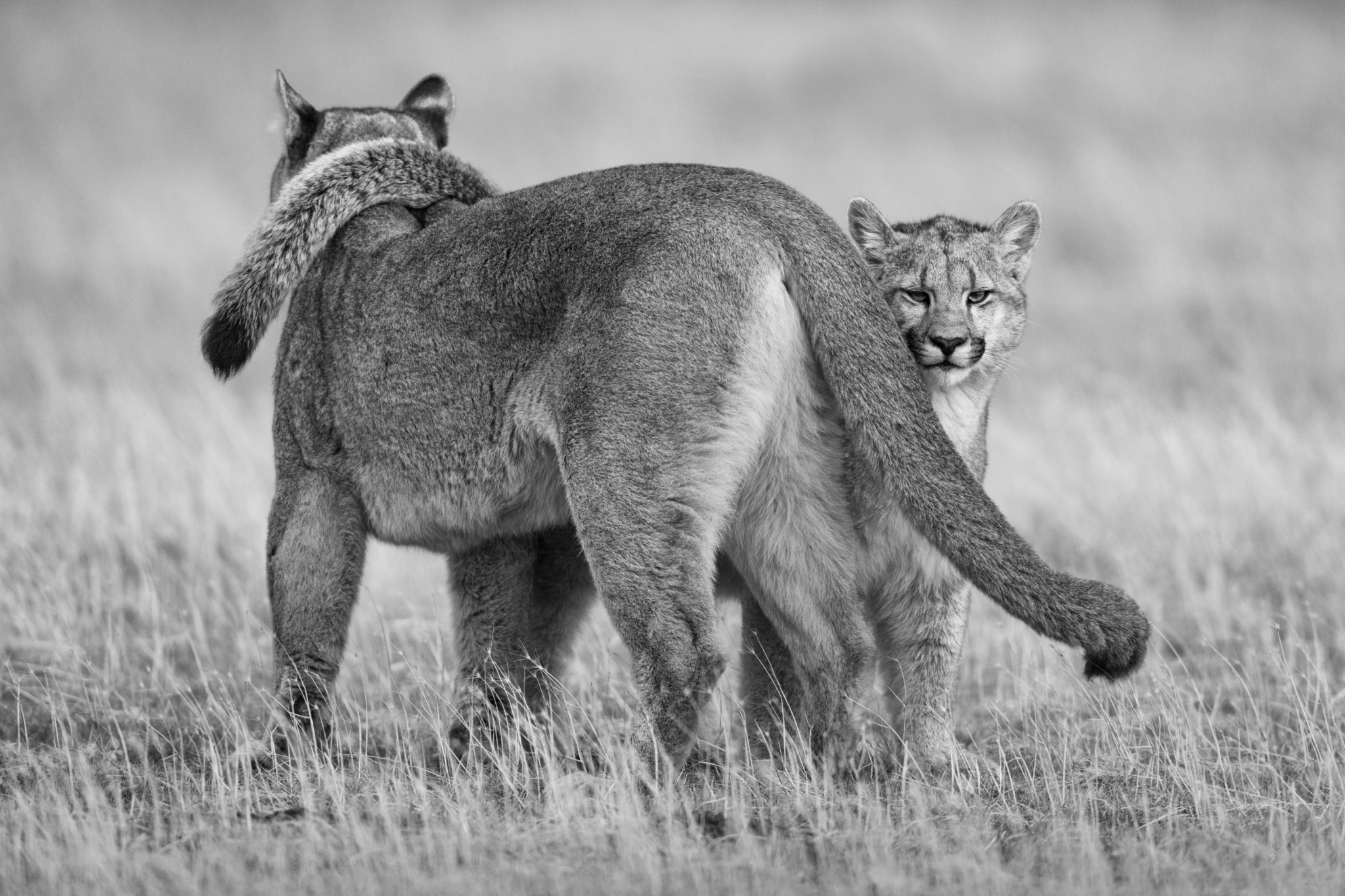
It was within this majestic setting that the first significant sighting occurred: Petaka, a female puma of near-celebrity status, accompanied by her two young kittens. Petaka’s reputation preceded her; her calm demeanor and apparent indifference to human presence had cemented her legendary status among those who frequent the Torres del Paine region. This unique adaptation is largely attributed to Chile’s progressive conservation policies. Unlike in some neighboring countries where hunting pumas may still occur, Chile designates them as a protected species, largely prohibiting hunting. This protective status has allowed some of the puma population, particularly in areas frequented by ecotourists, to habituate to human proximity, often ignoring them with an air of regal detachment.
The author’s experience observing Petaka and her kittens was profoundly moving. The privilege of witnessing a wild mother tenderly nurturing her young, engaging in playful tumbles on the grass, while remaining at a respectful distance, evoked a deep sense of emotional resonance. This quiet observation, devoid of any intrusion, underscored the profound beauty of observing wildlife in its natural, undisturbed state.
The Unforeseen Sanctuary: A Blizzard and a Shared Moment
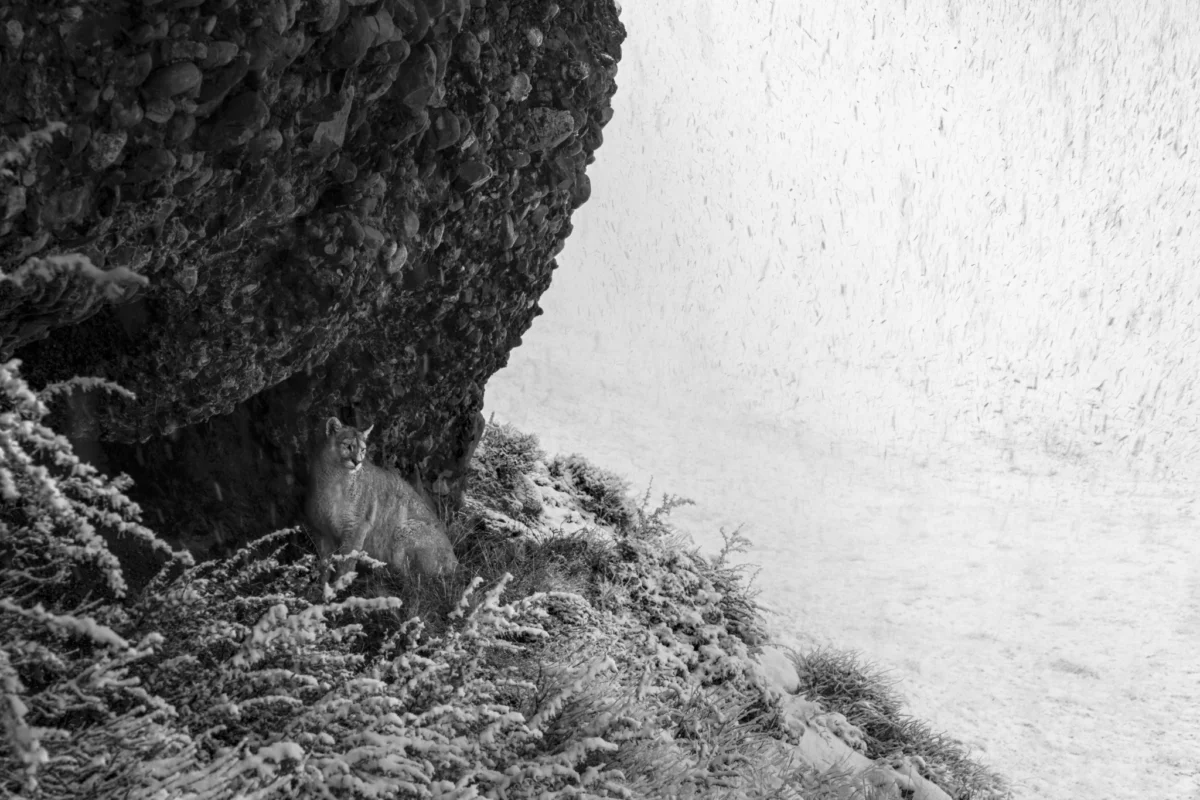
The capricious nature of Patagonian weather soon made itself known. The sky, once clear, rapidly darkened as winds intensified and the first snowflakes began to fall. A sudden blizzard descended, blanketing the landscape in white and muffling all sound, creating an intensely intimate and isolated atmosphere. Seeking refuge, the author found shelter in a mountain-side cave, anticipating a period of waiting for the storm to abate.
It was within this temporary sanctuary that an extraordinary event unfolded. Emerging from the swirling snow, a large puma appeared, settling down just a few feet away, seeking warmth and dryness. The instinct to freeze, to hold one’s breath, and to steady the camera against the surge of adrenaline and awe was immediate. For an extended period, the two solitary beings shared the confined space in a profound silence, punctuated only by the soft hiss of falling snow. The puma remained entirely unperturbed by the human presence, its gaze fixed on the surrounding environment, a testament to its wild instincts and inherent self-possession.
This unexpected encounter, a shared moment of quietude amidst a raging storm, transcended mere observation. It was an unsolicited communion, a fleeting connection forged in the crucible of the wild. As the blizzard finally subsided and the landscape re-emerged, a pristine canvas of fresh snow stretching out below, the puma silently departed, melting back into the vastness of the mountains. It was only then, as the extraordinary moment concluded, that the author allowed the overwhelming emotions to surface, a profound sense of gratitude for this unparalleled experience.
Conservation and Coexistence: The Broader Implications
The experience in Patagonia offers a powerful illustration of the efficacy of robust conservation measures. Chile’s designation of pumas as a protected species has demonstrably contributed to the habituation of some individuals to human presence, allowing for unique observational opportunities. This, in turn, fuels the ecotourism industry, creating an economic incentive for local communities to protect wildlife and their habitats.
The implications of such policies extend beyond the immediate benefits of wildlife viewing. The presence of healthy apex predator populations is crucial for maintaining ecological balance. Pumas, as top predators, play a vital role in regulating prey populations, such as guanacos and rheas, thereby preventing overgrazing and promoting biodiversity. Their continued existence is a bellwether for the health of the entire ecosystem.
The shift in perspective, from viewing pumas as threats to recognizing them as integral components of the natural world, is a narrative that resonates globally. As human populations expand and natural habitats shrink, the imperative for coexistence becomes increasingly critical. The success stories emerging from regions like Patagonia offer valuable lessons for conservation efforts worldwide, demonstrating that with thoughtful policy and a commitment to understanding, humanity and wildlife can indeed share the planet.
The author’s journey, from the elusive glimpses on Vancouver Island to the profound encounter in Chilean Patagonia, serves as a poignant reminder of the wildness that still exists and the rewards of patience, respect, and a deep-seated appreciation for the natural world. The ability to witness nature in its rawest, most magnificent form is a gift that underscores the importance of preserving these wild spaces for future generations. The quiet dignity of a puma, the breathtaking grandeur of the Andes, and the shared silence in a snow-bound cave coalesce into a powerful testament to the enduring magic of the wild.
The author’s signature, Paul Nicklen, further solidifies the credibility and personal connection to this narrative of wildlife observation and conservation. His work often highlights the critical need for protecting our planet’s natural wonders.