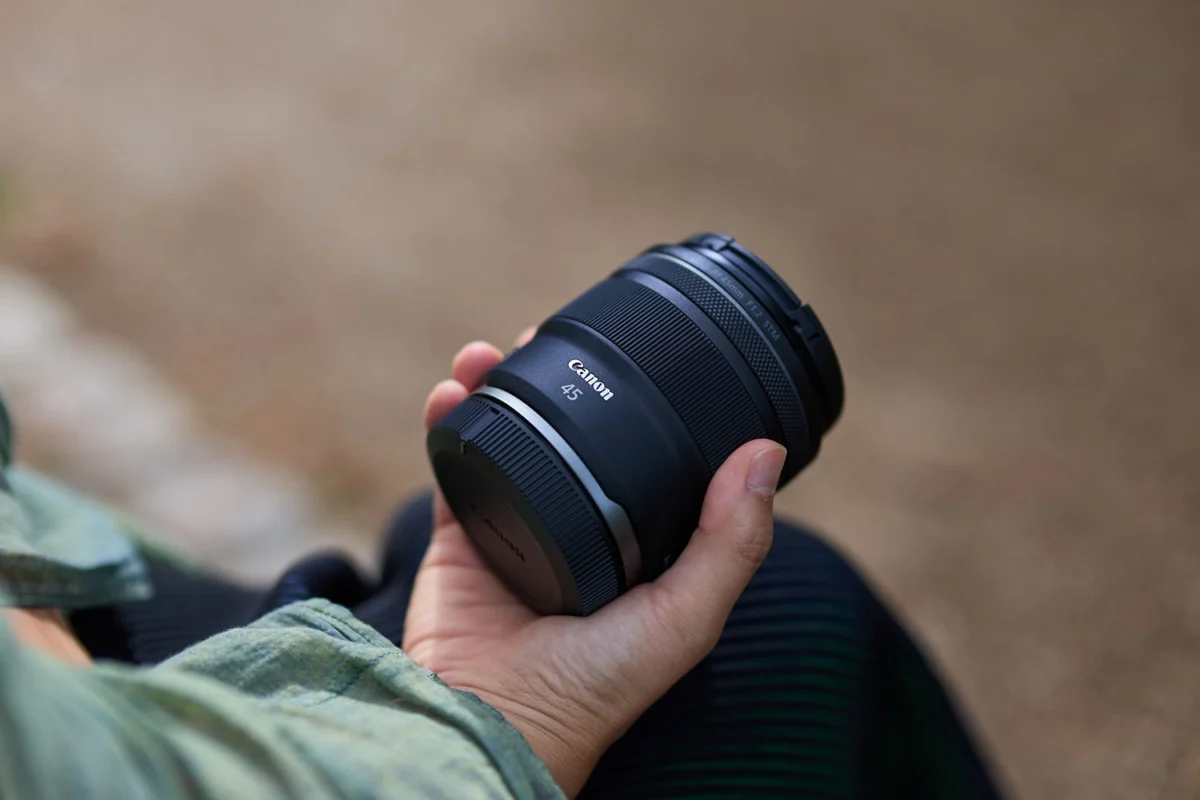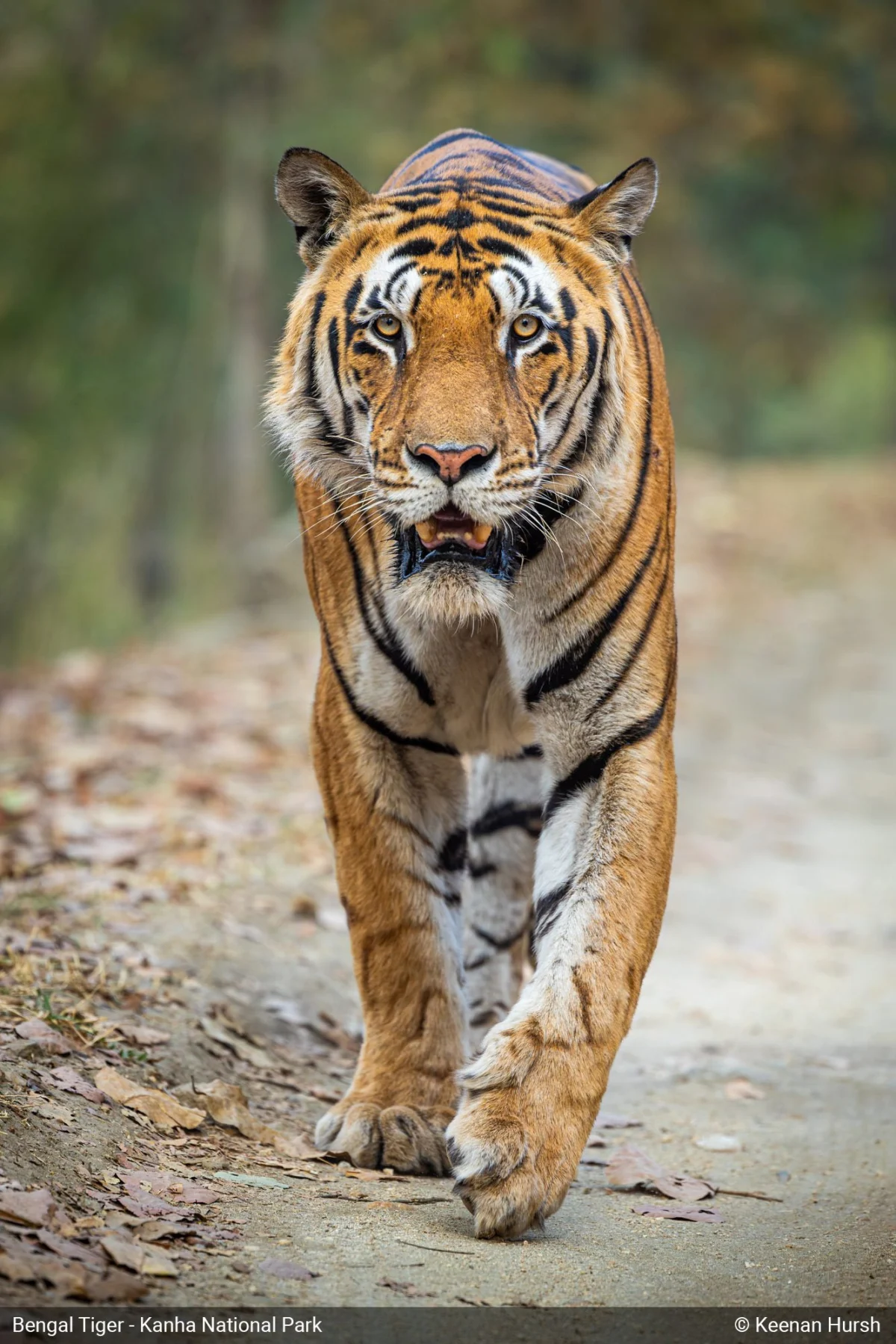
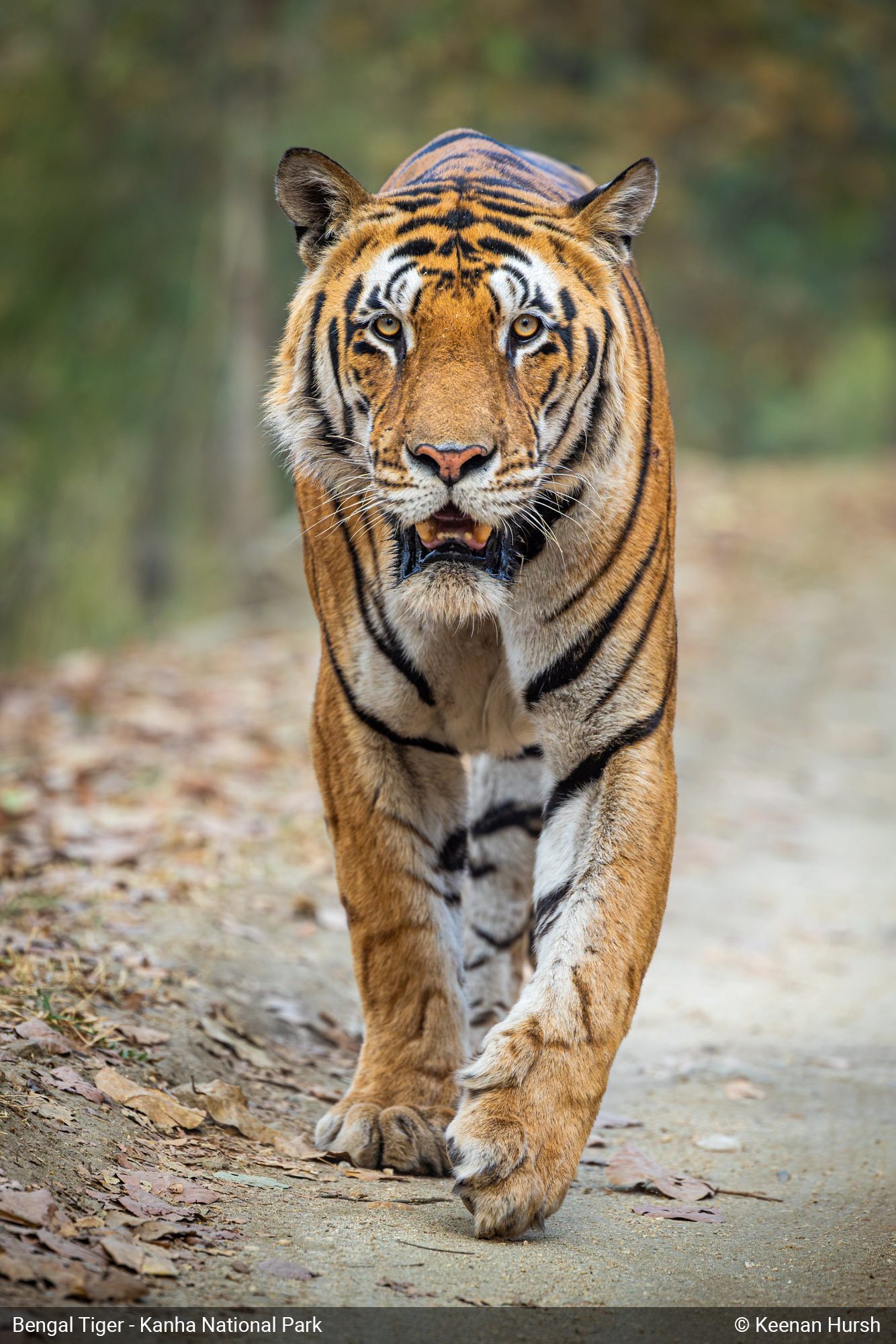
The evolution of camera technology has fundamentally reshaped the landscape of professional photography, particularly within the demanding realm of wildlife capture. What was once considered a monumental achievement in imaging a decade or two ago is now routinely surpassed by the capabilities of modern mirrorless systems. This relentless progression, marked by significant strides in autofocus (AF) capabilities, low-light performance, increased burst speeds, and innovative features like pre-capture, has opened new artistic and documentary avenues for photographers. Professional nature and wildlife photographer Keenan Hursh recently put these advancements to the ultimate test, conducting a real-world, side-by-side comparison of the Canon EOS R5 and its newer iteration, the Canon EOS R5 Mark II, during a specialized wildlife photography workshop in the tiger-rich national parks of India.
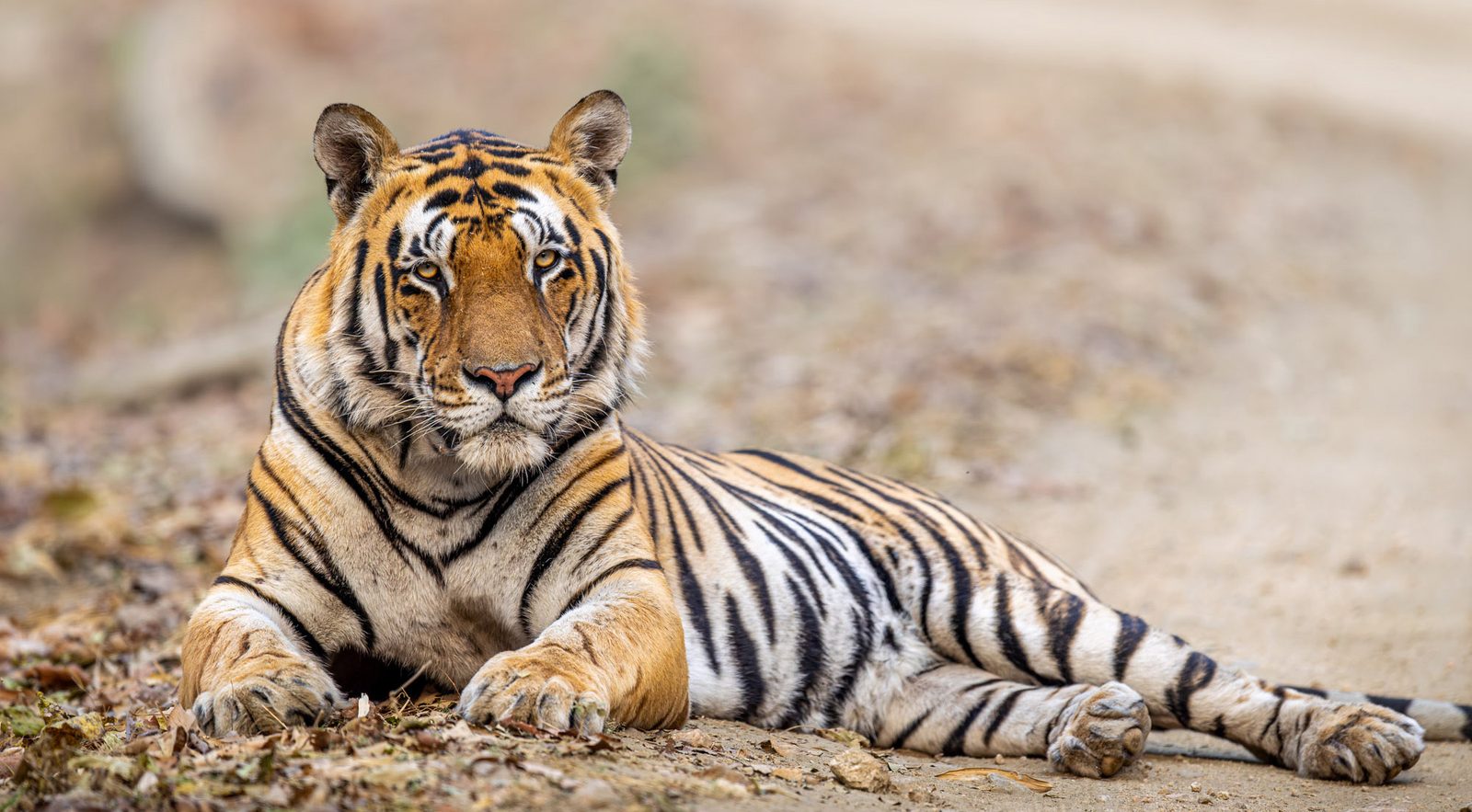
The Technological Imperative in Wildlife Photography
Wildlife photography, an art form both immensely rewarding and inherently challenging, requires a confluence of planning, skill, knowledge, and often, a degree of fortune, to achieve a ‘dream shot.’ Even when all human elements align, the quality, capabilities, and performance of photographic gear remain paramount. The past decade has witnessed a staggering transformation in camera technology, particularly beneficial for capturing dynamic and often unpredictable wildlife. Mirrorless cameras have largely superseded traditional DSLRs, offering advantages such as more sophisticated electronic viewfinders (EVFs), stacked sensors that enable faster readout speeds, and advanced computational photography features. These innovations allow photographers to capture fleeting moments that were simply not realistically achievable with older equipment, pushing the boundaries of what is possible in the field.
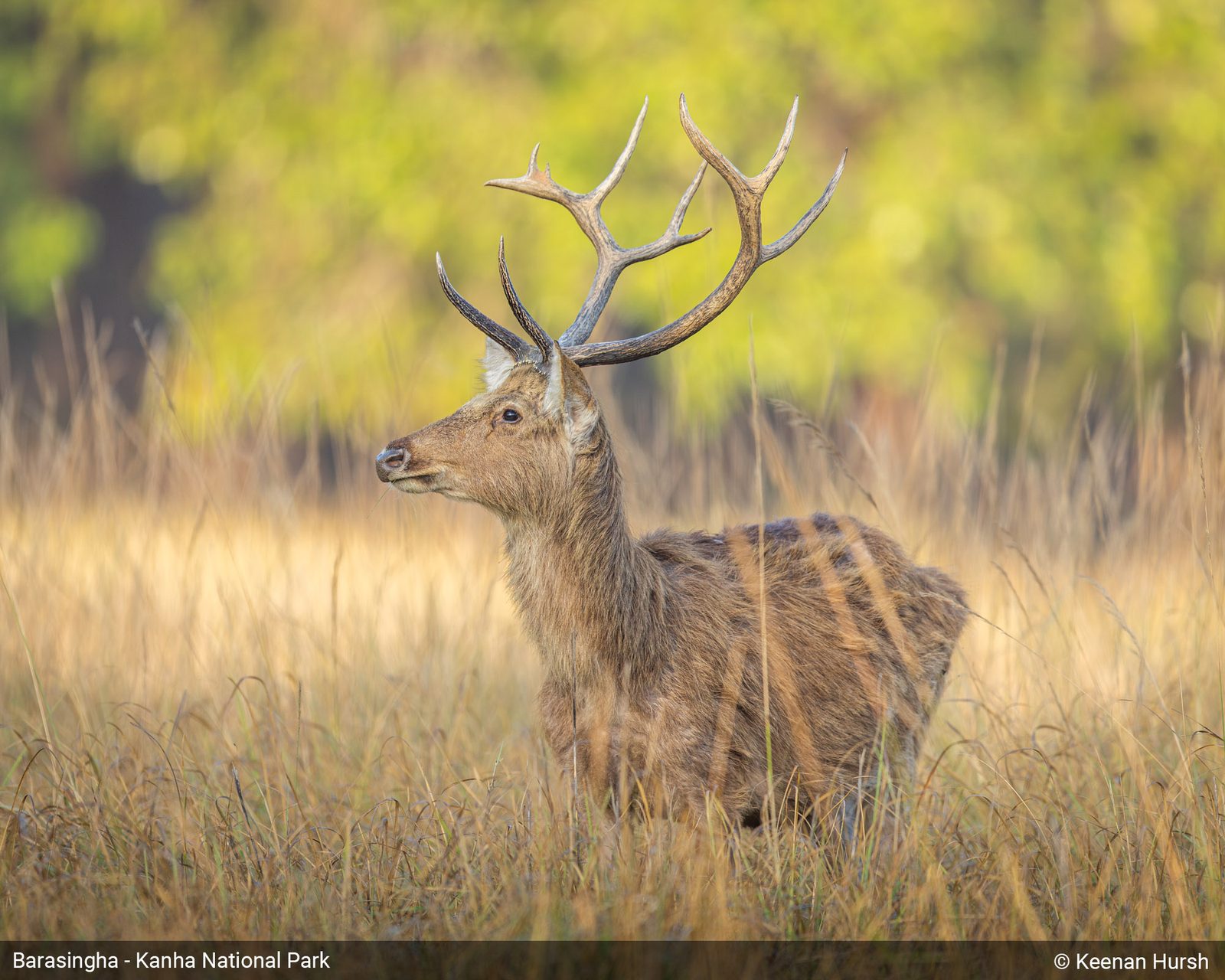
An Expedition to India’s Wild Heart: Bandhavgarh and Kanha National Parks
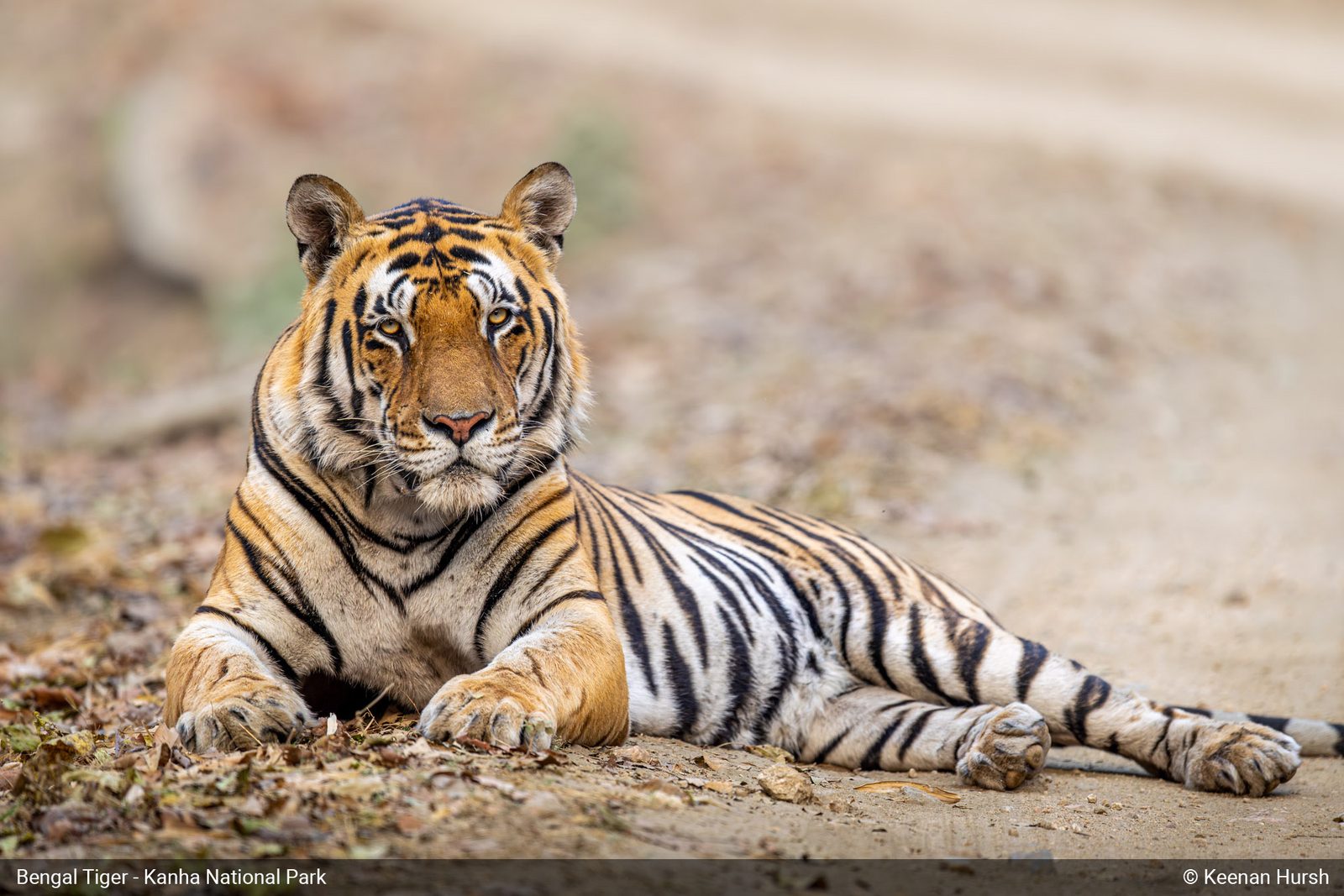
Keenan Hursh, a renowned nature photographer, guide, and writer, embarked on a 10-day expedition to India, leading a photography workshop for Backcountry Journeys. The primary objective was to photograph Bengal tigers and a diverse array of other indigenous wildlife species in their natural habitats. The journey commenced in Delhi, from where the group traveled to Bandhavgarh National Park, followed by a six-hour drive south to Kanha National Park. Both parks, nestled in the state of Madhya Pradesh, are celebrated for their biodiversity and, critically, for hosting robust populations of Bengal tigers, offering unparalleled opportunities for wildlife enthusiasts and photographers.
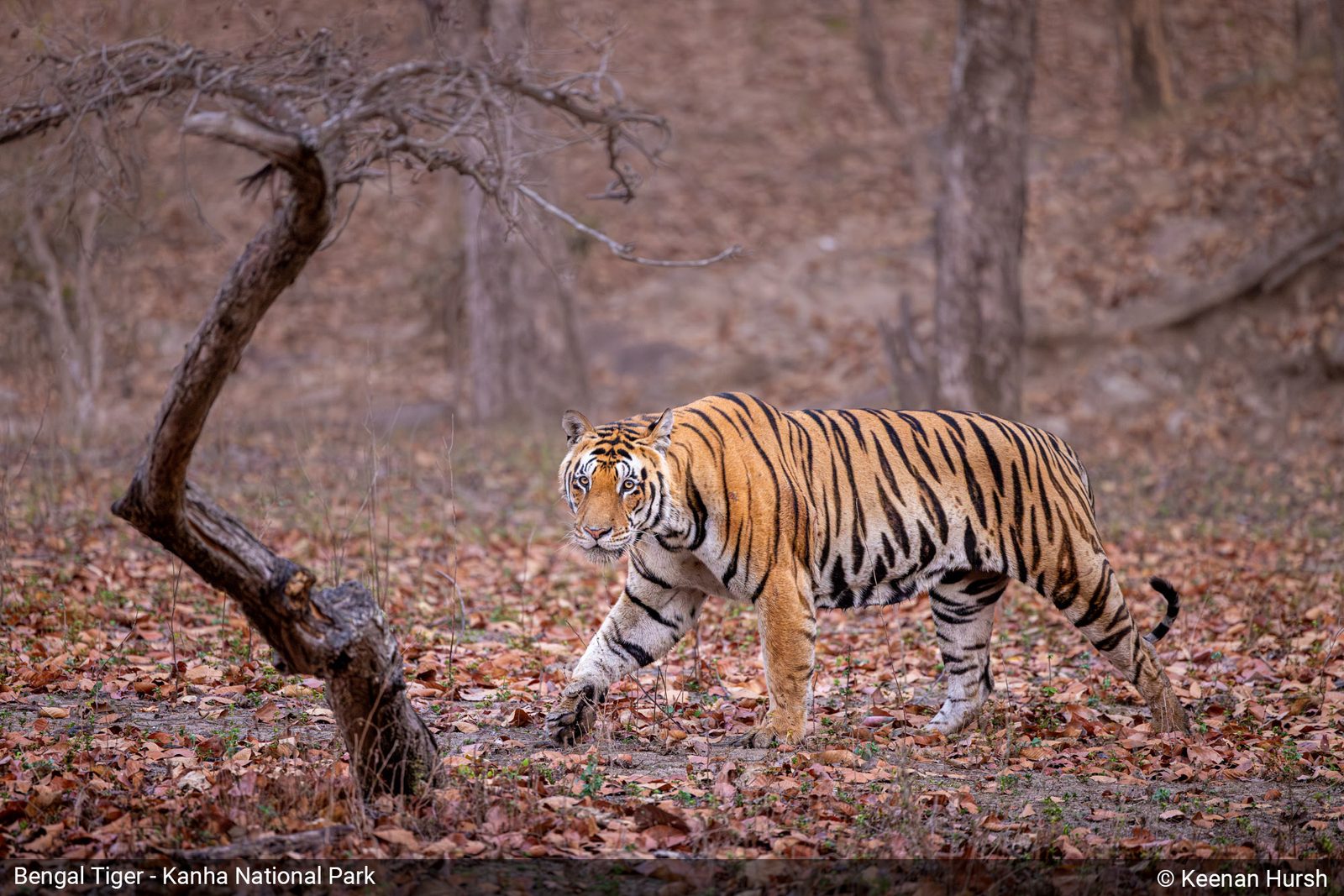
Bandhavgarh, known for its dramatic cliffs, ancient fort, and high tiger density, provides a unique backdrop for photography. Kanha, on the other hand, presents a more expansive landscape of grasslands and sal forests, often described as the inspiration for Rudyard Kipling’s "The Jungle Book." The varying terrains and ecosystems in each park presented diverse photographic challenges and opportunities, making them ideal testing grounds for high-performance cameras.
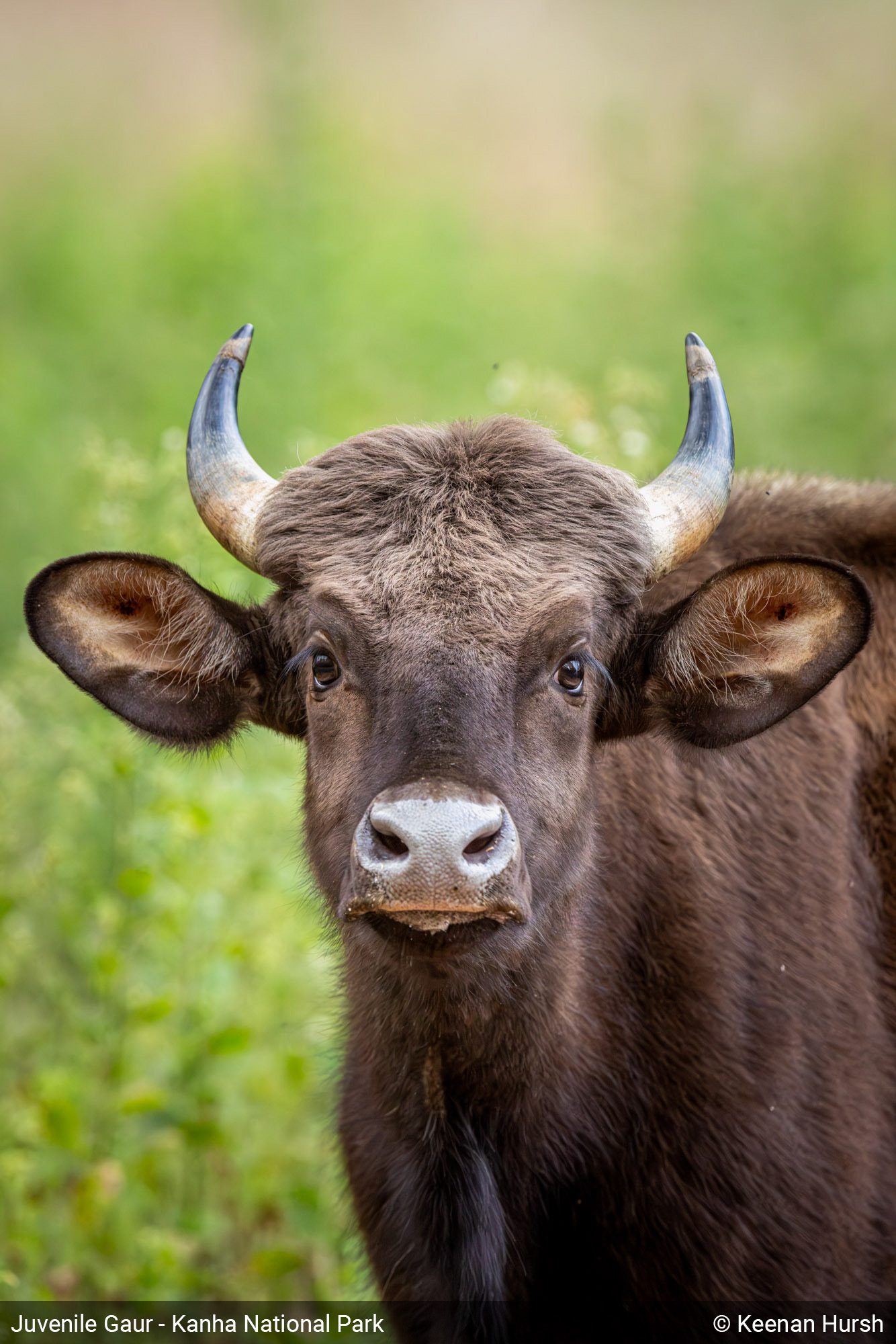
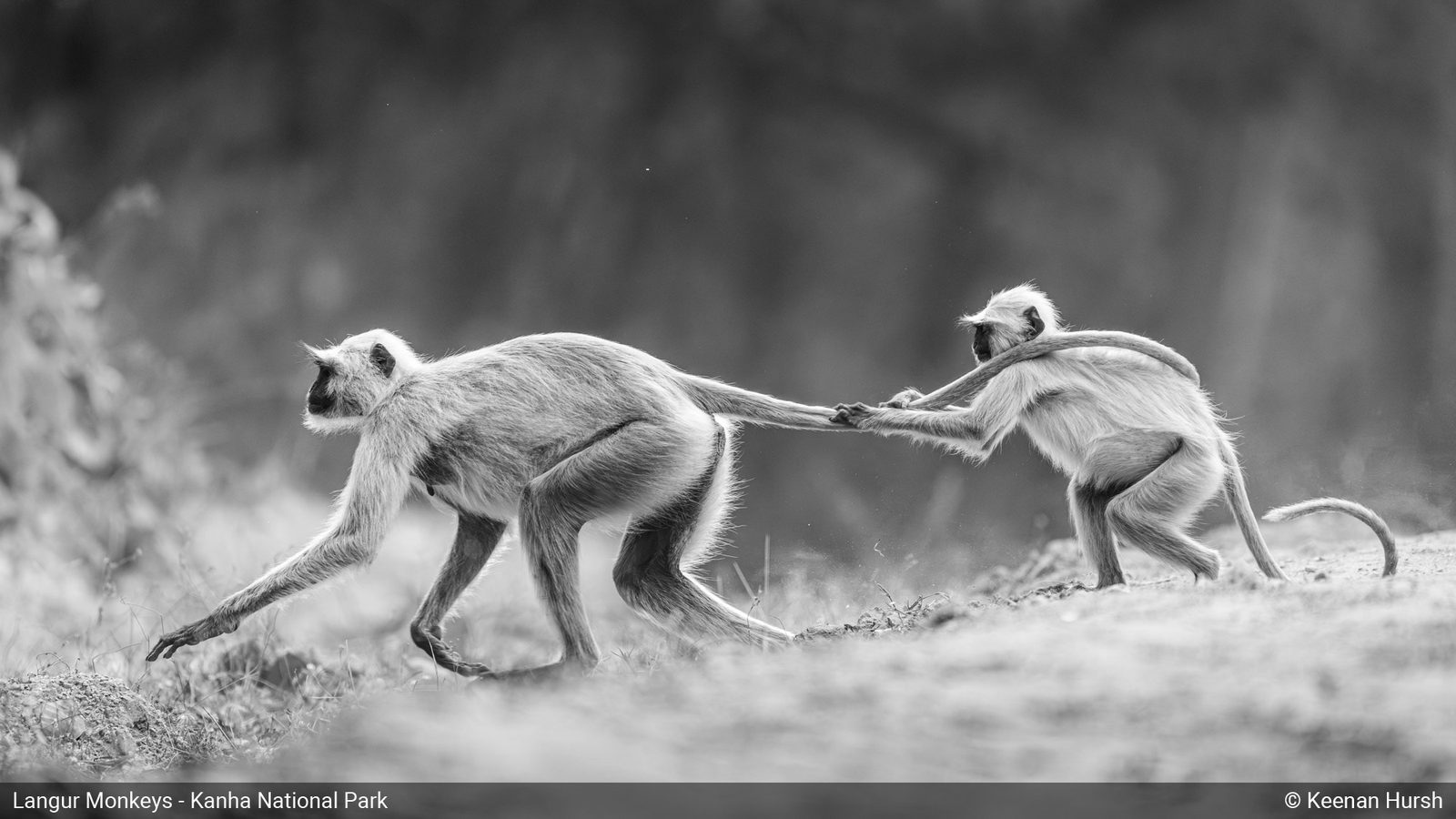
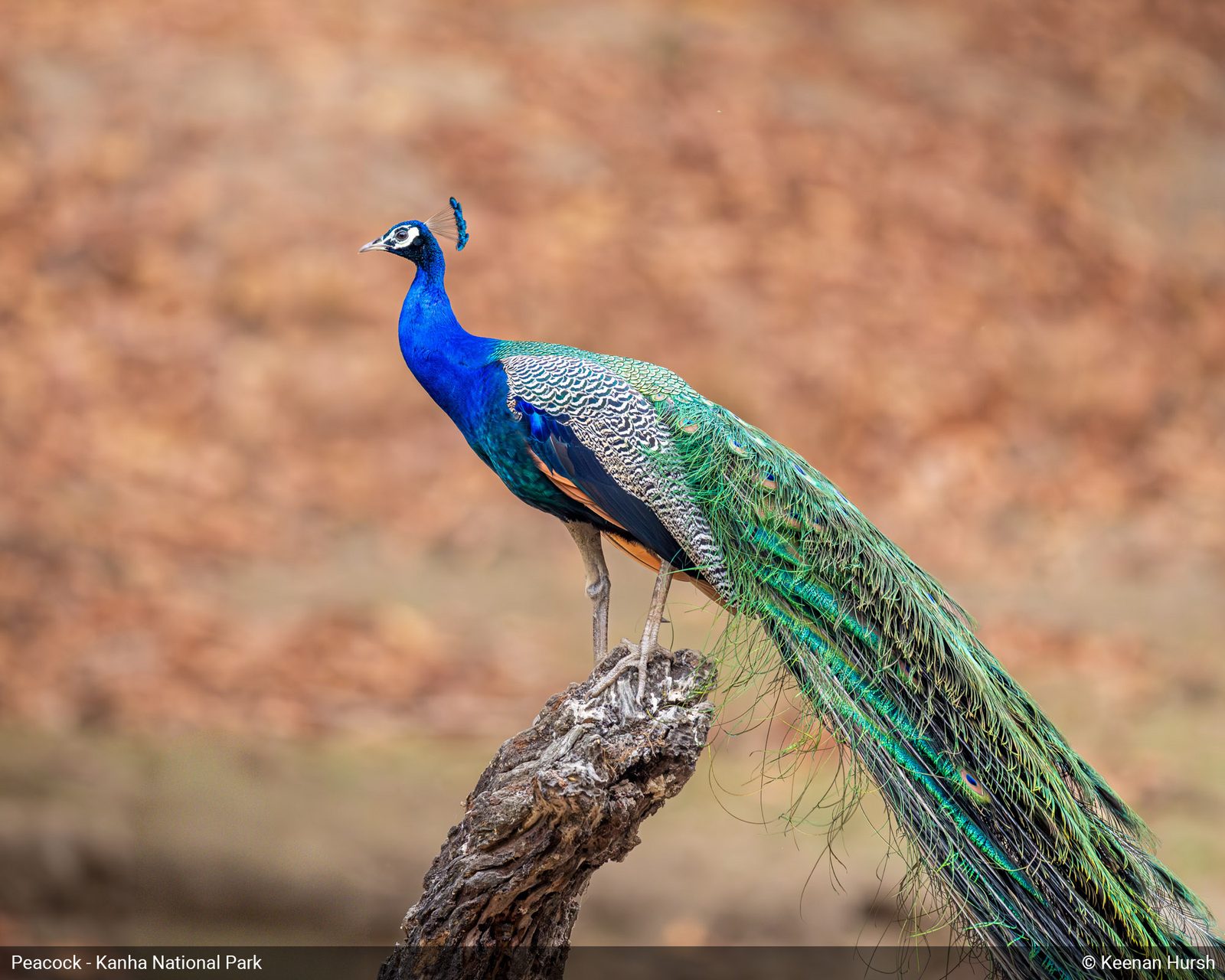
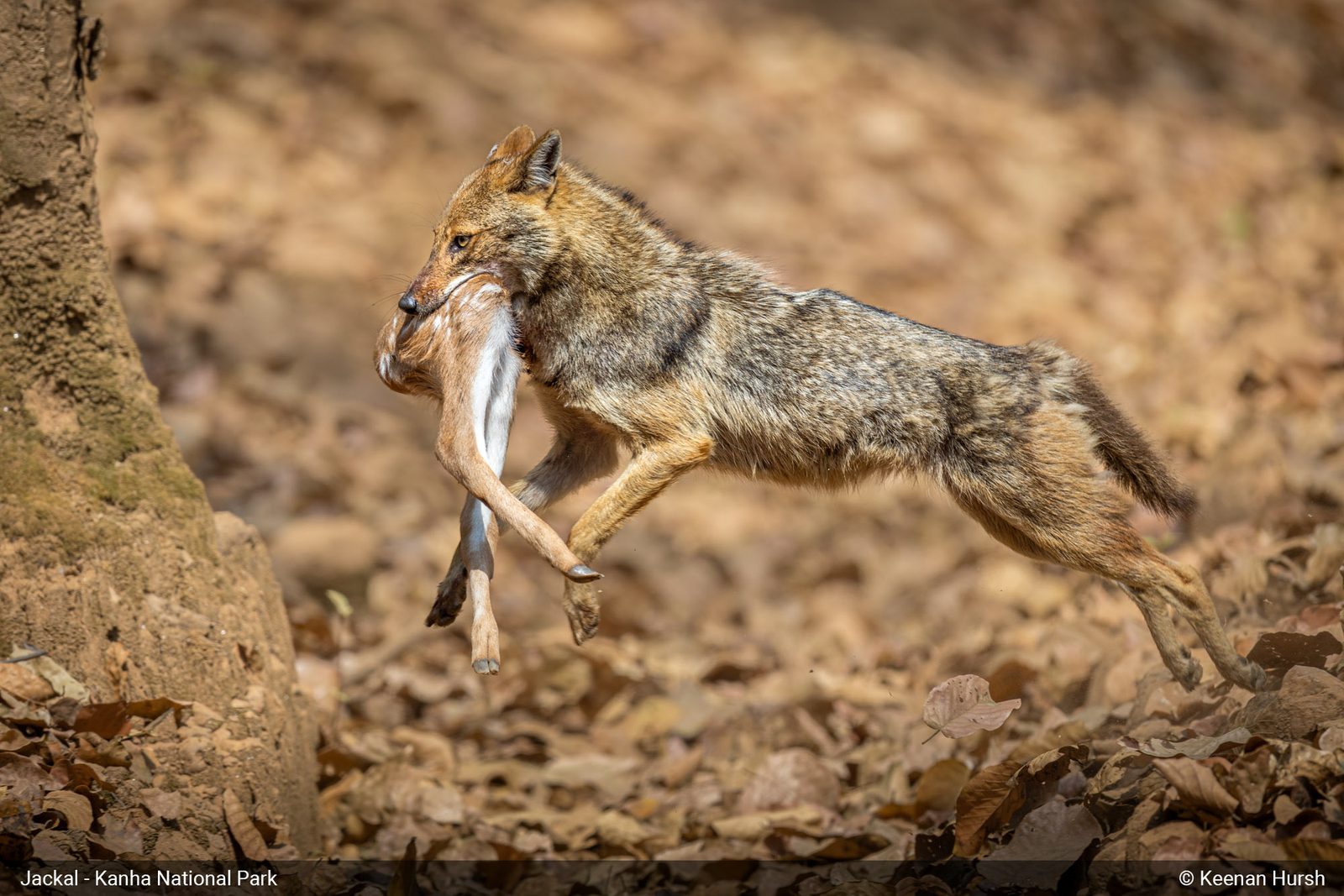
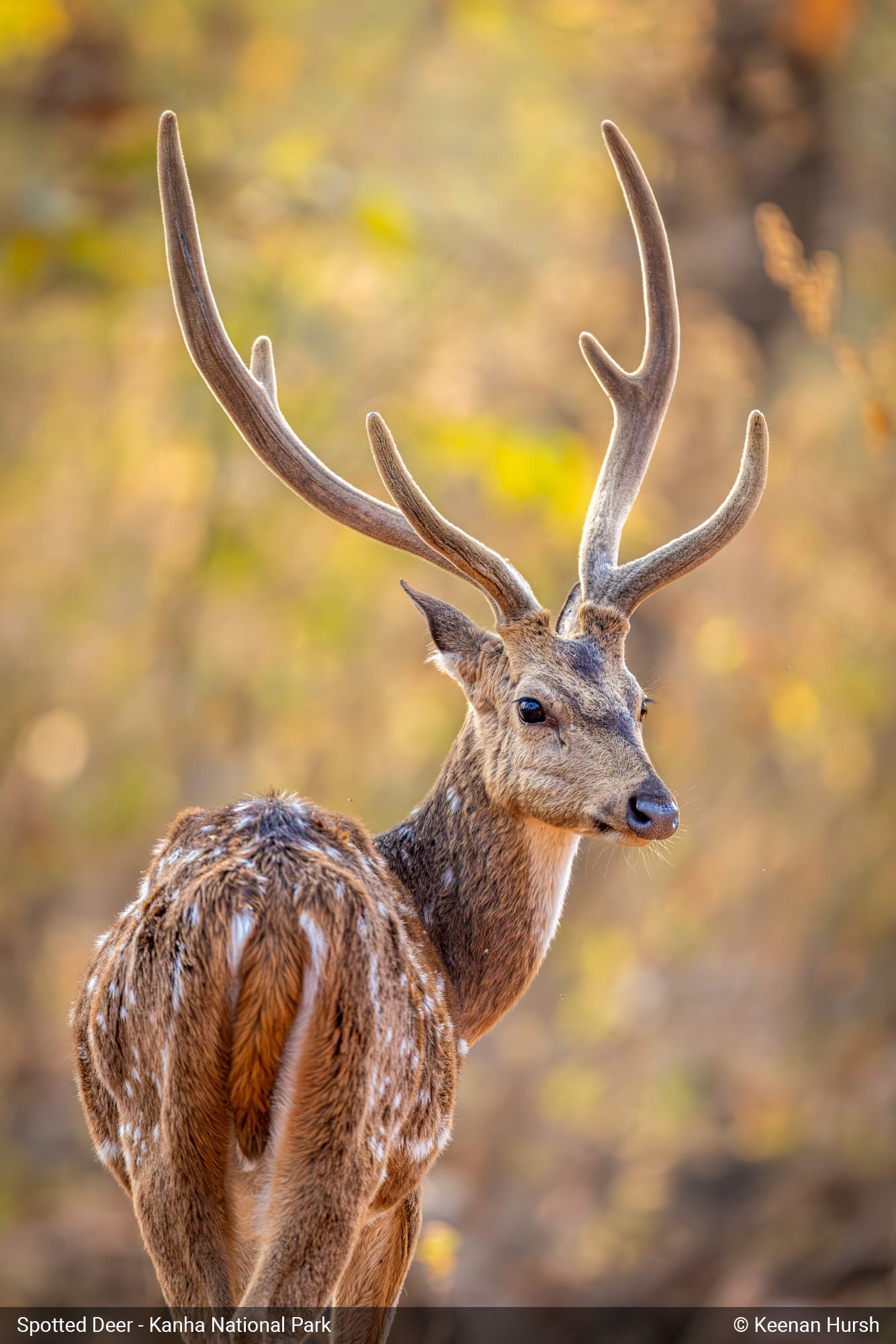
Over the course of the workshop, the group recorded an impressive 15 individual tiger sightings, exceeding initial expectations and providing numerous close encounters. Beyond the majestic tigers, photographers documented over 25 new species of mammals and birds within the first day alone, underscoring the ecological richness of these protected areas. Notable sightings included various deer species, wild dogs, langurs, and a plethora of avian life, contributing to a highly productive and enjoyable trip. This immersive experience not only yielded a collection of remarkable images but also provided a rigorous environment for evaluating the performance of cutting-edge photographic equipment.
Strategic Gear Selection: The Foundation of Field Success
For an expedition of this magnitude, meticulous gear planning is essential. Hursh’s strategy prioritized camera bodies offering comprehensive capabilities, lenses spanning necessary focal lengths for diverse compositions, and essential accessories, all while adhering to strict weight restrictions for local flights within India. The core of his setup included two primary camera bodies: his long-owned Canon EOS R5 and a newly acquired Canon EOS R5 Mark II from Lensrentals.com, setting the stage for a direct comparative analysis.
Hursh’s decision to test the R5 Mark II stemmed from an initial skepticism regarding its incremental improvements over the original R5. Having utilized two R5 bodies for several years, he had experienced their exponential upgrade from previous DSLR systems and was thoroughly impressed by their performance across diverse conditions—from extreme temperatures to varied shooting scenarios like fast-paced wildlife and long astrophotography exposures. The R5’s robust build, weather sealing, and overall reliability had made it a trusted workhorse. However, the subsequent release of the R5 Mark II prompted a renewed interest, particularly as positive feedback from peers began to accumulate. The crucial question remained: did the Mark II offer enough substantive improvements to justify an upgrade, especially considering the investment in new battery systems it would necessitate? This expedition to India offered the perfect proving ground to answer that question through extensive real-world application.
Canon EOS R5: A Benchmark in Mirrorless Performance
The original Canon EOS R5, launched in July 2020, quickly established itself as a flagship mirrorless camera, setting new standards for professional photographers. Its 45-megapixel full-frame CMOS sensor, powered by the DIGIC X image processor, delivered exceptional image quality, resolution, and dynamic range. For wildlife photography, its capabilities were particularly transformative:
- Autofocus System: The R5 featured a highly advanced Dual Pixel CMOS AF II system with 1,053 automatic AF zones, incorporating AI-assisted subject and eye detection. This system was a significant leap forward, offering impressive accuracy and tracking capabilities for moving subjects.
- Burst Speed: It boasted a maximum burst rate of 20 frames per second (fps) using the electronic shutter and 12 fps with the mechanical shutter, crucial for capturing rapid action sequences in wildlife.
- Image Stabilization: The camera’s In-Body Image Stabilization (IBIS) system offered up to 8 stops of shake correction when paired with certain RF lenses, enabling sharper handheld shots in challenging conditions.
- Video Capabilities: The R5 was also groundbreaking for its 8K RAW internal video recording, though this feature was often accompanied by overheating concerns under prolonged use.
- Build Quality: Its magnesium alloy body and extensive weather sealing ensured durability and reliability in harsh environments.
Despite its groundbreaking features, the R5 presented a few minor operational quirks for wildlife photographers. The default method for switching between photo and video modes was often described as cumbersome, potentially causing missed opportunities in fast-evolving wildlife scenarios. Furthermore, when utilizing the electronic shutter, the lack of auditory feedback and the presence of momentary blackouts in the electronic viewfinder could disrupt the continuous tracking experience. While the AF was generally highly effective, occasional instances of erratic behavior or difficulty in consistently identifying subjects were noted by some users. These were minor points, however, against a backdrop of overwhelmingly positive performance that cemented the R5’s status as a professional-grade tool.
Canon EOS R5 Mark II: Iterative Advancements for Demanding Environments
Introduced as the successor to the highly acclaimed R5, the Canon EOS R5 Mark II aimed to refine and enhance the core capabilities, specifically targeting the needs of action and wildlife photographers. While maintaining the same 45-megapixel resolution and many of the R5’s beloved features, the Mark II introduced several critical upgrades:
- Enhanced Autofocus: The R5 Mark II features a next-generation autofocus system, significantly improving speed, accuracy, and reliability. This enhanced AF is less prone to "jumping" between subjects and maintains a stronger lock on the intended target, even in complex, fast-moving scenarios. The ability to seamlessly switch between multiple identified subjects further refines the user experience.
- Stacked Sensor Technology: A pivotal upgrade is the inclusion of a new stacked CMOS sensor. While the resolution remains consistent, this sensor architecture dramatically improves data readout speeds. This translates directly to:
- Increased Burst Speed: The Mark II can achieve a blistering 30 fps with the electronic shutter, a 50% increase over the R5’s 20 fps, providing a wider selection of critical moments in high-speed action.
- 14-bit RAW with Electronic Shutter: Unlike the R5, which compressed electronic shutter RAW files to 12-bit, the Mark II maintains full 14-bit RAW depth, preserving more tonal information and dynamic range.
- Blackout-Free EVF: The stacked sensor enables a truly blackout-free electronic viewfinder experience, offering continuous, uninterrupted real-time viewing during rapid-fire shooting. This provides a much more natural and immersive connection to the subject.
- Reduced Rolling Shutter: The faster readout speed also significantly mitigates rolling shutter effects, particularly noticeable in video or with fast-panning subjects.
- Pre-Capture Functionality: A revolutionary feature, pre-capture allows the camera to buffer images before the shutter button is fully pressed. For unpredictable wildlife, such as birds taking flight, this function transforms the impossible into the achievable, ensuring that decisive moments are not missed.
- Dedicated Photo/Video Switch: Addressing a minor but persistent complaint about the R5, the Mark II incorporates a dedicated switch for transitioning between photo and video modes, streamlining workflow and preventing delays.
- Auditory Feedback for Electronic Shutter: The option to enable an artificial shutter sound for the electronic shutter provides tactile and auditory confirmation of image capture, a welcome addition for many photographers.
However, the R5 Mark II is not without its trade-offs. The most significant point of contention for existing R5 users is the requirement for new, higher-capacity batteries to unlock the camera’s full potential. While the LP-E6NH batteries of the R5 can technically power the Mark II, certain high-performance features are restricted without the newer battery type, posing an additional investment for upgraders. Furthermore, a marginal, almost imperceptible increase in noise at higher ISO values has been observed in direct comparisons, suggesting a slight compromise in low-light performance attributed to the stacked sensor’s design. This, however, is generally considered a minor detraction given the substantial benefits offered by the new sensor.
Strategic Gear Selection for Professionals: The Upgrade Calculus
The direct field comparison in India provided clear insights into the R5 Mark II’s superior performance, particularly for wildlife and action photography. While the original R5 remains a highly capable camera, the Mark II’s advancements in AF speed and reliability, the introduction of pre-capture, the blackout-free EVF, and the enhanced burst rate are collectively transformative. For professional photographers like Hursh, who routinely operate in challenging and unpredictable environments, these incremental improvements collectively translate into a significant competitive advantage and a higher success rate for capturing elusive subjects.
The decision to upgrade, however, is not universal. For photographers whose primary focus is landscape, portraiture, or studio work, where extreme burst rates and hyper-responsive autofocus are less critical, the R5 continues to deliver exceptional results at a lower price point (approximately $1,000 less at the time of this review). The added investment in the Mark II, including the cost of new batteries, needs to be weighed against the specific demands of one’s photographic genre.
For dedicated wildlife and sports photographers, the R5 Mark II’s enhancements are compelling. The ability to more reliably track fast-moving subjects, capture action at 30 fps with full 14-bit RAW depth, and leverage pre-capture technology offers a tangible edge. These improvements, though sometimes subtle in isolation, accumulate to provide a more fluid, responsive, and ultimately more rewarding shooting experience in high-stakes environments.
Conclusion: The Future of Wildlife Imaging
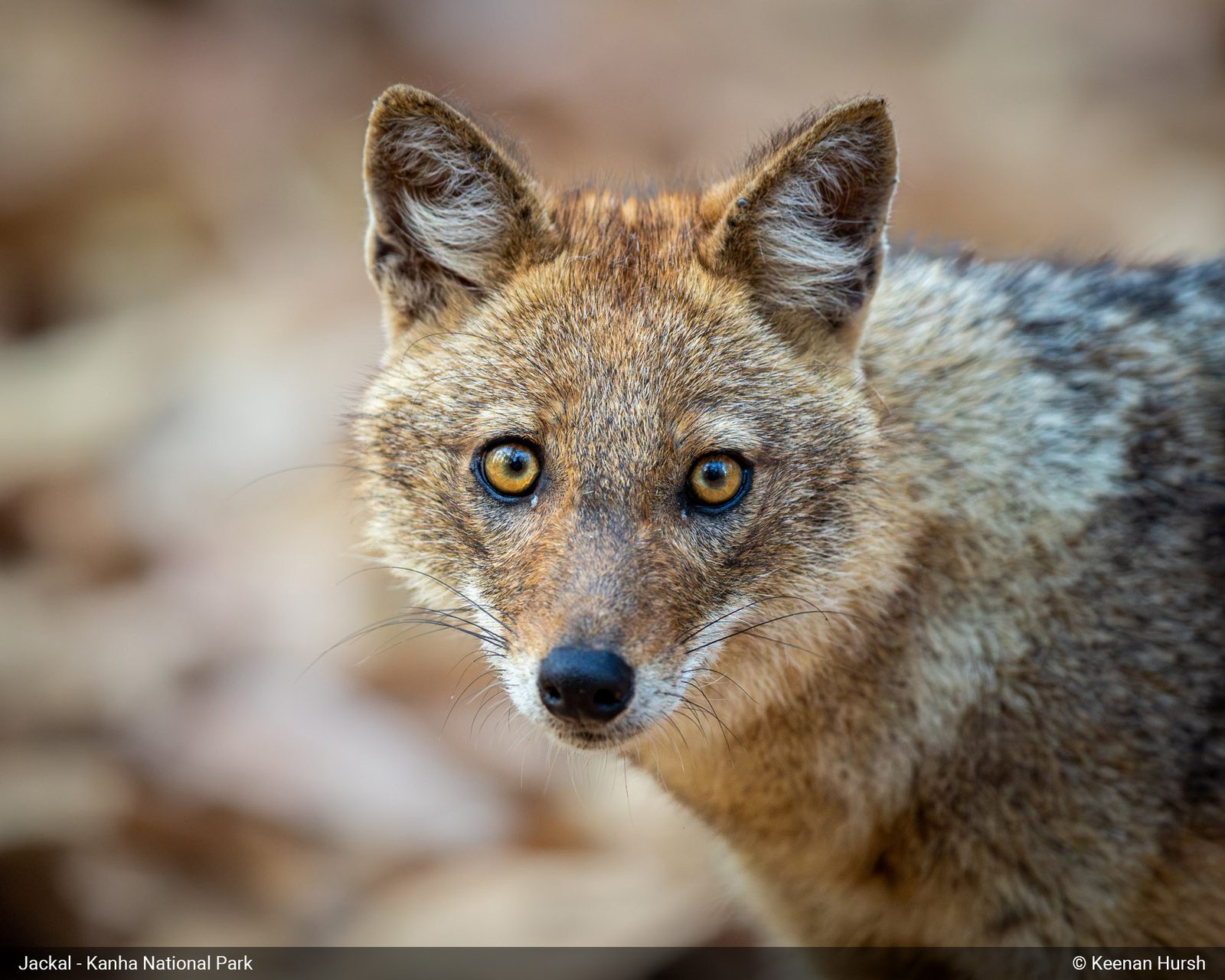
Keenan Hursh’s extensive field test in India underscores the continuous march of photographic innovation. The Canon EOS R5 Mark II, while an iterative upgrade, delivers a suite of targeted enhancements that significantly benefit wildlife photographers. The robust performance of the R5 Mark II in the demanding Indian wilderness, capturing the majesty of Bengal tigers and diverse fauna, solidifies its position as a top-tier tool for professionals.
Ultimately, both the Canon EOS R5 and R5 Mark II are exceptional cameras. The choice between them hinges on a photographer’s specific needs, budget, and the genre of photography they pursue. However, for those operating at the forefront of wildlife and action photography, the Mark II’s refined autofocus, revolutionary pre-capture, and the immersive, blackout-free stacked sensor experience present a compelling case for investment. Such advancements not only empower photographers to achieve previously unattainable shots but also contribute to a deeper understanding and appreciation of the natural world through high-quality visual documentation. For photographers still deliberating, the recommendation to rent and personally test these cameras in real-world scenarios remains invaluable, offering direct experience beyond specifications and reviews. The pursuit of the perfect shot continues, now more achievable than ever, thanks to relentless technological progress.