The delivery of these aircraft represents more than just a fleet addition; it is a cornerstone of Thai Lion Air’s long-term strategy to capture a larger share of the international market and bolster its cargo operations. As the aviation sector continues its complex recovery from global disruptions, the introduction of the A330neo positions Thai Lion Air as a competitive player capable of offering high-capacity, fuel-efficient services on routes that were previously beyond the reach of its narrow-body fleet.
Chronology of Arrival and Ceremonial Proceedings
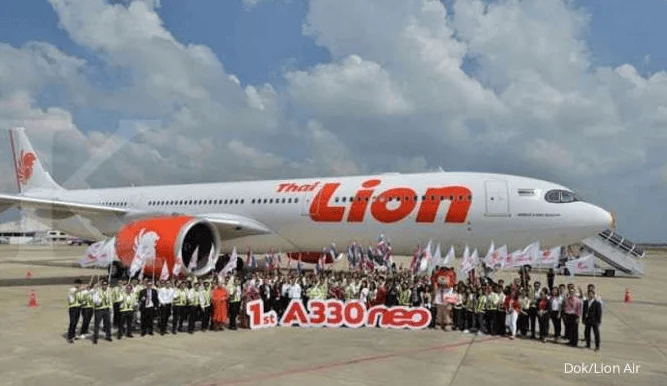
The journey of the two Airbus A330-900neo aircraft began at the Airbus delivery center in Toulouse. After undergoing rigorous pre-delivery inspections and flight tests to ensure compliance with international safety and performance standards, the aircraft embarked on their ferry flight to Thailand. On October 7, 2021, the aircraft touched down at Don Mueang International Airport (DMK), the primary hub for Thai Lion Air.
The reception ceremony was characterized by a blend of diplomatic significance and local tradition. The presence of the French Ambassador highlighted the strong industrial and economic ties between France, where Airbus is headquartered, and Thailand. For Airbus, the delivery served as a testament to the enduring appeal of the A330neo family in the Asian market. Following the landing, a religious blessing ceremony was conducted, a common practice in Thai aviation intended to ensure the safety of the crew and passengers and to bring prosperity to the airline’s new venture.
Technical Superiority: The Engineering of the Airbus A330neo
The Airbus A330neo (New Engine Option) is a state-of-the-art wide-body aircraft that builds upon the proven economics and reliability of the original A330 family while incorporating cutting-edge technology from the A350 XWB program. One of the most significant upgrades is the integration of the Rolls-Royce Trent 7000 engines. These powerplants are designed to deliver a 14% improvement in fuel burn per seat compared to previous generation aircraft, significantly reducing the airline’s carbon footprint and operational costs.
Beyond the engines, the A330neo features aerodynamic enhancements, including new high-span wings and composite "Sharklets" that improve lift and reduce drag. These features allow for an extended range of approximately 7,200 nautical miles (13,334 km), enabling Thai Lion Air to consider non-stop routes to distant markets in Europe, the Middle East, and Northern Asia.
For the passenger, the A330neo introduces the "Airspace by Airbus" cabin concept. This design philosophy focuses on four key pillars: comfort, ambiance, service, and design. The cabin offers larger overhead bins, spacious seating arrangements, and advanced LED lighting systems that simulate different times of day to reduce the effects of jet lag. Thai Lion Air has opted for a high-density, single-class configuration for these aircraft, accommodating up to 436 passengers. This layout is specifically designed to maximize efficiency on high-demand routes, allowing the airline to offer competitive pricing while maintaining a modern and comfortable environment.
Strategic Shift Toward Long-Haul and Cargo Operations
Historically, Thai Lion Air has operated a fleet primarily composed of Boeing 737 narrow-body aircraft, focusing on domestic routes and short-haul regional destinations. The introduction of the wide-body A330neo represents a significant diversification of its business model. By operating larger aircraft, the airline can now target high-traffic international hubs that require greater seat capacity and longer flight durations.
Initial operational plans for the A330neo involve deploying the aircraft on routes from both Don Mueang and Suvarnabhumi Airport to major cities in China, Japan, and South Korea. These markets have traditionally shown high demand for low-cost, long-haul travel. Furthermore, the A330neo’s belly-hold cargo capacity provides Thai Lion Air with a secondary revenue stream. During the height of the pandemic, when passenger travel was severely restricted, the importance of air cargo became evident. The A330neo allows the airline to transport significant volumes of electronic goods, perishables, and e-commerce parcels, supporting Thailand’s role as a regional logistics hub.
Navigating the Challenges of the Global Pandemic
The timing of the A330neo delivery was met with both optimism and caution. The global COVID-19 pandemic caused unprecedented disruptions to the aviation industry, leading to border closures and a sharp decline in international passenger traffic. Thai Lion Air, like many of its peers, had to adjust its delivery schedule and operational rollout in response to changing government regulations and quarantine requirements.
Despite these headwinds, the leadership at Thai Lion Air maintained a forward-looking perspective. The airline utilized the period of reduced flight activity to train its pilots, cabin crew, and maintenance engineers on the new Airbus systems. This preparation ensured that once international borders fully reopened and travel restrictions eased, the airline would be ready to deploy its new assets immediately. The "Phuket Sandbox" initiative and subsequent "Test & Go" programs in Thailand served as early indicators of the pent-up demand for travel, reinforcing the airline’s decision to proceed with its wide-body expansion.
Economic and Industrial Implications for Thailand
The arrival of the A330neo is a positive development for the broader Thai economy. As a tourism-dependent nation, Thailand relies heavily on the connectivity provided by its domestic and international carriers. By increasing seat capacity and expanding its route network, Thai Lion Air contributes directly to the recovery of the tourism sector. More affordable long-haul flights encourage a wider demographic of international visitors to choose Thailand as their destination, benefiting hotels, restaurants, and local businesses.
From an industrial standpoint, the partnership between Thai Lion Air and Airbus supports local high-tech employment. The maintenance and operation of advanced aircraft like the A330neo require specialized skills, fostering a sophisticated aerospace ecosystem within Thailand. This aligns with the government’s "Thailand 4.0" initiative, which seeks to transform the country into a value-based economy through innovation and technology.
Synergy Within the Lion Air Group
Thai Lion Air is a prominent member of the Lion Air Group, which includes Lion Air (Indonesia), Batik Air, and Wings Air. The group’s decision to integrate the A330neo into the Thai subsidiary’s fleet reflects a broader strategy of fleet standardization and operational synergy. By using the same aircraft types across different subsidiaries, the group can achieve economies of scale in maintenance, spare parts procurement, and crew training.
The A330neo has also been a staple in the fleet of its Indonesian parent company, providing a template for successful wide-body operations in the low-cost segment. This cross-border expertise allows Thai Lion Air to leverage best practices and operational data to optimize the performance of its own A330neo fleet.
Future Outlook and Sustainability Goals
As the aviation industry faces increasing pressure to address environmental concerns, the fuel efficiency of the A330neo is a critical asset. Thai Lion Air’s investment in newer, cleaner technology is a proactive step toward meeting international carbon reduction targets. The airline’s ability to transport more passengers with less fuel per seat-kilometer is essential for maintaining profitability in an era of fluctuating fuel prices and tightening environmental regulations.
Looking ahead, Thai Lion Air aims to further expand its wide-body fleet as market conditions stabilize. The success of the first two A330neo aircraft will likely pave the way for additional orders, eventually creating a robust long-haul network that connects Bangkok to global destinations. The airline’s focus remains on providing a "Freedom to Fly" experience, combining the affordability of a low-cost carrier with the technology and comfort of a world-class wide-body aircraft.
In conclusion, the induction of the Airbus A330neo into the Thai Lion Air fleet is a transformative event that underscores the airline’s resilience and ambition. By embracing advanced technology and expanding its operational horizons, Thai Lion Air is not only modernizing its fleet but also playing a vital role in the revitalization of Thailand’s aviation and tourism sectors. The A330neo stands as a symbol of the airline’s readiness to navigate the complexities of the modern sky, offering a glimpse into a future where long-distance travel is more efficient, sustainable, and accessible to all.