A few weeks ago, the cinematic world turned its attention to the gear behind the magic, specifically exploring the cameras responsible for capturing the visual splendor of this year’s Oscar-winning films and nominations. While an insightful glimpse into the technological backbone of filmmaking, the lens through which we view these masterpieces represents merely one facet of their creation. The true alchemy often lies in the manipulation of light – an intricate dance of shadows and highlights that shapes mood, reveals character, and guides the audience’s eye. This exploration delves deeper, moving beyond the camera’s mechanics to dissect the sophisticated lighting techniques and tools that elevate ordinary scenes into unforgettable cinematic moments across contemporary film and television.
The Unsung Hero: Cinematography and the Power of Light
Cinematography, the art and science of motion-picture photography, is fundamentally the art of painting with light. It is the visual language of cinema, transforming a script into a sensory experience. While camera choices dictate resolution, sensor size, and aesthetic characteristics, it is the lighting setup—orchestrated by the Director of Photography (DP) and their dedicated gaffers and lighting crew—that imbues a scene with emotional resonance, defines its visual tone, and underscores its narrative beats. From the stark, dramatic contrasts of film noir to the soft, naturalistic glow of a romantic drama, lighting is not merely about visibility; it’s about storytelling.
Historically, cinematic lighting has evolved dramatically. Early cinema relied heavily on natural light, often necessitating outdoor shoots or elaborate glass studios. The advent of artificial lighting, particularly with the rise of the Hollywood studio system in the 1920s and 30s, allowed for unprecedented control, giving birth to iconic lighting styles like the three-point lighting system (key, fill, and backlight). German Expressionism, a precursor to film noir, famously used harsh shadows and dramatic angles to convey psychological turmoil. The 1960s and 70s saw a shift towards more naturalistic lighting, often embracing available light and practicals to create a grittier, more realistic aesthetic. Today, digital technology offers DPs an even wider palette, with programmable LED fixtures and advanced software allowing for precise control over color temperature, intensity, and even dynamic lighting effects.
The critical role of lighting is often underscored by industry accolades. The Academy Award for Best Cinematography, for instance, rarely goes to a film solely for its camera choice; it consistently recognizes the masterful application of light and shadow, composition, and visual storytelling. Roger Deakins, a legendary DP known for his work on films like Blade Runner 2049 and 1917, is celebrated for his ability to craft evocative atmospheres through meticulous lighting, often using minimal setups to achieve maximum impact. His philosophy often emphasizes using light to serve the story, rather than for its own sake.
Deconstructing Light: A Practical Exercise for the Aspiring Filmmaker
While identifying the specific cameras used in a production is often a matter of public record or industry interviews, deciphering the complex lighting schematics of every scene is a far more elusive task. These detailed breakdowns are often considered trade secrets, the proprietary knowledge that distinguishes top cinematographers and justifies their substantial remuneration. The sheer complexity, the dynamic nature of light, and the often improvisational adjustments made on set mean that a precise, scene-by-scene blueprint is rarely publicized.
However, this challenge presents an invaluable learning opportunity. By closely analyzing still images from popular films and TV shows, aspiring filmmakers and enthusiasts can develop a critical eye for lighting design. The intent of this exercise is to encourage others to cultivate this analytical skill – to observe, interpret, and deconstruct the visual language of light.
For this endeavor, the software set.a.light 3d proved to be an indispensable tool. This user-friendly 3D modeling application is specifically engineered for visualizing and building intricate lighting diagrams for both still photography and video production. It allows for the virtual placement of lights, modifiers, and subjects within a simulated environment, offering a practical sandbox for experimentation and analysis. It’s a testament to how modern tools can democratize the understanding of complex cinematic techniques. The following breakdowns represent an attempt to reverse-engineer the lighting in several iconic scenes, offering an educational guide rather than claiming absolute accuracy of the specific equipment used.
Case Studies in Illumination: Unpacking Masterful Scenes
Each of the following examples showcases how distinct lighting choices contribute to the overall impact and narrative depth of a scene, demonstrating the versatility and artistry involved in cinematic illumination.
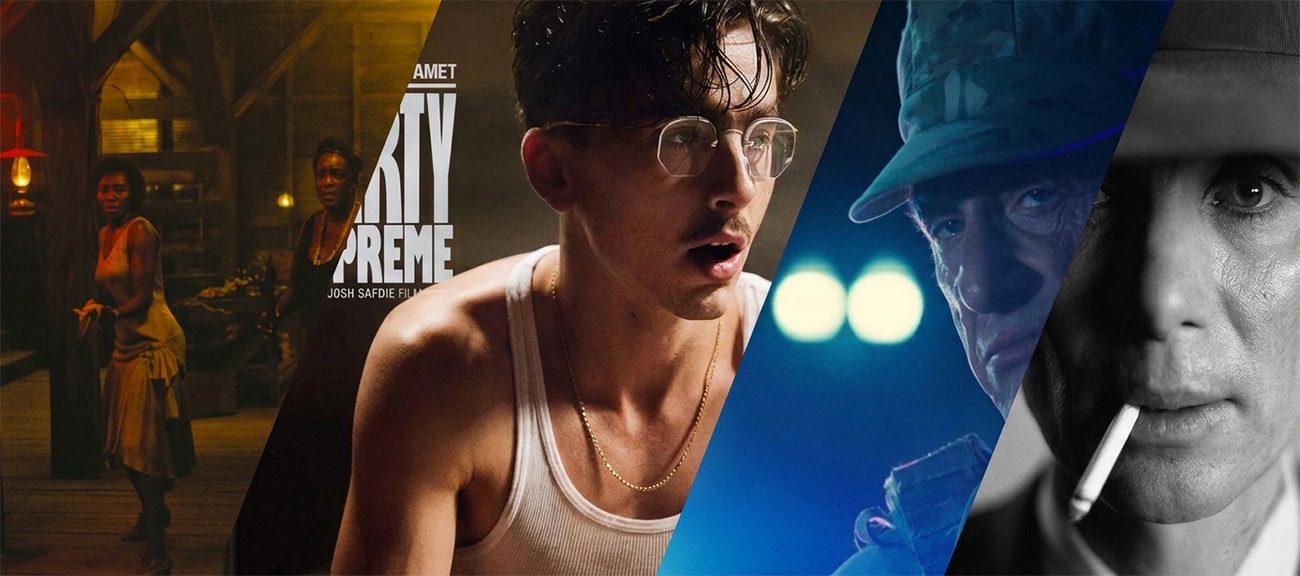
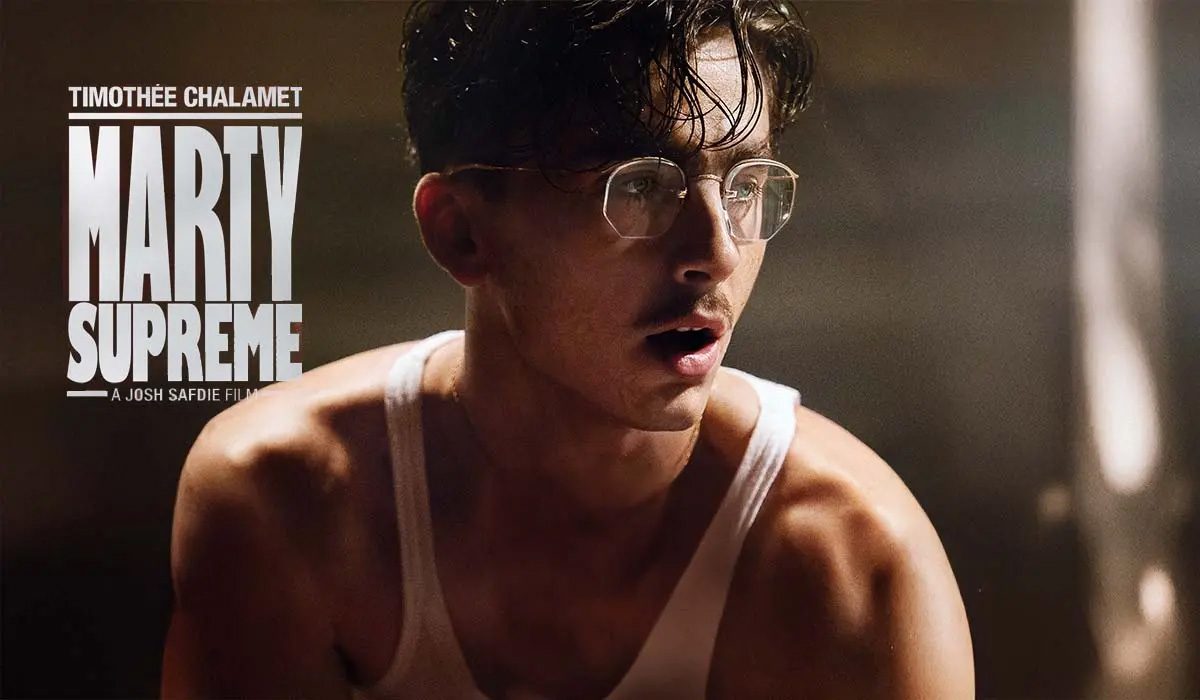
Marty Supreme – Key Advert Image: The Drama of Hard Light
Marty Supreme, a fictionalized critically acclaimed production known for its intense character studies and stark visual aesthetic, utilized lighting to underscore its narrative themes. This particular advert image, featuring the protagonist, serves as a powerful testament to the dramatic potential of hard light.
The immediate visual cues – pronounced specular highlights and crisp, well-defined shadows – are unmistakable indicators of hard light sources. The sharp shadow delineating the side of his nose and the distinct shadows cast by his glasses against his face further corroborate this observation. Hard light, characterized by its undiffused nature, creates high contrast, emphasizing textures and forms, and often lending a sense of drama, intensity, or realism to a scene. For a character study, this can effectively mirror internal conflict or external pressures.
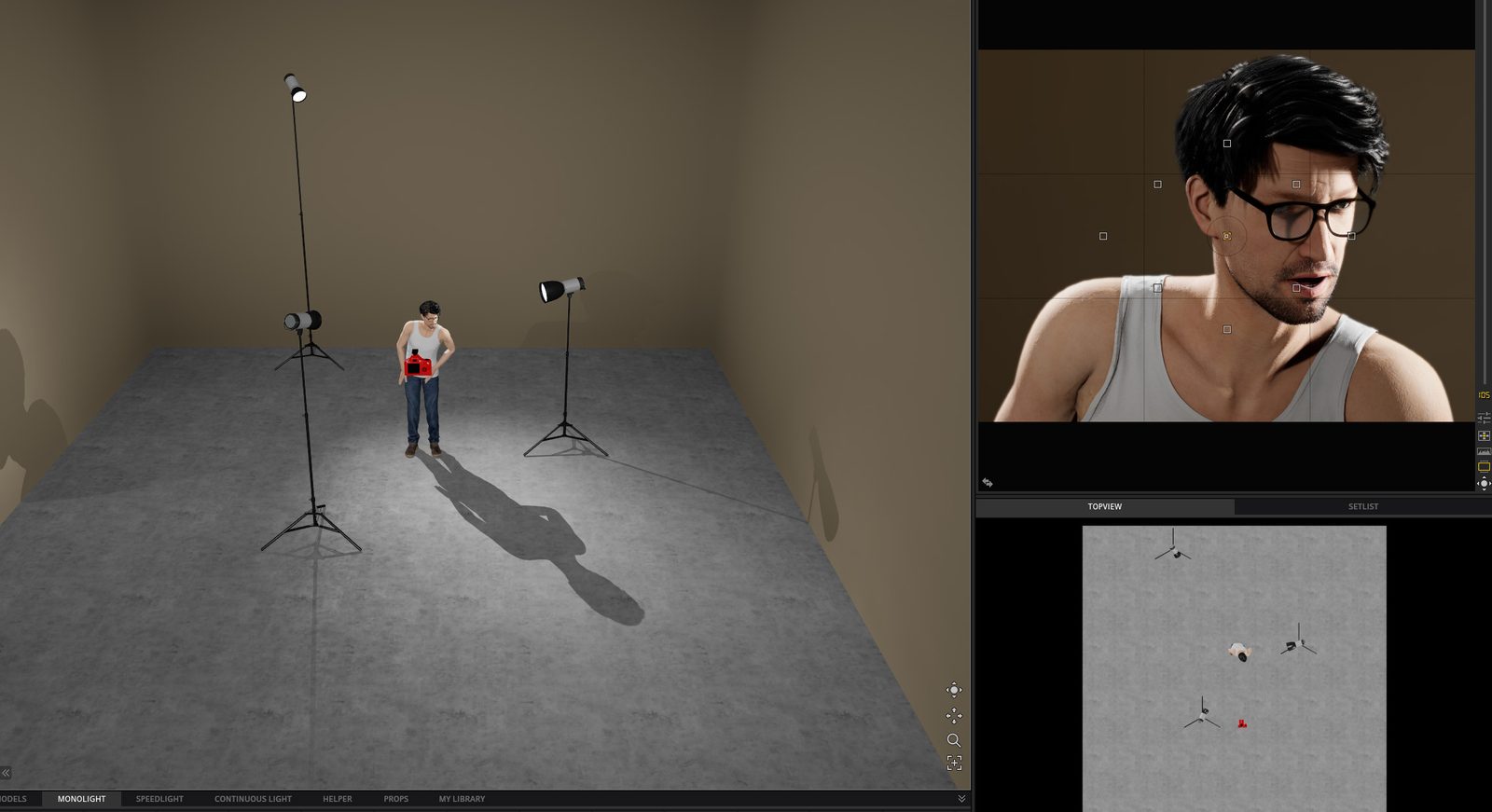
To recreate this effect, a three-light setup was employed, with each light used without diffusion. A primary key light, likely a focused spot, positioned off-camera to the front-right, created the strong highlights and the defined shadow on the left side of the face. For enhanced separation and to highlight the subject’s form, a gridded rim light was placed to the right. The grid is crucial here; it restricts the light spread, focusing a narrow beam primarily on the shoulders and the contour of the face, preventing spill and maintaining the dramatic contrast. A similar, ungridded bare light was added to the left rear, providing additional stark backlighting that is a signature of the film’s visual language, further separating the subject from the background and adding a sense of depth and dimensionality. Finally, a subtle fill light was positioned camera left. Crucially, this fill light was likely powered down significantly or positioned further away, to gently lift some of the deepest shadows without compromising the overall high-contrast, dramatic aesthetic, ensuring that details on the shadow side of the face remain visible while retaining the intended mood. This meticulous control of light and shadow serves to sculpt the character’s visage, hinting at the complexity and trials faced by Marty Supreme.
Sinners – Key Group Scene: Crafting Atmosphere with Colored Light
The film Sinners, lauded for its gripping narrative and immersive atmosphere, presents a pivotal interior scene that stands as a masterclass in the evocative use of multicolored lighting. The scene’s success hinges on its ability to create a palpable mood of tension and foreboding through its expert manipulation of light.
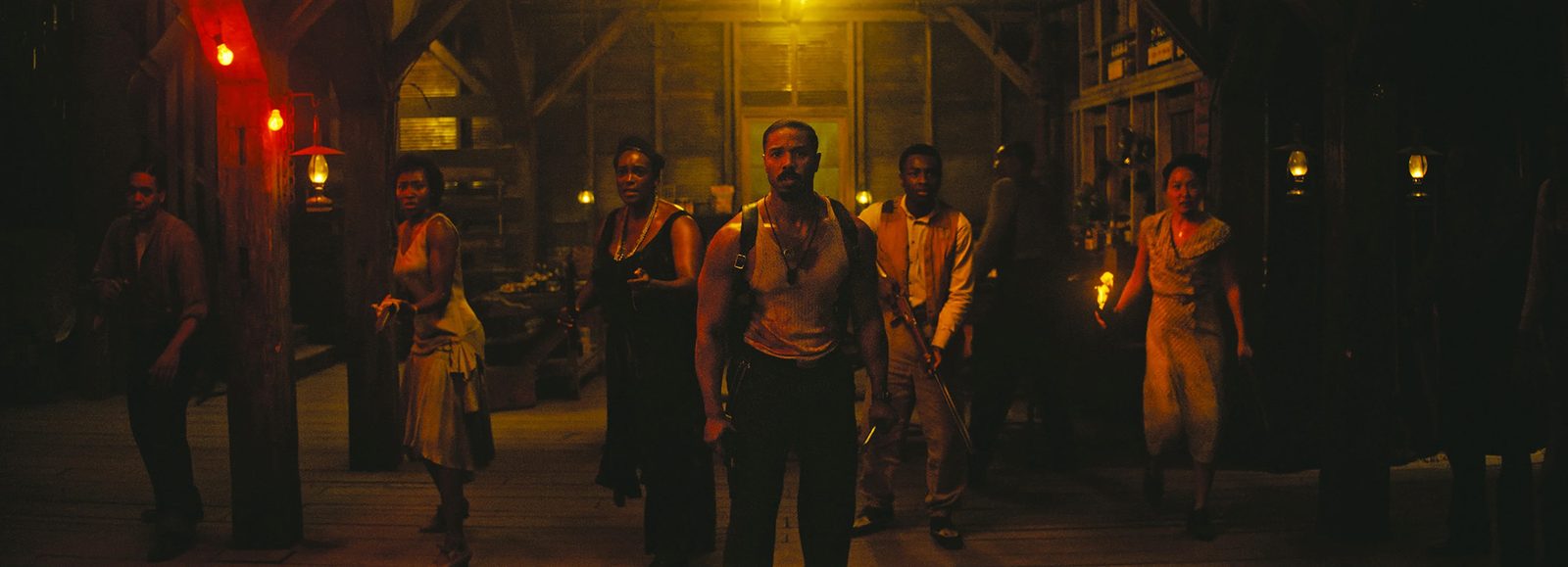
The scene’s primary illumination originates from various practical sources, including visible fires and strategically placed red and orange bulbs. These elements are not merely decorative; they are integral to the scene’s emotional landscape. Red and orange hues are often associated with danger, passion, warmth, or infernal settings, making them ideal for a scene of high emotional stakes in Sinners.
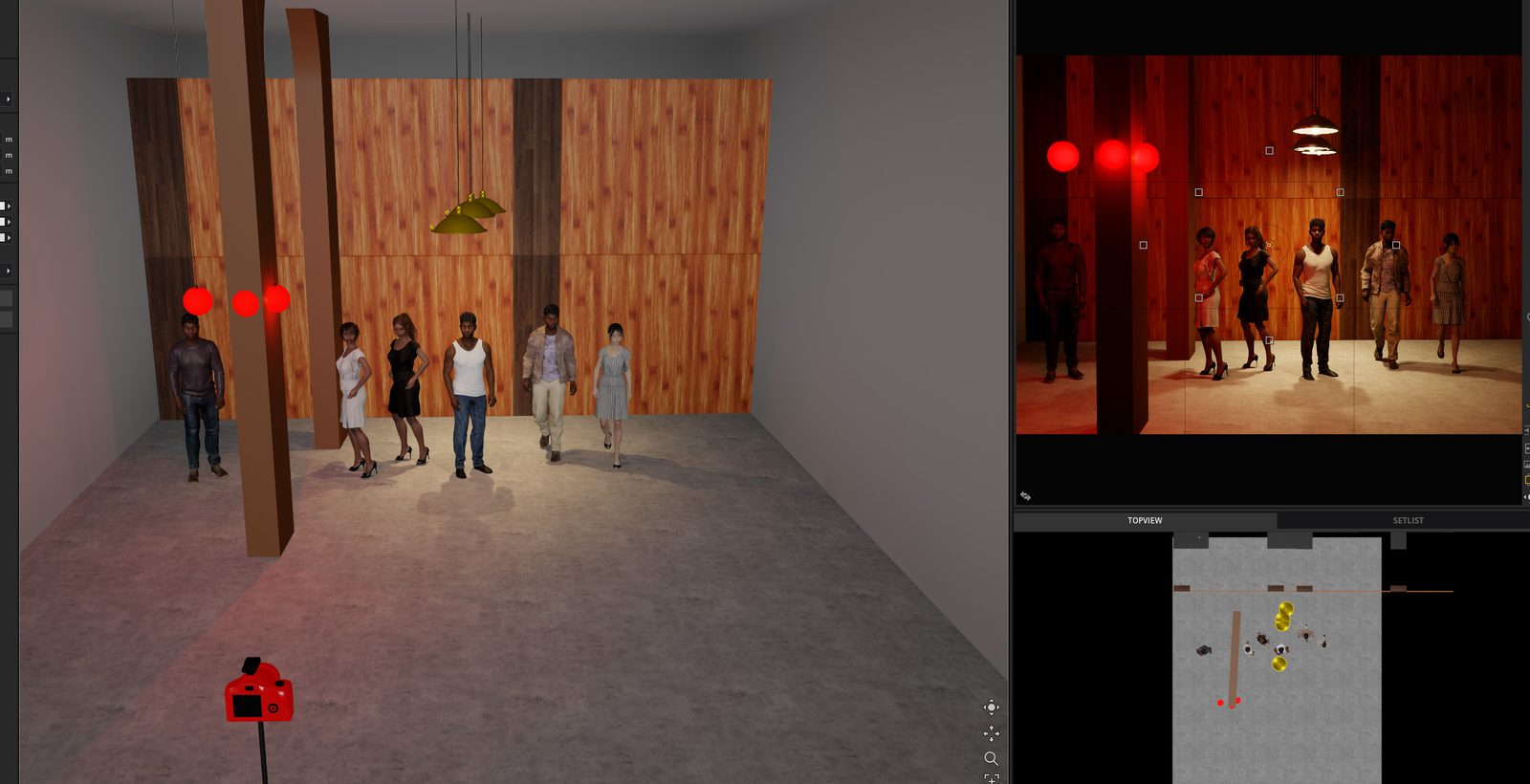
The recreation began with constructing a basic architectural model of the interior space. The building’s structure plays a significant role in framing the shot and enhancing depth, allowing the lighting to interact realistically with the environment. Subjects were then placed in a staggered pattern, a common cinematic technique to create visual interest and dynamic interplay of light and shadow across multiple characters. The strategic placement ensured that each individual received varying degrees of illumination, preventing a flat, evenly lit appearance.
Subsequently, the visible light sources within the frame were replicated. For the colored bulbs, contemporary RGBWW LED lights, such as the Aputure B7c (or similar versatile fixtures), would have been ideal choices on set. These allow for precise color matching and intensity control, enabling the cinematographer to dial in the exact red and orange spectra seen in the original. The placement of these lights was carefully referenced against the original scene to ensure their relative positions to the subjects were accurate. Once the basic placement was established, the crucial fine-tuning began: adjusting the power output of each light source to achieve the nuanced interplay of color, intensity, and shadow that defines the scene’s iconic mood. The resulting effect is an environment that feels oppressive and charged, with the shifting colored light reflecting the internal and external turmoil of the characters.
Oppenheimer – Hero Shot: The Psychology of Contrast and Emotion
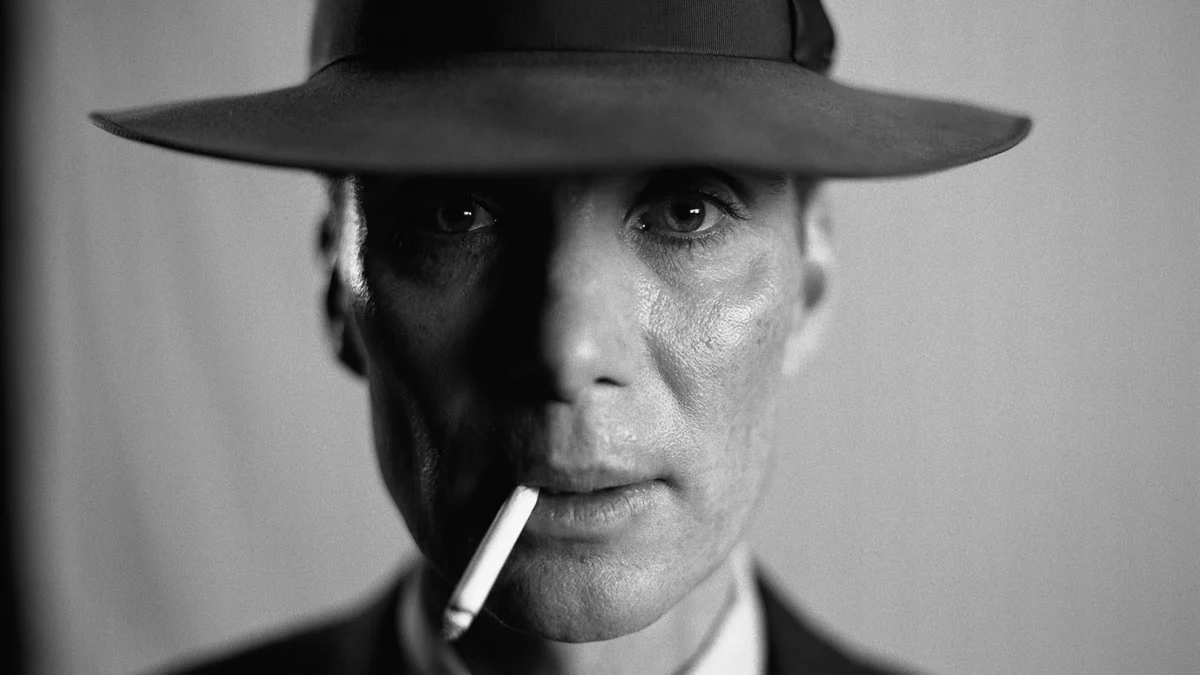
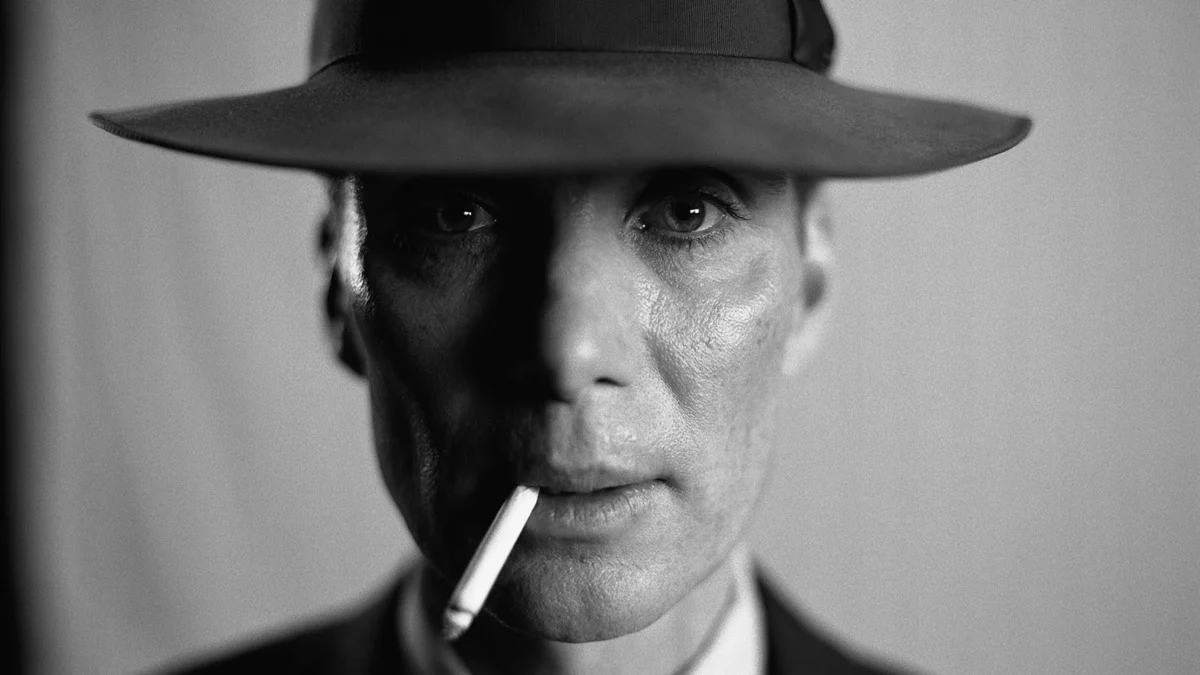
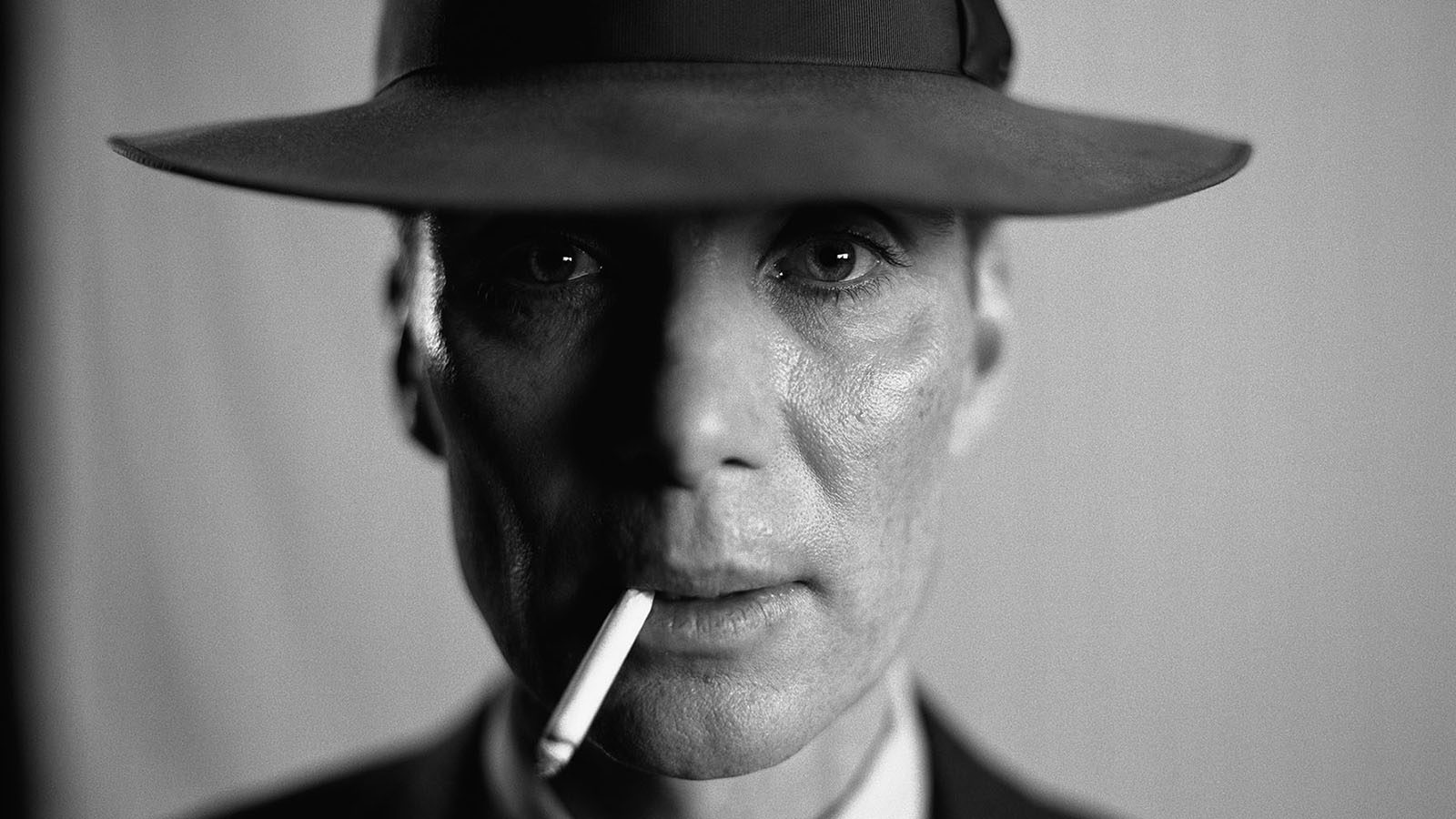
Christopher Nolan’s Oppenheimer, a triumph of biographical drama, delivered numerous indelible images, none more iconic than the hero shot of Cillian Murphy as J. Robert Oppenheimer, which became a cornerstone of the film’s promotional material. This shot is a profound study in dramatic lighting, employing high contrast between rim and split lighting shadows to convey immense psychological depth and gravitas.
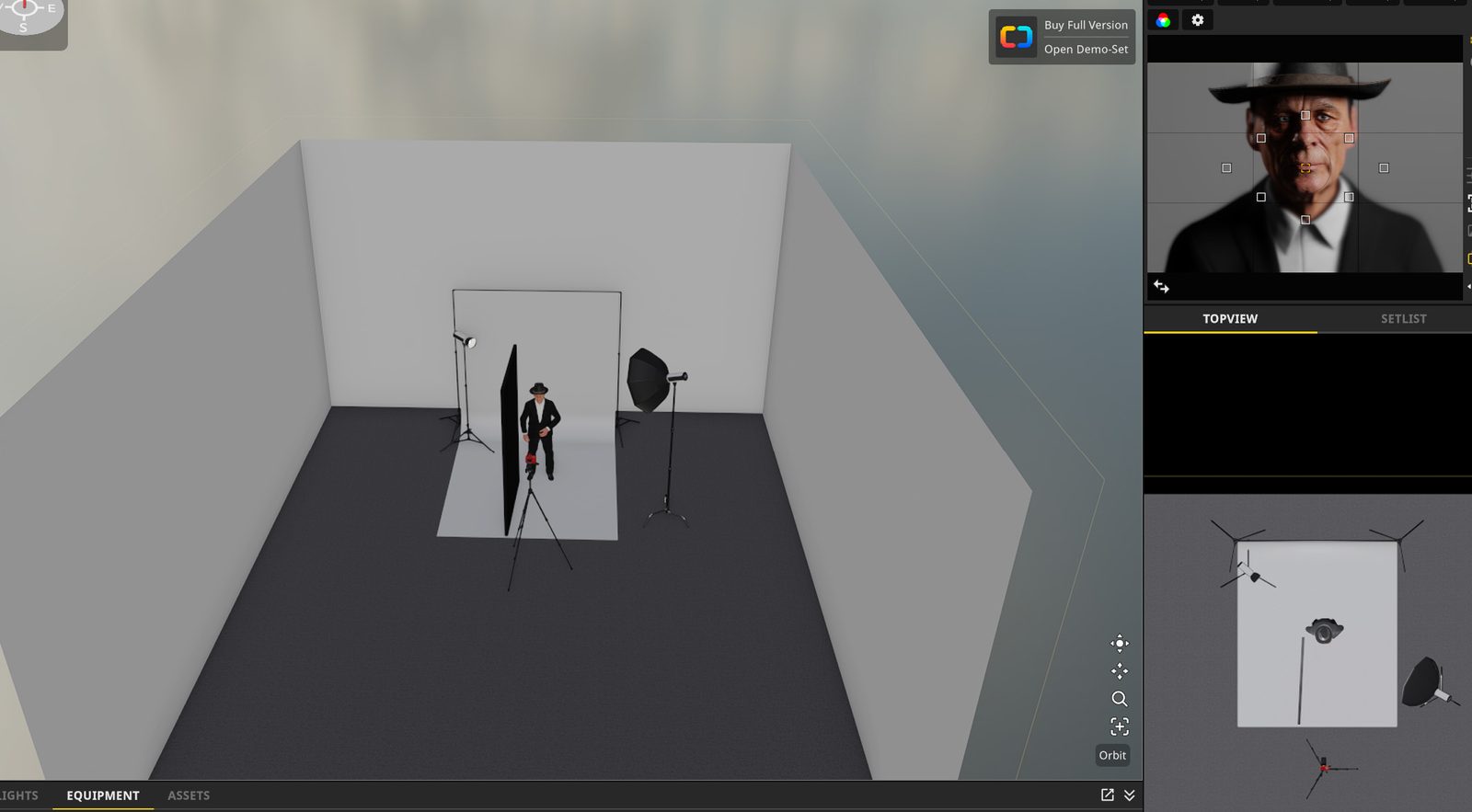
The lighting here is designed to sculpt Oppenheimer’s face, highlighting his intense gaze and the burden of his intellect and decisions. The recreation began with a relatively small, gridded Octobox positioned camera right. The Octobox, a softbox with an octagonal shape, provides a slightly larger and softer light source than a bare reflector, which is critical for creating a pleasing, yet dramatic, catchlight in the eyes that conveys emotion without being overly harsh. The grid attachment is vital for controlling the light spill, ensuring that the light is directed precisely onto the subject and maintaining the desired contrast, preventing it from broadly illuminating the scene.
A key element in achieving the high contrast is the strategic use of a black blocking board, placed close to the subject on camera left. This board is not a light source but a light absorber. By subtracting light from the shadow side of the face, it intensifies the contrast between the illuminated and shadowed areas, creating the dramatic split lighting effect and deepening the sense of mystery and internal conflict. This technique, known as negative fill, is as important as adding light in shaping the final image. Finally, a bare light positioned behind and to the left of the subject provides a strong rim light. This separation light helps to outline Oppenheimer’s silhouette, giving him a luminous edge that further distinguishes him from the background and adds another layer of dramatic intensity to the composition. The interplay of these elements creates an image that is not just visually striking but profoundly reflective of Oppenheimer’s complex character and moral isolation.
One Battle After Another – Lockjaw Scene: Narrative Through Dynamic Shadows
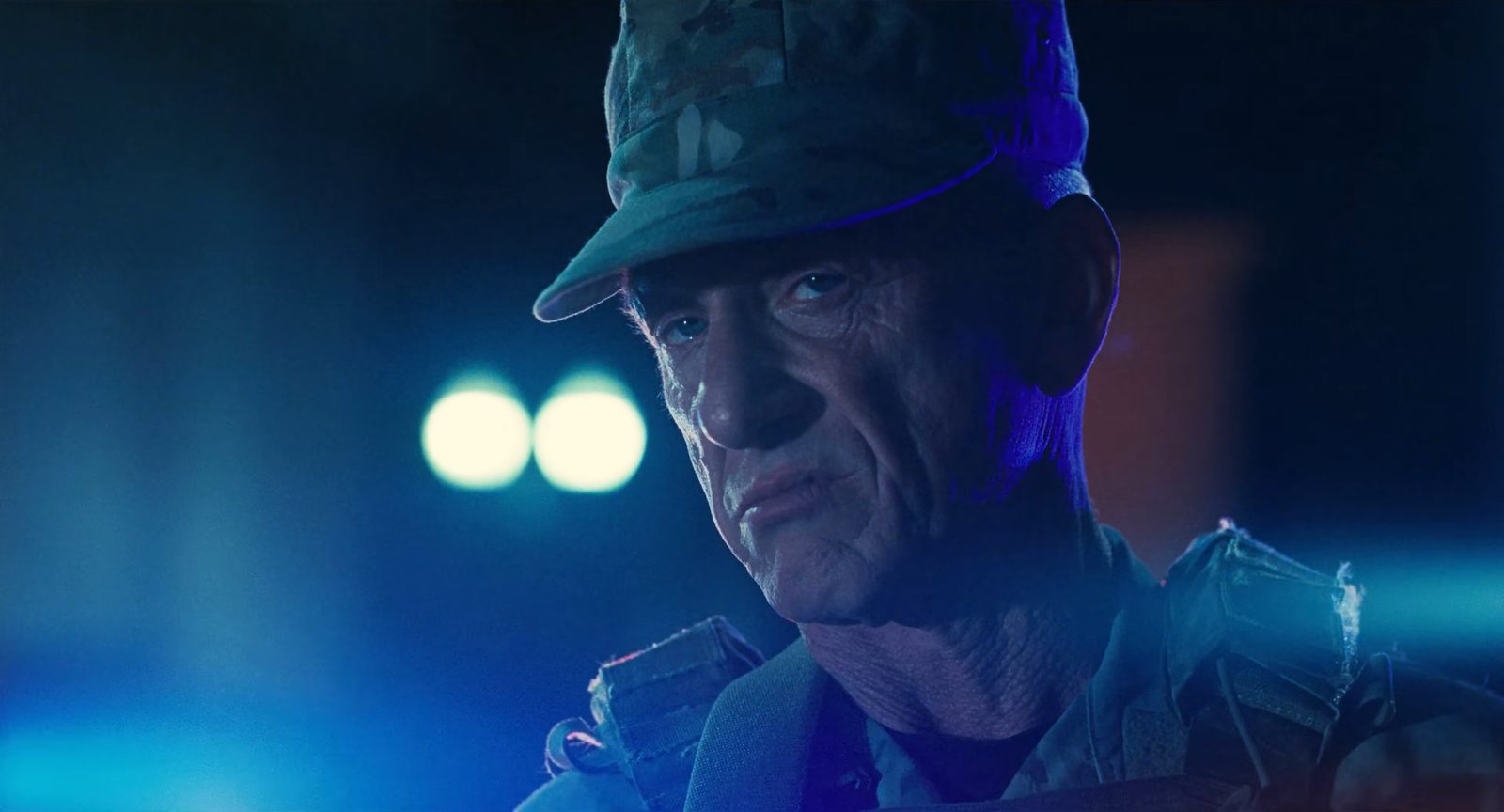
One Battle After Another, the recipient of this year’s Best Picture Oscar, captivated audiences with its masterful cinematography and compelling narrative. While much of the film embraced natural light for its on-location shoots, its night scenes, particularly those featuring Sean Penn’s menacing antagonist, Lockjaw, are cinematic triumphs in their own right. This specific scene offers a compelling study in using hard, narrative-driven lighting to heighten tension and characterization.
The pronounced shadows cast across Sean Penn’s face are a clear indication of hard light sources, chosen to emphasize the character’s ruggedness and the grim nature of the scene. Hard light often signifies a lack of mercy, a harsh reality, or a menacing presence, perfectly suiting the character of Lockjaw.
The breakdown commenced by establishing two harsh rim lights on either side of the subject. Crucially, one of these rim lights was colored blue. This blue hue is a deliberate narrative choice, signifying the flashing lights of a police car or other emergency vehicle in the background, subtly implying surveillance, pursuit, or the imminent arrival of law enforcement. This not only adds visual interest but also integrates a plot element directly into the lighting design. After establishing these strong, directional rim lights, a bare light was introduced to the front, powered down significantly. This served as a subtle fill light, preventing the face from falling into complete silhouette while still preserving the dramatic, high-contrast look. It allowed for just enough detail to be visible on the shadow side of Penn’s face, revealing character without softening the overall harsh aesthetic.
A final, visually distinctive element observed in the original shot is the prominent horizontal lens flare on the right side of the frame. This effect is a hallmark of anamorphic lenses, which compress a wider field of view onto a standard sensor, then de-squeeze it in post-production. Anamorphic lenses are often chosen for their unique aesthetic qualities, including distinct oval bokeh and characteristic horizontal flares, which contribute significantly to a "cinematic" look, particularly in wide shots or scenes with bright point sources. In this context, the flare adds another layer of grit and realism to the intense encounter with Lockjaw, immersing the viewer further into the film’s tense atmosphere.
The Craft of the Cinematographer: An Invaluable Art
These examples merely scratch the surface of the infinite possibilities that lighting offers a cinematographer. The decisions made regarding light quality (hard or soft), direction, color, and intensity are deliberate artistic choices, each impacting the psychological and emotional landscape of a scene. The "big bucks" paid to great cinematographers are not just for operating cameras; they are for their profound understanding of light and shadow, their ability to translate a director’s vision into stunning visuals, and their expertise in orchestrating complex lighting setups under tight deadlines and challenging conditions.
The investment in professional lighting extends beyond the DP’s salary. High-end lighting equipment, from powerful HMIs and versatile LEDs to an array of modifiers like softboxes, grids, and flags, represents a substantial financial commitment for production houses. A typical lighting crew, led by the gaffer, includes best boys, electricians, and grips, all working in unison to execute the DP’s vision, ensuring every light is perfectly placed and powered. This intricate ballet of technology and artistry is what ultimately elevates a production.
Implications for Aspiring Filmmakers and Enthusiastic Viewers
For those aspiring to enter the world of filmmaking, this exercise underscores the importance of critical observation. Moving beyond merely appreciating a film’s aesthetics to actively deconstructing how those aesthetics were achieved is a crucial step in developing one’s own craft. Tools like set.a.light 3d and a keen analytical eye can bridge the gap between passive viewing and active learning.
For general audiences, understanding the intentionality behind cinematic lighting can deepen their appreciation for film and television. Recognizing how a stark shadow emphasizes a character’s isolation or how warm, diffused light creates a sense of comfort can transform viewing into a richer, more engaging experience.
In an era where visual media dominates, the mastery of light remains an indispensable skill. It is the silent narrator, the emotional amplifier, and the artistic brushstroke that transforms raw footage into compelling stories. The next time you watch a film, challenge yourself: observe the highlights, the shadows, the colors, and the mood. How do you think that scene was lit? What story is the light telling? By engaging with this fundamental element of cinematography, we can all gain a deeper understanding and appreciation for the profound artistry that brings our favorite films and TV shows to life. For those inspired to experiment with lighting their own scenes, a wide array of professional lighting equipment is readily available for rental, offering the tools to turn analytical insights into creative realities.