The genesis of a profound artistic encounter often lies in the unexpected, a deviation from planned itineraries that unfurls into moments of unparalleled discovery. For a photographer whose usual focus crystallizes on the intricate details of wildlife and their immediate environs, the sheer, overwhelming scale of the Lençóis Maranhenses National Park in Brazil presented an irresistible, albeit unplanned, detour. What was intended as a brief transit point en route to Patagonia transformed into an immersive, soul-stirring exploration of one of Earth’s most extraordinary ecosystems, a vast, 600-square-mile expanse characterized by an intricate network of waterways, crystalline lagoons, and an endless undulation of sand dunes, all bathed in the intense glare of a tropical sun.
A Recently Recognized World Heritage Site of Unique Ecological Significance
Nestled in the northeastern reaches of Brazil, the Lençóis Maranhenses National Park, recently designated a UNESCO World Heritage Site, stands as a testament to nature’s dynamic artistry. Its defining feature is the striking juxtaposition of expansive white sand dunes that, with the seasonal ebb and flow of rainfall, become dotted with thousands of vibrant, ephemeral lagoons. This remarkable landscape stretches over 40 miles along the Atlantic coast, where the undulating sands meet the ocean, interspersed with small fishing communities that have long coexisted with this unique environment. Inland, the dune formations are crisscrossed by winding river systems, their waters often stained a rich, tannin-colored hue from the decomposition of vegetation, creating a stark contrast against the pristine white sands. Scattered pools of water, shimmering in shades of turquoise and jade, punctuate this textured panorama, resembling scattered jewels upon a natural canvas. To the west, the park transitions from this desert-like wetland mosaic into the characteristic Brazilian cerrado – a biome of savannas and grasslands – before eventually giving way to more cultivated agricultural lands.
The geological formation of the Lençóis Maranhenses is intrinsically linked to the region’s climate and hydrology. The park receives a significant amount of rainfall during the wet season, typically from January to June. This precipitation collects in the natural depressions of the dunes, forming thousands of temporary freshwater lagoons. As the dry season approaches, from approximately July to December, these lagoons begin to recede, a process that is gradually reversed with the onset of the next rainy cycle. This cyclical transformation makes the park a constantly evolving landscape, a living artwork shaped by natural forces. The vastness of the dunes themselves is a result of wind-driven erosion and deposition over millennia, originating from sands carried by rivers from the interior and deposited along the coast.
Embracing the Aerial Vantage Point: Drones Revolutionize Landscape Photography
The sheer immensity and the complex, interwoven patterns of the Lençóis Maranhenses landscape presented a photographic challenge that transcended conventional ground-level perspectives. Overwhelmed by the grandeur, the decision was made to seek an elevated vantage point, a bird’s-eye view that could truly encapsulate the park’s breathtaking scale and intricate beauty. Historically, such aerial perspectives were often achieved through the use of small, open-cockpit aircraft like Ultralights or Cessnas, demanding a certain tolerance for cramped conditions and exposure to the elements.
However, the advent of drone technology and unmanned aerial vehicles (UAVs) has ushered in a new era for aerial photography, dramatically expanding creative possibilities. These sophisticated devices offer an unprecedented level of control and accessibility, allowing photographers to navigate complex terrains and capture intricate details from dynamic angles. By judiciously managing the drone’s altitude, it became possible to simultaneously capture the subtle nuances of the terrain – the delicate textures of the sand, the precise contours of the lagoons – while still encompassing the vast, sweeping vistas that define the park. This ability to "roam freely over the terrain" allowed for a fluid and responsive photographic process, adapting to the ever-changing patterns of light and shadow.
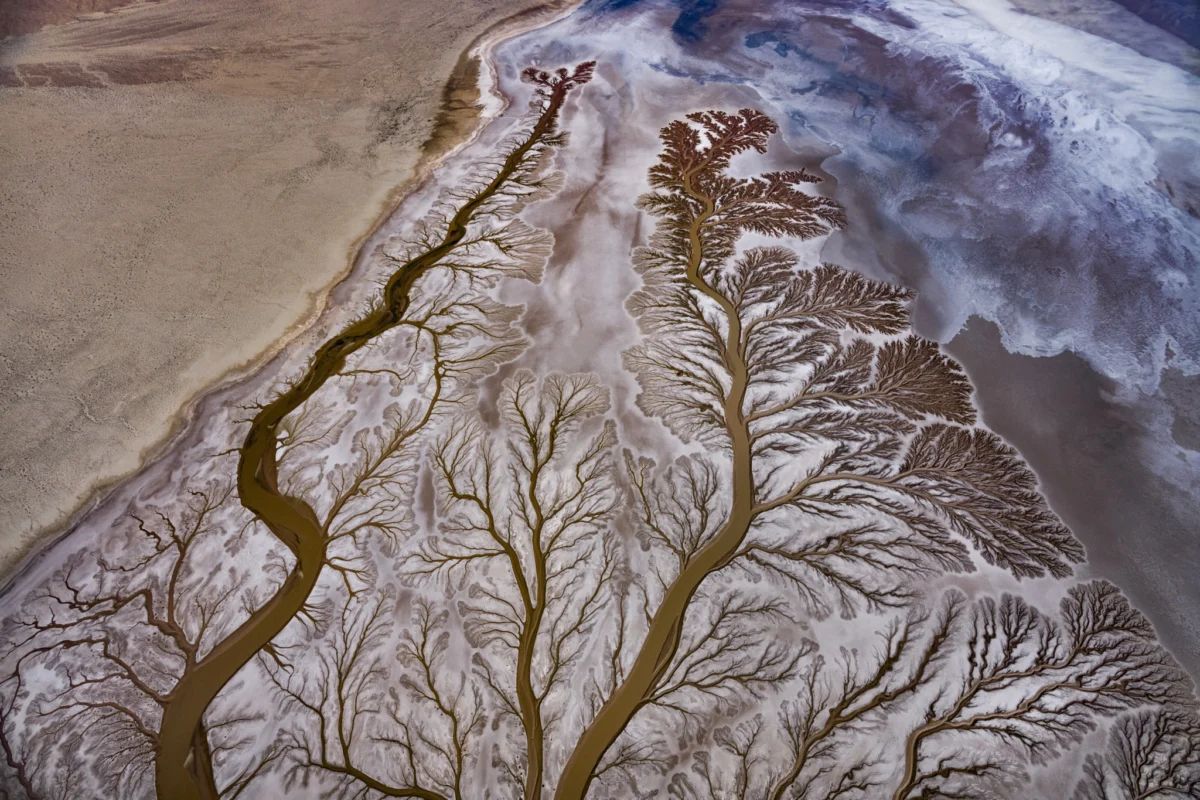
The drone’s camera became an extension of the photographer’s eye, meticulously documenting the dynamic interplay of wind, water, and sand. Each gust of wind sculpted the dunes, creating transient peaks and valleys, while the glassy surfaces of the lagoons mirrored the sky, adding another layer of depth and complexity to the imagery. The striking colors of the landscape were further enhanced by the presence of tannins, leached from decaying vegetation in the surrounding wetlands and carried by rivers like the Black River. These tannins dyed the water in shades of red, deep brown, and rust, creating vibrant, sinuous veins that snaked through the white sands, ultimately converging with the larger Parnaíba River system. The visual impact was often so profound that direct observation felt almost overwhelming, a testament to the raw, unadulterated beauty of the natural world. The continuous flux of the landscape, viewed from above, revealed an endless succession of natural masterpieces, a celestial tapestry woven across the Earth’s crust, prompting a dizzying effort to capture its ephemeral perfection.
A Historical Continuum of Art and Nature: The Enduring Human Fascination with the Natural World
The human impulse to capture and replicate the wonders of the natural world is a thread that runs through the entirety of our history, a testament to our deep-seated connection with the environment. This drive is vividly illustrated by the prehistoric cave paintings found at sites such as the Chauvet Cave in France, where animal depictions dating back approximately 30,000 years reveal an early and profound engagement with the natural realm. Throughout millennia, artists across diverse cultures and epochs, from the Upper Paleolithic to the Renaissance and beyond, have dedicated their lives to the meticulous study of nature’s handiwork. Their endeavors, whether through painting, sculpture, or other artistic mediums, have been characterized by a relentless pursuit to capture the precise details and inherent beauty of the natural world.

The challenge of accurately representing nature’s complexity has persisted even with the advent of advanced technologies. Despite the sophisticated capabilities of modern digital cameras, the photographer, like artists throughout history, grapples with the inherent limitations of two-dimensional representation. The question of how an image can fully convey the profound depth of a planetary-scale phenomenon or the intricate molecular structure of a cell nucleus remains a persistent artistic and philosophical inquiry. Nature’s inherent artistry, a pervasive force that permeates all life, possesses a richness and complexity that defies complete translation into any tangible medium. Yet, the endeavor to approximate this beauty, to capture even a fraction of its essence, represents a profound privilege and a lifelong artistic pursuit.
The Ecological and Economic Significance of Lençóis Maranhenses
The Lençóis Maranhenses National Park is not only an area of exceptional natural beauty but also a crucial ecological zone and a significant driver of regional tourism. The park’s unique ecosystem supports a variety of flora and fauna adapted to its arid yet seasonally wet conditions. The ephemeral lagoons, in particular, host a surprising diversity of aquatic life during their existence, including various fish species that survive the dry season by laying eggs that can withstand desiccation. Birdlife is also abundant, with migratory species utilizing the area as a vital stopover point.
The designation as a World Heritage Site by UNESCO in 2014 has further amplified the park’s international profile, attracting a growing number of national and international tourists. This influx of visitors, while contributing significantly to the local economy through tourism-related businesses such as guides, accommodations, and transportation, also presents challenges related to conservation. Balancing the economic benefits of tourism with the imperative to protect the fragile ecosystem is a continuous effort for park authorities and local communities. Sustainable tourism practices, visitor management strategies, and ongoing research into the park’s ecological dynamics are crucial for its long-term preservation.
The economic implications of the park extend beyond direct tourism revenue. The Parnaíba River delta, bordering the park, is an important area for fisheries, supporting local communities that depend on marine resources. The health of the river systems and the coastal environment, directly influenced by the dynamics of the Lençóis Maranhenses, is therefore vital for the livelihoods of these communities. Conservation efforts in the park thus have a ripple effect, impacting the broader ecological and economic well-being of the region.
Broader Implications: Conservation and the Future of Natural Heritage
The ongoing exploration and documentation of natural wonders like the Lençóis Maranhenses National Park carry significant implications for conservation efforts worldwide. Through compelling visual narratives, such as those captured by aerial photography, a deeper appreciation for these unique environments can be fostered among the global public. This heightened awareness is often a catalyst for increased support for conservation initiatives, policy changes, and the allocation of resources towards protecting endangered landscapes and species.
The challenges faced in preserving areas like Lençóis Maranhenses – from climate change impacts to the pressures of increasing tourism – are representative of broader global conservation concerns. The dynamic nature of the park’s lagoons, for instance, could be affected by shifts in rainfall patterns due to climate change, potentially altering the delicate ecological balance. Understanding these vulnerabilities through scientific research and monitoring is paramount.
Furthermore, the integration of advanced technologies like drones in documenting and studying natural environments offers new avenues for research and conservation. These tools enable more comprehensive data collection, facilitate remote monitoring of sensitive areas, and provide powerful visual evidence for advocacy and educational purposes. The photographs and narratives emerging from such expeditions serve not only as artistic expressions but also as vital records and potent arguments for the preservation of Earth’s invaluable natural heritage for future generations. The ongoing effort to capture the essence of places like Lençóis Maranhenses, however imperfect, remains a critical undertaking in understanding, appreciating, and ultimately safeguarding our planet’s extraordinary biodiversity and breathtaking landscapes.