The close of the previous year was marked by a period of introspection across various sectors, including the dynamic world of photography and videography. As reported by LensRentals.com, a comprehensive analysis of rental and purchase data for 2025 offered valuable insights into prevailing trends and user preferences within the industry. Moving into January, the focus invariably shifts from retrospective evaluation to forward-looking projections, identifying the innovations and advancements poised to redefine the creative landscape. While LensRentals.com embarks on its strategic objectives for the new year, a critical examination of recent technological introductions provides a foundation for anticipating key developments. This analysis outlines five significant areas where substantial progress is anticipated in the photo and video fields throughout 2026, aiming to provide a clear, factual overview of potential industry shifts.
The Resurgence of Third-Party Lenses: Expanding Mirrorless Ecosystems
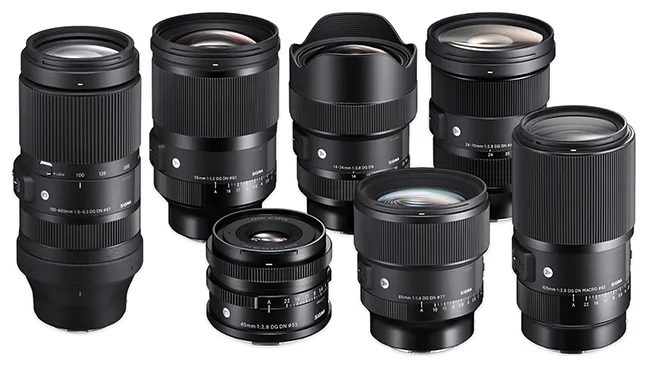
For seasoned professionals and enthusiasts who have navigated the photography industry for over a decade, the pre-mirrorless era often evokes a sense of nostalgia, particularly concerning the expansive array of lens options. Prior to the widespread adoption of mirrorless camera systems, photographers using Canon, Sony, or Nikon DSLRs benefited from a rich ecosystem of third-party lenses. Manufacturers such as Sigma, Tamron, and Tokina offered compelling alternatives to native brand optics, providing a diverse range of focal lengths and apertures often at more accessible price points. These lenses, frequently lauded for their optical quality and value, fostered a competitive market that ultimately benefited consumers.
However, the transition to mirrorless technology, characterized by entirely new and often proprietary lens mounts, presented significant challenges for third-party manufacturers. The complex communication protocols between camera bodies and lenses, coupled with the initial focus of primary camera manufacturers on rapidly building out their own native lens lineups, led to a temporary constriction of third-party offerings. Early mirrorless adopters, particularly those on Sony’s E-mount, saw a relatively quicker influx of third-party options, largely due to Sony’s earlier market entry and a more open approach to its mount specifications. In contrast, the more recent Canon RF and Nikon Z mounts, introduced later in the mirrorless cycle, initially maintained tighter control over their respective ecosystems.
The landscape is now demonstrably shifting. Recent indications and product announcements suggest a renewed and substantial commitment from major third-party lens producers, notably Sigma and Tamron, to develop for the RF and Z mount systems. This strategic pivot is driven by several factors. Firstly, the mirrorless market has matured considerably, with Canon and Nikon now holding substantial market share and their native lens lineups reaching a critical mass. This creates a more stable and attractive environment for third-party investment. Secondly, advancements in reverse-engineering and, in some cases, potential licensing agreements or tacit approvals from camera manufacturers, are easing development hurdles. Industry analysts frequently underscore the importance of robust third-party support for the long-term vitality and accessibility of any camera ecosystem. Such expansion fosters competition, drives innovation, and provides consumers with more choices tailored to diverse budgetary and creative needs. The implications are far-reaching: increased competition is expected to lead to more competitive pricing across the board, greater specialization in lens design, and ultimately, a richer photographic experience for users of all mirrorless systems. This anticipated influx of new, high-quality, and potentially more affordable third-party lenses for RF and Z mounts stands as a pivotal development for 2026, promising to democratize access to advanced optics and stimulate further growth within the mirrorless segment.
Democratizing Speed: The Rise of Affordable Fast Primes
The pursuit of speed – specifically, wide aperture capabilities – has long been a hallmark of high-end photography. Lenses with apertures of f/1.2 or f/1.4 offer unparalleled low-light performance, exceptional subject isolation through shallow depth of field, and a distinctive aesthetic quality highly prized by portrait, wedding, and street photographers. Historically, achieving such extreme optical speeds has come with a significant premium. The engineering challenges involved in designing large-aperture optics that maintain sharpness and control aberrations are considerable, often requiring specialized glass elements and complex optical formulas, leading to high manufacturing costs. Iconic lenses from brands like Leica have demonstrated f/1.2 capabilities since the 1960s, while major manufacturers like Canon produced f/1.2 lenses even in the early 1980s, but these were consistently positioned as aspirational, high-cost investments.
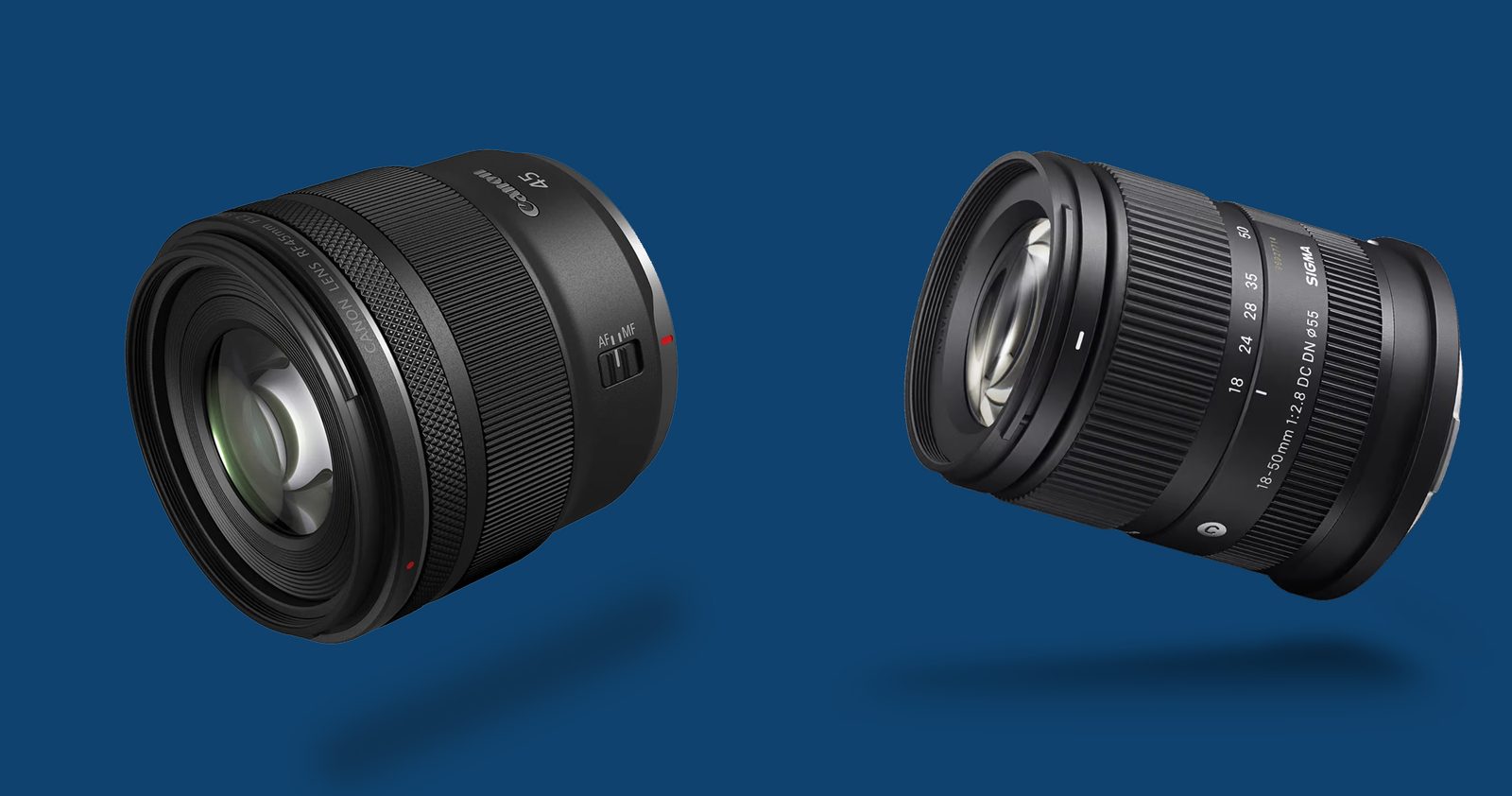
A significant shift in this paradigm was observed approximately six months prior to this report’s publication, with Canon introducing a groundbreaking f/1.2 prime lens priced remarkably under $500 – specifically, the Canon RF 45mm f/1.2 USM. This release represented a departure from established pricing norms for such fast optics. Previously, lenses offering comparable aperture speeds typically commanded prices well above the $1,000 mark, making them inaccessible to a broad segment of the market. The ability to deliver an f/1.2 lens at such an accessible price point signals a potential turning point in lens manufacturing and market strategy.
This affordability is likely a confluence of factors. Advances in optical design software allow for more efficient lens construction, optimizing element placement and material use. Furthermore, improvements in manufacturing processes, including automated assembly lines and the strategic integration of advanced materials, may contribute to reduced production costs without compromising optical integrity. While premium materials like exotic glass still play a role in flagship lenses, manufacturers may be finding innovative ways to achieve excellent performance at lower costs for certain focal lengths. The implications of this trend are substantial. Should other brands follow Canon’s lead, the market could witness a proliferation of fast, affordable primes across various mounts and focal lengths. This would democratize access to advanced photographic techniques, allowing a wider range of photographers to experiment with ultra-shallow depth of field and superior low-light performance. This trend could also intensify competition among lens manufacturers, potentially driving down prices for existing fast primes and stimulating further innovation in optical design. The accessibility of such powerful creative tools at a fraction of their historical cost represents a significant step forward for the industry in 2026.
AI’s Evolution: From Generation to Workflow Enhancement
The past few years have undeniably cemented Artificial Intelligence (AI) at the forefront of technological discourse, and the photography and videography sectors are no exception. While early discussions and widespread public attention have largely centered on generative AI—systems capable of autonomously producing art, corporate headshots, videos, and even entire narratives from simple text prompts—a crucial shift in AI’s application is anticipated for 2026. The initial fascination with AI’s generative capabilities, which sparked both excitement and apprehension among creatives regarding the potential erosion of human artistic input, is expected to evolve into a more pragmatic focus on workflow enhancement.
The distinction between generative AI and workflow-centric AI is critical. While generative AI aims to create content, workflow AI is designed to assist, streamline, and automate repetitive or tedious tasks within a professional’s existing creative process. Creative professionals have consistently voiced concerns about AI encroaching on their unique artistic contributions, while simultaneously welcoming tools that streamline tedious tasks. This sentiment suggests a clear market demand for AI that acts as a co-pilot rather than a replacement.
For 2026, the industry is poised to witness a significant expansion in the development and adoption of AI tools that directly address the operational bottlenecks faced by working photographers and videographers. This includes more sophisticated and affordable studio management software, leveraging AI to automate administrative tasks such as sending invoice reminders, managing client communications, and scheduling. Imagine AI-powered tools that can intelligently sort through client inquiries, draft personalized email responses, or even optimize studio booking calendars.
On the post-production front, AI’s role in image and video manipulation is expected to become more nuanced and powerful. Beyond basic content-aware fill, we anticipate advanced tools capable of intelligently identifying and removing distracting elements like trash bins, telephone poles, or even complex background clutter with a single click, far surpassing current capabilities. Such tools would dramatically reduce the time spent on tedious retouching, allowing creatives to focus on the artistic aspects of their work. Furthermore, AI could revolutionize the organization of creative inspiration and project planning. Tools that can help catalog thoughts, mood boards, visual references, and client feedback onto a single, interactive sheet, perhaps even suggesting relevant stylistic elements or compositional ideas based on input, would be invaluable. Software developers are increasingly prioritizing AI solutions that function as intelligent assistants, augmenting human capabilities rather than attempting to replicate or replace them. The overarching goal for AI in 2026 is not to automate the creative process itself, but to remove the logistical and technical barriers, thereby enabling creatives to dive deeper into their artistic vision and deliver higher-quality work more efficiently.
Bridging the Gap: The Imperative for Improved Camera App Support
The advent of mirrorless cameras brought with it a compelling promise: seamless integration with smartphones. The vision was clear – photographers and videographers would be able to review, edit, and publish their captures directly from their mobile devices, leveraging the speed and connectivity of modern smartphones. This integration was anticipated to revolutionize on-the-go workflows, enabling instant sharing and remote control capabilities that would enhance creative flexibility. However, the reality of camera manufacturers’ companion apps has largely fallen short of this initial promise.
A consistent critique from users across various brands points to a litany of frustrations: frequent app freezes, unexpected crashes, unreliable connectivity, and unresponsive user interfaces. While the concept of melding phones with cameras remains brilliant and highly desired, the execution has often been characterized by a lack of robustness and intuitive design. Despite years of development, many manufacturer apps struggle to deliver a consistently smooth and functional experience, often lagging significantly behind the standards set by general mobile applications.
The Fujifilm app, for instance, is frequently cited as one of the comparatively better offerings in the market, yet even it has experienced slow progress in terms of usability and functionality over the years. When contrasted with the often more cumbersome experiences reported with apps from Canon or Nikon, it highlights a widespread industry challenge. This persistent deficiency points to a fundamental disparity between the rapid evolution of smartphone technology and app development, and the slower pace of software innovation within camera manufacturing divisions. Camera manufacturers face a dilemma: invest heavily in software development, often outside their core hardware expertise, or risk alienating users who expect modern, connected workflows.
For 2026, there is an urgent need for camera manufacturers to significantly enhance their app support. This involves not just fixing bugs, but a fundamental rethinking of the user experience, focusing on stable connectivity, intuitive controls, and expanded functionality for on-the-go image review, culling, and even basic editing. The ability to seamlessly transfer high-resolution files, remotely control camera settings without lag, and quickly share content to social media platforms directly from the field are no longer luxuries but necessities in today’s fast-paced digital environment. Improved app support would not only enhance the user experience and foster greater brand loyalty but also unlock new creative workflows, allowing photographers and videographers to maximize the potential of their equipment in a truly integrated digital ecosystem. The expectation is that competition and consumer demand will finally push manufacturers to invest the necessary resources into delivering mobile app experiences that truly live up to the original promise of camera-to-phone connectivity.
Revolutionizing Capture: The Dawn of Widespread Electronic Global Shutters
The final, and perhaps most transformative, technological advancement anticipated for 2026 is the more widespread adoption of electronic global shutters in professional camera systems. Sony notably highlighted this technology with the introduction of its a9 III, marking a significant milestone in sensor design. However, beyond this pioneering model, broad industry attention to the technology’s integration into other camera lines has been relatively limited, until now.
To appreciate the significance of a global shutter, it’s essential to understand its counterpart: the rolling shutter. Most modern digital camera sensors employ a rolling shutter mechanism, where sensor data is read out line by line from top to bottom. While efficient, this sequential readout can lead to distinct distortions—most famously, the "jello effect"—when capturing fast-moving subjects or during rapid camera movements in video. This artifact has been a persistent challenge for videographers, limiting certain dynamic shooting scenarios. A global shutter, by contrast, exposes and reads out all pixels simultaneously. This synchronous capture eliminates rolling shutter artifacts entirely, delivering perfectly undistorted images even under extreme motion, a game-changer for sports, action, and high-speed videography.

The advantages of an electronic global shutter extend equally powerfully to still photography. One of the long-standing limitations in photography has been the maximum flash sync speed. Mechanical shutters, whether focal-plane or leaf shutters, dictate how quickly the shutter can open and close to expose the sensor to flash illumination. Typical full-frame sensors are limited to around 1/200 s, while crop sensors often reach 1/250 s. While techniques like High-Speed Sync (HSS) and leaf shutters offer workarounds, they come with their own limitations, such as reduced flash power output or specialized lens requirements and increased cost.
An electronic global shutter fundamentally bypasses these mechanical limitations. By exposing all pixels simultaneously, it theoretically allows for off-camera flash synchronization at any shutter speed the camera is capable of, even speeds as fast as 1/8000 s or higher. This capability would revolutionize flash photography, offering unprecedented control over ambient light, enabling photographers to overpower bright sunlight with flash, and freeze ultra-fast motion with remarkable precision, all without the compromises inherent in current HSS solutions. This could simplify lighting setups, enhance creative possibilities in bright environments, and significantly improve image quality in challenging lighting conditions.
Historically, the development of global shutters has faced considerable technical hurdles, including challenges in achieving high dynamic range, controlling noise, and managing the increased complexity and cost of sensor manufacturing. Sony’s success with the a9 III demonstrates that these challenges are being overcome. Industry analysts anticipate that other sensor manufacturers are actively investing in similar research and development, suggesting that 2026 could see a broader introduction of cameras featuring electronic global shutters across various price points and camera categories. This would represent a profound leap forward in camera technology, offering immense benefits for both video and still imaging professionals by eliminating motion artifacts and unlocking unparalleled flash synchronization capabilities.
Conclusion
The landscape of photography and videography is in a perpetual state of evolution, driven by relentless innovation and shifting user demands. The predictions for 2026—encompassing the expansion of third-party lens options for mirrorless systems, the democratization of fast prime lenses, the strategic shift towards workflow-centric AI, a critical improvement in camera app functionality, and the widespread adoption of electronic global shutters—collectively paint a picture of an industry poised for significant transformative growth. These developments promise not only to enhance the technical capabilities of imaging professionals but also to broaden creative horizons and make advanced tools more accessible. As technology continues to push boundaries, the coming year is anticipated to solidify these trends, offering exciting new avenues for visual storytelling and technological integration.