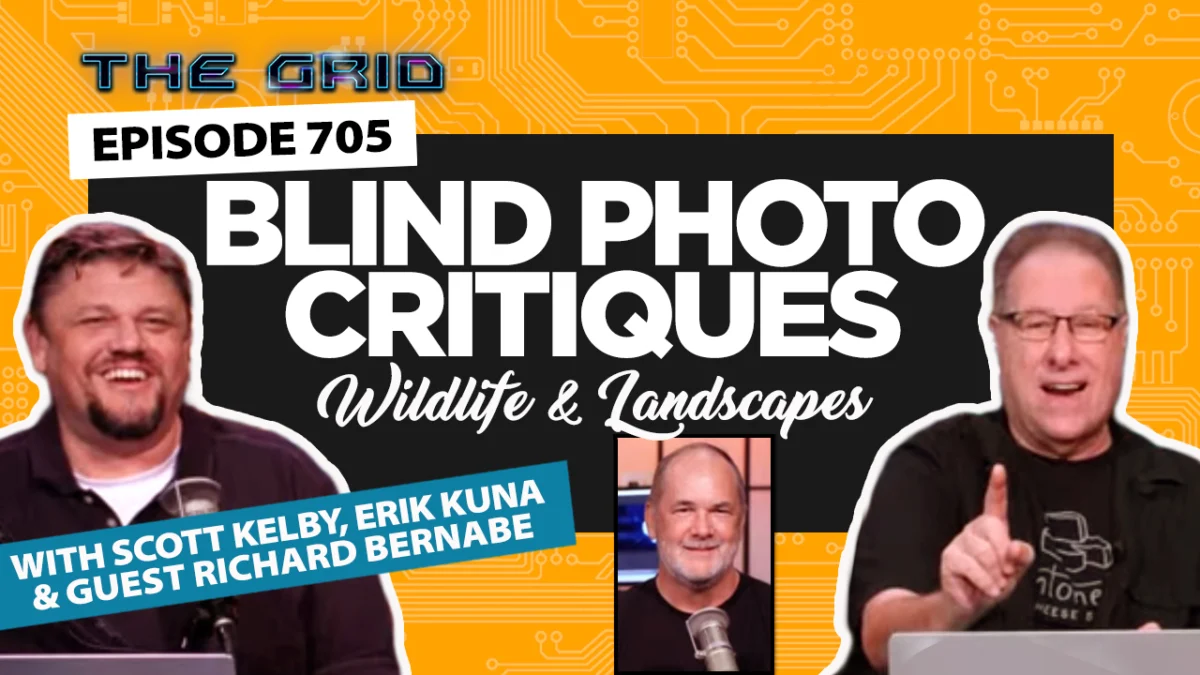
This week, The Grid, KelbyOne’s acclaimed online talk show, convened a special episode dedicated to the intricate art of wildlife and landscape photography, featuring a "Blind Photo Critique" with celebrated photographer Richard Bernabe. Hosted by photography luminaries Scott Kelby and Erik Kuna, the session provided an unparalleled educational opportunity for photographers globally, delving into the nuances of capturing compelling images of the natural world and refining them through expert-level post-processing techniques. The episode highlighted the critical interplay between in-field decision-making and precise digital adjustments, underscoring how both contribute to the creation of truly impactful photographs.
The Grid’s Enduring Legacy: A Platform for Photographic Mastery
The Grid has established itself as a cornerstone of online photography education since its inception. Launched by Scott Kelby, a prominent figure in the photography and publishing world, the show serves as a weekly forum for discussions on photography techniques, gear reviews, industry news, and, critically, live critiques. It operates under the umbrella of KelbyOne, a leading online platform providing comprehensive training for photographers and creatives worldwide. KelbyOne’s mission revolves around democratizing access to high-quality instruction from industry experts, covering a vast spectrum of photographic genres from portraiture and sports to, as demonstrated in this episode, wildlife and landscape photography. The format of The Grid – engaging, interactive, and consistently featuring top professionals – has cultivated a loyal global audience, eager to absorb practical knowledge and insights directly from the masters. This specific "Blind Photo Critique" format, where submitted images are reviewed without prior knowledge of the photographer, fosters an objective assessment, allowing the panel to focus solely on the photographic merits and areas for improvement, mirroring a professional editorial process. The transparency and directness of these critiques are invaluable, offering viewers a genuine look into the thought processes of experienced photographers as they analyze composition, light, and technique.
Expert Insights: The Panel Behind the Critique
The episode’s success was underpinned by the collective expertise of its panel. Scott Kelby, CEO of KelbyOne, editor-in-chief of Photoshop User magazine, and a prolific author of numerous best-selling photography books, brought his characteristic blend of technical acumen and engaging presentation style. His experience spans decades, covering virtually every aspect of digital imaging and photography education. Erik Kuna, Chief Operating Officer of KelbyOne and a highly respected photographer and educator in his own right, particularly known for his expertise in astrophotography and lighting, complemented Kelby’s insights with his practical, hands-on approach to image-making and critique.
The guest expert, Richard Bernabe, is an internationally acclaimed nature, wildlife, and travel photographer, author, and educator whose work has been published in countless magazines and books worldwide. Bernabe’s extensive experience traversing diverse landscapes, from the African savannah to the American wilderness, lends him a unique perspective on the challenges and rewards of photographing nature. His deep understanding of animal behavior, environmental conditions, and the intricate interplay of light and landscape made him an ideal choice for this specialized critique. His presence elevated the discussion, offering real-world perspectives that resonate deeply with aspiring and professional photographers alike. Bernabe’s philosophy often emphasizes patience, observation, and a profound respect for the natural world, principles that permeated his critique style throughout the episode.
Dissecting the Art: Key Technical Aspects Under Review
The submitted photographs, encompassing a broad array of subjects from majestic bald eagles and elusive wolves to serene waterfalls, vibrant autumn foliage, and dramatic geological formations, provided fertile ground for discussion. The critiques meticulously broke down various technical and artistic elements crucial for elevating an image from good to outstanding.
Mastering Light and Exposure: A recurring theme was the strategic use and management of light. The panel rigorously discussed instances of "harsh highlights," a common pitfall in outdoor photography, particularly under midday sun. Such highlights can lead to blown-out areas, losing critical detail and distracting the viewer. Solutions explored included adjusting exposure settings, using fill flash, employing reflectors, or, most fundamentally, choosing to shoot during the "golden hours" of sunrise and sunset when light is softer and more flattering. Conversely, the importance of using light to "separate wildlife from its surroundings" was emphasized. Backlighting can create dramatic silhouettes, while side lighting can accentuate texture and depth. Understanding how light interacts with the subject and its environment is paramount to creating a three-dimensional feel and drawing the viewer’s eye.
The Crucial Role of White Balance: White balance, often overlooked by novices, received significant attention. The panel demonstrated how subtle shifts in white balance could dramatically alter the mood and accuracy of an image. An incorrectly set white balance can cast an unnatural color tint, making snow appear blue or skin tones look sickly. The critique showed how "warming or cooling white balance" in post-production could correct these issues, ensuring colors are true to life or manipulated artistically to evoke a specific emotion, such as the warm glow of a sunset or the cool, crisp feel of a winter landscape.
Compositional Precision: The Art of Cropping and Backgrounds: Composition formed another cornerstone of the critique. The panelists illustrated how "cropping" is not merely about resizing but about refining the narrative of an image. A "tighter crop" can eliminate distracting elements, emphasize the subject, and create a more impactful visual statement. Discussions revolved around established compositional rules like the rule of thirds, leading lines, and negative space, as well as when to intentionally break them for creative effect. Equally vital was the management of "distracting backgrounds." A busy or cluttered background can pull attention away from the main subject, diminishing the photograph’s power. Solutions included adjusting aperture for a shallower depth of field (blurring the background), repositioning the camera or subject, or using post-processing tools to selectively soften or remove distracting elements.
Shutter Speed: Freezing Action, Capturing Flow: The appropriate use of "shutter speed" was critically examined, especially in the context of dynamic subjects. For wildlife photography, a fast shutter speed is often essential to "freeze action," capturing a bird in flight or a running animal with crisp detail. Conversely, in landscape photography, particularly when depicting water, a slower shutter speed can create a beautiful "motion blur," transforming rushing waterfalls into silky cascades or rendering clouds as painterly streaks. The panel provided examples of both effective and ineffective shutter speed choices, demonstrating the dramatic difference this single setting can make.
Beyond the Click: The Power of Pre-Capture Decisions
Perhaps one of the most profound takeaways from Richard Bernabe’s contribution was his emphatic reminder that "sometimes the best editing decision starts before you ever open Lightroom." This insight moved beyond mere technical adjustments, stressing the foundational importance of fieldcraft and strategic thinking prior to pressing the shutter. Bernabe elaborated on several critical pre-capture considerations:
- Knowing When the Light Isn’t Working: Rather than forcing a shot under suboptimal lighting conditions (e.g., harsh midday sun), a seasoned photographer understands when to pack up, wait, or return another day. Patience is paramount in nature photography; waiting for the "right light" can transform an ordinary scene into an extraordinary one.
- When to Change Your Position: A slight change in vantage point can dramatically alter a photograph. Moving a few feet left or right, getting lower to the ground, or finding a higher perspective can eliminate distractions, improve composition, and create a more intimate connection with the subject. This requires keen observation and agility in the field.
- When to Simply Wait: Especially in wildlife photography, waiting for the animal to move into a better position, display a specific behavior, or interact with its environment can yield truly unique and compelling images. This patience also extends to landscape photography, waiting for a cloud formation, a break in the weather, or a specific moment of light.
These pre-capture decisions not only save time in post-processing but often result in images that are inherently stronger and more authentic, requiring fewer "fixes" later. This perspective underscores a core tenet of professional photography: the mastery of the craft begins long before the image is transferred to a computer. It involves an understanding of the environment, the subject, and the capabilities of one’s equipment, all converging to capture the decisive moment.
The Iterative Journey: Post-Processing as Refinement
While emphasizing pre-capture excellence, the episode also thoroughly demonstrated the indispensable role of post-processing. The "editing discussions showed how relatively small adjustments can make a big difference." This concept is central to modern digital photography. Tools like Adobe Lightroom allow for non-destructive edits that can dramatically enhance an image without altering the original data.
The panel illustrated how actions such as "pulling back bright areas" (recovering detail in highlights), "cleaning up distractions" (spot removal, cloning), "warming or cooling white balance," and "making a tighter crop" are not about fabricating reality but about optimizing the visual impact and guiding the viewer’s eye. These subtle refinements can rescue an otherwise decent photograph or elevate an already good one to professional standards. The ability to make these precise adjustments, coupled with a keen artistic eye, is what distinguishes a skilled digital photographer. The demonstration served as a practical guide, showing viewers exactly which sliders and tools to use and, more importantly, why they should use them.
The Educational Imperative: Fostering a Global Community of Photographers
The broadcast of this specific episode of The Grid exemplifies the broader impact of online educational platforms like KelbyOne. In an increasingly visual world, the demand for high-quality photography continues to grow across industries, from advertising and journalism to personal branding and fine art. This creates a continuous need for accessible, expert-led training. Shows like The Grid fill this void by providing:
- Democratized Access: Geographical barriers are removed, allowing anyone with an internet connection to learn from top professionals.
- Practical Skill Development: The critique format offers tangible examples and actionable advice that viewers can immediately apply to their own work.
- Community Engagement: The Grid fosters a sense of community among photographers, encouraging shared learning and inspiration.
- Continuous Learning: The dynamic nature of photography, with evolving technology and artistic trends, necessitates ongoing education, which platforms like KelbyOne provide.
The episode’s focus on wildlife and landscape photography is particularly relevant given the increasing public interest in nature and conservation. High-quality imagery plays a crucial role in raising awareness and inspiring action for environmental protection. By empowering more photographers to capture the beauty and fragility of the natural world effectively, shows like The Grid indirectly contribute to these broader societal goals.
The Future of Photographic Learning
As technology continues to advance, the tools and techniques available to photographers will undoubtedly evolve. However, the fundamental principles of light, composition, and storytelling remain timeless. The value of expert mentorship, as provided by Scott Kelby, Erik Kuna, and Richard Bernabe, will continue to be indispensable in guiding photographers through this dynamic landscape. This episode of The Grid served as a powerful reminder that while technical proficiency is essential, it is ultimately the thoughtful application of these skills, combined with a deep understanding of the subject matter and an unwavering commitment to patience and observation, that truly defines a master photographer.
Viewers are encouraged to "watch the replay below and pick up some great ideas for your next wildlife or landscape edit." The accessible archive of The Grid episodes ensures that this valuable educational content remains available for continuous learning, solidifying its role as a vital resource for the global photography community. The detailed critiques and practical advice offered by the panel are not just lessons for improving individual images but represent a holistic approach to elevating one’s entire photographic practice.