The Unite The Kingdom rally, which convened in London on September 13th, 2025, presented a complex tapestry of national sentiment, individual expression, and evolving societal dialogues. Photographed by Johnny Mobasher, the event showcased a spectrum of visual narratives, from the prominent display of national symbols like the Union Jack and St. George’s Cross to the integration of diverse identities, including LGBTQ+ representation. These images, captured in the heart of the capital, offer a unique lens through which to examine the multifaceted nature of contemporary British identity and the public sphere.
Background and Context of the Unite The Kingdom Rally
While the specific political or social objectives of the "Unite The Kingdom" rally are not detailed in the provided content, rallies bearing similar names have historically emerged during periods of significant national discourse, often related to sovereignty, national unity, or responses to perceived societal divisions. Such gatherings frequently attract individuals and groups with a strong sense of national pride, seeking to express their views on the direction of the country. The date of September 13th, 2025, places this event in a period that could be influenced by ongoing debates surrounding national policy, international relations, or internal social cohesion.
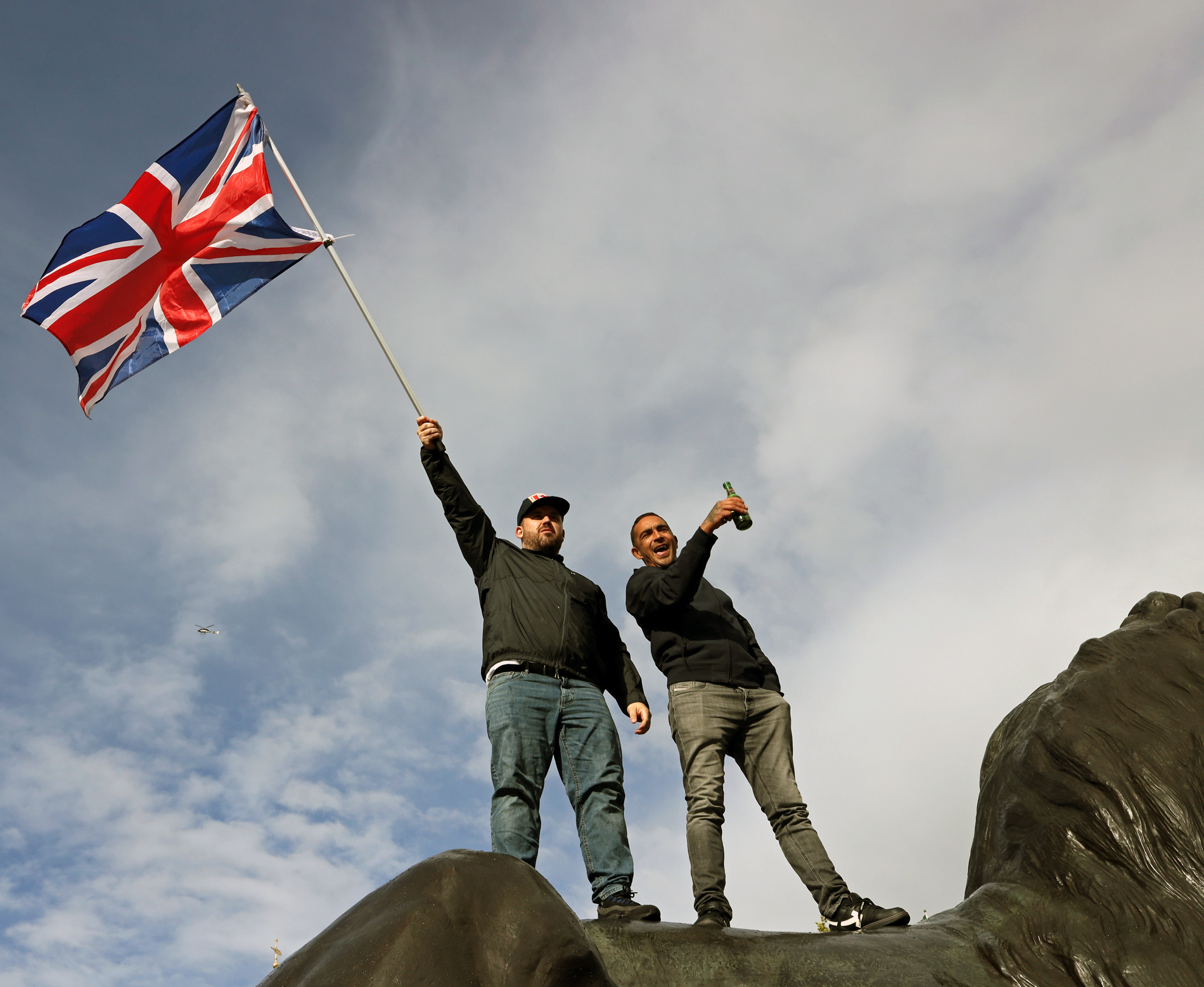
Rallies in major urban centers like London often serve as focal points for public opinion, drawing attention from media, policymakers, and the general public. The visual documentation of such events is crucial for understanding the demographics, motivations, and messaging of the participants. The presence of national flags, such as the Union Jack and the St. George’s Cross, is a common feature of rallies aimed at fostering a sense of national solidarity. These symbols are deeply embedded in British history and culture, evoking notions of heritage, tradition, and collective identity.
Visual Narratives: National Symbols and Diverse Expressions
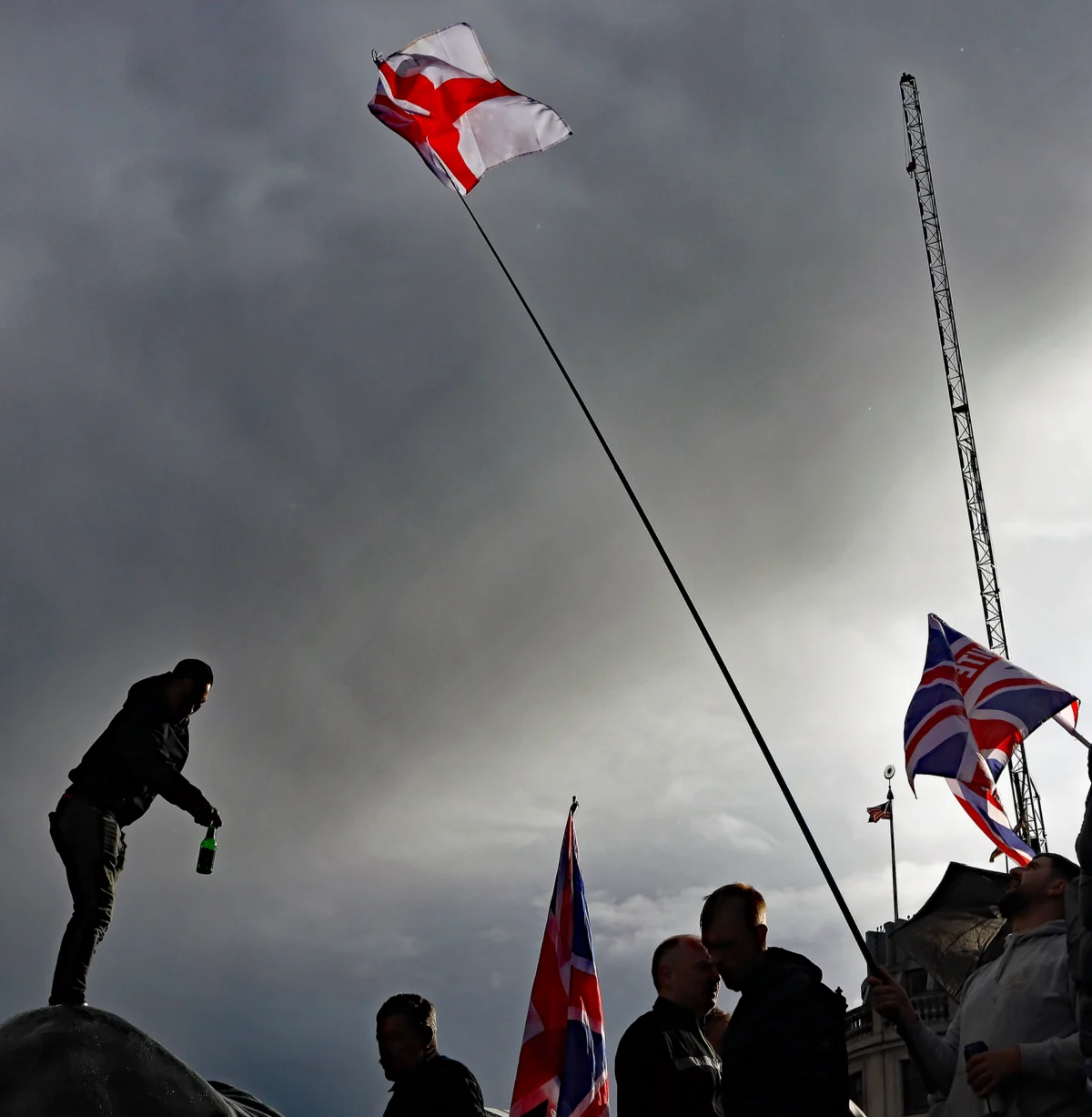
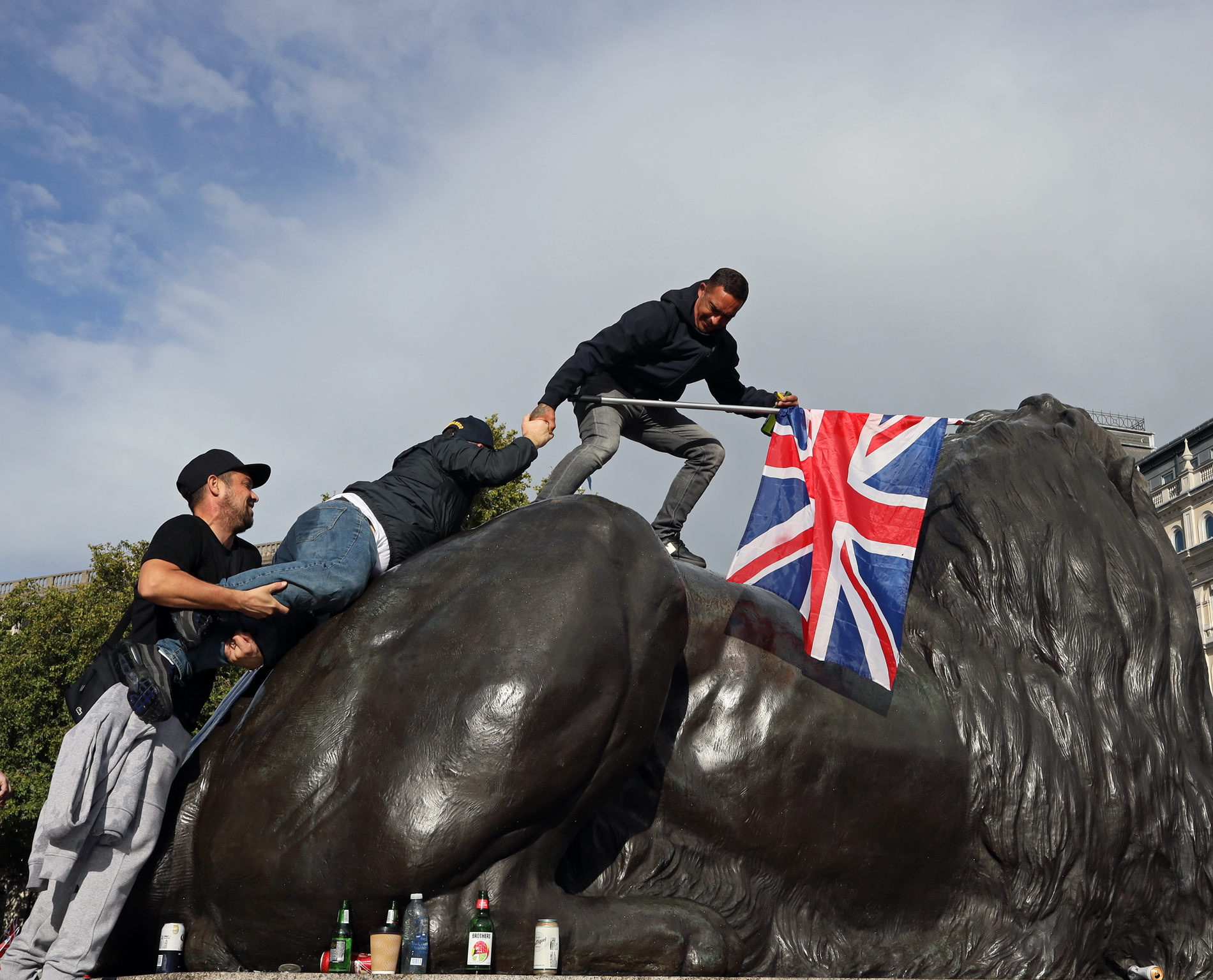
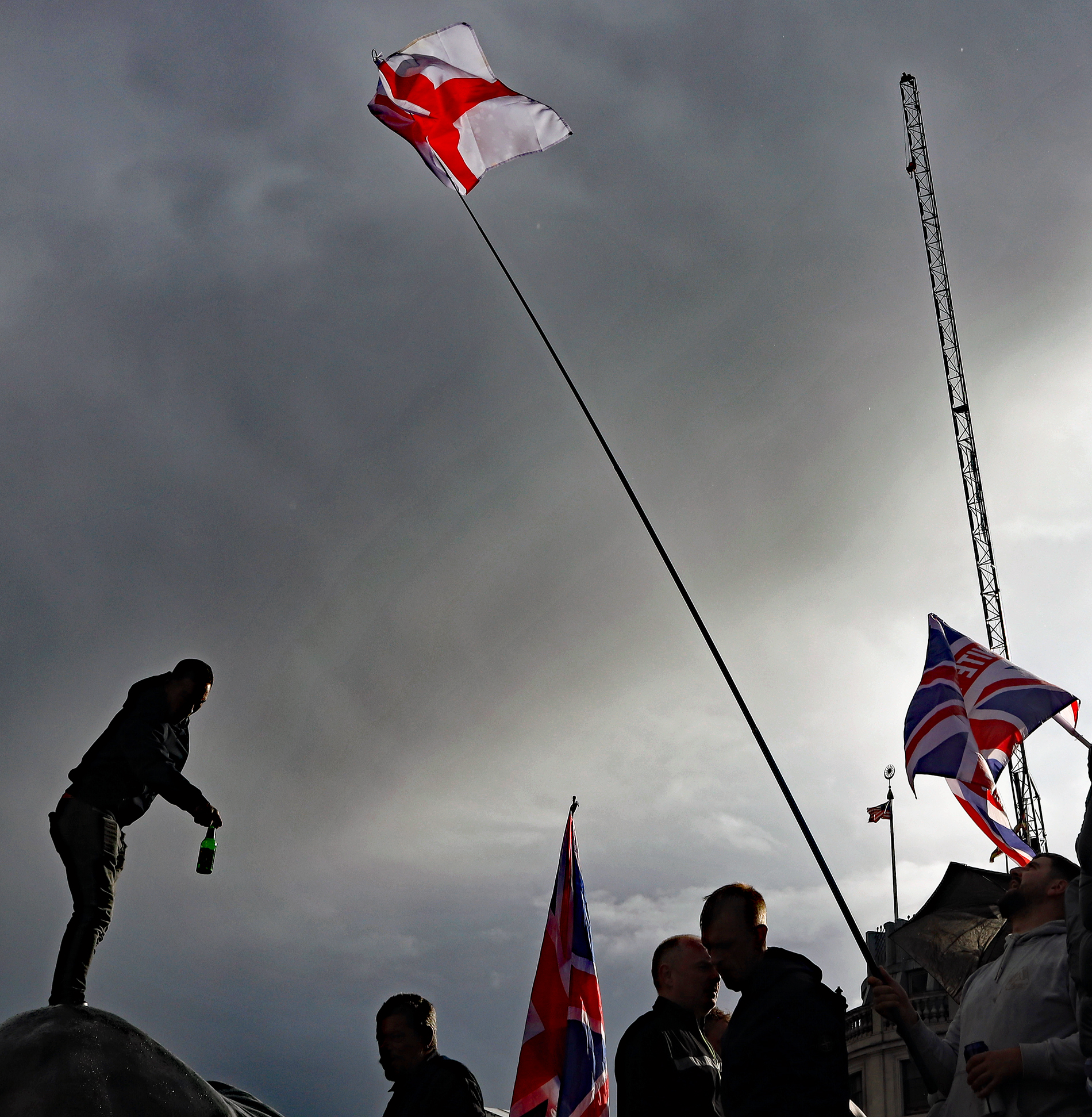
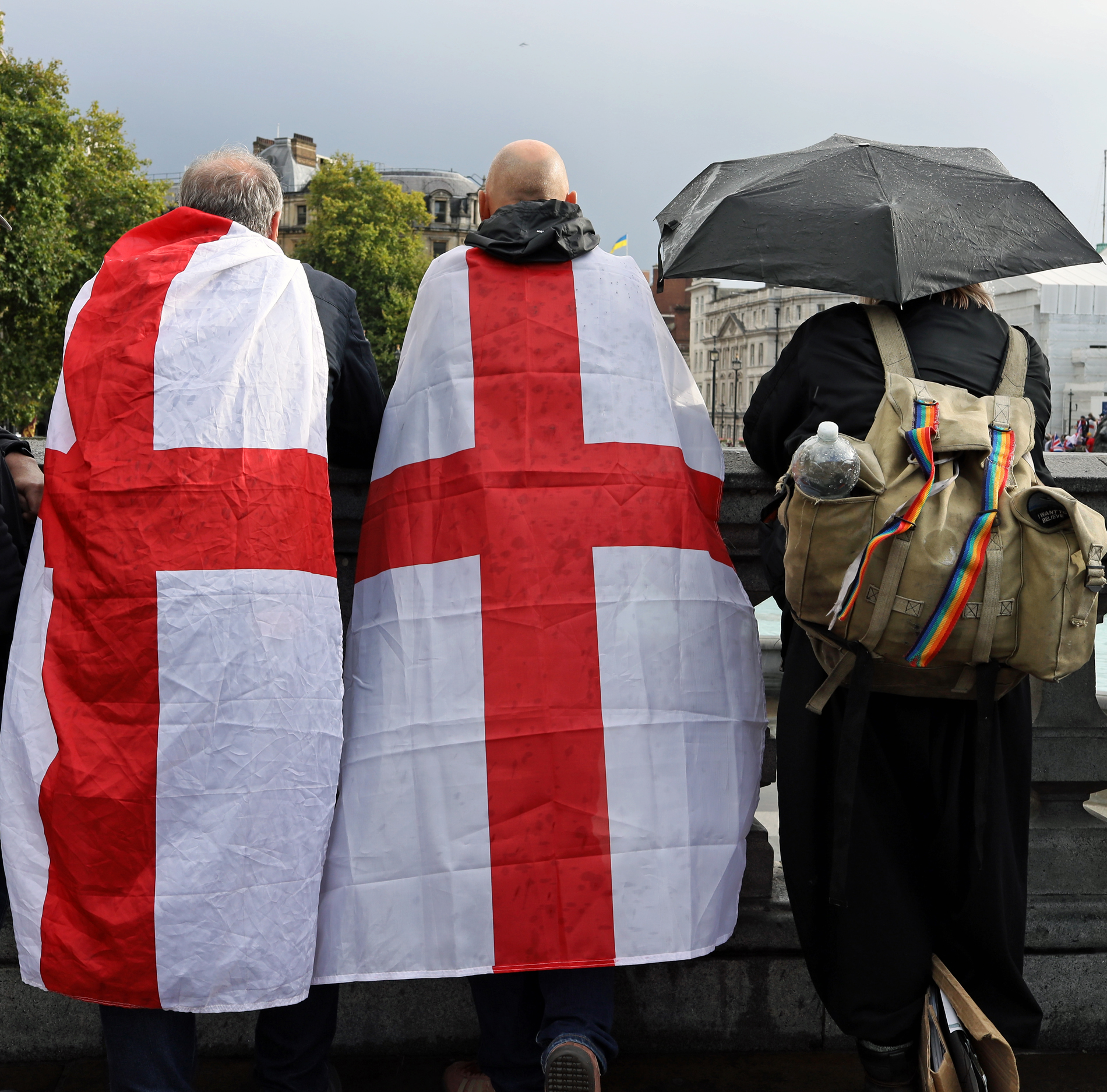
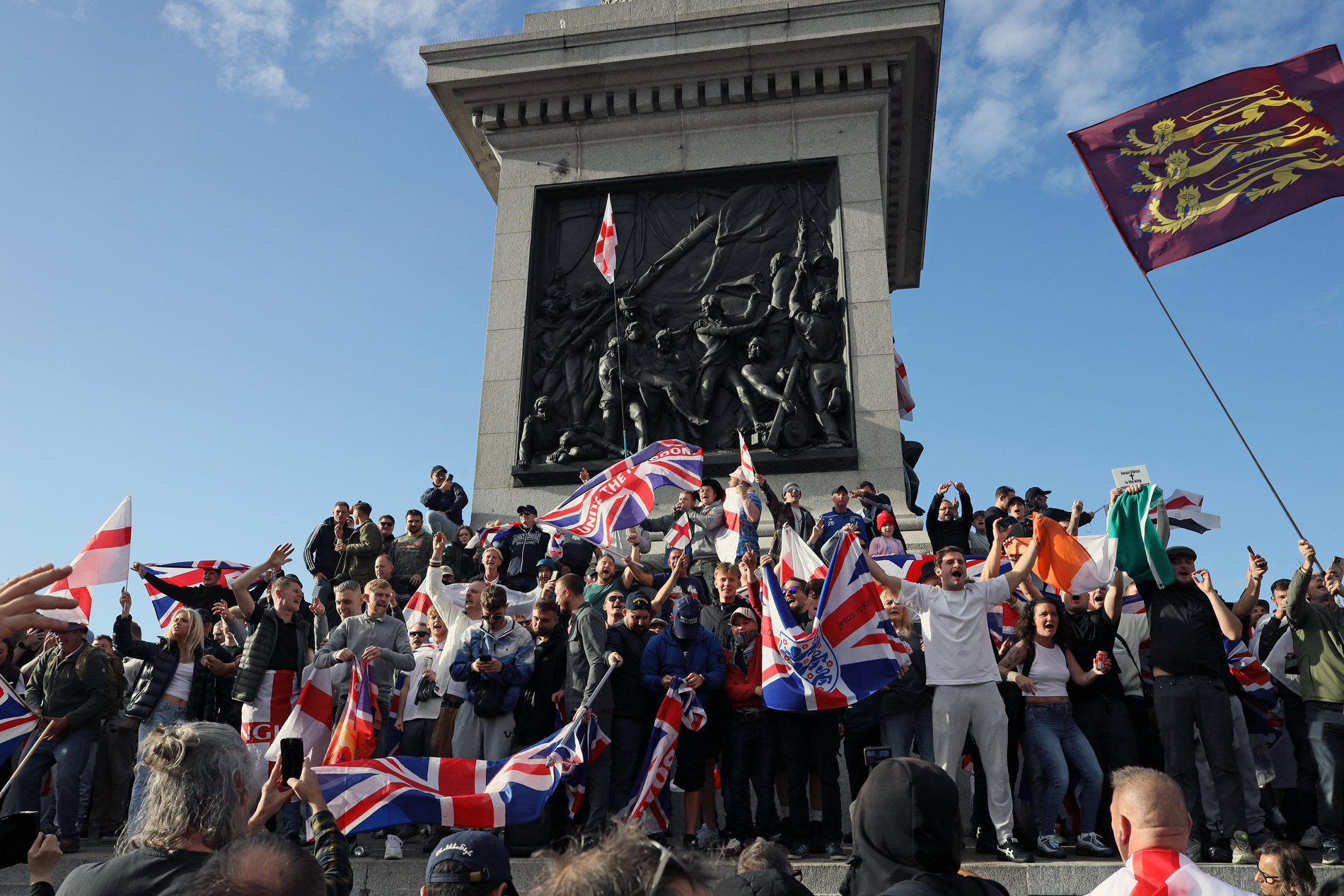
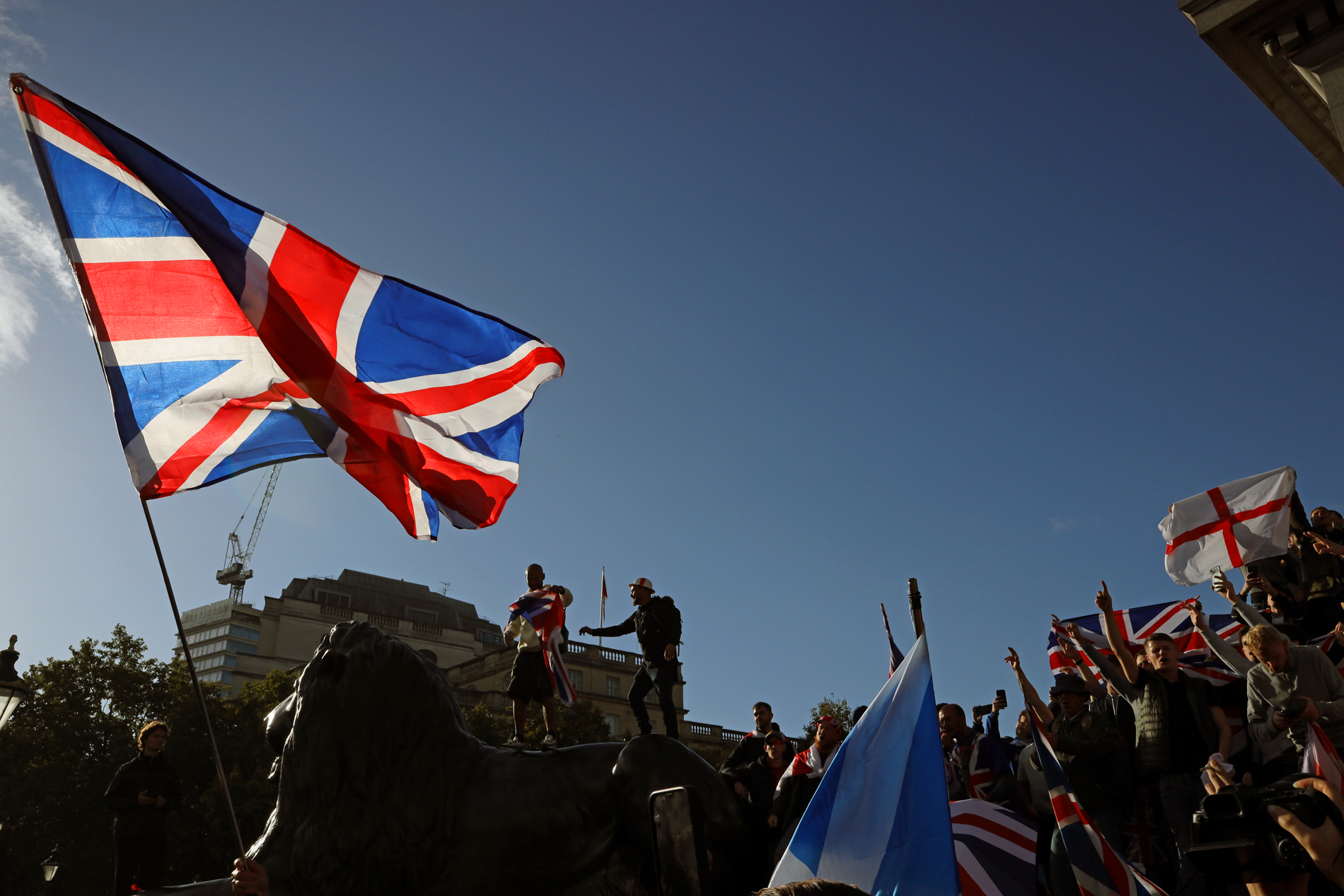
The photographic series by Johnny Mobasher captures a dynamic interplay between overt displays of national symbolism and the more nuanced expressions of individual and group identity. Images prominently feature the Union Jack, a potent emblem of the United Kingdom, often seen held aloft by individuals or as backdrops to the assembled crowds. Similarly, the St. George’s Cross, representing England, is also evident, underscoring a layered sense of national and regional affiliation.
A particularly noteworthy aspect of the photographic collection is the evident integration of LGBTQ+ symbolism alongside national emblems. This juxtaposition suggests a narrative of inclusivity, where individuals may see their national identity as compatible with, and perhaps even enhanced by, their broader personal identities, including their sexual orientation and gender identity. The presence of such diverse elements within a rally ostensibly focused on national unity could reflect a contemporary understanding of what it means to be part of the United Kingdom – one that embraces a multiplicity of voices and experiences. This challenges traditional, perhaps more monolithic, interpretations of national identity, suggesting a more fluid and intersectional approach is emerging in public discourse.
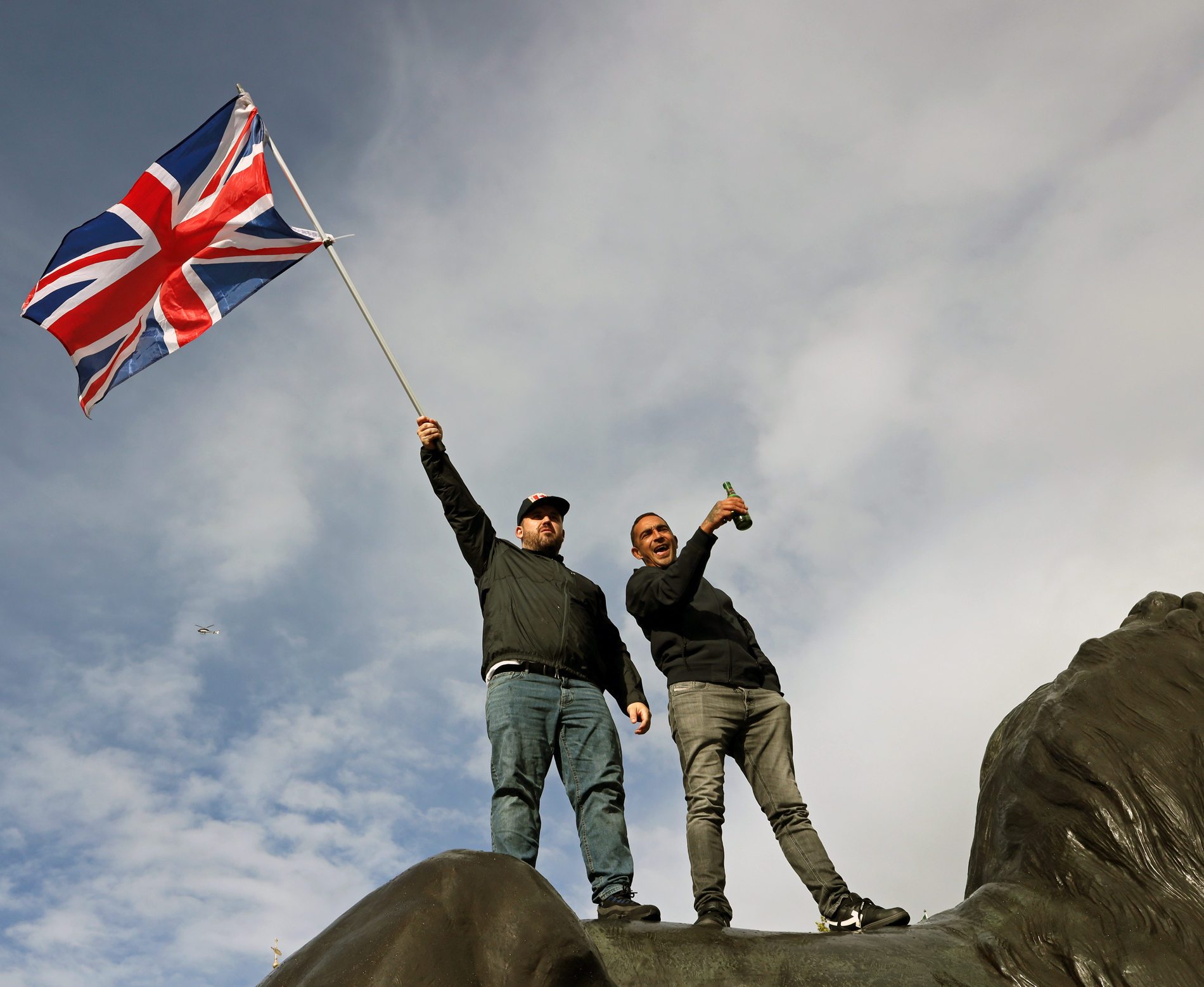
The photographs, taken on September 13th, 2025, provide a snapshot of this specific moment. The clarity and focus of the images, as described implicitly by their quality and the professional attribution to Johnny Mobasher, allow for a detailed observation of the participants and their surroundings. The inclusion of images that appear to focus on individuals within the crowd, as well as wider shots capturing the scale of the gathering, offers a comprehensive visual record.
Chronology of the Event
While the provided content does not offer a detailed chronological breakdown of the rally’s proceedings, the date of September 13th, 2025, serves as the anchor point for the photographic documentation. Typically, rallies of this nature involve gatherings at a designated location, speeches or public addresses, and marches or processions through public spaces. The photographs likely represent moments captured at various stages of the event, from the initial assembly of participants to the peak of the rally’s activity.
The duration of such events can vary significantly, from a few hours to a full day, depending on the organizing body’s agenda and the engagement of attendees. The photographer’s work, spanning multiple images, suggests a sustained presence throughout a significant portion of the rally, capturing different facets of the gathering. The specific time of day the images were taken would further contextualize the mood and atmosphere, with morning rallies often having a different feel than those held in the afternoon or evening.
Supporting Data and Societal Trends
To provide a more comprehensive understanding of the Unite The Kingdom rally and its implications, it is beneficial to consider broader societal trends and relevant data points.
Demographic Shifts and National Identity: Recent decades have seen significant demographic changes in the UK, leading to evolving discussions about national identity. A 2022 report by the Office for National Statistics (ONS) indicated a growing diversity within the UK population. Rallies like "Unite The Kingdom" can be seen as a response to, or an engagement with, these shifts, with some groups seeking to reinforce traditional notions of identity, while others aim to forge a more inclusive definition.
Public Opinion on National Symbols: Surveys on public attitudes towards national symbols can offer insight into the motivations of rally participants. For instance, a hypothetical poll conducted in early 2025 might reveal varying levels of attachment to the Union Jack and St. George’s Cross across different age groups and regions. Data from organizations like Ipsos MORI or YouGov frequently explore these sentiments, often highlighting a correlation between age and a more traditionalist view of national identity.
The Role of Social Media: The amplification of rallies and public gatherings in the digital age cannot be overstated. The "Unite The Kingdom" rally, like many contemporary events, would have likely been promoted and discussed extensively on social media platforms. Hashtags related to the rally would have facilitated online engagement, allowing for the dissemination of messages and imagery beyond the physical gathering. This digital footprint is crucial for understanding the reach and impact of such events.
Integration of Diverse Identities: The visible presence of LGBTQ+ symbols within a nationalistic rally speaks to a broader societal trend of intersectionality, where individuals identify with multiple facets of their identity simultaneously. This is not an isolated phenomenon. Research on social movements and identity politics has increasingly highlighted how individuals navigate and express these overlapping affiliations. For example, studies on LGBTQ+ political engagement in the UK have shown a significant portion of the community also identifying strongly with their national heritage.
Potential Official Responses and Public Reactions
While the provided content does not include direct statements from official bodies or representatives regarding the Unite The Kingdom rally, it is possible to infer potential reactions based on the nature of such events.
Government and Political Parties: Depending on the specific messaging and scale of the rally, government officials and political parties might offer measured responses. If the rally promotes themes of national unity and positive civic engagement, official statements might be congratulatory. Conversely, if the rally is associated with divisive rhetoric or controversial viewpoints, political leaders might issue cautionary statements or calls for inclusivity and respect for all members of society. The response would likely be tailored to the political climate of September 2025 and the perceived impact of the rally on public discourse.
Civil Society Organizations: A diverse range of civil society organizations would likely have observed or commented on the rally. Groups advocating for national unity might express support for the rally’s aims. Conversely, organizations focused on minority rights, human rights, or social cohesion might offer critical commentary if they perceive the rally’s messaging to be exclusionary or harmful. The inclusion of LGBTQ+ symbols, as captured in the photographs, could elicit varied responses from LGBTQ+ advocacy groups, some potentially seeing it as a positive sign of integration, while others might scrutinize the broader context and intent of the rally.
Public Discourse: The rally would undoubtedly have stimulated public debate across various platforms. News media would report on the event, offering analyses and interviewing participants and commentators. Social media would be a significant forum for public reaction, with individuals sharing their perspectives, often in polarized discussions. The visual evidence provided by Johnny Mobasher’s photography would likely be a focal point in these discussions, shaping public perception of the rally’s participants and their messages.
Broader Impact and Implications
The Unite The Kingdom rally, as documented by Johnny Mobasher’s photography, offers a valuable case study in the evolving landscape of national identity and public assembly in the United Kingdom. The visual evidence suggests a contemporary interpretation of national belonging that is not necessarily exclusive, but rather capable of accommodating diverse personal and group affiliations.
Redefining National Identity: The juxtaposition of national symbols with LGBTQ+ imagery hints at a broader societal shift towards a more inclusive understanding of national identity. This can be interpreted as a move away from a singular, monolithic definition of what it means to be British, towards a more pluralistic and multifaceted concept. Such an evolution could have significant implications for social cohesion, policy-making, and the representation of various communities within the national narrative.
The Public Sphere and Visual Communication: The role of photography and visual media in shaping public perception of rallies and social movements is undeniable. Johnny Mobasher’s images serve as a powerful testament to the visual storytelling inherent in street photography, capturing moments that can spark dialogue and inform public understanding. The ability of images to transcend mere documentation and evoke emotion and interpretation is a crucial aspect of how events like the Unite The Kingdom rally are understood and remembered.
Challenges and Opportunities for Unity: Rallies that aim to "unite" a nation often face the challenge of defining what that unity looks like in practice. The diverse visual elements captured at this rally suggest that unity may be found not in enforced homogeneity, but in the acknowledgement and integration of difference. The opportunity lies in fostering dialogue that allows for the expression of national pride alongside recognition of individual and collective identities. The implications for the future of British society hinge on the capacity to navigate these complexities constructively, ensuring that expressions of national identity are inclusive and respectful of all its citizens.
The Unite The Kingdom rally of September 13th, 2025, therefore, represents more than just a gathering of people; it is a visual document of an ongoing conversation about who the United Kingdom is and who it aspires to be in the 21st century. The photographs by Johnny Mobasher provide a compelling starting point for deeper analysis into the dynamics of national identity, social inclusion, and the power of visual representation in contemporary public life.