The Lençóis Maranhenses National Park, a sprawling 600-square-mile expanse in Brazil’s northeast, unexpectedly became more than a transit point for photographer Paul Nicklen. What was initially intended as a brief stop en route to Patagonia transformed into an immersive artistic exploration of one of the planet’s most unique ecosystems. Nicklen, primarily known for his intimate wildlife portraits and compositions that anchor fauna within their natural habitats, found himself captivated by a landscape of such immense scale and profound beauty that it demanded a different photographic approach. This shift in focus led to a compelling aerial exploration of the park’s undulating sand dunes, crystal-clear lagoons, and intricate river systems, revealing a natural masterpiece that transcends the limitations of traditional photography.
The Genesis of an Aerial Perspective
Nicklen’s encounter with the Lençóis Maranhenses began as a curiosity, a "pit stop" on a larger journey. However, the sheer grandeur of the park quickly redefined his objectives. "Most of my images focus on either close portraits of wildlife or compositions that tie them to the heart of their wild habitats," Nicklen stated in his reflection. "However, every so often I come across a landscape so vast and moving that it is nearly impossible to pass up the chance to explore it with my camera." The park’s unique topography, a dynamic interplay of desert and water, presented a visual challenge and an artistic opportunity that resonated deeply.
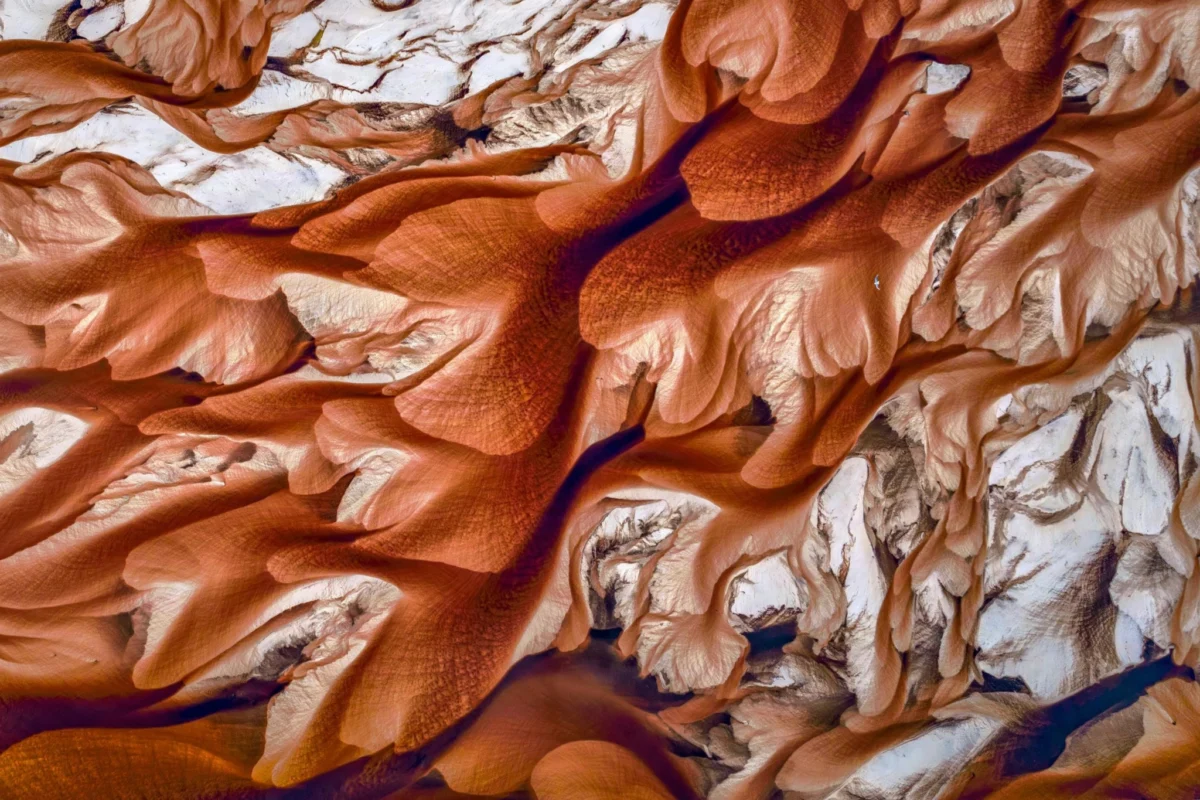
The Lençóis Maranhenses, recently designated a UNESCO World Heritage Site, is characterized by its immense white sand dunes that are seasonally interspersed with rain-filled lagoons. This delicate ecological balance creates a constantly shifting panorama. The park’s eastern border stretches over 40 miles along the Atlantic coast, a stretch punctuated by small fishing villages. Here, tannin-colored rivers wind their way from the interior, their dark waters contrasting with the pale sands as they flow towards the sea. Scattered pools of vibrant turquoise and jade embellish this textured canvas, adding to its surreal beauty. To the west, the landscape transitions from this unique desert-wetland mosaic to cerrado (savanna grasslands) and forest, before eventually giving way to agricultural lands.
Overwhelmed by the scale of the park’s natural artistry, Nicklen determined that an aerial perspective was essential to truly capture its magnificence. He noted, "Overwhelmed by the sheer scale of the park’s beauty, I decided the only way to fully appreciate its grandeur was from a bird’s eye view." This decision marked a departure from his usual ground-level observations, necessitating a new set of tools and techniques.
Embracing Drone Technology for Unprecedented Views
The advent of drone technology has revolutionized aerial photography, offering creative possibilities previously unavailable or prohibitively difficult. Nicklen utilized unmanned aerial vehicles (UAVs) to capture the Lençóis Maranhenses from angles and altitudes that would have been impossible with older methods. "Up until recently, shooting aerials required climbing into a cramped Ultralight or Cessna with the door removed," he explained. "However, with the age of drones and unmanned aerial vehicles (UAVs), the creative opportunities have expanded beyond the horizon."
By meticulously controlling the drone’s altitude, Nicklen was able to achieve a balance between capturing intricate details and showcasing the vast expanse of the landscape. He describes the process: "Keeping the drone low enough to pick up on the faintest details while still filling the frame with the full expanse of the mural below, I allowed my lens to roam freely over the terrain." This technique allowed him to witness and document the dynamic, ephemeral nature of the park.
The wind, a constant sculptor in this environment, continually reshaped the sandy terrain. Delicate dune peaks were toppled, and the glassy surfaces of the lagoons were stirred, creating rippling reflections. The waters themselves were a spectacle of color, stained by tannins from decaying vegetation. These tannins, leaching into the water systems, refracted across the landscape in hues of red, deep brown, and rust. The Black River, a significant waterway, snaked through the coastal lowlands like a colossal serpent, its dark, inky waters carving a path through the dunes to merge with the Parnaíba River in the northeast. Nicklen found the visual intensity almost overwhelming, stating, "It was almost too beautiful to look at directly." Each subtle shift in angle or altitude revealed a new "natural masterpiece latticing the crust of the Earth from horizon to horizon, leaving me dizzy from the effort of trying to frame it."

The Enduring Human Quest to Replicate Nature’s Artistry
Nicklen’s experience in the Lençóis Maranhenses evokes a long-standing human endeavor: the attempt to capture and replicate the beauty of the natural world. This impulse can be traced back to prehistoric times. The Chauvet Cave in France, for instance, features remarkably preserved animal paintings dating back approximately 30,000 years to the Aurignacian period. Throughout history, artists across diverse cultures and eras, from the Upper Paleolithic to the Renaissance and beyond, have dedicated their lives to the meticulous study of nature, striving to document its intricate details with accuracy and reverence.
Even with the sophisticated tools of contemporary digital photography, Nicklen expresses a sense of humility before nature’s grandeur. He reflects, "Even with the advanced technology of my digital camera, I still feel that I can never quite do her beauty justice. How can an image capture the full depth of something as vast as our planet and as minuscule as the structure of a cell’s nucleus?" This sentiment underscores the profound challenge of translating the three-dimensional, dynamic, and multi-sensory experience of the natural world into a two-dimensional photographic print.
Broader Implications and the Future of Conservation Photography
The Lençóis Maranhenses National Park is not only a site of immense natural beauty but also a fragile ecosystem that requires careful stewardship. Designated a national park in 1981 and a UNESCO World Heritage Site in 2014, its protection is paramount. The park’s unique hydrological cycle, where the lagoons form and disappear with the rainy and dry seasons, is particularly vulnerable to climate change. Rising global temperatures and altered rainfall patterns could significantly impact the formation and longevity of these ephemeral water bodies, threatening the park’s iconic landscape and the biodiversity it supports.
Conservation efforts in the region are crucial. The park’s designation aims to protect its unique natural features and support sustainable tourism. However, the increasing popularity of such natural wonders presents its own set of challenges, including the potential for environmental degradation due to excessive visitor numbers or unsustainable infrastructure development. Organizations like UNESCO and Brazil’s Chico Mendes Institute for Biodiversity Conservation (ICMBio) play a vital role in monitoring the park’s health and implementing protective measures.
Nicklen’s work, by highlighting the breathtaking beauty of these landscapes, serves as a powerful advocacy tool for conservation. Images that evoke awe and wonder can inspire public support for environmental protection and encourage responsible tourism practices. The growing accessibility of aerial photography, as demonstrated by Nicklen’s use of drones, allows for new perspectives on these natural treasures, potentially fostering a deeper appreciation and a stronger commitment to their preservation.
A Legacy of Artistic Endeavor
The artist’s journey into the Lençóis Maranhenses National Park ultimately becomes a meditation on the relationship between humanity, nature, and art. The park, with its ever-shifting dunes and ephemeral lagoons, serves as a potent metaphor for the impermanence and profound artistry of the natural world. Nicklen’s dedication to capturing its essence, despite the inherent limitations of his medium, speaks to a lifelong pursuit of understanding and communicating the beauty he encounters.
"Nature’s artistry permeates all life on Earth in a way we can never truly translate into a print – but it has been the greatest privilege of my life to try," he concludes. This sentiment encapsulates the enduring human drive to connect with, interpret, and protect the natural world, a drive that finds its most profound expression in the pursuit of art and the unwavering commitment to conservation. The images captured in the Lençóis Maranhenses are not merely photographs; they are testaments to the sublime power of nature and the artist’s relentless quest to share its wonder with the world.