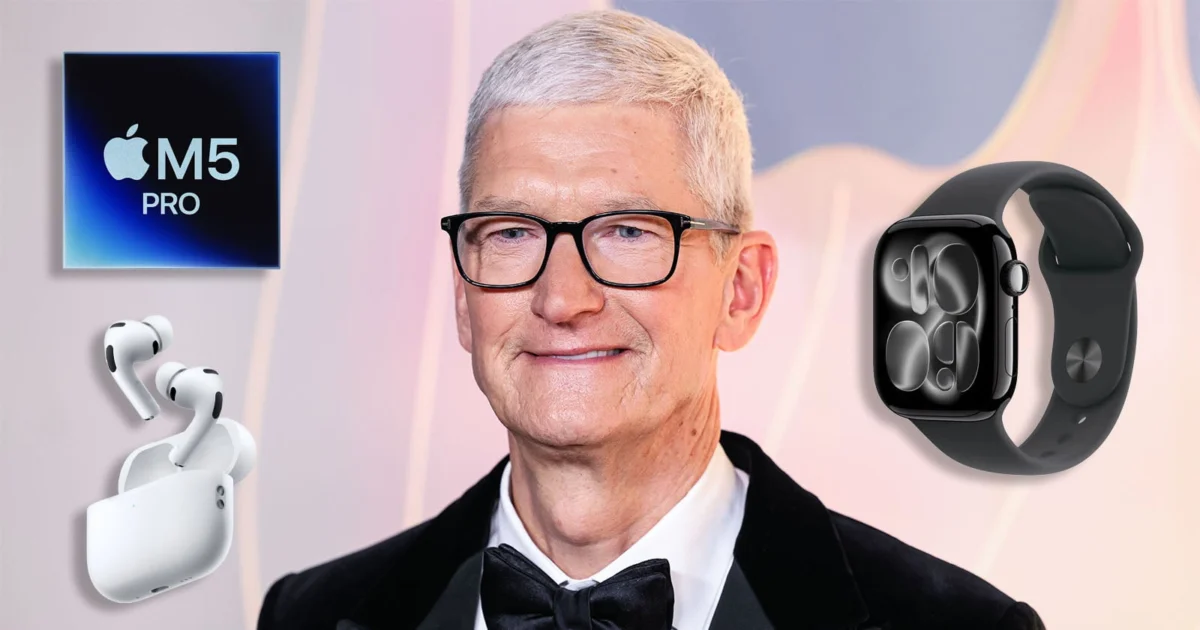
Today marks a significant leadership transition at Apple Inc., as John Ternus officially assumes the role of Chief Executive Officer, taking the reins from Tim Cook. Cook, who has guided the Cupertino-based technology giant for the past 15 years, leaves behind an extraordinary legacy, having overseen an astronomical increase in Apple’s market valuation from $347 billion in August 2011 to a staggering $4.6 trillion today, a nearly thirteen-fold expansion. This handover comes at a critical juncture for Apple, as it navigates complex global economic headwinds, the relentless pace of technological advancement in artificial intelligence, and evolving geopolitical landscapes. Cook will transition to an Executive Chairman role on Apple’s board, ensuring a degree of continuity and strategic oversight.
The Inheritance and the Ascent: Cook’s Transformative Tenure
When Tim Cook stepped into the CEO position in August 2011, just two months before the passing of Apple co-founder Steve Jobs due to complications from pancreatic cancer, the company was already on an impressive trajectory. The revolutionary launch of the iPhone in 2007 and the groundbreaking introduction of the iPad in 2010 had firmly established Apple as a dominant force in consumer electronics and set the stage for unprecedented growth. However, the shadow cast by Jobs’ visionary leadership was immense, and Cook faced the monumental challenge of not only sustaining but accelerating this momentum while proving Apple could innovate and thrive beyond its iconic co-founder.
Cook, known for his operational genius and supply chain mastery, meticulously steered Apple through this critical period. Under his stewardship, Apple became the first company in history to achieve a $1 trillion market capitalization in August 2018. This was followed by subsequent milestones, reaching $2 trillion in August 2020, $3 trillion in January 2022, and $4 trillion in June 2024. For a brief period in July 2026, the company even touched an astonishing $5 trillion valuation, a testament to its unparalleled financial performance and market confidence. This sustained growth was not merely an extension of Jobs’ vision but a testament to Cook’s strategic acumen, his ability to scale operations globally, and his focus on diversifying Apple’s revenue streams.
Beyond Maintaining Course: Innovation Under Cook
While some initially speculated that Cook’s tenure would largely be about maintaining the course set by Jobs, the past 15 years have unequivocally demonstrated a distinct and powerful era of innovation. Cook’s leadership saw the introduction of entirely new product categories and the reinvention of existing ones, fundamentally reshaping Apple’s ecosystem and market position. Three particular product lines stand out as monumental success stories: AirPods, Apple Watch, and the groundbreaking Apple Silicon.
AirPods: Reshaping the Audio Landscape
The introduction of AirPods in 2016, alongside the controversial removal of the 3.5mm headphone jack from the iPhone 7, marked a bold pivot in Apple’s audio strategy. While Apple had previously offered wired earbuds with its iPods, AirPods redefined the wireless audio experience. They quickly became a cultural phenomenon and a ubiquitous accessory. The product line expanded with the launch of AirPods Pro in 2019, offering active noise cancellation and improved fit, and the premium over-ear AirPods Max in 2020.
AirPods’ success is staggering. Although Apple does not typically disclose specific sales figures for individual products, industry estimates from sources like World of Statistics suggest Apple sold approximately 118 million AirPods units last year alone, generating an estimated $26 billion in annual revenue. To put this into perspective, this single product line generated more revenue than Adobe Inc. reported for its entire business in the same period. AirPods did not just succeed; they created and dominated a new market segment, prompting numerous competitors to follow suit, yet Apple has consistently maintained a significant lead in the true wireless earbud market. This success underscores Cook’s willingness to take calculated risks and bet on user experience.
Apple Watch: From Skepticism to a Health Imperative
When Apple unveiled the first Apple Watch in 2015, the market reception was mixed. Critics, much like with the initial iPad launch, expressed skepticism regarding its utility, interface responsiveness, and application ecosystem. Competitors like Garmin and Fitbit had already established niches in fitness tracking, but the smartwatch market was fragmented and lacked a clear mass-market leader.
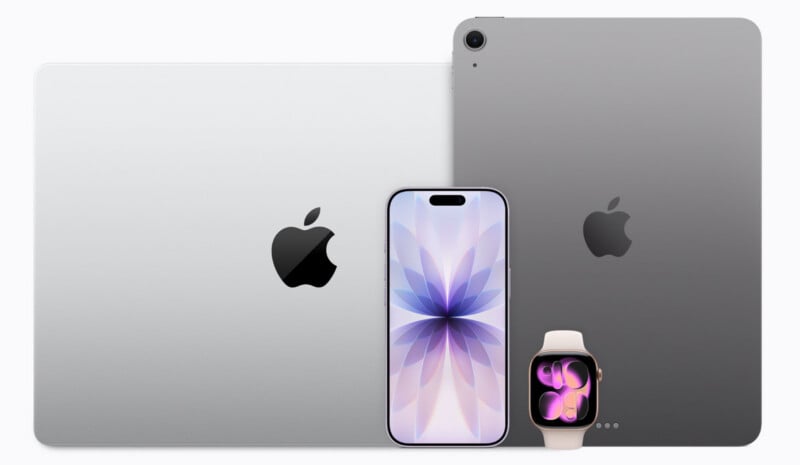
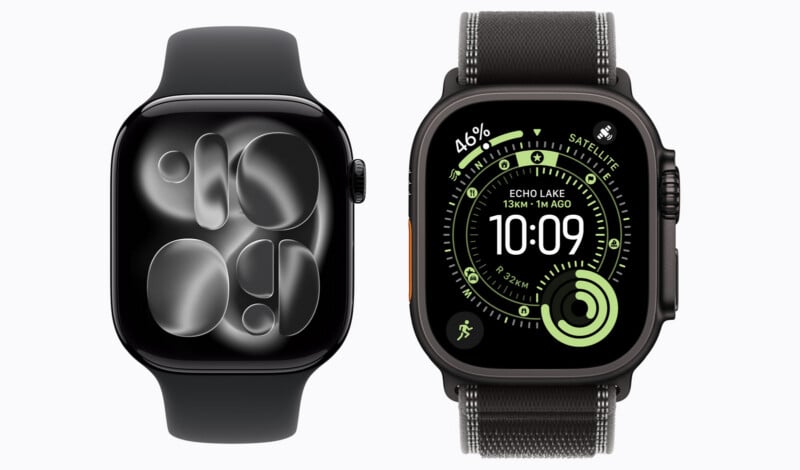
The Apple Watch, however, did not just overcome skepticism; it effectively built and defined the modern smartwatch market. Through continuous iterations, Apple transformed the device from a mere notification extension to a sophisticated health and wellness companion. Features such as ECG capabilities, fall detection, blood oxygen monitoring, and advanced fitness tracking have made the Apple Watch a critical tool for many users, often credited with saving lives. Its integration with the broader Apple ecosystem—iPhone, Health app, Fitness+—created a compelling value proposition. The device’s appeal continues to grow, evidenced by record sales in the September quarter of the previous year, with more people purchasing an Apple Watch for the very first time than in any prior quarter in its history. Apple consistently commands the largest share of the global smartwatch market, illustrating Cook’s strategic foresight in developing a device that truly resonated with consumer needs for health, convenience, and connectivity.
Apple Silicon: Revolutionizing the Mac Ecosystem
Perhaps the most strategically impactful innovation under Tim Cook’s leadership was the development and implementation of Apple Silicon. For years, Apple’s Mac lineup relied on Intel processors, a relationship that, while productive, limited Apple’s ability to fully control the performance, power efficiency, and integration of its hardware and software.
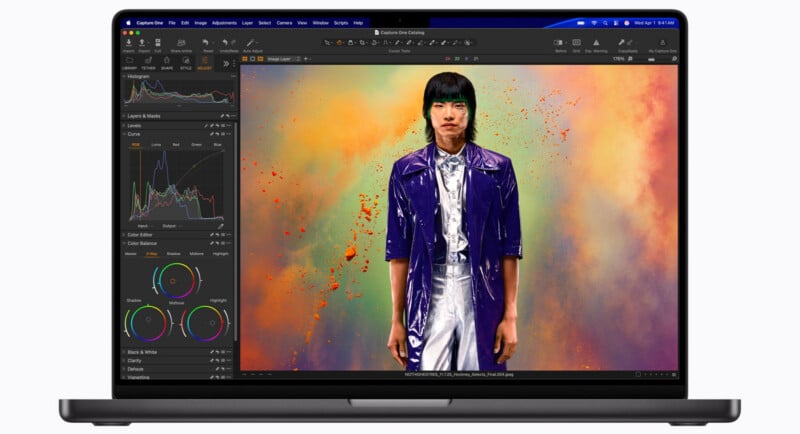
At WWDC 2020, Apple announced a monumental transition: moving its entire Mac lineup to custom-designed, Apple-made chips, beginning with the M1 chipset. This bold move proved to be an overwhelming success. Apple Silicon, built on an ARM architecture, delivered unprecedented performance per watt, transforming the Mac into a powerhouse for creative professionals while offering remarkable battery life. The M-series chips (M1, M2, M3, M4, and now M5 Pro and M5 Max, as referenced in PetaPixel reviews) have consistently set new benchmarks for computing power, particularly for demanding tasks like photo and video editing. PetaPixel itself has noted that the latest Macs deliver "extreme power" and are "better than your desktop," offering photographers and video editors more performance than they could ever need in portable packages. This strategic independence from Intel not only provided a significant competitive advantage but also allowed Apple to tightly integrate hardware and software, unlocking new levels of optimization and capability across its entire product ecosystem.

Expanding the Services Empire
Beyond hardware, Cook’s tenure was characterized by a relentless expansion of Apple’s services sector, a crucial diversification strategy to build recurring revenue streams and strengthen the ecosystem. Under his guidance, Apple launched a suite of successful services including Apple Pay, Apple Music, Apple TV+, Apple News+, Apple Arcade, and Apple Fitness+. These services not only contribute significantly to Apple’s bottom line but also deepen customer loyalty and engagement.
Notably, just this year, Apple unveiled its Creator Studio software suite, a strategic move to directly compete in the professional creative software market. This suite includes its renowned video editor, Final Cut Pro, and integrates Pixelmator, the photo editing software Apple acquired last year. This expansion into professional software further solidifies Apple’s position as a platform of choice for creative industries, leveraging the immense power of Apple Silicon. The services division has grown into a multi-billion dollar business, providing a stable, high-margin revenue stream that balances the cyclical nature of hardware sales and further bolsters Apple’s valuation.
John Ternus: The Road Ahead
As John Ternus steps into the CEO role, he inherits a company in a position of formidable strength but also one facing a unique set of challenges. Ternus, who has been with Apple since 2001, is a highly respected figure within the company, known for his deep expertise in hardware engineering and his leadership on critical projects including AirPods, Mac, iPad, and iPhone. His ascension signals a potential emphasis on product development and engineering at the highest level of leadership.
However, the current global landscape presents significant hurdles. Apple’s long-term strategy regarding artificial intelligence remains a key question mark for investors and analysts. While Apple has integrated AI features into its devices and software for years, it is perceived by some as lagging behind competitors like Google and Microsoft in the generative AI arms race. Ternus will need to articulate and execute a clear, compelling AI vision for Apple’s future.
Furthermore, the global memory shortage is impacting the entire technology industry, and even a company of Apple’s scale is not immune to supply chain disruptions. Geopolitical tensions, particularly concerning manufacturing bases and international trade relations, add another layer of complexity. Managing these intricate global logistics while maintaining Apple’s renowned operational efficiency will be a paramount challenge.
Ternus’s immediate test will arrive next week with the highly anticipated iPhone launch event, where he is expected to take the stage and unveil the latest iteration of Apple’s flagship product. This annual event is not just a product reveal; it is a critical moment for setting market expectations, driving sales, and reinforcing Apple’s position in the fiercely competitive smartphone market. While Ternus is celebrated for his technical acumen and hardware vision, leading a company of Apple’s magnitude demands a diverse skill set encompassing complex logistics, intricate political maneuvering, and a compelling overarching vision. There is never an easy time to lead Apple, but Ternus embarks on his tenure during a particularly challenging and unpredictable period for the global technology industry.
Cook’s Enduring Influence and Apple’s Future Trajectory
Tim Cook’s transition to Executive Chairman ensures that his profound experience and strategic insights will remain accessible to Apple’s leadership and board. This move provides a crucial layer of continuity and mentorship during a significant leadership change, mitigating potential market anxieties. Cook’s legacy is one of operational excellence, strategic market expansion, and a masterful diversification of Apple’s product and service portfolio, propelling the company to unparalleled financial heights.
Under Ternus, Apple’s future trajectory will be closely watched. Analysts will be keen to observe how he balances Apple’s core strengths in hardware and user experience with the imperative to innovate in emerging fields like AI, augmented reality, and further expand into health technology. Can Apple continue its extraordinary growth trajectory? The answer will depend on Ternus’s ability to navigate the evolving technological landscape, manage global complexities, and inspire the next generation of groundbreaking Apple products that capture the imagination of billions worldwide. The transition marks the close of one of the most successful leadership tenures in corporate history and the opening of a new chapter for one of the world’s most influential companies.