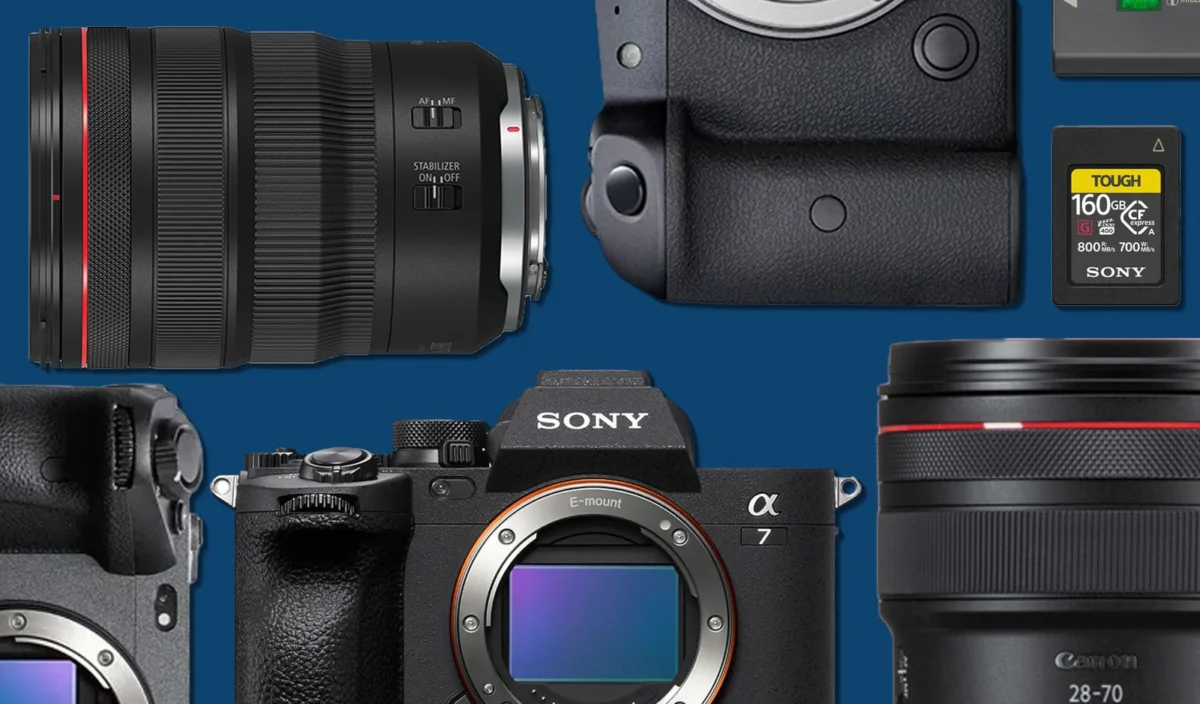
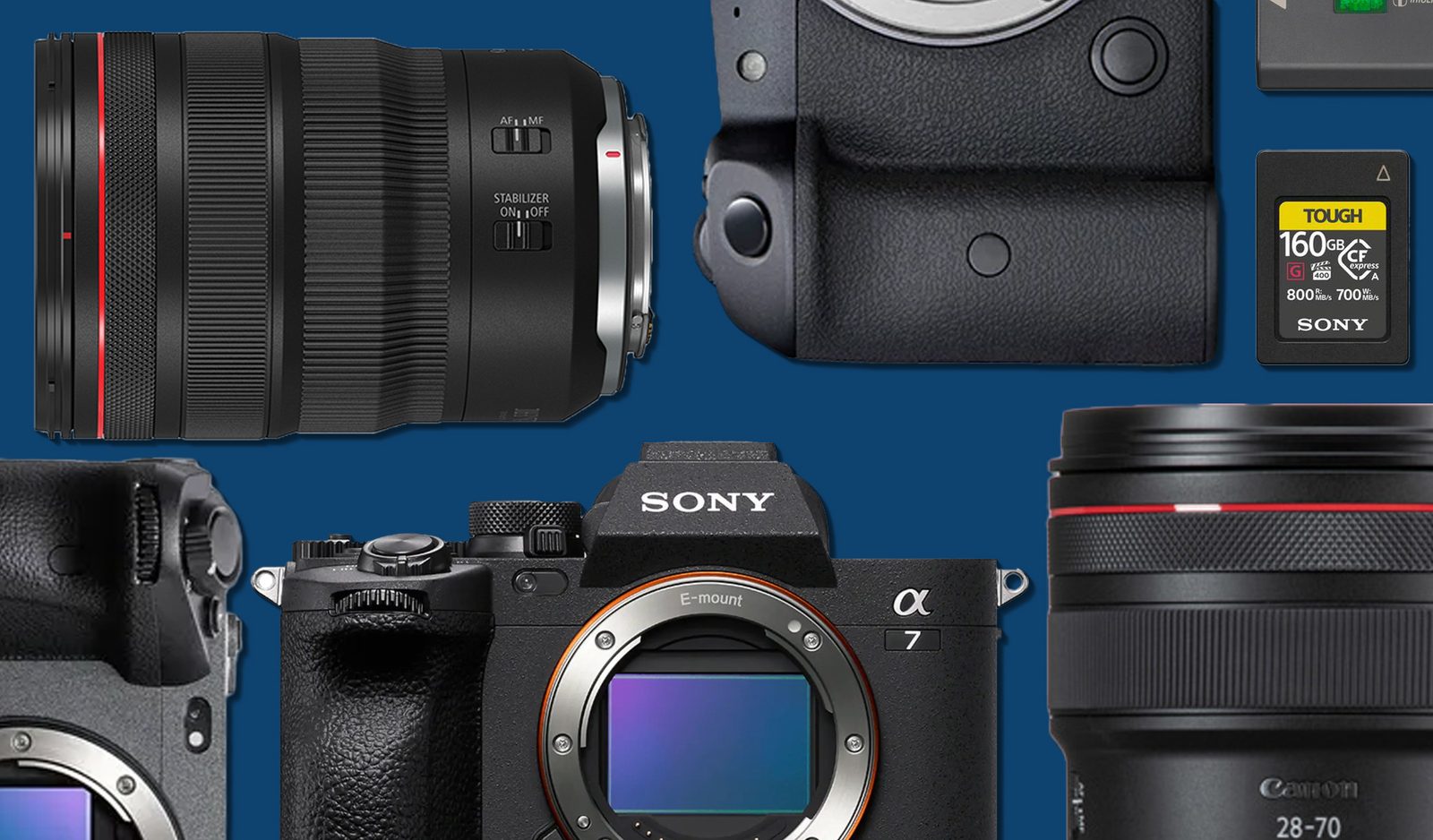
The leading equipment rental provider in America has released its comprehensive annual report for 2025, offering invaluable insights into the dynamic landscape of the professional photography and videography sector. Compiled from extensive rental data collected throughout the year, the report highlights the most exciting and successful products, serving as a critical indicator for market trends and future industry directions. For regular observers of the professional imaging market, these annual findings provide a consistent barometer of demand and utility, bypassing the need for extensive preliminary introductions. The 2025 data underscores a continued preference for versatile, reliable equipment, with established brands maintaining dominance while subtle shifts signal evolving user needs.
The Enduring Reign of Versatility: Top Lens Rentals of 2025
Analysis of the most popular rentals for 2025, ranked strictly by the number of rental transactions rather than pricing, reveals a compelling narrative about professional priorities. In an industry frequently echoing the mantra "Prime is King," the rental data consistently suggests a different reality: versatility reigns supreme. The Canon RF 24-70mm f/2.8L IS once again secured the top position, with its slightly faster but shorter-ranged counterpart, the Canon RF 28-70mm f/2L, close behind. This sustained demand for midrange zoom lenses is entirely logical within the rental context; clients often seek adaptable tools capable of handling a broad spectrum of assignments, from corporate events and portraits to documentary work and short-form video productions, without the need for multiple lens changes or specialized purchases.
"The rental market is a reflection of operational efficiency and project diversity," explains Sarah Chen, Senior Market Analyst at ProImage Insights. "Professionals, particularly freelancers and production houses with varying client demands, gravitate towards gear that offers maximum flexibility. A high-quality 24-70mm or 28-70mm zoom provides an excellent balance of focal lengths, aperture, and image stabilization, making it a pragmatic choice for numerous scenarios, thus minimizing the need to rent multiple specialized primes." This sentiment is further supported by the fact that the first prime lens, the highly acclaimed Canon RF 50mm f/1.2L, did not appear until the 17th position on the overall most-rented list.
Digging deeper into the lens category, the 2025 data highlights a clear duopoly between Canon and Sony, underscoring their comprehensive lens ecosystems and market penetration. Only Sigma managed to break into the top 20 lens rentals, with its popular 24-70mm f/2.8 DN Art, a testament to its reputation for delivering high-quality optics at a competitive price point. The overarching trend within the lens lineup is one of practicality over niche specialization. The vast majority of top-rented lenses are workhorse zoom lenses, meticulously covering common and essential focal lengths required for a wide array of photographic and videographic applications. This pattern suggests that renters are prioritizing dependable, broadly applicable tools rather than experimenting with quirky or highly specialized optics, which might be more common for outright purchases by niche creators. The absence of significant shifts in this category year-over-year indicates a stable demand for core optical capabilities within the professional workflow.
Camera Preferences: The Workhorse Canon R6 Mark II Leads
Shifting focus to camera bodies, the 2025 rental data presented some notable surprises, particularly concerning the top-tier models. Against expectations, the Canon R6 Mark II emerged as the most rented camera of the year, outperforming even its higher-resolution siblings, the R5 Mark II (8th place) and the original R5 (4th place). This performance by the R6 Mark II suggests that for rental clients, a blend of robust performance, excellent low-light capabilities, reliable autofocus, and a more accessible price point (relative to its R5 counterparts) makes it an ideal choice for diverse professional assignments. It embodies the "workhorse" ethos, delivering consistent, high-quality results across both stills and video without the added complexity or file sizes of higher-resolution sensors.
Sony demonstrated an exceptionally strong showing throughout 2025, securing nine positions within the top twenty camera rentals. This diverse representation spans from premium cinema-grade systems like the Sony FX6, favored for its advanced video capabilities and full-frame sensor, to compact yet powerful point-and-shoot options such as the Cybershot RX100 VII, indicating Sony’s successful strategy of catering to a broad spectrum of content creators with varied needs and budgets. The presence of both high-end and compact models underscores Sony’s ecosystem strength and its appeal across different professional use cases, from large-scale productions to run-and-gun documentary work.
Conversely, the data revealed a striking absence of Fujifilm cameras in the top twenty, and Nikon secured only a single spot with its well-regarded Z8. While these numbers reflect rental popularity rather than overall sales or market share, they nonetheless point to distinct preferences within the rental segment. This observation warrants further examination when considering broader market share dynamics later in this report, but it immediately highlights Canon and Sony’s dominant positions in the rental pipeline for camera bodies. The Nikon Z8’s presence, however, signifies Nikon’s resurgence with a highly capable professional mirrorless body that competes directly with its Canon and Sony rivals in performance and features, even if its rental volume is not yet as widespread.
Essential Ancillaries: The Dominance of Power and Storage
Beyond cameras and lenses, the category of accessories encompasses a vast array of equipment, from cables and hard drives to tripods and lighting solutions. The 2025 accessory rental data revealed a highly predictable, yet critically important, pattern: batteries and memory cards overwhelmingly dominated the top positions. This is an undeniable consequence of modern camera technology; contemporary mirrorless systems, which now form the bulk of professional-grade cameras, are notoriously power-hungry compared to their DSLR predecessors. Coupled with the ever-increasing resolution of both still images and video footage (especially 4K and 8K workflows), the demand for high-capacity, reliable memory cards is paramount.
"The relentless demand for power and storage isn’t a surprise, but rather a fundamental requirement for today’s digital workflows," states Alex Thompson, Head of Operations at ProGear Rentals. "Our clients often push their cameras to the limit, especially on location shoots where power outlets are scarce and data capture is continuous. Ensuring sufficient battery life and ample, fast storage isn’t just a convenience; it’s a non-negotiable aspect of professional reliability."
Surprisingly, despite the critical role of lighting in visual production and the growing popularity of drone cinematography, dedicated lighting gear or advanced drone equipment largely failed to reach the top twenty accessory rentals in 2025. The sole exception was the DJI TB50 battery, appearing at the 18th position, which points to the continued, albeit perhaps more specialized, use of DJI’s professional drone platforms. The remaining positions in the accessory list were occupied by a few essential light stands and tripods, further reinforcing the theme of foundational, practical equipment taking precedence in the rental market. This trend could indicate that many professionals own their core lighting kits and entry-level drones, only renting specialized or high-end versions for specific projects, or that the volume of such rentals, while significant in value, does not match the sheer transaction count of batteries and memory cards.
Brand Market Share for 2025: A Revenue-Based Landscape
A crucial component of the annual report is the analysis of brand market share, which provides a revenue-based perspective on the industry’s competitive dynamics. These figures, by their nature, are skewed towards brands with higher-priced products, such as RED and Leica, yet they offer a different lens through which to view market influence.
Brand Market Share for 2025 by Revenue
| Brand | 2023 Market Share | 2024 Market Share | 2025 Market Share |
|---|---|---|---|
| Canon | 23.96% | 25.69% | 26.51% |
| Sony | 19.13% | 20.45% | 21.66% |
| Nikon | 4.88% | 5.91% | 5.56% |
| DJI | 3.31% | 3.80% | 4.29% |
| Blackmagic | 3.57% | 3.30% | 3.15% |
| Sigma | 3.32% | 3.34% | 3.13% |
| Fuji | 2.24% | 2.59% | 2.79% |
| Aputure | 2.03% | 2.37% | 2.29% |
| Panasonic | 1.94% | 1.98% | 2.01% |
| Leica | 1.64% | 1.47% | 1.52% |
| RED | 2.03% | 1.27% | 1.11% |
| Sachtler | 1.38% | 1.07% | 1.05% |
Canon continues its long-standing leadership in the rental market by revenue, consistently expanding its share from 23.96% in 2023 to 26.51% in 2025. Sony remains a formidable challenger, steadily increasing its market share to 21.66% in 2025, solidifying its position as the clear second. The significant gap between these two giants and the rest of the market underscores their comprehensive product offerings and robust brand loyalty among professionals.
Many of the other brands have shown remarkable stability over the past three years, indicating established niches within the industry. DJI, however, exhibited a notable upward trajectory, growing from 3.31% in 2023 to 4.29% in 2025. This growth can be attributed to the increasing integration of drone technology into various professional workflows, from aerial cinematography and real estate to industrial inspection and surveying. The increasing sophistication and reliability of DJI’s platforms make them indispensable tools, and their rental demand reflects this growing adoption.
Conversely, some brands experienced slight contractions in their market share. RED, known for its high-end cinema cameras, saw its share decrease from 2.03% to 1.11% over the three-year period. This could be due to increased competition from other cinema camera manufacturers or a shift in production budgets towards more versatile, hybrid mirrorless systems that offer compelling video capabilities at a lower rental cost. Similarly, Blackmagic and Sigma saw marginal declines. These slight shifts often make way for other product brands not explicitly measured in this top-tier list, highlighting the constant evolution and competition in the broader imaging market. Nikon’s market share, while still modest, shows a slight dip in 2025 after a gain in 2024, aligning with its single camera entry in the most rented list. Fujifilm, despite its acclaimed product line, continues to hold a smaller share in the revenue-based rental market, correlating with its absence in the top camera rentals. This suggests that while Fujifilm commands a loyal user base for purchases, its rental footprint for high-volume professional work is less pronounced than its competitors.
Glimpsing the Horizon: Most Popular New Gear of 2025
The final segment of the report focuses on the most popular new gear introduced in 2025, offering a forward-looking perspective on where the market might be heading. This list comes with inherent caveats: popularity is based on rental orders within the year, meaning products announced earlier in the year naturally have a greater advantage over those released in the latter months. Furthermore, this list highlights new products added to the rental inventory, which can include items released in prior years but newly acquired by the rental house, or new product categories being explored.
Leading the charge for new product popularity is the updated version of the highly regarded Manfrotto 190 series tripod. This perennial favorite, known for its robust construction and versatility, particularly in video applications, has cemented its reputation for reliability over many years. The refreshed model likely introduced incremental improvements in stability, ergonomics, or modularity, appealing to professionals seeking dependable support systems.
A significant debut on this year’s list, and notably the first strong showing from a dedicated lighting company, is the Amaran COB 200x. This 200W bi-color monolight, offering both battery and AC power options, has quickly become a rental favorite due to its immense versatility on set. Its ability to switch between warm and cool temperatures, combined with flexible power solutions, makes it an ideal tool for a wide range of lighting scenarios, from interviews and product shoots to cinematic applications. Its popularity signals a growing demand for portable, powerful, and adaptable lighting solutions that can integrate seamlessly into diverse production environments.
Beyond these two standouts, the remainder of the new gear list largely comprises refreshes of already popular products. These items offer marginal upgrades to exceptional existing gear, indicating that 2025 was largely a transitional year for the industry. Rather than groundbreaking innovations, the focus appears to have been on refining existing technologies, enhancing user experience, and improving efficiency. This could suggest a period of consolidation in the market, where manufacturers are optimizing their current offerings and ecosystems before embarking on more radical technological leaps. Such a transitional phase often precedes significant advancements, as the industry digests current capabilities and prepares for the next wave of innovation, potentially focusing on areas like AI integration, advanced computational photography, or further advancements in sustainable production practices.
Broader Implications and Future Outlook
The 2025 rental data provides a robust snapshot of the professional imaging market, underscoring several key takeaways. The persistent demand for versatile, reliable, and practical equipment highlights the operational realities faced by professionals. Rental houses serve as crucial partners, enabling access to a broad spectrum of gear without the significant capital investment required for outright purchase, thereby democratizing access to high-end tools and fostering creative flexibility. Canon and Sony continue to dominate the landscape, demonstrating the strength of their comprehensive ecosystems, from camera bodies to an extensive range of lenses. The growth of DJI also signals the expanding role of specialized tools like drones in mainstream production.
The insights gleaned from this annual report are not merely historical records; they are predictive indicators. The preferences shown in rental data often prefigure broader purchasing trends, as professionals test and evaluate equipment before making long-term investments. The emphasis on practicality and minor upgrades in new gear suggests an industry focused on refinement and efficiency, perhaps laying the groundwork for more revolutionary technologies in the coming years. As the photography and videography industries continue to evolve, driven by technological advancements and shifting content consumption habits, the role of rental data in understanding and anticipating these changes will remain indispensable.
For professionals and enthusiasts alike, understanding these trends offers valuable guidance for both equipment acquisition strategies and skill development. The preference for versatile zoom lenses and workhorse camera bodies reinforces the importance of foundational skills and adaptable equipment. As the industry moves forward, continuous innovation in areas like artificial intelligence, computational imaging, and sustainable design will likely shape future rental trends, pushing the boundaries of what is possible in visual storytelling.
Shoot it yourself
Rent the gear behind this story
Browse Other ▸