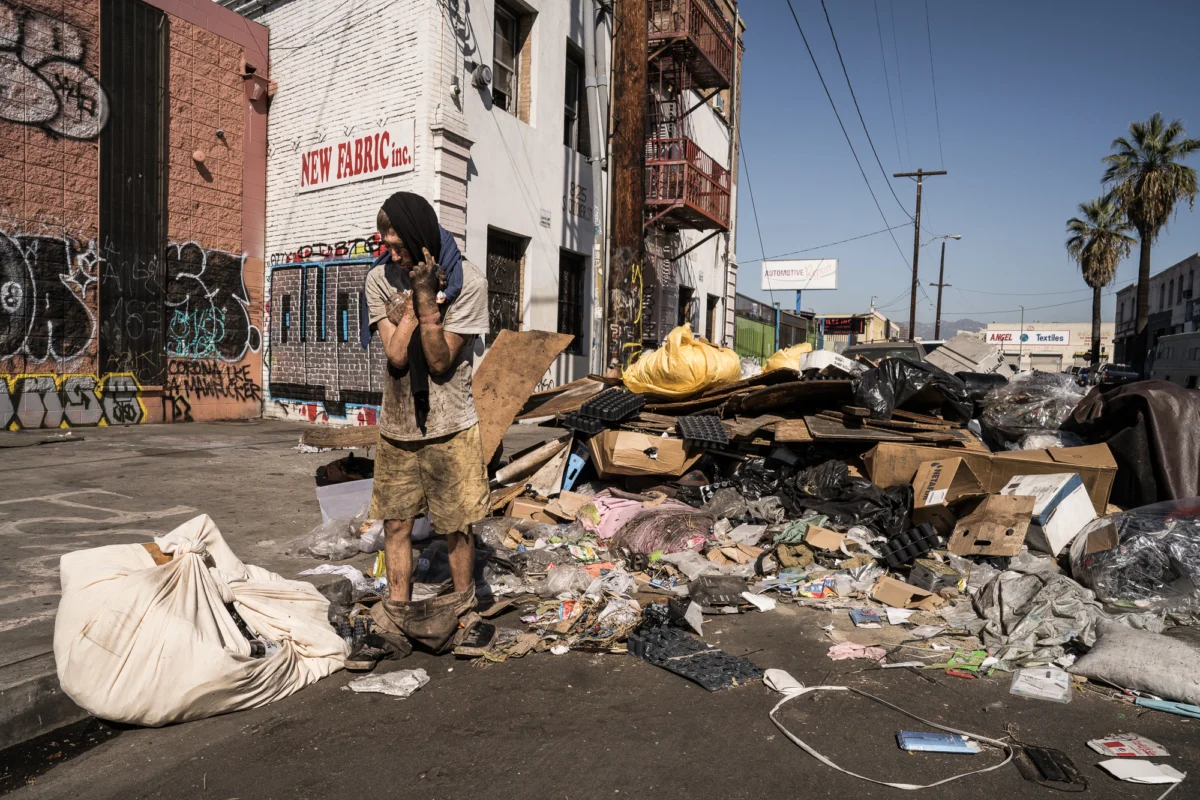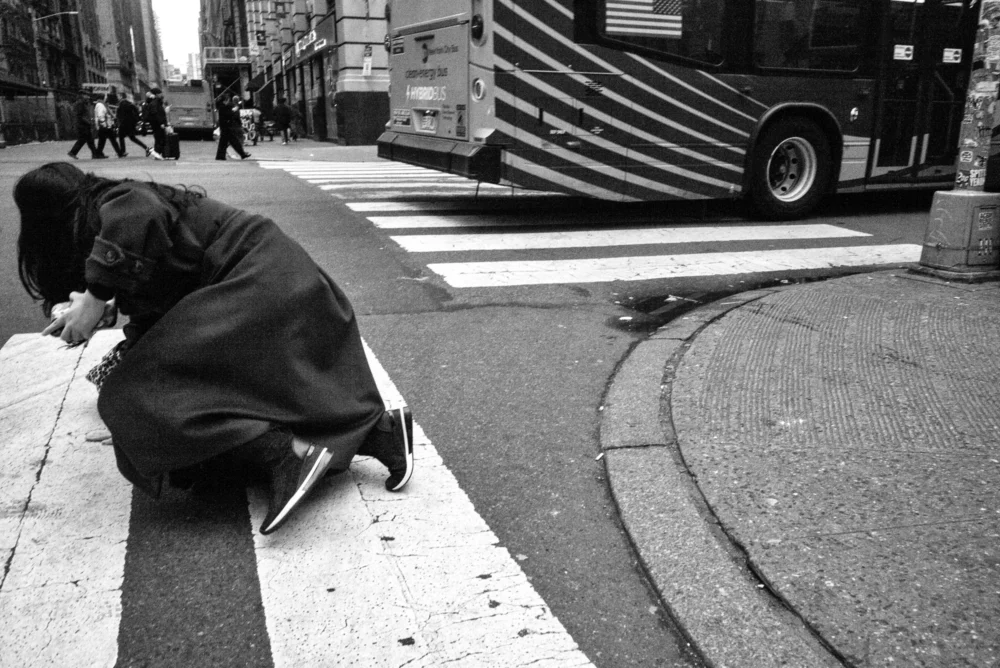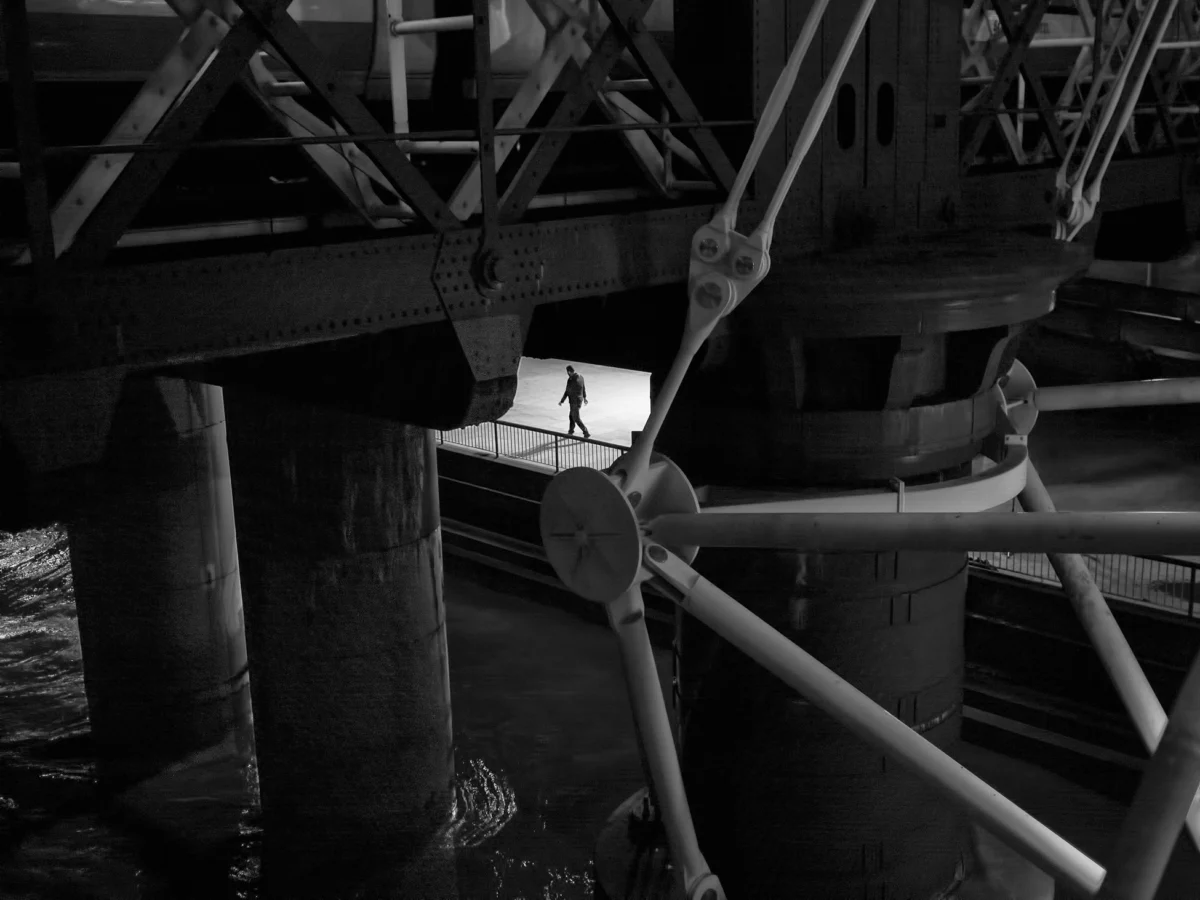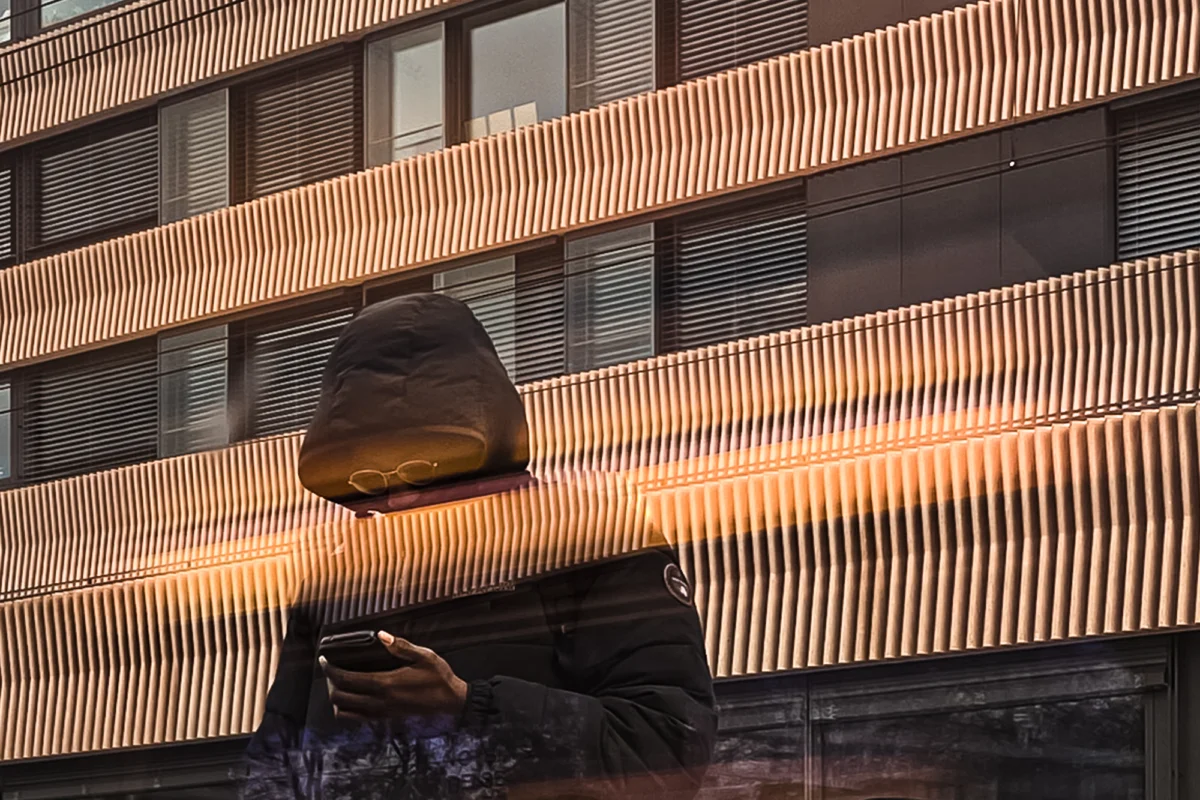
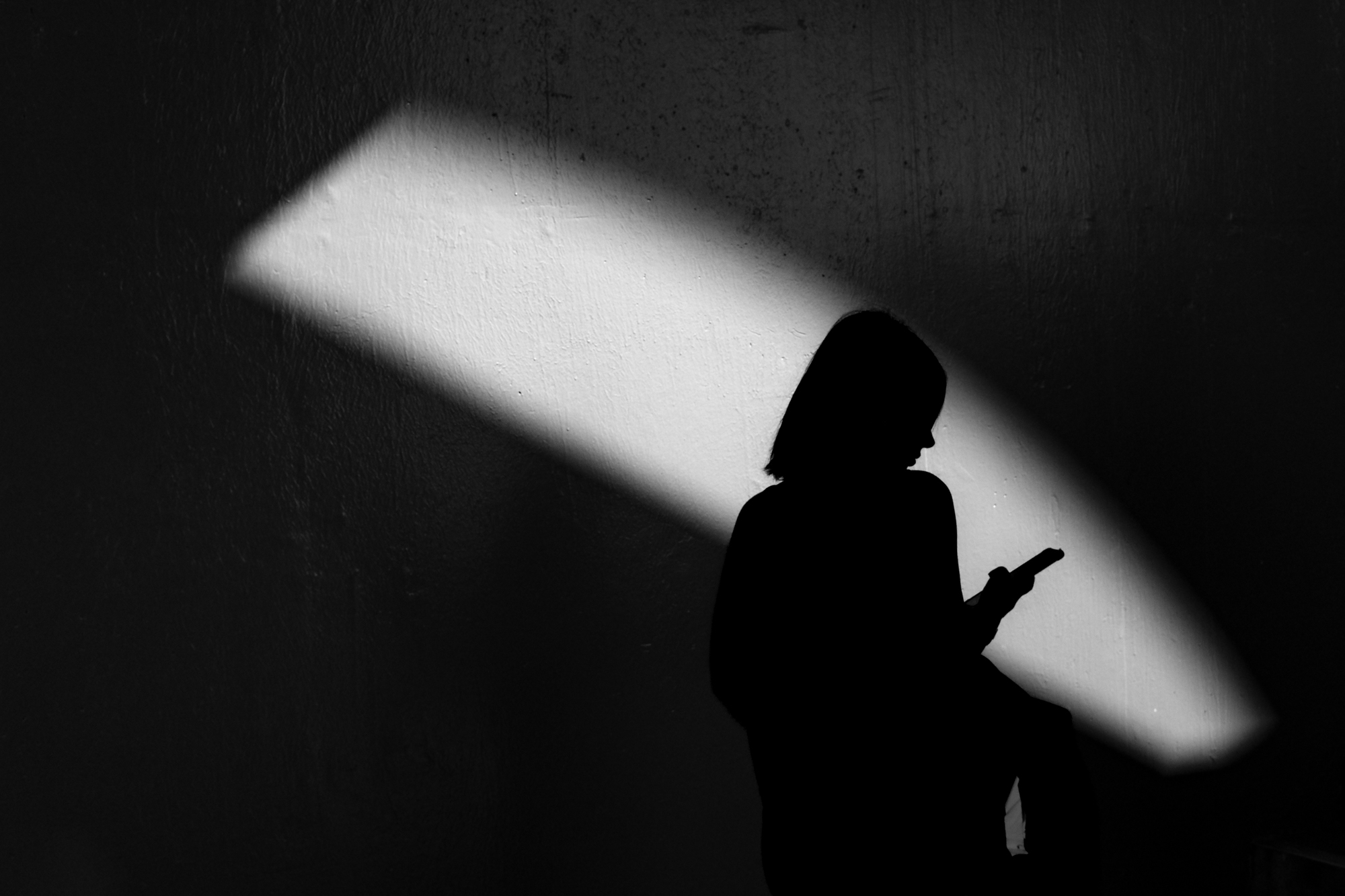
Istanbul-based photographer Gül Kanık is redefining street photography through a deeply personal and intentional approach, moving beyond mere documentation to infuse her work with emotion, narrative, and a profound exploration of the individual’s perception of the world. Her distinctive style, characterized by carefully composed silhouettes, innovative use of reflections and double exposures, and the clever integration of surrounding elements as framing devices, sets her apart in a genre often associated with spontaneous, unfiltered captures. Kanık’s journey into photography, initially a personal solace after the loss of her mother, has evolved into a deliberate practice of seeing and interpreting the urban landscape through a unique lens, one that acknowledges the subjective nature of reality: "We don’t just see the world as it is – we see it as we are."
The Genesis of a Visual Voice
Kanık’s foray into photography began not as a planned artistic endeavor, but as a coping mechanism. The profound absence left by her mother’s passing created a void that she sought to fill, and photography emerged as a tangible anchor during a difficult period. "At the beginning, I was just taking photos without thinking too much about technique," Kanık recalls. This initial phase was one of pure exploration, driven by an instinctual need to create. As she continued to practice, a natural evolution occurred. "Over time, I became more aware of light and composition. So these approaches developed naturally as I practiced more." This organic progression highlights a core tenet of her artistic philosophy: that technique should serve the vision, rather than dictate it.
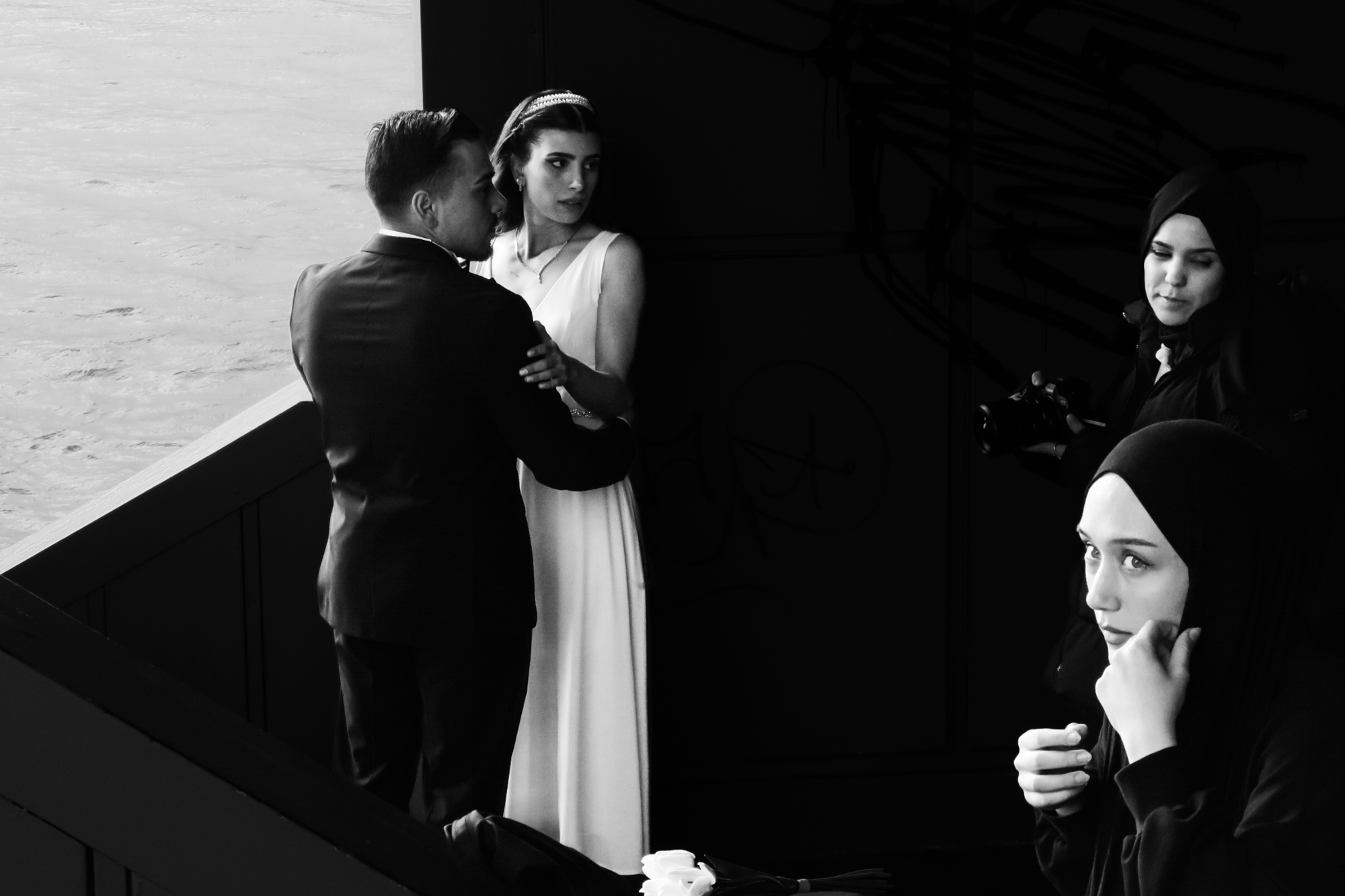
Her philosophy is deeply rooted in the understanding that personal experience shapes perception. This realization, "We don’t just see the world as it is – we see it as we are," has become a guiding principle. It underscores her belief that each street photograph is not merely a snapshot of an external reality, but a reflection of the photographer’s internal state, their mood, their history, and their unique way of processing the environment.
Cultivating Connection and Intentionality
Kanık’s engagement with the urban environment is not dictated by rigid schedules or predetermined objectives. Instead, it is a process of attunement, a response to moments when she feels a genuine connection to the city. "Usually, I find myself taking photos when the light is interesting or when there is a contrast – like calm vs chaos, light vs shadow, or people lost in their own world. These moments pull me in," she explains. This suggests a photographer who is not actively hunting for subjects, but rather waiting for the environment to present its own compelling narratives, aligning with her belief in the power of patience and presence.
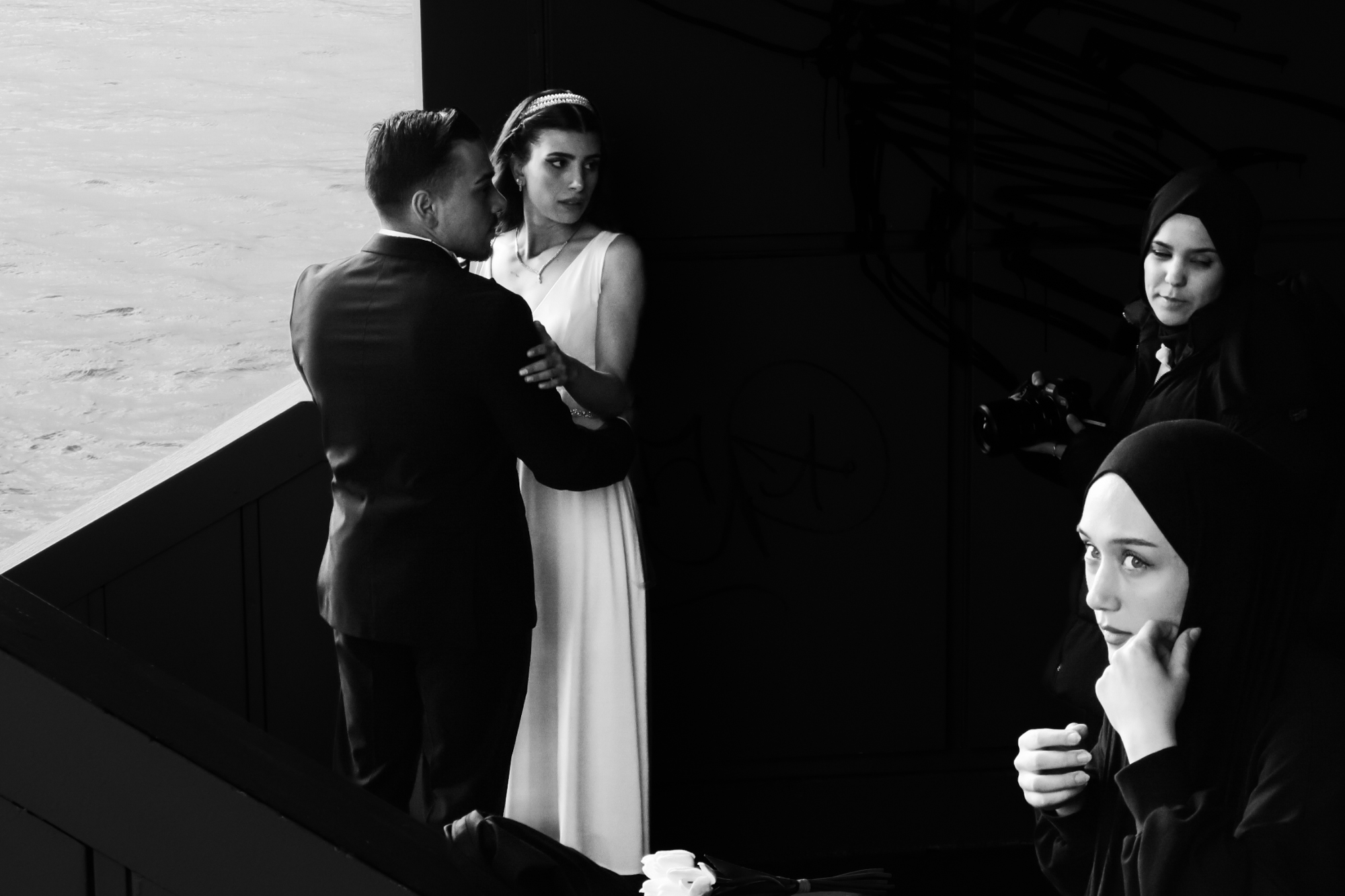
Rather than aggressively pursuing fleeting moments, Kanık emphasizes the art of anticipation. She prefers to observe and sense the potential for a photograph, allowing scenes to unfold organically. "What helps me the most is patience and being present. I don’t try to control the scene; I try to align to it," she states. This mindful approach allows her to be receptive to the subtle interplay of elements that often form the foundation of her evocative images. It’s a strategy that prioritizes the authenticity of the moment over staged perfection, a testament to her respect for the unpredictable nature of street life.
The Emotional Resonance of Street Photography
While street photography is often characterized by its documentary aspect, Kanık consciously injects an emotional dimension into her work. This deliberate pursuit of emotional resonance is a significant departure from a purely objective approach. She utilizes creative techniques such as shadows, silhouettes, and framing not merely as compositional tools, but as means to evoke specific feelings and guide the viewer’s interpretation. "Shadows can create mystery, silhouettes can make a scene more universal, and framing helps guide the viewer’s eye. I try to use them in a natural way, not forced," she elaborates.
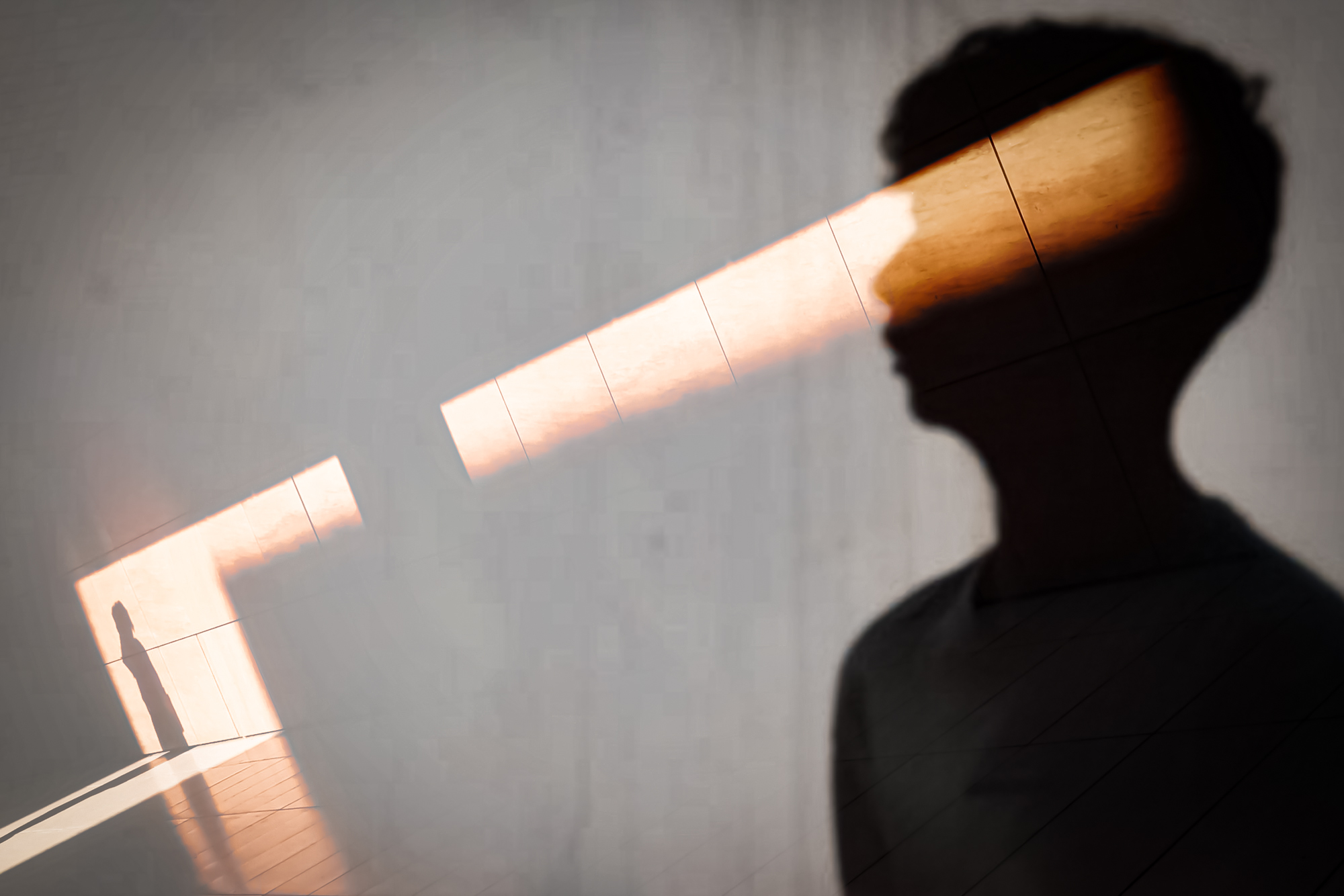
Her preference for minimalism further amplifies the emotional impact of her images. By stripping away extraneous details, she directs the viewer’s attention to the core of the scene, allowing a single element or a subtle contrast to carry significant weight. "Less is more," she stresses, believing that an uncluttered frame can convey more profound meaning and emotion. This approach transforms ordinary scenes into portals of discovery, inviting viewers to appreciate the "treasure trove of unnoticed art that unfolds every day." Kanık’s work thus challenges the conventional boundaries of street photography, demonstrating its capacity to be deeply personal and emotionally resonant.
Influences and the Pursuit of the "Non-Standard within the Standard"
Kanık’s artistic development has been significantly shaped by her engagement with the works of celebrated street photographers, each contributing a distinct facet to her evolving vision. Alex Webb’s mastery of complex, layered compositions, rich with color and interaction, has inspired her to explore the multi-narrative potential of a single image. "His work shows that a single image can carry more than one story at the same time," she observes.
The emotional depth and poetic atmosphere in Saul Leiter’s photography have resonated deeply with Kanık, influencing her appreciation for subtle details and the power of simplicity. Leiter’s innovative use of color, reflections, and minimalist compositions has encouraged her to seek out the quiet, introspective moments within the urban fabric. "It made me more aware of subtle details and the power of simplicity," Kanık notes.
Vivian Maier’s legacy, characterized by her ability to capture honest, unfiltered moments with an acute sense of observation, provides a benchmark for authenticity. Kanık admires Maier’s "strong sense of authenticity and observation," which aligns with her own quest to reveal the genuine human experience in her photographs.
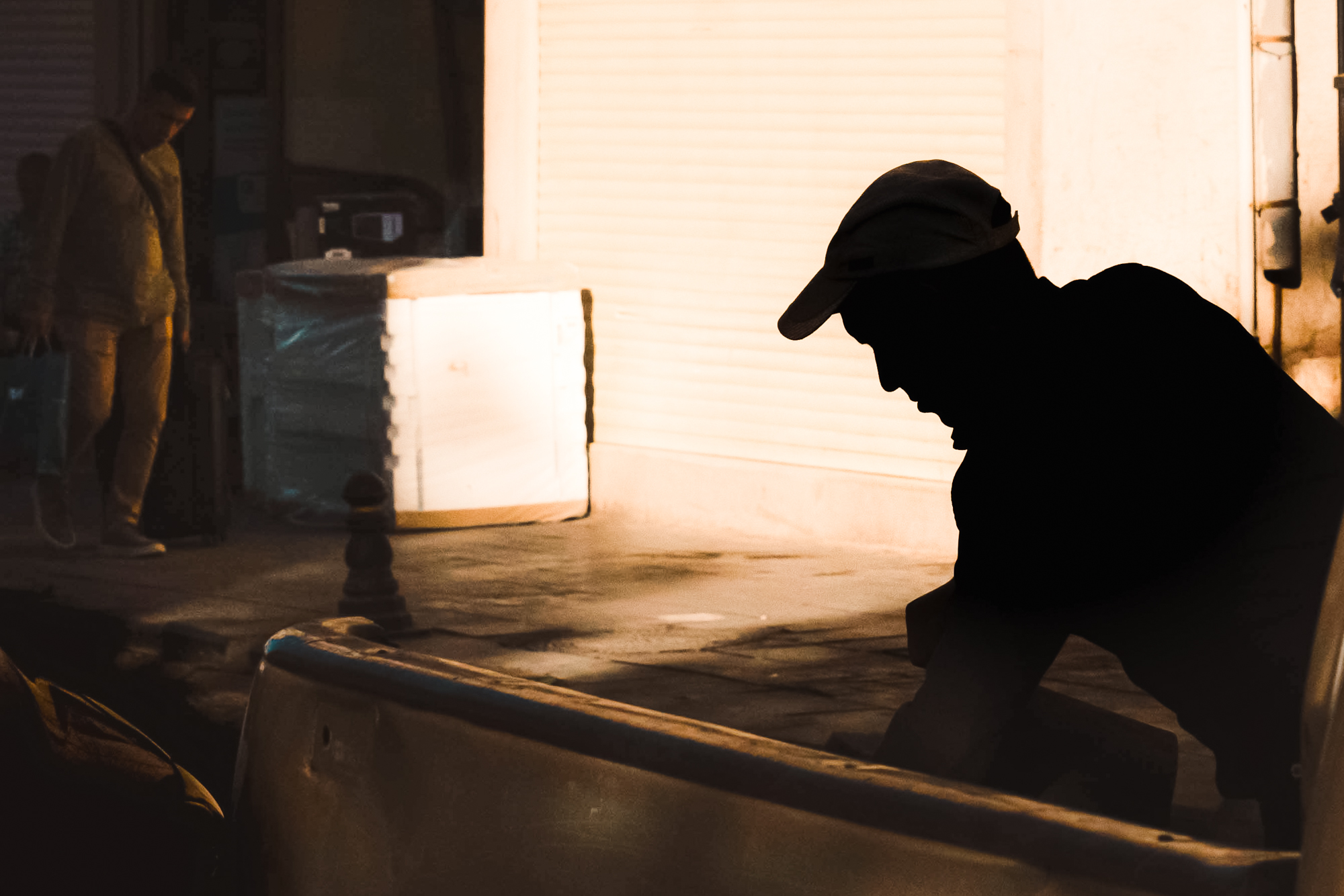
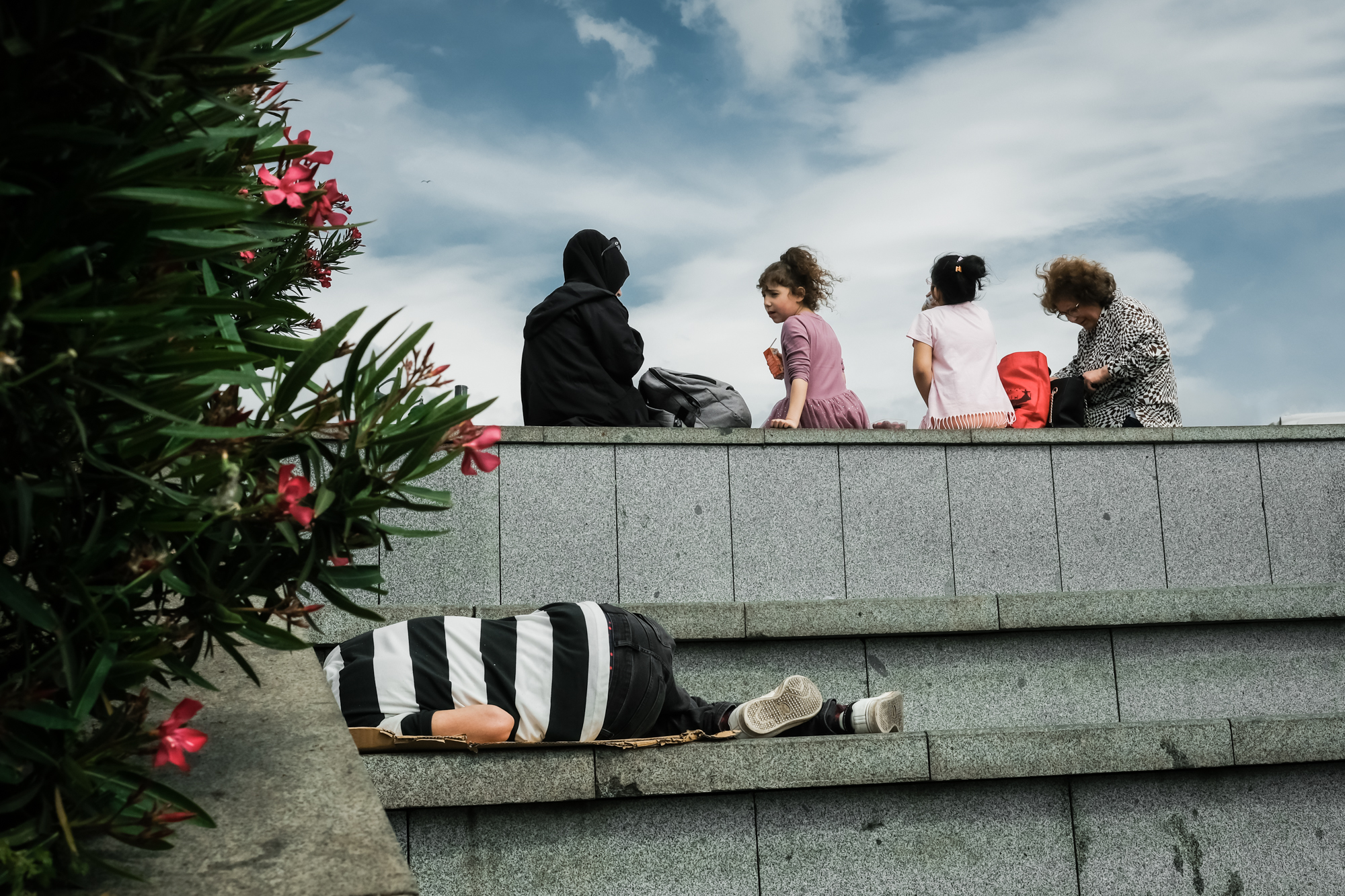
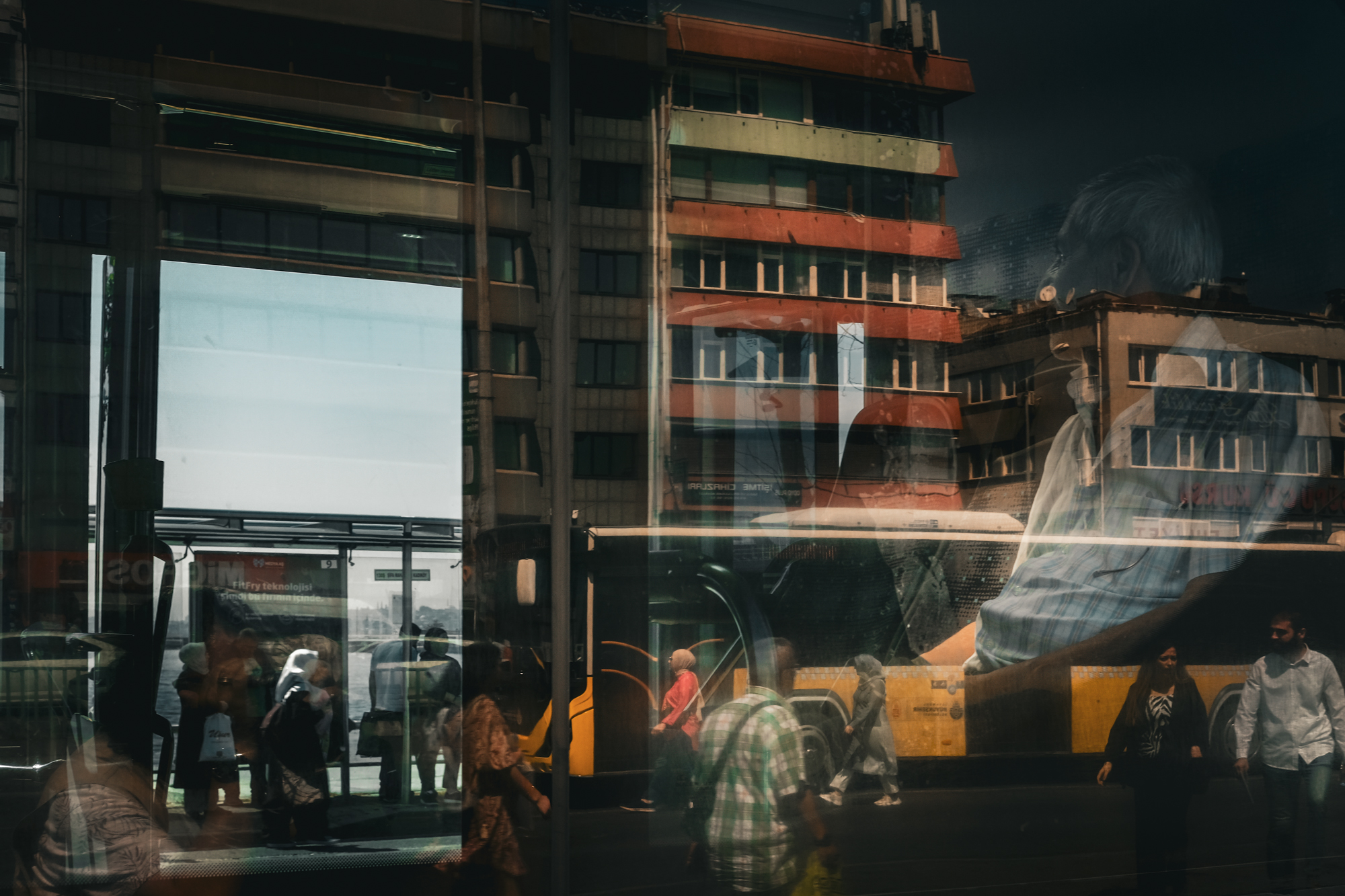
The common thread among these influential figures, Kanık identifies, is their capacity to discern and capture the extraordinary within the mundane. This realization has become a cornerstone of her own photographic pursuit. "I’m always searching for the ‘non-standard within the standard’ trying to reveal something unexpected in everyday life," she states. This philosophy drives her to look beyond the obvious, to seek out the subtle deviations and unique perspectives that imbue ordinary scenes with extraordinary meaning.
Navigating the Challenges of Authenticity
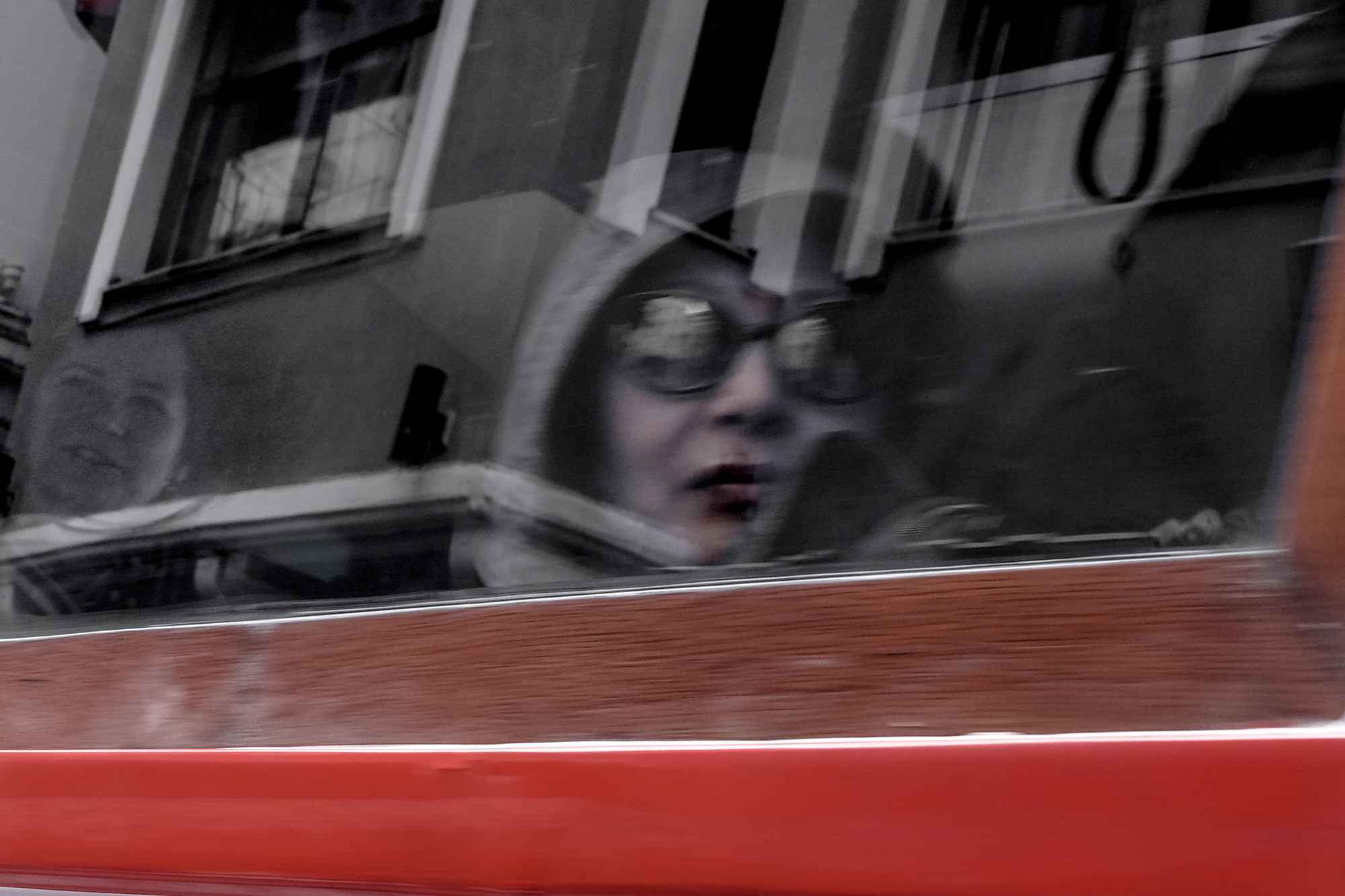
The quest for authentic, unfiltered moments in street photography presents inherent challenges, a reality Kanık navigates with patience and resilience. The awareness of being photographed can alter the natural flow of a scene, leading to missed opportunities. "Sometimes, people notice the camera and the moment changes," she explains, highlighting the delicate balance between observer and participant.
Furthermore, the creative process is not always linear or consistently fruitful. "Not everyday is inspiring – some days nothing works," Kanık admits. Her strategy for overcoming these creative droughts is rooted in acceptance and sustained effort: "To deal with this, I stay patient and accept that not every walk will result in a great photo." This pragmatic outlook underscores her dedication to the craft, recognizing that inspiration often arrives through consistent engagement rather than immediate gratification.
A Personal Narrative in Nepal: The Intentional Frame
A particularly illuminating example of Kanık’s intentional approach comes from a personal experience in Nepal. While on a trip with her mentor, Cenk Gençdi, she encountered a breathtaking sunset vista in Nagarkot, with Mount Everest visible in the distance. The scene was undeniably spectacular, but Kanık felt it lacked a crucial element. "It felt too empty," she described. Recalling her mentor’s emphasis on framing, she didn’t simply document the grand landscape. Instead, she actively sought a detail within the existing scene that could transform its narrative.
Her attention settled on a simple lamp hanging from the balcony structure. The inclusion of this seemingly minor element fundamentally altered the photograph. "Including that small element completely changed the photograph. It gave the frame depth, balance, and a stronger story," Kanık explained. This act of intentional framing elevated the image from a mere landscape to something more personal and meaningful. It was in this moment that she truly grasped her artistic direction: "It was the moment I understood that I’m not just capturing what is in front of me – I’m always searching for the ‘non-standard within the standard.’ Even in the most perfect view, I’m drawn to the small detail that changes everything." This experience, though not strictly street photography in its location, solidified her commitment to imbuing every frame with a personal touch and deliberate intent.
The City as a Surface: Revealing the Inner World
For Kanık, street photography transcends the simple act of capturing external events; it is a means of externalizing her internal landscape. "The city is just the surface – what I’m really capturing is something much more personal," she asserts. Each photograph becomes a vessel for her emotions, her unique perspective, and her inner world. This profound connection between the photographer and the subject allows her to multiply aspects of herself within her art.
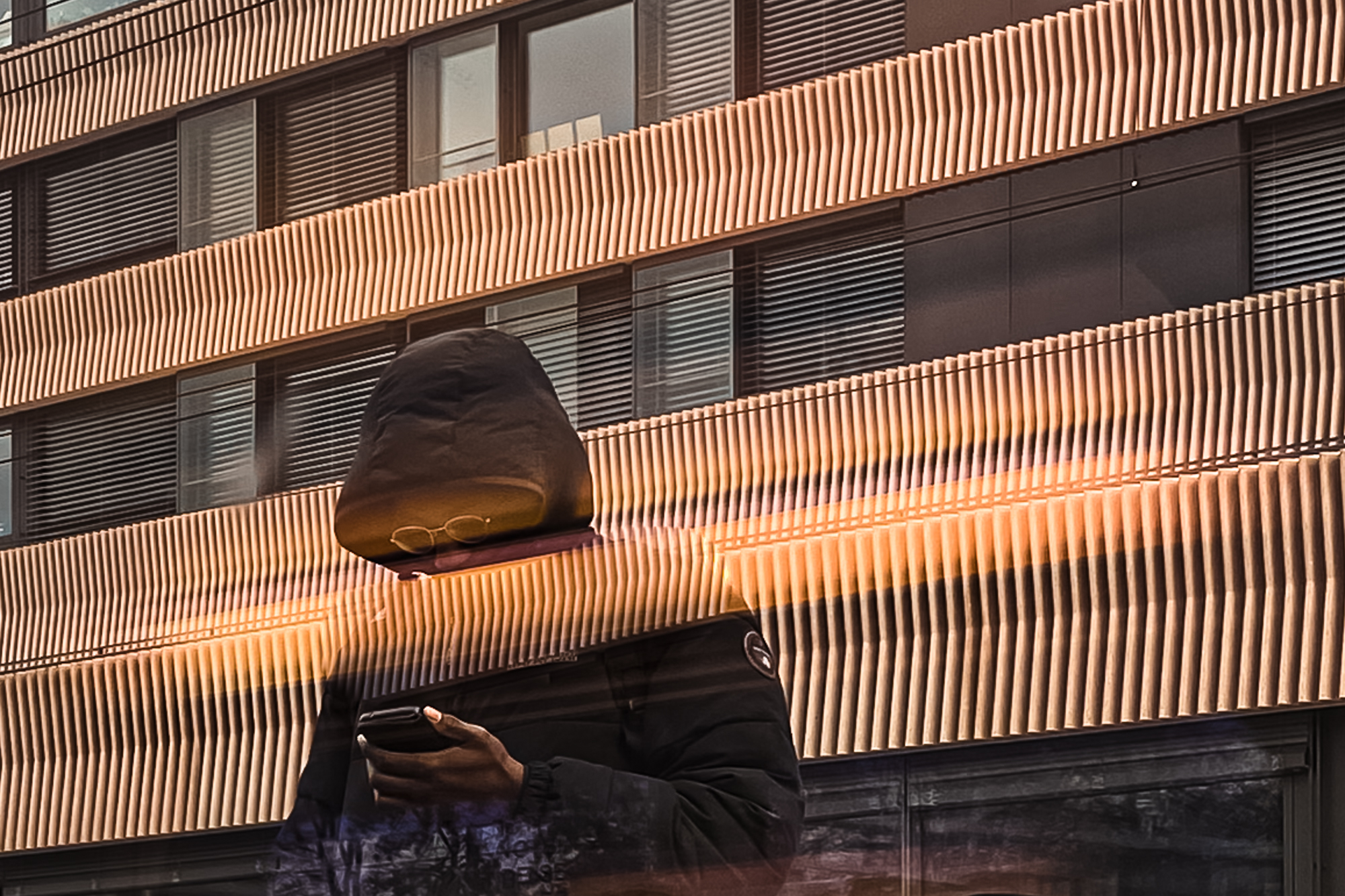
Her artistic objective is not to present the extraordinary, but to uncover the inherent uniqueness within the familiar. "I don’t try to show something extraordinary. Instead, I try to reveal the hidden uniqueness within the familiar, and show that even the most standard scenes can hold something deeply personal and unexpected," she concludes. This philosophy underscores her belief that the most profound narratives often lie concealed within the everyday, waiting to be illuminated by an observant and intentional eye.
Gül Kanık’s work stands as a testament to the evolving nature of street photography, demonstrating its potential for introspection and emotional depth. Through her deliberate and personal approach, she invites viewers to look beyond the surface of urban life and discover the universal narratives and profound emotions that resonate within the seemingly ordinary. Her dedication to finding the "non-standard within the standard" continues to enrich the genre, offering a compelling vision of how personal perception can transform the world we see.
Readers interested in exploring more of Gül Kanık’s distinctive street photography can follow her on Instagram at http://instagram.com/kaniklaringul.