Kolkata-born photographer Ayanava Sil has carved a distinctive niche in the world of street photography, transcending the mere act of capturing fleeting moments to delve into the profound narratives woven into the fabric of everyday life. What began as a nascent curiosity, fueled by self-teaching and a growing fascination with photographic techniques, has evolved into a deeply resonant artistic practice. Sil’s journey, marked by influential encounters and a persistent dedication to observational storytelling, offers a compelling insight into the evolution of a self-taught artist who views his camera not just as a tool, but as an extension of his perception, allowing him to document and interpret the world with an artist’s eye and a storyteller’s heart.
The Genesis of a Street Photographer: From Curiosity to Craft
Like many who find their calling in street photography, Sil’s initial engagement with the camera was born from a spark of curiosity. Initially tasked with capturing family gatherings and celebrations, he soon found himself drawn to the technical intricacies of photography. This burgeoning interest propelled him to explore various camera settings and experiment with different techniques to elevate his visual output. The camera, once a mere device for recording events, gradually transformed into an indispensable tool for creative self-expression and a means to articulate his unique perspective on the world.
Sil recalls his early days, stating, "I began experimenting on my own and watching YouTube videos to learn more about the technical side of photography." He specifically cites the popular YouTube channel DigitalRev TV and its charismatic host Kai Wong as significant influences. Wong’s energetic and humorous approach to camera reviews, often conducted while navigating the bustling streets of Hong Kong and capturing candid moments, provided Sil with a crucial lesson in unobtrusive photography. "Through his videos, I learned how to capture natural moments without disturbing the scene or making people uncomfortable," Sil explains, underscoring the ethical considerations that began to shape his burgeoning practice.
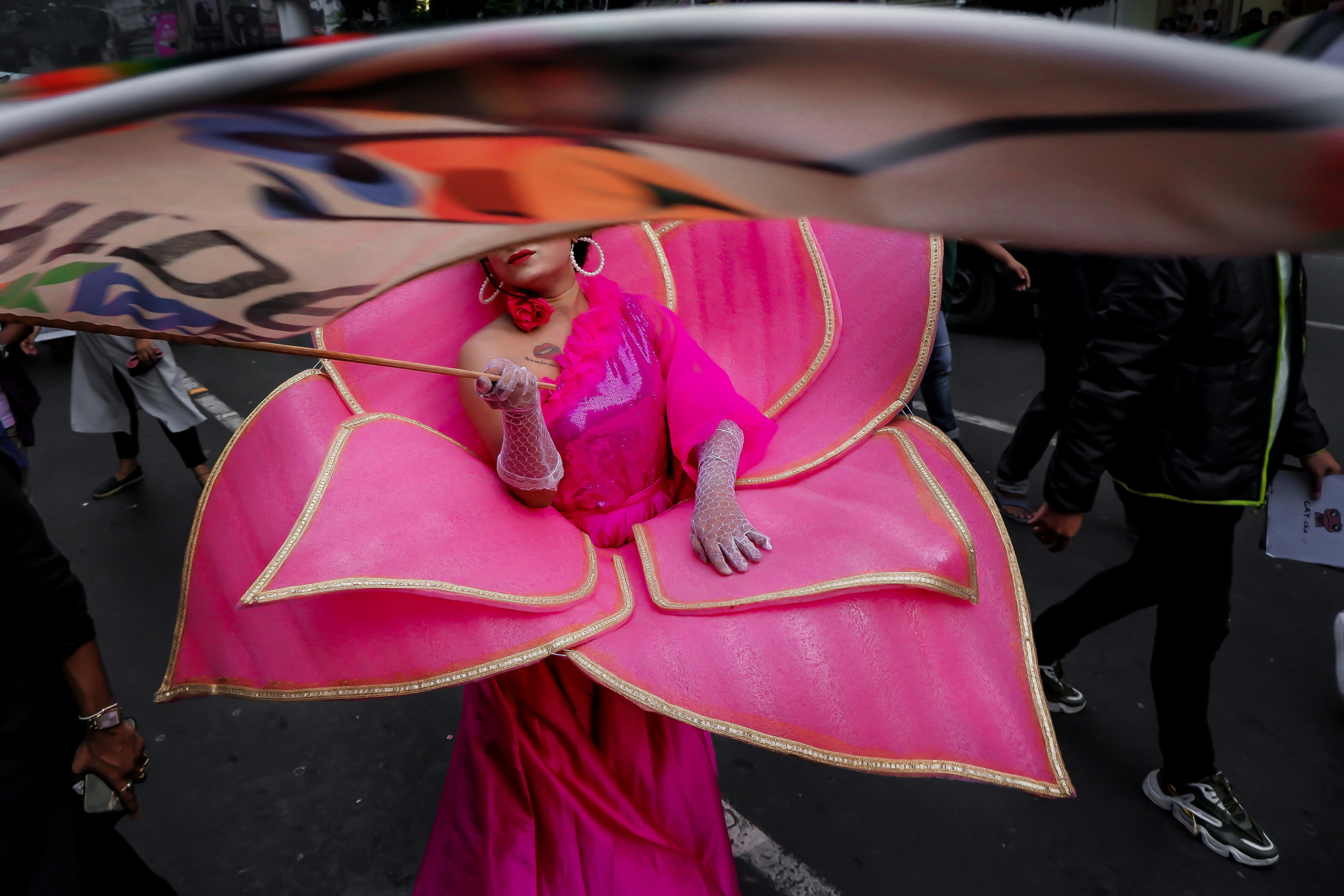
However, the true paradigm shift in Sil’s understanding of street photography occurred with his discovery of the APF Street Photography Magazine. This publication opened his eyes to the power of visual storytelling, demonstrating how ordinary street scenes could be transformed into meaningful narratives through a combination of astute timing, keen observation, and the evocation of emotion. The magazine showcased a global community of photographers who elevated the mundane to the extraordinary, solidifying Sil’s aspiration to move beyond simple documentation.
The Turning Point: Finding Depth in the Familiar
A pivotal moment in Ayanava Sil’s photographic evolution came with his encounter with the work of fellow Kolkata street photographer Soumya Shankar Ghosal. Ghosal’s evocative images of their shared city resonated deeply with Sil, prompting a profound re-evaluation of his surroundings. "His photographs stayed with me because he was photographing the same city I knew so well, the streets I had grown up around and walked through every day," Sil reflects. This realization was transformative, challenging his prior belief that compelling photographic subjects could only be found in distant or exotic locales. "Until then, I believed I had to travel somewhere special to find something worth photographing."
Once Sil grasped the profound truth that stories and capture-worthy moments unfolded continuously on the streets he traversed daily, his initial curiosity blossomed into a fervent passion for street photography. He recognized the inherent dynamism of urban environments, with their unpredictable and ever-changing scenes, and understood the imperative to be present and ready to capture these ephemeral instances.
Consequently, Sil attributes a significant portion of his growth as a self-taught street photographer to the simple yet consistent act of being out and shooting. This routine extended beyond mere technical practice; it provided a fertile ground for learning from mistakes and contemplating alternative approaches. By amassing a substantial portfolio of images, Sil gained invaluable insights into what worked photographically and what did not, fostering a continuous process of self-reflection and refinement.
Mastering the Art of Observation: Beyond the Fleeting Moment
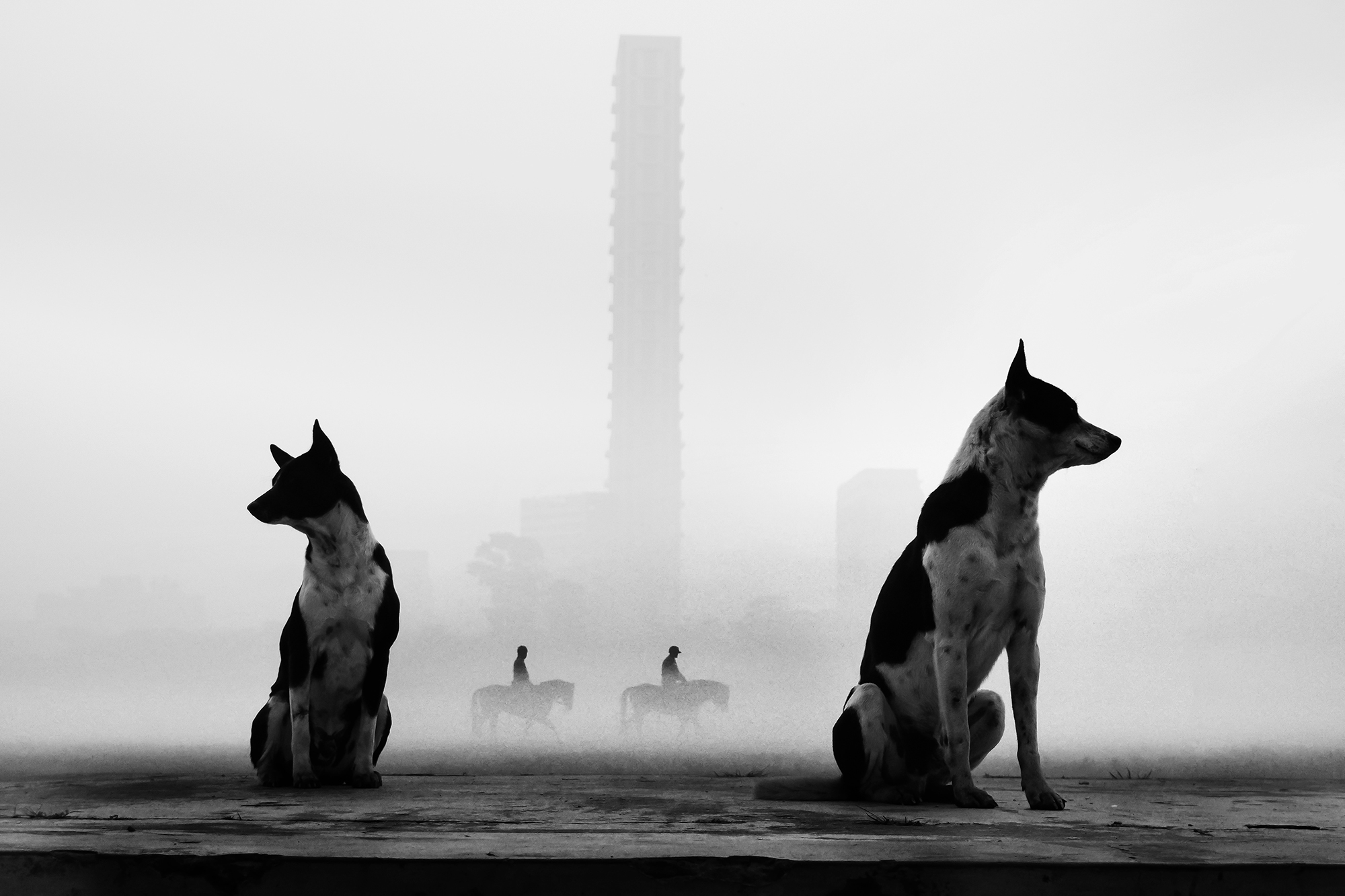
A significant lesson Sil learned on his journey was the importance of patience and deliberate observation. "One of the biggest lessons for me has been learning to slow down," he states. "When I first started, I was always looking for dramatic moments and often took far too many photographs." He also acknowledges the initial challenge of balancing his admiration for other photographers with the development of his own distinct style. "I was also heavily influenced by photographers I admired, and sometimes I tried too hard to photograph in a style that resembled theirs."
This period of intense self-examination led to a crucial realization: street photography is not solely about the frantic pursuit of a decisive moment. "Sometimes, it is about finding a promising scene and waiting for something to happen within it," Sil explains, articulating a philosophy that emphasizes stillness and anticipation. This approach allows for a more nuanced and often more impactful capture, where the photographer becomes a patient observer of unfolding human drama.
The Craft of Visual Storytelling: Composition and Artistic Intent
For Ayanava Sil, street photography is an ongoing process of learning and artistic development. He embraces the evolution of his style, allowing it to develop organically rather than imposing rigid constraints. While he may not adhere to a fixed creative process, a consistent thread throughout his work is the deliberate intention to infuse his photographs with an artistic quality, whether they are categorized as street or documentary images.
"I feel that an artistic approach can give an ordinary moment more life and make the photograph more engaging," he notes. This artistic sensibility elevates everyday scenes, transforming them from fleeting snapshots into compelling narratives that resonate with viewers. Even when he doesn’t begin with a specific image in mind, his approach ensures that slices of life are presented as engaging stories rather than disposable images.
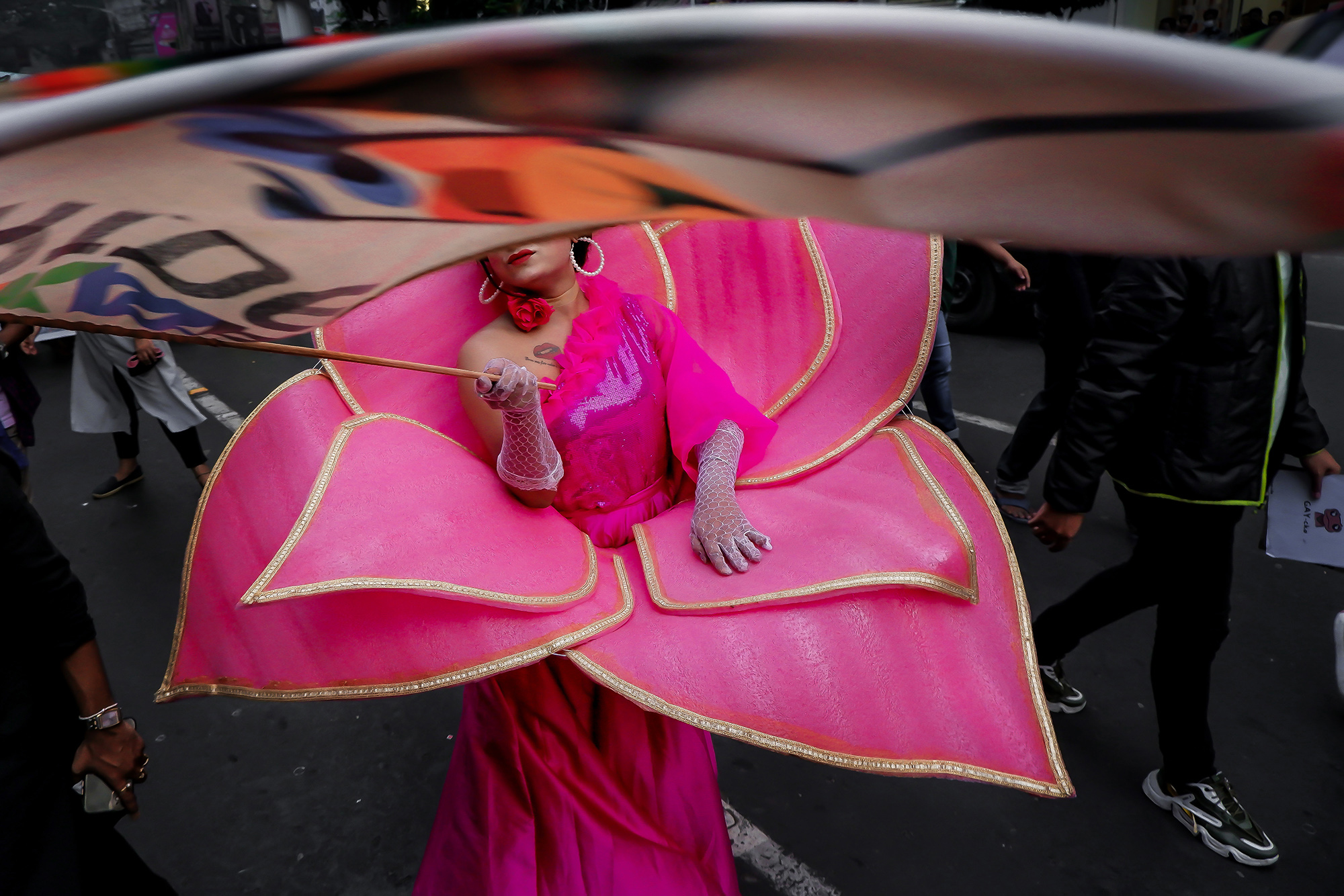
Composition plays a crucial role in Sil’s visual storytelling. He meticulously crafts his frames, striving for clarity and purposefulness. "By keeping the frames as clean and purposeful as possible, his compositions become strong and distraction free, allowing him to direct the viewer’s attention to the important elements of the image," he explains. Through intentional compositions, Sil interprets and conveys the essence of a place and its inhabitants, capturing what he perceives as the soul of his subjects.
His methodology involves immersing himself in environments where life naturally unfolds. "I like to spend time in places where life naturally unfolds, like markets, river ghats, small alleys, festivals, events, or even quiet residential streets. I walk, observe, and try to understand the character of a place before I begin taking photographs," he elaborates. This preparatory phase is essential for developing an empathetic understanding of the context before engaging with the act of photography.
Defining the Ideal Street Photograph: The Power of Curiosity
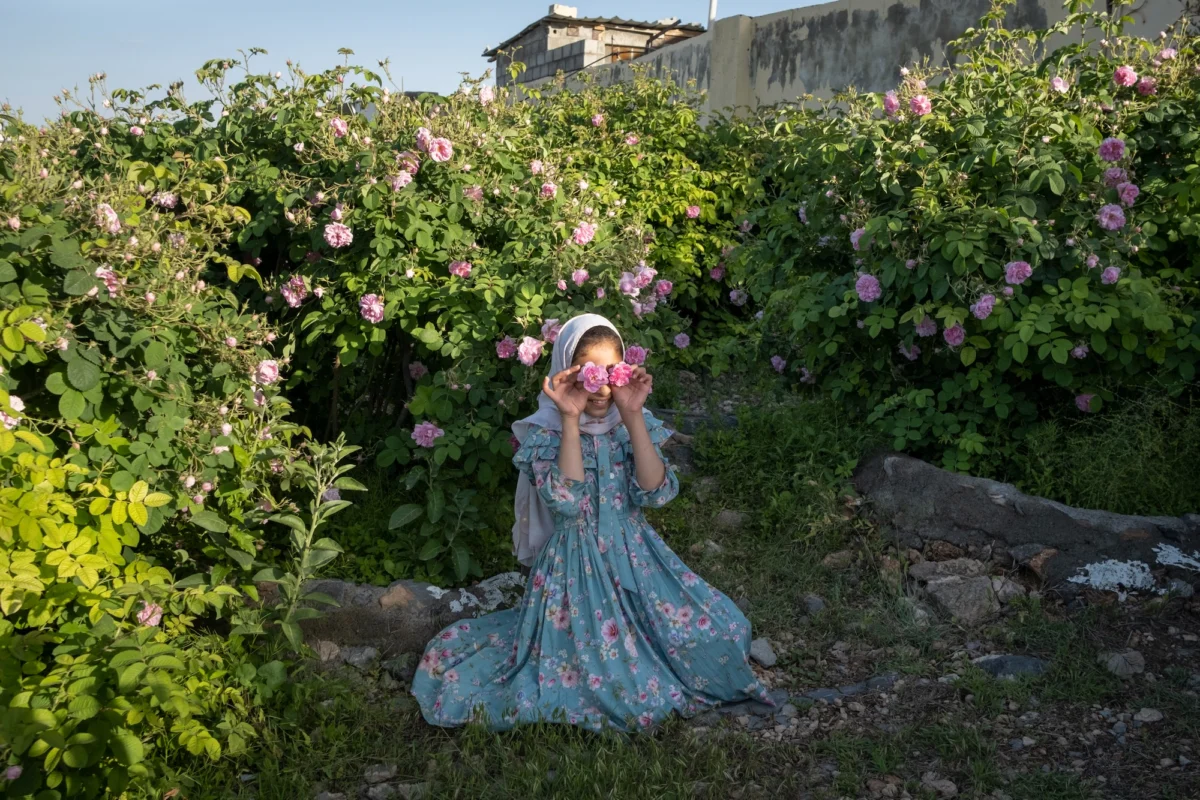
Every photographer possesses a unique set of criteria for what constitutes an ideal image within their chosen genre. For Sil, the paramount quality is its ability to spark curiosity. This does not necessarily imply an extraordinary or dramatic event. Instead, it requires an image that compels the viewer to pause and re-examine it. "There should be something in the photograph, a strong composition, a connection between elements, an emotion, or a sense of mystery, that makes me curious," Sil asserts.
This curiosity can extend to the narrative beyond the frame, prompting questions about what transpired before the shutter clicked or what might unfold in its aftermath. A strong street photograph, in Sil’s view, can either tell a clear story or leave ample room for individual interpretation, fostering a dynamic engagement between the artwork and its audience. "I think that openness is an important part of a strong street photograph," he concludes.
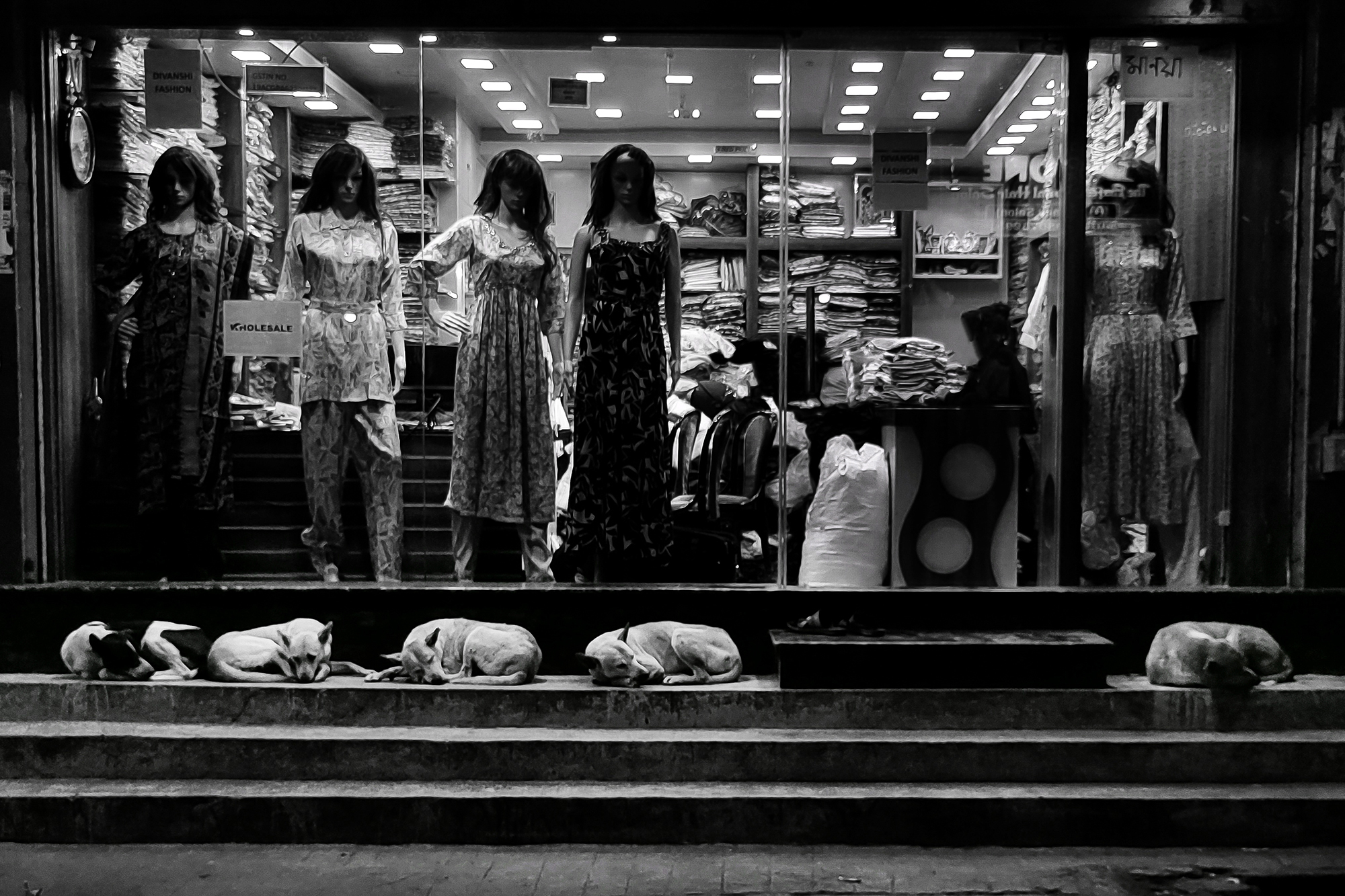
Ultimately, Sil endeavors to embody this spirit of openness and curiosity in his creative process. This receptiveness to the nuances of the street allows for a meaningful connection with his work, both as a creator and an observer. He finds profound satisfaction when a photograph retains its resonance over time. "Sometimes I make a photograph and, even years later, I can still remember exactly where I was standing, what I saw, and what I felt at that moment. When a photograph continues to hold a memory long after I have made it, I know I have captured something meaningful," he shares.
India’s Streets: A Tapestry of Tradition and Modernity
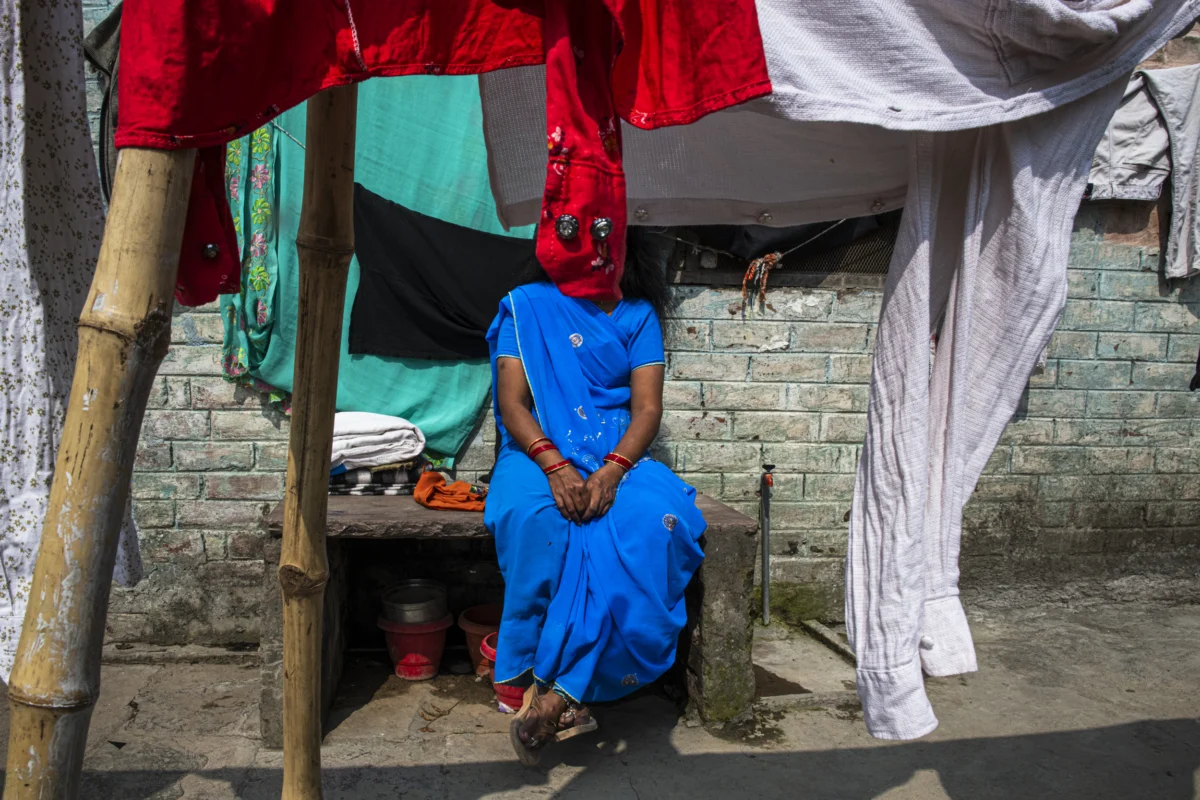
The vibrant, energetic, and often frenetic milieu of India offers a rich canvas for photographers worldwide. Ayanava Sil considers himself fortunate to experience the profound diversity present in the country’s languages, rhythms, traditions, communities, and visual characters. "Even within the same city, I can walk from one street to another and feel as though I have entered a completely different world," he remarks, highlighting the immense visual and cultural disparities that exist within relatively short distances.
While acknowledging that India is not inherently "better" or more interesting than any other location for street photography, Sil emphasizes the unique confluence of factors that make it particularly compelling for him. "What makes India distinctive for me is the combination of its incredible diversity, emotional openness, social complexity, and the sheer number of stories unfolding around me," he explains. This abundance of narratives, often existing just beyond the visible frame, fuels his photographic endeavors.
Photographing in India necessitates a heightened sense of sensitivity. Sil recognizes the responsibility of documenting people in their daily lives with respect, ensuring they are not reduced to mere subjects. This approach allows his photographs to convey a palpable sense of humanity, rather than solely prioritizing visual aesthetics.
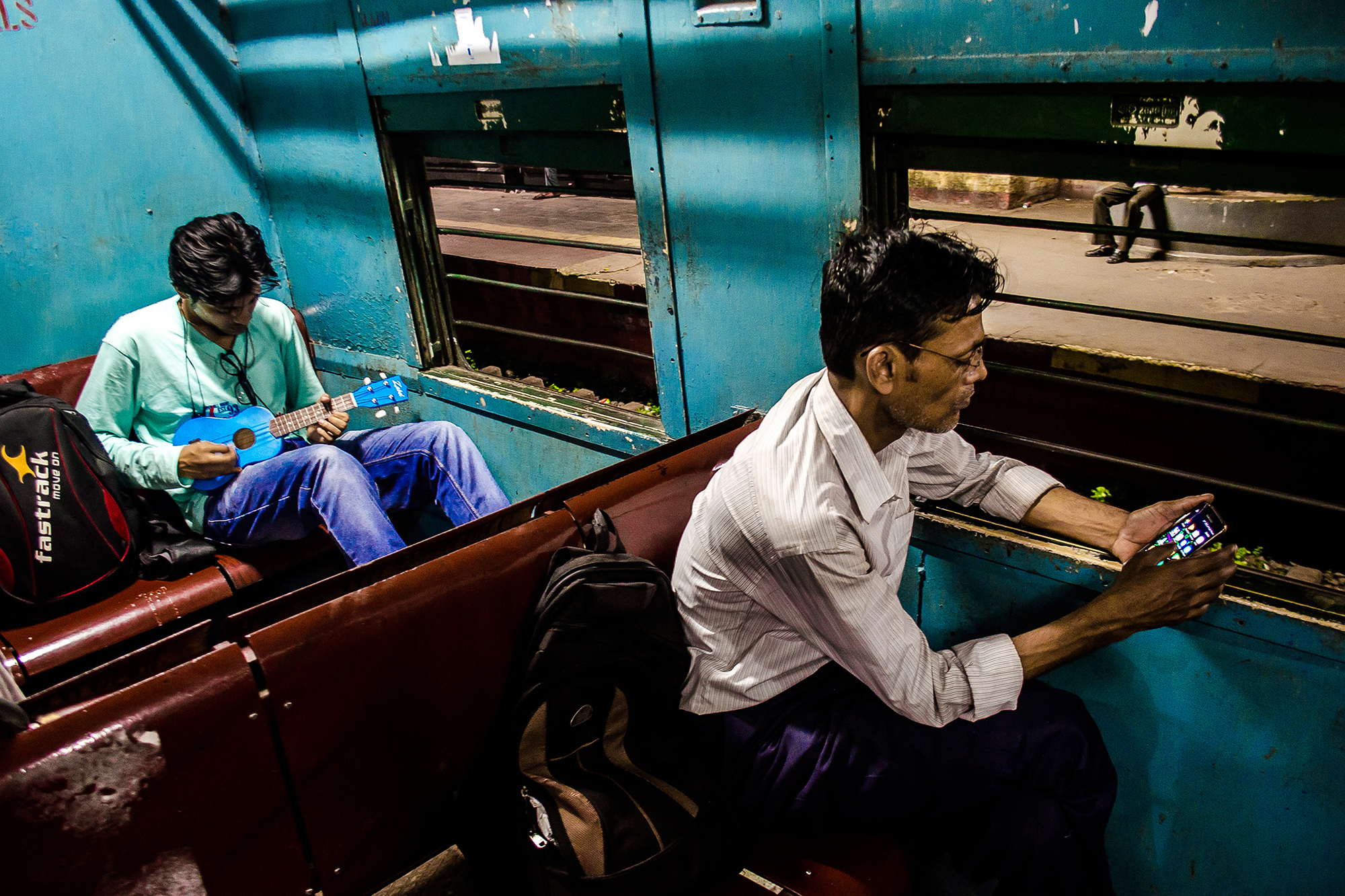
Culture and tradition are intrinsically woven into the fabric of Sil’s street photography, a natural consequence of his upbringing amidst Kolkata’s diverse traditions, festivals, rituals, and practices. However, he does not view these as separate subjects to be sought out but rather as an inseparable element of the Indian landscape. "In India, tradition does not exist separately from everyday life," he stresses. "It lives on the streets, in the way people dress, work, pray, celebrate, travel, and interact with each other."
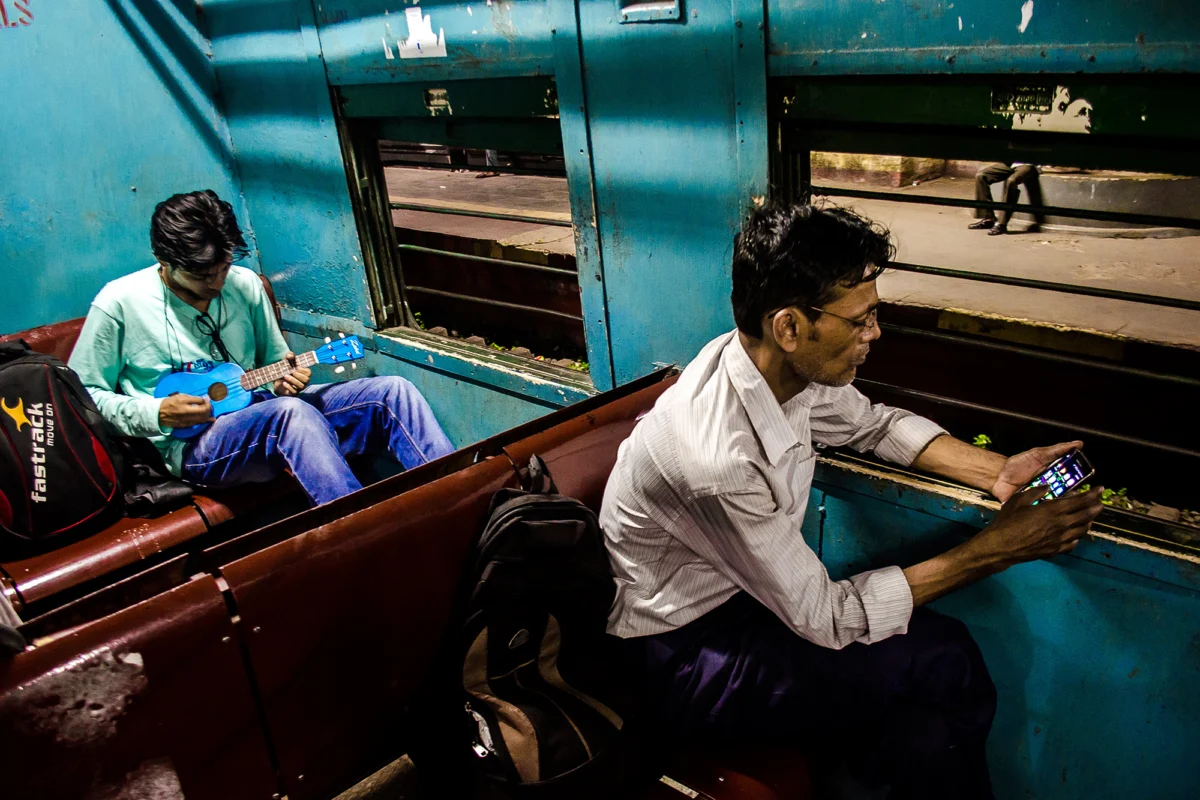
Sil is particularly fascinated by the persistent coexistence of the past and the present in India. This juxtaposition, where age-old practices occur alongside modern advancements, creates a dynamic interplay of visual and human stories. "So, I wouldn’t say that Indian culture and tradition are separate subjects in my photography. They are naturally part of the world I photograph. They shape what I notice, what catches my attention, and how I understand the people and moments in front of me. In many ways, they influence not only what I photograph, but also how I see," he concludes.
The Pursuit of Meaning: Awards as By-products, Not Goals
For many photographers, accolades represent a significant milestone, often serving as a primary motivator. However, Ayanava Sil holds a different perspective, believing that the pursuit of awards should not be the driving force behind image creation. "The moment I start asking myself, ‘Will this photograph win something?’ I feel that I stop seeing honestly. For me, the work always has to come first," he asserts.
His focus remains steadfastly on the present moment, seeking genuine connection with his subjects and surroundings. Even when he believes he has captured a strong image, he continues to observe and strive for something more profound. "I think that hunger to find the next photograph keeps me curious and prevents me from becoming satisfied too quickly," he reveals, emphasizing a perpetual drive for artistic growth.
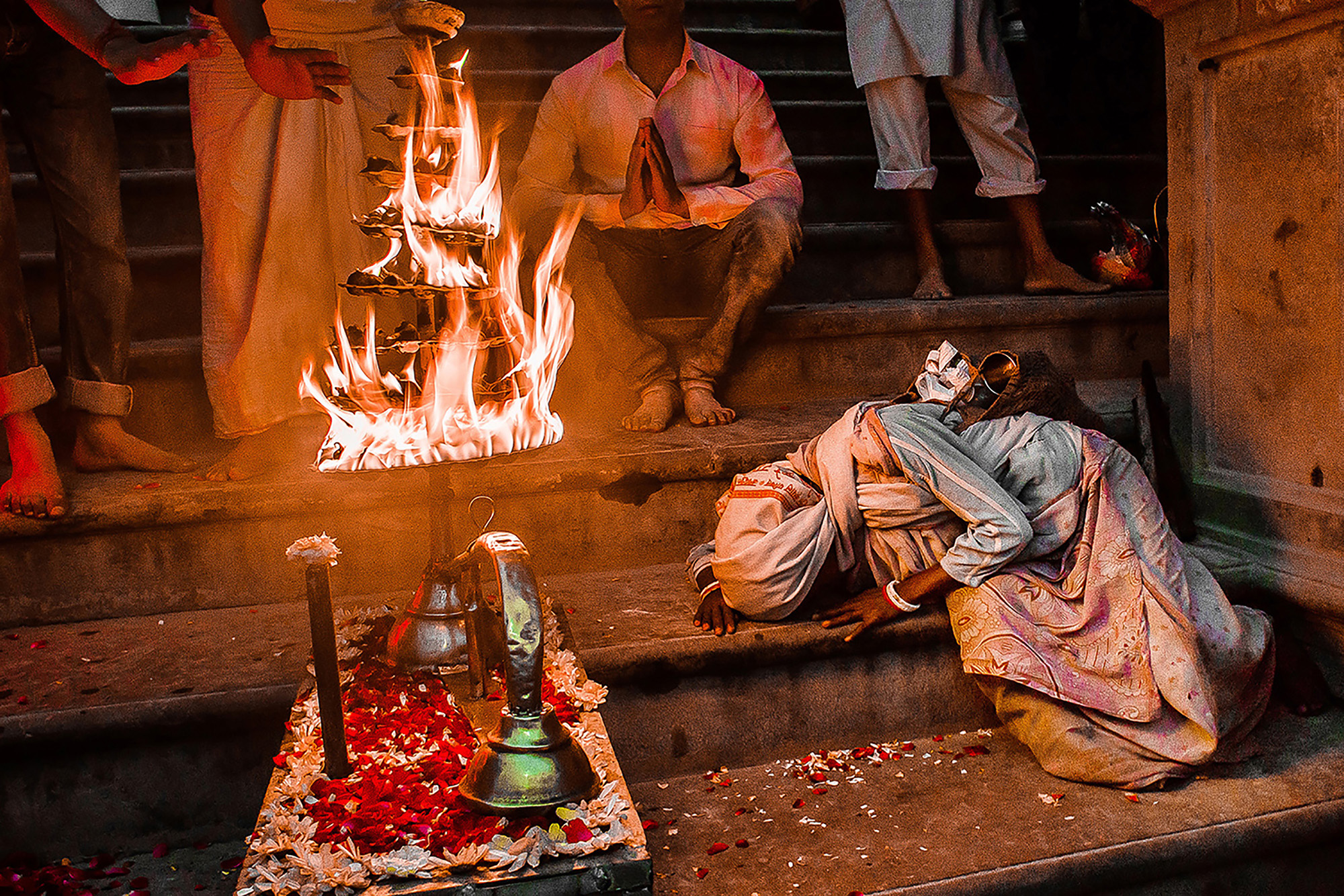
Sil’s numerous awards are a testament to his dedication to honest work and his consistent pursuit of meaningful images. While he expresses gratitude and finds encouragement in this recognition, he does not view it as the sole validation of his efforts. Instead, awards reassure him that his ability to craft stories that resonate with others is being acknowledged.
"Ultimately, I see awards as a by-product of the work, not the reason for making it," Sil states. "I continue to photograph for the same reason I started: I enjoy taking pictures, I enjoy the process of looking and discovering, and I want to create photographs that I will still care about many years from now."
"Poetry of the Ordinary": A Profound Connection
This philosophy is beautifully embodied in a photograph from Sil’s ongoing series, "Poetry of the Ordinary." Created during the pandemic lockdown, this image holds a particularly special place in his heart, representing a significant turning point in his artistic vision.
Sil recounts the story behind this deeply personal photograph: "I took it one evening when the light caught my attention and made me look at my surroundings in a completely different way. Until then, as a street and documentary photographer, I had been mainly interested in photographing people and what was happening outside. I had rarely considered photographing an ordinary space without anyone in it. At first, I wasn’t sure whether this was something I wanted to explore. But that photograph opened up a completely new way of seeing for me."
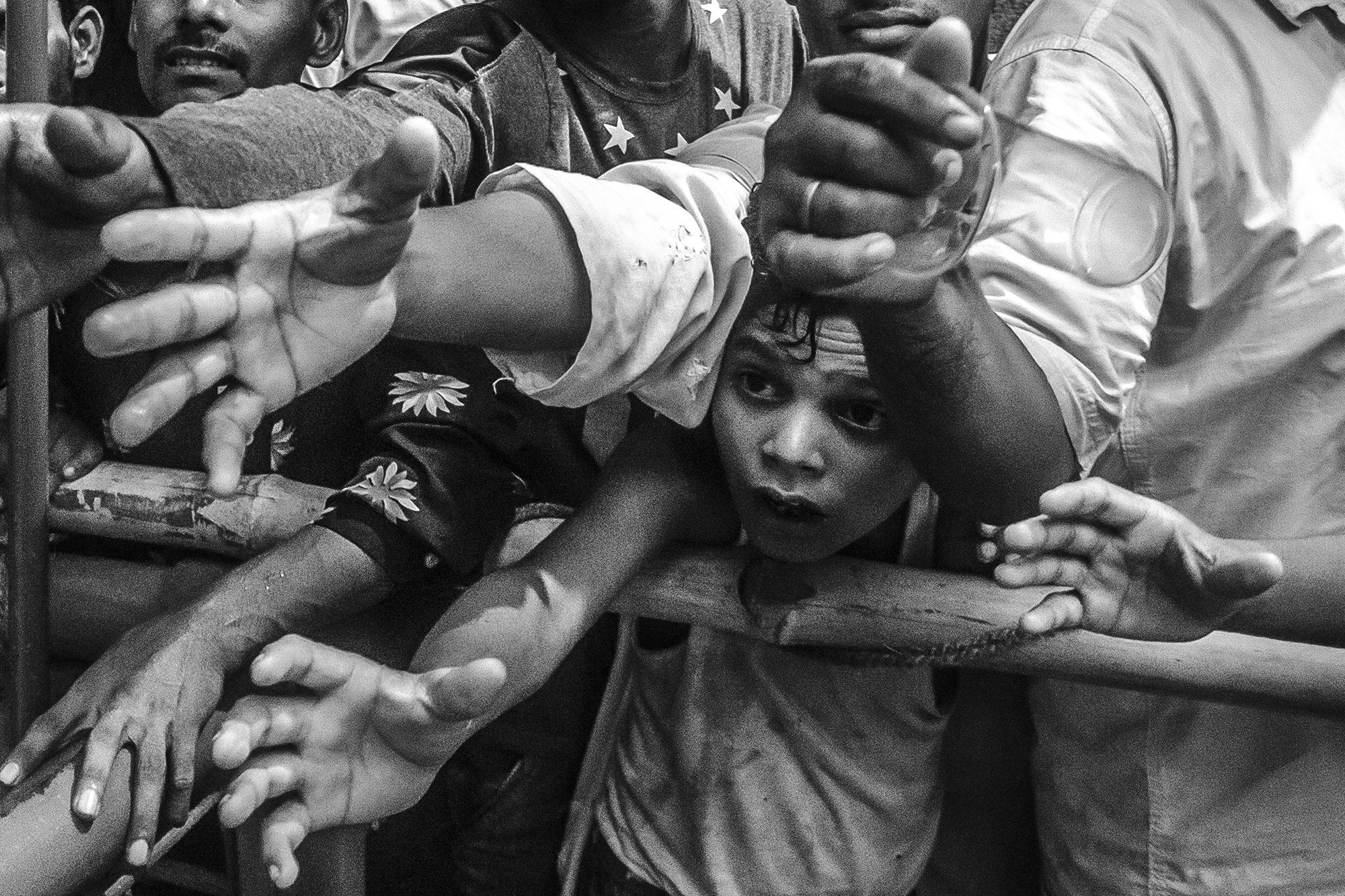
The image marked a profound shift, prompting him to discover the photographic potential within his immediate domestic environment. "I began noticing things inside my home that I had probably walked past hundreds of times, the way the light fell, the shadows, colours, patterns, frames, and the subtle relationships between objects." This realization underscored the idea that extraordinary visual narratives could be found in the most familiar of settings, requiring only a willingness to perceive them differently.
The photograph gained further significance when the legendary American street photographer Joel Meyerowitz saw it and described it as "the kind of picture I felt I could live with." These words, from an artist whose work Sil deeply admires, served as a powerful affirmation of his artistic path. "Hearing those words from a photographer whose work I deeply admire reminded me why I continue to photograph everyday life in the first place," he shares.
While he may not deem it his "best" photograph, it remains one of the most cherished, serving as a constant reminder that profound meaning can reside in the most ordinary places, waiting to be discovered through a shifted perspective.
The Unfolding Vision: A Dream Project in Varanasi
Like many artists, Ayanava Sil harbors a dream documentary or street photography project. Instead of venturing to distant or exotic locales, his aspirations remain rooted in his homeland, focusing on the diverse everyday life, culture, traditions, and people of India. His sights are set on Varanasi, an ancient city revered as the spiritual capital of India, a place he has visited twice and found to be an exceptionally rich environment for a street and documentary photographer.
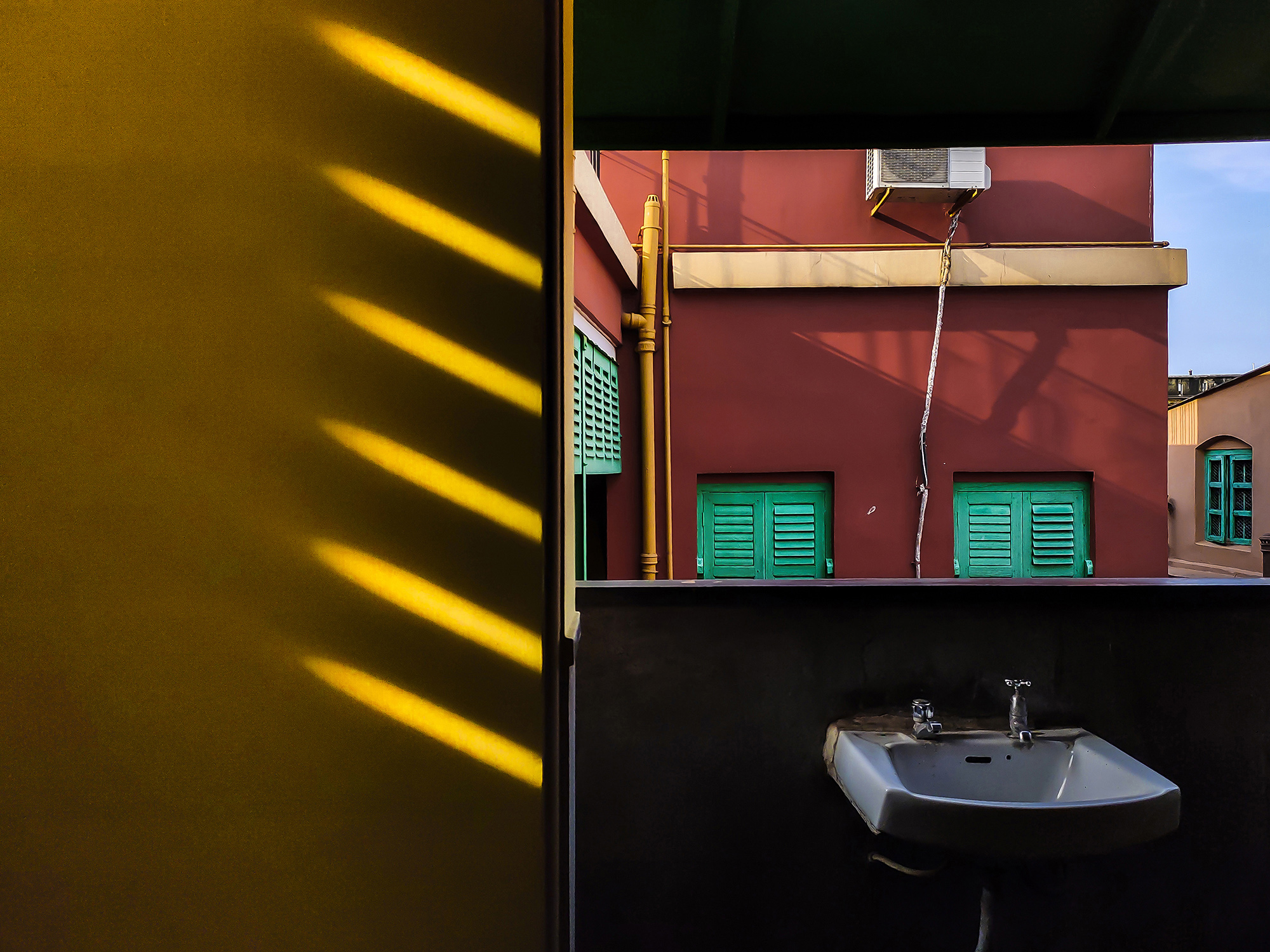
"There is something happening on almost every corner," Sil observes. "You see children playing on the ghats, priests performing rituals, families celebrating, pilgrims praying, and cremations taking place nearby. Life and death, joy and sorrow, celebration and grief all exist side by side. That contrast fascinates me deeply."
Sil envisions an extended period of immersion in Varanasi, ideally spanning different seasons, to truly absorb the city’s essence. He wants to witness its transformations under varying light conditions, during the monsoon, through its festivals and rituals, and in the constant flow of people. He acknowledges the city’s evolution over time but believes its core essence—its endless characters, stories, and layers—remains ripe for exploration.
This ambitious project would serve as a culmination of his artistic interests, integrating his fascination with people, culture, tradition, spirituality, daily life, and the passage of time. Sil understands that this endeavor would be substantial, potentially a lifelong undertaking, but it is precisely this scope that excites him. "I would rather spend years building one meaningful body of work than rush to create a quick impression," he states. "I want to give the city enough time to speak, and be patient enough to listen."
Ayanava Sil’s journey exemplifies a profound commitment to the art of street photography, moving beyond the transient to capture the enduring narratives that shape our world. His dedication to honest observation, artistic intent, and patient storytelling continues to yield powerful images that invite viewers to see the familiar with fresh eyes and to find the extraordinary within the ordinary.
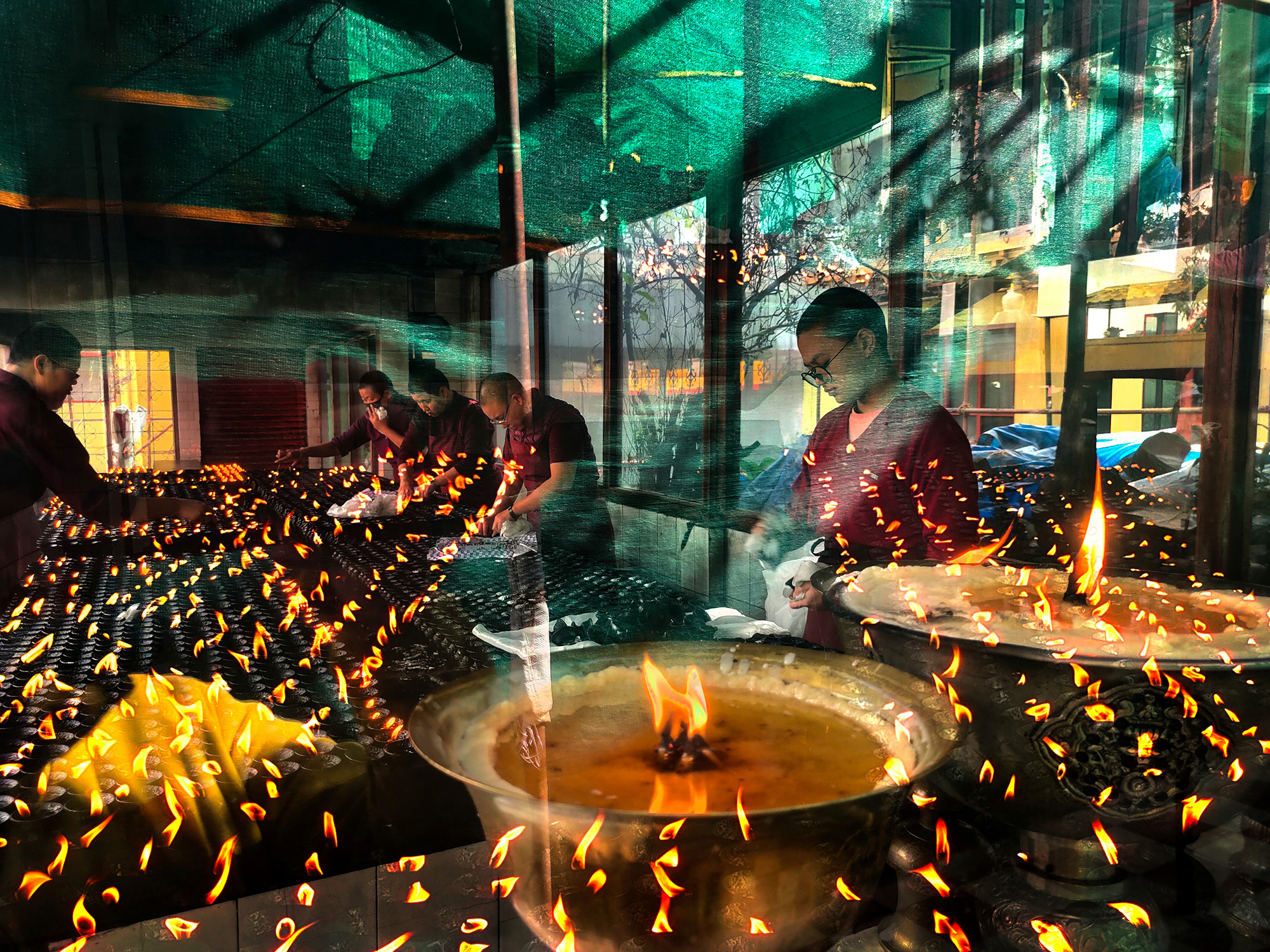
To experience more of Ayanava Sil’s award-winning street photography, visit his website and follow him on Instagram at @ayanava3.