The weekend brought a fresh wave of controversy within the photography industry, as two distinct companies, Xtra and Ricoh GR Europe, released marketing content heavily suspected of being generated by artificial intelligence. This development has sparked considerable debate among photographers, consumers, and industry analysts, raising critical questions about authenticity, brand integrity, and the ethical use of AI in promoting creative tools. The incidents underscore a growing tension between the perceived efficiencies of generative AI and the core values of the photography community, which traditionally champions human skill, genuine experience, and tangible reality.
Xtra’s AI-Generated Marketing Amidst Regulatory Scrutiny
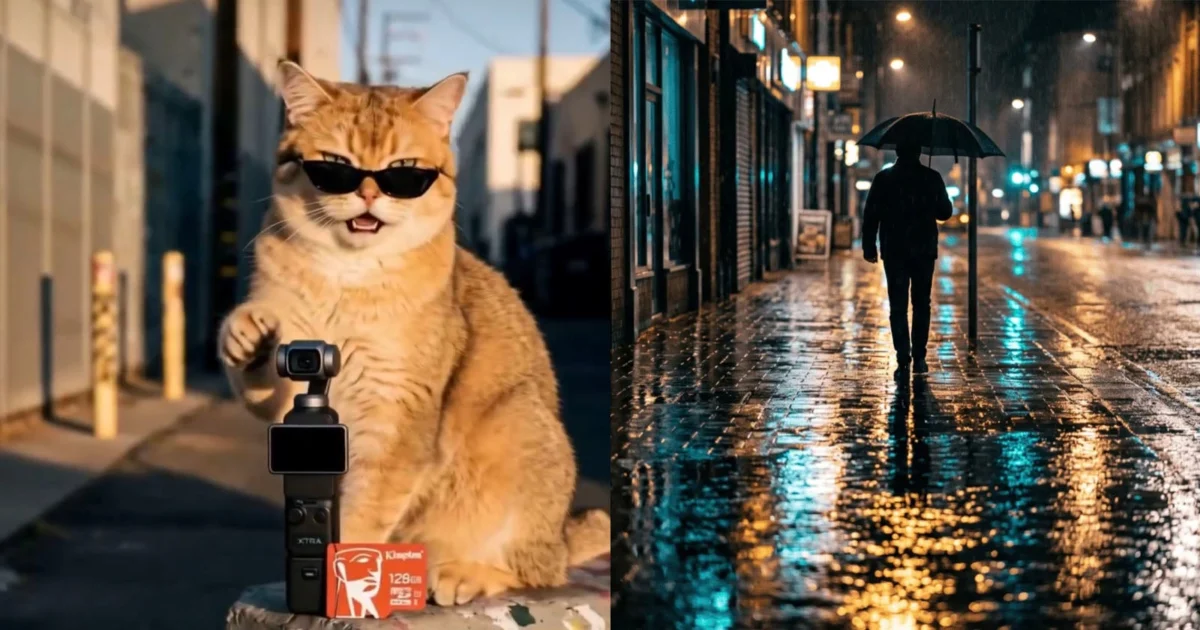
The first instance emerged from Xtra, a company marketing the Muse gimbal camera, which drew immediate attention for an Instagram video featuring AI-generated animal characters. The video, intended to promote the Muse, quickly became a focal point for criticism due to its overtly artificial aesthetic and its perceived disconnect from the very essence of photography: capturing real-world moments.
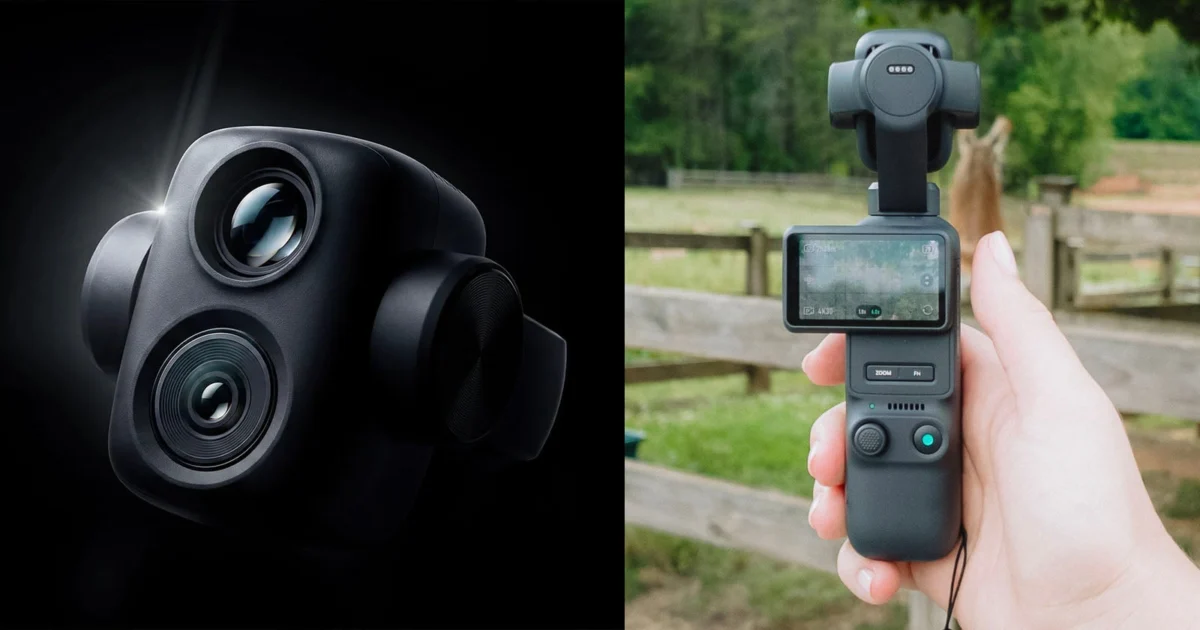
The Muse gimbal camera itself is not without its own controversies. Marketed as a competitor in the portable camera stabilizer segment, the device has been likened by some to a rebranded DJI Osmo Pocket 3. This perception has led to significant legal and regulatory challenges for Xtra, most notably an ongoing dispute with the U.S. Federal Communications Commission (FCC). Reports indicate that Xtra is currently engaged in discussions with the FCC regarding potential fines and even a ban, stemming from allegations that its products, including the Muse, are not original designs but rather unauthorized imports or modifications of existing DJI technology. This regulatory entanglement adds a layer of complexity to Xtra’s marketing choices, suggesting a company navigating both product authenticity and promotional integrity issues simultaneously.
The decision to employ AI-generated content for the Muse is particularly perplexing given the product’s nature. Gimbals are designed to stabilize footage, enabling creators to capture smooth, dynamic video in real-world scenarios. An AI-generated advertisement, devoid of any genuine interaction with the product or demonstration of its real-world capabilities, paradoxically undermines the very utility it purports to sell. Industry analysts suggest that such marketing tactics risk alienating the core demographic of photographers and videographers who value authenticity and practical application above all else.
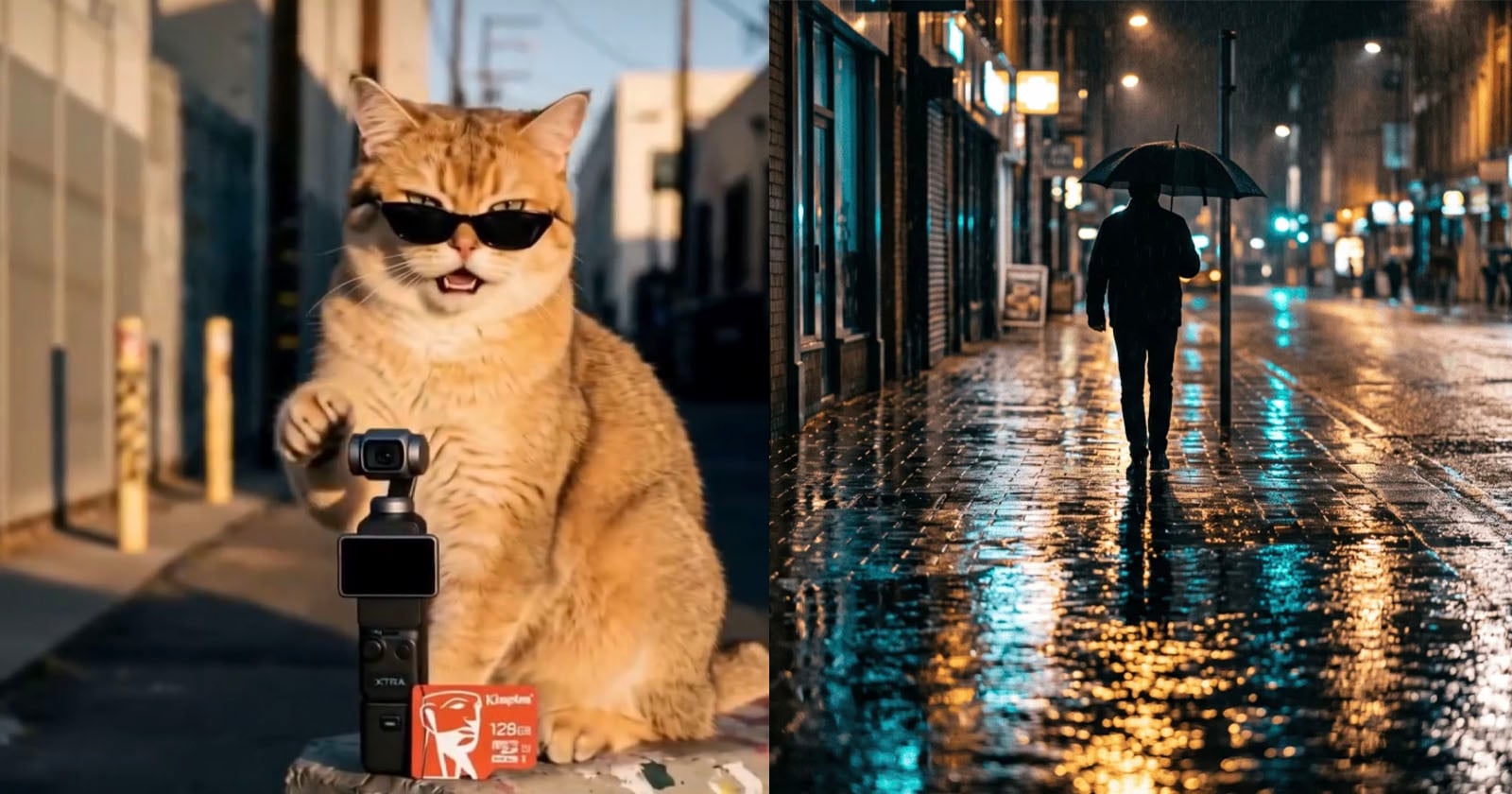
This recent Instagram reel is not an isolated incident for Xtra. Prior to the anticipated launch of the Muse 2 Pro, which itself has faced indefinite delays due to the FCC investigation, Xtra distributed a press packet containing "sample videos." A substantial portion of these samples, intended to showcase the camera’s capabilities, were visibly AI-generated. Despite the availability of over 20 clips of genuine footage captured with the Muse 2 Pro, the company seemingly opted to supplement its promotional material with synthetic content. This strategy raises questions about Xtra’s confidence in its own product’s real-world performance or, alternatively, a fundamental misunderstanding of its target audience’s expectations.
One possible explanation for Xtra’s approach, as posited by some observers, relates to regional differences in cultural acceptance of generative AI. In certain Asian markets, particularly in China, the use of AI in marketing campaigns is often met with less skepticism and even viewed as a sign of technological advancement. This contrasts sharply with Western markets, where consumers and creative professionals frequently express concern over the lack of transparency, ethical implications, and the potential for job displacement associated with AI-generated content. DJI, a prominent drone and camera manufacturer, faced similar backlash last month for using an AI-generated person in an advertisement, highlighting this cultural divide. However, for a company seeking to establish a foothold in global markets, especially in regions with a more critical view of AI, such a blanket marketing strategy could prove detrimental to brand reputation.
Ricoh GR Europe’s Disputed Night Photography Guide
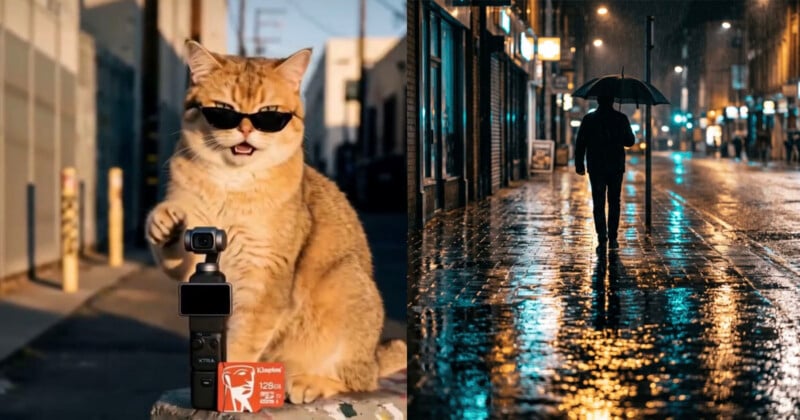
Compounding the weekend’s AI marketing concerns, Ricoh GR Europe, the European arm of the renowned Japanese camera manufacturer, published a blog post titled "Night Street Photography GR IIIX" that has been widely flagged as entirely AI-generated. The post, ostensibly a guide for street photographers using the popular Ricoh GR IIIX camera, immediately drew suspicion from the photography community, notably brought to attention by photographer Giulio Sciorio.
The basis for these suspicions is multi-faceted. The text within the blog post exhibits characteristic patterns often found in AI-generated copy, including generic phrasing, repetitive sentence structures, and an overall lack of a distinct human voice or genuine photographic insight. Crucially, the article carries no byline, an unusual omission for a creative piece intended to engage a community that highly values individual perspectives and expertise. The absence of attribution for the writing raises an initial red flag regarding the origin of the content.
However, the most compelling evidence points to the imagery accompanying the article. The images, depicting evocative night street scenes, were subjected to analysis by four independent AI image detection tools: DeepAi.org, SightEngine, ZeroGPT, and WasItAI. All four platforms returned confidence scores exceeding 95% that the images were "likely AI generated." These detectors often identify subtle visual anomalies, characteristic rendering artifacts, or inconsistencies in texture and lighting that distinguish synthetic images from genuine photographs. Furthermore, like the text, the images lacked any photographic credits, which is highly atypical for a brand-published photography guide. Photographers, especially those whose work is featured by a major camera manufacturer, invariably seek and receive credit for their contributions. The absence of such attribution strongly suggests the images were not sourced from human photographers.
Ricoh’s GR series cameras, particularly the GR IIIX, are celebrated by street photographers for their compact size, exceptional image quality, and discreet nature – tools that facilitate the authentic capture of candid moments. The brand has cultivated a loyal following that deeply appreciates the tangible, real-world experience of street photography. The potential use of AI-generated content to promote such a camera, therefore, represents a significant philosophical contradiction. It undermines the very ethos of the GR community and could erode the trust built over decades of delivering tools for genuine artistic expression.
A PetaPixel correspondent reached out to Ricoh for comment on these allegations. Given that the incident occurred on a Saturday, an immediate response was not anticipated. However, the publication stated its willingness to issue a retraction and apology if Ricoh GR Europe can conclusively demonstrate that the content was, in fact, human-generated and not AI. The very need for such a clarification, however, highlights a significant lapse in due diligence by Ricoh GR Europe’s marketing team, failing to ensure that their promotional materials are unambiguously authentic and beyond reproach.
Broader Implications: Trust, Authenticity, and the Creative Economy
These incidents with Xtra and Ricoh GR Europe are symptomatic of a broader dilemma facing the creative industries in the age of generative AI. The allure of AI for marketing departments is clear: it offers the promise of rapid content generation, reduced production costs, and the ability to scale campaigns quickly. However, the trade-off often involves a compromise on authenticity and a potential erosion of trust with the consumer base.
The photography community, in particular, is highly sensitive to issues of authenticity. Photographers invest heavily in equipment and skills to capture the world as it is, or through their unique artistic lens. When camera manufacturers, who are ostensibly partners in this creative endeavor, resort to using synthetic imagery and text, it can be perceived as a betrayal of that shared value.
Erosion of Brand Reputation: For companies like Ricoh, which have built their reputation on quality, heritage, and a deep understanding of their user base, the use of undisclosed AI content poses a significant risk to brand equity. Consumers, especially enthusiasts, often feel a personal connection to brands that enable their passion. Deceptive marketing practices, even if unintentional, can severely damage this relationship. For newer brands like Xtra, already grappling with product authenticity issues, such marketing choices only further complicate their efforts to build credibility in a competitive market.

Impact on Human Creativity: Beyond brand perception, these practices have broader implications for the creative economy. When companies use AI to generate content that could otherwise be produced by human photographers, writers, and videographers, it devalues the work of these professionals. It also sends a discouraging message about the perceived worth of human skill and artistic vision, potentially impacting career opportunities and industry standards.
The Quest for Transparency and Regulation: The growing prevalence of AI-generated content in marketing is fueling calls for greater transparency and, potentially, regulatory guidelines. Consumer advocacy groups and creative organizations are increasingly pushing for clear disclosure requirements for AI-generated content, arguing that consumers have a right to know whether the images, videos, or text they consume are authentic or synthetic. While some regions, like the EU, are beginning to introduce legislation on AI, specific guidelines for marketing disclosures are still nascent.
Industry experts warn that without a commitment to transparency and a clear understanding of their audience, companies risk a significant backlash. "The core proposition of a camera is to capture reality," states Dr. Evelyn Reed, a marketing ethics professor at a leading European business school. "When you use AI to sell a tool for reality, you create a fundamental contradiction. Consumers aren’t just buying a product; they’re buying into a vision, an experience. If that vision is fake, the product’s appeal diminishes significantly."
Looking Ahead: A Fork in the Road for Camera Marketing
The incidents involving Xtra and Ricoh GR Europe highlight a critical juncture for the camera industry. The rapid advancements in generative AI present both opportunities and profound challenges for marketing and brand communication. The immediate cost and speed benefits of AI-generated content must be weighed against the potential for long-term damage to brand trust and the alienation of a passionate, authenticity-driven customer base.
Ultimately, the photography community largely comprises individuals who aspire to create, to document, and to share real experiences. Marketing strategies that rely on synthetic, "slop" content fundamentally misinterpret this desire. To genuinely entice consumers to invest in cameras, companies must showcase what those cameras can achieve in the hands of real people, capturing real moments, fostering real creativity. The current trend suggests that some brands are losing sight of this fundamental principle, opting for artificial expediency over authentic engagement, much to the dismay of the very audience they seek to serve. The future success of camera manufacturers may well hinge on their ability to integrate technology responsibly, prioritizing genuine connection and human creativity over the fleeting allure of the artificially generated.