Lighting in photography is not merely a technical aspect but a fundamental artistic tool, serving as the cornerstone for transforming a good image into a truly spectacular one. Its profound influence shapes mood, defines dimension, reveals texture, and ultimately dictates the emotional resonance of a photograph. Mastery of light is consistently identified by leading photographic professionals as the most vital element in crafting compelling visual narratives and achieving distinction across diverse genres, from the dramatic contours of a mountain range at dawn to the intricate details of a hidden insect.
The Unseen Architect: Understanding the Fundamentals of Light
At its core, photography is the art and science of capturing light. Every element within an image—its form, depth, color, and texture—is rendered visible by the way light interacts with it. Photographers, therefore, are not just operating cameras but are, in essence, sculpting with light. This foundational understanding extends beyond merely ensuring a scene is adequately bright; it delves into the quality, direction, and color of light.
The quality of light refers to its softness or hardness, determined by the size of the light source relative to the subject and its distance. Soft light, often characterized by diffuse sources like an overcast sky or a large studio softbox, produces gentle transitions between light and shadow, minimizing harsh lines and flattering subjects. Hard light, conversely, originating from a small, direct source like the midday sun or an undiffused flash, creates sharp, well-defined shadows and intense contrast, often used for dramatic effect or to emphasize texture.

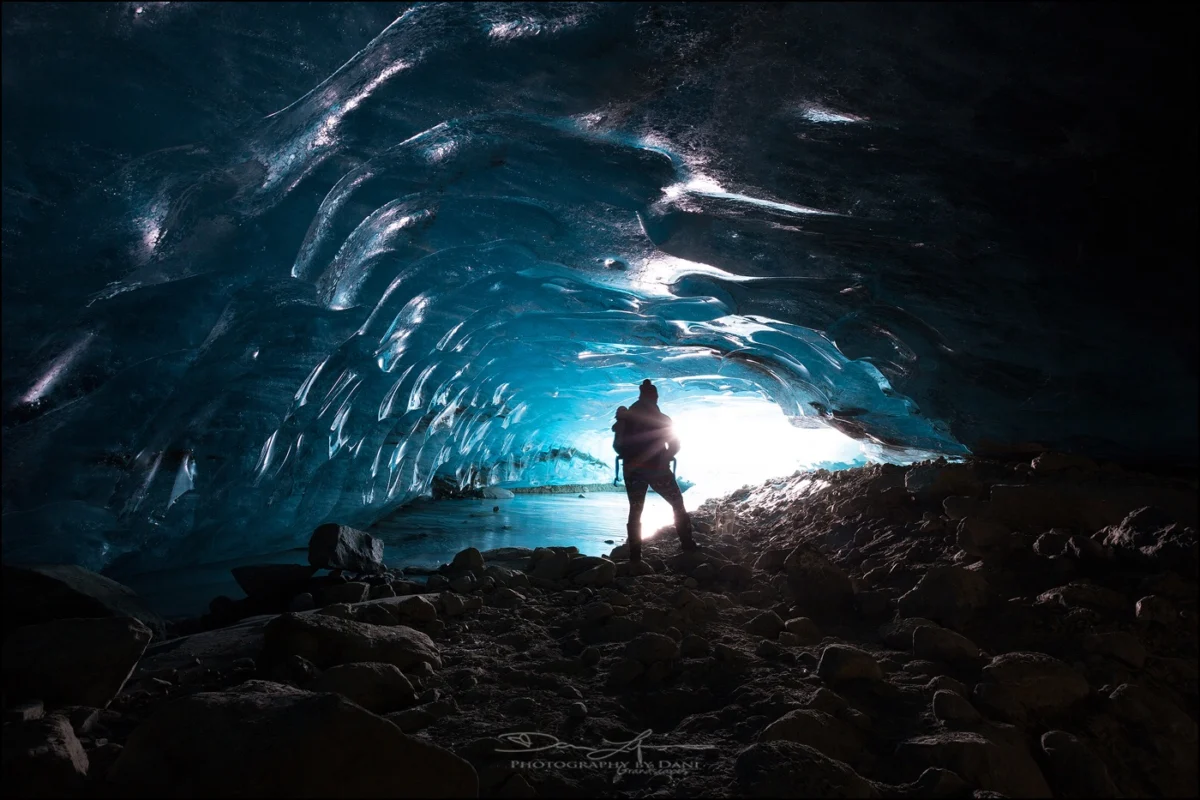
The direction of light is equally critical. Front-lighting can flatten a subject but reveals colors vibrantly. Side-lighting introduces shadows that define shape, depth, and texture, adding a three-dimensional quality. Back-lighting, when managed skillfully, creates striking silhouettes or ethereal rim lighting, separating the subject from its background and imparting a luminous glow. Top-lighting and bottom-lighting each present unique challenges and opportunities, capable of creating dramatic or even unsettling effects.
Finally, the color of light, or its temperature, measured in Kelvin, profoundly impacts the mood and accuracy of an image. Warm light, characteristic of sunrise, sunset, or incandescent bulbs, evokes feelings of comfort and nostalgia, often rendered in golden or orange hues. Cool light, found in shade, at twilight, or from fluorescent sources, tends towards blue tones, conveying calm or melancholy. An understanding of these fundamental properties allows photographers to anticipate how light will behave and to manipulate it intentionally to achieve their artistic vision.
From Daguerreotypes to Digital: A Brief History of Light’s Role
The importance of light in photography is not a modern revelation but a principle deeply rooted in the medium’s very genesis. Early photographic processes, such as the daguerreotype invented in 1839, were highly sensitive to light but required lengthy exposure times, making natural light an indispensable, albeit limiting, resource. Pioneers like Louis Daguerre and later figures like Julia Margaret Cameron carefully positioned their subjects to harness available window light, demonstrating an intuitive understanding of its shaping power.
As photography evolved through the 19th and 20th centuries, technological advancements, including faster lenses, more sensitive emulsions, and the invention of artificial light sources like flash powder and eventually electronic flash, expanded photographers’ control. Iconic figures such as Ansel Adams dedicated their careers to mastering natural light, developing systems like the Zone System to precisely measure and control tonal values across a scene, underscoring that even with advancements, the discerning eye for light remained paramount.

The digital revolution further democratized this control. Modern digital single-lens reflex (DSLR) and mirrorless cameras boast incredible ISO capabilities, allowing for photography in extremely low light conditions. Post-processing software offers unparalleled flexibility in adjusting exposure, shadows, highlights, and color temperature. However, these tools are enhancements, not replacements, for a photographer’s fundamental understanding of light. Industry experts consistently affirm that while technology can mitigate some lighting challenges, the ability to "see the light" and compose within its parameters remains the hallmark of truly impactful photography. A recent survey among professional nature photographers indicated that over 85% consider an intuitive grasp of natural light more critical than advanced equipment for creating standout imagery.
Illuminating the Wild: Strategies for Wildlife Photography
In wildlife photography, where subjects are often unpredictable and environments uncontrollable, mastering light becomes a formidable yet rewarding challenge. Unlike studio settings, wildlife photographers must adapt to the prevailing natural light, often making split-second decisions to capture fleeting moments.
The "golden hour" – the period shortly after sunrise or before sunset – is universally cherished for its warm, soft, and directional light. This low-angle light sculpts wildlife subjects, enhancing texture in fur or feathers and creating pleasing shadows that add depth. Backlighting, specifically during these golden hours, can produce breathtaking rim lighting, outlining the animal with a luminous glow and separating it dramatically from a darker background. This technique demands precise exposure compensation to prevent the subject from becoming a silhouette, often requiring a slight overexposure.
Beyond the golden hour, understanding light’s quality throughout the day is crucial. Overcast days provide a large, diffused light source, resulting in soft, even illumination perfect for revealing subtle details and rich colors without harsh shadows. Conversely, midday sun, while offering abundant light for fast shutter speeds, produces harsh, high-contrast scenes with deep shadows and blown-out highlights, often considered less ideal for artistic wildlife portraits.

Ethical considerations also play a significant role. While artificial light sources like flash can be used, their application must be judicious to avoid disturbing or stressing wildlife. When employed, off-camera flash or diffusers can create more natural-looking light, mimicking ambient conditions without startling the animal. The ability to anticipate an animal’s movement in relation to the sun and to quickly adjust camera settings for optimal light capture is what distinguishes exceptional wildlife photography.
Crafting Landscapes with Light: Techniques for Nature’s Grandeur
For landscape photographers, light is the primary painter of the scene, dictating the mood, atmosphere, and visual impact of vast natural vistas. More than just ensuring correct exposure, a landscape photographer’s skill lies in identifying, planning for, and adapting to the ever-changing tapestry of natural light.
The "golden hour" and "blue hour" (the twilight period just before sunrise or after sunset, characterized by a cool, ethereal blue light) are prime times. During the golden hour, the low sun angle casts long, dramatic shadows that emphasize topography and texture, painting the landscape in warm, inviting tones. The blue hour, by contrast, offers a serene and often mysterious ambiance, ideal for capturing cityscapes transitioning into night or landscapes under a vast, deep blue sky.
Beyond these well-known periods, understanding how atmospheric conditions interact with light is vital. Fog and mist diffuse light beautifully, creating soft, ethereal scenes with reduced contrast and a sense of depth and mystery, often favored for minimalist compositions. Stormy skies, while challenging, can provide dramatic, moody lighting, with shafts of light breaking through clouds to illuminate specific parts of the landscape, creating powerful focal points. Even harsh midday light, typically avoided, can be utilized creatively for high-contrast black and white photography or to emphasize strong architectural forms.

Effective landscape photography involves meticulous planning, often utilizing apps like PhotoPills or The Photographer’s Ephemeris to track the sun’s path, predict golden hour timings, and even visualize shadow placement. The goal is to not merely record a scene but to interpret it through light, guiding the viewer’s eye through the composition and evoking a profound connection with nature’s grandeur.
Depths of Illumination: Mastering Underwater Photography
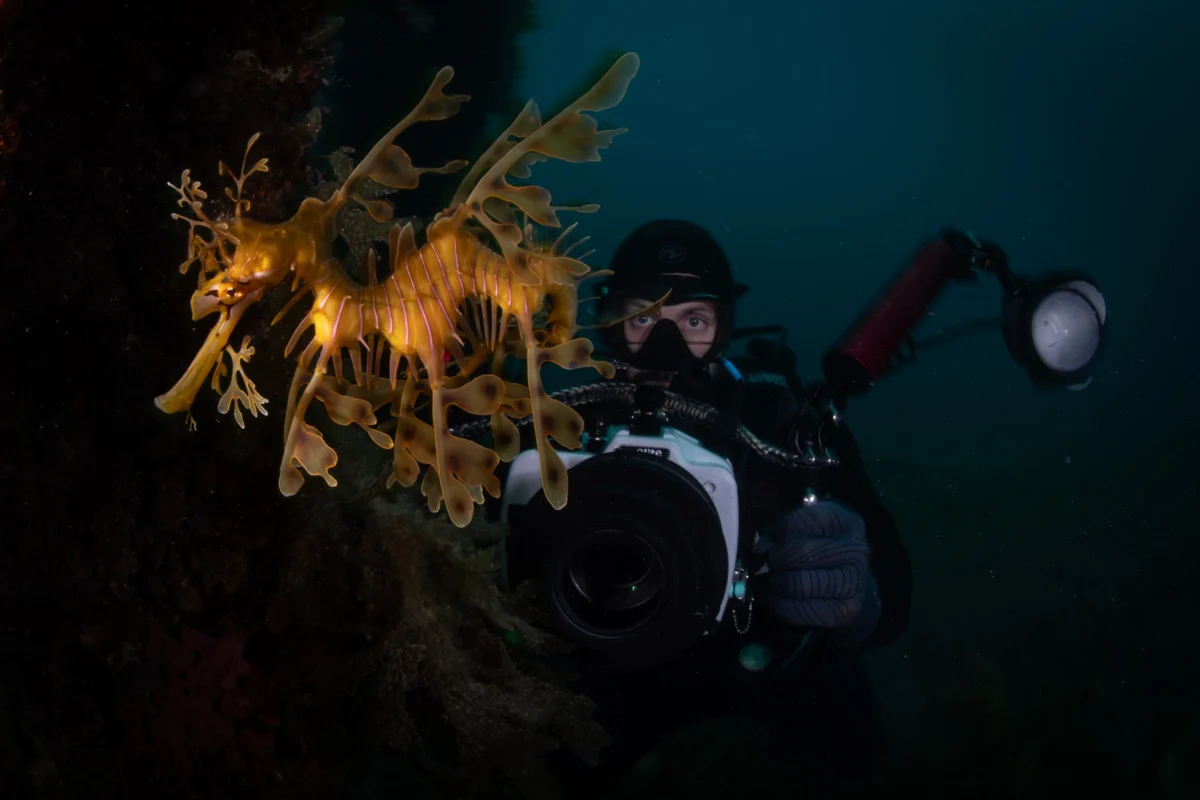
Underwater photography presents a unique set of lighting challenges, making mastery of light arguably one of the most essential and difficult skills to acquire in this specialized field. Water rapidly absorbs light, particularly warmer colors like red and orange, as depth increases. This phenomenon results in a predominantly blue-green cast and a significant loss of contrast and detail in ambient light.
To counteract this, underwater photographers extensively rely on artificial light sources, primarily strobes (underwater flashes) and continuous video lights. Strobes are crucial for restoring lost colors, adding contrast, and illuminating subjects that would otherwise appear flat or monochromatic. Proper strobe positioning is an art form itself, requiring careful consideration to avoid harsh shadows, backscatter (light reflecting off particulate matter in the water), and creating a natural-looking illumination. Techniques such as off-camera strobes, diffused light, and understanding the angle of incidence are paramount.
For subjects closer to the surface, such as large ocean giants or coral reefs in shallow dives, ambient light can still be plentiful. Here, photographers must balance the ambient light with their strobes, often using techniques like "wide-angle ambient light photography" where strobes fill in shadows and bring out colors while still capturing the vastness of the underwater environment. Achieving correct white balance is also critical to compensate for the water’s color absorption and render accurate colors.

Deeper dives or nocturnal photography demand even greater reliance on artificial light. Blackwater photography, for example, involves photographing microscopic marine life in the open ocean at night, where the only light available is often from powerful video lights and strobes. Mastering these tools, combined with a deep understanding of marine behavior and ethical interaction, allows underwater photographers to reveal the breathtaking beauty of the aquatic world, transforming what would otherwise be an invisible realm into a vibrant spectacle.
Micro Worlds, Macro Light: Precision in Close-Up Photography
In macro photography, where subjects are magnified to reveal intricate details often unseen by the naked eye, lighting transitions from a broad environmental consideration to a precise, surgical application. Whether capturing the delicate structures of an insect, the texture of a dew-kissed leaf, or the complex patterns within a flower, light remains a critically dominant factor.
The challenge in macro photography arises from the extreme magnification, which inherently reduces the available depth of field and often requires powerful light sources to achieve sufficient exposure at high f-stops (necessary for maximizing the sliver of available depth of field). Natural light, while always preferred for its pleasing quality, must often be supplemented or modified.
Diffused natural light, such as that found on an overcast day or in open shade, can be ideal, providing soft, even illumination that reveals fine details without harsh shadows. Reflectors can be used to bounce and soften light into shadowy areas, while diffusers can soften direct sunlight.

However, artificial light sources, particularly ring flashes or small, specialized LED panels, are frequently employed. Ring flashes provide even, shadowless illumination, ideal for bringing out texture and detail across the entire subject. When more dramatic or directional lighting is desired, off-camera flashes with small diffusers or snoots can be used to highlight specific features, creating contrast and three-dimensionality. Focus stacking, a technique where multiple images are taken at different focal points and combined in post-processing, also plays a role in managing light by allowing for narrower apertures (and thus more light) at each focal plane, while achieving a greater overall depth of field in the final composite. The meticulous control of light in macro photography is what transforms a simple close-up into a compelling exploration of a hidden world.
Beyond the Lens: The Enduring Impact of Lighting Mastery
In conclusion, regardless of the chosen photographic genre—be it the expansive vistas of landscapes, the unpredictable motion of wildlife, the alien beauty of underwater realms, or the minute intricacies of macro subjects—lighting stands as the singular most crucial element to master for creating memorable, impactful, and standout images. It is the language through which photographers communicate, shaping not just what is seen, but how it is felt.
The continuous pursuit of lighting knowledge is an ongoing journey for any serious photographer. While technological advancements offer powerful tools to aid in light management, they do not diminish the fundamental importance of a photographer’s discerning eye and intuitive understanding of how light behaves. From the subtle nuances of natural light to the precise manipulation of artificial sources, every decision related to illumination contributes profoundly to the final narrative.
The comprehensive tutorials and insights provided across various photographic disciplines serve as a testament to the enduring significance of this craft. By diligently studying and applying these principles, photographers can elevate their work from mere documentation to profound artistry, ensuring their images resonate with viewers long after they have been seen. We encourage photographers to actively experiment with light, pushing creative boundaries, and sharing their illuminated visions with the broader community, demonstrating how a true understanding of light can transform the ordinary into the extraordinary.