The visual arts landscape is rich with diverse genres, each possessing its own unique purpose, methodology, and ethical considerations. Among these, street photography and photojournalism, while sharing certain foundational elements like candid observation and a keen eye for decisive moments, represent fundamentally different approaches to capturing the human experience. Understanding these distinctions is crucial for appreciating the intent, responsibility, and impact of each genre. Photojournalism is primarily concerned with documenting news and events with accuracy and context, often serving as the eyes of the public for media outlets. Its core duty is factual storytelling, delivered without ambiguity and adhering to stringent ethical standards of objectivity and minimal manipulation. In contrast, street photography delves into the candid, often artistic, portrayal of everyday life and urban scenes. It prioritizes mood, composition, humor, juxtaposition, and the spontaneous unfolding of moments, frequently embracing ambiguity and inviting viewers to ponder their own interpretations.
The Core Intent: Informing Versus Expressing
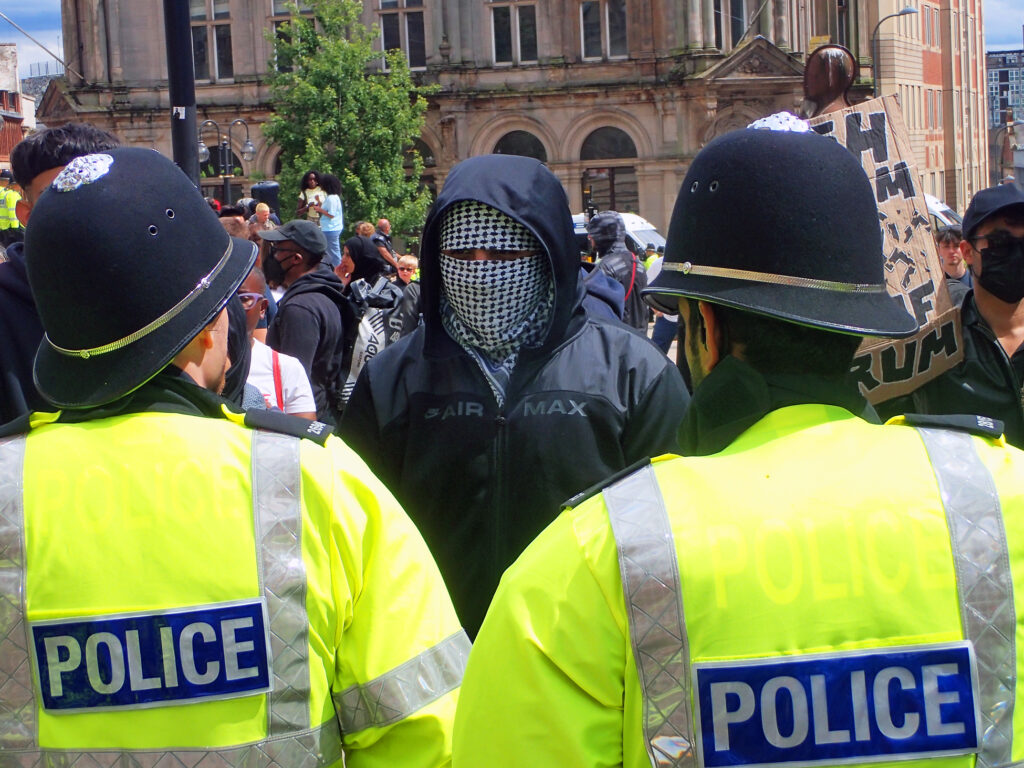
At the heart of the divergence between street photography and photojournalism lies their fundamental intent. Photojournalists are tasked with informing audiences and preserving evidence of events as they transpire. Their work aims to provide a clear, objective account, often contributing to historical records and public understanding of significant happenings. This commitment to factual reporting means that photojournalists operate under a professional imperative to remain impartial and to avoid altering the reality they are documenting. The narrative is built through a series of images, often supplemented by captions and contextual information, to provide a comprehensive understanding of the subject matter.
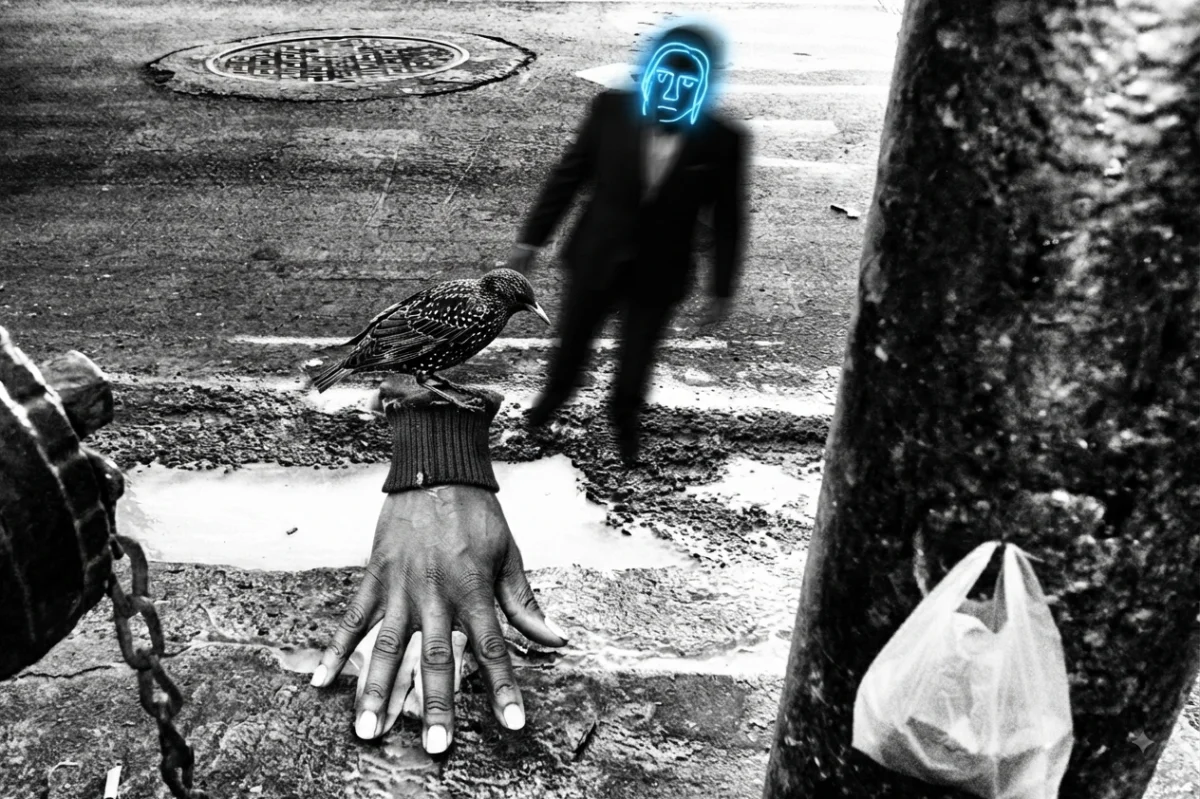
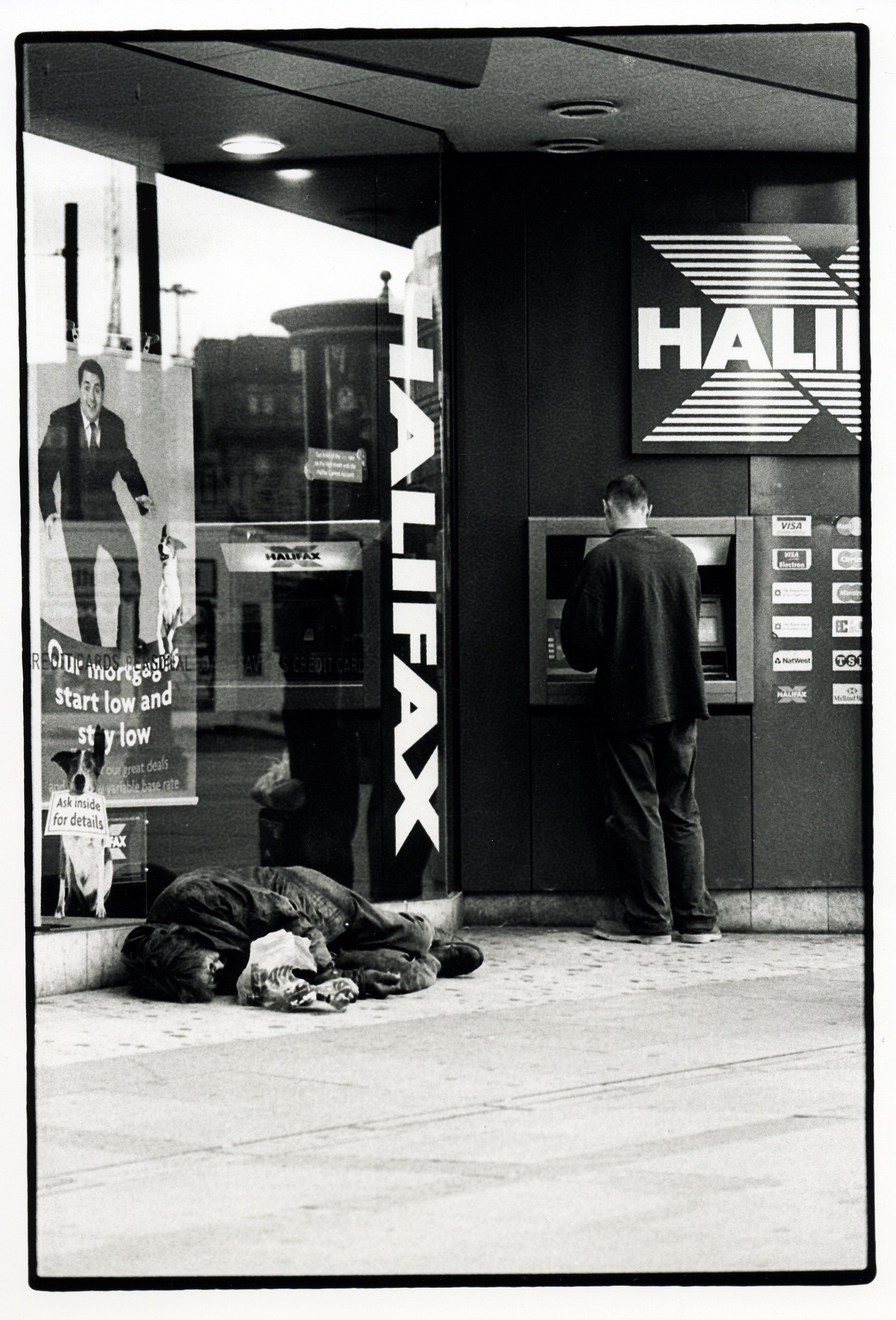
Street photographers, on the other hand, are driven by a more personal vision. Their primary objective is aesthetic expression, social commentary, and the exploration of the human condition through the lens of everyday life. While their work may capture fleeting moments and evoke strong emotions, the emphasis is on their individual perspective and artistic interpretation. The inclusion of elements like lighthearted or dark humor, intentional ambiguity, and striking juxtapositions is central to their creative process. These elements are not intended to obscure facts but rather to add layers of meaning, encourage contemplation, and highlight the often-overlooked nuances of the urban environment and the people within it. The "decisive moment," a concept popularized by Henri Cartier-Bresson, is a shared touchstone, but for the street photographer, it’s often about capturing a moment that resonates with their personal aesthetic or philosophical outlook, rather than one that directly reports an event.
Methodologies and Realities: Serendipity vs. Assignment
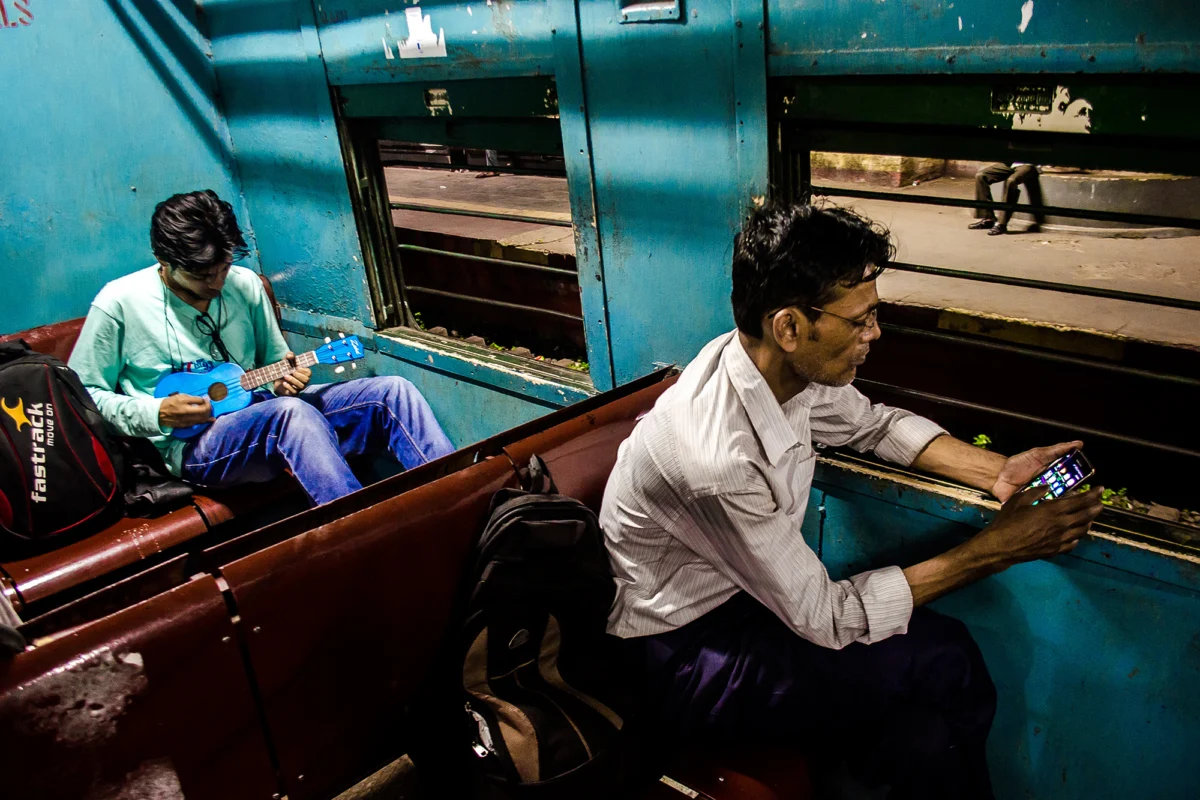
The practical execution of street photography and photojournalism also reveals significant differences in their methodologies. Great street photography is often deeply reliant on serendipity and impeccable timing. It requires the photographer to be a constant observer, possessing quick reflexes and a degree of luck to capture fleeting, unplanned moments with perfect composition, light, and expression. The street photographer navigates the unpredictable ebb and flow of public spaces, waiting for the opportune instant when disparate elements align to create a compelling image. This often involves hours of patient wandering, with the expectation that extraordinary shots are the result of being in the right place at the right time, fully prepared to seize the moment.
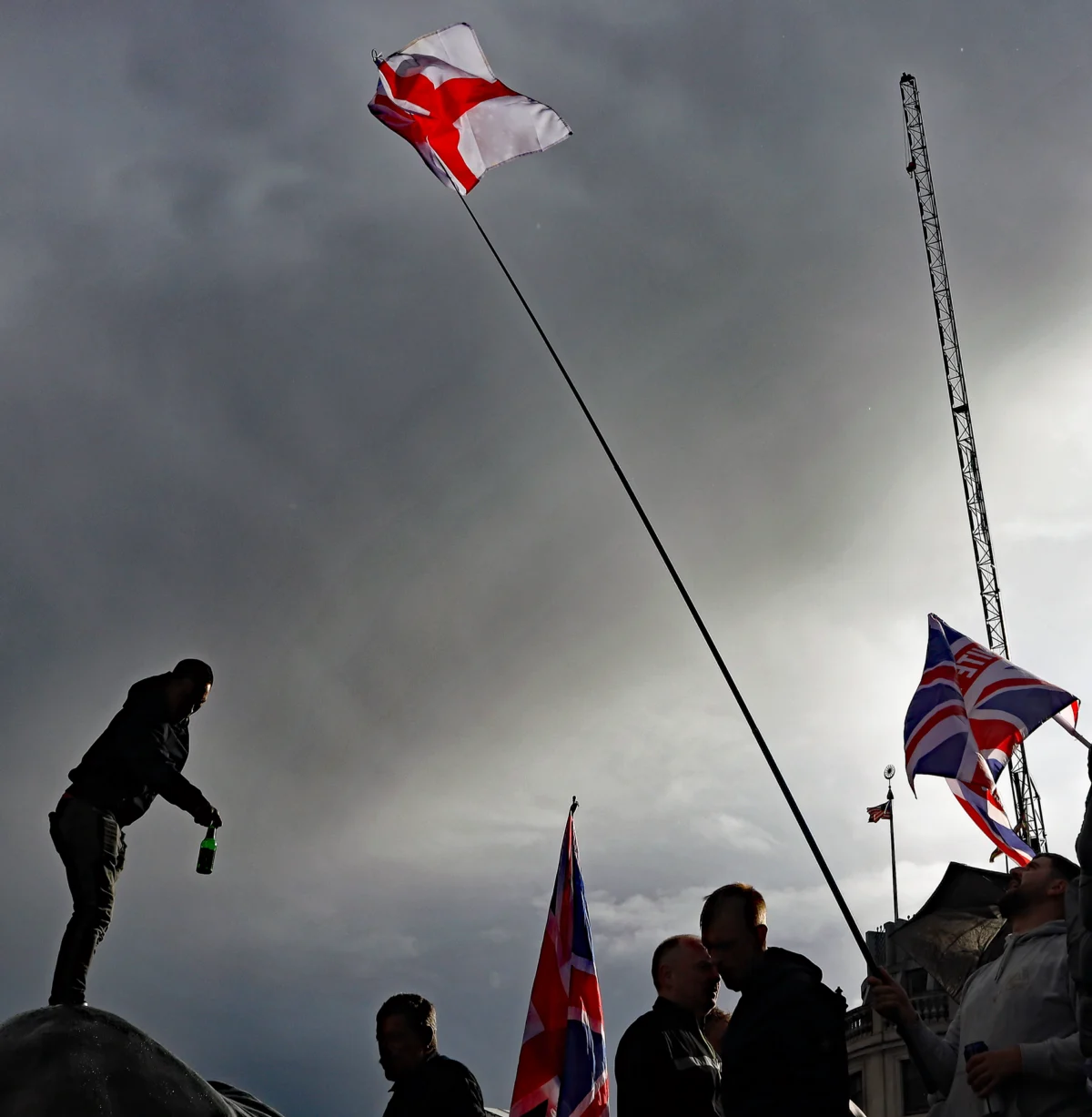
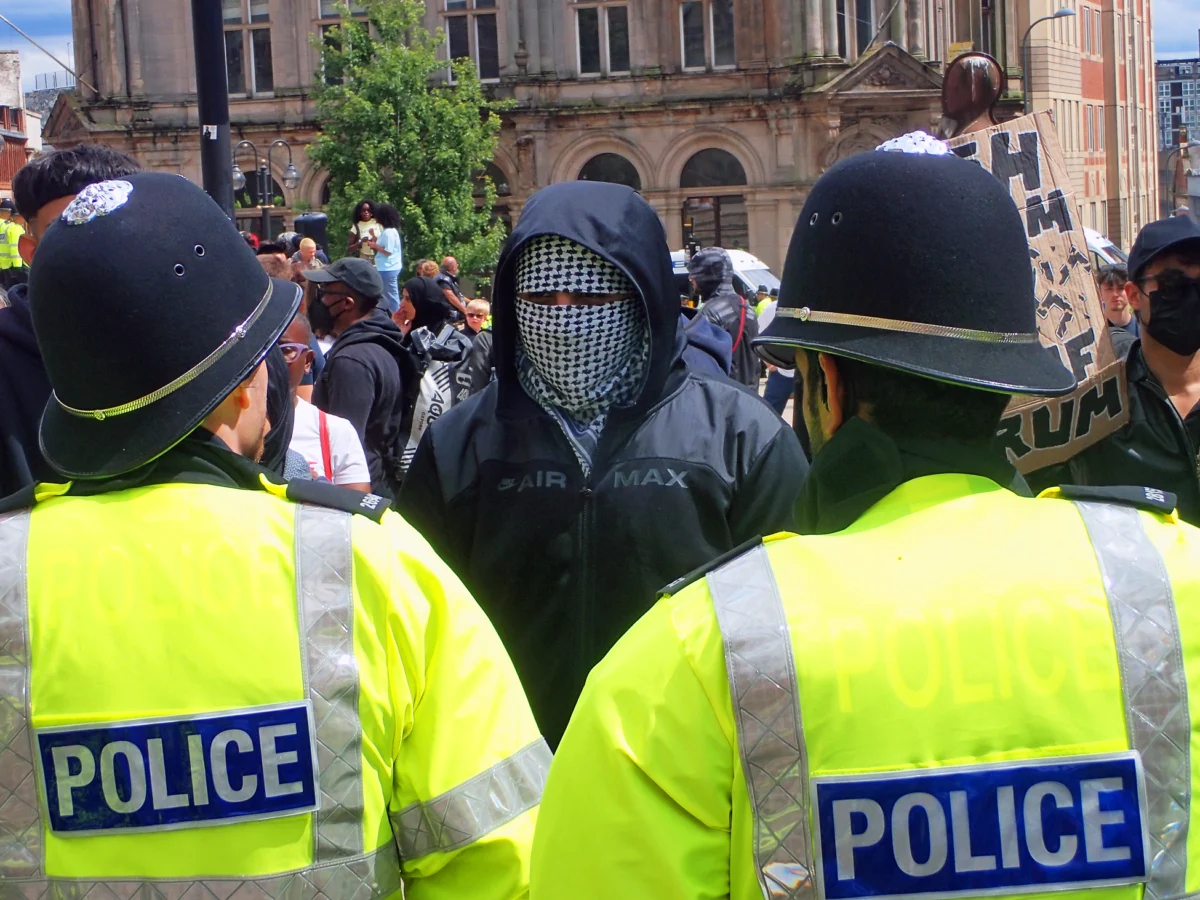
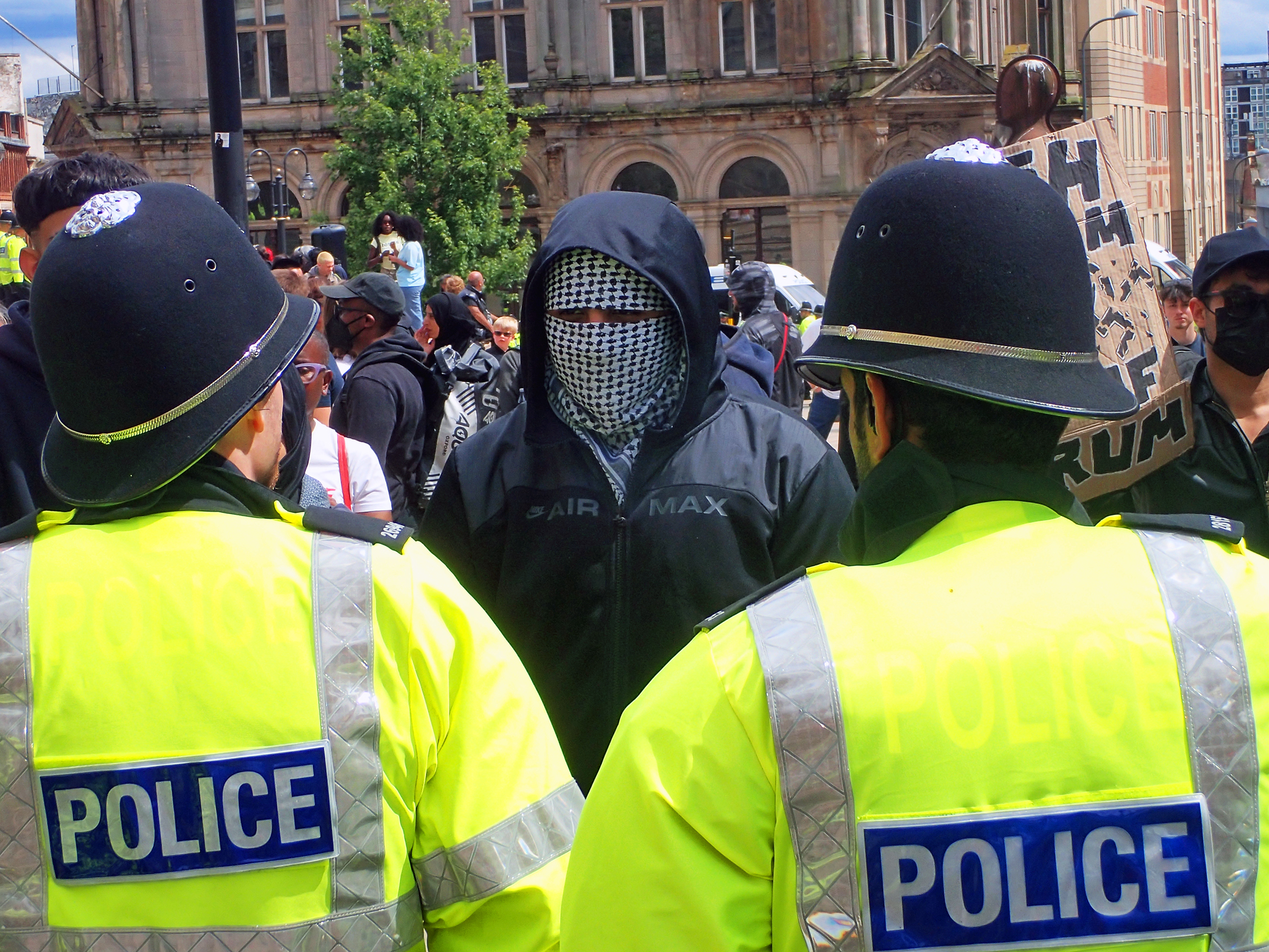
Photojournalism, by its nature, often operates within a more structured framework. While spontaneity can certainly play a role, assignments are frequently centered around known events, predictable beats, or ongoing stories. Photojournalists may be dispatched to cover a specific protest, a political rally, a natural disaster, or a cultural festival. Their task is to document these occurrences, ensuring that their coverage is comprehensive and representative. This often involves a degree of planning, coordination with editors, and a focus on capturing key individuals, actions, and the overall atmosphere of the event. While the candid nature of photojournalism is paramount, the context of an assigned event provides a degree of predictability that is less common in the spontaneous world of street photography.
Narrative Construction: Single Frame vs. Sequence
The way in which narratives are constructed also distinguishes these genres. Street photographers are often challenged to achieve narrative cohesion and strong visual design within a single frame. Their images must stand alone, implying a story through composition, contrast, mood, and the interplay of elements. The viewer is invited to complete the narrative, to infer meaning, and to engage with the photograph on an intellectual and emotional level. This reliance on the power of the individual image demands a sophisticated understanding of visual language and the ability to imbue a static frame with dynamism and implied action.
Photojournalists, conversely, have the advantage of building narratives across sequences of images and through accompanying captions. A series of photographs can provide a more in-depth and nuanced account of an event, showing its progression, different facets, and the perspectives of various individuals involved. Captions offer essential factual information, context, and attributions, ensuring that the audience understands the who, what, when, where, and why of the depicted events. This sequential approach allows for a more comprehensive and less ambiguous presentation of information, fulfilling the primary goal of informing the public.
Judging "Greatness": Subjectivity vs. Objectivity
The criteria for evaluating the success and "greatness" of photographs also differ significantly. Street photography is heavily judged on personal vision, originality, and emotional resonance. Because its appeal is often tied to individual interpretation and aesthetic sensibility, it tends to fall into the realm of subjective standards. What one viewer finds profound or humorous, another might overlook. This subjectivity makes it challenging to achieve universal consensus on what constitutes "great" street photography, fostering a landscape where diverse styles and perspectives are celebrated.
Photojournalism, on the other hand, has clearer, more objective criteria that guide successful outcomes. Accuracy, relevance, and the clarity of factual reporting are paramount. A photojournalistic image is considered successful if it accurately depicts an event, provides valuable context, and informs the audience effectively. Editorial relevance, the adherence to journalistic ethics, and the ability to capture the essence of a news story are key considerations. While aesthetic qualities can enhance a photojournalistic image, they are secondary to its informational value and truthfulness.
Legal and Ethical Considerations: Navigating Privacy and Responsibility
The legal and ethical frameworks governing street photography and photojournalism present distinct challenges and responsibilities. Photojournalists operate within established editorial guidelines and must adhere to specific consent rules, particularly when dealing with sensitive stories or vulnerable individuals. The potential for harm, invasion of privacy, and the impact of their images on individuals and communities are carefully considered. Institutional oversight and professional codes of conduct provide a framework for ethical decision-making.
Street photographers, while not typically bound by institutional mandates, must navigate a complex web of privacy norms and artistic freedom. The legal landscape surrounding photography in public spaces can vary significantly by jurisdiction, and street photographers must be aware of these limitations. Ethically, they are expected to exercise a degree of self-regulation, balancing their artistic impulse with respect for the dignity and privacy of their subjects. The absence of formal institutional enforcement means that street photography is largely self-regulated, relying on the photographer’s personal conscience and understanding of social etiquette. This self-imposed responsibility is crucial for maintaining the integrity of the genre and fostering a respectful relationship between photographer and subject.
The Intersection and Divergence
While the distinctions are clear, the boundaries between street photography and photojournalism are not always rigid. Street photography images can, at times, become newsworthy, capturing a moment of public interest or social significance that warrants journalistic attention. Conversely, photojournalistic photographs may adopt a street-photography-style aesthetic, employing composition, mood, and visual storytelling techniques that resonate with the sensibilities of street photographers. However, understanding the fundamental goals of each genre is essential for clarifying their respective approaches, responsibilities, and the expectations of their audiences. They inform different practices and adhere to distinct ethical compasses, even when their subject matter occasionally overlaps. The intent behind the click of the shutter—whether to inform or to express, to document or to interpret—ultimately defines the genre and guides the photographer’s journey.