The evolution of mobile imaging technology has reached a pivotal juncture where the hardware capabilities of a handheld device rival those of traditional entry-level digital single-lens reflex (DSLR) cameras. At the center of this technological shift is Apple’s multi-lens camera system, a sophisticated array of optics and sensors designed to provide users with unprecedented creative control. As smartphone users transition from casual snapshots to intentional photography, understanding the nuanced differences between the Wide, Ultra Wide, and Telephoto lenses has become a fundamental requirement for modern mobile creators. This shift toward high-end mobile optics has prompted educational institutions like the iPhone Photo Academy to release comprehensive training modules aimed at demystifying the complex interplay between focal lengths, sensor sizes, and computational photography.
The Architecture of the Modern iPhone Camera System
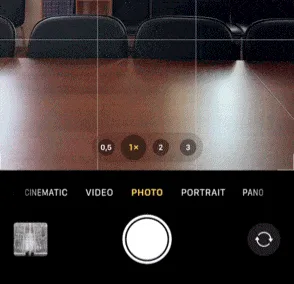
The current iteration of the iPhone’s camera system, particularly within the Pro and Pro Max lineups, utilizes a triad of distinct lenses, each serving a specific optical purpose. The "Wide" lens, often referred to as the Main camera, serves as the primary workhorse for the device. In recent models, this lens typically features a 24mm equivalent focal length with a fast aperture—often f/1.5 or f/1.78—allowing for significant light intake and natural depth of field. This lens is generally paired with the largest sensor in the device, enabling high-resolution 48-megapixel captures that utilize pixel-binning technology to balance detail with low-light performance.
The "Ultra Wide" lens offers a 13mm equivalent focal length, providing a 120-degree field of view. This lens is engineered for architectural photography, expansive landscapes, and close-quarter interior shots where physical space is limited. Beyond its broad perspective, the Ultra Wide lens on newer models incorporates autofocus capabilities that enable "Macro" mode, allowing users to focus on subjects as close as two centimeters away. This dual-purpose functionality highlights the versatility of modern mobile optics.
The "Telephoto" lens completes the trio, designed specifically for portraiture and capturing distant subjects. Depending on the specific model, this lens offers an equivalent focal length ranging from 77mm (3x optical zoom) to 120mm (5x optical zoom). By utilizing a narrower field of view, the Telephoto lens compresses the background, creating a flattering perspective for human subjects and allowing for tighter framing without the digital degradation associated with software-based zooming.
Chronology of iPhone Optical Evolution
The journey to the current triple-lens configuration has been a decade-long exercise in engineering miniaturization. Understanding this timeline provides context for the current state of mobile photography.
- 2007–2015: The Single-Lens Era. From the original iPhone to the iPhone 6s, Apple focused on incremental sensor improvements and autofocus speed. The primary goal was to replace the "point-and-shoot" compact camera market.
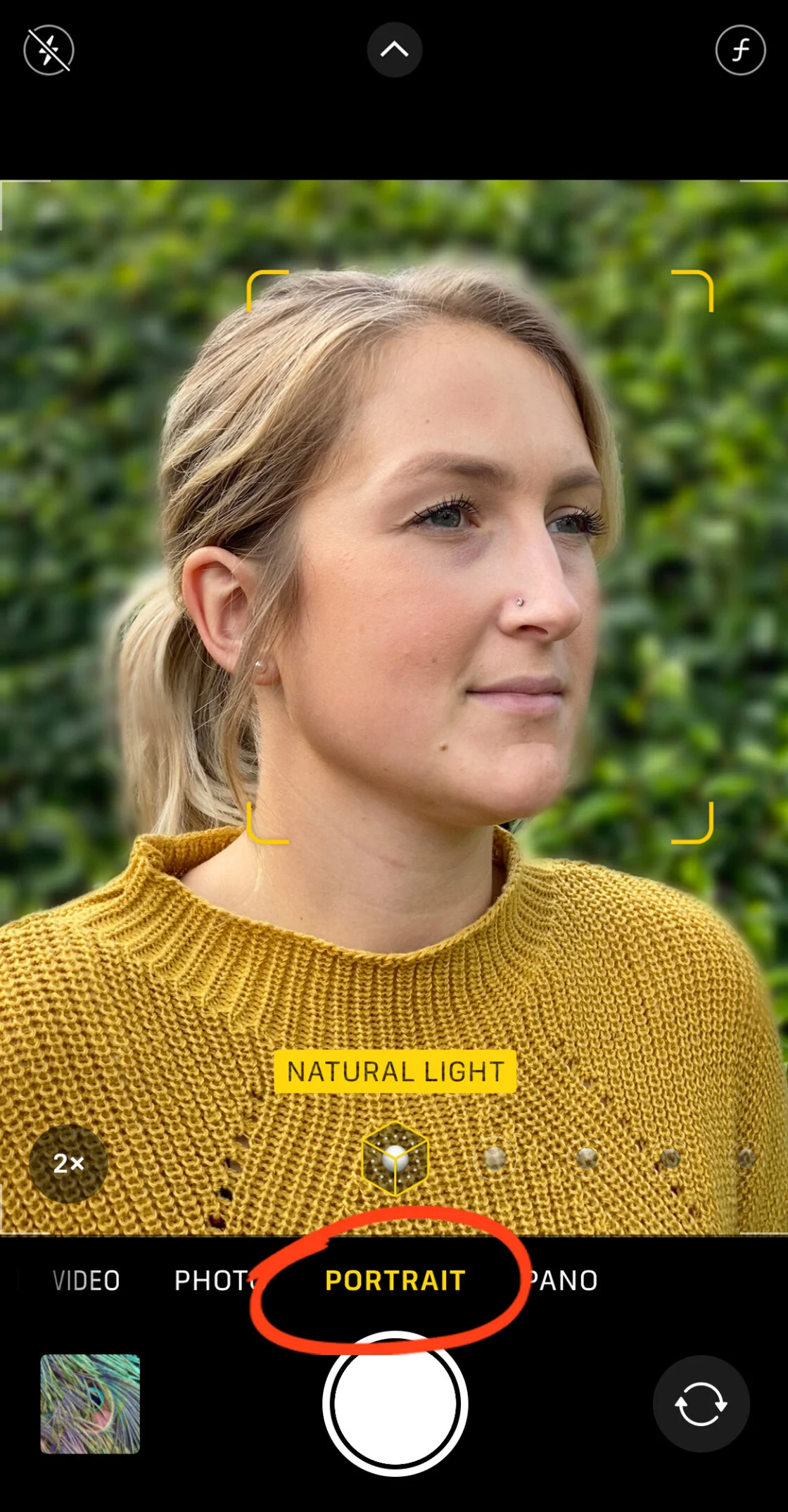
- 2016: The Dual-Lens Breakthrough. With the introduction of the iPhone 7 Plus, Apple debuted its first dual-camera system. This featured a Wide and a Telephoto lens, introducing "Portrait Mode," which used depth-mapping technology to simulate the "bokeh" effect of professional lenses.
- 2019: The Triple-Lens Standard. The iPhone 11 Pro marked the introduction of the Ultra Wide lens, establishing the Wide/Ultra Wide/Telephoto trifecta that remains the industry standard for flagship devices.
- 2020–2022: Sensor-Shift and ProRAW. Apple introduced Sensor-Shift optical image stabilization (OIS) and the ProRAW format, giving photographers the ability to utilize the raw data from the sensor while still benefiting from Apple’s multi-frame image processing.
- 2023–Present: The Tetraprism and 48MP Sensors. The introduction of the iPhone 15 Pro Max saw the debut of the tetraprism lens, a folded glass design that allows for 5x optical zoom within the slim constraints of a smartphone body. This era is defined by the integration of high-resolution sensors across the lens array.
Comparative Data: Optical vs. Digital Performance
A critical aspect of selecting the correct lens involves understanding the difference between optical and digital magnification. Data from mobile imaging benchmarks indicate that while digital zoom (cropping into a sensor’s image) results in a linear loss of resolution and an increase in noise, optical zoom maintains the integrity of the sensor’s pixel count.
In laboratory testing, images taken with the 5x Telephoto lens on the iPhone 15 Pro Max show a 400% increase in resolved detail compared to a 5x digital crop from the Main Wide lens. Furthermore, the aperture variations between lenses—f/1.78 on the Main vs. f/2.8 on the Telephoto—result in different light-gathering capabilities. Photographers are often advised to prioritize the Main Wide lens in low-light environments (sub-10 lux) due to its larger sensor and wider aperture, whereas the Telephoto is optimized for well-lit outdoor environments or studio settings.
Industry Responses and Expert Analysis
The democratization of high-end photography through these lenses has drawn reactions from both the tech industry and the traditional photography world. Industry analysts from firms like Counterpoint Research have noted that the "camera" is now the primary driver for smartphone upgrades, accounting for a significant portion of the device’s Bill of Materials (BOM).
"The smartphone has not only replaced the camera; it has redefined the workflow of the photographer," says Kate Wesson, a leading educator in the field. "The decision of which lens to use is no longer just about ‘fitting it all in.’ It is about understanding perspective distortion and how a 13mm lens communicates a different emotion than a 77mm lens."
Traditional camera manufacturers, including Sony and Canon, have shifted their focus away from the entry-level market, citing the "unbeatable convenience and rapidly closing quality gap" of the multi-lens smartphone systems. Professional photographers are increasingly integrating these devices into their professional workflows, particularly for social media content and "behind-the-scenes" documentation where the speed of the triple-lens switch outweighs the bulk of a dedicated camera body.
Computational Photography: The Silent Partner
While the physical lenses are impressive, the "results" mentioned in educational courses like the iPhone Photo Academy are largely the product of the Image Signal Processor (ISP) and the Neural Engine. When a user selects a lens, the iPhone isn’t just capturing a single frame; it is performing millions of operations per second.
- Deep Fusion: This process analyzes every pixel of multiple exposures to optimize for texture and detail in mid-to-low light.
- Smart HDR: This ensures that highlights (like the sky) and shadows are both well-exposed, a feat that traditionally required manual bracketing.
- Night Mode: Utilizing the OIS of the Wide and Telephoto lenses, the system allows for long-exposure handheld shots that were previously impossible without a tripod.
This synergy between glass and silicon means that the choice of lens also dictates which computational algorithms are prioritized. For instance, the Telephoto lens requires more aggressive stabilization algorithms due to the magnification of hand tremors, while the Ultra Wide lens requires sophisticated software correction to eliminate "barrel distortion" at the edges of the frame.
Broader Implications for the Future of Media
The widespread availability of Wide, Ultra Wide, and Telephoto lenses on a single device has profound implications for visual literacy and media production. We are seeing a shift in how news is reported and how personal histories are archived. The ability to instantly switch from a wide-angle "context" shot to a telephoto "detail" shot allows citizen journalists to provide more comprehensive coverage of events in real-time.
Furthermore, the integration of these lenses into the broader ecosystem of mobile apps means that high-quality visual storytelling is no longer gated by the cost of professional equipment. As the hardware continues to evolve—with rumors of 10x optical zoom and even larger sensors on the horizon—the focus of the industry is shifting from "how to take a photo" to "how to choose the right perspective."
The educational initiatives provided by platforms such as the iPhone Photo Academy serve as a bridge for this transition. By teaching users the technical foundations of their device’s hardware, these programs empower individuals to move beyond the "auto" button. As mobile devices continue to absorb the functionality of dedicated optical tools, the distinction between a "smartphone user" and a "photographer" continues to blur, creating a new era of ubiquitous high-fidelity imaging.