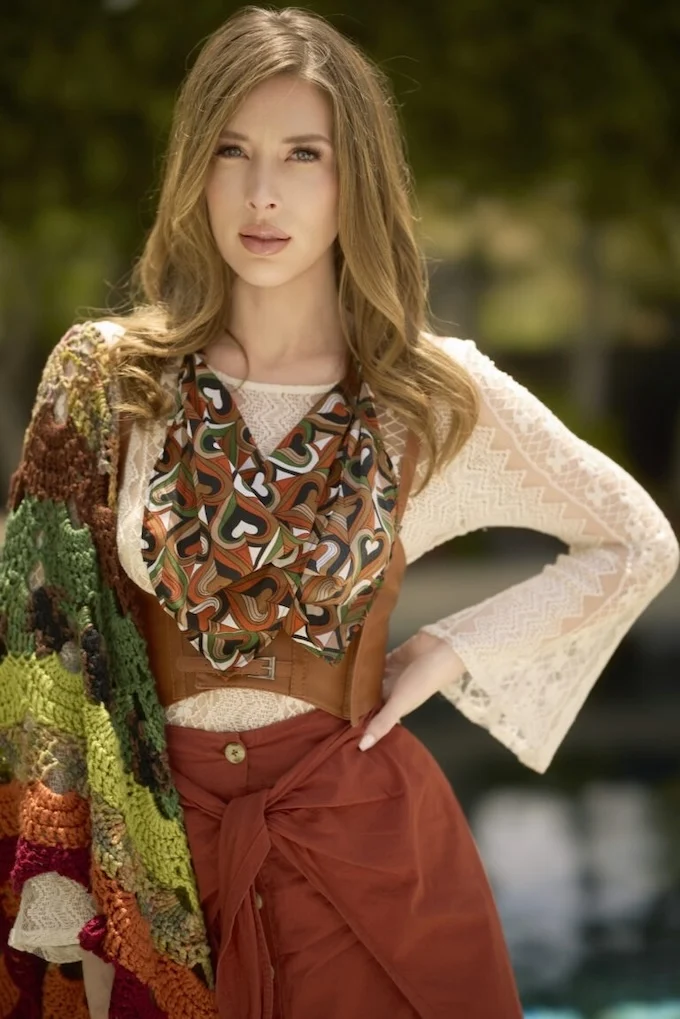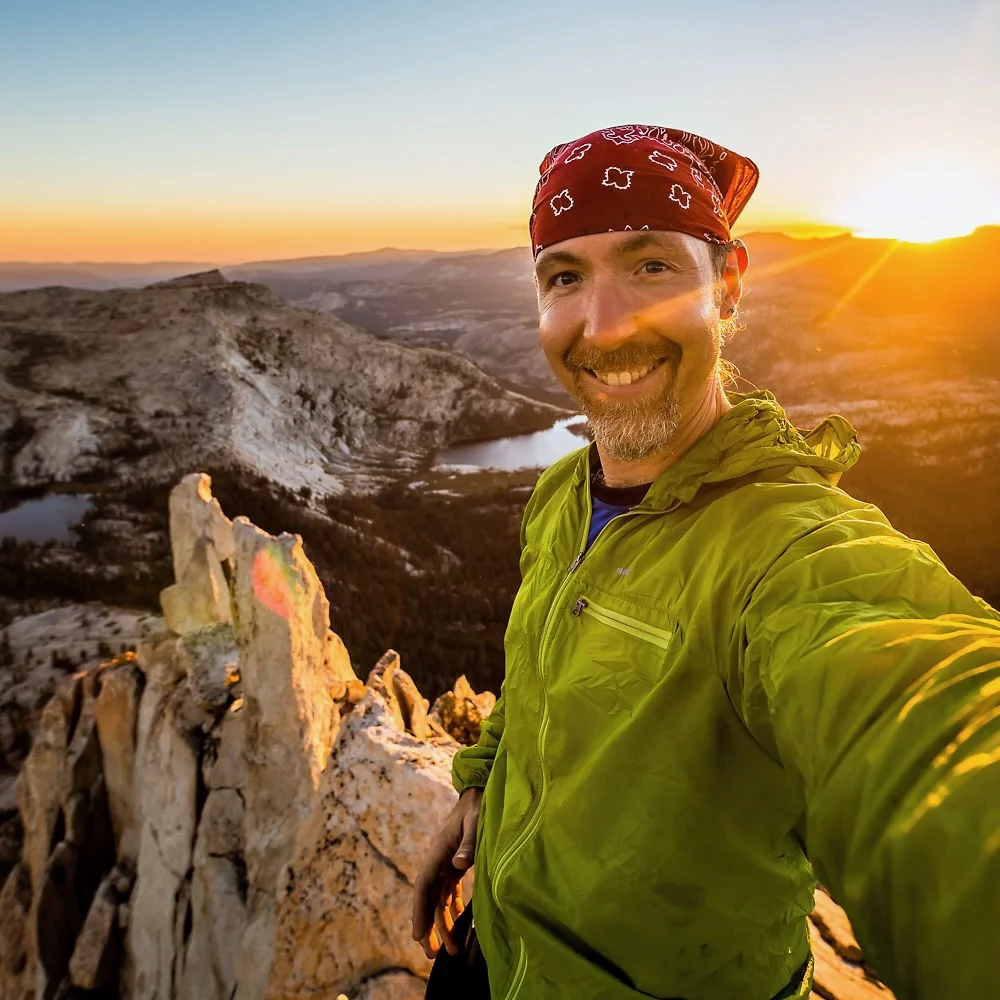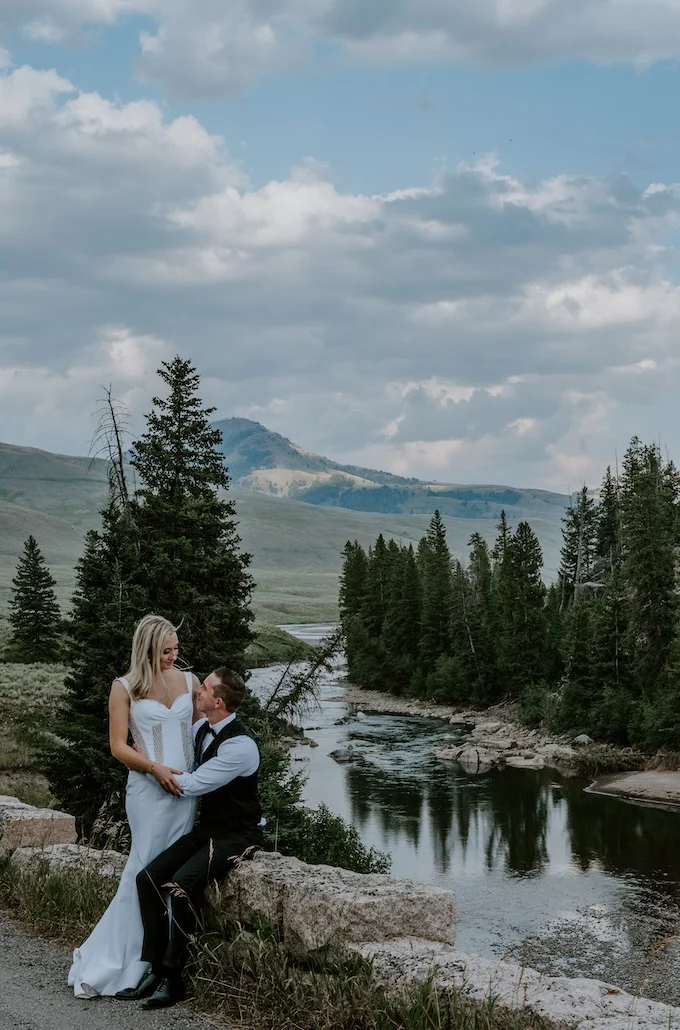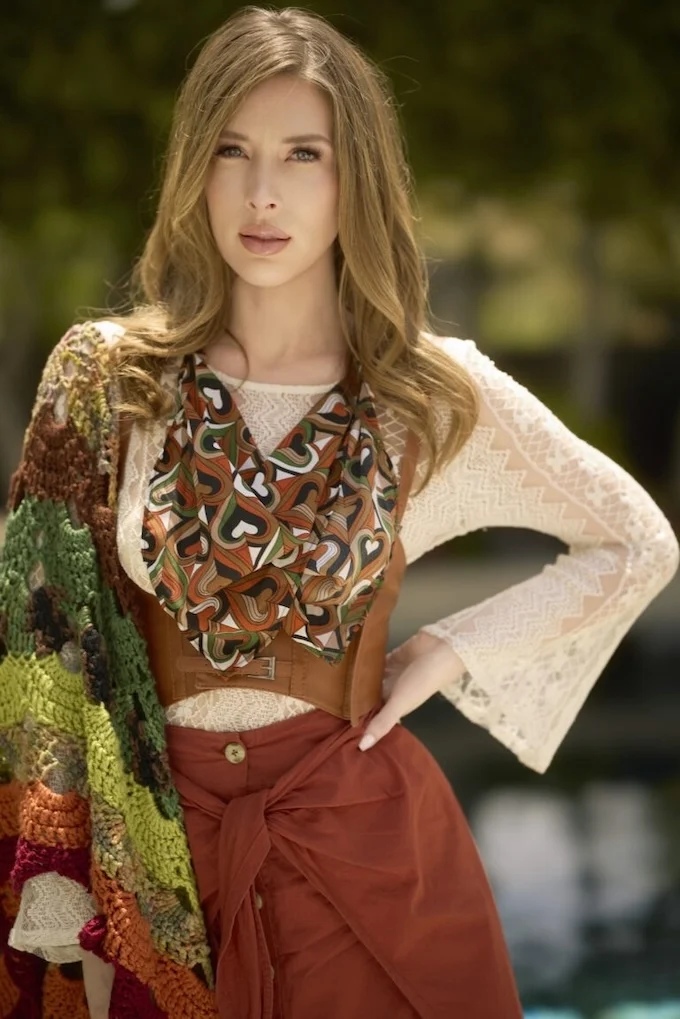
When the pursuit of flattering portraits leads photographers to instinctively favor soft, diffused light – employing umbrellas, softening flashes, and seeking overcast skies – a fundamental shift in perspective is being championed by renowned photographer Roberto Valenzuela. His newly released "Dynamic Lighting Masterclass," available through WPPI On Demand, challenges conventional wisdom by advocating for the dramatic impact of hard light, asserting that it can unlock a new level of visual dynamism and engagement in portraiture. This masterclass, drawing upon Valenzuela’s extensive experience and innovative teaching methods, offers a comprehensive approach to mastering light that promises to transform how photographers approach their craft.
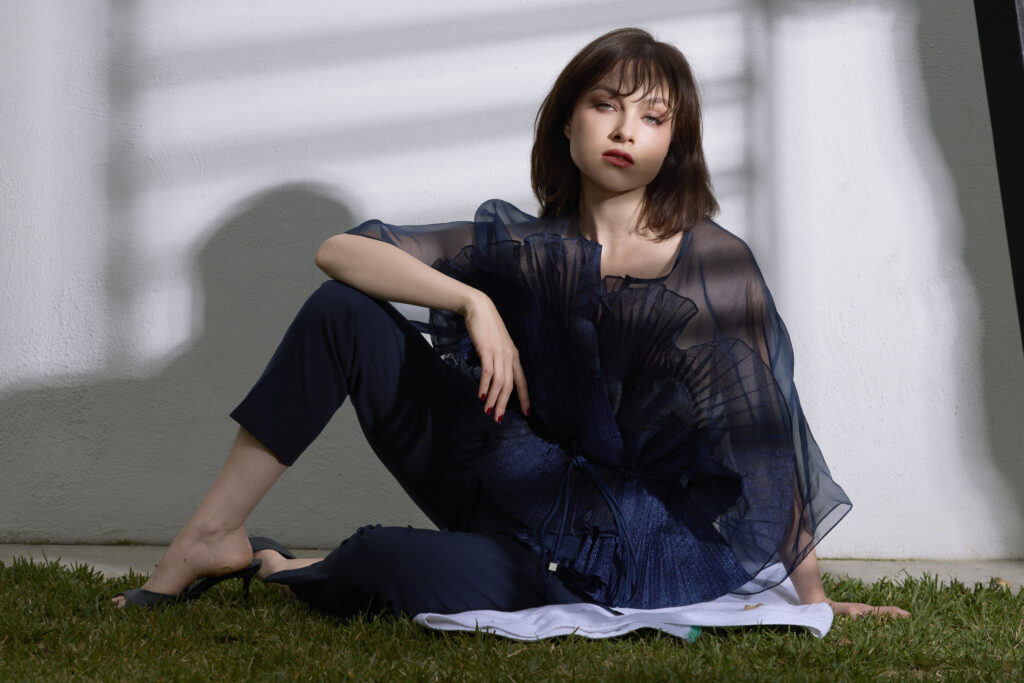
Embracing the Unconventional: The Strategic Advantage of Hard Light
Valenzuela posits that hard light, often perceived as challenging or unflattering, is in fact a powerful tool when wielded with understanding and control. "Hard light gets a bad reputation because it’s more difficult to use," Valenzuela explains in the course materials. "But it’s not really difficult. If you have some control over your subjects, hard light is going to look ten times more dynamic, ten times more amazing." This assertion is rooted in the inherent characteristics of hard light: its ability to create stark contrasts, define form with crisp edges, and imbue subjects with a sense of drama and intensity that softer light often cannot achieve.
The key to unlocking this potential, according to Valenzuela, lies in recognizing the psychological impact of such lighting. Images rendered with hard light are often described as having:

- Dramatic Shadows: Deep, well-defined shadows sculpt the face, adding depth and a sense of mystery or intensity.
- Defined Textures: The sharp contrast highlights the nuances of skin texture, fabric, and other surface details, lending a tactile quality to the image.
- Bold Contrast: The stark difference between light and shadow creates a visually arresting effect that immediately captures the viewer’s attention.
- Striking Visual Impact: The unconventional nature of well-executed hard light photography draws the eye, making the subject stand out and commanding prolonged observation.
As Valenzuela articulates, "People are going to look at the photo, and they can’t stop looking at it. There’s something beautiful about it because it’s not normal to see lighting like that." This inherent "otherness" of hard light photography is precisely what makes it so compelling in an era saturated with conventional portraiture.
The Essential Gear Paradigm: Grids as the Cornerstone of Hard Light Control
A crucial piece of advice emerging from Valenzuela’s teachings centers on a fundamental gear recommendation that can prevent costly mistakes and maximize the effectiveness of hard light modifiers. He strongly advises photographers to never purchase a hard light modifier without simultaneously acquiring its corresponding grid. "Hard modifiers without a grid is like a car without a steering wheel," Valenzuela warns. "If you can’t afford the grid, then don’t buy the modifier at all because it’s a waste of your money."

The necessity of the grid lies in its function as a directional control mechanism. Hard light, by its nature, is highly directional. Without a grid, modifiers designed to focus or shape this light can cause it to spill uncontrollably onto the background, diluting the intended effect and diminishing the separation between the subject and their environment. Grids, essentially honeycomb-like attachments, are designed to narrow the beam of light, directing it precisely where it’s needed – typically onto the subject – and preventing unwanted illumination of the surroundings. This precise control is vital for achieving the dramatic, sculpted look that hard light offers, ensuring that the subject remains the singular focus of the image. The cost of a grid, while an additional expense, is presented as an indispensable investment for anyone serious about utilizing hard light modifiers effectively, thereby protecting the initial investment in the modifier itself.
The "Batman and Robin" Technique: A Synergistic Approach to Dynamic Lighting
Valenzuela introduces an innovative lighting strategy he terms the "Batman and Robin" technique, which masterfully blends the impact of hard light with the balancing qualities of softer light. This approach involves strategically pairing a primary hard light source, akin to Batman’s powerful, decisive presence, with a secondary, softer or medium light source, representing Robin’s supportive, illuminating role.

The core principle is to use the hard light to sculpt the subject, define features, and create dramatic highlights and shadows. This could be a bare bulb flash, a snoot, or a gridded softbox positioned to create strong directional fall-off. The secondary light, the "Robin," then serves to fill in the deepest shadows created by the primary light, revealing crucial detail without overpowering the dramatic effect. This fill light can be a larger, diffused source, a reflector, or even a less intense hard light source positioned to subtly lift the shadows.
"You don’t have to," Roberto admits, referring to the necessity of using two lights, "but it works quite well to do it with two sources of light, a hard one and a medium or soft one." This combination allows photographers to harness the inherent drama of hard light while mitigating its potential to crush detail in the shadows, a common pitfall for those less experienced with its application. The result is a portrait that possesses both striking visual impact and a well-balanced tonal range, ensuring that the subject’s form and features are clearly discernible while retaining a sense of depth and dimensionality. This technique exemplifies Valenzuela’s philosophy of controlled, intentional lighting, moving beyond simple illumination to active light shaping.

Beyond the Fundamentals: A Deep Dive into Light Mastery
The "Dynamic Lighting Masterclass" extends far beyond these foundational concepts, offering an exhaustive exploration of lighting principles and their practical application. Valenzuela delves into a wide array of advanced topics, equipping students with the knowledge and skills to tackle virtually any lighting scenario. The curriculum meticulously covers:
- Understanding Light Direction: An in-depth analysis of how light direction influences mood, form, and perception, and how to strategically position light sources for desired effects.
- Color Temperature and White Balance: Mastering the nuances of color in light and how to control and manipulate it for creative and accurate results.
- Advanced Modifier Techniques: Exploring the diverse range of light modifiers beyond standard softboxes and umbrellas, including grids, snoots, beauty dishes, and their specific applications.
- Natural Light Manipulation: Strategies for working with and augmenting existing natural light conditions to achieve professional-quality results.
- Studio Lighting Setups: Proven studio lighting configurations for various portrait genres, from headshots to full-body compositions.
- On-Location Lighting Strategies: Techniques for adapting studio-quality lighting to diverse on-location environments, maintaining consistency and control.
- Post-Production Enhancement: Understanding how lighting choices in-camera translate to post-production and how to enhance images effectively.
This comprehensive approach ensures that participants not only learn to use light but also to understand its fundamental properties and how to manipulate it creatively. The masterclass aims to foster a deep, intuitive understanding of light, enabling photographers to move from simply replicating techniques to developing their own unique lighting styles.

A Call to Transformative Photography
The insights offered by Roberto Valenzuela in his "Dynamic Lighting Masterclass" represent a significant opportunity for photographers seeking to elevate their work. By challenging the conventional reliance on soft light and demonstrating the profound aesthetic and emotional power of hard light, Valenzuela provides a pathway to creating portraits that are not only technically proficient but also artistically compelling and memorable.
The course, accessible through the WPPI On Demand Store, is more than just a collection of techniques; it’s an invitation to rethink the very nature of photographic lighting. As Valenzuela demonstrates, mastering light involves understanding its behavior, controlling its direction and intensity, and ultimately, bending it to serve a creative vision. This approach encourages photographers to step outside their comfort zones, experiment with less conventional methods, and discover the extraordinary potential that lies in embracing the techniques that others may shy away from. The promise is clear: by delving into dynamic lighting, photographers can unlock a new level of creativity and produce images that truly resonate with their audience.

Roberto Valenzuela’s continued influence in the photographic community is evident in his prolific output and dedication to education. His work can be further explored on his website at RobertoValenzuela.com and his Instagram handle, @roberto_photo, offering a visual testament to the principles he champions. His contributions, including a previous article on creating "spicy photos that enliven the senses," underscore his commitment to pushing the boundaries of photographic artistry and sharing his expertise widely. The "Dynamic Lighting Masterclass" stands as a testament to this commitment, offering a rich and transformative learning experience for photographers at all levels.