Macro wildlife photography stands as a compelling and increasingly vital discipline within the broader spectrum of photographic pursuits, offering a unique window into the often-overlooked intricacies of the natural world. By meticulously focusing on subjects of diminutive scale, photographers are afforded the extraordinary opportunity to reveal a universe of detail that typically escapes the casual glance. This specialized genre not only captivates audiences with stunning, rarely seen imagery but also serves as a critical tool for scientific documentation, education, and conservation.
Historically, the exploration of the miniature world was largely confined to scientific illustration and microscopy. With advancements in optics and photographic technology, macro photography emerged as a powerful medium, democratizing the ability to observe and record these hidden realms. What began as a niche hobby has evolved into a significant contributor to our understanding of biodiversity, making the invisible visible to a global audience. The accessibility of high-quality macro lenses and lighting equipment has fueled a surge in interest, allowing both amateur enthusiasts and professional naturalists to delve into the microscopic landscapes around them.
While traditional macro photography often spotlights insects and flora—subjects renowned for their intricate beauty and vibrant aesthetics—the discipline is far more expansive. From the iridescent wings of a dragonfly to the complex venation of a leaf, these conventional subjects certainly offer an abundance of visual riches. Jumping spiders, with their surprisingly expressive eyes, and the delicate architecture of flower petals are prime examples of the captivating visuals that have long dominated this field. However, the true depth of macro wildlife photography lies in its potential to transcend these popular choices, encouraging photographers to explore a broader array of subjects, many of which are closer and more abundant than commonly perceived. This article will delve into these less conventional subjects, outline the essential gear and techniques required, and emphasize the critical ethical considerations inherent in this fascinating pursuit.

Expanding the Horizon: Overlooked Macro Subjects in Wildlife Photography
The inherent beauty of macro wildlife photography lies in its omnipresence; captivating subjects are, quite literally, everywhere, provided one knows where and how to look. While the undeniable allure of insects and flowers remains a strong entry point for many, the "macro subject library" extends far beyond these familiar frontiers. Embracing a wider perspective can lead to astonishing discoveries, transforming common outdoor excursions into profound explorations.

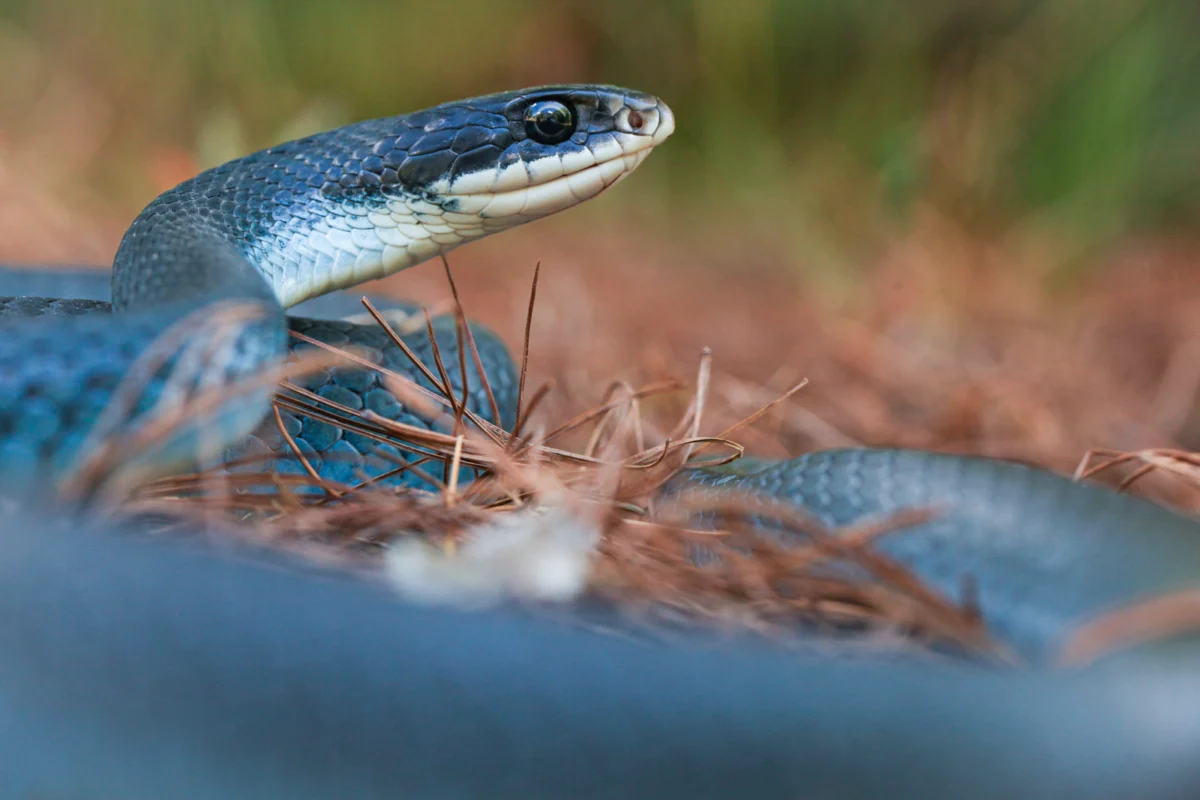
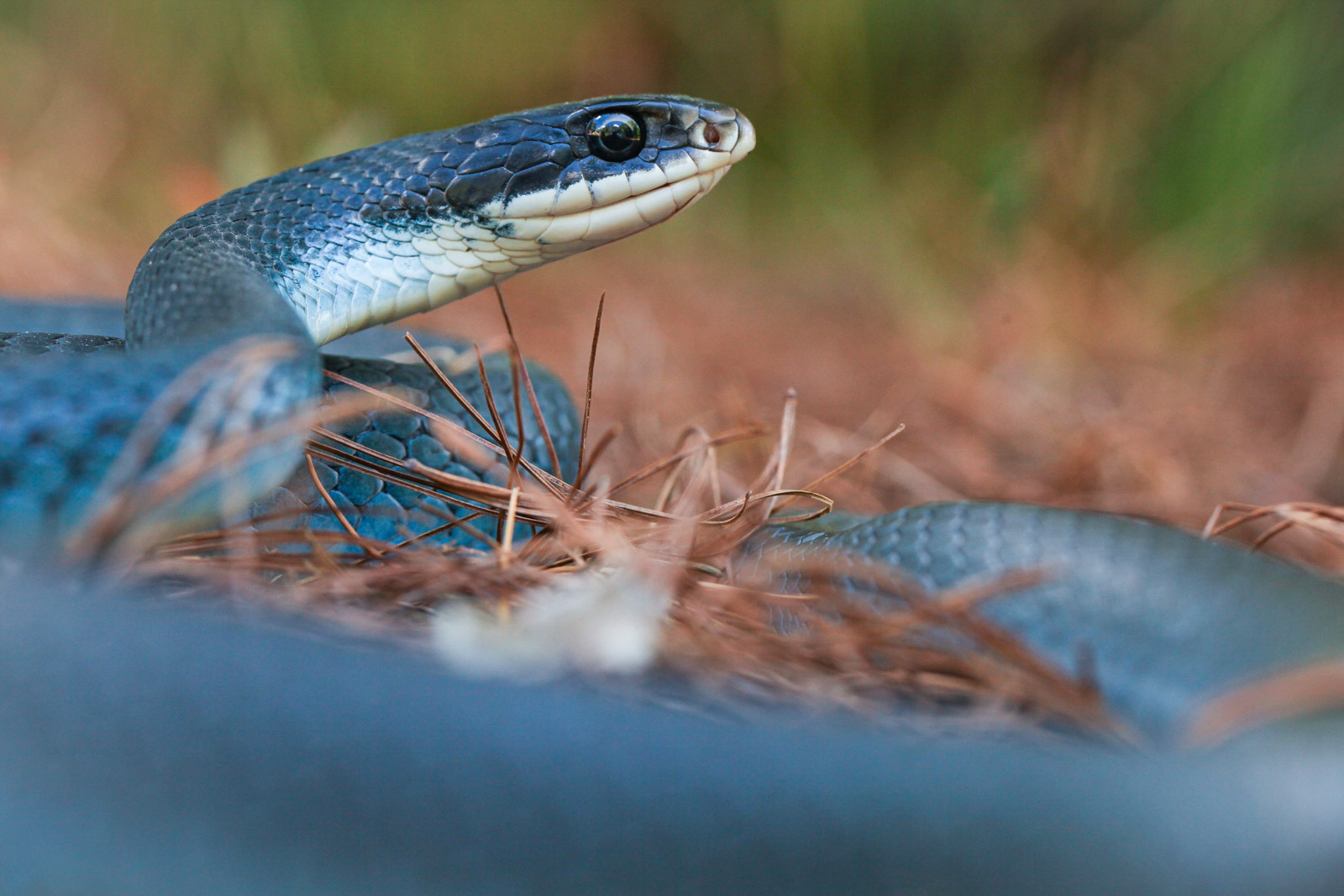
- Reptiles and Amphibians: These cold-blooded creatures, with their diverse array of scales, skin textures, and reflective qualities, present an exceptional opportunity for macro investigation. A close-up of a snake’s overlapping scales can reveal a mosaic of patterns and colors, often with an iridescent sheen that is breathtaking under magnification. The delicate, translucent skin of certain frogs, allowing glimpses of their internal biology, offers a unique aesthetic challenge and reward. Lizards, with their ancient, rugged dermal structures, become miniature dragons when viewed up close. Documenting these details not only creates compelling art but also contributes to herpetological studies, aiding in species identification and monitoring.
- Birds: Though typically associated with long-lens photography, birds offer surprising macro opportunities. While capturing an entire bird in macro is rare, focusing on specific anatomical features can yield stunning results. A single feather, with its intricate barbs and barbules, transforms into a marvel of natural engineering. The sharp talons of a raptor or the textured surface of a bird’s beak, often overlooked, can reveal character and function in exquisite detail. Even the eye of a perching bird, when approached carefully and respectfully, can offer a profound, intimate portrait.
- Mammals: Similar to birds, photographing mammals usually involves telephoto lenses due to their size and wariness. However, with patience and the right circumstances, macro shots of mammalian features are entirely possible and profoundly rewarding. The fine strands of fur, the intricate whiskers of a rodent or feline, and the complex structures within an animal’s eye can all become focal points. Even the human-like hands of a monkey or the padded paws of a small mammal can offer an unexpected intimacy and connection when viewed through a macro lens. Such images can highlight the unique adaptations and sensory worlds of these creatures.
- Marine Life: The underwater realm is a veritable treasure trove of macro subjects, largely inaccessible without specialized equipment. With the appropriate underwater housing and lighting setup, photographers can plunge into a world teeming with vibrant, otherworldly organisms. From the kaleidoscopic hues of nudibranchs—often called sea slugs—to the intricate structures of coral polyps and the camouflaged textures of various fish and crustaceans, marine macro photography unveils an ecosystem of unparalleled beauty and diversity. Many of these features are rarely observed by the human eye, making underwater macro imagery invaluable for marine biology and public awareness of ocean conservation.
- Fungi: Perhaps one of the most accessible yet often-neglected macro subjects, fungi offer an endless array of forms, textures, and colors. Unlike most wildlife, fungi are stationary, allowing photographers ample time for composition and lighting adjustments. A macro lens can transform a common mushroom into an alien landscape, revealing intricate gill structures, velvety caps, or dewdrops clinging to delicate mycelial threads. These abstract and often surreal images not only showcase the aesthetic beauty of fungi but also contribute to mycology, documenting growth patterns and unique features that aid in identification.
Ultimately, whether venturing into a dense rainforest, traversing an arid desert, or simply exploring a local park or backyard, a compelling macro wildlife photography subject is perpetually within reach. The key lies in cultivating an observant eye and a willingness to explore the miniature wonders that define our planet.
The Tools of the Trade: Essential Gear for Macro Wildlife Photography

Achieving impactful macro wildlife photographs necessitates a specific toolkit designed to capture minute details with clarity and precision. Beyond the camera body itself, a dedicated macro lens and specialized lighting are paramount.
- Macro-Capable Lenses: The cornerstone of macro photography is the lens. A true macro lens typically offers a 1:1 (life-size) reproduction ratio, meaning the subject is projected onto the camera sensor at the same size as it appears in reality. Some specialized "super macro" lenses can achieve even higher magnifications. When selecting a macro lens, consider focal length:
- Shorter focal lengths (e.g., 50mm-60mm): Offer a wider field of view but require closer working distances, which can be challenging for skittish subjects.
- Medium focal lengths (e.g., 90mm-105mm): Provide a good balance, offering a reasonable working distance and versatile use.
- Longer focal lengths (e.g., 150mm-180mm): Ideal for highly skittish subjects, allowing for greater working distance, but can be heavier and more expensive.
For beginners or those on a budget, extension tubes (which increase the lens-to-sensor distance) or close-up filters (which attach to the front of the lens like a magnifying glass) can convert standard lenses into macro-capable tools, offering an affordable entry point to the discipline.
- Lighting Solutions: Proper illumination is arguably as crucial as the lens in macro photography. Natural light can be beautiful, but often insufficient or inconsistent for capturing fine details and achieving adequate depth of field. Artificial light sources, typically flashes, are therefore essential.
- External Flashes (Speedlights): An off-camera flash provides immense flexibility, allowing photographers to direct light from various angles to sculpt the subject, control shadows, and create dramatic effects.
- Ring Flashes: These flashes attach to the front of the lens, providing even, shadowless illumination ideal for flat subjects or when maximal detail is required.
- Twin Flashes: Consisting of two small flashes mounted on flexible arms around the lens, twin flashes offer excellent control over lighting direction and shadow creation, making them highly versatile for three-dimensional subjects.
- Diffusers: A flash without a diffuser often produces harsh, unflattering light, especially on reflective surfaces. Diffusers soften and spread the light, creating more pleasing, natural-looking results. Options range from simple DIY solutions (e.g., translucent plastic, white fabric) to purpose-built softboxes and foldable diffusers designed for specific flash units. The choice of diffuser significantly impacts the final image’s mood and detail rendering.
- Camera Body: While a full-frame sensor offers superior low-light performance and dynamic range, modern APS-C or Micro Four Thirds cameras are perfectly capable of excellent macro work. Their smaller sensors can even provide a slight advantage in terms of effective focal length magnification and greater depth of field at equivalent apertures. The key is a camera that allows for manual control over exposure settings (aperture, shutter speed, ISO) and, ideally, offers features like focus peaking or magnification for precise manual focusing.
Mastering the Art: Key Techniques for Small-Subject Macro Wildlife Photography

Beyond acquiring the right equipment, proficient macro wildlife photography hinges on mastering a series of technical and observational techniques. The dynamic nature of many subjects demands a blend of precision, speed, and patience.
- Camera Stabilization: While tripods are invaluable for stationary subjects like fungi or flowers, they often hinder mobility when photographing active wildlife. For moving subjects, a handheld approach is usually preferred. Stabilizing the camera with two hands, bracing elbows against the body, and using a body-mounted flash provides a good starting point. For ground-dwelling subjects, a beanbag or a rolled-up towel placed under the lens can offer flexible stabilization, allowing for low-angle shots without the rigidity of a tripod. Focus stacking, a technique where multiple images are taken at different focal planes and combined in post-processing for extended depth of field, is highly effective for stationary subjects and can sometimes be achieved handheld with practice, though a stable platform is ideal.
- Strategic Lighting: Initially, mounting the flash directly onto the camera hot shoe and using a diffuser is a practical starting point. As proficiency grows, experimenting with off-camera flash placement opens up a world of creative possibilities. Lighting from the side can accentuate textures and create dramatic shadows, while backlighting can produce ethereal rim lighting, highlighting outlines and translucent elements. The angle of light significantly influences the mood and three-dimensionality of the image. For instance, a low-key style, characterized by dark backgrounds and selectively lit subjects, can be achieved by carefully controlling flash output and angle.
- Focusing Precision and Aperture Selection: Achieving critical focus is paramount in macro photography, where depth of field is inherently shallow.
- Focusing Modes: Modern cameras offer various autofocus (AF) modes. AI Servo (Canon) or AF-C (Nikon) can be useful for tracking moving subjects, while Single-Shot AF (AI Focus/AF-S) is suitable for stationary ones. Many macro photographers, however, opt for manual focus to achieve absolute precision, often using features like focus peaking or live view magnification to pinpoint the exact focal point. Typically, the eyes of an animal are the most crucial point of focus to create an engaging image.
- Aperture: Given the extremely shallow depth of field at macro magnifications, selecting the appropriate aperture is vital. While wide apertures (e.g., f/2.8-f/5.6) create beautiful bokeh, they often render too little of the subject in focus. A good starting point for small-subject macro is f/11, which provides a reasonable balance between depth of field and sharpness. Experimentation is key; for more depth, one might go to f/16 or f/22, understanding that diffraction can reduce overall sharpness at very narrow apertures.
- Shooting in RAW: Always shoot in RAW format. RAW files contain significantly more image data than JPEGs, offering far greater flexibility for adjustments in post-processing. This is particularly crucial in macro wildlife photography, where fleeting encounters or challenging lighting conditions might prevent perfect in-camera capture. RAW files allow for comprehensive correction of exposure, white balance, and color, and provide more latitude for recovering details in highlights and shadows, ensuring the highest quality output from even rapidly captured images.
- Patience and Observational Skills: Beyond technical prowess, patience is perhaps the most indispensable attribute of a macro wildlife photographer. Subjects can be elusive, skittish, or simply uncooperative. The ability to remain calm, observe animal behavior, anticipate movements, and wait for the opportune moment is critical. Mistakes are inevitable, but cultivating a mindset of persistence and calm refocusing will ultimately lead to more successful and rewarding outcomes. Practicing macro photography techniques at home with inanimate objects or captive subjects can build confidence and refine skills before venturing into unpredictable natural environments.
Ethical Imperatives in Macro Wildlife Photography

In all forms of wildlife photography, but especially in the intimate world of macro, the welfare of the subject must always supersede the desire for a photograph. No image, however stunning, justifies causing harm, stress, or undue disturbance to an animal or its habitat. Adhering to a stringent ethical code is paramount for responsible and sustainable practice.
- Minimize Disturbance: The primary ethical consideration is to approach subjects in a manner that minimizes any impact. This means maintaining a respectful distance where possible, moving slowly and quietly, and avoiding sudden movements that could startle an animal. Photographers should be quick and efficient in their work, especially with vulnerable or active species, to reduce the duration of their presence. Advanced preparation and honed skills, often developed through practice in controlled environments, enable photographers to capture desired shots swiftly, further reducing disturbance. Avoid altering the environment by moving branches, leaves, or other elements unless absolutely necessary and only if it causes no harm to the ecosystem.
- Know Your Subject: Before heading into the field, responsible photographers take the time to research the species they hope to photograph. Understanding an animal’s natural behavior, habitat requirements, breeding cycles, and potential vulnerabilities is crucial. This knowledge informs approach strategies, identifies sensitive periods (e.g., nesting or mating seasons when disturbance is most critical), and helps avoid protected, venomous, or poisonous species that might pose a risk to both the photographer and the animal if mishandled. Local field guides, scientific journals, and reputable wildlife blogs are invaluable resources for this pre-fieldwork research.
- Avoid Baiting and Lures: The practice of baiting, using food or other attractants to draw animals closer for a photograph, is generally considered unethical in professional wildlife photography. It can alter natural behaviors, create dependency, or expose animals to unnatural dangers. Similarly, using playback calls to attract birds or other animals can disrupt their natural patterns and territories. The goal should always be to capture natural behavior in a natural setting.
- Respect Habitats: Macro photography often involves getting very close to the ground or into dense vegetation. Care must be taken to avoid trampling plants, disturbing nests, or damaging delicate micro-habitats. Stay on established trails whenever possible and tread lightly. Leave no trace of your presence behind, including discarded items or equipment.
- Responsible Sharing and Representation: When sharing macro wildlife images, consider the broader message. Avoid misrepresenting animal behavior or conditions. If an animal was in distress or a situation was manipulated, this should be disclosed. Highlighting the fragility and beauty of these small worlds through photography can foster greater public appreciation and support for conservation efforts.
By consciously prioritizing the animal’s well-being and practicing ethical guidelines, photographers not only uphold the integrity of their craft but also contribute positively to conservation, ensuring that the diverse and intricate subjects they capture will continue to thrive for future generations.

In Conclusion: The Profound Impact of Macro Wildlife Photography
The enduring popularity of macro photography, particularly within wildlife contexts, is easily understood. It offers an unparalleled ability to capture subjects typically unseen, revealing their hidden textures, forms, and behaviors in exquisite detail. This transformative perspective extends beyond the individual photographer, profoundly influencing how viewers interpret the natural world.

From the complex structure of a butterfly’s wing to the intricate scales of a snake, or the surprising dexterity of a small mammal’s hands, macro investigation is consistently a journey of discovery. It unveils not just aesthetic beauty but also functional design, evolutionary adaptation, and the sheer diversity of life forms that share our planet. This heightened awareness can cultivate a deeper appreciation for biodiversity, fostering environmental stewardship and inspiring curiosity in fields ranging from entomology to mycology and marine biology.
The ongoing evolution of photographic technology, coupled with a growing global awareness of environmental challenges, positions macro wildlife photography as an increasingly relevant and powerful medium. It serves as an artistic expression, a scientific tool, and an educational platform, bridging the gap between human perception and the microscopic wonders that define so much of our ecosystems. For those eager to peel back the layers of the visible world and immerse themselves in the hidden grandeur of nature, picking up a macro lens and stepping outside is the first, most rewarding step into an endless universe of discovery.