The close of 2025 brings with it the highly anticipated annual review of rental data from America’s premier equipment rental house, offering unparalleled insights into the pulse of the photography and videography industry. This comprehensive analysis, derived from millions of rental transactions, serves as a crucial barometer for market trends, informing manufacturers, professionals, and enthusiasts alike about the most exciting and successful products shaping the creative landscape. As a consistent feature for industry observers, these yearly reports meticulously dissect usage patterns, brand performance, and emerging technologies, providing a forward-looking perspective on where the sector is headed.
Overall Rental Popularity: Versatility Reigns Supreme
The most popular rentals for 2025, determined strictly by the sheer volume of rentals rather than revenue, present a compelling narrative that challenges conventional wisdom. While the industry often champions the adage "Prime is King," particularly among cinematographers and high-end still photographers, the data consistently suggests a strong preference for versatile midrange zoom lenses. Leading this trend is the Canon RF 24-70mm f/2.8L IS, which secured the top position, closely followed by its slightly faster but shorter-ranged sibling, the Canon RF 28-70mm f/2L. This dominance of professional-grade standard zooms underscores a fundamental user need for adaptability in rental scenarios.
For many professionals, rental equipment serves as a flexible solution for diverse projects, ranging from corporate events and commercial shoots to documentary filmmaking and wedding photography. A midrange zoom lens offers the unparalleled ability to cover a wide spectrum of focal lengths without the need for frequent lens changes, optimizing efficiency and minimizing equipment bulk on set. This practicality often outweighs the marginal optical advantages or wider apertures of prime lenses for short-term rental applications where efficiency and broad utility are paramount. The continued prevalence of these versatile optics across the top rental charts highlights a pragmatic approach by renters who seek maximum utility from their temporary gear. Indeed, the first prime lens, the Canon RF 50mm f/1.2L, did not appear until the 17th position on the overall popularity list, further cementing the status of zooms as the workhorses of the rental market.
Dissecting Camera Rental Trends for 2025
A closer examination of the top 20 camera rentals for 2025 reveals several intriguing shifts and reaffirmations of market dynamics. To the surprise of many industry watchers, the Canon R6 Mark II emerged as the most rented camera of the year, outperforming its higher-resolution counterparts, the Canon R5 Mark II and the original Canon R5, which ranked 8th and 4th respectively. This performance by the R6 Mark II suggests a strong market preference for a balanced camera that offers an optimal blend of stills and video capabilities, robust autofocus, and excellent low-light performance, all within a more accessible price point compared to the R5 series. Industry analysts posit that the R6 Mark II’s competitive feature set makes it an ideal choice for a wide array of professional assignments, providing sufficient resolution for most clients while excelling in demanding video production tasks. Its appeal likely lies in its ability to serve as a highly capable all-rounder for hybrid shooters who navigate both photographic and cinematic demands.
Sony, a formidable player in the mirrorless market, demonstrated a significant presence throughout 2025, with nine different cameras making it into the top twenty. This broad representation highlights Sony’s diverse product portfolio, catering to various professional needs. From premium video systems like the Sony FX6, favored by independent filmmakers and production houses for its cinematic capabilities and robust feature set, to smaller, highly portable point-and-shoot options like the Cybershot RX100 VII, Sony’s strategy of offering solutions across multiple segments appears to be paying dividends in the rental space. The FX6’s inclusion underscores the increasing demand for dedicated video cameras that integrate seamlessly into professional workflows, while the RX100 VII’s popularity points to a niche for high-quality, compact cameras for specific applications like behind-the-scenes content or personal projects during larger shoots.
Conversely, the top twenty camera rentals revealed a notable absence of Fujifilm models, a brand known for its distinctive color science and retro design aesthetic. This lack of representation, especially compared to its market share performance (discussed later), suggests that while Fujifilm commands a loyal user base for purchases, it may not be as frequently sought after in the general rental market, possibly due to its more specialized appeal or a smaller professional ecosystem for high-volume rentals. Nikon, another legacy camera manufacturer, managed to secure only one spot on the list with the Nikon Z8. While the Z8 is a highly capable professional body, its singular appearance contrasts sharply with the extensive showings of Canon and Sony, indicating a need for Nikon to expand its rental market penetration or perhaps a slower adoption rate among professionals who rent equipment. This disparity in brand representation sets the stage for a deeper discussion on overall market share and brand strategy.
Lens Market: A Duopoly of Practicality
Shifting focus to the most popular lens rentals for 2025, the landscape is largely dominated by two key players: Canon and Sony. This duopoly in lens rentals mirrors their strong performance in the camera segment, showcasing the power of established ecosystems and comprehensive lens lineups. The rental data underscores a clear preference for practicality and versatility over niche specializations. Nearly all the lenses featured in the top 20 are zoom lenses, covering the most common and essential focal lengths required for a wide array of photography and videography assignments. This includes standard zooms (like the aforementioned 24-70mm variants), telephoto zooms (e.g., 70-200mm f/2.8), and wide-angle zooms (e.g., 16-35mm f/2.8).
The only exception to the Canon and Sony dominance, and barely breaking into the top 20, was Sigma with its 24-70mm f/2.8 DN Art lens. Sigma’s ability to compete in this highly contested space, even with a single entry, speaks to the reputation of its Art series for delivering excellent optical quality at competitive prices, making it a viable alternative for renters seeking third-party options. The broader trend, however, is clear: renters prioritize reliable, high-performing zoom lenses that can adapt to various shooting conditions and client demands. This preference for "workhorse" optics over specialized primes or exotic lenses reflects the nature of short-term rentals, where efficiency, adaptability, and broad application are key decision-making factors for professionals. There is little room for "quirky" or highly specialized options in a market driven by the need to meet immediate, diverse professional requirements.
Accessories: The Unsung Essentials
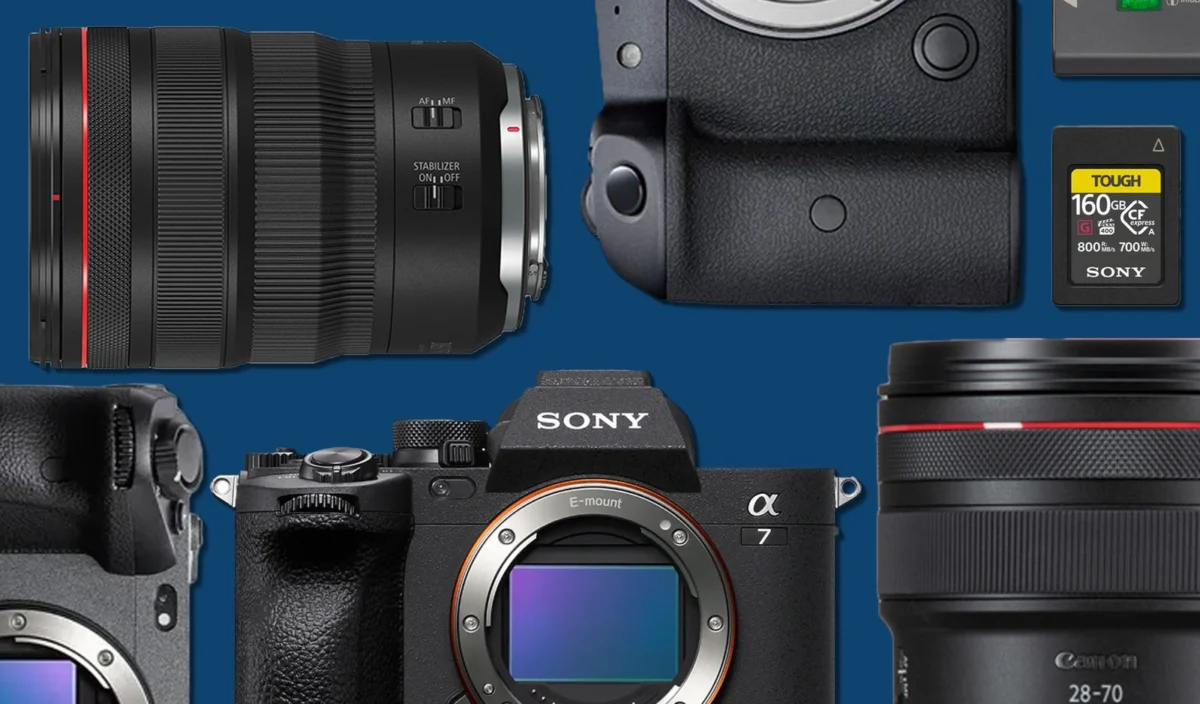
Beyond cameras and lenses, the accessory rental market provides a unique glimpse into the fundamental operational needs of modern content creators. This category encompasses everything from cables and hard drives to tripods and lighting equipment. Unsurprisingly, batteries and memory cards consistently top this list. Modern mirrorless cameras, while offering numerous advantages over their DSLR predecessors, are notoriously more power-hungry, necessitating a constant supply of fresh batteries, especially during long shoots or when operating in demanding conditions. Similarly, the high-resolution video and still images produced by contemporary cameras generate enormous data volumes, making high-capacity, high-speed memory cards an absolute necessity. These items are the lifeblood of any production, and their high rental frequency underscores their critical role in preventing workflow interruptions.
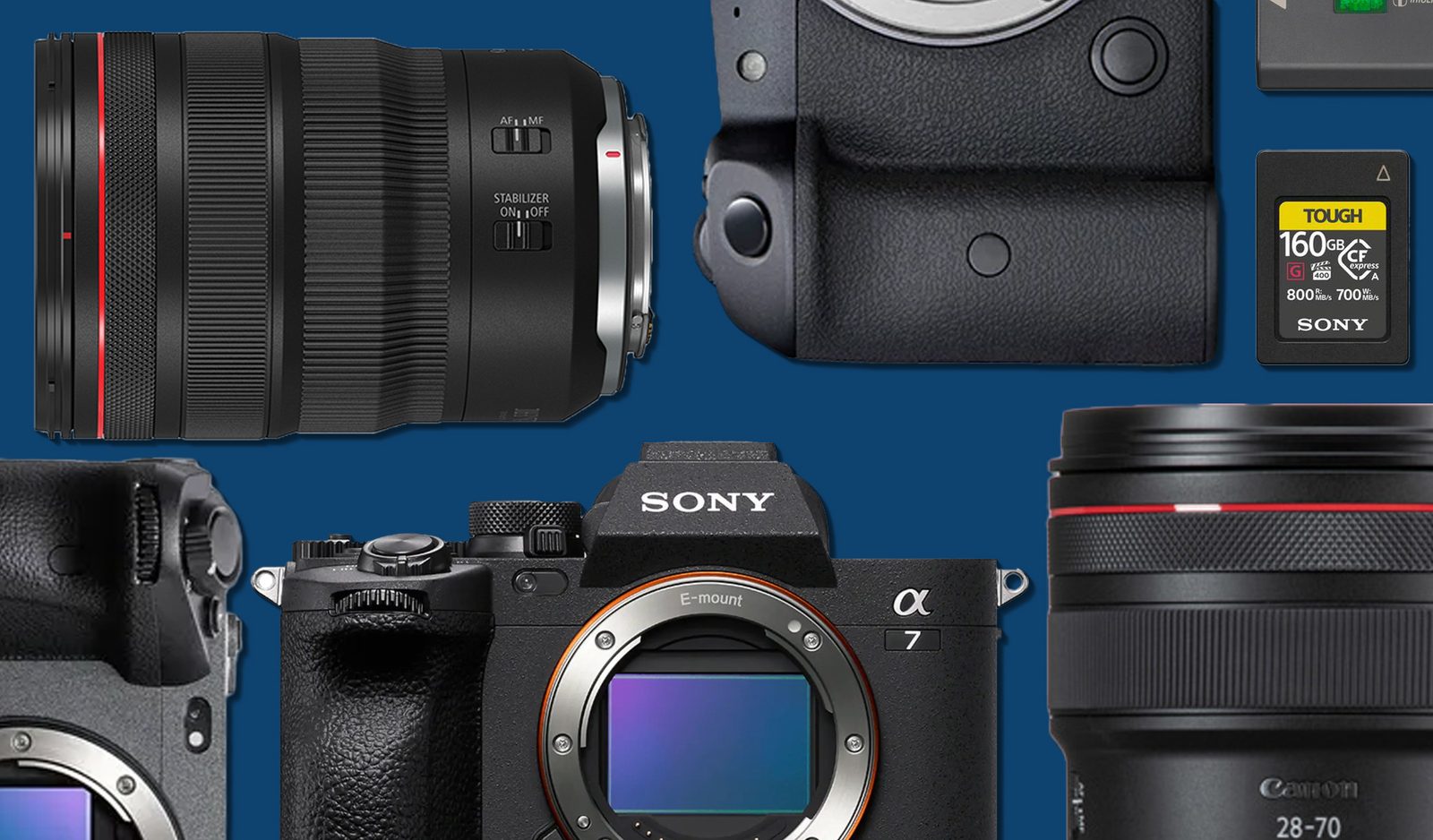
What is perhaps more surprising is the relative absence of dedicated lighting gear or advanced drone equipment in the top twenty accessory rentals, with the exception of the DJI TB50 battery in the 18th position, which supports popular drone models like the Inspire 2. The remaining positions in the accessory list were filled by essential support equipment such as light stands and various tripods. This trend suggests that while lighting and drone technology are integral to many modern productions, these items may either be more frequently purchased outright by production companies for long-term use, or perhaps the rental demand for these specialized categories is spread across a wider variety of models and brands, preventing any single item from dominating the top charts. It could also indicate that many professionals might own basic lighting kits and drones, renting only highly specialized or large-scale solutions as needed, rather than the core components.
Brand Market Share for 2025 by Revenue: A Shifting Landscape
The analysis of brand market share, based on revenue, offers a different perspective, often skewed towards higher-priced brands and professional systems. Even with this revenue-based methodology, Canon maintained its long-standing lead in the rental market, further solidifying its position with a 26.51% share in 2025, up from 25.69% in 2024 and 23.96% in 2023. This consistent growth highlights Canon’s strong product portfolio, robust ecosystem, and enduring brand loyalty among professionals. Sony continued to close the gap, securing a 21.66% market share in 2025, showing steady growth from 20.45% in 2024 and 19.13% in 2023. Sony’s aggressive innovation in mirrorless technology and diverse camera offerings across various price points have been key drivers in its ascent.
Nikon, while a major player, saw a slight dip in its market share, moving from 5.91% in 2024 to 5.56% in 2025, after a rise from 4.88% in 2023. This fluctuation suggests a competitive challenge for Nikon in converting its robust professional offerings into a larger share of the rental market revenue. DJI, a dominant force in drone technology, continued its steady growth, reaching 4.29% in 2025 from 3.80% in 2024 and 3.31% in 2023. This consistent upward trajectory underscores the increasing integration of aerial photography and videography into professional workflows, making DJI equipment a stable and growing component of rental inventories.
Other notable brands exhibited more nuanced trends. Blackmagic Design, known for its accessible cinema cameras, saw a slight decline from 3.57% in 2023 to 3.15% in 2025. Sigma, despite its single lens entry in the top 20, also experienced a marginal decrease from 3.32% in 2023 to 3.13% in 2025. Fujifilm, while absent from the top camera rentals, demonstrated modest growth in market share, from 2.24% in 2023 to 2.79% in 2025, indicating that while its products might not be rented in sheer volume, they command respectable revenue when they are. Aputure, a leading brand in LED lighting, saw its share dip slightly from 2.37% in 2024 to 2.29% in 2025. Panasonic maintained a stable presence, while high-end brands like Leica and RED saw slight shifts, with RED experiencing a more pronounced decrease from 2.03% in 2023 to 1.11% in 2025, likely due to intense competition and evolving production demands. The overall trend suggests a consolidation of market power among the top two players, Canon and Sony, with other brands vying for specialized niches or facing challenges in the broader rental ecosystem.
Emerging Gear and Future Market Directions
The final segment of the 2025 rental report focuses on the most popular new gear, providing crucial foresight into where the market might be heading. This category, however, comes with inherent caveats. Popularity in "new gear" is heavily influenced by the product’s release date within the year; a product announced in February has a significant advantage in accumulating rental orders compared to one launched just a month or two prior. Furthermore, this list reflects new additions to the rental house’s inventory, which, while typically comprising products released in 2025, can also highlight the rental house’s strategic entry into new product markets or subsections.
Leading the charge for new products in 2025 was an updated version of the highly popular Manfrotto 190 series tripod. This robust and versatile tripod, a staple for video productions, has a multi-year track record of reliability and performance. Its continued evolution and strong debut on the new gear list underscore the enduring importance of high-quality, dependable support systems for both still photography and videography. Tripods, often overlooked in the excitement surrounding cameras and lenses, remain foundational equipment for achieving stable, professional-grade results.
Significantly, the first strong debut from a lighting company on these new gear lists for the year was the Amaran COB 200x. This 200W bi-color monolight, offering both battery and AC power options, quickly gained traction. Its versatility, allowing for flexible power solutions on set, makes it an attractive rental for a wide range of productions, from location shoots where power outlets are scarce to studio environments. The Amaran COB 200x’s popularity indicates a growing demand for portable, powerful, and adaptable lighting solutions that can meet the dynamic needs of modern content creation. This reflects a broader industry shift towards more efficient, flexible, and often battery-powered LED lighting systems.
The remainder of the new gear list largely comprised refreshes of popular existing equipment. These products offered marginal upgrades to already exceptional items, signifying what many industry experts describe as a "transitional year." Rather than revolutionary new technologies, 2025 saw manufacturers refining existing product lines, enhancing performance, and introducing iterative improvements. This transitional phase suggests a period of consolidation and optimization within the industry, perhaps setting the stage for more significant technological leaps in the years to come, or simply indicating a maturing market where incremental improvements are still highly valued by professionals.
Implications and Future Outlook
The 2025 rental data paints a clear picture of a professional imaging market increasingly valuing versatility, reliability, and established ecosystems. Canon and Sony continue to dominate, driven by strong product offerings that cater to the evolving needs of hybrid shooters and video professionals. The consistent demand for midrange zoom lenses highlights a pragmatic approach to equipment rental, where efficiency and broad utility often take precedence. The strong performance of accessories like batteries and memory cards underscores the fundamental operational requirements of modern mirrorless workflows.
The slight shifts in brand market share and the nature of popular new gear suggest an industry in a state of refinement. While major breakthroughs may be anticipated, the focus in 2025 was on optimizing existing technologies and enhancing user experience through thoughtful upgrades. For manufacturers, the data emphasizes the importance of robust ecosystems, balanced camera performance, and practical lens designs. For professionals, it reinforces the value of versatile tools that can adapt to diverse creative challenges.
As the industry moves forward, the insights gleaned from rental data will continue to be invaluable. The upcoming release of purchase data will further illuminate which rental items prove so indispensable that customers choose to integrate them permanently into their professional kits, offering a complete perspective on the life cycle of popular imaging equipment. These detailed analyses serve as essential guides for navigating the dynamic and ever-evolving landscape of photography and videography.