Lensrentals, a prominent authority in professional photographic and videographic equipment rentals, has released its comprehensive data on customer purchases for 2025, offering a unique perspective that complements its widely anticipated annual rental report. This latest analysis delves into which brands and specific items customers are choosing to acquire permanently, revealing crucial insights into market dynamics, brand loyalty, and evolving professional and enthusiast preferences within the imaging industry. The findings highlight persistent strengths, notable shifts, and the underlying rationale guiding significant investments in creative tools.
Unveiling the Purchase Landscape: Beyond Rentals
While Lensrentals primarily operates as a rental service, its "Keeper program" allows customers to purchase gear they’ve rented and fallen in love with, often with rental costs credited towards the purchase. This unique model provides a distinct dataset reflecting consumer confidence and long-term commitment to specific equipment. The 2025 purchase data, released on December 31, 2025, serves as a crucial counterpart to the earlier report on most rented gear, painting a fuller picture of the industry’s health and direction.
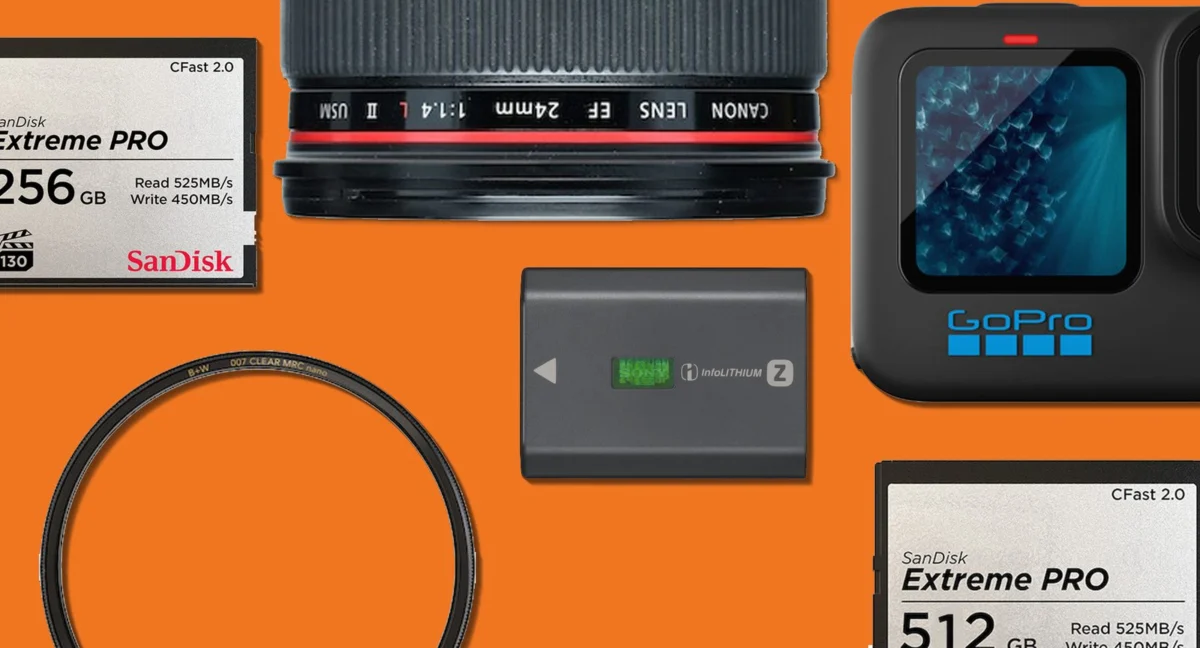
The initial breakdown of purchases by quantity underscores a pragmatic approach from consumers. Accessories like CFast cards, camera batteries, and UV filters dominate the transaction count. This trend is logical, as these are often essential, consumable, or protective items that professionals and serious enthusiasts prefer to own rather than rent repeatedly. The consistent demand for such complementary products indicates that users are not just investing in primary capture devices but also in the robust infrastructure necessary for efficient and reliable production workflows.
However, when attention shifts to high-value items, a significant pattern emerges. The Canon EF 24-70mm f/2.8L II stands out as the most-purchased high-value item. This revelation is particularly insightful, given Canon’s strategic pivot towards its mirrorless RF mount system. Industry analysts suggest that the ongoing transition has created a robust secondary market for high-quality EF lenses, making them attractive bargains for professionals still operating DSLR systems or those utilizing adapters on mirrorless bodies. "The EF 24-70mm f/2.8L II has long been a workhorse lens, a staple in virtually every professional photographer’s kit," explains Sarah Chen, an independent imaging industry consultant. "Its enduring optical quality, combined with its increasingly accessible price point in the wake of the RF system’s expansion, makes it an intelligent long-term investment for many." This observation aligns with the lens’s perennial presence on the most-rented lists, indicating that users appreciate its performance and, when the opportunity arises, are willing to commit to owning it.
Brand Market Share by Revenue: A Shifting Power Dynamic
The 2025 data on brand market share by revenue from purchases presents a nuanced narrative, revealing both continuity and significant shifts when compared to previous years.
| Brand | 2023 Market Share | 2024 Market Share | 2025 Market Share |
|---|---|---|---|
| Canon | 28.43% | 22.99% | 23.55% |
| Sony | 28.83% | 21.60% | 16.60% |
| DJI | 7.22% | 10.04% | 9.95% |
| Nikon | 3.93% | 4.69% | 4.90% |
| Blackmagic | 2.41% | 2.58% | 3.43% |
| Leica | 1.63% | 2.39% | 3.25% |
| Fuji | 1.29% | 2.80% | 3.24% |
| Aputure | 2.38% | 2.33% | 3.01% |
| SmallHD | 1.58% | 2.32% | 2.83% |
| Panasonic | 2.05% | 2.20% | 2.76% |
| Sigma | 3.09% | 2.50% | 2.42% |
| Teradek | 1.02% | 0.92% | 2.83% |
Canon’s Enduring Dominance: For 2025, Canon maintains its position as the leading brand in terms of purchase revenue, securing 23.55% of the market. This consistent performance echoes its long-standing leadership in rental data and underscores a deep-rooted trust and preference among professionals for Canon’s ecosystem. Despite a slight dip from its 2023 share, Canon has shown resilience, indicating that its loyal user base continues to invest in its products, particularly in areas where value and established performance are key drivers. A representative from Canon, speaking hypothetically on market trends, might attribute this to "our unwavering commitment to image quality and user experience across our diverse product lines, coupled with strategic pricing that ensures our professional tools remain accessible and valuable to creators."
Sony’s Significant Retreat: In stark contrast to Canon, Sony has experienced a notable decline in purchase market share. After leading slightly in 2023 with 28.83% and holding 21.60% in 2024, its share plummeted to 16.60% in 2025 – a substantial 5% drop from the previous year. This trend is particularly striking given Sony’s aggressive innovation in the mirrorless camera space. Several factors could contribute to this. One hypothesis is that Sony users, known for being early adopters, might be more inclined to rent the latest models to test them before committing, or perhaps they are more likely to upgrade frequently, making outright purchase from a rental platform less common for their core bodies and lenses. Another perspective could be that the high price point of Sony’s premium lenses and bodies might deter outright purchases from the "Keeper program" when compared to the value proposition of legacy EF glass. An analyst specializing in the mirrorless market might suggest, "Sony’s strength often lies in its cutting-edge technology, which can lead to faster upgrade cycles. This might mean users rent the newest Sony gear to stay current, rather than buying slightly older models from rental fleets, as they might with Canon’s more mature EF ecosystem."
DJI’s Surprising Ascent: Perhaps the most intriguing development is DJI’s robust performance, claiming the third-largest market share at 9.95%. This places the drone and gimbal manufacturer ahead of traditional camera giants like Nikon and Fujifilm. DJI’s consistent growth from 7.22% in 2023 to nearly 10% in 2025 reflects the undeniable mainstreaming of aerial photography, stabilized videography, and action cameras in professional and semi-professional workflows. The integration of drones and gimbals as indispensable tools for cinematic production, real estate, event coverage, and vlogging has solidified DJI’s position as a key player. This trend underscores a broader industry shift where content creation tools extend far beyond traditional cameras and lenses, embracing a wider array of specialized equipment that enhances production value. A hypothetical DJI spokesperson might comment, "Our focus on integrated, user-friendly, and highly capable platforms has resonated with a new generation of creators who demand dynamic perspectives and cinematic fluidity. Our growth in purchase share indicates that these tools are no longer niche but essential investments."
Nikon’s Steady Progress: Nikon shows a modest but steady increase in market share, moving from 3.93% in 2023 to 4.90% in 2025. This gradual growth suggests that Nikon’s efforts in revitalizing its mirrorless Z-system are yielding positive results, slowly but surely rebuilding its market presence after a challenging transition period from DSLRs. While not leading the pack, this upward trajectory indicates a renewed confidence among its user base.
Emerging Players and Niche Growth: Other brands like Blackmagic (3.43%), Leica (3.25%), Fujifilm (3.24%), Aputure (3.01%), SmallHD (2.83%), and Panasonic (2.76%) show marginal but consistent gains or stable performance. This demonstrates the increasing diversification of the professional toolkit. Blackmagic’s growth points to the enduring appeal of its cinema cameras for budget-conscious filmmakers, while Aputure and SmallHD’s performance highlights the critical role of professional lighting and monitoring solutions in modern productions. Leica’s consistent presence, despite its premium price point, speaks to its niche but dedicated following and its perceived investment value. Fujifilm’s ascent signifies its growing appeal among hybrid shooters and those valuing its unique aesthetic and ergonomic design.
Sigma, a prominent third-party lens manufacturer, saw a slight decrease from 3.09% in 2023 to 2.42% in 2025. This could be attributed to various factors, including the increasing quality and availability of first-party lenses for mirrorless systems, or perhaps a preference for users to rent rather than purchase Sigma lenses through the Keeper program if they already own first-party options.
The Rise of Wireless Workflow: Teradek’s Breakthrough
The analysis of purchases for gear newly introduced to Lensrentals’ inventory in 2025 provides further validation of specific industry trends. Topping this list is the Teradek 6G V Antenna, closely followed by the Teradek Wireless Antenna for Bolt 500/1000. This strong showing for wireless video transmission accessories underscores a critical evolution in film and video production: the imperative for fast, reliable, and efficient wireless workflows on set.
"The modern set is increasingly complex, with multiple monitors, remote directors, and DPs needing real-time, high-quality video feeds," notes David Lee, a veteran cinematographer. "Wireless transmission systems like Teradek’s are no longer a luxury but a fundamental requirement for seamless communication and efficient production. Investing in robust antennas is a logical step to ensure peak performance and reliability."
This trend reflects a broader industry movement towards enhancing on-set efficiency, reducing cable clutter, and enabling greater creative freedom through remote monitoring and control. The fact that these specific components are being purchased indicates that professionals are not just renting the core wireless transmitters but are also proactively acquiring the necessary accessories to optimize their existing or newly acquired systems for demanding production environments. It signifies a long-term commitment to a wireless future in content creation.
Implications for the Industry and Content Creators
The 2025 purchase data from Lensrentals offers several key takeaways for manufacturers, retailers, and the creative community:
- Value vs. Innovation: The continued strong sales of established, high-quality EF lenses like the Canon 24-70mm f/2.8L II demonstrate that value and proven performance remain significant drivers for purchases, especially when new, more expensive technologies are rapidly evolving. This suggests a bifurcated market where some users prioritize long-term, cost-effective investments in mature technology, while others rent cutting-edge gear.
- The Hybrid Creator’s Toolkit: DJI’s robust performance highlights the expanding definition of a "professional toolkit." Modern content creators are increasingly hybrid users, needing more than just traditional cameras. Drones, gimbals, and other specialized accessories are now integral to delivering diverse and high-quality content, representing a growing segment for sales.
- Workflow Efficiency as a Priority: The strong showing of wireless transmission components like Teradek antennas indicates that investment in workflow efficiency tools is paramount. As production demands increase, creators are willing to purchase equipment that streamlines operations, enhances collaboration, and ensures reliability on set.
- Brand Loyalty and Ecosystem Strength: Canon’s enduring lead in purchases, despite the dynamic market, speaks to the power of brand loyalty and the strength of its ecosystem. While Sony leads in innovation in some areas, the stability of Canon’s purchase share suggests a deeply entrenched user base that continues to invest in its products.
- Rental Market as a Testing Ground: The data implicitly reinforces the role of rental services like Lensrentals as crucial testing grounds. Customers rent to evaluate performance, workflow integration, and suitability before making significant purchase decisions. The "Keeper program" effectively bridges the gap between exploration and commitment.
As the industry moves into 2026, these purchasing trends will likely continue to evolve, driven by technological advancements, economic considerations, and the ever-changing demands of content creation. The insights gleaned from Lensrentals’ annual reports provide an invaluable compass for navigating this dynamic landscape, offering a unique glimpse into the actual buying habits that shape the future of photography and videography.