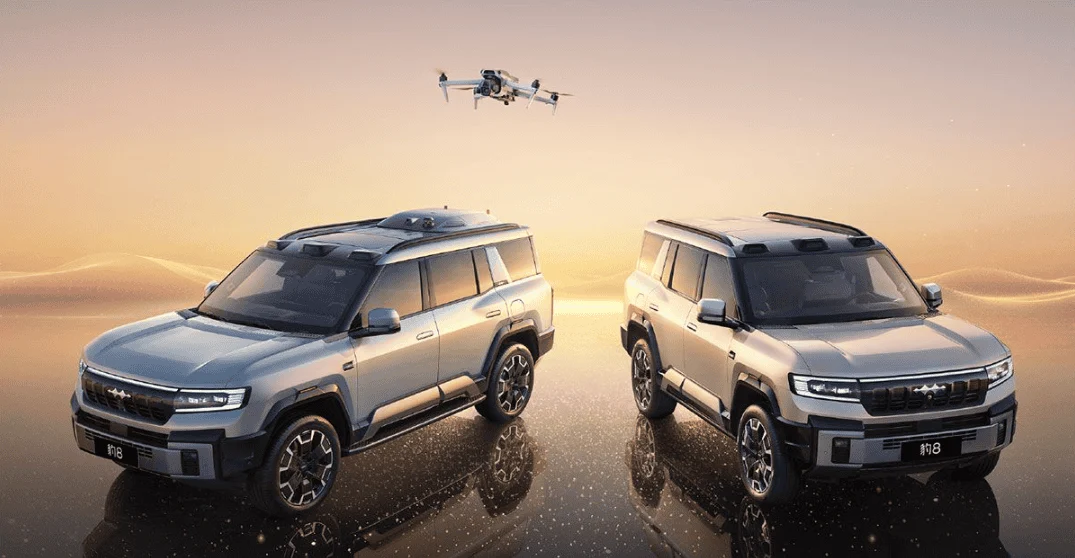
The announcement, which has sent ripples through both the tech and automotive sectors, details a system where a high-performance drone is housed within a specialized compartment on the vehicle’s roof. This integration is not merely a storage solution but a fully synchronized hardware-software ecosystem. The drone, developed with DJI’s industry-leading flight stabilization and imaging technology, is designed to launch, follow, and land autonomously, providing drivers with real-time aerial intelligence and high-definition documentation capabilities.
A Paradigm Shift in Automotive Utility
The integration of smart drones into vehicles represents a calculated move by BYD to dominate the "intelligent cockpit" and "intelligent driving" spaces. As the EV market becomes increasingly saturated with high-performance batteries and motors, manufacturers are turning toward software-defined features and unique hardware add-ons to differentiate their offerings. The BYD-DJI partnership addresses a growing demand for multi-dimensional travel experiences, catering to outdoor enthusiasts, content creators, and safety-conscious drivers alike.
This initiative follows several years of research and development into "Vehicle-to-Drone" (V2D) communications. Industry analysts note that while other manufacturers have showcased conceptual drone integrations at trade shows like CES, BYD is among the first to bring a production-ready, fully integrated system to the consumer market. This move leverages BYD’s massive vertical integration capabilities and DJI’s dominant 70% share of the global drone market, creating a synergy that is difficult for competitors to replicate.
Technical Specifications and Hardware Architecture
The core of the system is a custom-designed drone that utilizes DJI’s proprietary O3+ image transmission technology, ensuring a stable, low-latency video feed even at significant distances from the vehicle. The drone is equipped with a high-resolution 4K camera mounted on a three-axis mechanical gimbal, allowing for cinematic-quality footage regardless of the drone’s flight maneuvers or environmental wind conditions.
The Intelligent Docking Station
A key component of this innovation is the vehicle-mounted docking station. Unlike aftermarket drone kits, this station is built into the roof of the vehicle. It features an automated opening and closing mechanism that protects the UAV from the elements when not in use. More importantly, the dock serves as a sophisticated charging hub. Using the vehicle’s massive traction battery, the drone can be fast-charged between flights, effectively eliminating the "range anxiety" typically associated with small-form-factor drones.
The docking station also includes an automated battery-swapping or management system in higher-tier models, ensuring that the drone is always flight-ready. Thermal management systems within the dock ensure that the drone’s batteries are kept at optimal temperatures, extending their lifespan and ensuring reliability in extreme climates—from desert heat to sub-zero mountain passes.
UAV Capabilities and DJI Heritage
The drone itself is a marvel of miniaturization and ruggedness. It features advanced obstacle avoidance sensors on all sides, powered by DJI’s latest algorithmic suite. This allows the drone to navigate complex environments—such as forested trails or narrow urban canyons—while maintaining a lock on the vehicle. The drone’s maximum flight speed is synchronized to match typical driving speeds for off-road or scenic cruising, ensuring it can keep pace during dynamic "follow-me" shots.
Artificial Intelligence and Autonomous Flight Operations
The true intelligence of the BYD smart drone lies in its software integration. The drone is controlled via the vehicle’s primary infotainment screen, utilizing BYD’s proprietary operating system. This eliminates the need for a separate handheld controller, allowing the driver or passenger to initiate flight sequences with a single touch.
Autonomous "Follow-Me" and Scouting Modes
Through advanced AI computer vision, the drone can identify and track the vehicle with high precision. In "Follow-Me" mode, the drone maintains a set altitude and distance, capturing cinematic angles of the car as it moves through the landscape. This is particularly targeted at the "overlanding" and adventure tourism market, where enthusiasts wish to document their journeys without stopping to manually pilot a drone.
Furthermore, the system includes a "Scouting" mode. In this configuration, the drone flies ahead of the vehicle to provide a bird’s-eye view of the terrain. For off-roaders, this allows for the identification of obstacles, water depth, or trail blockages that are not visible from the driver’s seat. In urban environments, this could potentially be used to identify traffic congestion or parking availability several blocks away.

Automated Landing and Recovery
Landing a drone on a stationary object can be challenging for beginners; landing one on a moving or idling vehicle is significantly more complex. BYD and DJI have solved this through a high-precision landing system that uses a combination of GPS, ultrasonic sensors, and visual markers. As the drone approaches the vehicle, it communicates with the car’s onboard sensors to align itself perfectly with the docking station, ensuring a safe and secure recovery even in moderate winds.
Practical Applications: From Content Creation to Road Safety
While the "cool factor" of a car-launched drone is undeniable, the practical applications extend into several critical areas:
- Documentation and Social Media: With the rise of the creator economy, the ability to capture professional-grade aerial footage of one’s travels is a significant selling point. The system allows for automatic editing and sharing of clips directly from the car’s 5G-connected infotainment system.
- Safety and Situational Awareness: In the event of a breakdown or an emergency in a remote area, the drone can be launched to find the nearest help, scout for landmarks, or even act as a signal flare by hovering at high altitude with its lights flashing.
- Infrastructure Inspection: For professional users, such as engineers or surveyors who use BYD vehicles for work, the drone provides a quick way to inspect bridges, power lines, or construction sites without needing to carry additional equipment.
- Traffic Management: On congested highways, the drone can provide the driver with a clear view of the cause of a delay, helping them decide whether to take an alternate route.
Strategic Implications for the Global EV Market
BYD’s decision to launch this technology is a clear signal to its global competitors, including Tesla, Rivian, and European legacy automakers. By moving into the "lifestyle tech" space, BYD is attempting to capture a younger, tech-savvy demographic that views the car as an extension of their digital life.
According to market data, the global drone market is expected to grow at a CAGR of 15% through 2030, while the EV market continues its rapid expansion. By intersecting these two growth curves, BYD is creating a new product category. Financial analysts suggest that this integration could increase the average selling price (ASP) of BYD’s premium models and boost brand loyalty through a unique software ecosystem.
Furthermore, this partnership strengthens the "Shenzhen Tech Hub" narrative. Both BYD and DJI are headquartered in Shenzhen, China’s Silicon Valley. Their collaboration highlights the regional advantage of having hardware and software leaders in close geographical and strategic proximity.
Addressing Regulatory and Safety Challenges
Despite the technological prowess of the system, BYD faces a complex landscape of international regulations. Drone laws vary significantly by country; in many jurisdictions, "beyond visual line of sight" (BVLOS) flight or operating a drone from a moving vehicle is restricted.
BYD has stated that the system will include "geofencing" software to prevent the drone from taking off in restricted zones, such as near airports or sensitive government installations. Additionally, the software will likely include limiters to ensure compliance with local altitude and speed regulations. The company is reportedly working with aviation authorities in its key markets—including Europe, Southeast Asia, and South America—to ensure that the V2D system meets all safety standards.
From a hardware safety perspective, the drone’s batteries are designed with multi-layer protection to prevent fire risks, a critical consideration given the proximity to the vehicle’s main battery and passengers. The docking station is also crash-tested to ensure it does not compromise the structural integrity of the vehicle’s roof or the safety of the cabin in the event of a rollover.
Conclusion: The Future of Integrated Mobility
The launch of the BYD smart drone in partnership with DJI is more than a luxury gimmick; it is a preview of the future of integrated mobility. As vehicles become more autonomous and connected, the addition of an aerial component is a logical progression. It expands the vehicle’s "senses" from the road surface to the sky, providing a level of utility that was previously the stuff of science fiction.
With this move, BYD reinforces its position as an innovator that is not afraid to break traditional automotive boundaries. As the technology matures and regulatory frameworks evolve, the vehicle-mounted drone may soon become as common as the rearview camera or the GPS navigation system. For now, BYD and DJI have set a high bar, challenging the rest of the industry to look upward for the next great leap in automotive technology. The world will be watching closely as these drone-equipped vehicles hit the streets, forever changing how we perceive the relationship between our cars and the environment around them.