The practice of analog photography, often characterized by its meticulous and deliberate nature, represents a significant departure from the instantaneous results offered by modern digital imaging. While digital photography emphasizes post-processing flexibility and high-volume capture, the film-based workflow is defined by a rigid sequence of technical decisions that must be finalized prior to or at the moment of exposure. This methodological approach, frequently referred to as the "process," involves a complex interplay of equipment selection, chemical knowledge, and environmental observation, creating a cognitive framework that constrains the artist while simultaneously deepening their engagement with the subject matter.
The Technical Framework of Pre-Capture Decisions
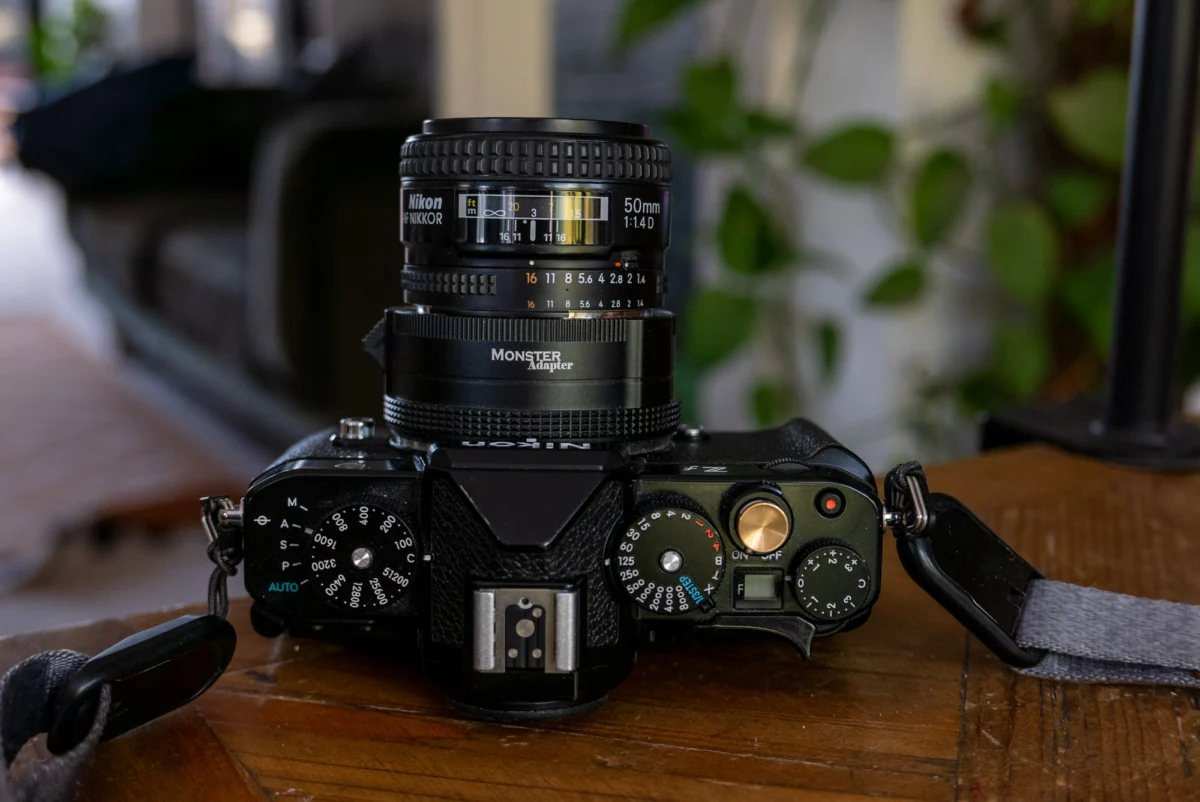
In the analog workflow, the decision-making process begins long before the photographer arrives at a location. Unlike digital systems, where ISO, color balance, and even focal length can be adjusted or corrected after the fact, film photography requires a predetermined set of parameters. The choice of hardware—typically a rangefinder for its compact and unobtrusive nature—is often paired with a standard 50mm lens. This fixed focal length serves as a creative constraint, forcing the photographer to move physically within the environment to compose an image rather than relying on a zoom mechanism.
The selection of the medium itself is perhaps the most critical initial step. Photographers must choose between various emulsions, such as Ilford FP4+, Delta 100, or Fomapan 100, each possessing unique characteristics regarding grain structure, tonal range, and light sensitivity. These films are often rated at specific ISOs that may differ from their box speeds, depending on the intended developer. For instance, the use of PMK Pyro—a staining developer known for its ability to provide exceptional highlight detail and sharpness—requires the photographer to adjust their exposure calculations and mental visualization to account for the developer’s specific chemical behavior.
Furthermore, the integration of physical filters (such as yellow, orange, or red filters for black-and-white photography) is a mandatory step for controlling tonal separation in-camera. This necessitates a mastery of "filter factors," which are the exposure compensations required to maintain proper density on the negative. By making these choices early, the photographer eliminates the "infinite possibilities" of digital editing, focusing instead on the specific angular dimensions and monochromatic values available to them.
The Chronology of Fieldwork and Observation
Once on-site, the analog process transitions into a phase of heightened environmental awareness. In a professional or serious hobbyist context, this often begins with a "recce" or reconnaissance mission. During this phase, the photographer assesses light quality, direction, and contrast. The use of a hand-held incident light meter is standard practice, often supplemented by the "Sunny 16" rule—a manual method of estimating exposure based on the sun’s position and intensity.
This stage of the process is fundamentally observational. The photographer must consider several variables simultaneously:
- Subject Significance: Identifying the reason or purpose behind a potential shot.
- Environmental Context: Analyzing the surroundings, whether they be impoverished, wealthy, natural, or man-made, to provide a narrative layer to the image.
- Light Management: Determining how highlights and lowlights will be rendered on the specific film stock. Decisions must be made regarding whether to "bury" shadows or preserve highlight detail, as film generally handles overexposure better than digital sensors but can lose shadow detail irrevocably if underexposed.
The lack of an LCD screen for instant feedback ensures that the photographer remains "lost in the moment." This psychological state, often described as "flow," is a direct result of the high stakes involved; each frame on a roll of 35mm or medium-format film represents a literal financial and temporal cost, demanding total cognitive focus.
Laboratory Procedures and Chemical Processing
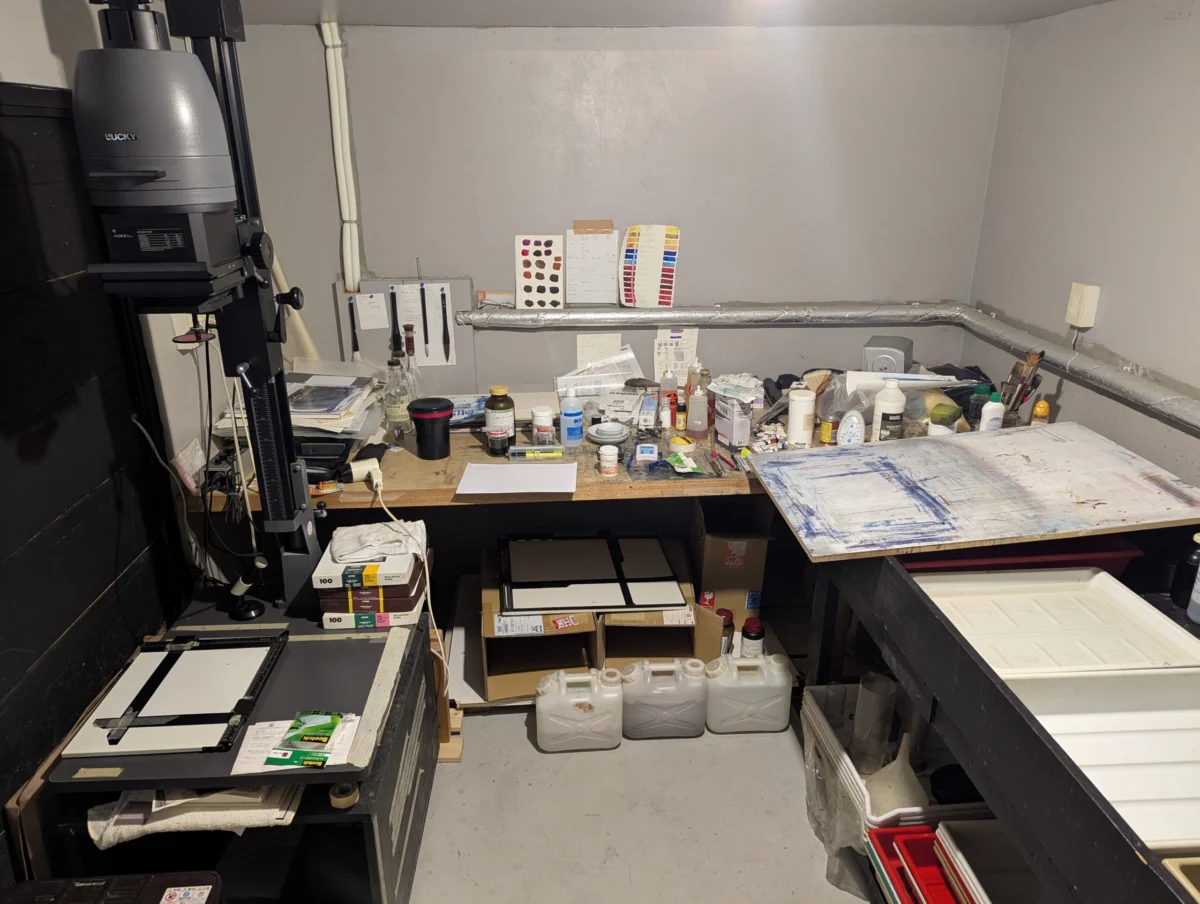
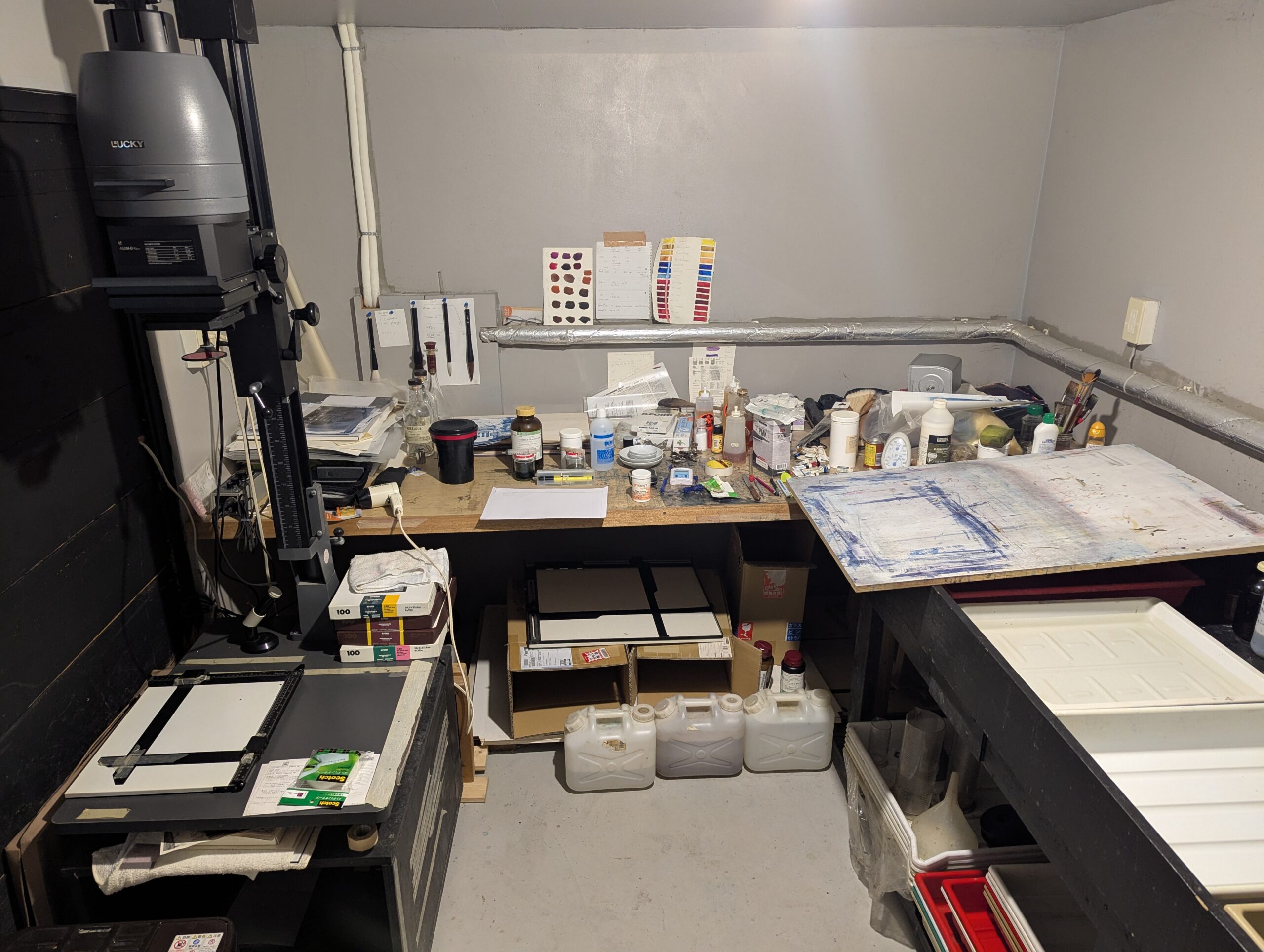
The conclusion of the shooting phase marks the beginning of the "darkroom" or wet-lab process. This stage is highly physical and requires a controlled environment where computers and digital software are entirely absent. The film is manually trimmed and loaded into developing tanks in total darkness. The chemistry—including developers, fixers, and stop baths—must be prepared at precise temperatures to ensure consistent results.
The use of specialized developers like PMK Pyro introduces a rhythmic element to the workflow. Pyro development requires regular agitation, often every 15 to 30 seconds, to ensure even development and to promote the staining effect that protects highlights. Practitioners often utilize these intervals for physical activity, such as squats, or for mental reflection on the images captured. Following the development and fixing cycles, the film may return to a diluted developer bath for toning, a technique used to enhance the archival permanence and aesthetic quality of the negative.
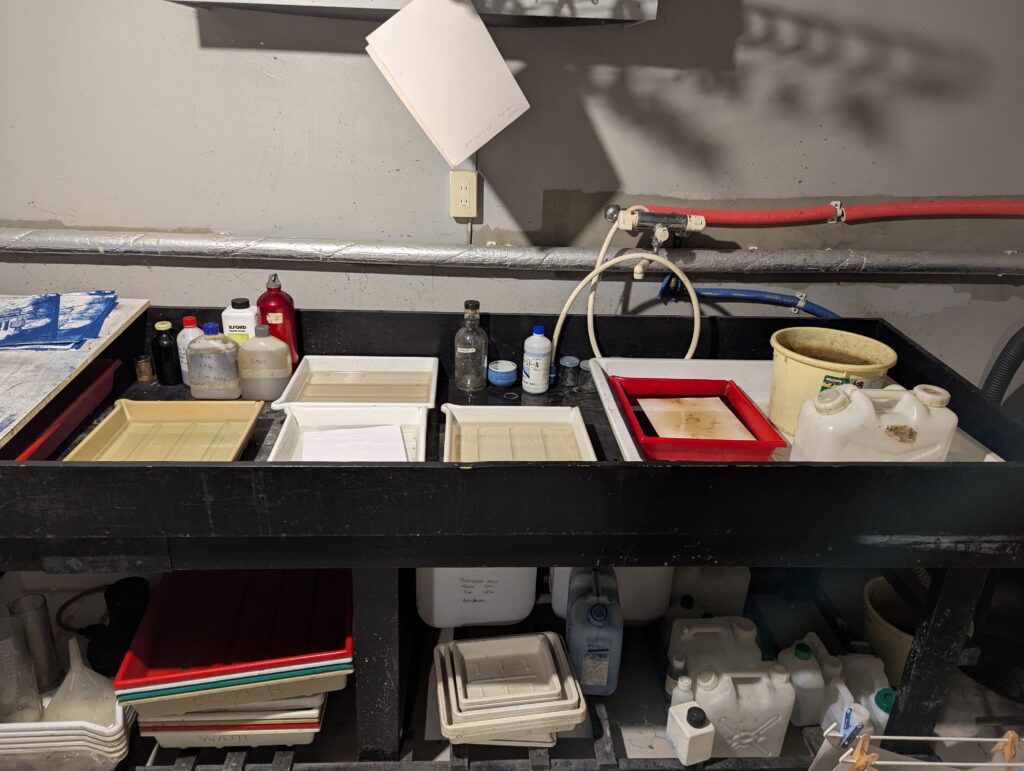
The final stage of the laboratory process is the drying phase. Negatives are hung in a dust-free environment to dry overnight. This period of waiting serves as a cooling-off period, providing a sense of satisfaction that is distinct from the immediate gratification of digital photography. The transition from a latent image on a strip of celluloid to a physical negative is a transformative act of "making" rather than simply "getting" a shot.
Supporting Data: The Resurgence of the Analog Market
Despite the dominance of digital technology, data suggests a robust and growing interest in analog photography. According to industry reports from Eastman Kodak and Ilford Photo (HARMAN technology), the demand for black-and-white and color film has seen a steady increase over the last decade. In 2022, Kodak Alaris reported that it was operating its film manufacturing plant 24 hours a day, seven days a week, to keep up with global demand.
Furthermore, the secondary market for analog cameras has experienced significant price inflation. Iconic models from manufacturers such as Leica, Hasselblad, and Pentax have seen their market values double or triple since 2015. This trend is driven not only by older professionals returning to the medium but also by a younger demographic (Gen Z and Millennials) seeking a tangible, "grounded" creative experience in an increasingly virtual world.
A survey of photography students in 2023 indicated that approximately 60% of respondents felt that learning on film improved their digital photography skills. The consensus among educators is that the constraints of film—limited frames, manual settings, and the inability to "undo" mistakes—force students to develop a deeper understanding of the physics of light and the chemistry of imaging.
Psychological Implications and Cognitive Constraints
The primary differentiator between film and digital workflows is the "sequence" of operations. In a digital environment, the majority of creative and technical decisions are deferred to the post-processing stage. A photographer can capture thousands of images and "fix" exposure, color, and composition later at a desk. While efficient, this method can lead to a "spray and pray" mentality, where the quantity of images replaces the quality of thought.
In contrast, the analog process captures the photographer’s thought processes at the exact moment the shutter is pressed. Because the constraints are set beforehand, the photographer must be "right" in their assessment of the scene. This "creative constraint" is psychologically rewarding. As noted by industry practitioners, the act of reading a scene and deciding what a photo needs—without the option to take it back—creates a sense of accountability and presence.
The analog image is more than just a reproduction of a scene; it is a physical record of a specific set of choices. The silver halide crystals on the film base react to light in a way that is "plausible" and "grounded," avoiding the clinical perfection or artificial enhancements often associated with digital sensors and AI-driven image processing.
Broader Impact and Industry Outlook
The persistence of film photography has significant implications for the broader imaging industry. It has fostered a niche ecosystem of chemical manufacturers, laboratory services, and boutique camera repair shops. Moreover, it has influenced digital technology; many modern digital cameras now include "film simulation" modes, attempting to replicate the grain and color science of classic emulsions like Fujifilm’s Velvia or Kodak’s Portra.
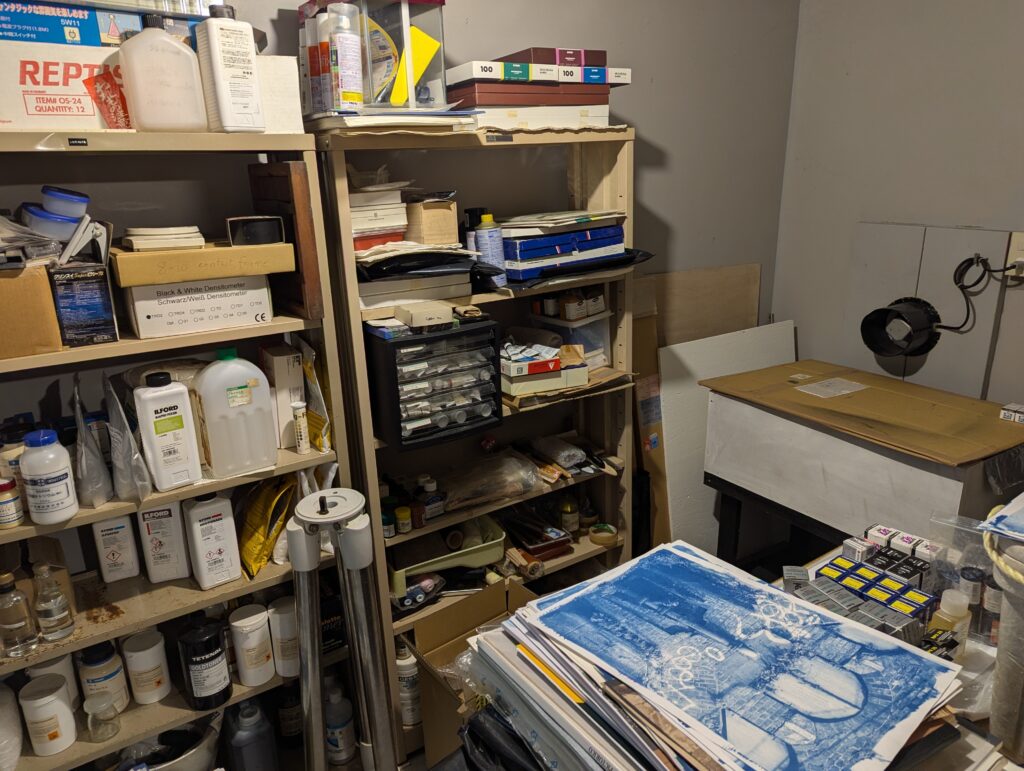
However, simulations remain distinct from the "process" itself. The joy of analog photography lies in the interaction with the physical world—handling the camera, mixing the chemicals, and hanging the film to dry. It is an interaction with "self" and "subject" rather than with "plastic, chips, and naughts and ones."
As the world becomes more digitized, the value of the analog process is likely to remain high among those who view photography as a craft rather than a mere utility. The "playroom"—the darkroom or studio—remains a sanctuary where the practitioner can engage in a slow, deliberate, and deeply personal form of creation. The story of film is not one of obsolescence, but of a specialized, high-intent medium that continues to challenge and reward those willing to embrace its rigorous demands.