Raja Ampat, an Indonesian archipelago located off the northwest tip of West Papua’s Bird’s Head Peninsula, consistently garners recognition as the planet’s premier destination for underwater photography. This remote region offers an extraordinary spectacle of lush, jungle-covered islands rising from crystalline waters, concealing a vibrant subaquatic realm teeming with rich coral reefs and a staggering array of marine wildlife unmatched in density and diversity anywhere else on Earth.
Geographical and Ecological Significance
Often referred to as "The Last Paradise," Raja Ampat is not merely an archipelago but a vital component of the Coral Triangle, a marine area recognized as the global epicenter of marine biodiversity. Comprising over 1,500 islands, cays, and shoals surrounding its four main islands—Waigeo, Batanta, Salawati, and Misool—its strategic position within this biological hotspot grants it an ecological significance that is globally unparalleled. Scientific studies and ongoing surveys consistently place Raja Ampat at the apex of marine biodiversity, reporting that it hosts over 75% of the world’s known coral species and an astounding array of fish species. This makes it an undisputed mecca for both recreational scuba diving and professional underwater photography.

The region’s prolific tropical waters boast an impressive repertoire of over 1,000 species of fish, more than 540 different strains of coral, and approximately 700 types of mollusks. Beyond these foundational species, divers and photographers regularly encounter larger pelagic creatures such as schooling manta rays, the elusive dugongs, various shark species including the unique wobbegong shark, and even saltwater crocodiles in specific habitats. This extraordinary concentration of life creates an underwater tableau of unimaginable size, color, and activity, promising a truly mind-blowing experience for anyone venturing beneath its surface.
Planning the Expedition to This Remote Paradise

Accessing a destination as pristine and biologically rich as Raja Ampat requires careful planning due to its remote location. For international travelers, particularly those from Australia, the journey typically involves multiple flights, often with lengthy layovers, followed by domestic connections within Indonesia. The final leg usually includes a slow, two-hour ferry ride to Waisai, the capital of Raja Ampat Regency, and then further localized transport via car or speedboat to various island accommodations or liveaboard embarkation points. This multi-leg journey, while challenging, underscores the untouched nature of the destination, preserving its unique ecosystem from mass tourism.
Travelers have several logistical options for exploring Raja Ampat. Day trips from established resorts or homestays in Waisai or nearby islands allow access to local dive sites. However, for a comprehensive exploration of this vast and expansive region, a liveaboard dive boat is widely considered the superior choice. Liveaboards provide unparalleled access to a wider range of dive sites, often including more remote and pristine locations that are otherwise difficult to reach. Many seasoned visitors advocate for liveaboard itineraries that include the Misool region, recognized for its exceptionally healthy and improving biodiversity—a testament to successful local conservation efforts. Following a liveaboard experience, decompressing at a homestay on one of the smaller islands offers an opportunity to enjoy the area’s pristine house reefs at a more leisurely pace, extending the photographic opportunities.

The Allure for Underwater Photographers: Diverse Opportunities
Raja Ampat’s greatest strength for underwater photographers lies in its incredible versatility. The destination caters to every niche within the discipline, from grand wide-angle reefscapes to intricate macro life. The sheer majesty of the reef systems, continuously growing and flourishing with unimaginable size and vibrant colors, presents a natural masterpiece for photographers.

For wide-angle photography, these extensive coral cosmoses set the perfect scene. Photographers can capture schooling batfish, barracuda, snappers, and lionfish, alongside larger subjects like manta rays, wobbegong sharks, and various sea turtle species. A 16-35mm lens is often recommended for these expansive shots, though opportunities for Close Focus Wide Angle (CFWA) photography are also abundant, allowing for detailed foreground subjects against a broad backdrop.
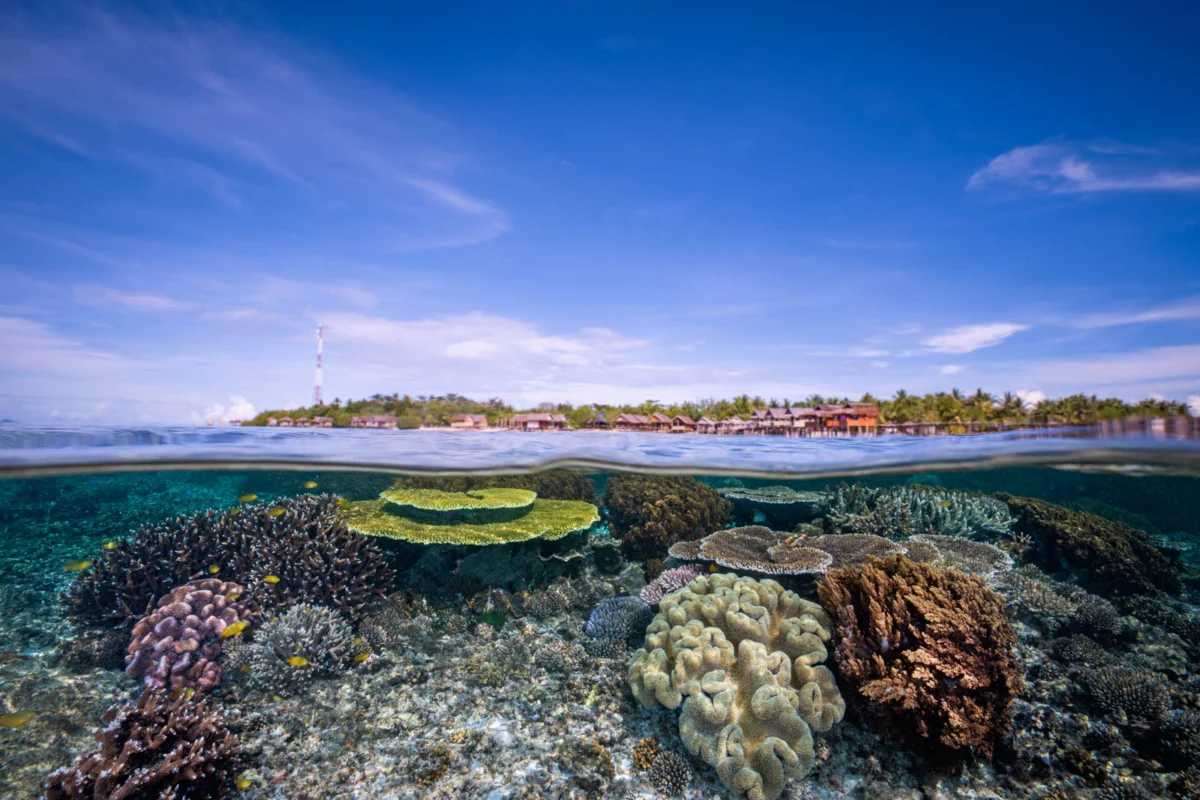
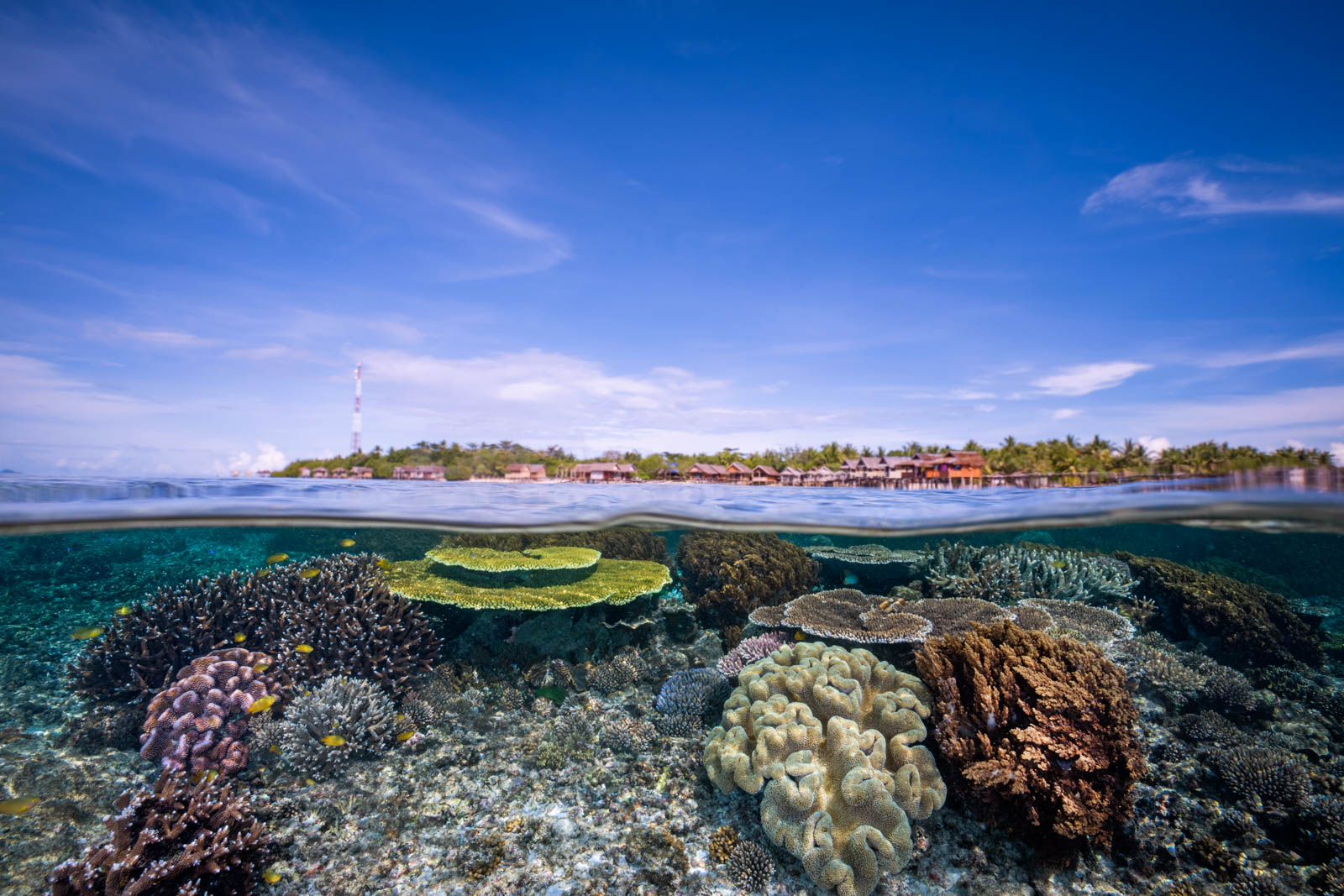
Beyond the underwater realm, Raja Ampat is also an ideal setting for captivating over-under or "split shots," capturing both the vibrant underwater world and the stunning topside scenery simultaneously. Many of these shots are easily accessible from the numerous island house reefs. When selecting a homestay, choosing one with a pristine house reef is crucial for maximizing opportunities for split shots, as it provides 24-hour access to a choreographed coral backdrop. The region’s breathtaking sunrises and sunsets further enhance these photographic possibilities, painting the sky and water with dramatic light.

For those drawn to the minute wonders of the ocean, Raja Ampat is a haven for macro photography. The cracks and crevices of its breathtaking reef systems hide a treasure trove of "weird and wonderful" critters. While a mid-range macro lens such as a 60mm is highly versatile, packing a longer lens like a 90mm or 120mm is essential for capturing the tiniest subjects with significant detail. Furthermore, an external diopter is highly recommended for extreme close-up shots of these minuscule creatures. Photographers can expect multiple encounters with pygmy pipehorses, mantis shrimps, leaf scorpionfish, frogfish, various species of cephalopods (including flamboyant cuttlefish and mimic octopuses), ghost pipefish, eels, blennies, and a myriad of soft coral denizens. Engaging with dive guides beforehand to ascertain expected sightings for each dive is crucial for selecting the appropriate photographic setup.
Navigating the Challenges of Photography in Raja Ampat

The very attributes that contribute to Raja Ampat’s rich biodiversity also present unique challenges for underwater photographers. The nutrient-rich waters, a product of an intricate system of strong currents flowing through straits like the Dampier Straits, can sometimes lead to less-than-desirable visibility. This can make capturing clear wide-angle images challenging, necessitating meticulous strobe positioning and a deep understanding of underwater lighting techniques to cut through particulate matter and restore color.
These strong currents, while vital for sustaining the marine ecosystem, can be a significant burden when handling heavy and delicate underwater photography equipment. Divers must be prepared for dives where the primary objective is to simply hold on for dear life, seeking shelter behind boulders or reef formations. Expert dive guides are adept at reading currents and planning dives accordingly. However, if a dive guide indicates "strong" currents, it is often advisable to consider leaving the camera behind, as battling the current while managing equipment can compromise safety and result in missed photographic opportunities or even damage to gear. Securing cameras with reliable lanyards or clips is paramount, and comprehensive camera insurance is an absolute necessity for any serious underwater photographer visiting the region.

Spotlight on Iconic Dive Sites
Raja Ampat offers an extensive network of dive sites, each with its unique character and photographic appeal. Here are some highly regarded locations:

-
Melissa’s Garden: A dream for coral enthusiasts, this wide-angle site immerses divers in vast "mountains" of plate corals stretching as far as the eye can see. Its elegant topography provides a perfect canvas for wide-angle shots featuring schooling batfish, barracuda, snappers, lionfish, and angelfish, among others. The sheer scale and health of the coral here are unforgettable.
-
Batu Rufus: This hidden gem near the Fam Islands is a crystal-clear emerald lagoon enclosed by towering limestone formations. While the outer reefs, sloping to about 25 meters, offer opportunities for manta ray and shark sightings, the true photographic magic unfolds in the shallow, pristine waters of the lagoon. The dive often begins with a swim-through lined with towering coral fans and majestic rock structures. Inside, the lagoon opens into a natural pool of wonders with startling visibility, allowing photographers to spend hours capturing the flourishing reef systems at depths of just 5 meters. This site is particularly ideal for natural light photography and stunning split shots, with the dramatic limestone structures providing a breathtaking topside element. Free-diving here could be an exceptionally rewarding experience for capturing dynamic interactions between the surface and the shallows.

-
Cape Kri: Perhaps the most well-known dive site in the region, Cape Kri once held the world record for the highest number of fish species spotted on a single dive (374 species in a single 90-minute dive by Dr. Gerry Allen in 2001). This site overwhelms with marine life opportunities. Due to its popularity and richness, multiple dives are often possible, allowing photographers to alternate between wide-angle and macro setups. Its sloping reefs descend to 40 meters, featuring vibrant coral gardens and strong intersecting currents that attract schooling barracuda, turtles, manta rays, and various pelagic species for wide-angle captures. However, Cape Kri also excels as a macro dive, saturated with exotic tiny critters. The abundance of Muricella gorgonian fans makes it a prime location for spotting pygmy seahorses, masters of camouflage. This pygmy kingdom also hosts octopus, flatworms, nudibranchs, various shrimp species, and countless other macro subjects.
-
Manta Ridge: Located between Mansuar and Airborei Islands, Manta Ridge is a renowned hotspot for schooling manta rays. While sightings can be unpredictable, when the ocean gods are favorable, divers may find themselves engulfed by mantas "flying" from every direction. The site’s strong currents, however, demand vigilance, especially concerning potentially dangerous down currents. Divers must prioritize safety and be prepared for demanding conditions.

-
Citrus Ridge: Another serious favorite for underwater photography, Citrus Ridge, a T-shaped dive near the Gam Islands, is celebrated for its incredibly colorful reef systems. This vibrant backdrop naturally lends itself to experimental wide-angle photography. Yet, it is also a biodiversity hotspot for macro life, offering an unparalleled opportunity for "underwater detective work" to find odd bottom dwellers. The colorful reef system provides a stunning backdrop for macro critters, enhancing their visual impact. Beyond macro, the site offers encounters with wobbegongs, various sharks, turtles, and schooling pelagics, making it a comprehensive photographic experience.
Conservation Efforts and Sustainable Tourism

Raja Ampat’s designation as a global marine biodiversity hotspot is not accidental but a result of its unique geography and, increasingly, dedicated conservation efforts. The region falls within the jurisdiction of the Coral Triangle Initiative on Coral Reefs, Fisheries, and Food Security (CTI-CFF), an international partnership working to sustain marine and coastal resources. Local communities and NGOs play a critical role in enforcing marine protected areas, educating residents, and promoting sustainable fishing practices. The success story of Misool, where a privately managed marine conservation area has led to a remarkable increase in biomass and biodiversity, serves as a powerful model for the region and the world. This balance between preservation and responsible tourism is crucial for Raja Ampat’s long-term health.
The economic implications of tourism are significant for the local communities, providing livelihoods through homestays, dive operations, and related services. However, this also underscores the imperative for sustainable tourism practices. Visitors are encouraged to choose eco-friendly operators, respect local customs, and minimize their environmental footprint to ensure that Raja Ampat remains a "Last Paradise" for future generations.

Future Outlook and Conclusion
The photographic possibilities in Raja Ampat are truly endless, reflecting an unparalleled diversity of marine life that captivates eager and devoted ocean lovers. Visitors become completely immersed in the true definition of island life, enjoying perfectly manicured reefs, an abundance of ocean creatures, and infinite archipelago structures during surface intervals. The primary challenge for photographers often boils down to a delightful dilemma: choosing between a macro or wide-angle setup, as opportunities for both are equally compelling. However, committing to a choice is essential, accepting that some opportunities on the unchosen end of the spectrum will inevitably be missed.

Ultimately, a trip to Raja Ampat is more than just a dive expedition; it’s an immersion into one of Earth’s most vital and vibrant ecosystems. Responsible travelers and photographers must remember to respect the powerful ocean currents, the fragile underwater ecosystems, and the local communities that safeguard this extraordinary natural wonder. By doing so, they contribute to the enduring legacy of Raja Ampat as the world’s preeminent destination for marine exploration and photography.