The global resurgence of analog photography has catalyzed a bifurcated market for 35mm film cameras, pitting a new generation of entry-level "reusable" plastic cameras against the seasoned engineering of the late 20th century. While contemporary manufacturers have found success with simplified, fixed-focus models retailing near the £100 ($100) price point, a growing contingent of enthusiasts argues that the superior value proposition lies in the secondary market. A recent technical evaluation of the Rolleimat AF, a short-lived but historically significant compact camera from the early 1980s, underscores this tension, revealing that vintage hardware—even when requiring minor mechanical intervention—often outperforms modern alternatives in both optical quality and functional sophistication.

The Historical Context of the Rolleimat AF
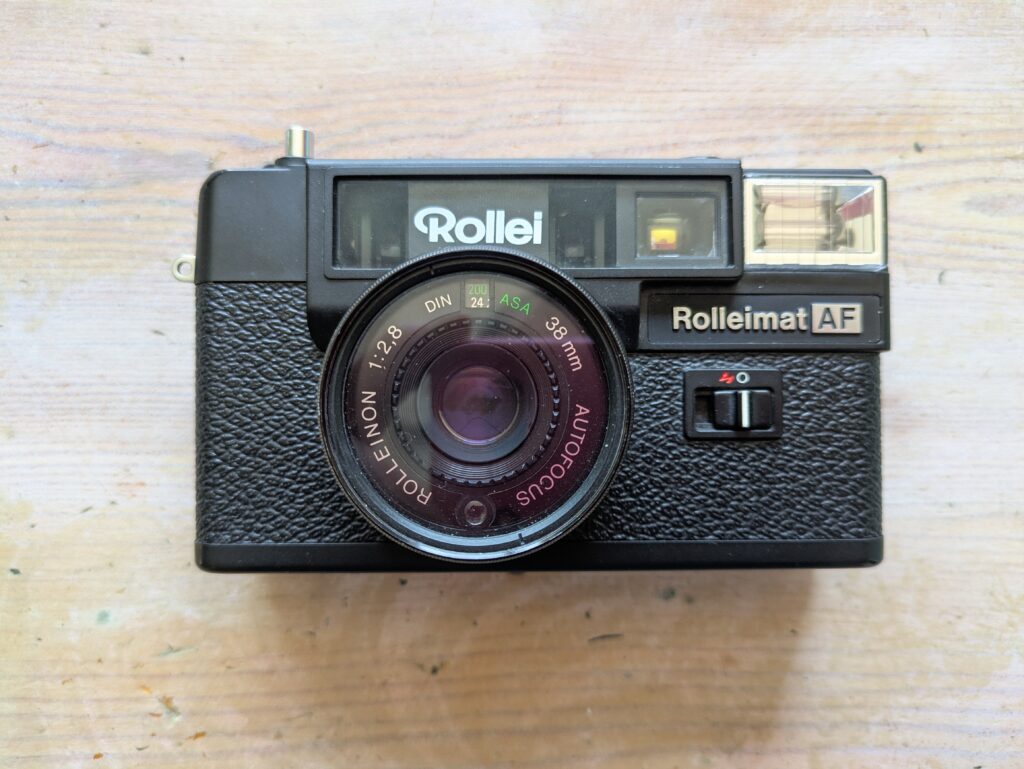
The Rolleimat AF represents a pivotal moment in the history of Rollei, a brand synonymous with high-end twin-lens reflex (TLR) cameras and precision German engineering. Introduced in 1980 and produced until 1981, the Rolleimat AF was the company’s first foray into the then-nascent world of auto-focus technology. During this era, the photographic industry was undergoing a radical transformation as electronics began to supplant traditional mechanical linkages.
Marketed as a consumer-grade compact, the Rolleimat AF was manufactured during a period of transition for Rollei, which sought to remain competitive against Japanese giants like Canon, Nikon, and Minolta. Approximately 60,000 units were produced, making it relatively rare compared to mass-market contemporaries, yet it remains an accessible entry point for collectors today. Its release followed the groundbreaking Konica C35 AF, which in 1977 had become the world’s first production auto-focus camera. The Rolleimat AF utilized the same foundational technology: the Honeywell Visitronic system.
Technical Analysis of the Honeywell Visitronic System
The heart of the Rolleimat AF is the Visitronic auto-focus module, a patented passive system developed by Honeywell. Unlike modern active AF systems that utilize infrared beams or ultrasonic pulses to measure distance, the Visitronic system operates on the principle of optical triangulation, effectively mimicking the function of a human-operated rangefinder.
The system employs two windows on the front of the camera. One window features a fixed mirror, while the other houses a pivoting mirror linked to the shutter release mechanism. As the user depresses the shutter button, the pivoting mirror scans the scene. A dual-sensor array behind these mirrors compares the incoming light patterns, looking for the point of maximum contrast correlation—the moment when the two images align. When this "match" is detected, the camera locks the lens position.
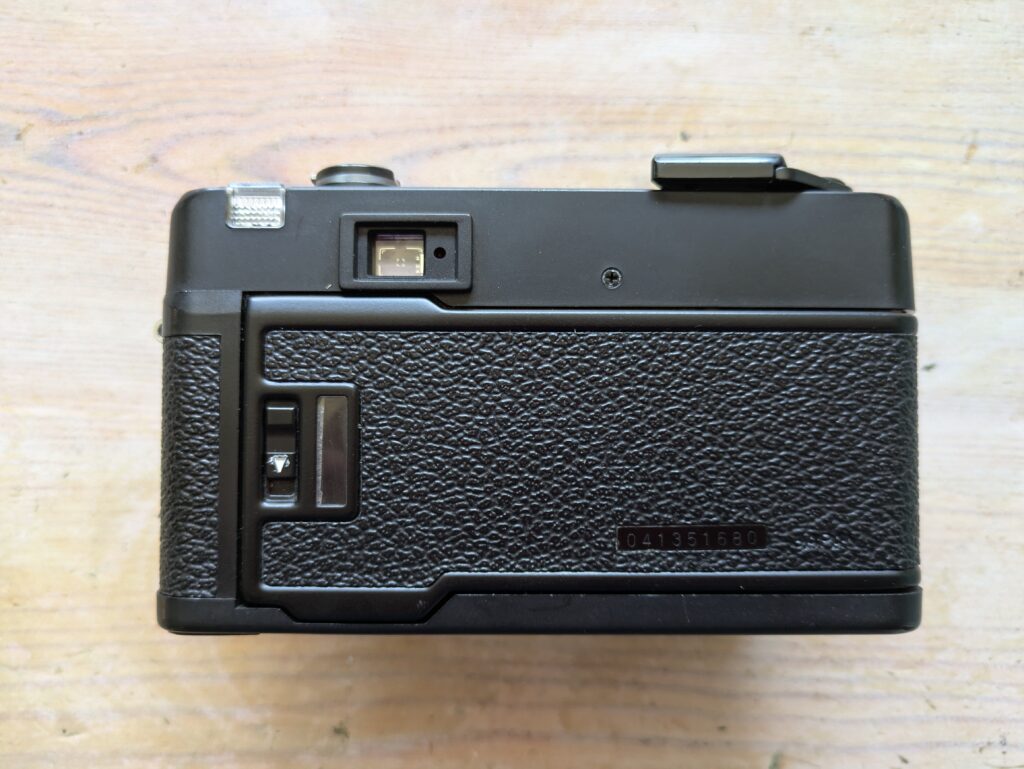
In the Rolleimat AF, this process is visualized for the user through a needle-and-icon system in the viewfinder. Symbols representing a single person (close-up), a group (middle distance), and mountains (infinity) provide a feedback loop, allowing the photographer to confirm that the electronics have correctly interpreted the scene before the shutter fires.
Hardware Specifications and Design Philosophy
The Rolleimat AF was designed to be a "point-and-shoot" in the truest sense, yet it retained several features that elevated it above modern "toy" cameras. Its lens is a 38mm f/2.8 optic, consisting of four glass elements arranged in three groups. This configuration provides a classic slightly-wide perspective that is versatile for street photography and landscapes.
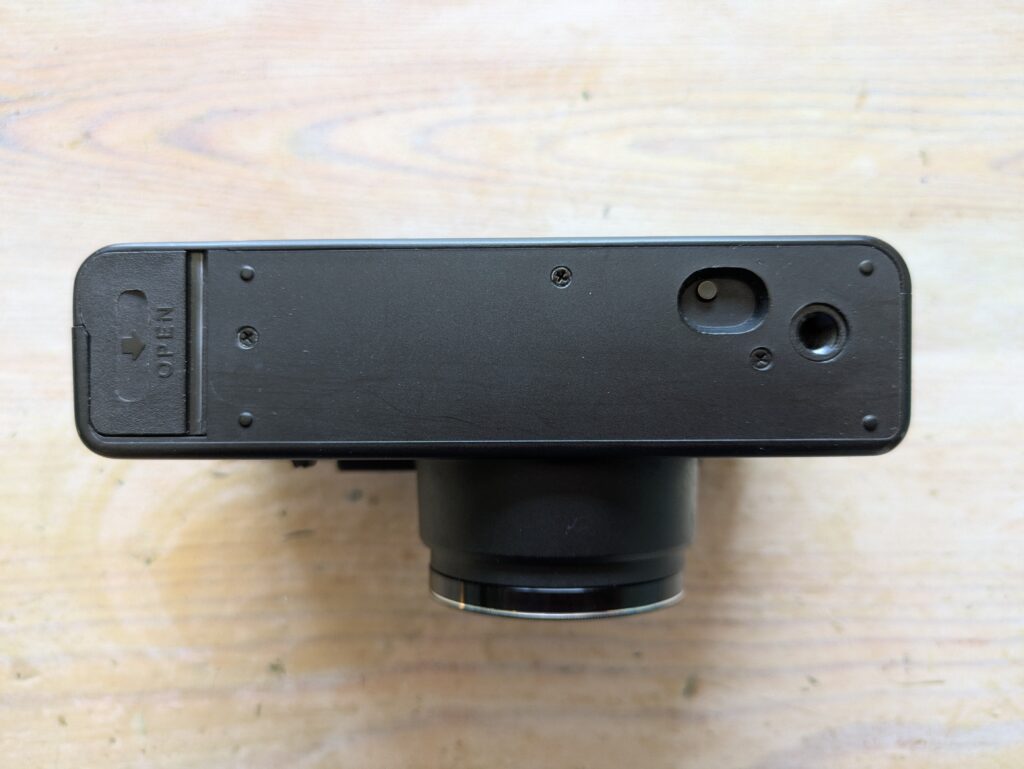
Key technical specifications include:
- Aperture Range: f/2.8 to f/17.
- Shutter Speeds: 1/8 second to 1/450 second.
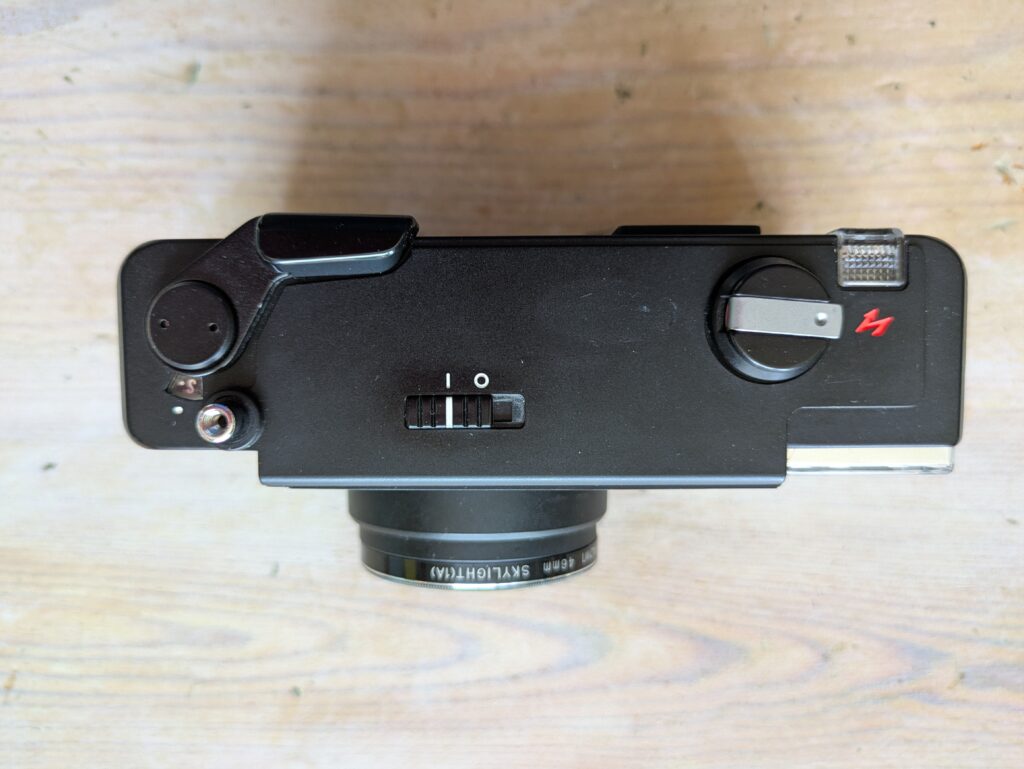
- ISO/ASA Range: 25 to 400, adjustable via a knurled ring around the lens.
- Power Source: Two standard AA batteries, which power the meter, the AF system, and the integrated flash.
- Exposure System: Fully programmed auto-exposure utilizing a Cadmium Sulfide (CdS) cell.
A notable design choice is the placement of the CdS cell within the lens’s filter thread. This ensures that the light meter automatically accounts for the light reduction of any attached filters, such as the Skylight filter often found on these units, without requiring manual exposure compensation from the photographer.
Maintenance and the "Repairability" Factor
A significant concern regarding vintage electronics is their longevity. However, the Rolleimat AF demonstrates a degree of mechanical transparency that is absent in modern, sealed-unit electronics. In a recent case study, a "near-mint" Rolleimat AF purchased for £24.01 exhibited a common failure: the auto-focus needle remained static despite the shutter firing.
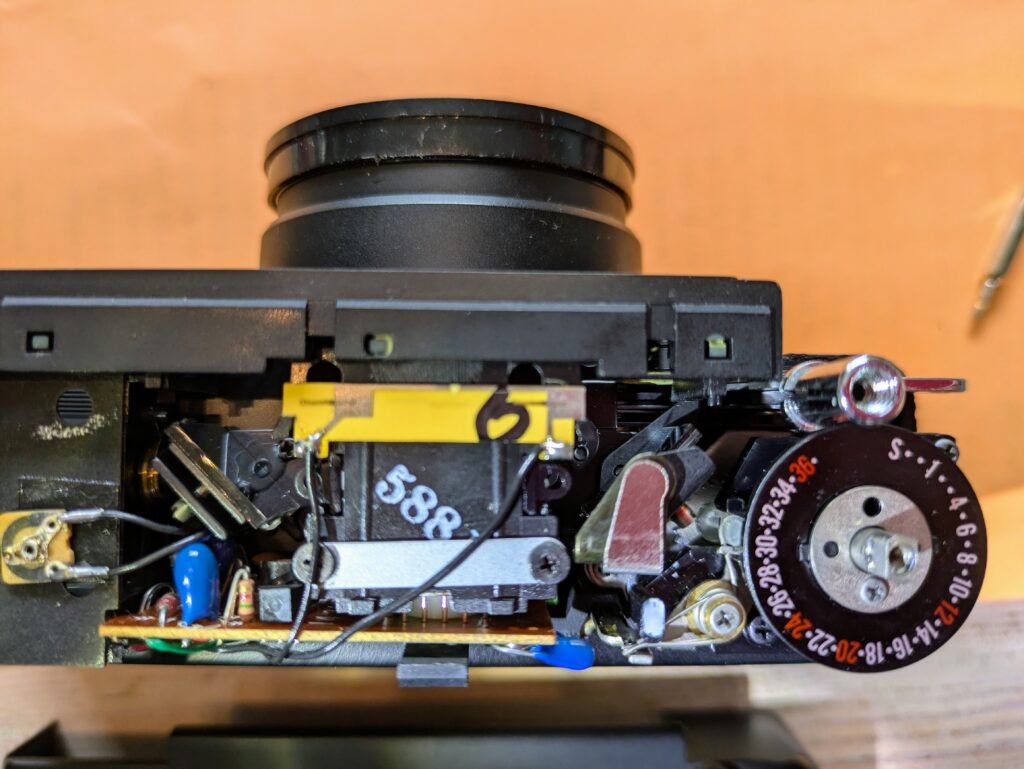
Upon disassembly, the failure was traced to the Honeywell module’s pivoting mirror. The mirror was held in place by a 2mm ball bearing and a tensioning spring plate. Over decades, the original bearing had become displaced, causing the mirror to tilt and the AF system to fail. The repair—involving the replacement of the ball bearing and the re-tensioning of the bracket—highlights the durability of 1980s construction. Unlike modern cameras that rely on microscopic surface-mount components and proprietary software, the Rolleimat AF’s issues are often physical and, therefore, solvable by a patient technician or hobbyist.
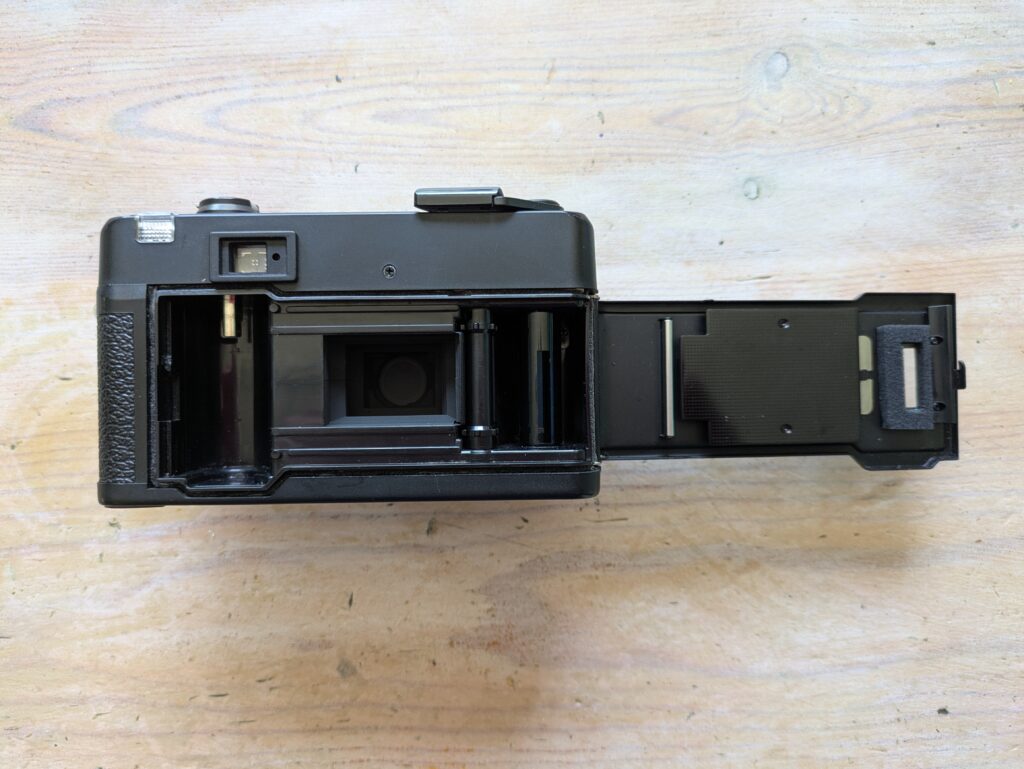
Furthermore, the replacement of light seals—the foam strips that prevent light from leaking into the film chamber—is a standard maintenance task for cameras of this vintage. Once these seals are refreshed, the Rolleimat AF’s metal pressure plate and robust film-advance mechanism provide a level of film flatness and transport reliability that modern plastic reusables rarely match.
Comparative Market Analysis: Vintage vs. Modern
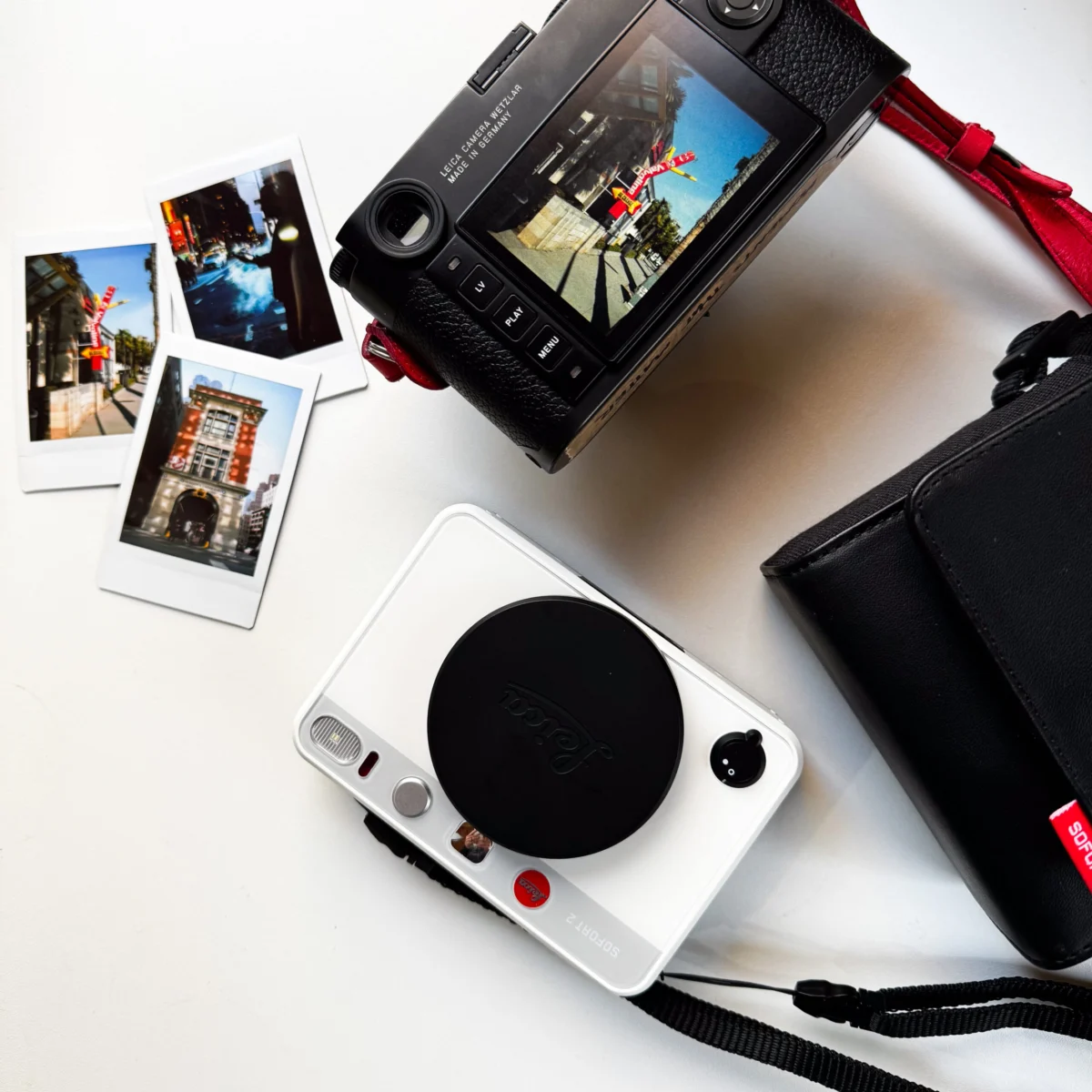
The current market for new 35mm cameras is dominated by models like the Kodak M35, the Ilford Sprite 35-II, and the AgfaPhoto Reusable. These cameras typically retail between £30 and £50, while "premium" plastic models like the Kodak Ektar H35 reach higher price points. These new cameras generally feature:
- Fixed shutter speeds (usually around 1/120s).
- Fixed apertures (usually f/9 or f/11).
- Single-element plastic lenses.
- Manual film winding without a tension-regulated take-up spool.
In contrast, the Rolleimat AF, which can often be found for less than £30 on the used market, offers a glass lens, variable shutter speeds, variable apertures, and a sophisticated auto-focus system. The result is a significant disparity in image quality. The Rolleimat’s f/2.8 lens allows for shallow depth of field and low-light shooting—capabilities that are impossible on fixed-aperture modern reusables. Additionally, the Rolleimat’s ability to handle film speeds from ISO 25 to 400 allows for greater creative flexibility, whereas modern reusables are almost entirely dependent on ISO 400 film to compensate for their slow lenses.
Industry Implications and the Future of Film
The continued viability of cameras like the Rolleimat AF poses a challenge to the "new-wave" of film camera manufacturers. While the new cameras are essential for introducing younger generations to the tactile nature of film without the perceived "risk" of buying used gear, they often fail to deliver the "look" that many associates with professional analog photography.

The Rolleimat AF serves as a reminder that the peak of consumer film technology occurred between 1980 and 2000. During this window, manufacturers achieved a balance between mechanical precision and electronic convenience. For the modern consumer, the decision to purchase a vintage Rolleimat over a new plastic camera is a choice between "convenience with limitations" and "sophistication with maintenance."
The broader impact of this trend is seen in the secondary market prices. As influencers and photography educators highlight "sleeper" cameras like the Rolleimat AF—which lack the cult status (and inflated price tags) of the Contax T2 or the Yashica T4—prices are expected to stabilize or rise. However, for now, the Rolleimat remains a testament to an era when even "mostly plastic" consumer cameras were built to standards that modern entry-level hardware cannot replicate.

Conclusion: A Case for the Vintage Compact
The Rolleimat AF, despite its short production run and the occasional need for a 2mm ball bearing, remains a formidable tool for the contemporary film photographer. It bridges the gap between the fully manual era and the digital age, offering a user experience that is both nostalgic and functional. In an era where "sustainability" is a corporate buzzword, the act of repairing and using a 44-year-old camera is perhaps the most sustainable way to enjoy analog photography.
As the film community continues to grow, the Rolleimat AF stands as a benchmark. It proves that the initial investment in a camera is not merely about the purchase price, but about the optical potential and the mechanical soul of the device. For £24.01, the Rolleimat AF does not just take pictures; it provides a direct link to the innovative spirit of 1980s photography, delivering results that continue to challenge the necessity of the modern "reusable" movement.